Introduction
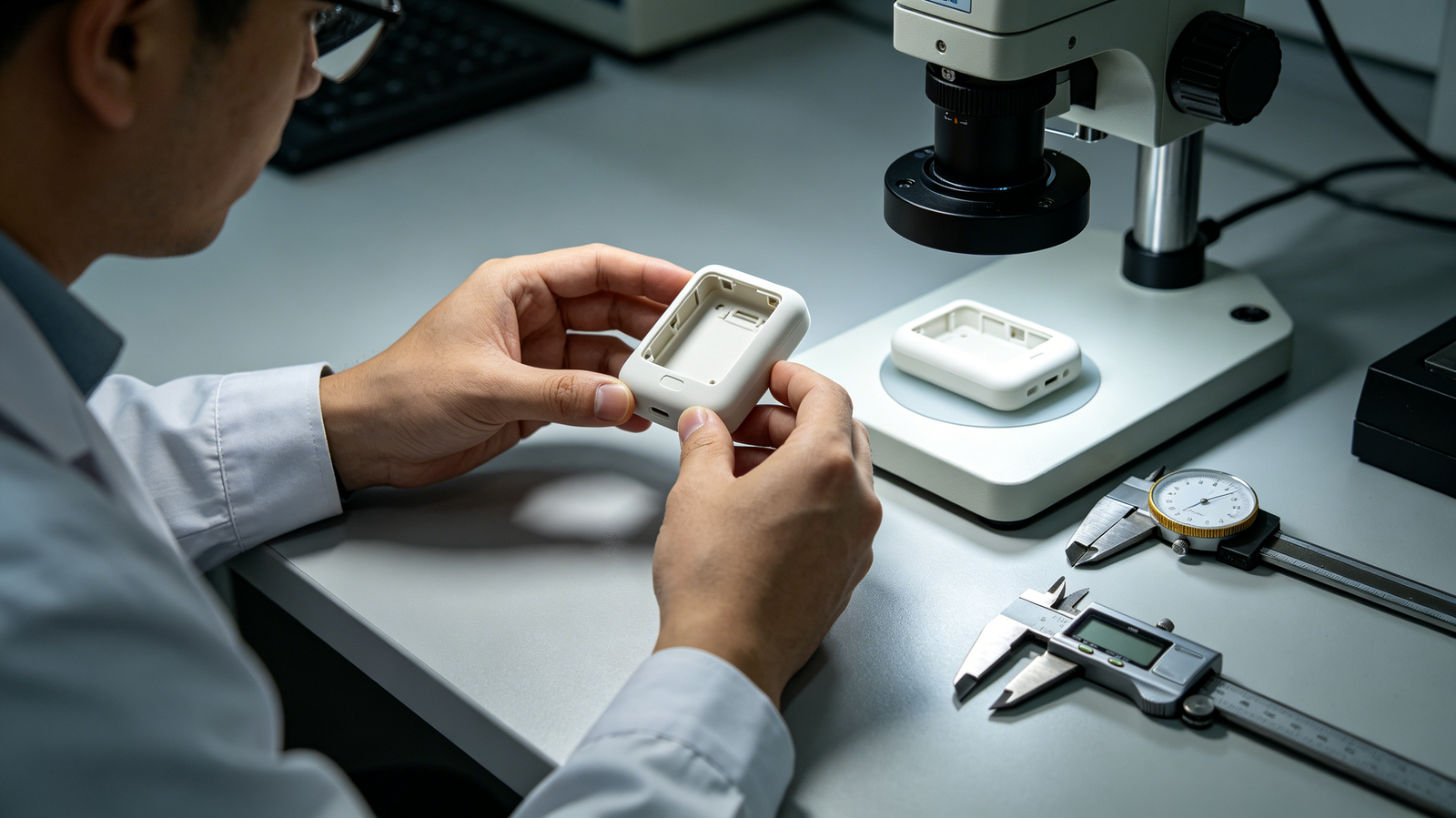
Sealing performance in injection molded enclosures is a critical factor for product reliability in consumer electronics, automotive systems, and industrial devices. The parting line is one of the most sensitive structural elements affecting whether a housing can maintain stable sealing over time. Even a microscopic mismatch at the parting interface can lead to full-scale leakage failure in mass production.
In Xiamen Ruicheng’s engineering practice, parting line-related issues account for a significant proportion of sealing failures, especially in IP-rated products. This includes enclosure deformation, mold mismatch, and long-term wear at the sealing interface. Sealing performance is determined more by structural design than by material selection.
How Does Parting Line Design Affect Sealing Performance in Injection Molded Enclosures?
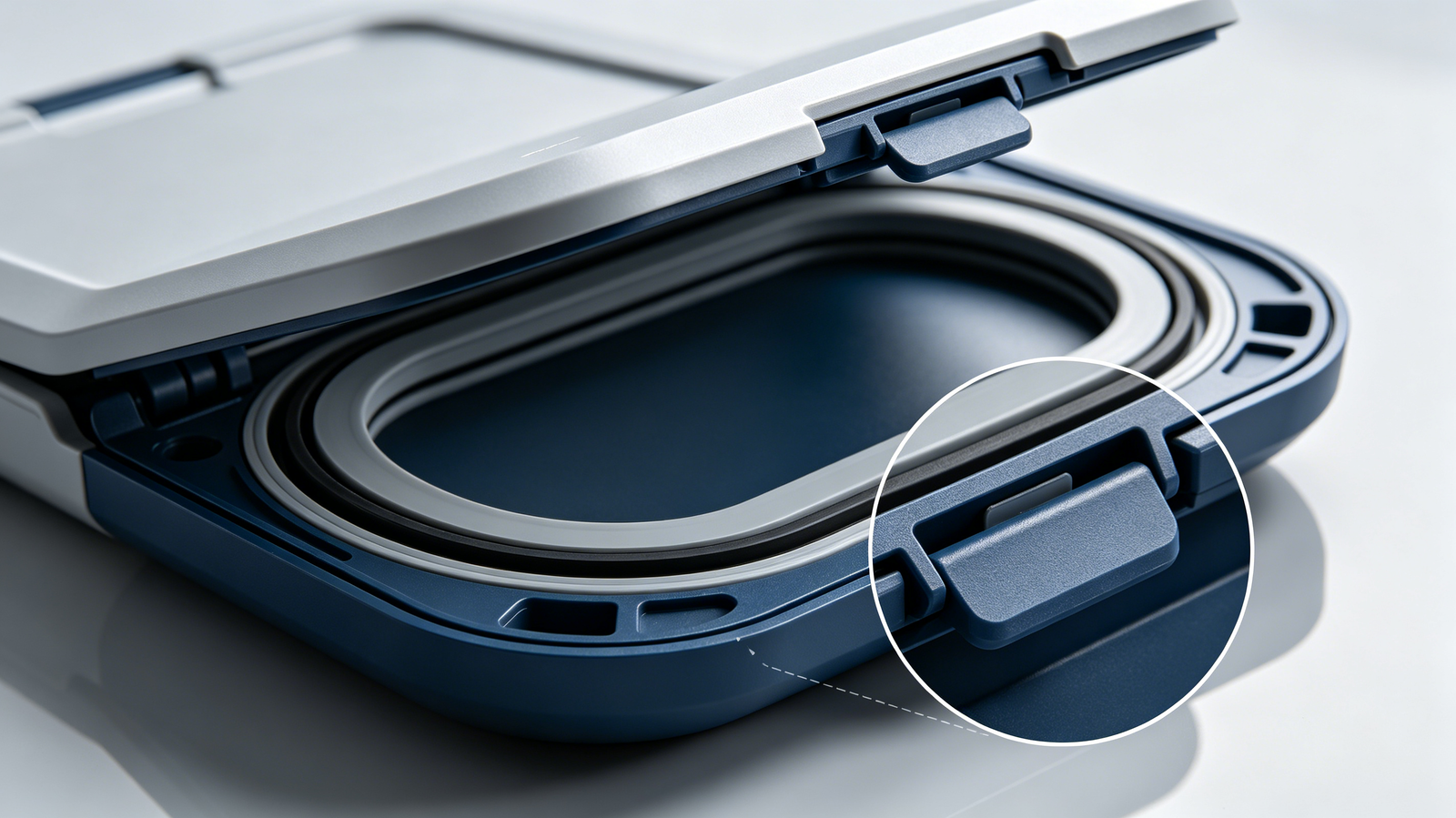
The parting line is the interface where the two halves of the mold meet, and any imperfection in this region can create a direct leakage path in injection molded enclosures. Based on Xiamen Ruicheng’s injection molding process experience, sealing failures often originate from improper parting line positioning or insufficient mold precision. The closer the parting line is to the sealing area, the higher the risk of leakage. According to principles described in Injection Molding Engineering, proper parting line design significantly improves enclosure reliability.
Parting Line Positioning: Avoid placing parting lines directly on sealing surfaces.
Mold Alignment Accuracy: High precision alignment reduces micro-gap formation.
Flash Prevention Control: Flash is one of the most common sealing failure sources.
Stress Distribution Balance: Uneven stress may distort the sealing interface.
🔧 Parting line design defines the first barrier of sealing integrity
Why Does the Parting Line Become a Critical Sealing Weak Point?
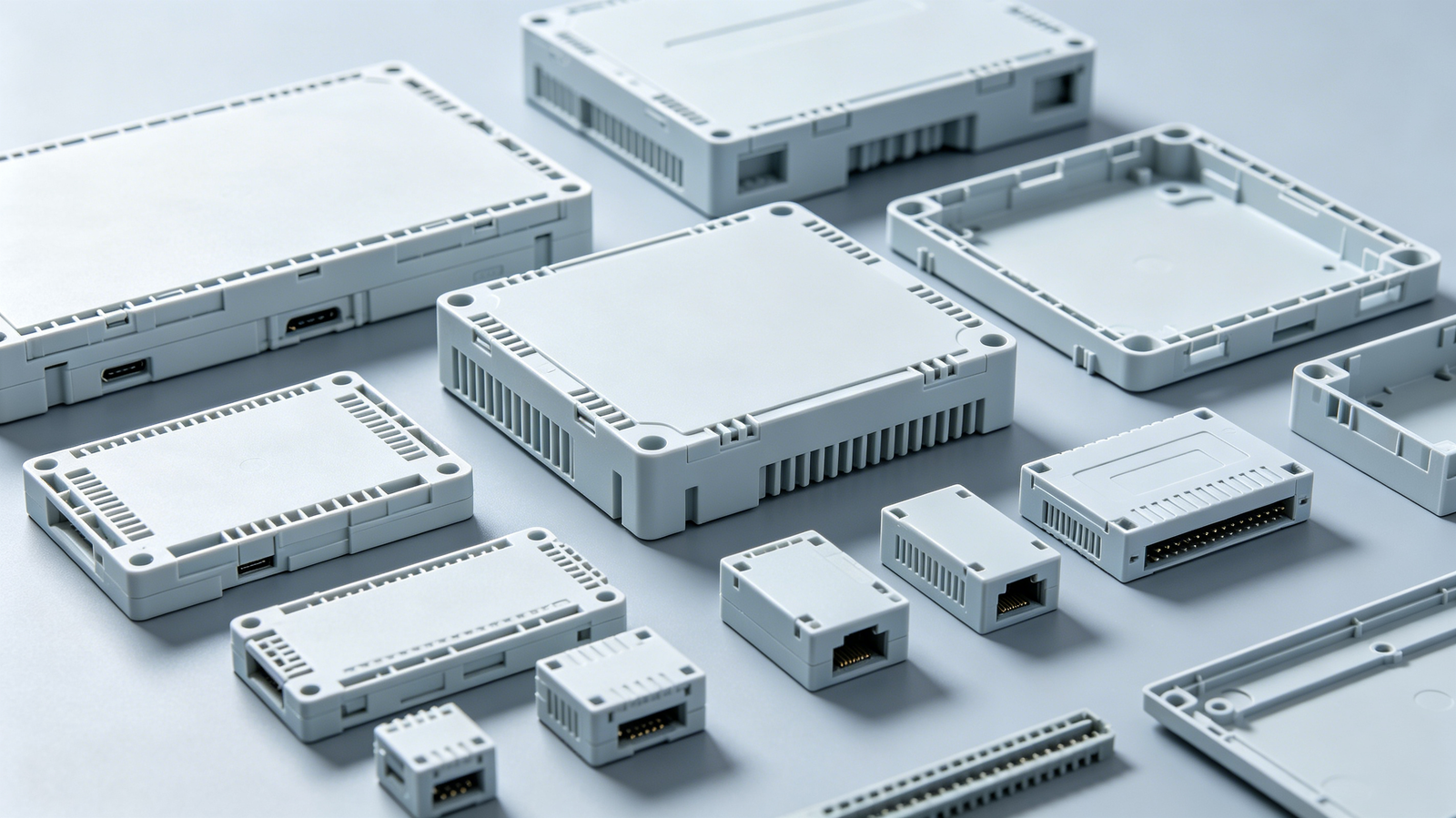
The parting line region is where material flow ends and clamping force converges, making it highly vulnerable to microscopic defects. In automotive sensor housing projects at Xiamen Ruicheng, nearly 35% of IP test failures were linked to parting line micro-leakage. Sealing failure is often caused by invisible structural gaps.
Micro-Gap Formation: Mold wear or misalignment creates invisible leakage channels.
Material Shrinkage Effect: Thermal contraction amplifies tolerance deviations.
Uneven Clamping Pressure: Insufficient force leads to incomplete sealing.
Long-Term Fatigue: Cyclic stress gradually weakens sealing integrity.
🔍 Sealing issues originate from long-term loss of structural precision
How Can DFM Optimize Parting Line Design for Better Sealing?
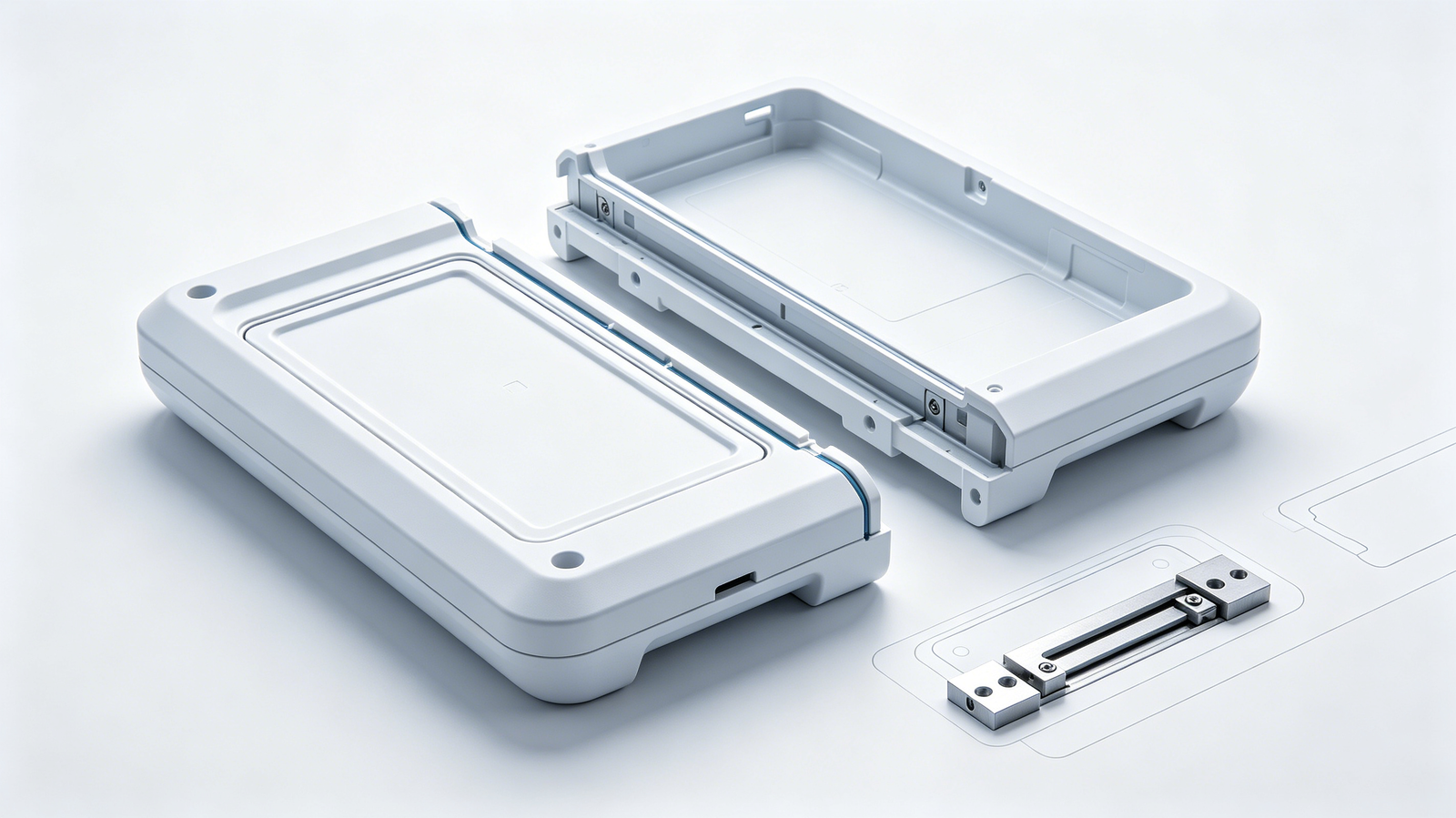
Design for Manufacturing (DFM) is essential for preventing sealing failures caused by parting line design. At Xiamen Ruicheng, early engineering reviews include simulation of parting line paths to identify potential risks before mold fabrication. Proper validation at the design stage determines final sealing performance.
Seal Area Avoidance Design: Keep parting lines away from O-ring or gasket zones.
Flatness Control Strategy: Improve mold machining precision for tighter sealing.
Structural Zone Separation: Reduce stress concentration along parting surfaces.
Simulation Validation: Use CAE tools to predict leakage risk.
🧩 DFM defines up to 80% of final sealing capability
Parting Line Design vs Sealing Performance Comparison
| Parting Line Strategy | Sealing Result | Risk Level | Application | Engineering Advice |
|---|---|---|---|---|
| Cross sealing surface | High leakage risk | High | Not recommended | Redesign required |
| Offset sealing zone | Moderate stability | Medium | General housings | Optimize further |
| Hidden parting line | High sealing integrity | Low | Premium electronics | Recommended |
| Multi-parting structure | Unstable sealing | High | Complex parts | Use cautiously |
In Xiamen Ruicheng’s production experience, hidden parting line design provides the best sealing performance for high-end electronic enclosures, but requires extremely high mold precision. For engineering evaluation or sealing analysis support, contact us.
Engineering Expansion for Parting Line Sealing Optimization
In mass production, parting line performance is not only a design issue but also a manufacturing stability challenge. Xiamen Ruicheng integrates mold maintenance, process monitoring, and SPC data analysis to ensure consistent sealing quality. Stable parting line control directly translates into stable sealing performance.
For IP-rated enclosures and automotive applications, air-tightness and water-tightness testing are standard validation steps to ensure long-term reliability under real operating conditions.
FAQ: Parting Line and Injection Molding Sealing
Question 1: Why does the parting line affect sealing performance?
Answer: Because the parting line is the mold interface, even microscopic gaps can form leakage paths that compromise sealing integrity.
Question 2: How can leakage caused by parting lines be prevented?
Answer: By optimizing parting line location during DFM, avoiding sealing zones, and improving mold precision and alignment.
Question 3: Can parting line issues be fixed after mold production?
Answer: Yes, but only through mold modification, which is costly; therefore, early design optimization is strongly recommended.
Question 4: Which products are most sensitive to parting line design?
Answer: IP-rated enclosures, automotive sensor housings, and waterproof consumer electronics are highly sensitive.
Question 5: How can I evaluate a supplier’s parting line capability?
Answer: By reviewing DFM reports, mold precision data, and sealing test results such as air or water leakage tests.
Conclusion
Parting line design is one of the most critical factors determining sealing performance in injection molded enclosures. It influences product reliability throughout design, tooling, and mass production stages. A well-designed parting line can directly define whether a product achieves long-term sealing stability.
At Xiamen Ruicheng, advanced DFM analysis and precision mold engineering are used to optimize parting line performance, reduce sealing risks, and improve product reliability for global customers.