Introduction
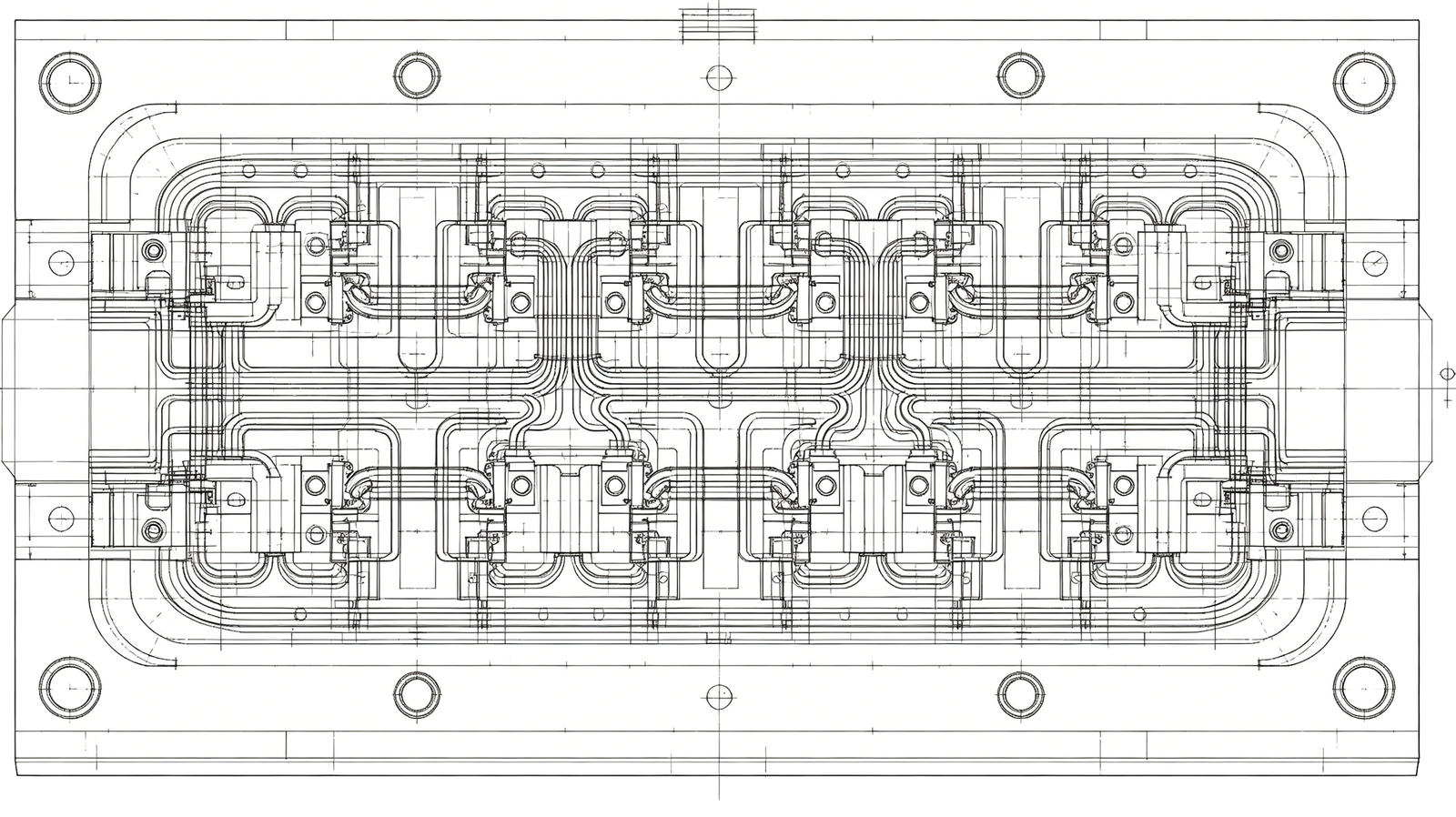
In high-volume connector housing manufacturing, material selection directly determines dimensional stability, assembly reliability, and long-term production consistency. LCP, PBT, and PA are widely used engineering plastics, but they behave very differently in shrinkage control, moisture absorption, and flow behavior during injection molding. The wrong material choice often leads to unstable mass production instead of just minor performance issues.
For automotive electronics, industrial connectors, and consumer devices, connector housings must maintain tight tolerances while ensuring consistent batch-to-batch performance. At Xiamen Ruicheng, we evaluate material behavior together with mold structure and production conditions to support stable mass production outcomes. Material selection is not a material comparison exercise, but a system-level manufacturing decision.
Why Does Connector Housing Material Selection Affect Mass Production Stability?

Connector housings are precision components where even small dimensional deviations can cause pin misalignment, insertion failure, or electrical instability. Different materials behave differently under heat, pressure, and cooling cycles, which directly impacts mass production consistency. Material behavior during injection molding is the root cause of most connector instability issues. In real manufacturing scenarios, injection molding performance is defined not only by mold quality but also by how the material responds inside the cavity during filling and cooling.
Dimensional Drift: Small shrinkage variations can accumulate into functional assembly failures.
Batch Variation: Inconsistent material behavior leads to unstable production outputs.
Environmental Sensitivity: Moisture and temperature exposure can shift final part dimensions.
Process Sensitivity: Material flow characteristics affect cycle time and molding stability.
💡 Most connector failures in mass production originate from material instability rather than design errors.
How Do LCP, PBT, and PA Differ in Connector Housing Applications?
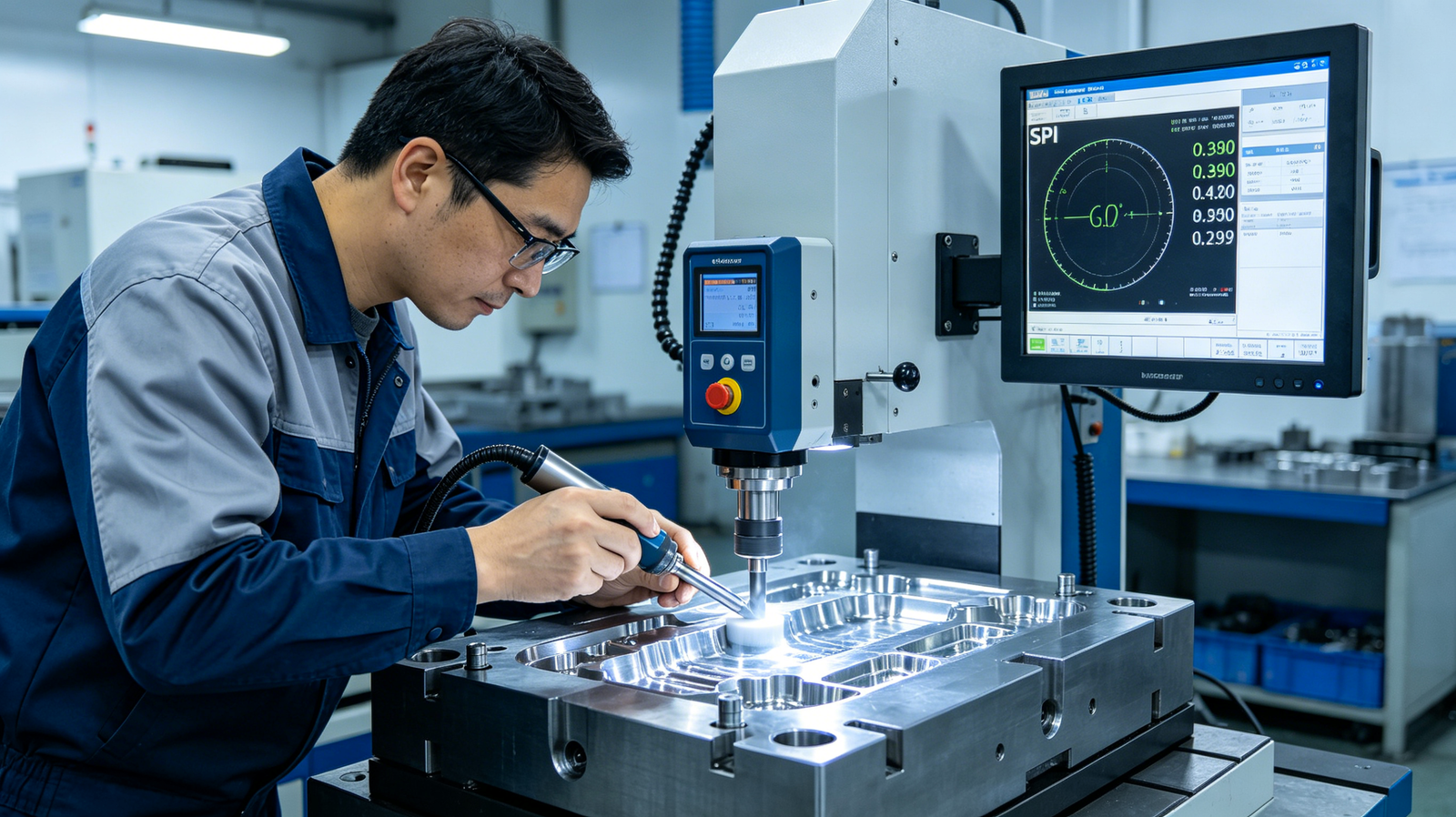
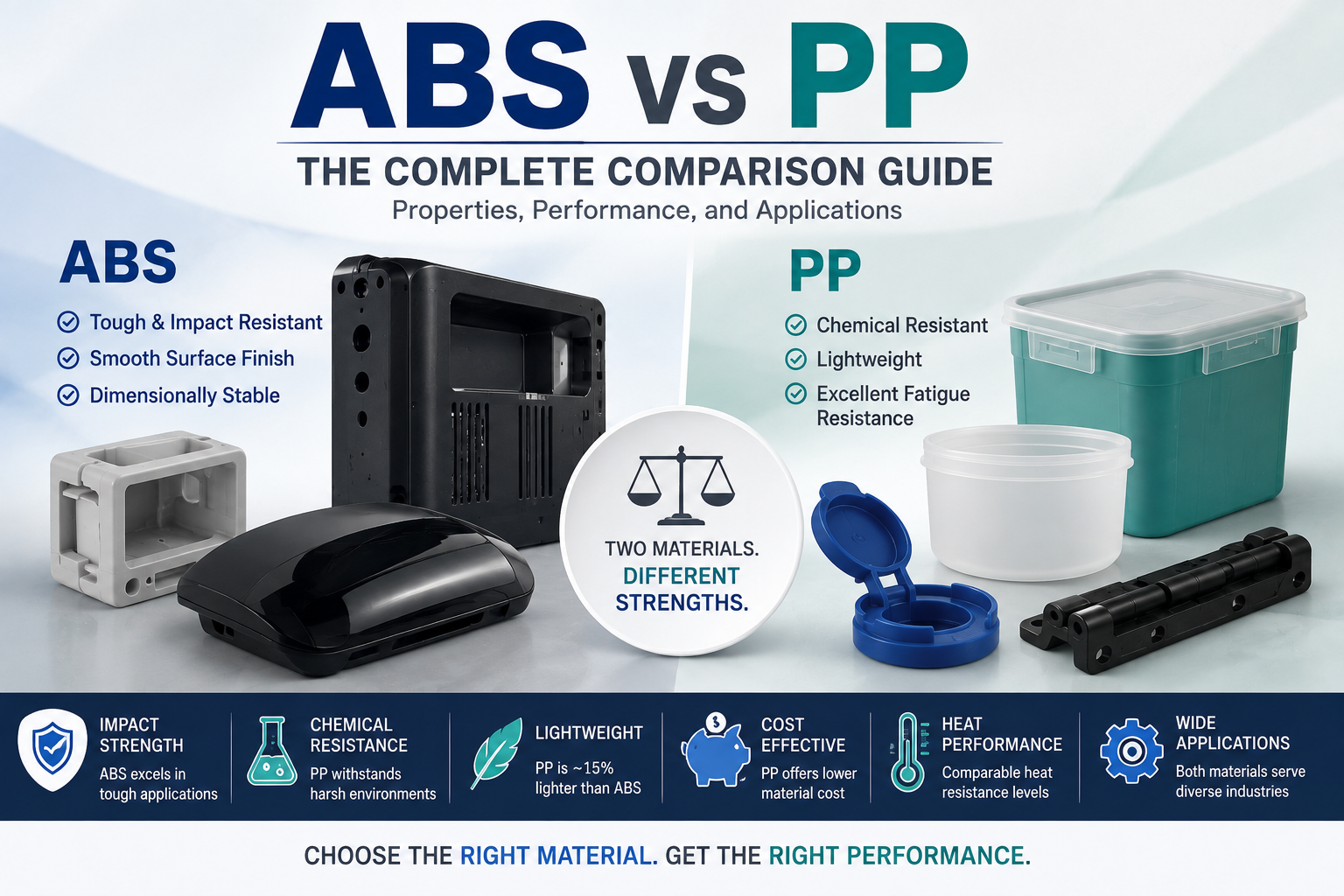
LCP, PBT, and PA represent three different levels of performance balance in connector housing applications. LCP is widely used in high-precision, thin-wall connectors; PBT is the most common cost-performance material for automotive connectors; PA is selected for its mechanical toughness but requires careful moisture control. Each material solves a different manufacturing problem rather than competing on a single metric. For example, precision injection molding applications often prioritize stability over raw mechanical strength.
LCP Advantage: Excellent dimensional stability and very low shrinkage make it ideal for micro connectors.
PBT Balance: Stable processing behavior and cost efficiency make it suitable for automotive mass production.
PA Strength: High mechanical strength with flexibility, but sensitive to moisture absorption.
Material Selection Logic: The right material depends on geometry, tolerance, and production scale.
💡 Material choice defines whether a connector design succeeds in real production or fails in scale-up.
How Should Material Selection Follow Connector Application Requirements?
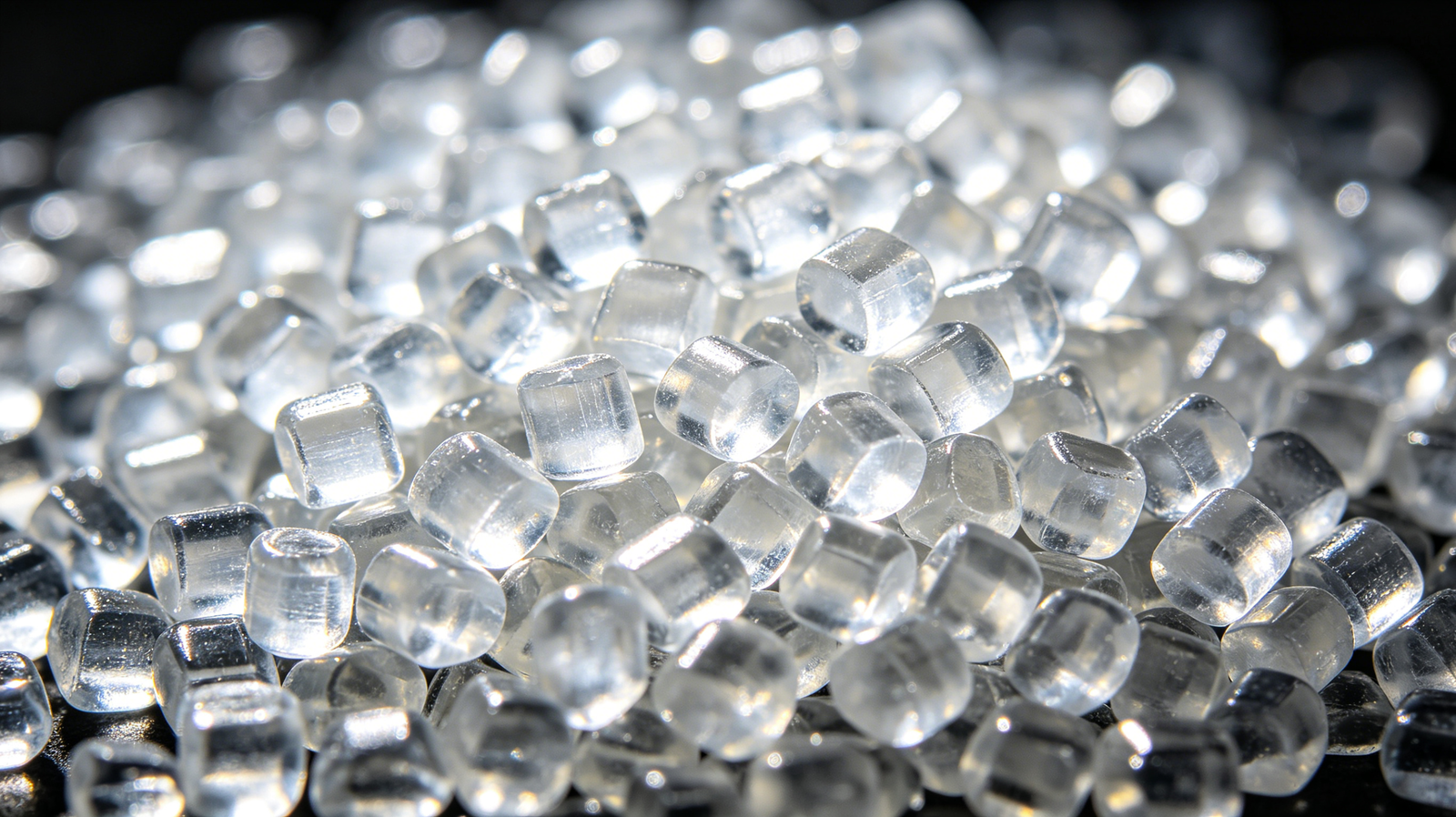
Connector housing material selection must be driven by application conditions rather than theoretical material rankings. Engineers need to evaluate temperature exposure, mechanical stress, electrical performance requirements, and expected lifecycle. The most reliable material is the one that remains stable under real working conditions. At Xiamen Ruicheng, material selection is integrated with DFM and mold feasibility analysis to reduce downstream production risks.
Operating Temperature: High-temperature environments often eliminate PA and favor LCP or high-grade PBT.
Tolerance Requirements: Tight connector tolerances require low-shrinkage materials.
Production Volume: High-volume programs prioritize stable processing materials.
Compliance Needs: Automotive and industrial standards may restrict material options.
💡 Application-driven selection always outperforms specification-driven selection in connector manufacturing.
What Supplier Capabilities Are Critical for Connector Mass Production?
Even with the correct material, connector housing performance depends heavily on supplier capability in mold design and process control. Poor gating design, uneven cooling, or unstable injection parameters can destroy material advantages. A capable supplier converts material properties into stable production outcomes.
Mold Engineering: Proper multi-cavity balance ensures consistent filling behavior.
Process Control: Stable injection parameters reduce batch-to-batch variation.
Quality Systems: SPC and dimensional monitoring ensure long-term stability.
Engineering Support: Early involvement helps avoid design-to-production gaps.
💡 In connector production, process capability is as important as material selection.
Material Performance Comparison for Connector Housing Mass Production
| Material | Dimensional Stability | Heat Resistance | Mass Production Suitability |
|---|---|---|---|
| LCP | Excellent | High | High-precision micro connectors |
| PBT | Good | Medium–High | Automotive mass production |
| PA | Moderate | Medium | Mechanical strength-focused parts |
| Modified Blends | Adjustable | Customizable | Special application connectors |
Material selection should always be evaluated together with mold design and production capability. If you are evaluating connector housing solutions for mass production, you can contact us for engineering-level material and process recommendations.
How Can Material Strategy Improve Connector Manufacturing Efficiency?
In connector development programs, early material decisions significantly reduce mold iteration cycles and improve first-pass yield during validation. A well-defined material strategy reduces uncertainty in shrinkage prediction, cooling balance, and long-term stability. The earlier material is locked in the development process, the lower the manufacturing risk becomes.
1.Design Stage: Define material constraints based on geometry and functional requirements.
2.Tooling Stage: Optimize gate location, cooling channels, and cavity balance based on material flow.
3.Validation Stage: Confirm dimensional stability through testing and inspection data.
4.Mass Production Stage: Maintain consistency through controlled process parameters.
FAQ
Question 1: What is your key advantage in connector housing material selection?
Answer: Xiamen Ruicheng evaluates LCP, PBT, and PA based on application conditions, tolerance requirements, and production volume to ensure stable mass production performance.
Question 2: What information is needed to start a connector housing project?
Answer: Customers should provide 3D drawings, material preferences, operating conditions, annual volume, and tolerance requirements for engineering evaluation.
Question 3: How do different materials affect delivery timelines?
Answer: Delivery time depends on material processing behavior, mold complexity, and validation requirements. High-precision materials like LCP may require tighter process control.
Question 4: How do you handle dimensional issues in connector housings?
Answer: We analyze mold structure, shrinkage behavior, and process parameters to identify root causes and implement corrective actions.
Question 5: Can you support material customization for special connector applications?
Answer: Yes, we provide material selection and process recommendations based on electrical, thermal, and mechanical requirements provided by the customer.
Conclusion
Selecting between LCP, PBT, and PA for connector housing is not about choosing the strongest material, but about matching material behavior with real manufacturing and application conditions. Each material offers distinct advantages depending on precision requirements, cost targets, and production scale. A well-balanced material strategy is essential for achieving stable high-volume connector production.With extensive injection molding experience, material evaluation capability, and process control expertise, Xiamen Ruicheng supports customers in achieving reliable and scalable connector manufacturing. The right material decision ensures better stability, lower risk, and higher production efficiency across the entire product lifecycle.
For expert assistance in implementing connector housing injection molding solutions for your production needs, visit our resource center or contact us. Let’s help you scale up your manufacturing with precision and efficiency!