Introduction
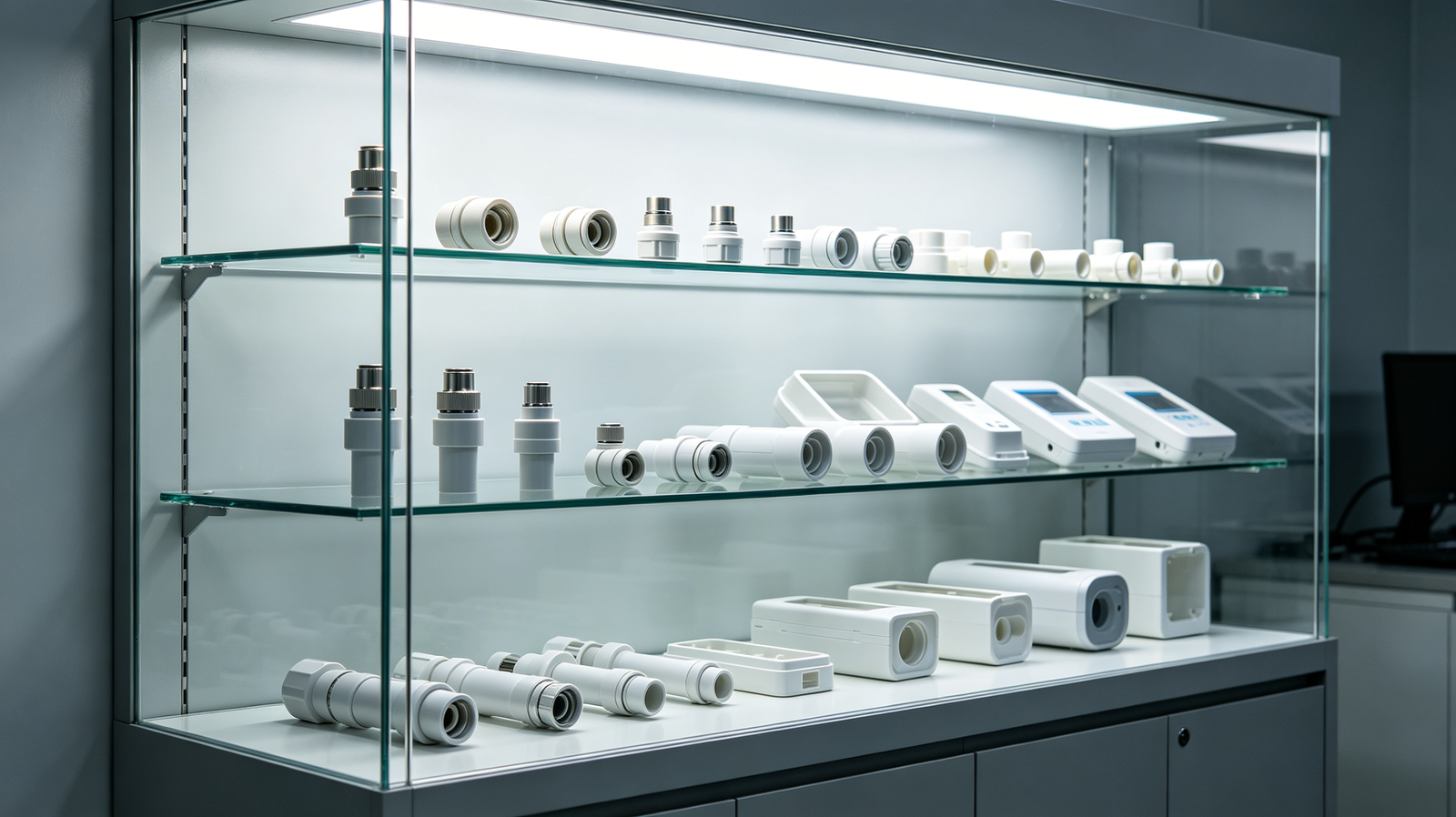
PBT, as a typical engineering thermoplastic, is widely used in electronic housings due to its mechanical strength and heat resistance, but it is highly sensitive to moisture. Once water is absorbed into the material, it changes melt flow behavior and causes non-uniform shrinkage during molding. These microscopic changes are often amplified into visible warpage defects during mass production.
In Xiamen Ruicheng’s injection molding projects, we found that more than 60% of electronic enclosure warpage issues are directly related to insufficient drying control. This effect becomes even more pronounced in thin-wall structures and complex rib designs. A stable material pre-drying process is the first line of defense against warpage.
Why Does PBT Moisture Absorption Cause Warpage in Electronic Enclosures?
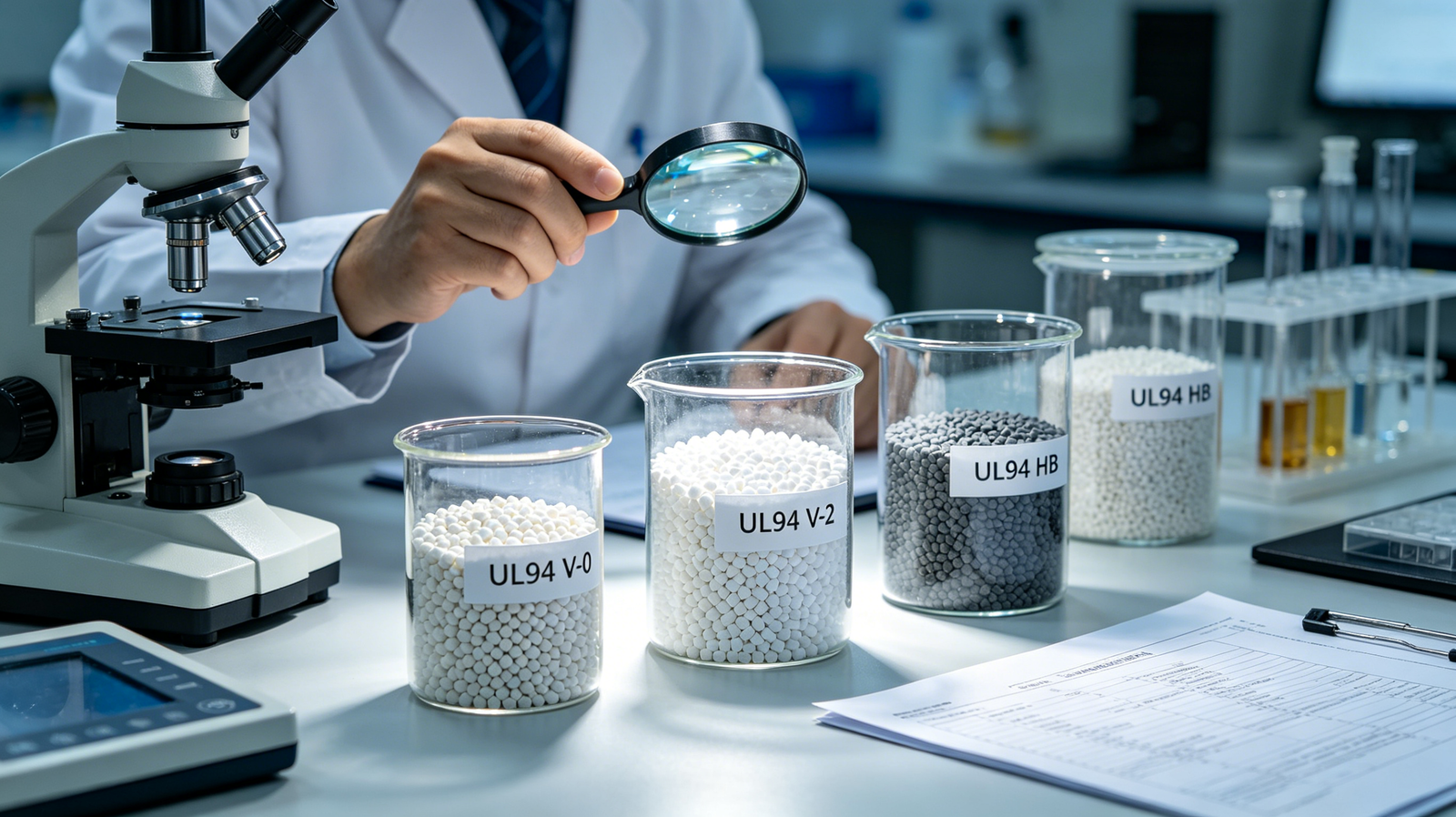
PBT continuously absorbs ambient moisture during storage and handling. When heated during injection molding, this moisture rapidly vaporizes and disrupts molecular chain alignment. Through engineering plastic injection molding process control, this risk can be reduced, but insufficient drying leads to changes in melt viscosity and filling behavior. Moisture is a hidden variable that destabilizes PBT molding behavior.In large electronic enclosures, shrinkage differences caused by moisture become amplified during cooling, resulting in warpage or distortion.
Molecular Structure Disturbance: Moisture alters PBT crystallization behavior.
Uneven Flow Behavior: Melt filling speed varies across cavity regions.
Cooling Shrinkage Imbalance: Local shrinkage differences cause deformation.
Residual Stress Accumulation: Ultimately results in overall warpage.
📌 PBT moisture absorption is not a single-point issue, but a systemic risk throughout the entire molding cycle.
Why Are Electronic Enclosures More Prone to Warpage?
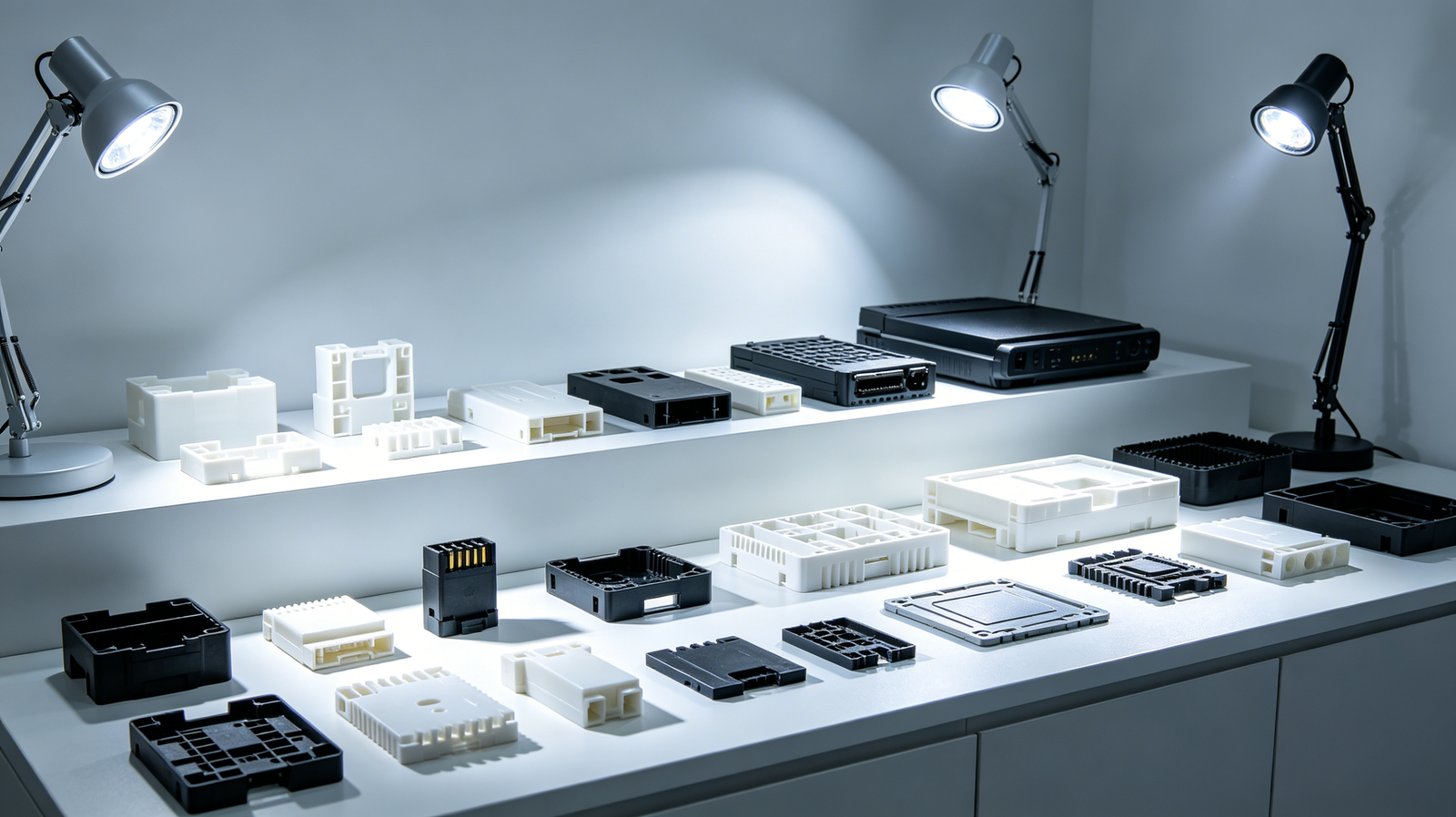
Electronic enclosures typically feature thin walls, large flat surfaces, and multiple rib structures, all of which inherently increase shrinkage imbalance risk. When material moisture fluctuates, internal stress distribution becomes even more unstable. Based on injection molded part design principles analysis, more complex structures are more sensitive to material conditions. Warpage is the combined result of design structure and material state.In Xiamen Ruicheng’s projects, automotive electronic housings and industrial control enclosures are high-incidence warpage cases, especially in large flat-panel structures.
Thin-Wall Amplification Effect: Wall thickness variation leads to cooling imbalance.
Rib Constraint Stress: Local stress concentration at reinforcement areas.
Mold Temperature Gradient Effect: Uneven cooling across regions.
Material Sensitivity: Moisture amplifies structural instability.
📌 The more complex the structure, the stricter the moisture control requirement.
How Does Drying Control Reduce PBT Warpage?
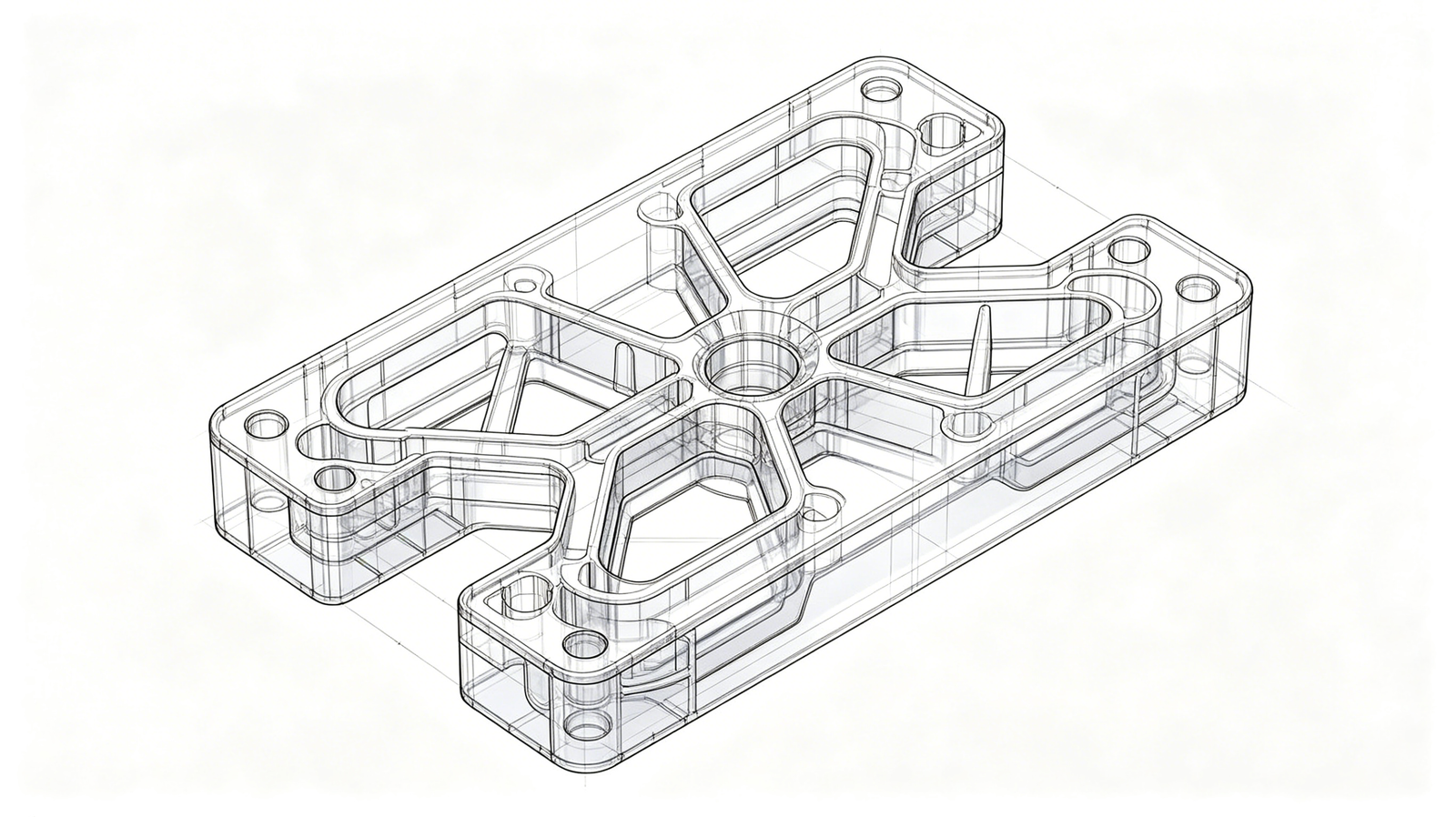
PBT must undergo strict dehumidification drying before injection molding; otherwise, moisture will cause uncontrolled changes during melting. By establishing standardized drying curves, warpage risk can be significantly reduced. In Xiamen Ruicheng’s production system, drying processes are often integrated with SPC monitoring to ensure process stability. Drying control is a core process for stable PBT molding.
Temperature Stability Control: Ensures uniform drying condition.
Dew Point Management: Reduces ambient humidity impact.
Time Standardization: Avoids under- or over-drying.
Process Data Monitoring: Tracks material condition changes in real time.
📌 Drying is not a pre-processing step; it is part of quality control.
PBT Warpage Control Strategy Comparison
| Control Method | Traditional Approach | Engineering Approach | Ruicheng Solution |
|---|---|---|---|
| Drying Method | Experience-based | Standardized curve | SPC + dew point control |
| Material Handling | Normal storage | Moisture-proof sealing | Controlled humidity warehouse |
| Process Control | Manual adjustment | Parameter modeling | Data-driven optimization |
| Quality Inspection | Sampling | Full-process monitoring | CMM + trend analysis |
Through systematic control, warpage issues shift from “post correction” to “process prevention.” If you are dealing with PBT electronic enclosure projects, you can get engineering analysis support via contact us.
How to Evaluate Whether a Supplier Can Control PBT Warpage?
Supplier selection is not only about price, but more importantly about process control capability. In long-term projects, Xiamen Ruicheng found that factories with stable drying systems and data-driven management have significantly lower warpage defect rates. Supplier capability defines the upper limit of product stability.
1.Material Drying Standards: Whether a clear PBT drying process exists.
2.Data Monitoring Capability: Whether temperature, humidity, and process parameters are recorded.
3.Structural Analysis Capability: Whether warpage risk can be identified in advance.
4.Mass Production Consistency: Whether stable long-term production is supported.
PBT Moisture and Warpage Issues
Q1: Why does PBT moisture absorption affect dimensional stability of electronic enclosures?
A: Moisture changes melt flow and crystallization behavior, causing uneven shrinkage and resulting in warpage and dimensional deviation.
Q2: How to determine whether PBT is properly dried?
A: Typically through dew point monitoring, moisture content testing, and trial molding validation.
Q3: How to reduce warpage risk in electronic enclosure design?
A: Optimize wall thickness uniformity, reduce abrupt geometry changes, and balance rib layouts to reduce stress concentration.
Q4: Can warpage issues be solved by machine tuning?
A: Minor issues may be improved via temperature and pressure adjustment, but structural warpage caused by moisture must be addressed at drying and material level.
Q5: How does Xiamen Ruicheng control PBT warpage?
A: Through standardized drying, process data monitoring, and mold flow analysis to achieve full-process control from material to mass production.
Conclusion
PBT moisture-induced warpage is fundamentally the result of combined effects between material state and structural design, and cannot be fully resolved by machine tuning alone. Systematic drying control and process monitoring are the key to stabilizing electronic enclosure quality.In Xiamen Ruicheng’s manufacturing system, process standardization and data-driven management effectively reduce deformation risks in mass production of PBT enclosures, improving overall supply stability.
For expert assistance in implementing solutions for your production needs, visit our resource center or contact us. Let’s help you scale up your manufacturing with precision and efficiency!