Introduction
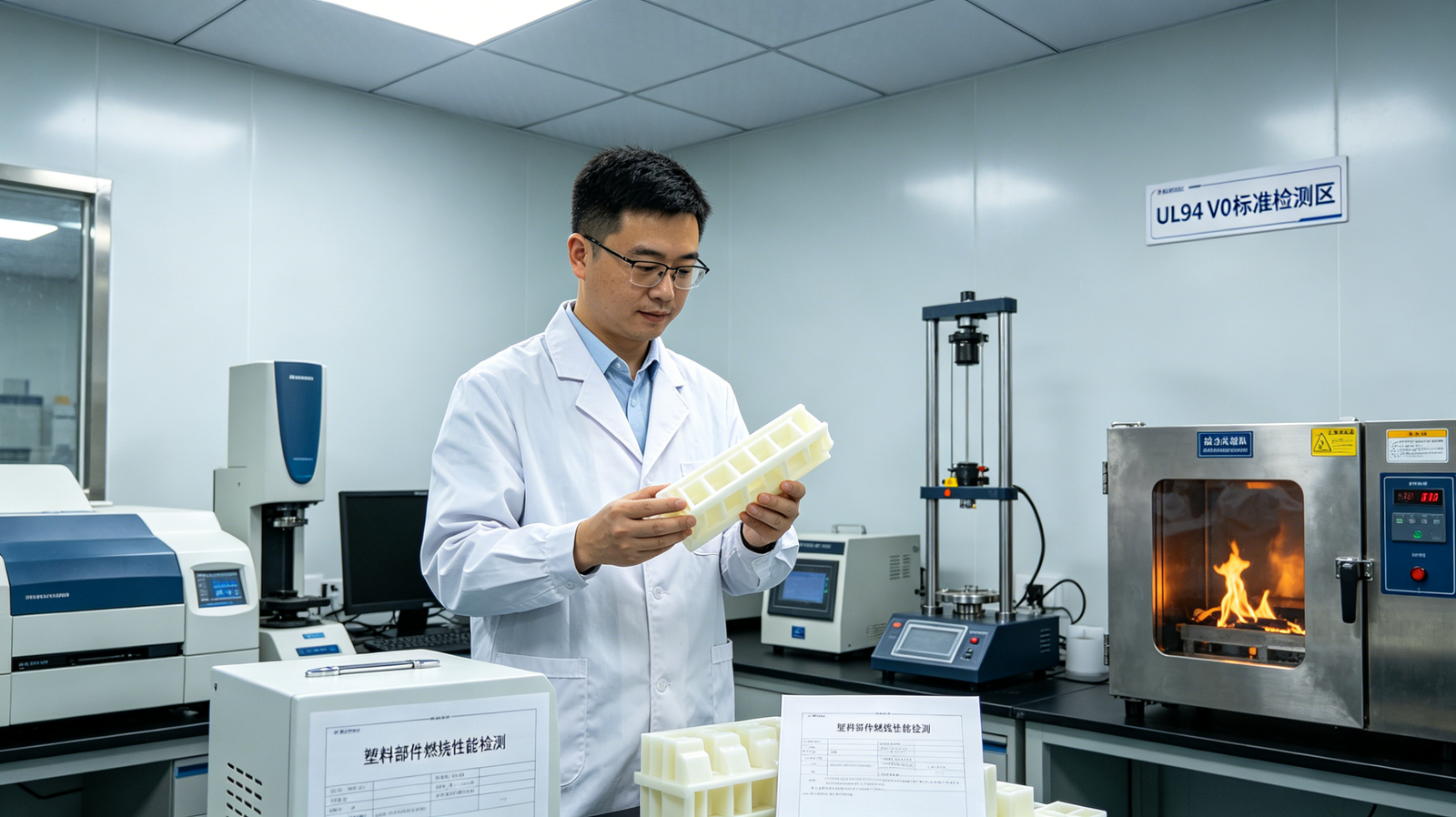
Gas-assisted injection molding, as a critical process for improving structural strength and achieving weight reduction, is widely used in automotive interior parts, home appliance housings, and industrial structural components. However, this process is highly sensitive to gas pressure control, mold design, and melt flow paths. Any minor process deviation can directly affect final product appearance and structural stability.
In actual mass production, customers are often more concerned about whether defects are predictable and consistently controllable. In gas-assisted injection molding projects, Xiamen Ruicheng helps clients identify risk points in advance through DFM analysis and process validation. Intervening at the design stage is the key to reducing gas-assisted molding defects.
Why Do Gas Marks and Uneven Filling Occur in Gas-Assisted Injection Molding?
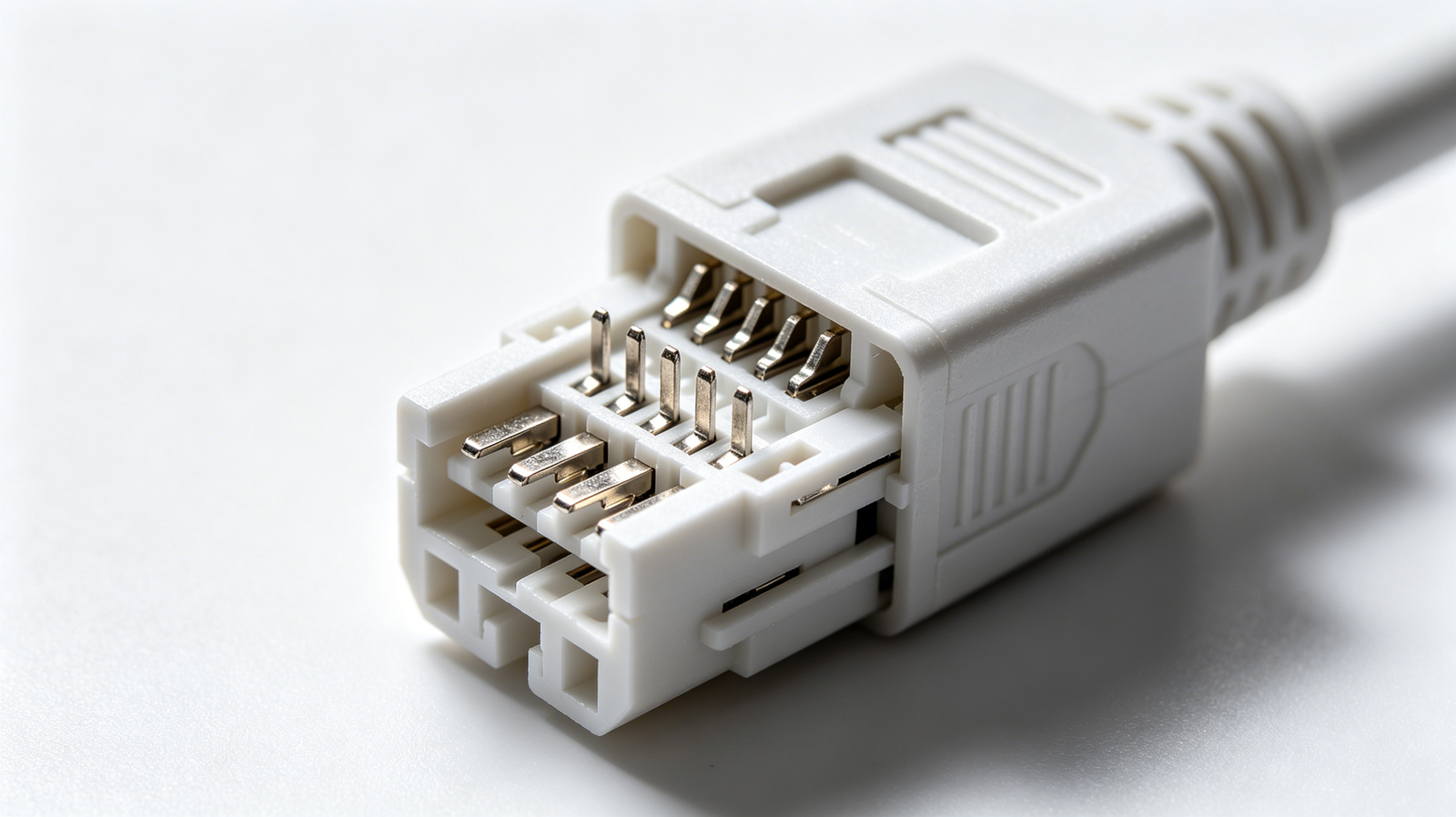
Gas-assisted injection molding relies on gas to drive melt flow during the injection molding process. If gas injection timing or pressure control is improper, it can easily lead to excessive gas penetration (gas marks) or uneven filling. In production, Xiamen Ruicheng typically uses mold flow analysis and trial data to optimize gas injection paths and injection curves. Asynchronous flow between gas and melt is the root cause of filling defects.
Gas Pressure Control: Excessive pressure may cause gas breakthrough and void formation.
Injection Timing Deviation: Early or late gas injection disrupts flow balance.
Mold Runner Design: Improper runners lead to localized underfilling.
Material Viscosity Influence: Different materials respond differently to gas flow behavior.
📌 Gas-assisted injection molding is fundamentally a fluid–gas coordination control problem.
Why Do Sink Marks and Surface Depressions Occur?
Gas-assisted molded parts contain internal hollow channels. If pressure compensation is insufficient during cooling, surface sink marks or depressions can occur. Through optimization of gas-assisted injection molding processes, localized cooling imbalance can be improved. Cooling-stage pressure stability directly determines surface quality performance.
Uneven Cooling Rate: Thickness variations lead to inconsistent shrinkage.
Insufficient Packing Pressure: Gas cannot continuously support the melt structure.
Mold Temperature Deviation: Temperature distribution affects shrinkage behavior.
Poor Structural Design: Excessive wall thickness variation increases defects.
📌 Surface quality issues are typically caused by imbalance between cooling and structural support.
Why Does Gas Channel Shift and Structural Instability Occur?

Gas channels serve as the core structural support in gas-assisted injection molding. If mold design or gas injection paths are inaccurate, channel deviation or structural deformation may occur. In complex part development, Xiamen Ruicheng uses CMM inspection and iterative trials to stabilize the process. Gas channel stability determines the structural reliability of the entire part.
Gas Channel Path Design: Poor routing leads to internal stress concentration.
Mold Manufacturing Tolerance: Small deviations are amplified by gas pressure.
Gas Distribution Imbalance: Multi-point systems require precise synchronization.
Insufficient Structural Rigidity: Weak material support leads to deformation.
📌 Structural stability depends on the coordination between design precision and gas control.
Defects vs Solutions Comparison Table in Gas-Assisted Injection Molding
| Defect Type | Main Cause | Process Impact | Solution |
|---|---|---|---|
| Excessive Gas Marks | High pressure / timing mismatch | Poor surface appearance | Optimize gas delay timing |
| Uneven Filling | Poor flow channel design | Incomplete structure | Adjust flow path via mold flow analysis |
| Surface Sink Marks | Uneven cooling | Reduced appearance quality | Improve mold temperature control |
| Gas Channel Shift | Mold error / unstable gas flow | Structural instability | Correct gas injection system |
In Xiamen Ruicheng’s engineering practice, these issues are typically resolved through a closed-loop process of DFM analysis and iterative trial molding. If you are evaluating a gas-assisted injection molding project, you can further conduct structural validation and process assessment via contact us for engineering support.
How to Select a Reliable Gas-Assisted Injection Molding Supplier?
Gas-assisted injection molding requires significantly higher engineering capability than conventional injection molding. When selecting a supplier, customers should focus on whether the factory has process simulation capability, trial molding experience, and stable mass production control systems. Truly capable suppliers can prevent most production risks at the design stage.
1.Engineering Analysis Capability: Mold flow analysis and DFM capability.
2.Trial Molding Iteration Capability: Fast adjustment of gas-assisted parameters.
3.Quality Control System: Stable mass production track record.
4.Structural Validation Capability: Use of CMM and advanced inspection tools.
FAQ: Gas-Assisted Injection Molding
Q1: What products are suitable for gas-assisted injection molding?
A: It is commonly used for automotive interior parts, appliance housings, and large structural components. It reduces weight and improves strength but requires high process control capability.
Q2: Why does gas-assisted injection molding easily produce defects?
A: Because gas and melt interact simultaneously, any parameter deviation—especially pressure, temperature, or timing—can be amplified.
Q3: How to reduce defect rates?
A: Through mold flow analysis, DFM optimization, and stable gas pressure control systems, defect rates can be significantly reduced.
Q4: Is it suitable for small-batch production?
A: Generally not recommended for very small batches due to high mold development and debugging costs. It is better suited for medium-to-large production volumes.
Q5: What is Xiamen Ruicheng’s advantage in gas-assisted injection molding?
A: The company provides full engineering support, including design analysis, trial validation, and mass production optimization to reduce risk and improve stability.
Conclusion
The core challenge of gas-assisted injection molding lies in the coordinated control of gas and melt. Any deviation in the process can affect final product quality. Through engineering analysis and process optimization, defect rates can be effectively reduced. A stable process control system is the foundation of high-quality gas-assisted injection molding.
For expert assistance in implementing solutions for your production needs, visit our resource center or contact us. Let’s help you scale up your manufacturing with precision and efficiency!