
Introduction

Low shrinkage in water meter housings is essential for maintaining sealing integrity and dimensional stability. By optimizing injection parameters and material selection, manufacturers can minimize deformation and ensure product reliability. Accurate control of mold temperature and pressure variations is the key to achieving dimensional consistency.
During mass production, factors such as material flow, cooling system design, and fiber orientation can influence shrinkage behavior. Through scientific mold engineering and process monitoring, each housing can remain stable under high-temperature and humid environments. Low shrinkage translates to higher assembly precision and fewer rework costs.
How does material selection affect housing shrinkage?

The molecular structure and filler composition of materials determine their shrinkage characteristics. Glass fiber-reinforced plastics effectively reduce volume changes and maintain dimensional accuracy after molding. Proper resin selection is the foundation of controlling shrinkage from the source.
- Optimize resin type: Choose linear polymer structures to minimize thermal contraction.
- Increase filler ratio: Adding 20%-30% glass fiber lowers shrinkage and enhances rigidity.
- Adjust plasticizer content: Avoid excessive additives that cause post-shrinkage.
- Control drying process: Proper drying prevents residual moisture and secondary shrinkage.
😊 Smart material selection is the first step toward low shrinkage.
How does mold design contribute to low shrinkage?
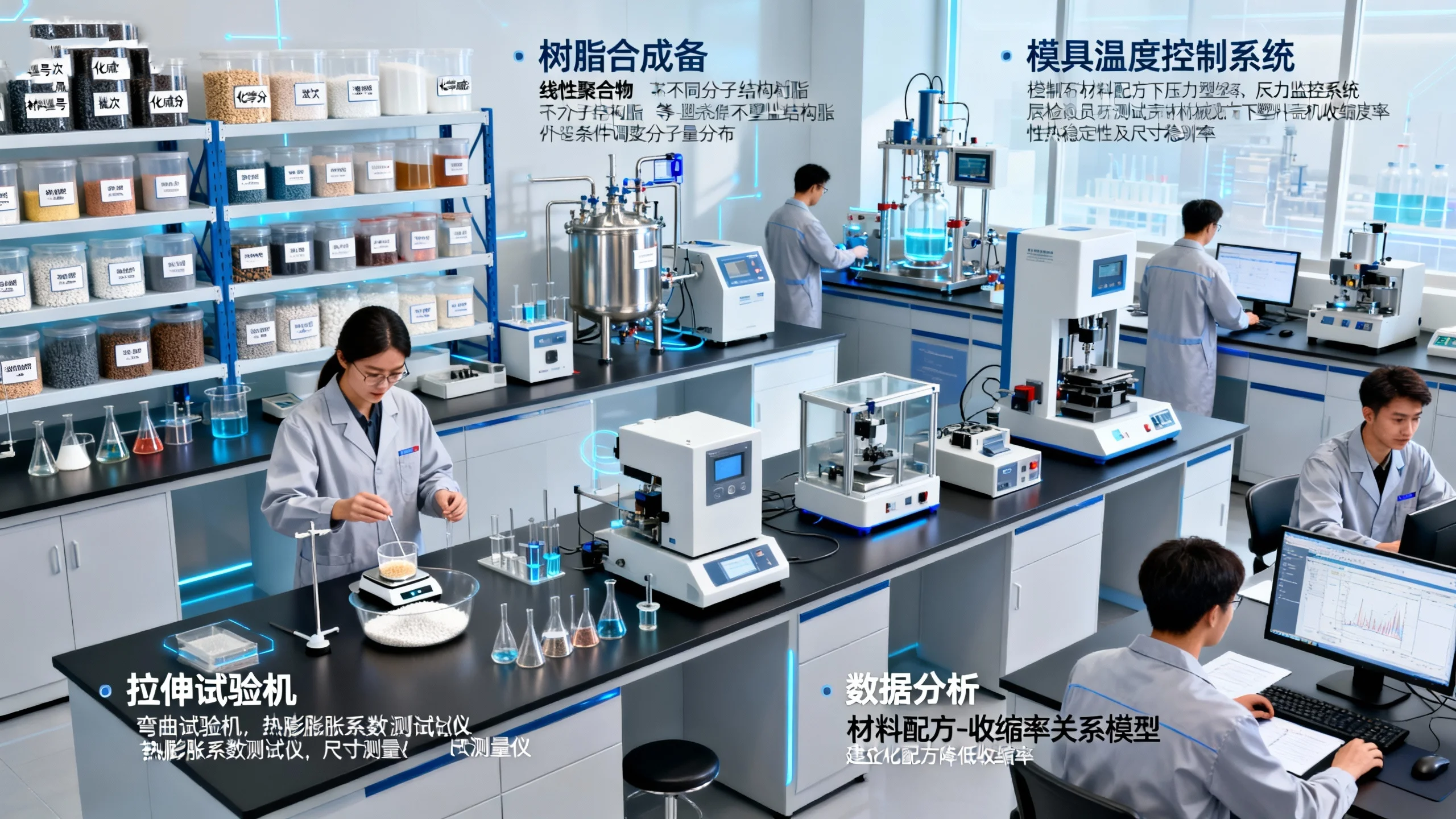
Mold temperature balance, flow channel layout, and venting all determine dimensional precision. A mold with symmetric cooling and balanced gate placement can greatly reduce local shrinkage variations.
- Optimize cooling system: Use high-conductivity channels for uniform heat dissipation.
- Balanced gate design: Multiple gates minimize filling stress differences.
- Control mold tolerance: Maintain cavity precision through long-term use.
- Improve venting: Prevent trapped air that causes localized shrink marks.
🔧 A well-designed mold is the hardware foundation of dimensional stability.
How do injection parameters stabilize shrinkage behavior?
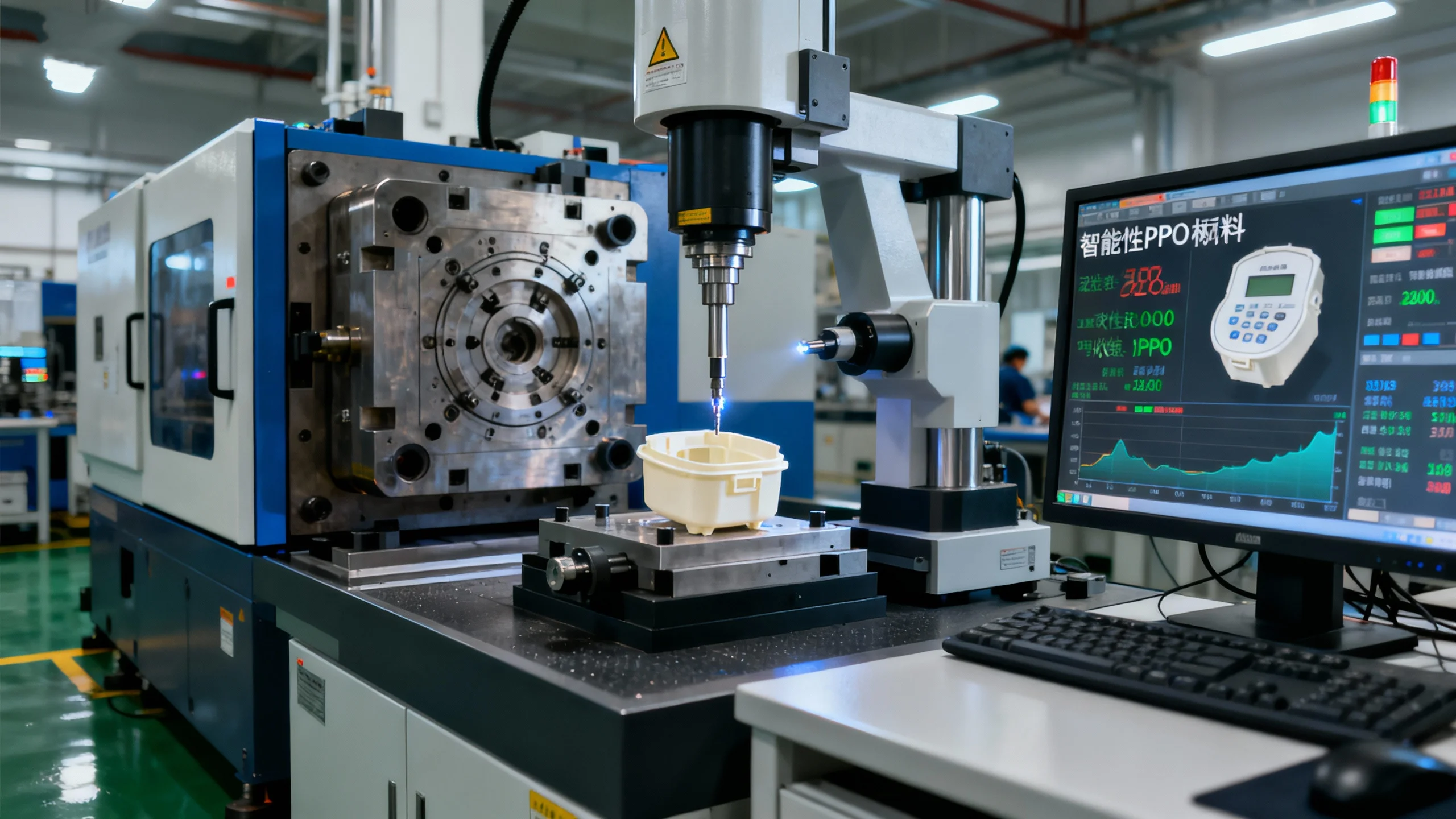
Injection pressure, holding time, and cooling cycle coordination directly influence molecular orientation and final dimensions. Precise process control prevents deformation caused by thermal gradients and stress release.
- Optimize holding phase: Extend holding pressure to balance cavity fill.
- Control cooling rate: Avoid rapid cooling that leads to internal stress.
- Adjust injection speed: Balance flow uniformity and stress relaxation.
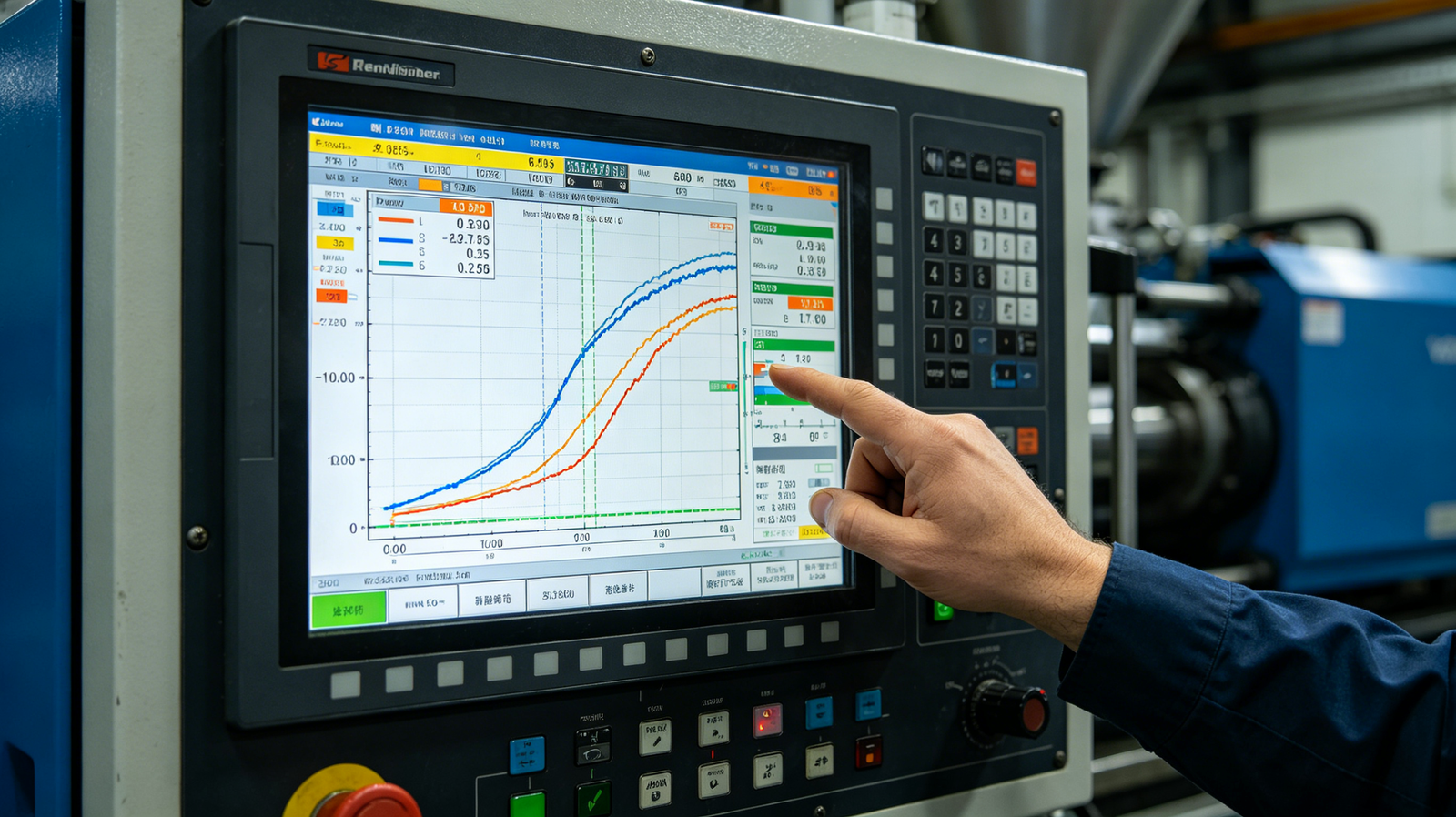
- Monitor mold temperature: Use sensors for real-time thermal calibration.
⚙️ Stable process parameters are the soul of low-shrinkage production.
Comparison of Parameters Affecting Shrinkage
| Parameter Type | Cooling System | Mold Temp Control | Filler Content | Holding Time |
|---|---|---|---|---|
| Standard Process | Basic Waterway | Uncontrolled | No filler | 4s |
| Optimized Mold | Balanced Cooling | ±2°C Control | 15% GF | 6s |
| High-Precision Control | Local Cooling | Smart Thermostat | 25% GF | 8s |
| Premium Solution | Micro-Cooling | ±0.5°C Dynamic Control | 30% GF | 10s |
💡 Want to achieve stable and precise molding results? Learn more at contact us
From Lab Validation to Mass Production Control
From lab trials to full-scale production, process validation, equipment consistency, and traceability are vital for low-shrinkage assurance. Using SPC and real-time monitoring ensures every batch meets dimensional accuracy and process reliability.
1.Batch consistency validation: Analyze shrinkage trends through sample evaluation.
2.Online monitoring: Real-time temperature and pressure feedback improve stability.
3.Process traceability: Identify and trace deviations quickly.
4.Smart auto-tuning: Adjust temperature and holding parameters intelligently.
Conclusion
Achieving low shrinkage in injection-molded water meter housings requires synergy between material, mold, and process. Only a closed-loop system across design, production, and testing can ensure true dimensional stability and durability.Through continuous optimization and process control, manufacturers can reduce rework and achieve higher efficiency with superior product quality. Low shrinkage is not just a process metric — it’s a mark of precision engineering and advanced manufacturing capability.
For expert assistance in implementing precision molding for your production needs, visit our resource center or contact us. Let’s help you scale up your manufacturing with precision and efficiency!




3 回复
The box this comes in is 3 meter by 5 foot and weights 11 kilogram.
My co-worker Skylar has one of these. He says it looks sweaty.
heard about this on instrumental country radio, decided to give it a try.