Introduction

Conductive silicone injection parts deliver electromagnetic shielding performance to ensure stable electronic signal transmission. By filling conductive particles into silicone, reliable electrical pathways are built. This solution is widely favored in high-precision electronics.
The material also provides sealing, waterproofing, and excellent flexibility for injection molding. It enables complex geometry integration with single-shot molding. Partnering with an experienced manufacturer ensures stability in both shielding and mechanical integrity.
How do conductive fillers affect shielding?

Distribution and concentration of conductive particles determine EMI shielding strength and molding flowability. Smaller particle size enables continuous conductive networks across the silicone matrix. Optimized dispersion is the key to enhanced EMI shielding performance.
- High-conductivity Carbon Black: Supports a continuous conductive network
- Nickel-coated fillers: Maintains stability under mechanical stress
- Silver fillers: Designed for premium electronic components
- Graphite composites: Ideal for cost–performance balance
🙂 Well-distributed fillers create stable shielding
How do molding conditions improve conductivity?

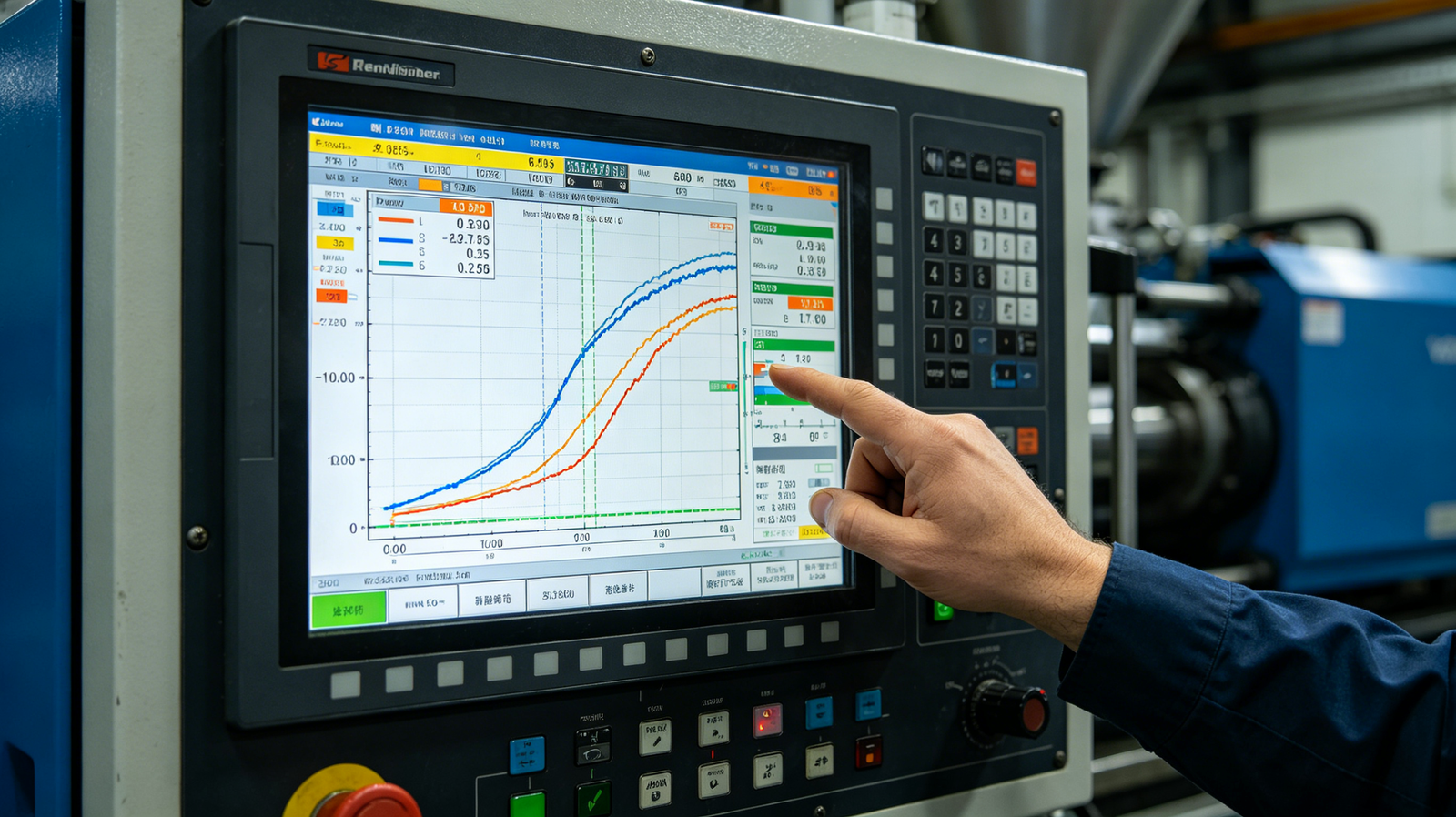
Injection temperature, pressure, and shear force determine filler orientation and pathway integrity. The process must balance flowability while preserving conductive contact. A stable molding window ensures consistent conductivity for high-volume production.
- Precise temperature control: Prevents breakdown of conductive channels
- Pressure compensation: Protects particles from damage
- Balanced shear rate: Avoids agglomeration
- Optimized cooling: Improves strength and conductivity retention
⚙️ Process control = EMI performance stability
How does structural design enhance EMI sealing?

Designing compression fit and contact surfaces determines EMI integrity. Proper compression creates both sealing and continuous electrical pathways. Integrated structure design shortens production chain and reduces component cost.
- Seal + Conduct integration: Ensures electrical continuity under compression
- Compression rebound design: Maintains long-term contact
- One-piece molding: Removes metal inserts and assembly steps
- Interface fit enhancement: Boosts EMI seal reliability
🔒 Smart structure = airtight EMI protection
EMI Shielding Performance Comparison Table
| Comparison | Carbon Black | Nickel Fillers | Silver Fillers | Graphite Blend |
|---|---|---|---|---|
| EMI Shielding | Medium | High | Very High | High |
| Cost | Low | Medium | High | Medium |
| Complex molding fit | Excellent | Excellent | Good | Good |
| Corrosion resistance | Medium | High | High | Medium |
Looking for higher shielding performance with custom molds and formulations? 👉contact us
Benefits of Conductive Silicone Molding
Conductive silicone molding provides dimensional precision while integrating shielding and sealing in one part. It enables lightweight electronics with reduced assembly complexity. Reliable mass-production capability significantly lowers cost per unit.
1.Integrated structure & shielding: No secondary EMI treatment
2.Lightweight and non-corrosive: Extends product lifespan
3.Complex shape customization: Perfect fit for compact electronics
4.Stable for volume manufacturing: Low waste and high consistency
Conclusion
Conductive silicone injection is becoming a preferred EMI solution for compact, high-performance devices. It enables lightweight, integrated, and robust shielding features. Supplier expertise is critical to deliver both shielding quality and production scalability.It is expected to continue replacing metal parts in high-level electronics with lower overall costs.
For expert assistance in implementing for your production needs, visit our resource center or contact us. Let’s boost performance and manufacturing efficiency together! ⚡