Introduction

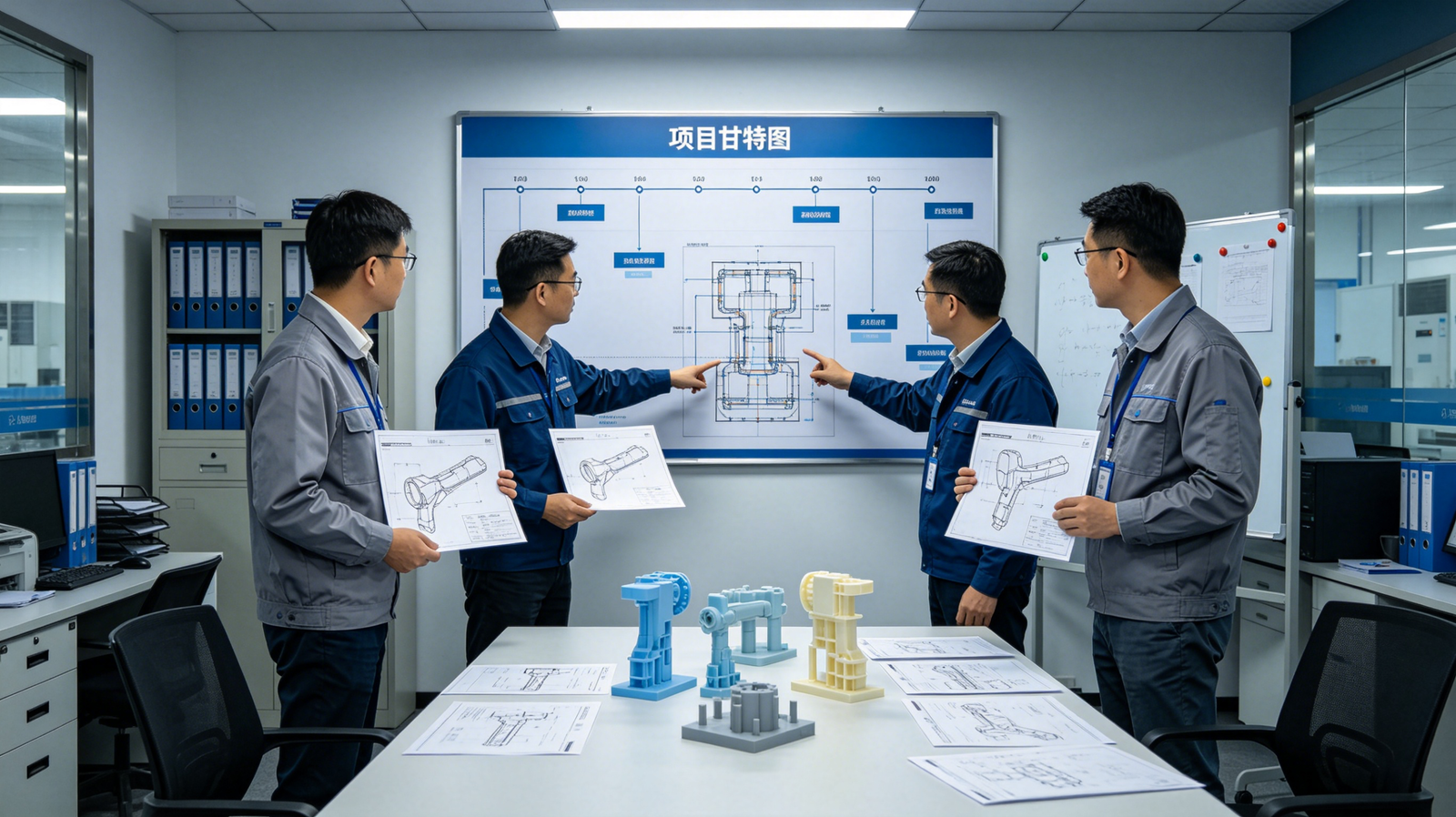
In precision injection molded parts procurement, sample approval is often treated as the final quality benchmark before mass production, but deviations such as color inconsistency and dimensional drift can still occur during scaling. For procurement teams, these issues directly affect assembly stability and downstream delivery schedules. From the long-term manufacturing practice of Xiamen Ruicheng, sample stability does not automatically guarantee production stability, because process replication capability becomes the real determinant.
During the transition from sample to mass production in precision injection molded parts, subtle changes in raw materials, mold thermal balance, and process parameters often accumulate into visible quality deviations. The real challenge is not achieving a qualified sample, but ensuring that the entire production system can reproduce that quality consistently at scale. Without systematic process control, even validated samples can fail under mass production conditions.
Why do color differences and dimensional deviations still occur after sample approval?
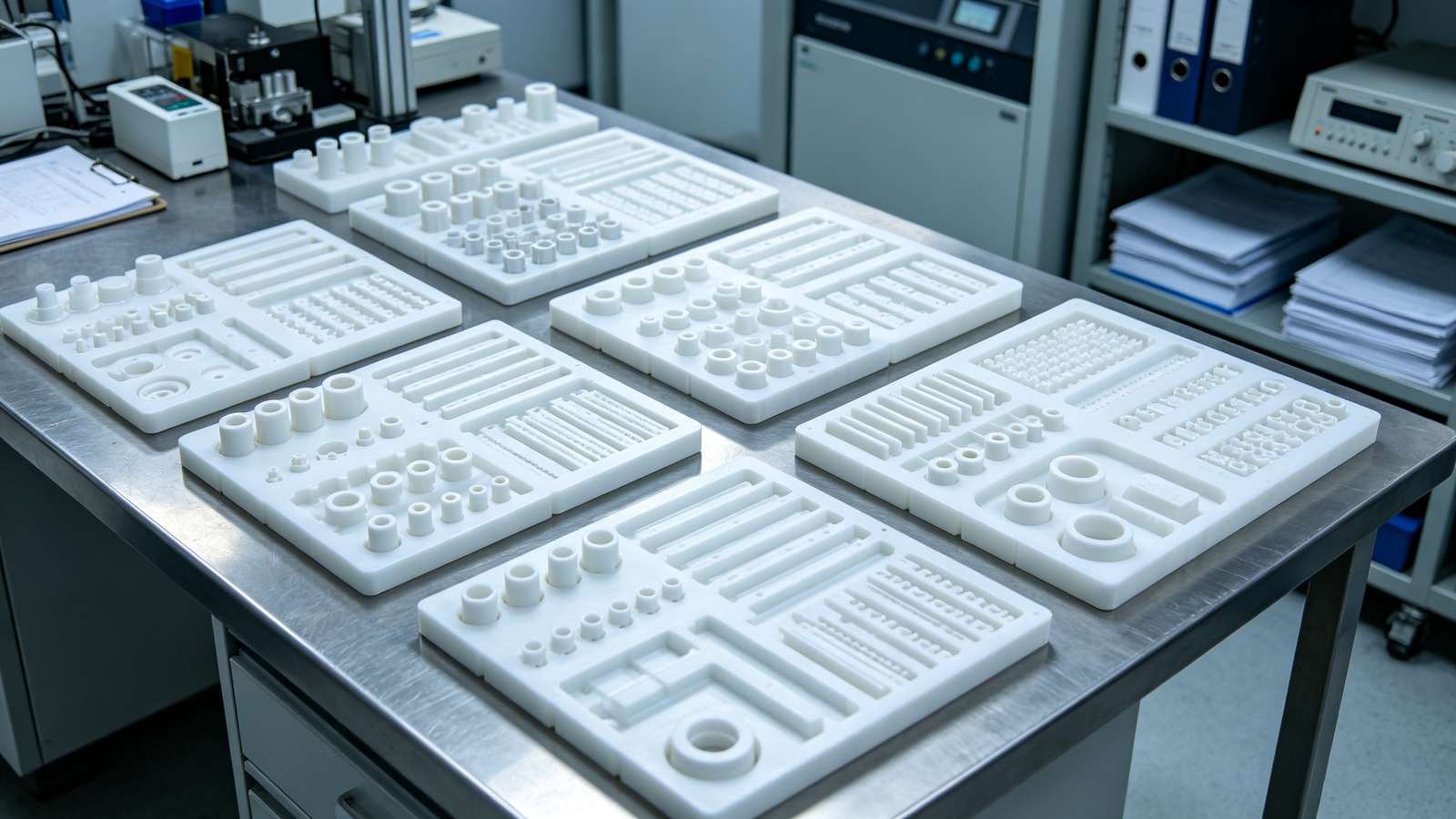
In precision injection molded parts manufacturing, even after sample confirmation, issues such as color deviation and dimensional tolerance drift may still emerge during mass production. Based on Xiamen Ruicheng’s industrial experience, over 60% of batch inconsistencies originate from non-obvious process variations rather than design flaws. These hidden variables often remain stable during sample trials but become amplified during continuous production cycles. Material batch inconsistency, machine wear, and thermal imbalance are typical root causes that gradually affect product uniformity.
Material batch variation: Different resin lots may show differences in melt flow index and shrinkage rate, directly affecting color and dimensions.
Mold thermal imbalance: Uneven mold temperature distribution leads to inconsistent crystallization and surface appearance.
Machine parameter drift: Long-term operation causes pressure and injection speed deviations, reducing repeatability.
Environmental influence: Humidity and temperature fluctuations affect material absorption and molding stability.
😟 Batch instability is usually the result of accumulated system variations rather than a single defect
How to build a stable process replication system before mass production?
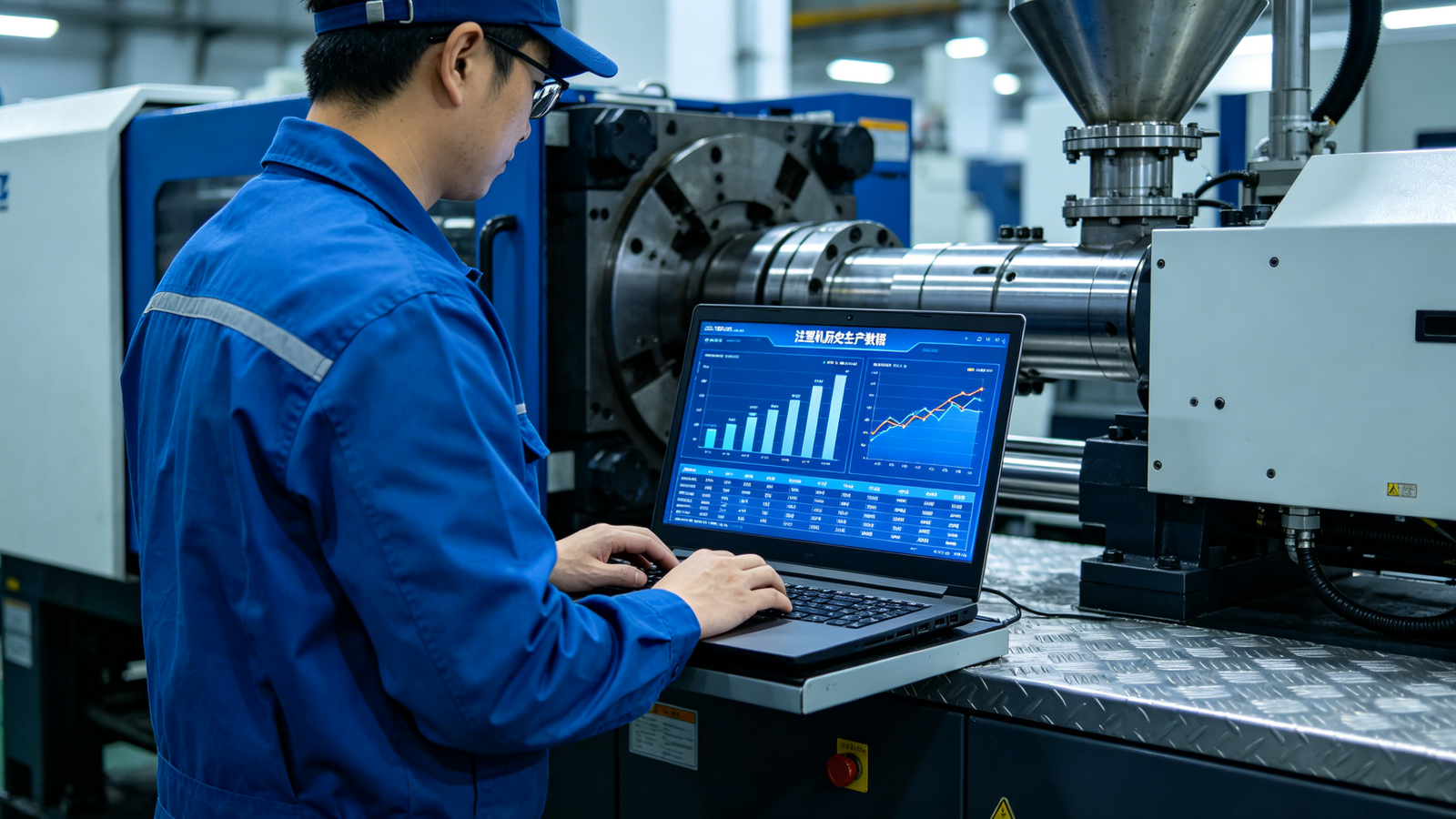
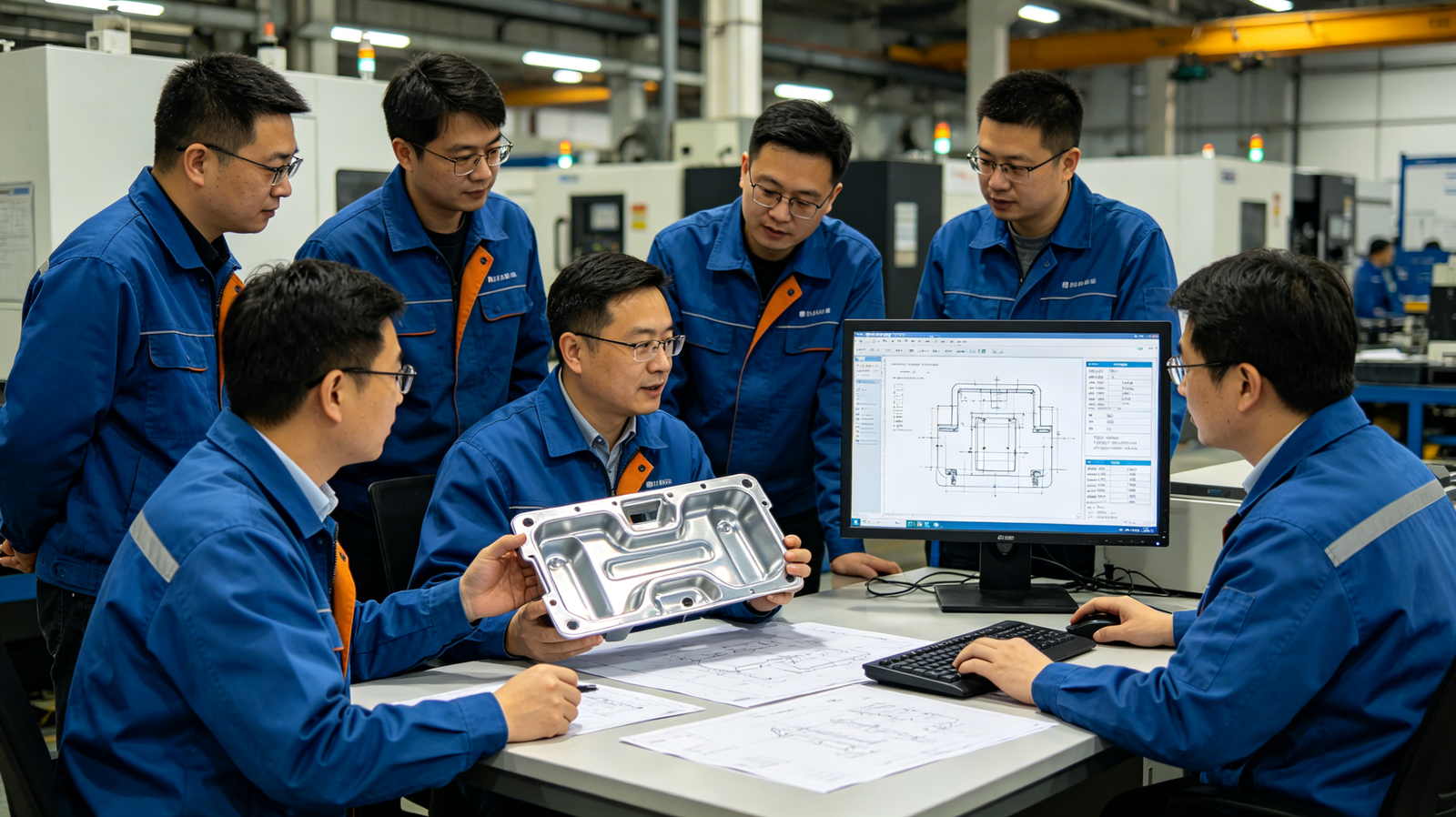
For precision injection molded parts, process replication must be standardized before scaling production, supported by process capability index Cpk and ISO 9001 quality system. Xiamen Ruicheng typically applies multi-stage validation before ramp-up to ensure consistency. The goal is to ensure every molded part behaves as close as possible to the approved sample under real production conditions. This requires freezing key process parameters and validating mold stability before mass output begins.
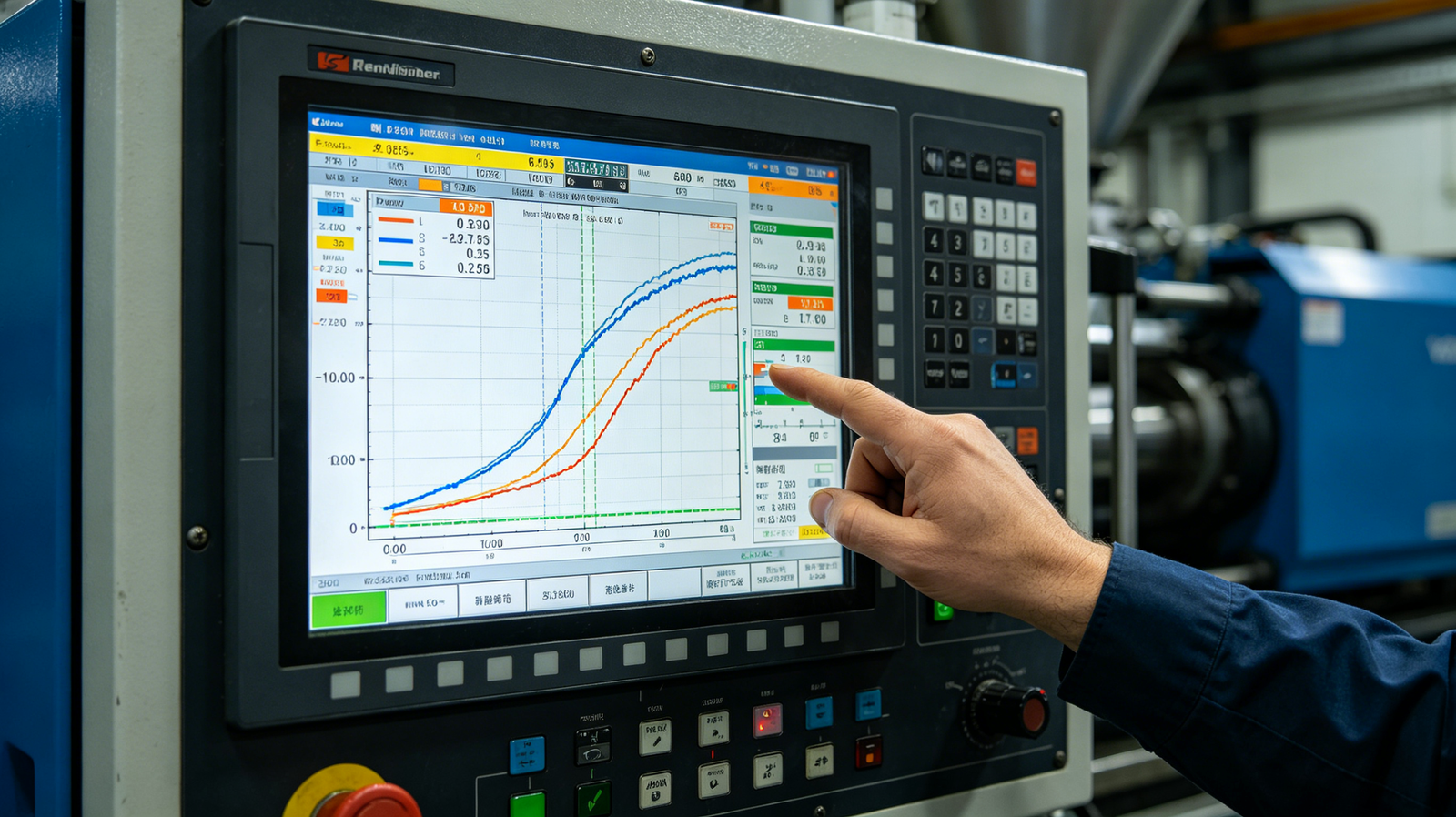
Process parameter locking: Injection pressure, speed, and holding curves are fixed to eliminate manual fluctuations.
Mold stability monitoring: Regular inspection of cooling channels and venting systems ensures thermal consistency.
Material lot control: Using unified or controlled resin batches reduces variation risk.
Pilot run validation: Multiple small-scale runs confirm stable production windows before full-scale manufacturing.
🔧 Stable replication capability is the foundation of reliable mass production
How should deviations be corrected quickly when they occur in mass production?

When deviations occur in precision injection molded parts production, a rapid correction mechanism must be activated immediately. Common actions include process rollback, mold inspection, and material traceability analysis. Xiamen Ruicheng typically initiates preliminary diagnosis within 2 hours of anomaly detection and compares historical stable datasets to locate root causes. Response speed directly determines the extent of production loss and delivery risk. A standardized correction workflow ensures that similar issues do not repeat in future batches.
Process rollback analysis: Compare current parameters with historical stable runs to identify deviation triggers.
Mold inspection adjustment: Check mold wear, vent blockage, or cooling inefficiencies.
Material traceability check: Verify whether mixed batches or inconsistent raw materials are involved.
Emergency parameter tuning: Adjust process settings within safe limits to restore stability quickly.
⚙️ Fast diagnosis and correction are essential for controlling batch-level risks
Comparison of batch deviation correction strategies in precision injection molded parts
| Method | Response Speed | Cost Impact | Stability Recovery | Application Scenario |
|---|---|---|---|---|
| Process rollback | Fast | Low | Medium | General deviation |
| Mold repair | Medium | Medium | High | Structural issue |
| Material replacement | Medium | High | High | Color deviation |
| Full re-trial | Slow | High | Very High | System failure |
When a single correction method is insufficient, joint evaluation between supplier and procurement team is required. Xiamen Ruicheng recommends a dual-validation mechanism combining process verification and material verification to minimize production risk. For tailored support, please contact us to discuss engineering solutions.
What is the core logic behind stable transition from sample to mass production?
The stability of precision injection molded parts is not achieved by isolated control points but by a full-system engineering approach covering design, mold, material, and process. Xiamen Ruicheng’s long-term projects show that real stability comes from three integrated pillars: parameter locking, process monitoring, and data traceability. Only when every variable is controlled within a defined system can sample-level quality be reliably reproduced in mass production.
1:Process consistency: Answer.
Standardized injection parameters reduce human-induced variation and ensure repeatable output.
2:Mold stability: Answer.
Mold condition directly affects dimensional accuracy and requires periodic maintenance and monitoring.
3:Material consistency: Answer.
Unified raw material batches or controlled blending significantly reduce color variation risk.
4:Data traceability: Answer.
Full process data logging enables rapid root cause analysis and correction when deviations occur.
FAQ
Q1: What is the core quality standard for your precision injection molded parts?
A: Xiamen Ruicheng follows ISO 9001 standards and maintains Cpk ≥ 1.33 for key dimensions, combining full inspection and sampling inspection to ensure batch consistency and assembly reliability.
Q2: What information is required to start cooperation quickly?
A: Customers should provide 3D drawings, material requirements, and application scenarios. Xiamen Ruicheng completes process evaluation within 24 hours and provides preliminary quotations and prototype support.
Q3: Are delivery cycles different for small and large batches?
A: Small pilot runs usually take 5–7 days, while mass production ranges from 10–20 days depending on order volume and scheduling.
Q4: How are color or dimensional deviations handled after production?
A: Xiamen Ruicheng initiates a correction process within 48 hours, including process adjustment, mold inspection, and material traceability to ensure rapid closure.
Q5: Do you support customized injection molding solutions?
A: Yes, we provide full customization based on working conditions, including material selection, mold optimization, and process tuning, with proposals delivered in 3–5 working days.
Conclusion
In precision injection molded parts manufacturing, stability from sample approval to mass production depends on systematic process control rather than isolated inspection results. Only a fully integrated system of process replication and data traceability can effectively eliminate recurring color and dimensional deviations. Xiamen Ruicheng leverages standardized engineering workflows and manufacturing expertise to ensure end-to-end reliability from sampling to full-scale production, helping procurement teams reduce risk and improve supply chain efficiency.
For expert assistance in implementing precision injection molding solutions for your production needs, visit our resource center or contact us. Let’s help you scale up your manufacturing with precision and efficiency!