Introduction
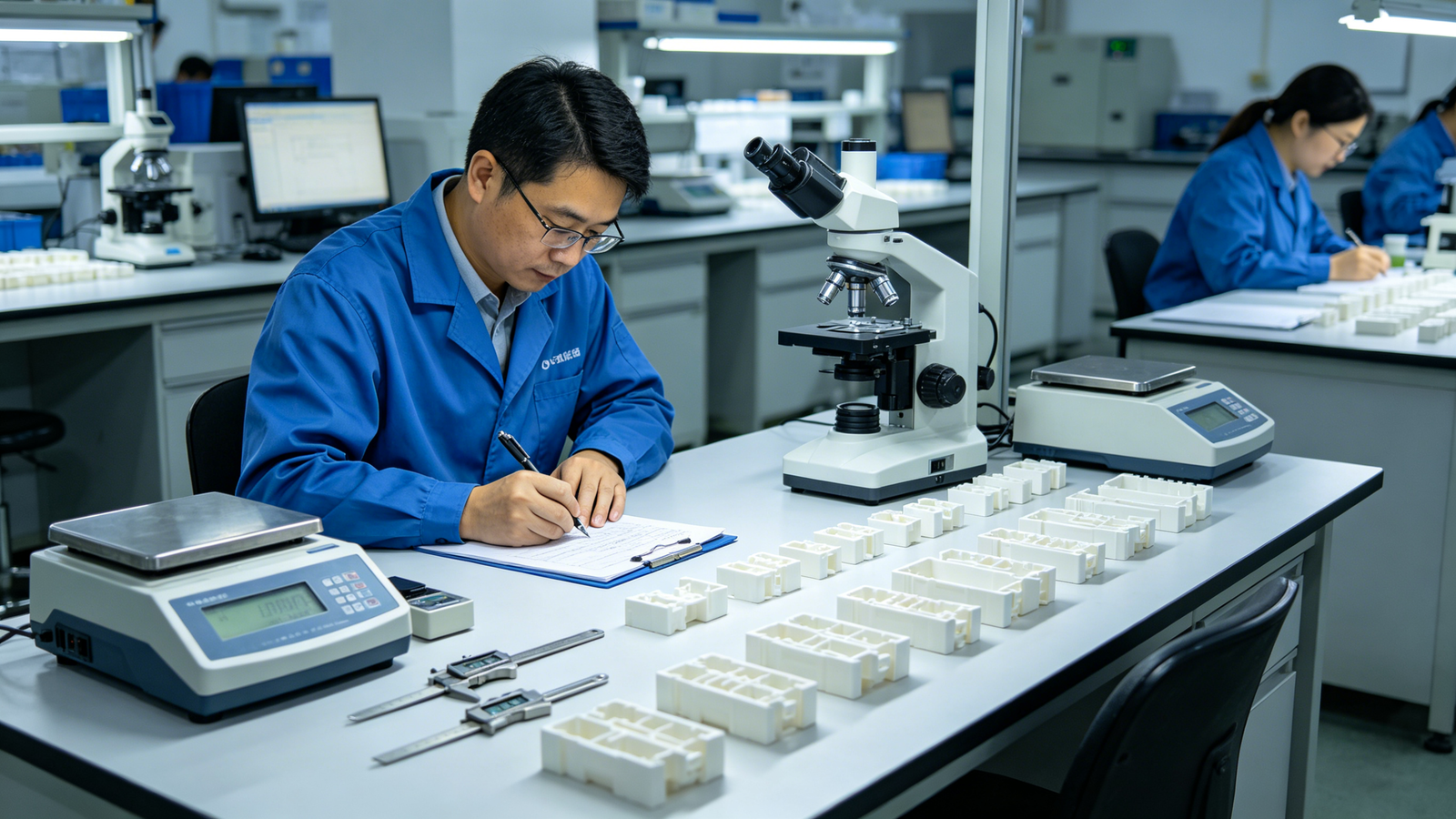
In the injection molding industry, secondary processing quality often determines whether a product can successfully move into assembly, shipment, and final market delivery. Based on years of experience serving electronics, automotive, medical, and industrial equipment customers, Xiamen Ruicheng has found that many buyers focus heavily on molds and materials while overlooking the stability of secondary operations such as painting, pad printing, ultrasonic welding, and laser engraving. The real factor affecting product consistency is often not the molding itself, but the control capability of downstream secondary processing.
As buyers continue to demand higher appearance consistency, functional durability, and delivery reliability, secondary processing for injection molded parts has evolved from an “additional process” into a “core quality checkpoint.” Xiamen Ruicheng uses standardized process parameters, online inspection systems, and full-process traceability to help customers reduce rework rates and batch defect risks. A mature secondary processing system directly improves supply chain stability and market competitiveness.
How Can Surface Finishing and Painting Consistency Be Controlled for Injection Molded Parts?
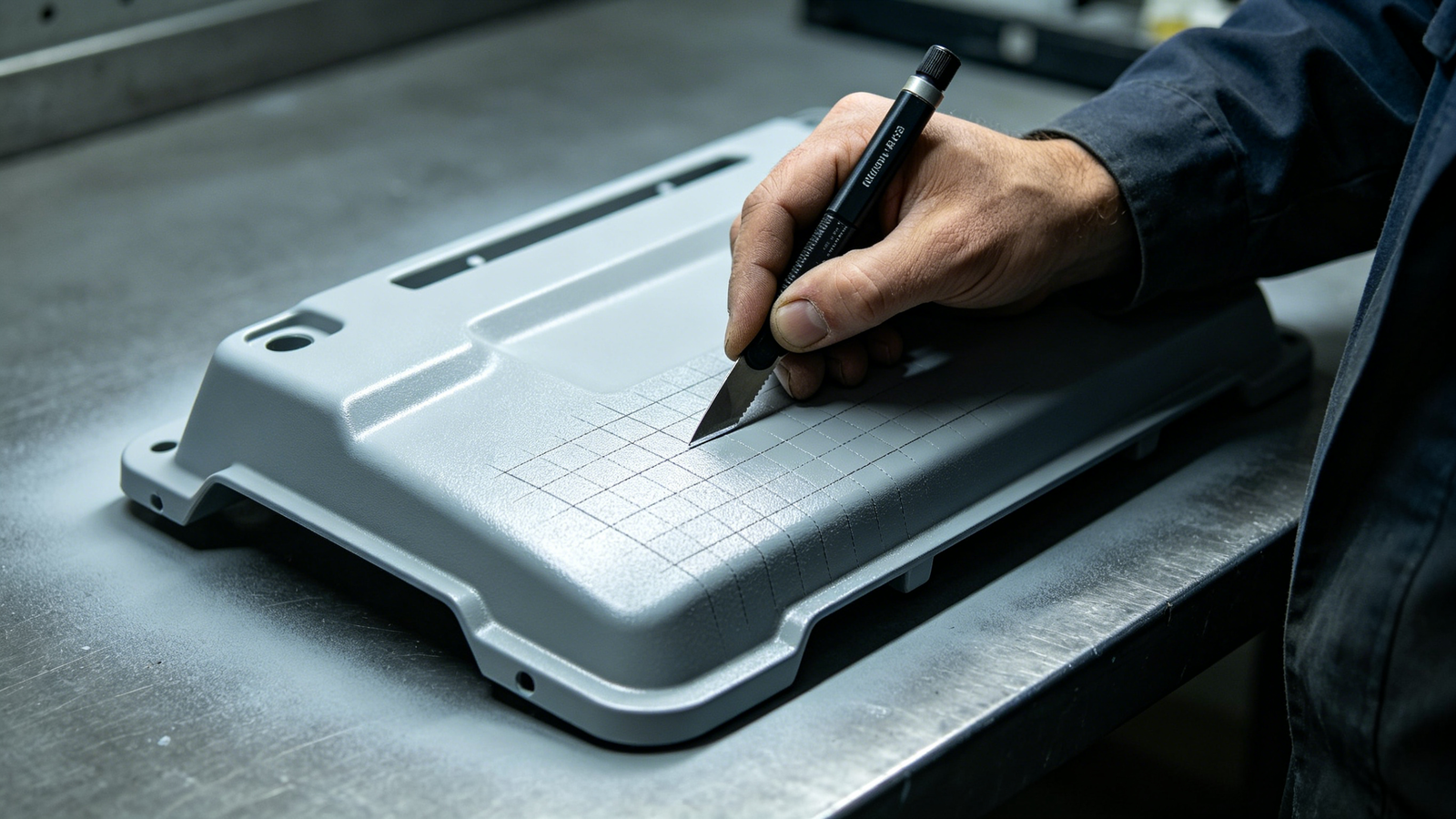
In injection molding projects, surface finishing and painting processes directly affect product appearance, wear resistance, and end-user brand experience, especially in consumer electronics and automotive interiors where strict color consistency and adhesion standards are required. Xiamen Ruicheng evaluates material compatibility, surface energy, and texture structure during project development while optimizing injection molding parameters to reduce sink marks, flow lines, and orange peel defects from the source. The key to stable painting quality is not only the coating itself, but also the uniform control of the molded surface condition. For high-volume projects, Xiamen Ruicheng also establishes standard color references and online gloss inspection systems to maintain consistency across production batches.
Surface Preparation:Cleaning and anti-static treatment help reduce particles and adhesion defects during painting.
Temperature & Humidity:A controlled environment minimizes whitening, pinholes, and paint sagging issues.
Color Consistency:Standard sample comparisons prevent visible batch-to-batch color variation.
Adhesion Testing:Cross-hatch and alcohol rub tests help identify coating risks in advance.
🎯 Stable painting quality improves not only product appearance but also reduces after-sales costs for buyers.
How Can Batch Defects Be Prevented in Pad Printing and Laser Engraving?
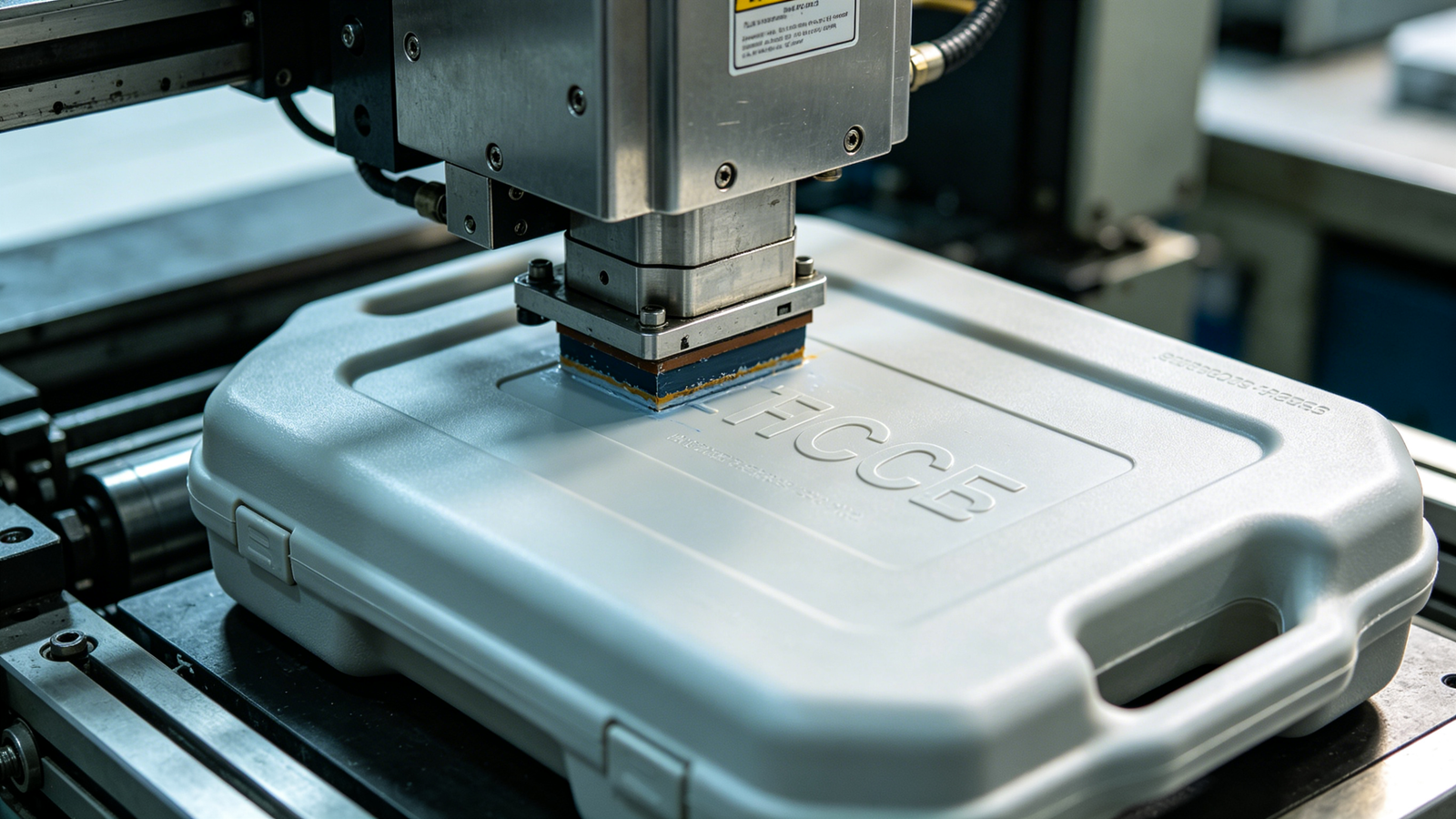
In injection molded products, screen printing and laser marking are widely used for branding and functional identification, but many buyers encounter issues such as logo misalignment, peeling, or inconsistent marking depth during mass production. Xiamen Ruicheng establishes fixture positioning systems according to material characteristics and surface textures while validating laser engraving parameters through sample testing to ensure stable large-scale production performance. Positioning accuracy and fixture stability are often the most critical factors affecting secondary processing yield rates. For industrial-grade products requiring high durability, Xiamen Ruicheng also performs alcohol resistance, abrasion resistance, and temperature cycle testing to ensure markings remain clear throughout long-term use.
Fixture Positioning:Stable tooling reduces misalignment and inaccurate printing defects.
Ink Matching:Different plastic materials require compatible ink adhesion systems.
Laser Parameters:Optimized power and frequency settings prevent burning and edge burrs.
Online Inspection:First-piece inspection and process audits help identify abnormalities early.
🛠️ Reliable printing and engraving quality helps brands build a stronger market reputation.
Which Key Factors Should Be Controlled in Ultrasonic Welding and Assembly?

For functional injection molded products, ultrasonic welding and assembly processes directly affect structural strength, sealing performance, and long-term reliability, especially in medical devices, automotive electronics, and sensor applications where consistency requirements are extremely high. Xiamen Ruicheng analyzes weld line structures, material melting points, and assembly tolerances during development while implementing standardized quality control systems to ensure stable production output. The root cause of unstable welding strength usually comes from dimensional variation and process fluctuations. To reduce batch rework risks, Xiamen Ruicheng also integrates automatic pressure monitoring and welding displacement inspection systems for real-time production traceability.
Weld Line Design:Proper energy director structures improve welding strength and sealing performance.
Pressure Control:Stable welding pressure reduces weak joints and overflow defects.
Tolerance Management:Consistent molded dimensions improve welding reliability.
Strength Validation:Pull tests and leak tests identify hidden failure risks early.
⚙️ A mature welding and assembly control system is essential for high-reliability injection molded products.
Secondary Processing Quality Control Comparison Table
| Control Item | Common Problems | Risk Impact | Ruicheng Control Method |
|---|---|---|---|
| Painting Process | Color variation, particles | Appearance defects | Temperature-controlled painting room |
| Printing Process | Peeling, misalignment | Brand complaints | Fixture positioning inspection |
| Laser Engraving | Burning, blurred marks | Unclear identification | Parameter database |
| Ultrasonic Welding | Weak joints, cracking | Functional failure | Online pressure monitoring |
Want to further reduce secondary processing defect rates and improve your overall supply chain efficiency? Contact the Xiamen Ruicheng engineering team for a customized solution today: contact us
How Does Xiamen Ruicheng Help Customers Build a Stable Secondary Processing System?
As B2B buyers increasingly demand product consistency and delivery reliability, injection molding capability alone is no longer enough for complex projects. Xiamen Ruicheng helps customers reduce supplier communication costs and minimize cross-process quality fluctuation through integrated management of molding, painting, printing, welding, and assembly operations. A truly mature supply chain capability is not only about production capacity, but also about full-process quality control. For different industries, Xiamen Ruicheng develops dedicated process standards and inspection solutions to maintain stable quality during prototyping, mass production, and long-term supply.
1.Process Coordination:Simultaneous molding and secondary process development reduces rework risks later.
2.Online Inspection:Real-time monitoring helps identify abnormal production conditions quickly.
3.Traceability System:Complete production records help customers track quality issues efficiently.
4.Stable Delivery:Standardized workflows improve consistency for high-volume orders.
FAQ About Injection Molding Secondary Processing
Question 1: What are the core quality advantages of your injection molding secondary processing services?
Answer:Xiamen Ruicheng has established an integrated quality management system covering injection molding, painting, printing, laser engraving, and assembly operations. Key processes are controlled through standardized parameters and online inspections. For appearance-sensitive products, we perform full-process testing for color consistency, adhesion strength, and welding performance while reducing batch defect risks through first-article inspection, sampling checks, and traceability systems.
Question 2: What information should we provide to receive a quotation for secondary processed injection molded parts?
Answer:Customers typically need to provide 3D files, 2D drawings, material specifications, surface finishing requirements, and estimated order quantities. If painting, printing, or ultrasonic welding is involved, color references, logo artwork, and functional requirements are also necessary. Xiamen Ruicheng supports both email and online communication, and our engineering team can usually complete a preliminary process evaluation within 12 hours.
Question 3: What are the MOQ and lead time arrangements for different purchasing volumes?
Answer:For trial production projects, MOQ can generally support 100–500 pieces to help customers complete rapid validation. Standard mass production lead times range from 7–20 days depending on process complexity. For projects involving advanced painting or multi-step assembly, Xiamen Ruicheng creates detailed production schedules and provides progress updates throughout manufacturing. Expedited production is also available for urgent orders.
Question 4: How do you handle quality issues after secondary processing?
Answer:Xiamen Ruicheng has established a complete after-sales response system. If appearance, assembly, or functional issues are found after delivery, we can quickly initiate a quality review process. Once the root cause is confirmed, our engineering team provides corrective actions within 48 hours, including rework, replacement, or process optimization while using our traceability system to prevent repeated issues in future production batches.
Question 5: Can you provide customized secondary processing solutions for special applications?
Answer:Xiamen Ruicheng supports customized painting, laser engraving, printing, ultrasonic welding, and assembly solutions. Customers only need to provide application scenarios, performance requirements, and branding standards, and our engineering team will develop a suitable solution accordingly. Depending on project complexity, we can also provide sample validation, process optimization, and reliability testing support within 3–5 working days.
Conclusion
Competition in injection molding is no longer limited to molds and machinery alone. The real factor affecting product consistency often comes from systematic control during secondary processing stages. Xiamen Ruicheng helps customers reduce batch defect rates and improve delivery stability through coordinated management of painting, printing, welding, and assembly processes. A mature secondary processing quality system not only improves product quality, but also helps buyers establish long-term supply chain advantages. For projects requiring both appearance quality and functional reliability, choosing a supplier with full-process quality control capability is especially important.
For expert assistance in implementing for your production needs, visit our resource center or contact us. Let’s help you scale up your manufacturing with precision and efficiency!