How Can Mold Modification Solve Bubble Defects in PCB High-Voltage Protective Housing Injection Molding?
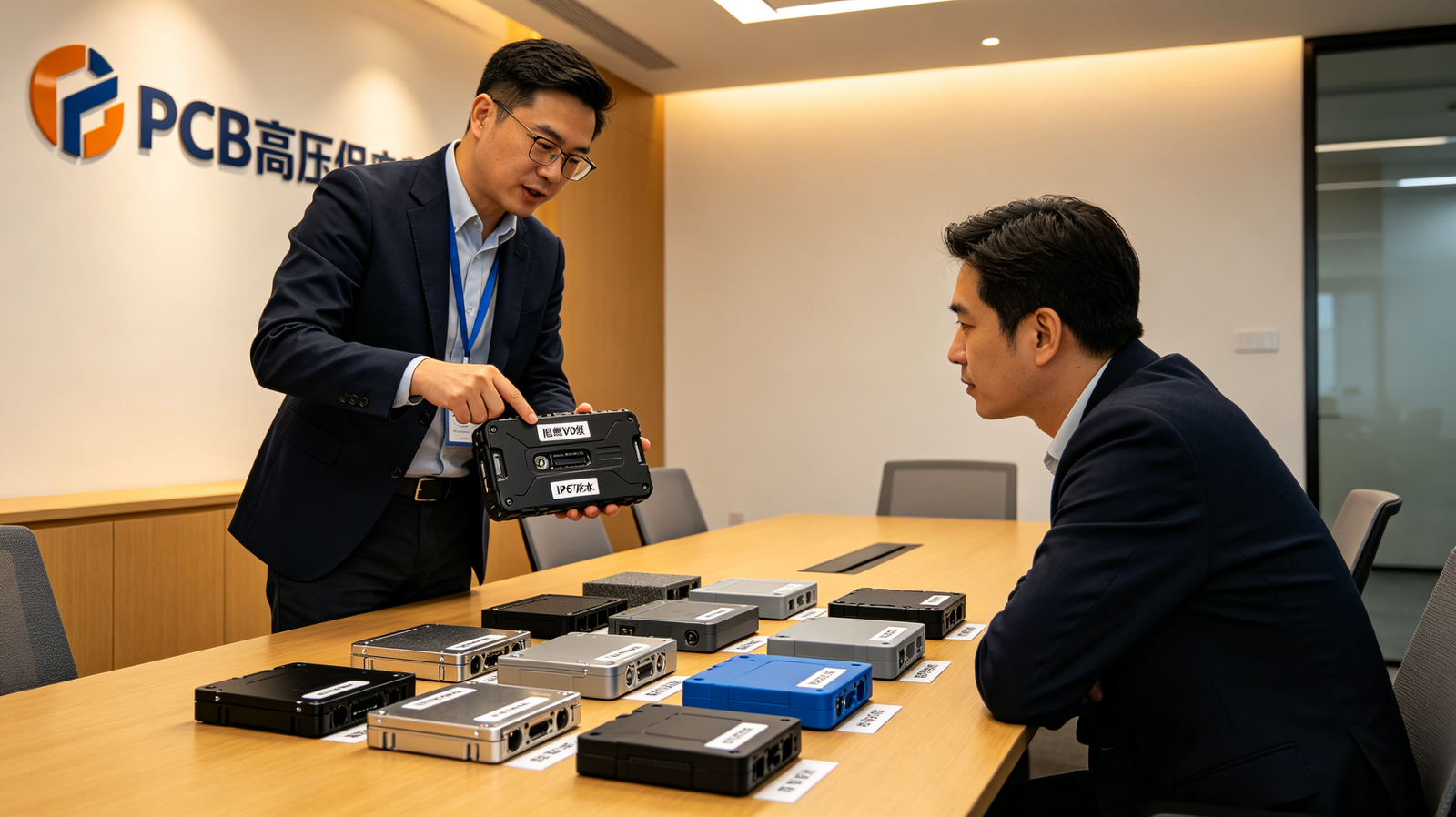
As the demand for high-voltage PCB protection systems continues to grow in new energy, industrial automation, and power control applications, manufacturers are placing greater emphasis on the quality and reliability of injection molded protective housings. Bubble defects not only affect appearance but can also compromise insulation performance and long-term durability under high-voltage conditions.
Based on extensive project experience, Xiamen Ruicheng has found that simply adjusting processing parameters rarely eliminates recurring bubble defects. Mold optimization is often the most effective long-term solution. For high-voltage protective housing injection molding, structural mold improvements usually deliver more stable results than repeated machine adjustments.**A systematic mold modification strategy can significantly reduce bubbles, voids, sink marks, and other internal molding defects.**
What Are the Root Causes of Bubble Defects in High-Voltage Protective Housing Injection Molding?
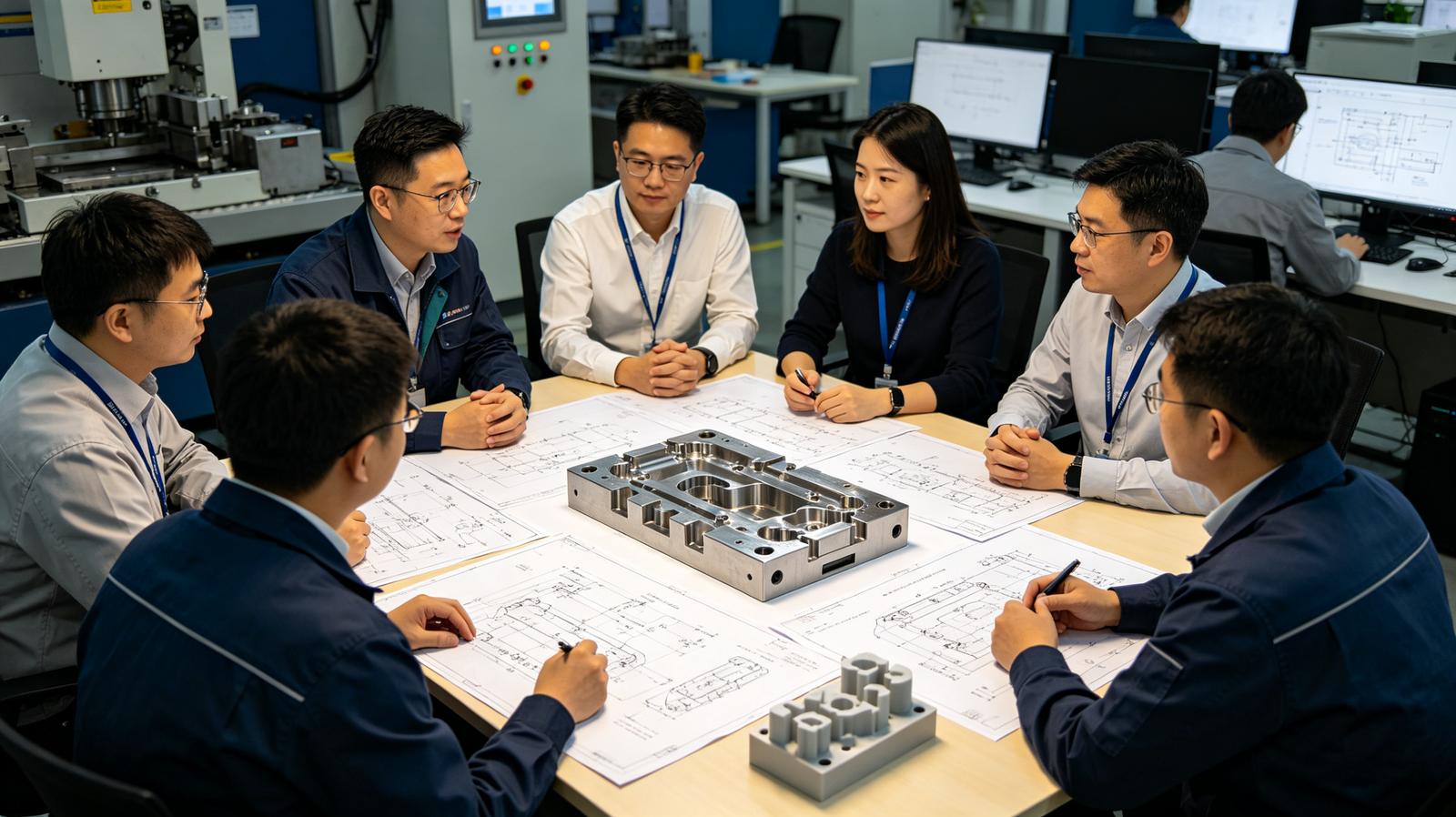
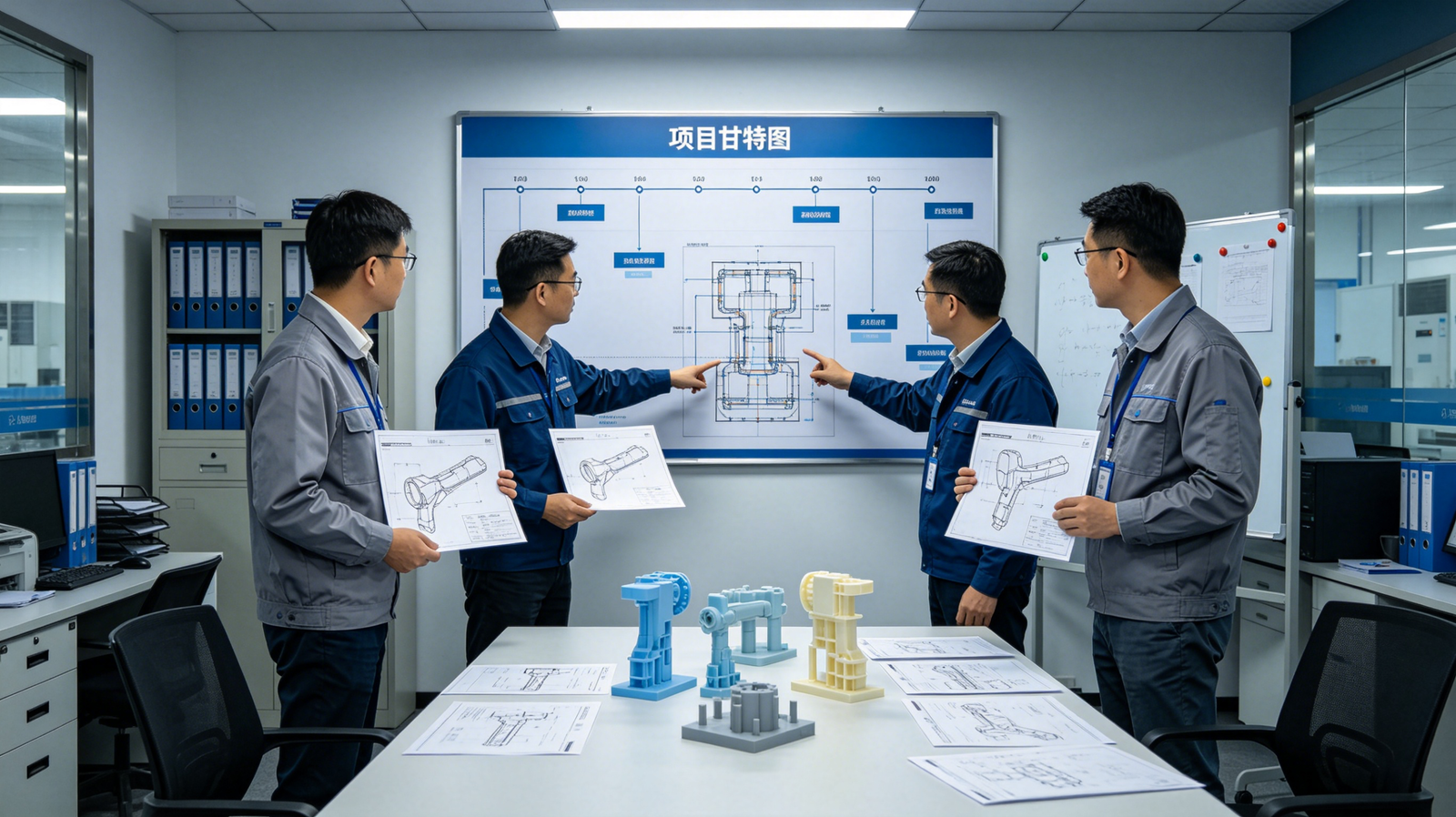
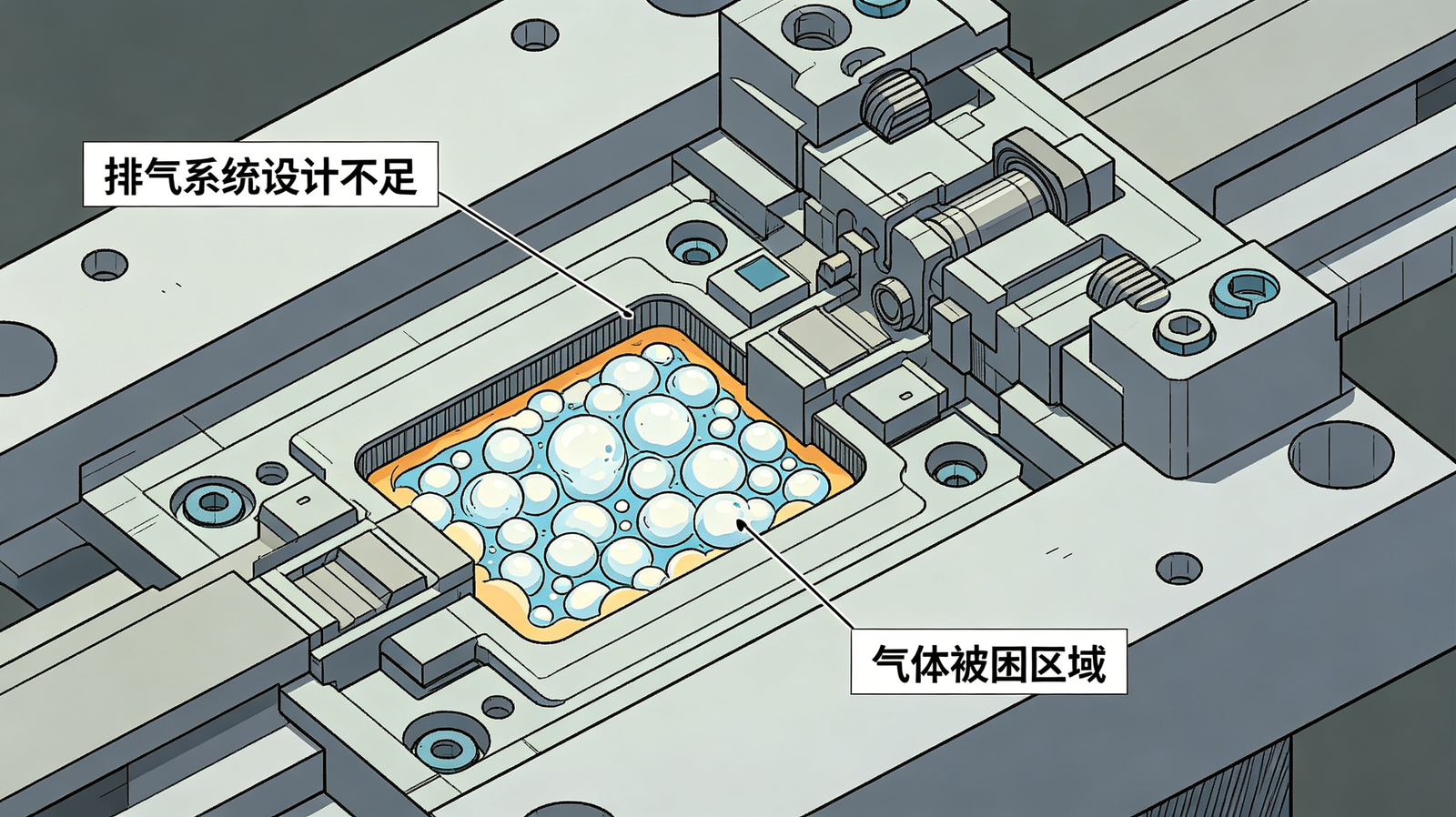
Bubble defects in PCB high-voltage protective housings are commonly caused by insufficient venting, improper gate design, excessive pressure loss in runners, or uneven wall thickness. When trapped air cannot escape during filling, bubbles become embedded inside the molded part. Xiamen Ruicheng has found that the relationship between injection mold design and mold flow analysis plays a critical role in determining whether gases can be effectively discharged. Many persistent bubble defects originate from mold design limitations rather than material or machine problems. If these structural issues are not corrected, production stability will continue to be affected during mass manufacturing.
Venting Improvement: Proper vent channels allow trapped gases to escape efficiently during filling.
Gate Optimization: Better gate positioning helps balance melt flow and reduce air entrapment.
Runner Balancing: Balanced runners minimize pressure fluctuations inside the cavity.
Wall Thickness Control: Uniform wall sections help prevent internal voids and bubble formation.
🔍 Most bubble defects originate from mold structure rather than processing conditions alone.
Which Mold Modification Solutions Are Most Effective for Eliminating Bubble Defects?
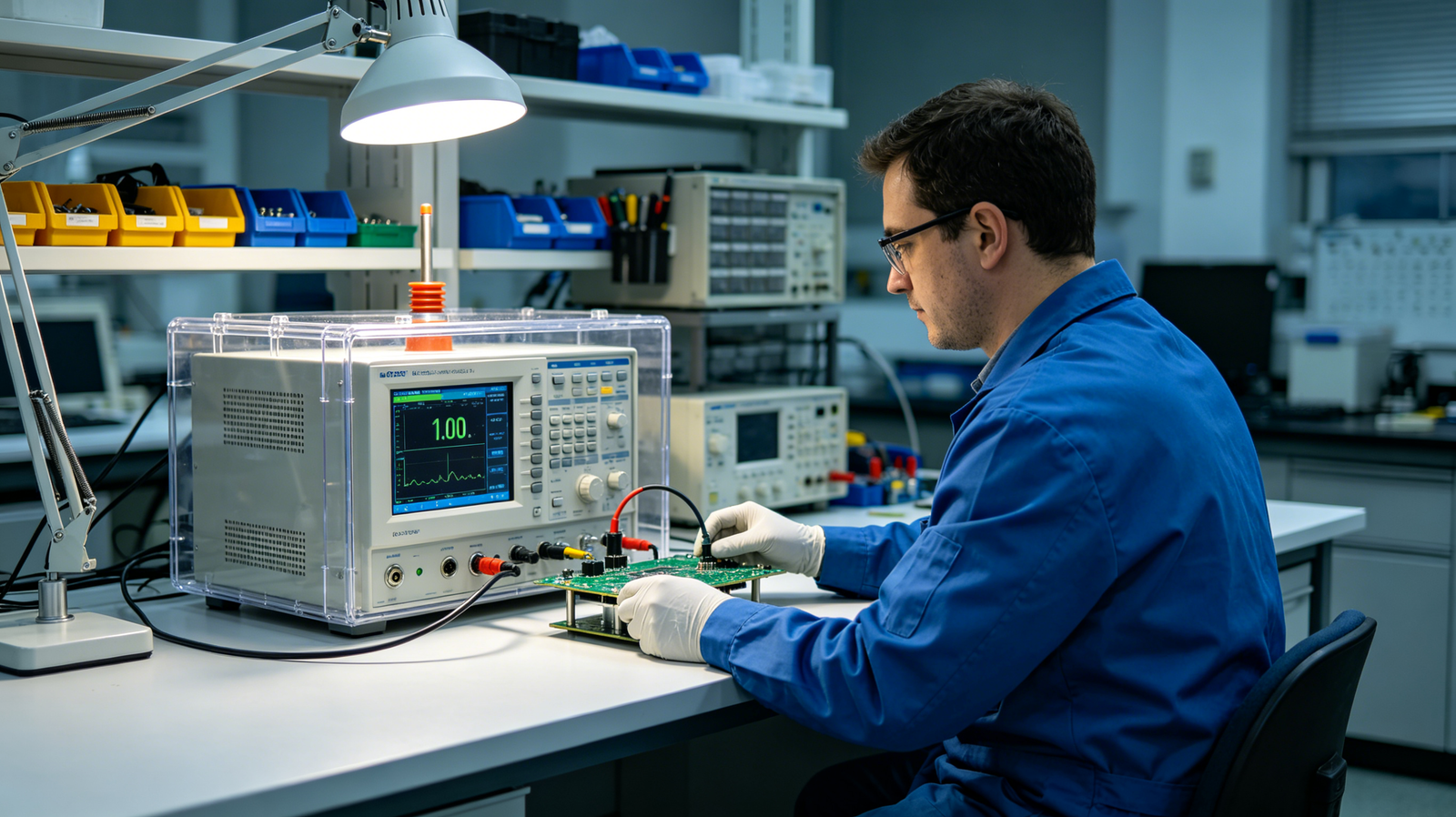
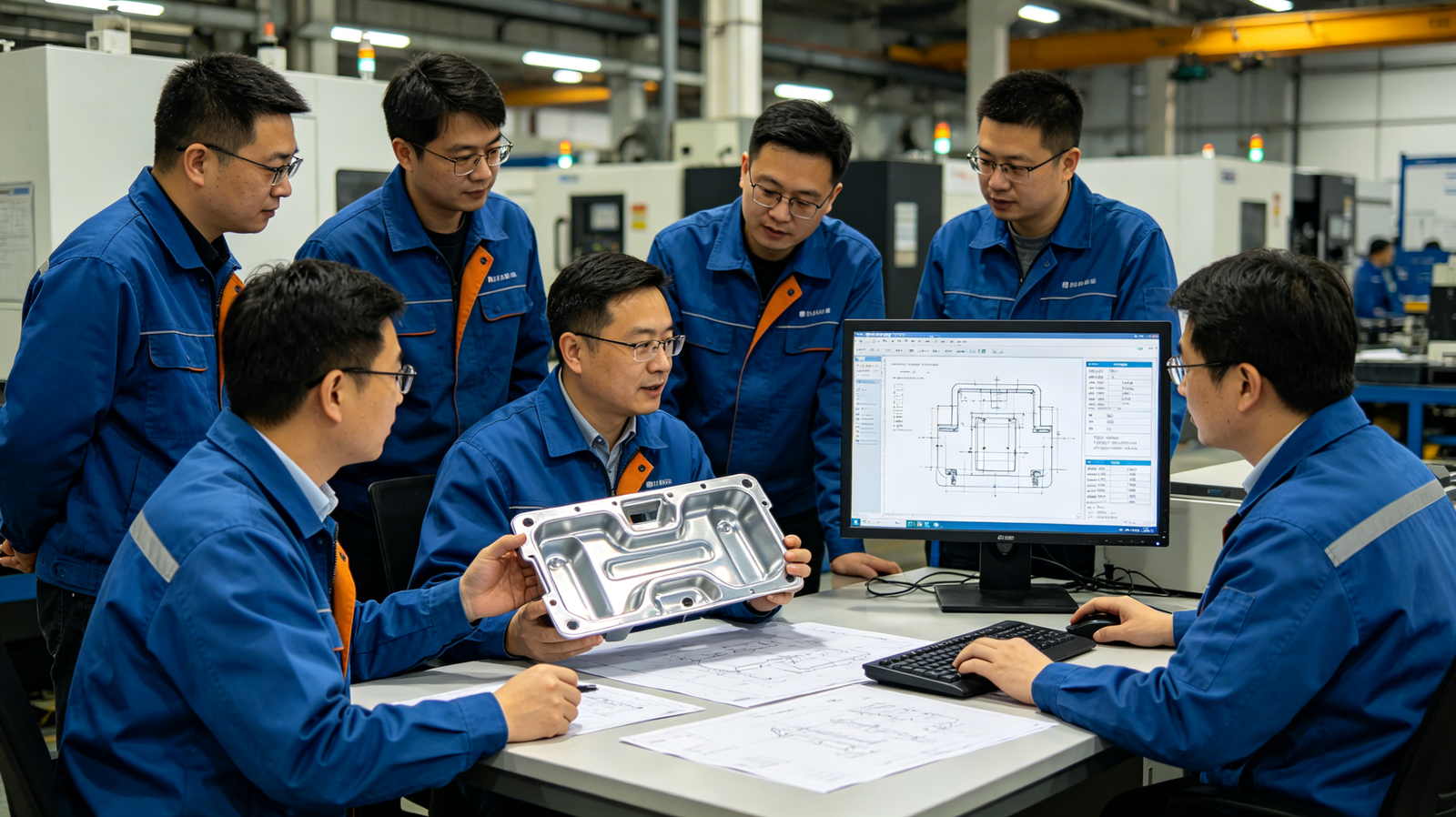
For PCB high-voltage protective housings, Xiamen Ruicheng typically develops customized mold improvement plans based on defect location and product geometry. Common solutions include adding venting channels, redesigning gate locations, optimizing cooling circuits, and adjusting runner dimensions. Advanced projects also combine mold design engineering with injection molding technology validation. Properly engineered mold modifications can dramatically improve yield rates while reducing long-term manufacturing costs. Compared with constant process adjustments, structural optimization provides a more repeatable and scalable solution.
Additional Venting: Creates effective pathways for trapped air evacuation.
Gate Relocation: Promotes smoother cavity filling and reduces air pockets.
Cooling Optimization: Minimizes localized temperature differences that contribute to gas accumulation.
Runner Adjustment: Improves melt flow stability throughout the filling process.
🛠️ Well-designed mold modifications address bubble defects at their source.
How Can You Verify That Bubble Defects Have Been Completely Eliminated?
For PCB high-voltage protective housings, visual inspection alone is not sufficient to confirm successful defect elimination. Xiamen Ruicheng recommends combining section analysis, X-ray inspection, dielectric testing, and long-term reliability validation. By integrating quality management systems with failure analysis methodologies, the effectiveness of mold modifications can be accurately verified. A mold correction project is only considered successful when both internal structure integrity and electrical performance meet specifications. This validation approach helps prevent recurring issues during large-scale production.
Cross-Section Analysis: Reveals hidden internal voids and trapped air pockets.
X-Ray Inspection: Detects internal defects that cannot be seen externally.
Insulation Testing: Confirms reliable electrical protection under high-voltage conditions.
Mass Production Validation: Ensures long-term process stability after modification.
✅ Data-driven verification provides greater confidence than visual inspection alone.
Comparison of Bubble Defect Improvement Solutions for High-Voltage Protective Housings
| Evaluation Item | Process Adjustment | Additional Venting | Gate Optimization | Full Mold Modification |
|---|---|---|---|---|
| Implementation Speed | Fast | Medium | Medium | Medium |
| Long-Term Effectiveness | Fair | Good | Good | Excellent |
| Investment Cost | Low | Medium | Medium | High |
| Production Stability | Fair | Good | Good | Excellent |
If your project continues to experience bubble defects despite repeated process adjustments, contact the engineering team at Xiamen Ruicheng for a professional mold evaluation and optimization proposal: contact us
Why Are More Buyers Focusing on Mold Optimization Capabilities?
As quality requirements continue to rise in high-voltage electronics, energy storage systems, and electric vehicle applications, manufacturers increasingly prioritize suppliers with strong mold engineering capabilities. Traditional trial-and-error processing methods often fail to meet modern demands for consistency and traceability. By combining mold flow analysis, mold optimization, and production validation, Xiamen Ruicheng helps customers identify risks early and achieve stable mass production faster. This proactive engineering approach reduces total project costs and improves long-term supply chain reliability.
1.Reduced Development Costs: Identifying problems early minimizes expensive rework.
2.Higher Production Yield: Optimized molds improve manufacturing consistency.
3.Shorter Project Timelines: Less time is wasted on repeated machine adjustments.
4.More Reliable Deliveries: Stable processes ensure consistent product quality.
Frequently Asked Questions About High-Voltage Protective Housing Injection Molding
What Are the Main Advantages and Quality Standards of Your PCB High-Voltage Protective Housing Injection Molding Service?
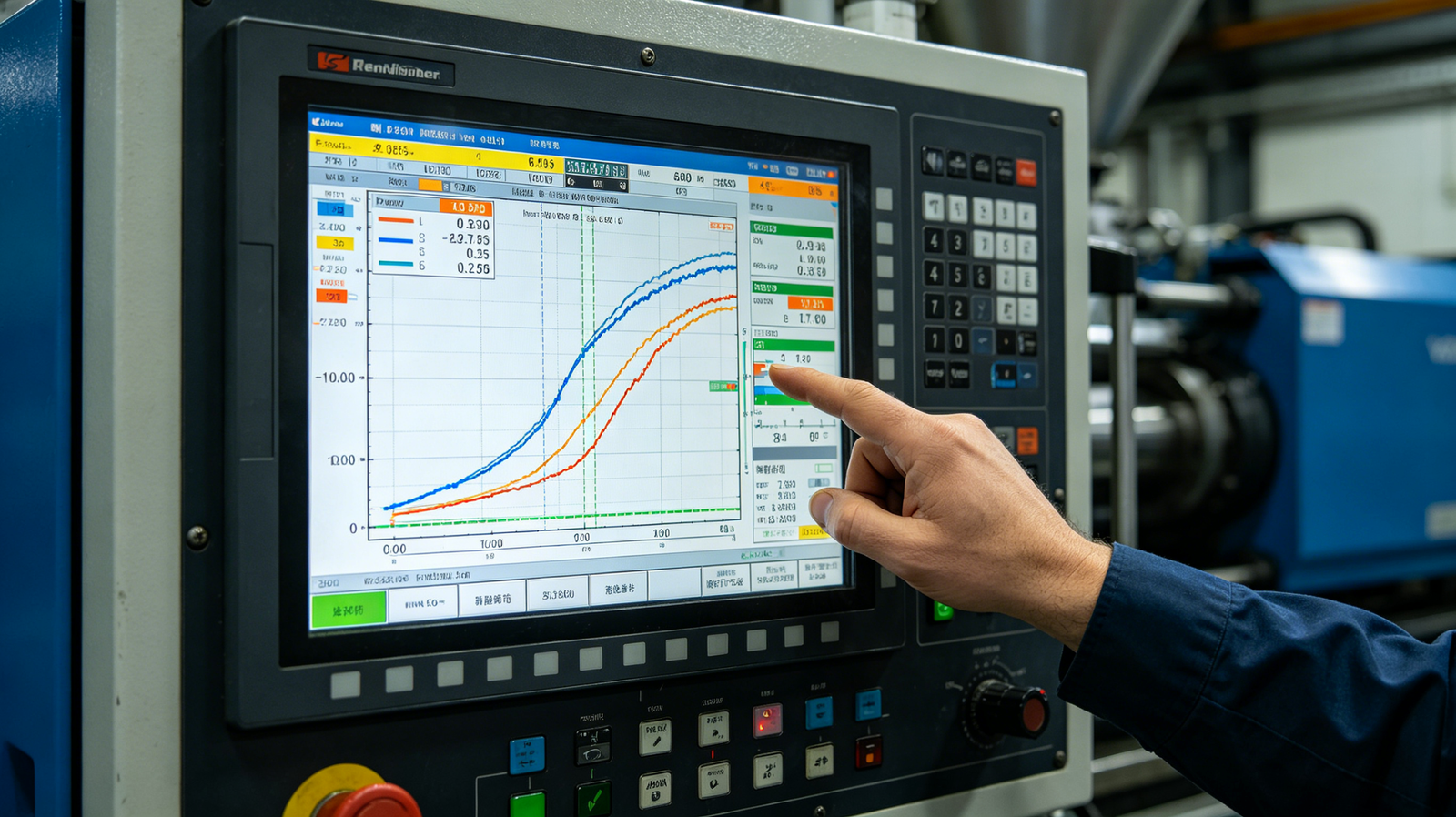
Xiamen Ruicheng utilizes mold flow analysis, process monitoring, and comprehensive quality inspections to control defects such as bubbles, sink marks, warpage, and dimensional variation. Each project follows documented manufacturing procedures to ensure reliable performance in high-voltage applications.
What Information Is Required to Obtain a Quotation Quickly?
Customers are encouraged to provide 3D models, 2D drawings, material specifications, annual demand forecasts, and application requirements. Our engineering team can then perform DFM analysis and provide technical recommendations along with a detailed quotation.
What Are the MOQ, Lead Time, and Payment Terms for Different Order Quantities?
Prototype projects can be supported with small-volume production runs, while mass production schedules depend on product complexity and tooling status. Typical lead times range from 7 to 20 working days, with flexible arrangements available for larger projects.
What Happens If Quality Issues or Delivery Delays Occur After Purchase?
Xiamen Ruicheng maintains a complete quality traceability system. Any confirmed quality issue will be investigated promptly, and corrective actions such as replacement, rework, or process optimization will be implemented to minimize customer impact.
Can You Provide Customized Solutions for Special Application Requirements?
Yes. We support custom development for high-voltage, flame-retardant, waterproof, high-temperature, and application-specific requirements. Customers simply need to provide operating conditions and technical specifications for evaluation.
Conclusion
Bubble defects in PCB high-voltage protective housing injection molding are often symptoms of deeper mold design challenges. By optimizing venting systems, gate locations, runner layouts, and cooling channels, manufacturers can achieve significant improvements in product quality and production stability. Strong mold modification capabilities have become a key factor in selecting a reliable injection molding partner for demanding high-voltage applications. Through engineering analysis and continuous optimization, companies can reduce quality risks, improve efficiency, and strengthen their competitive advantage.
For expert assistance in implementing for your production needs, visit our resource center or contact us. Let’s help you scale up your manufacturing with precision and efficiency!