Introduction
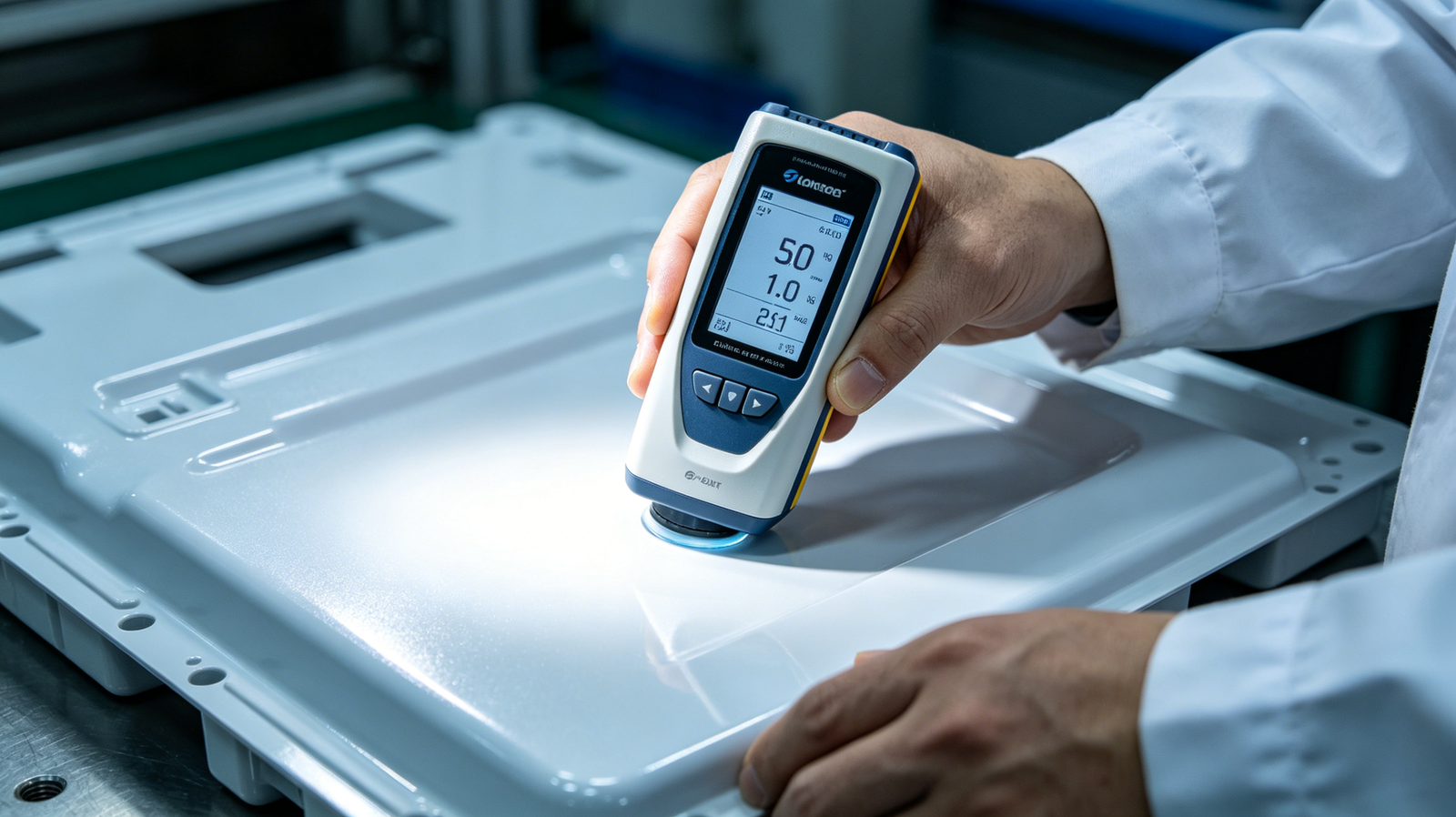
In automotive injection molded part development, material selection directly determines performance in structural strength, thermal stability, and long-term reliability. PA66, PBT, and PPS, as three mainstream engineering plastics, exhibit completely different engineering boundaries and application logic under different operating conditions. Material selection is not a performance comparison, but a scenario matching problem.
In real-world projects, especially automotive connectors, sensor housings, and functional structural parts, any material misjudgment can lead to batch failure risks. Xiamen Ruicheng, in automotive injection molding projects, uses DFM analysis and material validation processes to help clients avoid early-stage selection errors. Correct material decisions can significantly reduce later mold modification and production risks.
What Is the Fundamental Difference Between PA66, PBT, and PPS in Automotive Injection Molding?
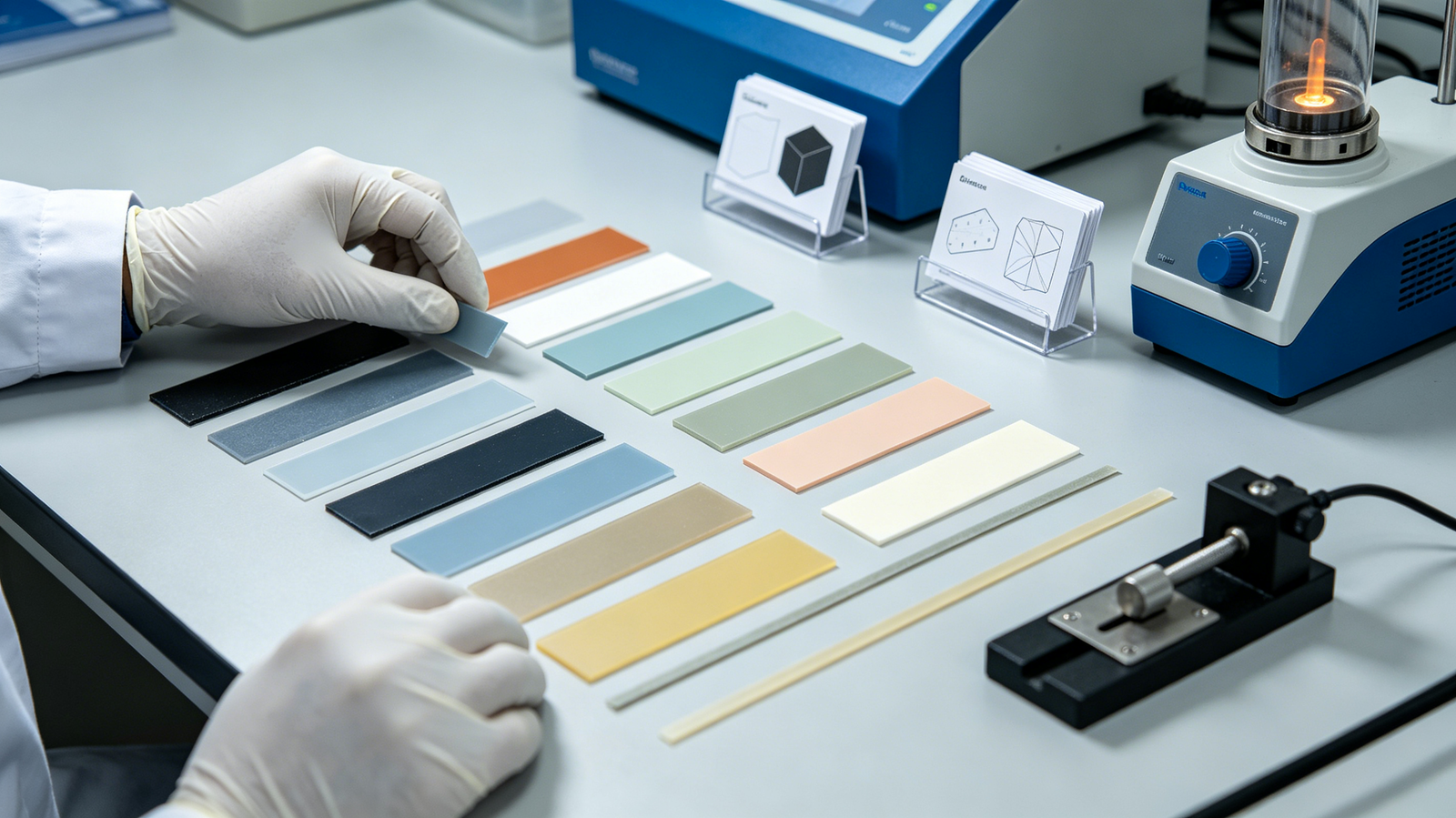
In automotive plastic injection molded parts, PA66, PBT, and PPS represent three different engineering paths: structural reinforcement type, dimensional stability type, and high-temperature extreme environment type materials. Xiamen Ruicheng performs systematic matching analysis combining material flow properties and mold design in mass production. Fundamental material differences determine whether a product can enter stable mass production.
Structural Strength Path: PA66 is suitable for load-bearing structural parts but is sensitive to moisture absorption.
Dimensional Stability Path: PBT performs more stably in electrical and housing components.
High-Temperature Application Path: PPS is suitable for engine compartment and extreme environments.
Engineering Matching Logic: Must be evaluated based on wall thickness, structure, and working conditions.
📌 Materials are not about being stronger, but about being better matched.
How to Determine the Application Scenarios of PA66, PBT, and PPS in Automotive Parts?
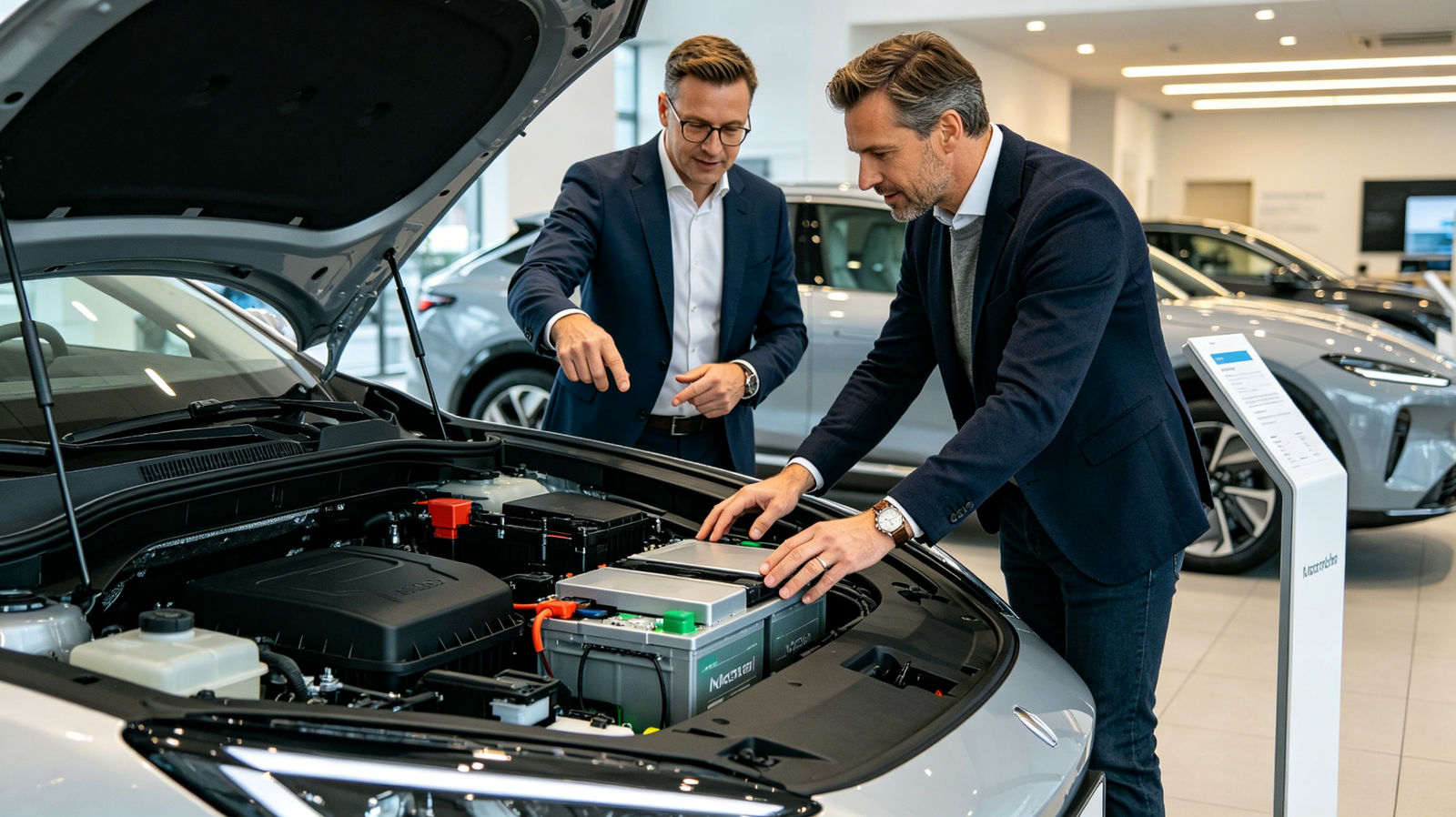
In the automotive injection molding design stage, material selection is often constrained by cost, performance, and processing difficulty. Through injection molding process analysis, it is possible to determine whether a material is suitable for a specific structure in advance. Incorrect matching leads to failure more easily than insufficient material performance.
PA66 Application Scenarios: High-strength clips, brackets, and load-bearing structural parts.
PBT Application Scenarios: Automotive connectors, sensor housings, and electrical components.
PPS Application Scenarios: High-temperature fluid systems and engine compartment parts.
Engineering Validation Path: Risk identification through DFM and mold flow analysis.
📌 True selection is about matching environment, not comparing materials.
Why Do Material Cost Differences in Automotive Injection Molding Vary So Much?
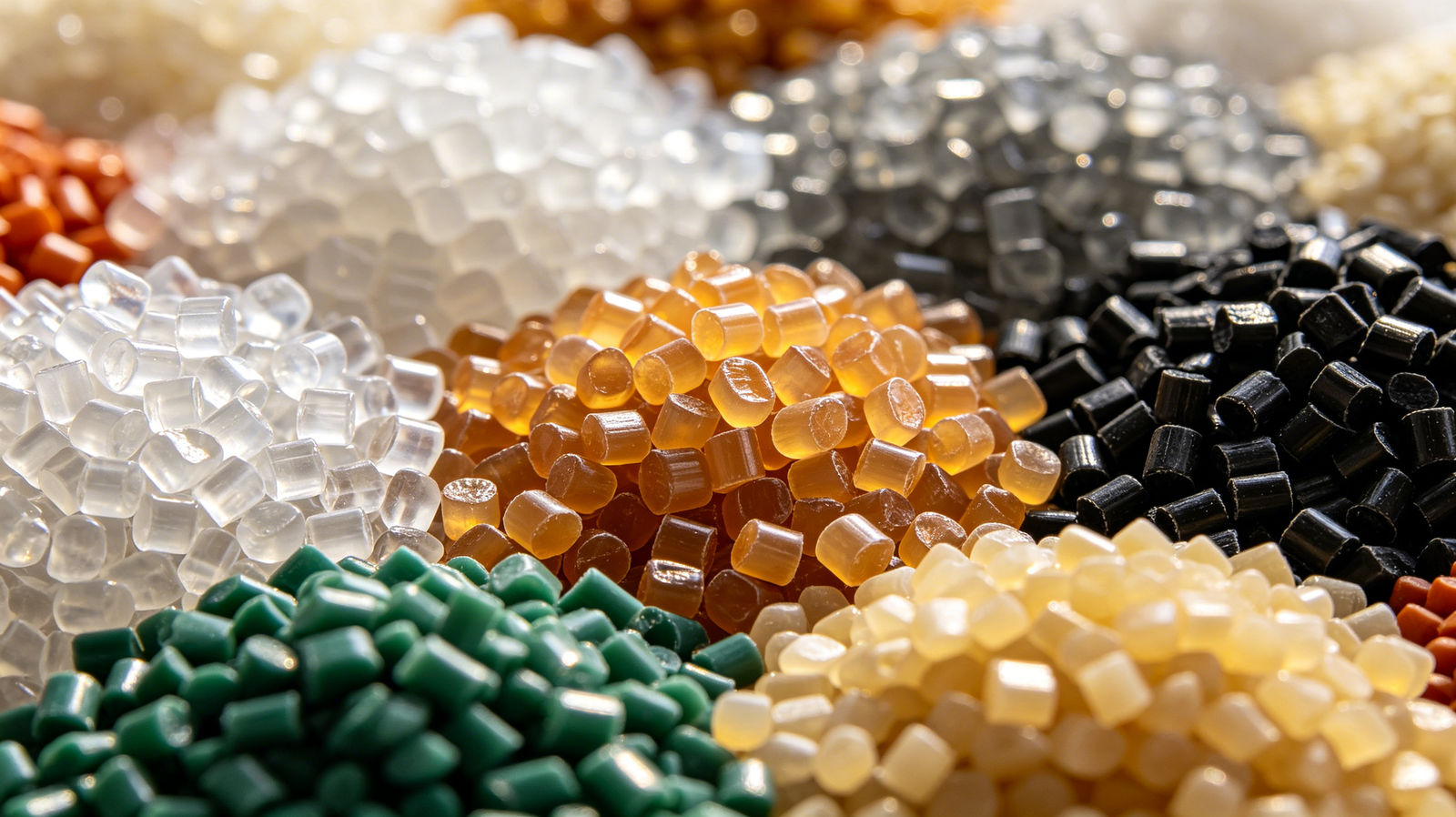
PA66, PBT, and PPS differ not only in performance but also significantly in processing cost, mold wear, and molding difficulty. In project evaluation, Xiamen Ruicheng typically considers mold life and yield rate for total cost analysis. Low material cost does not necessarily mean low total project cost.
PA66 Cost Structure: Medium material cost but higher mold wear.
PBT Cost Structure: Most balanced overall cost, suitable for mass production.
PPS Cost Structure: Highest material and processing cost, for high-end applications.
Risk Cost Factors: Warpage, shrinkage, and batch variation.
📌 True cost comes from stability, not unit price.
Automotive Plastic Material Selection Comparison Table
| Dimension | PA66 | PBT | PPS | Application Impact |
|---|---|---|---|---|
| Heat Resistance | Medium-High | Medium | Very High | Determines environment |
| Dimensional Stability | Medium | High | Very High | Determines assembly accuracy |
| Water Absorption | High | Low | Very Low | Affects long-term stability |
| Cost Level | Medium | Medium-Low | High | Affects mass production feasibility |
In automotive injection molding projects, material selection must align with supply chain capability. Xiamen Ruicheng helps clients complete material validation through engineering verification and trial molding data. If you are developing automotive parts, you can get DFM analysis support via contact us.
How to Make the Right Material Decision in Automotive Injection Projects?
In real engineering decisions, material selection depends not only on performance parameters but also on product lifecycle, production volume, and supply chain stability. Xiamen Ruicheng typically uses a “Material + Process + Mold” integrated evaluation approach. Material decisions must serve mass production stability, not laboratory performance.
1.Define Operating Environment: Clarify temperature, pressure, and mechanical load conditions.
2.Evaluate Structural Design: Analyze wall thickness, clips, and stress concentration areas.
3.Verify Manufacturing Capability: Check compatibility with existing injection systems.
4.Conduct Trial Molding Validation: Confirm actual molding performance through samples.
Common Questions on Automotive Injection Material Selection
Q1: What is your basis for material selection in automotive injection molded parts?
A: Xiamen Ruicheng evaluates based on material performance data, application environment, and manufacturability to ensure proper matching and avoid mass production risks.
Q2: Which is more suitable for automotive connectors, PA66, PBT, or PPS?
A: PBT is usually more suitable due to its dimensional stability and electrical performance, but final selection depends on structure and temperature conditions.
Q3: Does material selection affect mold life?
A: Yes. PA66 causes higher mold wear, PBT is relatively gentle, and PPS requires higher mold standards due to high processing temperature.
Q4: Can materials be changed during development?
A: Yes, but DFM and mold flow analysis must be redone to avoid deformation and dimensional deviation risks.
Q5: Does Xiamen Ruicheng provide material selection support?
A: Yes, including material recommendations, trial molding validation, and mass production feasibility assessment.
Conclusion
In automotive plastic injection molded part development, PA66, PBT, and PPS do not have absolute superiority or inferiority, but represent optimal solutions for different engineering scenarios. True material decisions come from integrated evaluation of application environment and mass production capability.Through systematic material evaluation and engineering validation, automotive part development risks can be significantly reduced while improving production stability. Xiamen Ruicheng provides reliable material selection support and mass production assurance through a complete DFM and injection molding engineering system.
For expert assistance in implementing solutions for your production needs, visit our resource center or contact us. Let’s help you scale up your manufacturing with precision and efficiency!