Introduction

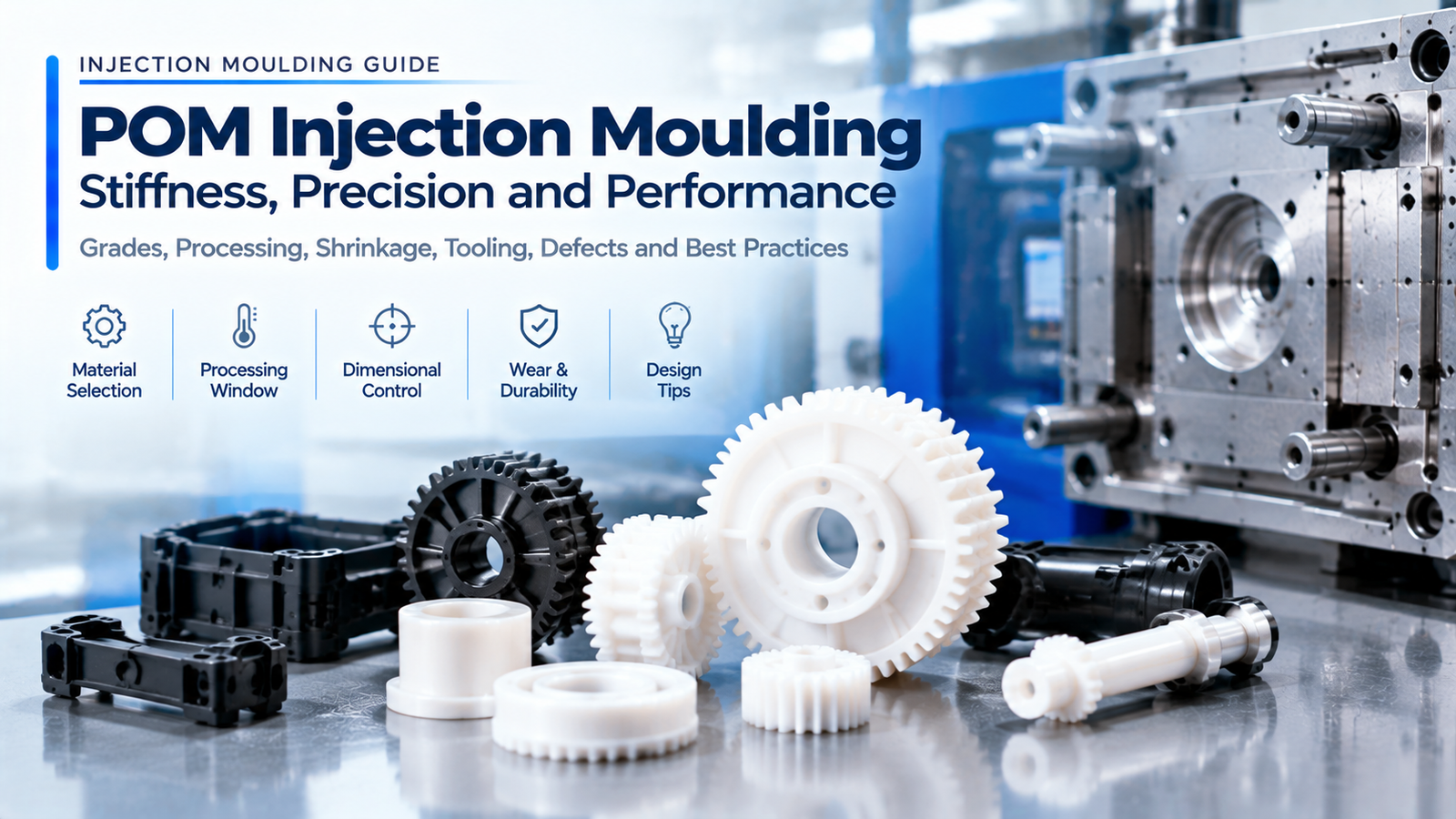
Polyoxymethylene (POM) is widely used in industrial applications due to its high strength, low friction, and excellent wear resistance. It is commonly found in gears, structural components, and precision connectors. However, its semi-crystalline nature makes it highly sensitive to processing conditions, often resulting in dimensional instability and structural defects during injection molding.
POM undergoes significant shrinkage during crystallization, meaning even minor variations in mold temperature, pressure, or cooling uniformity can amplify into part failure. Therefore, failure analysis is not only a quality inspection tool but also a critical design-stage engineering decision framework.In real industrial projects at xiamen ruicheng, POM components are frequently used in automotive connectors and industrial transmission systems where long-term stability is essential. Through early-stage DFM analysis and process validation, batch failure risks can be significantly reduced. Defect identification capability directly determines whether a product is ready for scalable mass production.
What Causes Defects in POM Injection Molding Processes?
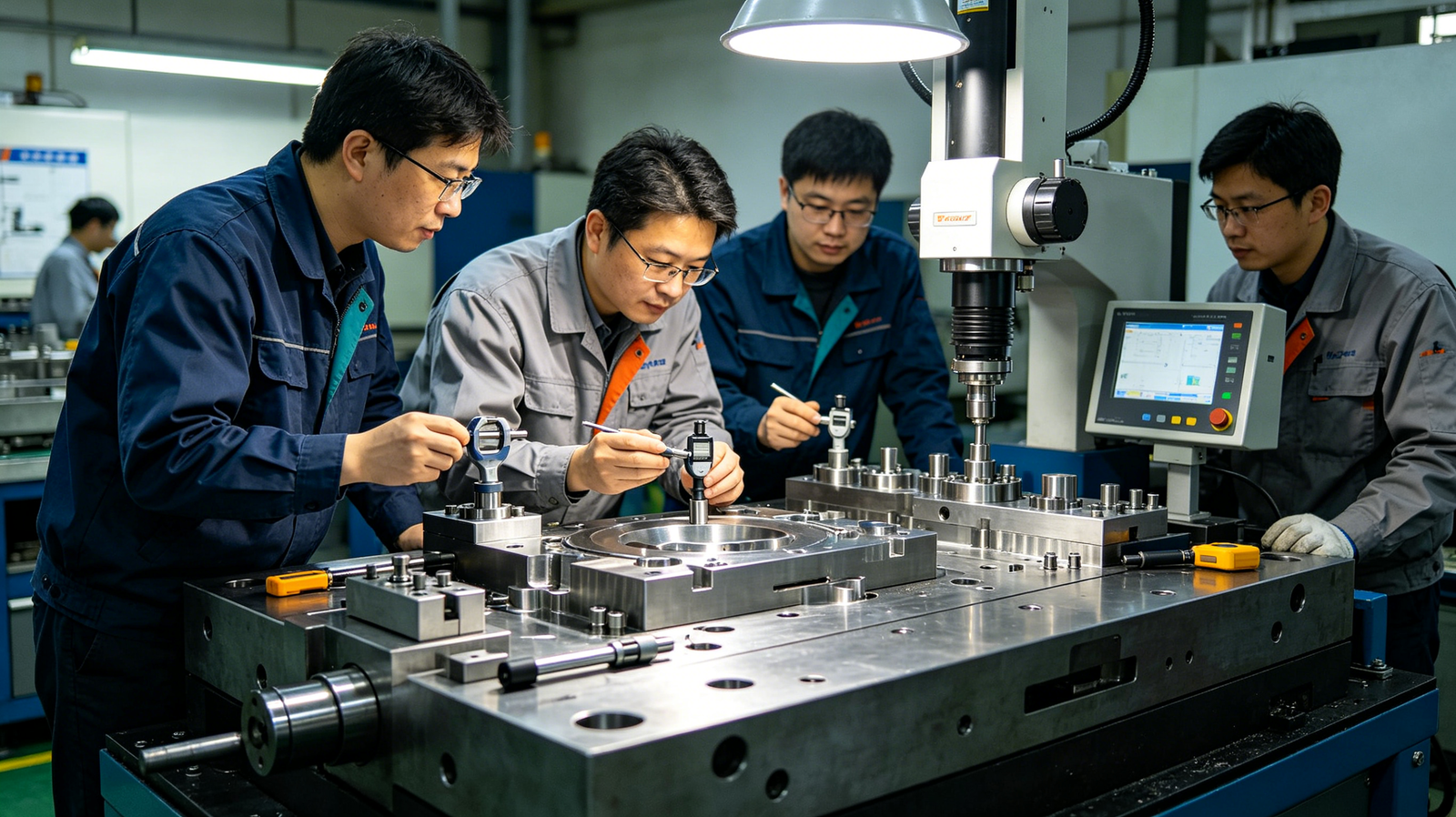
During injection molding, POM exhibits rapid crystallization behavior, making it extremely sensitive to processing window variations. Defects often originate during the filling and packing stages, where internal stress accumulates due to inconsistent flow and molecular alignment.Engineering teams typically optimize processing routes by analyzing behavior alongside process parameters.
- Filling stage instability: Unstable flow front causes density variation
- Cooling shrinkage imbalance: Uneven cooling leads to dimensional deviation
- Mold temperature gradient: Amplifies crystallization stress
- Melt flow behavior: Shear variation induces structural defects
📌 POM defects are fundamentally caused by mismatch between material behavior and process control capability.
Why Does POM Warp and Show Dimensional Deviation?
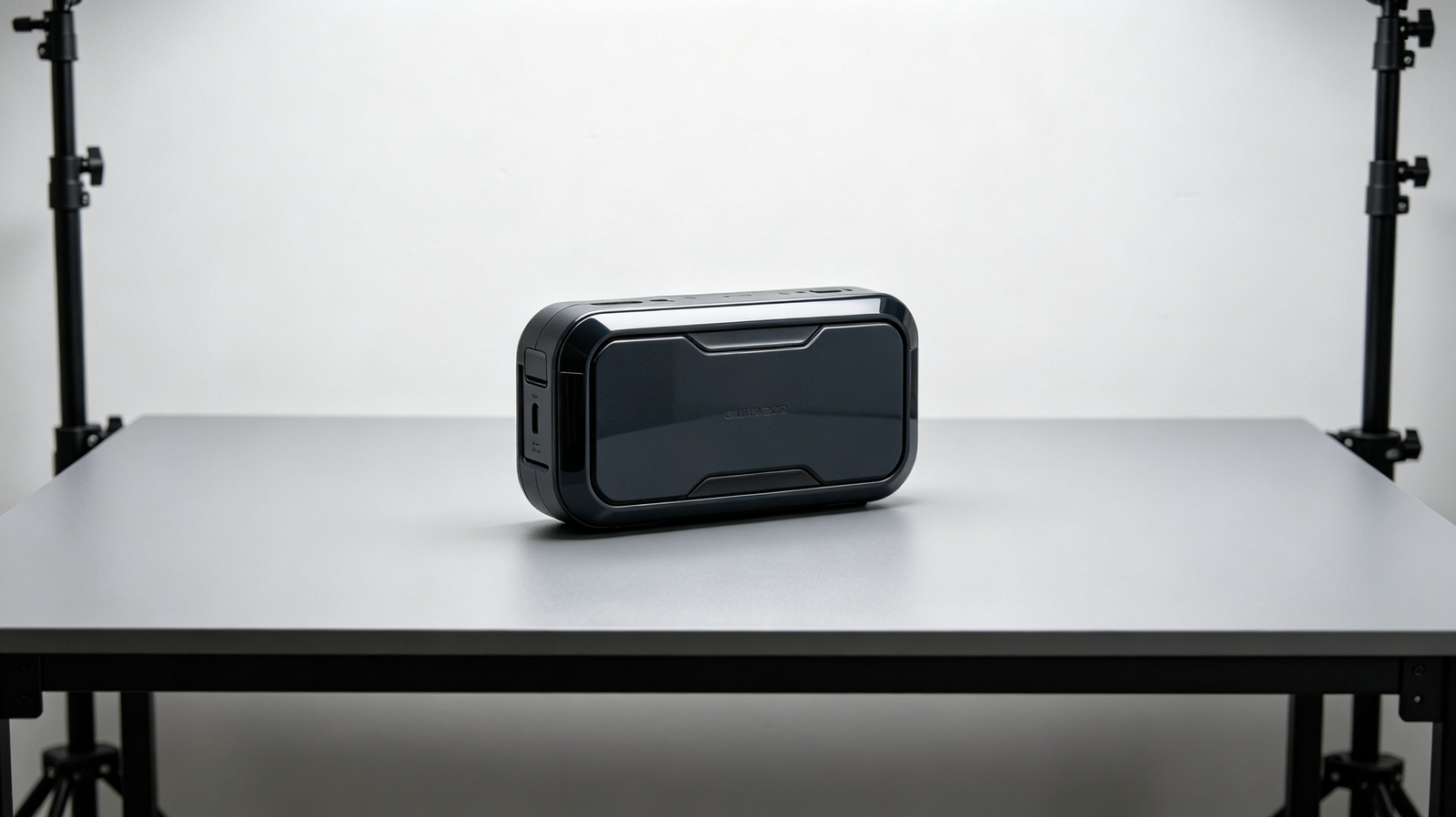
As a semi-crystalline polymer, POM undergoes significant volumetric shrinkage during cooling. If mold design and cooling systems are not properly optimized, warping and deformation are highly likely. simulation-driven moldflow analysis is used to reduce such risks in production programs.
- Asymmetric geometry effects: Uneven wall thickness causes inconsistent shrinkage
- Cooling imbalance: Local temperature differences lead to deformation
- Insufficient packing pressure: Density variation causes dimensional drift
- Ejection stress release: Demolding forces affect final geometry
📌 Dimensional stability must be addressed at the mold design stage, not during production.
How Do Silver Streaks and Voids Occur in POM Molding?

Silver streaks and voids are typically caused by moisture contamination, excessive shear heating, or poor mold venting. These defects directly affect both appearance and structural integrity.
- Insufficient drying: Residual moisture generates gas during processing
- Excessive shear heating: Local degradation leads to silver streaks
- Poor mold venting: Trapped gas forms voids
- Improper runner design: Flow turbulence reduces surface quality
📌 Surface defects are often early indicators of internal process instability.
Comparison Table of POM Injection Defect Types
| Defect Type | Root Cause | Process Stage | Engineering Impact |
|---|---|---|---|
| Shrinkage marks | Uneven cooling | Packing/Cooling | Dimensional failure |
| Warping | Internal stress release | Mold design | Assembly misalignment |
| Silver streaks | Material degradation | Injection phase | Cosmetic failure |
| Voids | Poor venting | Mold structure | Strength reduction |
Industrial buyers should evaluate not only defect correction capability but also the supplier’s systemic process control capability. full-process quality systems are applied to reduce batch failure risk.For engineering evaluation of POM projects, you may further contact us.
Engineering Approach to Optimize POM Injection Failures
The core of POM defect optimization lies in establishing a coupled system between material behavior, mold structure, and process parameters, rather than adjusting single variables.Failure control is fundamentally a systems engineering problem, not a parameter tuning task.
1.Mold structure optimization: Reduce wall thickness variation and stress concentration
2.Process window control: Define stable temperature and pressure ranges
3.Material pre-drying standardization: Control moisture content consistently
4.Pilot production validation: Reduce mass production risk through small-batch trials
FAQ: POM Injection Defects and Procurement Decisions
Q1: What is your core quality standard for POM injection molding?
A: We ensure dimensional accuracy through mold temperature control, process monitoring systems, CMM inspection, and first article validation for batch consistency.
Q2: What information is required for POM part quotation?
A: 3D drawings, material requirements, application scenarios, and annual volume are needed for DFM evaluation and optimization of injection molding solutions.
Q3: How is POM production lead time determined?
A: It depends on mold complexity and validation stages, including tooling, trial runs, and production ramp-up phases.
Q4: How to handle dimensional deviation in POM parts?
A: Through process data tracing, mold modification, parameter adjustment, and re-validation if necessary.
Q5: Do you support custom POM structural development?
A: Yes, we provide full-cycle development including design, tooling, and mass production for automotive and industrial applications.
Conclusion
POM injection molding defects are fundamentally caused by systemic mismatches between material properties and process control conditions. Engineering-based optimization is required to ensure stable production performance.Only by establishing a complete failure analysis and process control system can true industrial-scale manufacturing stability be achieved.
For expert assistance in implementing precision manufacturing solutions, visit our resource center or contact us. Let’s help you scale up your manufacturing with precision and efficiency.