Introduction
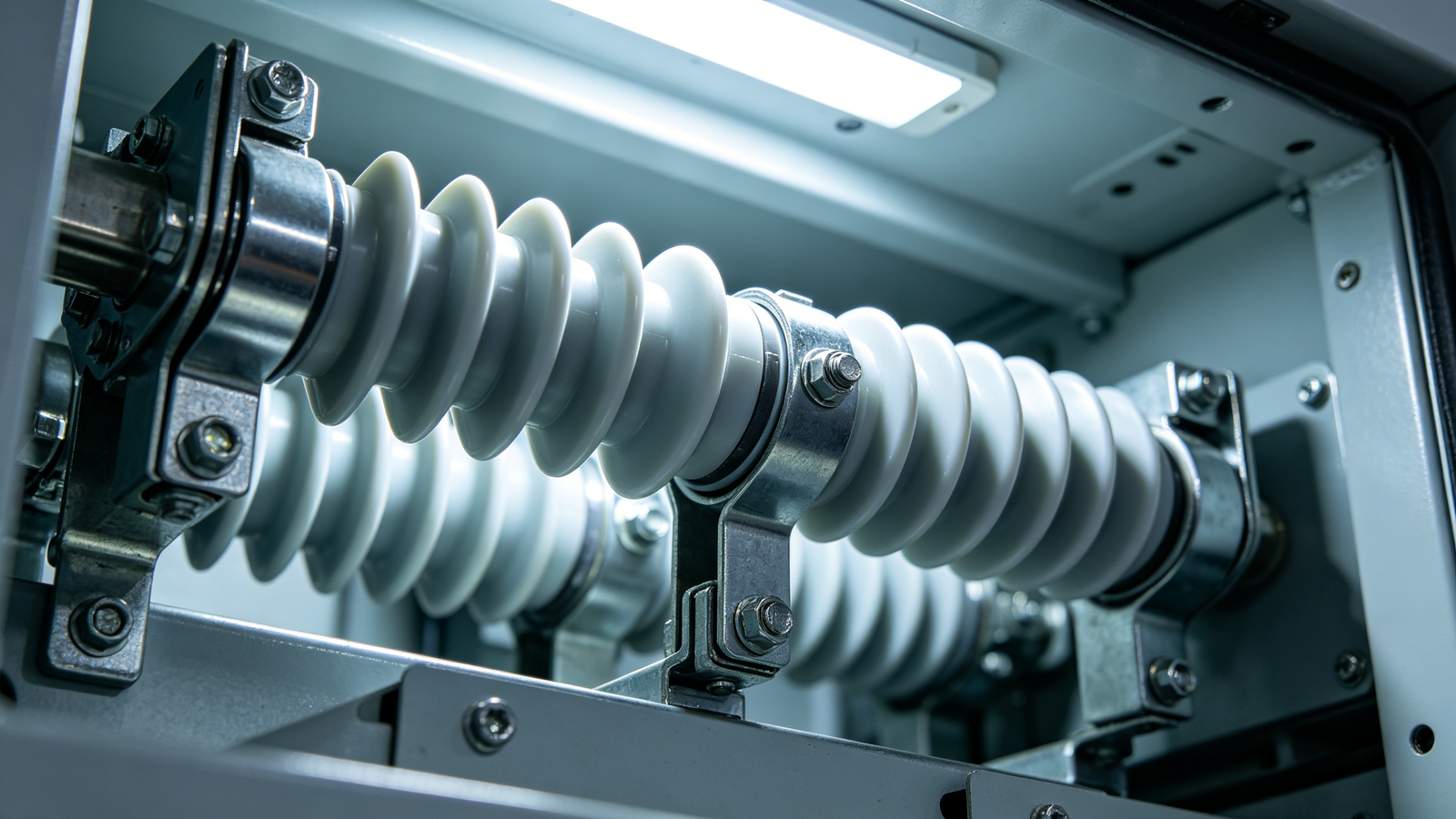
The rapid upgrade of industrial equipment is pushing precision injection molding parts toward higher strength, better dimensional stability, and lightweight performance. More equipment manufacturers are gradually replacing traditional metal components with engineering plastics that offer superior wear resistance, heat resistance, and corrosion resistance. Xiamen Ruicheng has observed through long-term industrial projects that automation systems, medical devices, and new energy equipment now demand more than basic manufacturability; they require long-term operational stability and consistent mass production quality. The correct engineering plastic selection can directly reduce maintenance costs and unexpected downtime risks for industrial equipment. Under complex working conditions, premium engineering plastics also help reduce equipment weight, minimize noise, and improve assembly efficiency, ultimately optimizing overall machine performance and supply chain costs.
As industrial equipment increasingly requires high-speed operation and precision control, engineering plastics have become critical solutions for structural and functional components, especially in gears, guide rails, protective housings, and wear-resistant assemblies. Xiamen Ruicheng helps customers avoid material failure risks during early project stages through advanced mold development and material selection expertise. Instead of focusing only on price, more buyers now prioritize service life, dimensional stability, and environmental adaptability.
How Should Industrial Equipment Select Precision Injection Molding Materials?
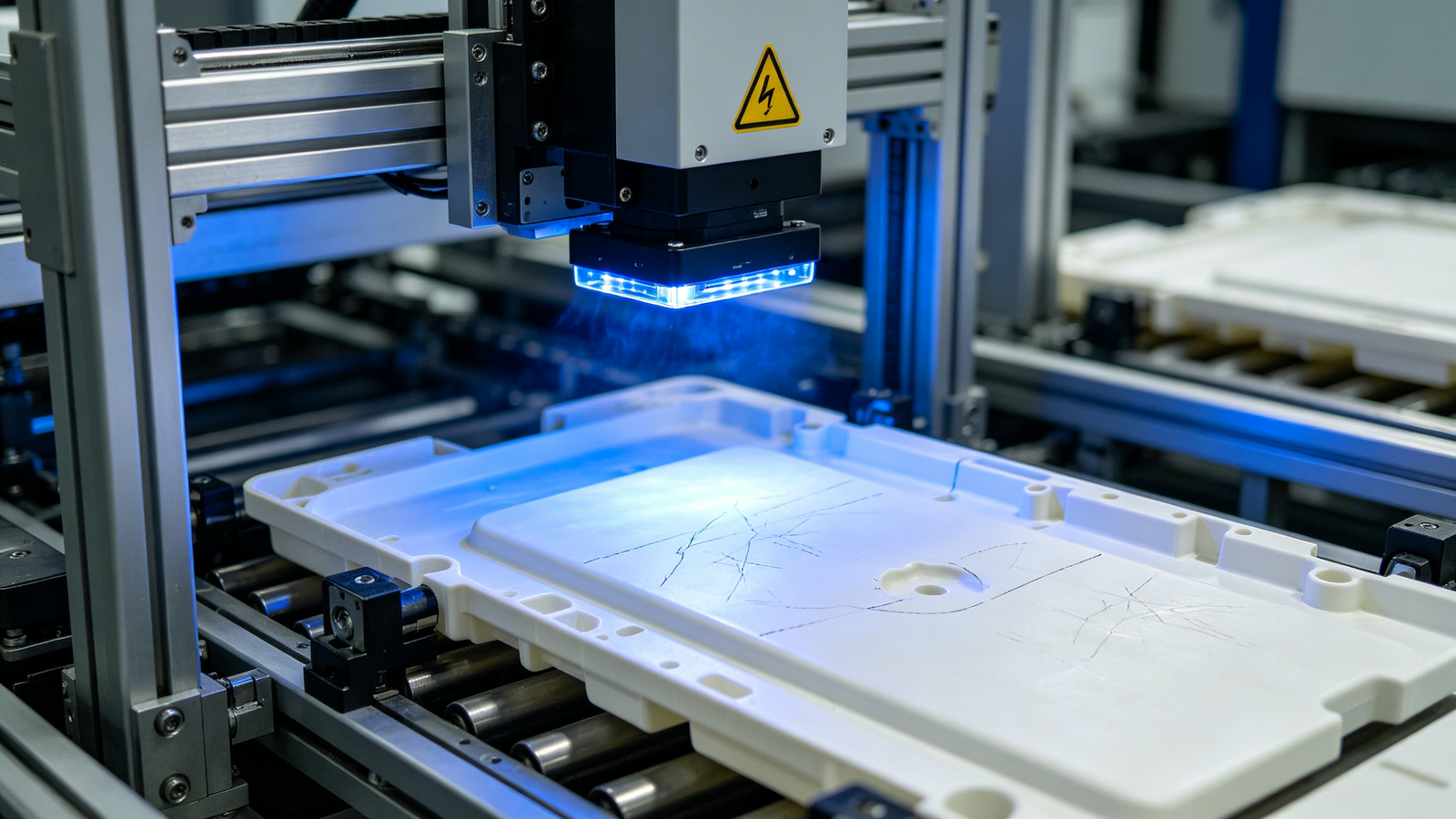
When selecting materials for precision plastic components, industrial equipment manufacturers should prioritize heat resistance, mechanical strength, and long-term fatigue durability. Different equipment environments require different engineering plastic solutions. Xiamen Ruicheng commonly recommends PA, POM, PC, and PPS materials for automation equipment projects because these materials perform consistently in high-precision molding and mass production environments. Material selection not only affects part performance but also determines processing efficiency and long-term operational reliability. For high-speed industrial equipment, improper material choices often result in excessive wear, deformation, and assembly tolerance instability, making early-stage engineering evaluation extremely important.
Wear Resistance: POM performs reliably in gears and sliding components, reducing long-term friction damage.
Heat Resistance: PPS and PEEK are better suited for high-temperature industrial environments while maintaining dimensional stability.
Impact Strength: PC is ideal for transparent covers and high-strength housings, helping reduce external impact damage.
Dimensional Stability: Glass fiber reinforced PA works well for structural support components and improves rigidity.
⚙️ Industrial material selection is ultimately a balance between durability, stability, and manufacturing cost.
Which Engineering Plastics Are Better for High-Precision Industrial Equipment?
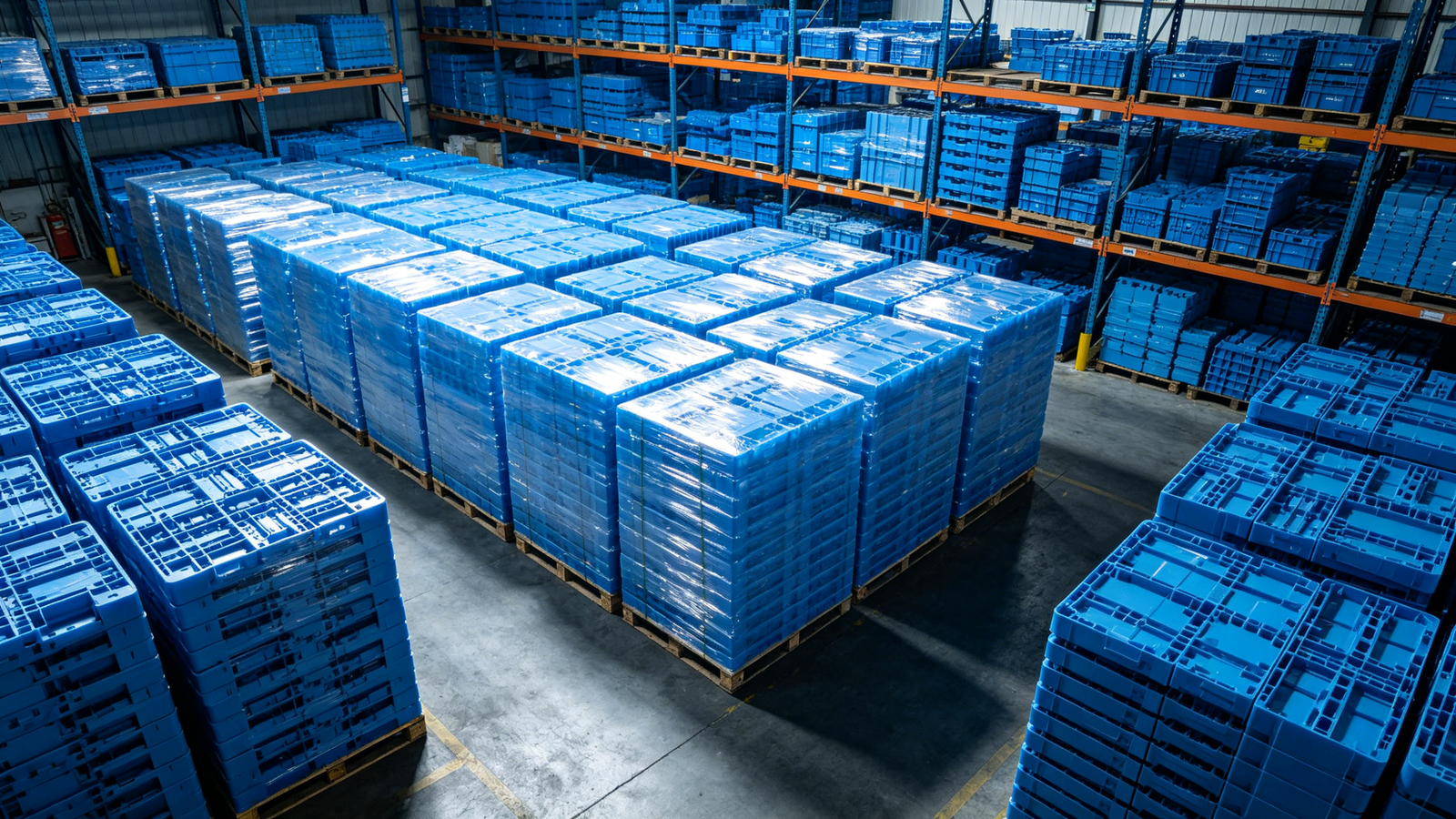
High-precision industrial equipment focuses heavily on dimensional tolerance control and long-term deformation resistance. In industrial equipment applications, moisture absorption, thermal expansion coefficients, and molding shrinkage rates significantly affect final part accuracy. Xiamen Ruicheng carefully matches engineering plastics based on customer environments for medical automation systems, sensor housings, and precision transmission assemblies to ensure stable mass production performance. For precision equipment, long-term material stability is often more critical than simple mechanical strength. Even with highly accurate molds, unstable materials can still cause dimensional drift and assembly failures over time.
Low Moisture Absorption: POM offers excellent dimensional consistency for precision structures.
Thermal Stability: PPS maintains stable dimensions under high-temperature operating conditions.
Precision Molding: LCP is suitable for ultra-thin electronic components with micro-structure requirements.
Production Consistency: Reinforced PA materials help maintain rigidity during large-scale production.
🔩 High-precision industrial equipment requires not just strength, but long-term dimensional reliability.
How Can Industrial Equipment Balance Cost and Performance in Injection Molded Parts?
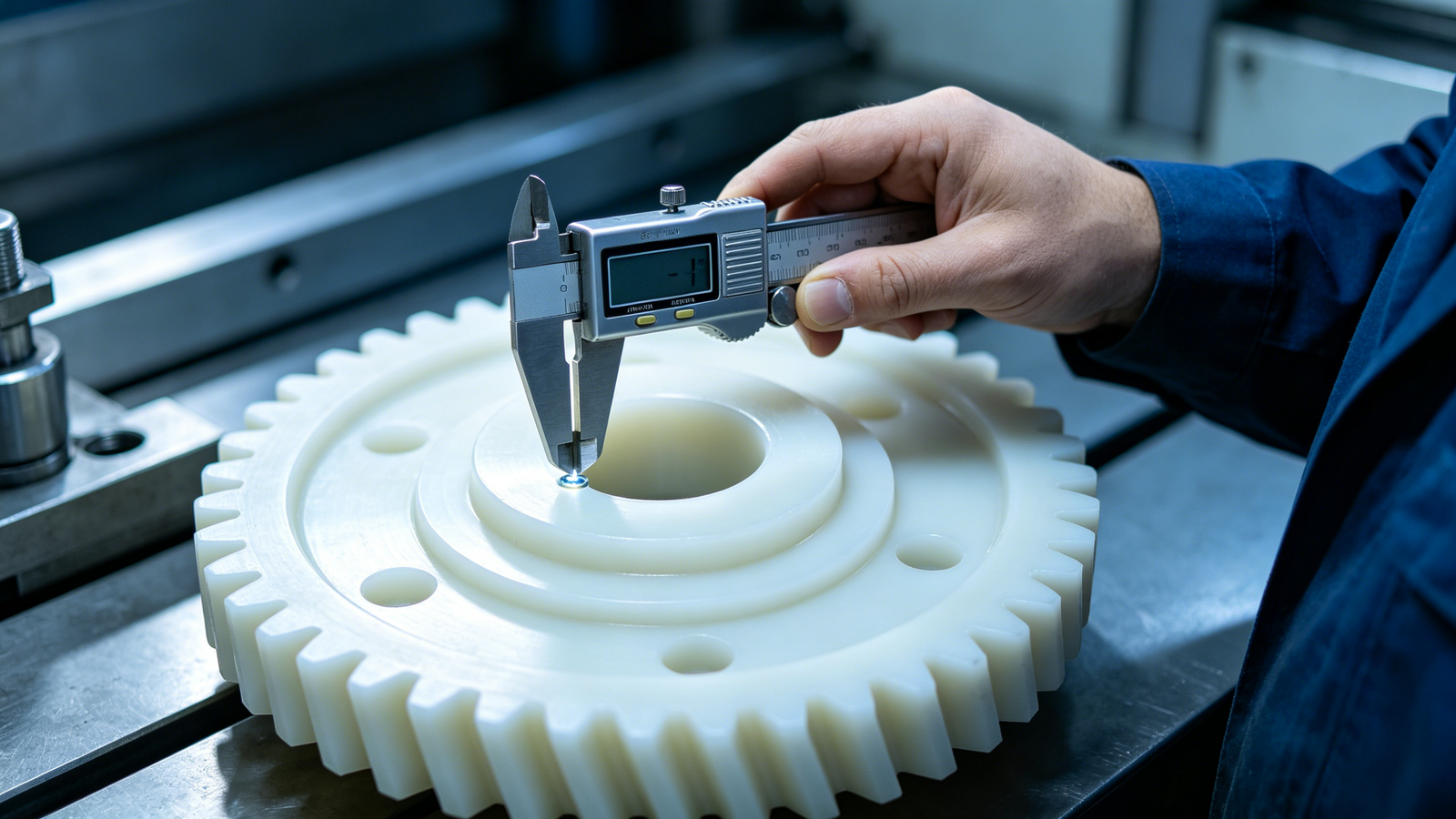
Many buyers focus primarily on unit pricing when sourcing injection molded components, but industrial equipment projects usually place greater emphasis on total lifecycle cost, including maintenance frequency, downtime losses, and replacement intervals. Xiamen Ruicheng often provides alternative material strategies based on project stages, such as using reinforced PA instead of higher-cost specialty plastics in non-extreme environments to optimize budgets. A well-balanced material strategy often creates greater commercial value than simply using premium materials. Especially in large-scale production projects, optimized material costs directly influence overall equipment profitability.
Mass Production Cost: Standard engineering plastics are more economical for large-volume projects.
Maintenance Cycle: Wear-resistant materials reduce replacement frequency and maintenance pressure.
Processing Efficiency: Stable molding materials help reduce defect rates and improve production efficiency.
Overall Lifespan: High-performance plastics may cost more initially but offer stronger long-term value.
💡 Successful industrial equipment sourcing strategies focus on long-term return on investment rather than short-term savings.
Comparison of Engineering Plastics for Industrial Precision Injection Molding Parts
| Material | Heat Resistance | Wear Resistance | Strength | Typical Applications |
|---|---|---|---|---|
| PA+GF | High | Medium | High | Structural supports |
| POM | Medium | High | Medium | Gears & sliders |
| PC | Medium | Medium | High | Protective housings |
| PPS | Extremely High | High | High | High-temperature systems |
Looking for the right engineering plastic solution for your industrial equipment project? Xiamen Ruicheng can provide professional injection molding recommendations based on operating conditions, lifespan expectations, and budget planning. contact us
How Does Xiamen Ruicheng Help Industrial Equipment Manufacturers Reduce Material Selection Risks?
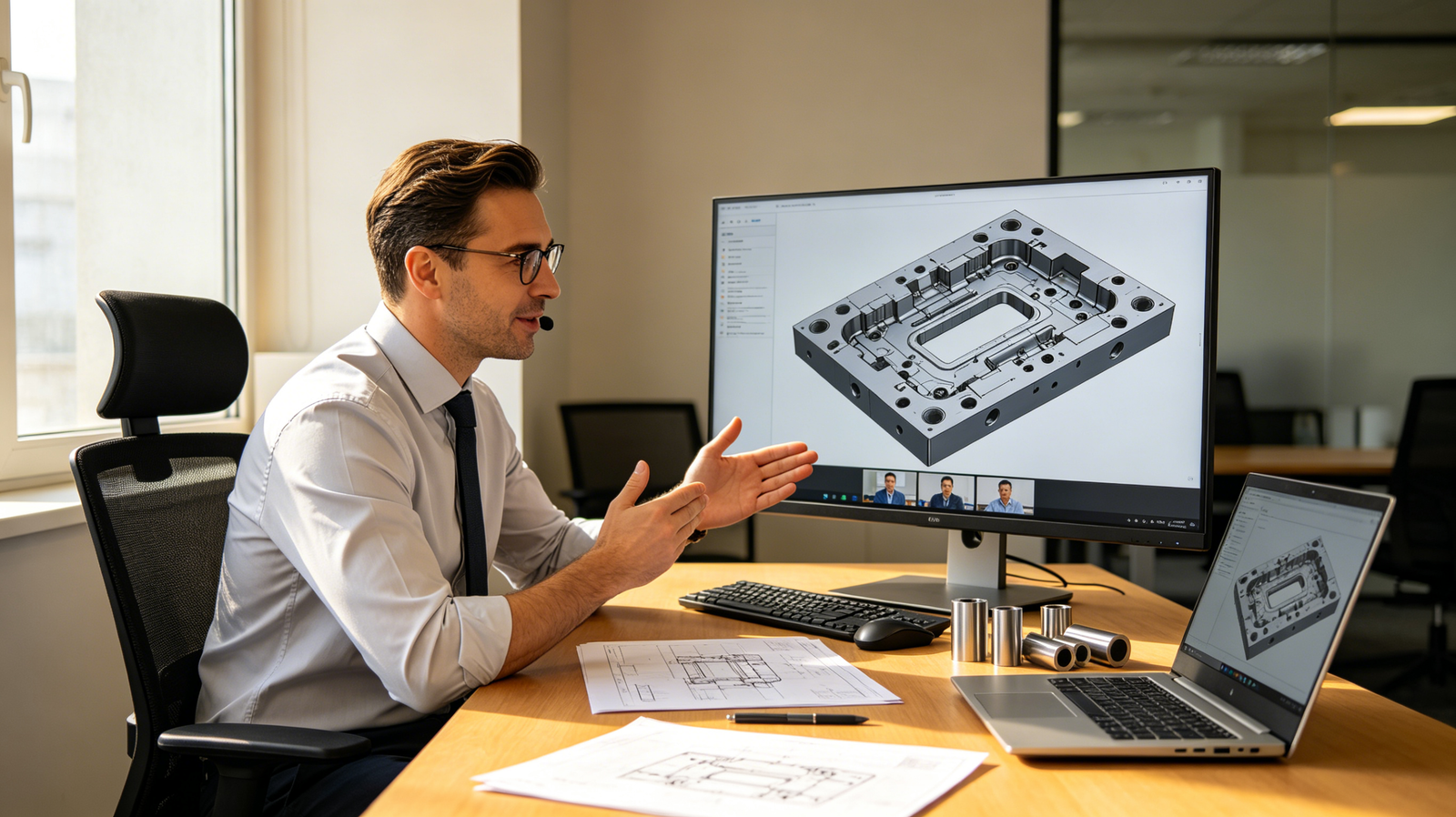
Industrial equipment projects often involve long validation cycles, complex structures, and highly varied operating conditions, making it difficult to rely solely on material datasheets. Xiamen Ruicheng focuses on “application-driven material selection” by matching engineering plastics according to operating environments, mechanical loads, and assembly requirements to reduce failure risks from the beginning. Rather than simply providing quotations, Xiamen Ruicheng helps customers build long-term and reliable material and manufacturing solutions. For automation equipment, new energy systems, and medical devices, we also provide mold flow analysis, structural optimization, and production consistency verification to shorten development cycles and minimize costly trial-and-error processes.
1.Material Pre-Selection: Engineering plastics are screened according to operating conditions and durability targets.
2.Mold Optimization: Injection molding structures are optimized based on shrinkage and flow behavior.
3.Production Validation: Trial production verifies dimensional stability and long-term performance.
4.Supply Stability: Mature production systems ensure stable delivery for ongoing procurement needs.
Frequently Asked Questions About Industrial Precision Injection Molding Parts
What are the core advantages and quality standards of your precision injection molding parts?
Xiamen Ruicheng focuses on long-term operational stability for industrial equipment applications. We commonly use engineering plastics such as PA, POM, PC, and PPS while maintaining strict dimensional inspection and mold precision control processes. For critical industrial projects, we conduct multiple rounds of dimensional verification, material testing, and batch inspections to ensure reliable long-term performance.
What information should we provide to receive a quotation quickly?
Customers are usually required to provide 3D files, 2D drawings, material requirements, application environments, and estimated order quantities. Xiamen Ruicheng supports both online and email submissions. Most projects can receive preliminary engineering analysis and quotations within 12 hours.
What are your MOQ requirements and lead times for different order volumes?
Prototype stages generally support low-volume production for testing and validation purposes, while mass production schedules depend on material types and mold complexity. Xiamen Ruicheng operates flexible manufacturing systems with standard lead times ranging from 7 to 15 days, while urgent projects can receive priority scheduling support.
How do you handle quality issues or delivery delays?
Xiamen Ruicheng maintains a complete quality tracking and after-sales support system. If dimensional deviations, performance issues, or delivery problems occur, our engineering team quickly investigates the root cause and provides replacement, rework, or process optimization solutions. Long-term customers also receive continuous quality improvement support.
Can you provide customized engineering plastic solutions for industrial equipment projects?
Yes. Xiamen Ruicheng supports customized engineering plastic solutions including heat resistance, anti-static properties, flame retardancy, and reinforced material modifications. Customers simply need to provide operating temperatures, mechanical loads, and application environments, and our team will recommend suitable precision injection molding solutions.
Conclusion
Industrial equipment manufacturers are now demanding more from precision injection molding parts than simple manufacturability. Long-term dimensional stability, durability, and lifecycle cost control have become essential decision-making factors. Proper engineering plastic selection can significantly improve equipment performance while reducing maintenance risks and operational downtime. With advanced material expertise, precision mold capabilities, and scalable manufacturing systems, Xiamen Ruicheng helps customers build reliable and cost-effective industrial injection molding solutions. As industrial automation and smart manufacturing continue to expand, high-performance engineering plastics will play an increasingly important role in future industrial equipment development.
For expert assistance in implementing for your production needs, visit our resource center or contact us. Let’s help you scale up your manufacturing with precision and efficiency!