Introduction
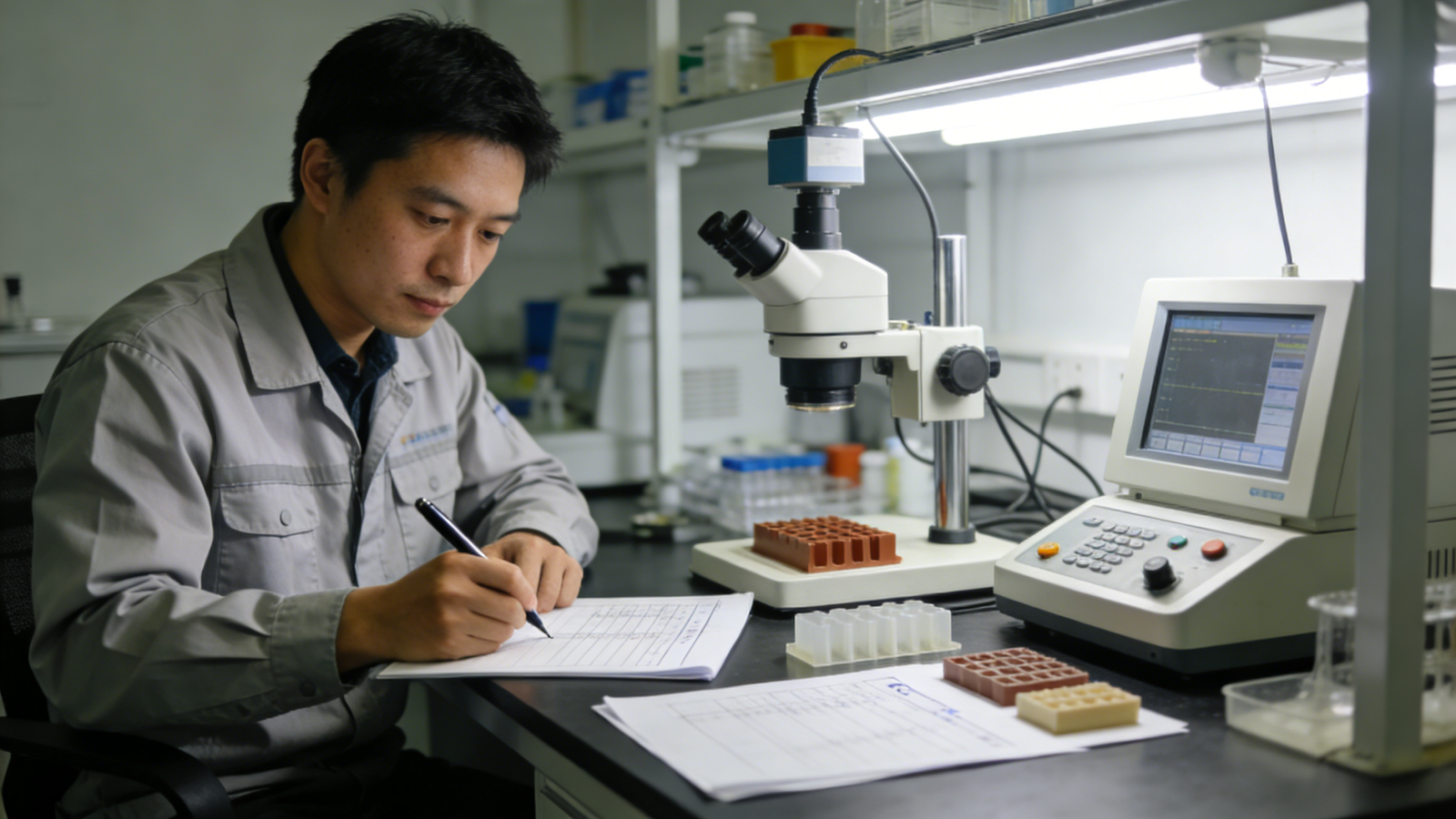
PC/ABS is widely used in consumer electronics housings and structural components, especially during rapid prototyping stages where design validation is critical. However, in real testing scenarios, prototypes often fail to meet strength and toughness requirements due to machining stress, structural weaknesses, and material inconsistencies. In fast-paced development cycles, a prototype must not only look accurate but also perform reliably under testing conditions.
From Xiamen Ruicheng’s project experience, relying solely on material properties is not sufficient to solve these issues. A combination of process optimization and structural improvement is essential to enhance performance. Rapid prototypes are not just visual models but functional testing tools that directly impact product launch timelines and decision-making efficiency. With systematic engineering optimization, PC/ABS prototypes can closely match the performance of production parts.
Why Do PC/ABS Prototypes Fail Engineering Tests?
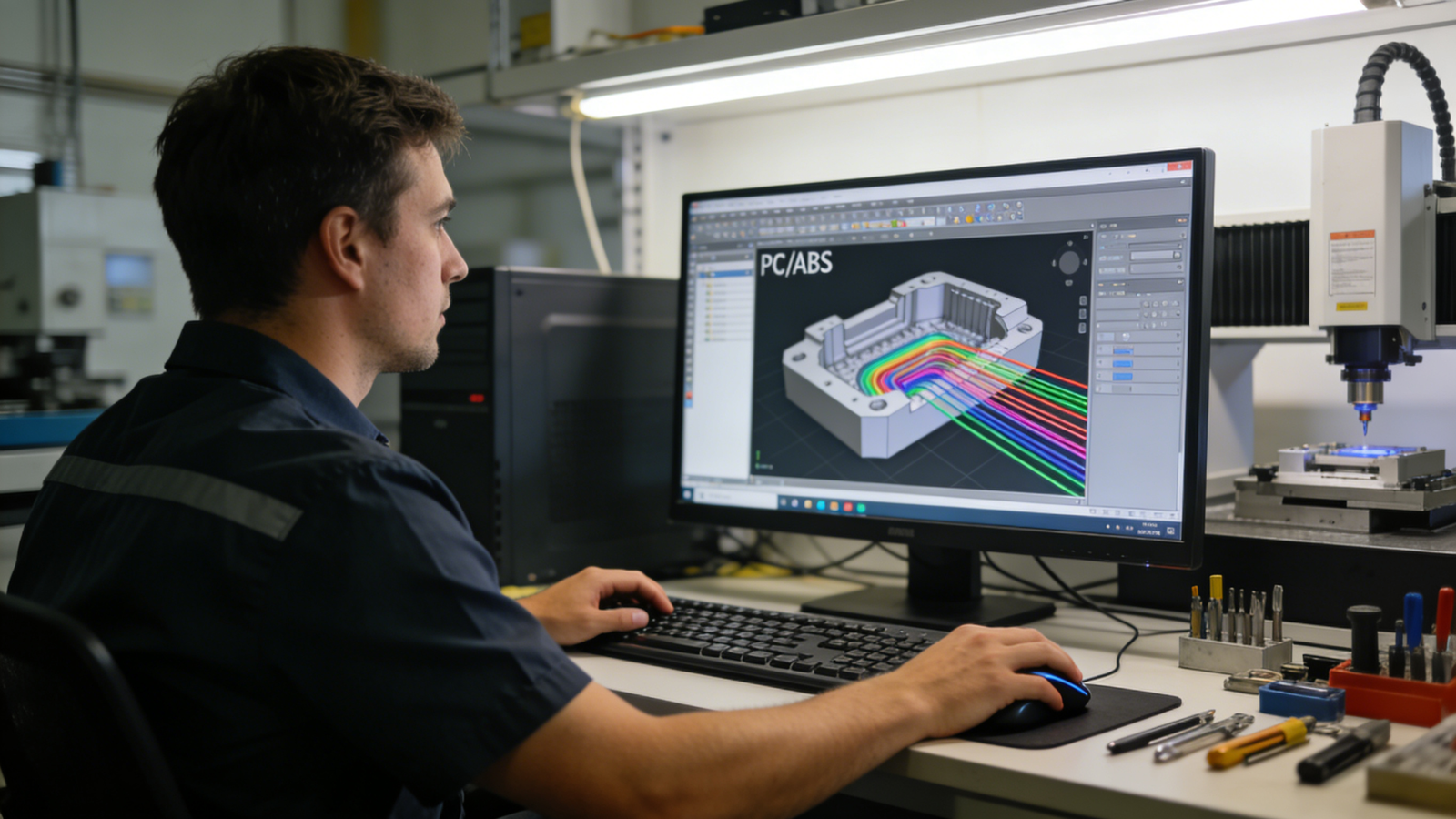
PC/ABS prototypes are typically produced using CNC machining or rapid prototyping, but toolpath direction, residual stress, and uneven material behavior can significantly reduce performance, leading to cracking or deformation during drop and vibration testing. In most cases, the issue lies not in the material itself but in the lack of coordination between design and manufacturing processes. Based on Xiamen Ruicheng’s engineering practices, optimizing machining strategies and post-processing can greatly improve prototype reliability and reduce repeated iteration costs.
Machining Direction Impact: Toolpath orientation affects internal stress distribution and mechanical behavior.
Residual Stress Accumulation: Untreated prototypes may crack due to stress release during testing.
Structural Design Gaps: Uneven wall thickness and sharp corners amplify stress concentration.
Material Batch Variations: Different PC/ABS batches can lead to inconsistent performance results.
💡 The root cause is process-design mismatch rather than material limitation.
How Can Process Optimization Improve PC/ABS Prototype Performance?
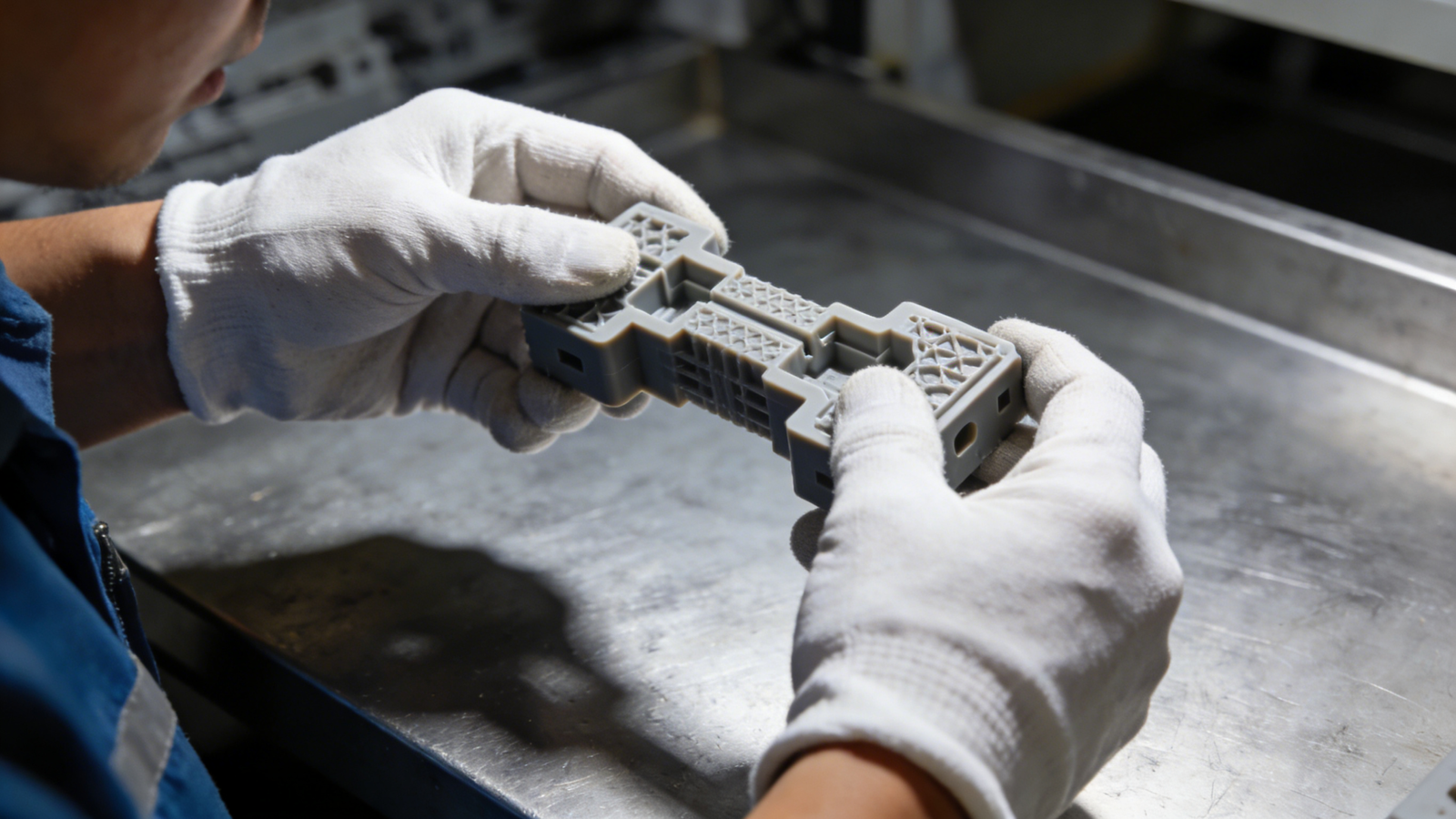
To meet engineering test requirements, Xiamen Ruicheng enhances PC/ABS prototype performance through annealing and multi-axis machining, ensuring better stability in impact and fatigue tests. By controlling machining paths and applying post-processing treatments, prototype toughness and durability can be significantly improved. Combined with precise material selection and machining accuracy, prototypes can serve both visual and functional validation purposes, minimizing test failure risks.
Annealing Enhancement: Controlled heat treatment relieves internal stress and improves toughness.
Toolpath Optimization: Strategic machining paths reduce stress concentration zones.
Edge Finishing: Adding chamfers or fillets lowers impact stress risks.
Precision Control: High-accuracy machining minimizes assembly-induced stress.
🚀 Process optimization is the key to engineering-grade prototype performance.
How Does Structural Design Affect PC/ABS Testing Performance?
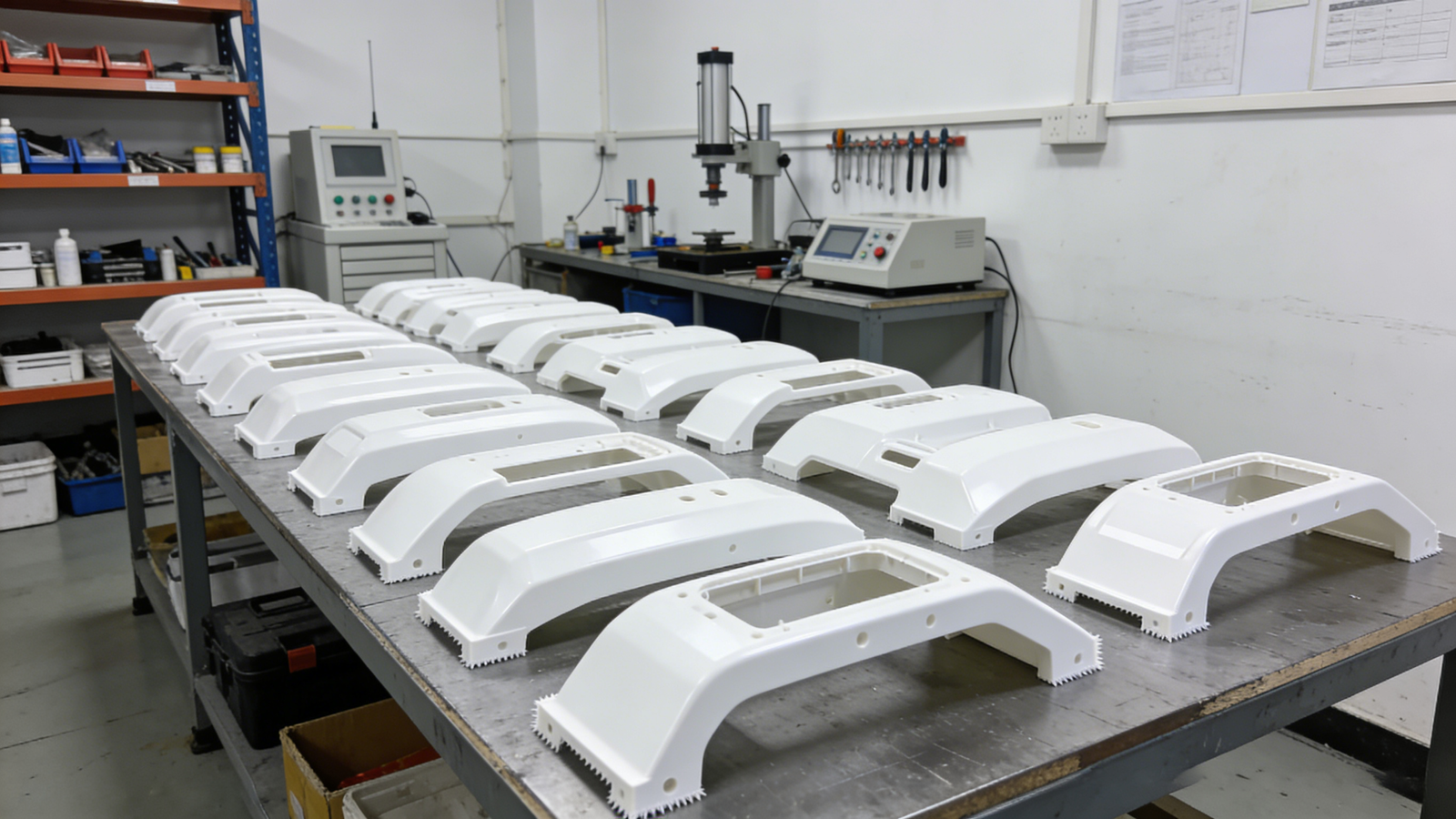
Structural design plays a decisive role in how PC/ABS prototypes behave during engineering tests, especially in drop testing and vibration testing. Well-optimized structures can significantly increase pass rates without increasing material costs. Xiamen Ruicheng typically refines rib structures, wall thickness, and connection features based on customer test standards to prevent premature failure and improve overall reliability.
Uniform Wall Thickness: Reduces internal stress caused by uneven cooling.
Rib Reinforcement Design: Enhances bending and impact resistance.
Connection Optimization: Improves assembly stability and reduces localized stress.
Fillet Transitions: Distributes impact forces and prevents crack initiation.
🔧 Structural optimization often delivers the highest cost-performance improvement.
Comparison of PC/ABS Prototype Engineering Optimization Solutions
| Solution Type | Strength Performance | Toughness Performance | Cost Impact | Lead Time | Application Scenario | Risk Level |
|---|---|---|---|---|---|---|
| Standard CNC Prototype | Medium | Low | Low | Fast | Visual validation | High |
| CNC + Annealing | High | Medium-High | Medium | Moderate | Functional testing | Medium |
| Optimized Structure + CNC | High | High | Medium | Moderate | Engineering validation | Low |
| Integrated Optimization | Very High | Very High | Slightly Higher | Longer | Full testing cycle | Very Low |
If you are evaluating PC/ABS prototype solutions, it is recommended to align with engineering testing requirements early in the process, contact us
How to Build a Test-Ready PC/ABS Prototype Solution
In real-world projects, whether a PC/ABS prototype can pass engineering tests depends on the integration of material, process, and structural design rather than isolated improvements. Only by aligning design, manufacturing, and testing requirements from the beginning can companies improve first-pass success rates and shorten development cycles. Xiamen Ruicheng provides integrated support through design review, process validation, and test prediction to help customers identify risks early and ensure smoother product development.
1.Requirement Definition: Clearly define testing standards and application scenarios before prototyping.
2.Collaborative Optimization: Synchronize design and manufacturing improvements to avoid rework.
3.Test Prediction: Simulate testing environments to reduce failure risks.
4.Continuous Iteration: Validate and refine through small-batch prototyping.
FAQ – PC/ABS Prototype Machining Services
Question 1: What are the key advantages or quality benchmarks of your PC/ABS prototype machining service?
Answer: Xiamen Ruicheng ensures ±0.05mm machining accuracy using advanced CNC equipment and applies annealing processes to reduce internal stress, enabling prototypes to perform reliably in drop and vibration testing scenarios.
Question 2: What information do we need to provide to get a quotation quickly?
Answer: Customers need to submit 3D files (STEP/IGES), quantity requirements, and testing conditions. Xiamen Ruicheng can provide an initial evaluation within 2 hours and a detailed quotation with process recommendations within 12 hours.
Question 3: What are the MOQ and lead time for different order volumes?
Answer: Single-piece prototyping is supported, with standard lead times of 3–7 days. Small batch production can be completed within 7–10 days, and urgent orders can be delivered in as fast as 48 hours.
Question 4: How do you handle quality or testing failures after delivery?
Answer: Xiamen Ruicheng offers failure analysis and optimization support. If the issue is related to machining, rework or replacement services will be provided to ensure project continuity.
Question 5: Do you offer customization based on specific testing requirements?
Answer: Yes, we provide customized solutions based on environmental conditions such as temperature, impact, or vibration. Customers need to provide detailed testing parameters, and optimized solutions are typically delivered within 3 working days.
Conclusion
The performance of PC/ABS prototypes in engineering testing depends not only on material properties but also on the synergy between design, process, and testing requirements. Through systematic optimization, companies can significantly improve test success rates without dramatically increasing costs. Choosing an experienced engineering partner is critical to reducing development cycles and minimizing trial-and-error costs. Xiamen Ruicheng enables a seamless transition from prototyping to testing through full-process optimization capabilities.
For expert assistance in implementing for your production needs, visit our resource center or contact us. Let’s help you scale up your manufacturing with precision and efficiency!
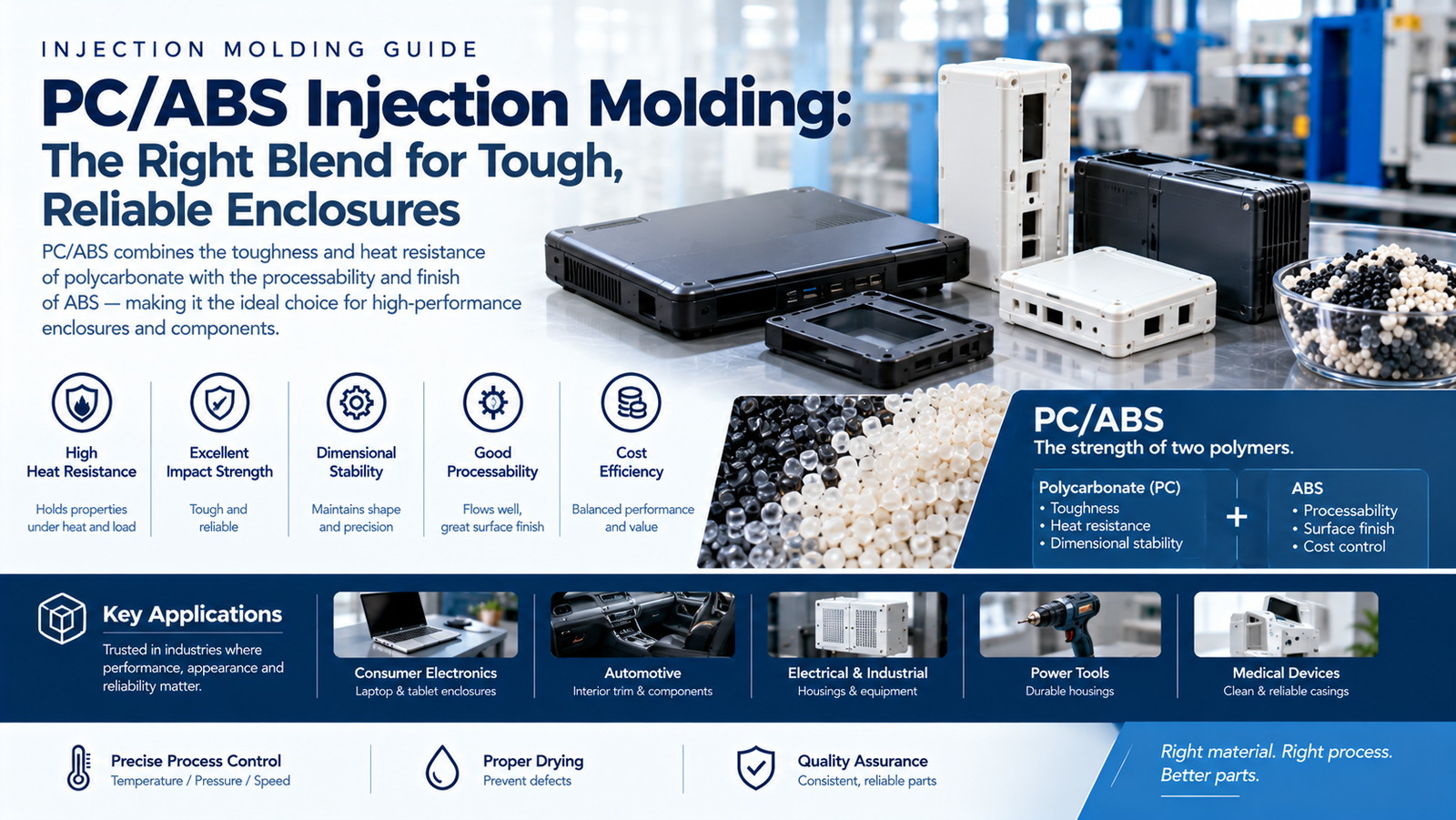
For the production picture behind those test results, see our guide to PC/ABS injection moulding.