Introduction
Recycled plastic injection molding is increasingly adopted for cost reduction and sustainability in modern manufacturing, yet its material variability introduces significant challenges to dimensional tolerance control in precision components. In high-accuracy industries such as automotive, medical, and automation equipment, even minor deviations can lead to assembly failure or functional instability. In real production environments, material consistency often has a greater impact on dimensional accuracy than process parameter tuning.
From the engineering experience of Xiamen Ruicheng, fluctuations in melt flow index and inconsistent thermal history are two of the most critical factors affecting dimensional repeatability. These variations become more pronounced in multi-cavity or high-precision tooling systems. Therefore, upstream material control becomes the first critical barrier for ensuring dimensional stability.
Where Do Dimensional Variations in Recycled Plastics Come From?
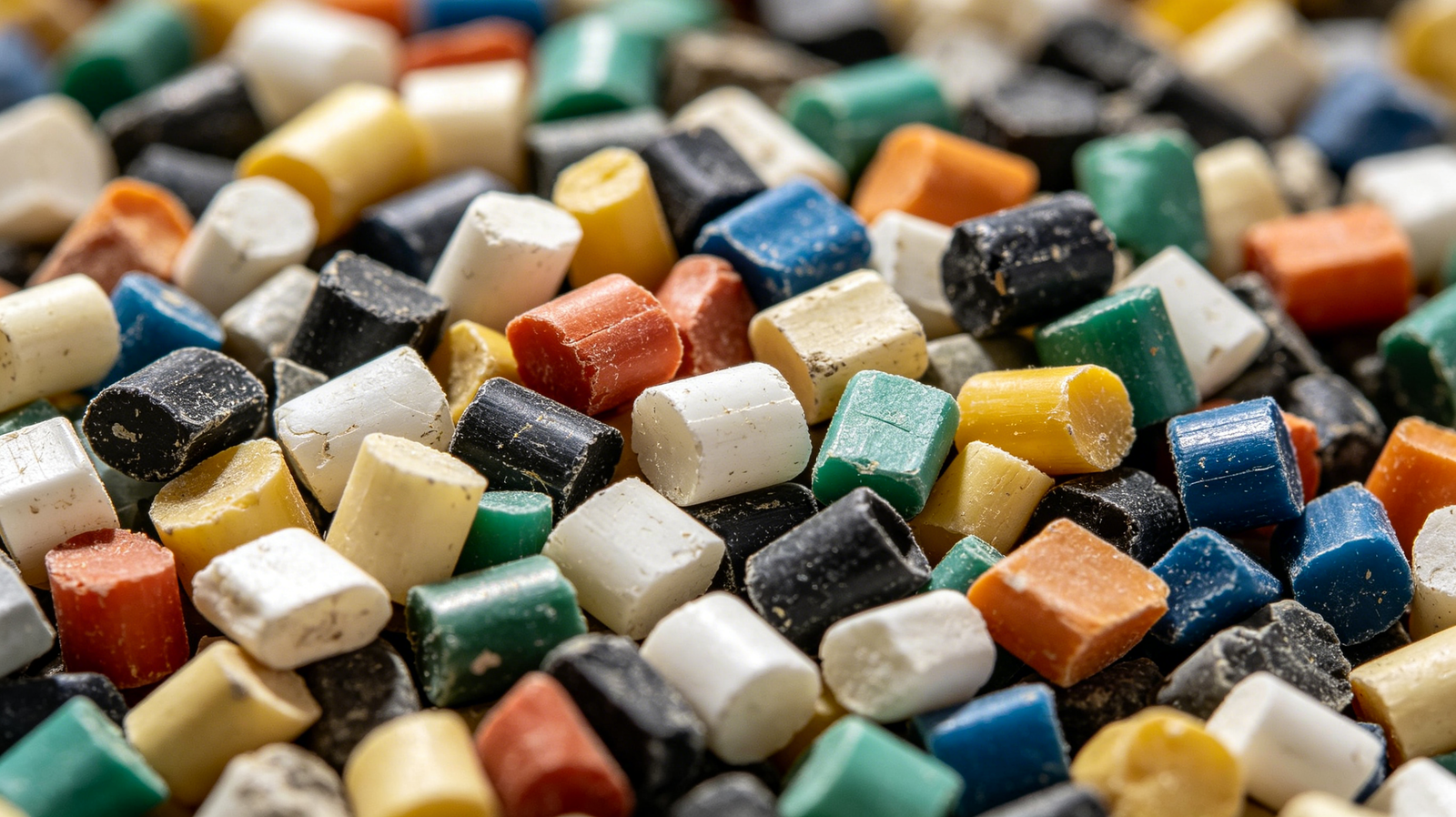
Dimensional instability in recycled plastic injection molding is primarily caused by inconsistent molecular chain structures due to multiple thermal histories and mixed material sources. These inconsistencies alter flow behavior during filling and shrinkage patterns during cooling, resulting in unpredictable part dimensions. In practice, the relationship between recycled plastic injection molding and material consistency control is extremely sensitive in precision engineering applications. Dimensional variation is rarely caused by a single factor but rather by coupled material-process instability.
Material Source Variation Control: Xiamen Ruicheng implements strict incoming material classification and MFI testing to minimize batch inconsistency at the earliest stage.
Process Window Stabilization: Injection pressure, holding pressure, and cooling curves are locked into standardized process windows to reduce variability.
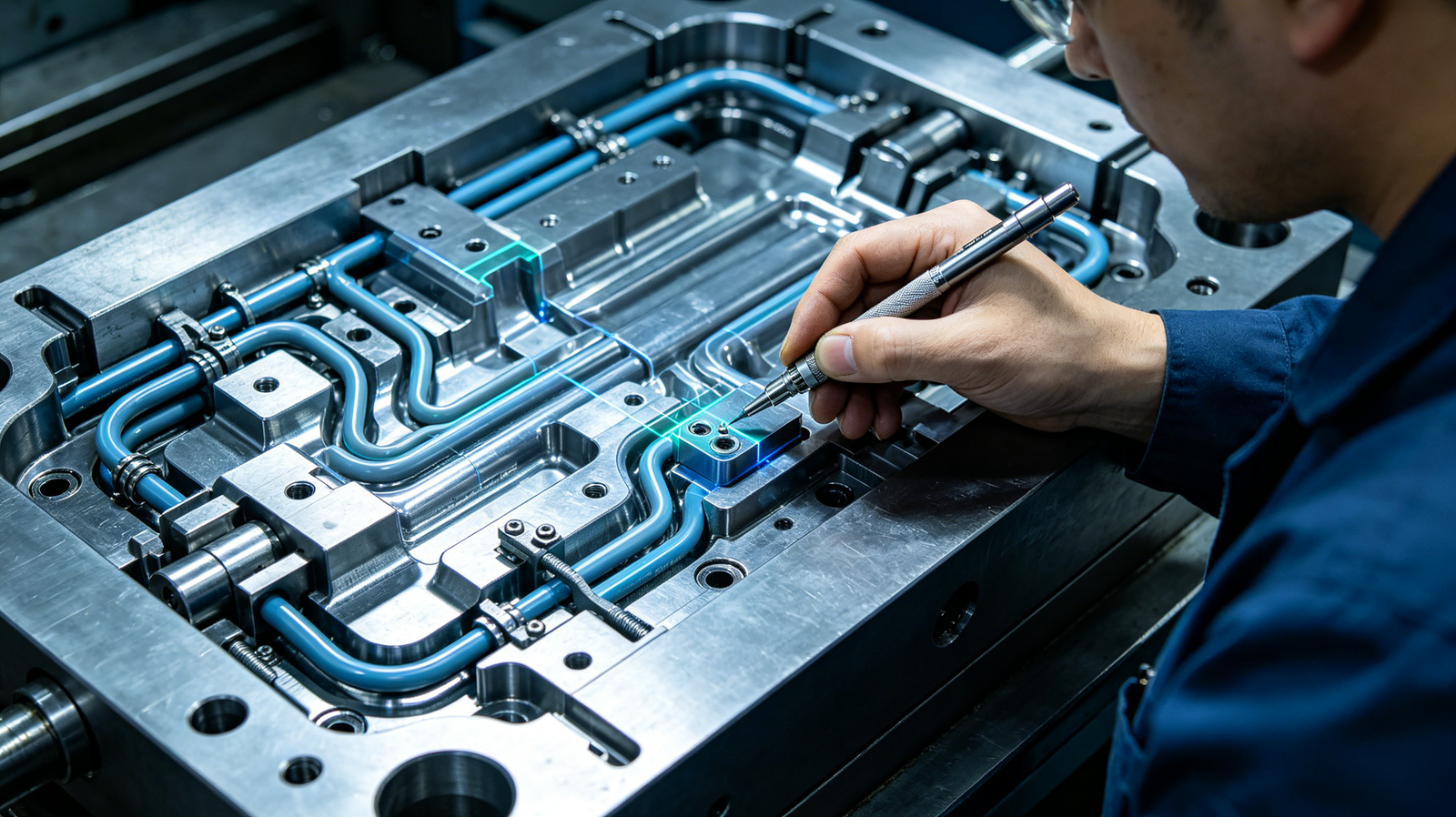
Mold Compensation Design: Shrinkage compensation factors are pre-designed into critical geometries to offset material fluctuations.
In-Process Monitoring: SPC and CPK systems are used to continuously track dimensional trends and detect anomalies early.
😌 Material variability is ultimately a reflection of unstable upstream feedstock control
Why Is Dimensional Tolerance Harder to Control with Recycled Materials?
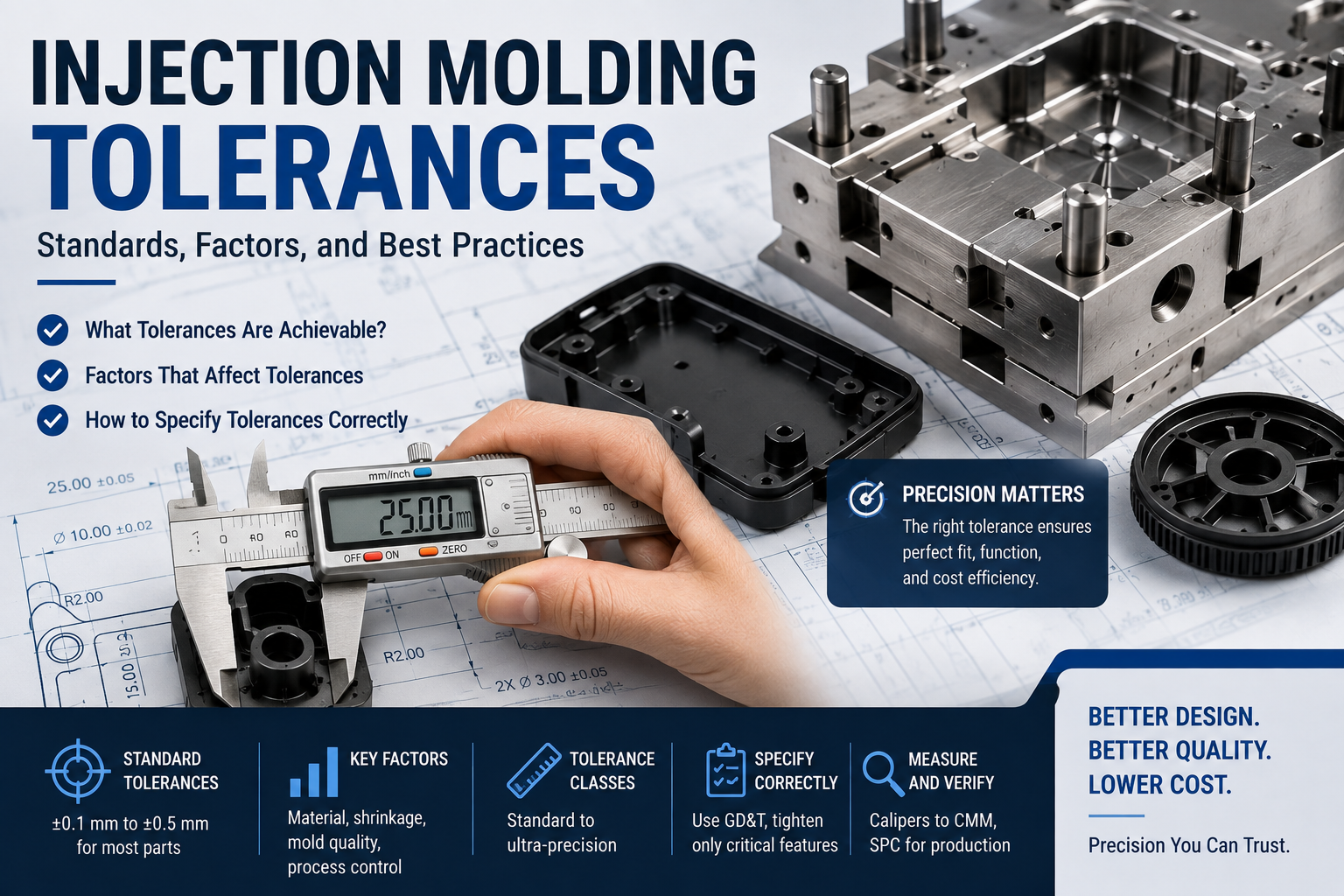
Dimensional tolerance stability in recycled plastic molding is influenced by thermal degradation history, contamination levels, and inconsistent crystallization behavior. These factors collectively change shrinkage rates and flow uniformity, making it difficult to maintain tight tolerances in precision parts. The relationship between dimensional tolerance control and injection molding shrinkage becomes significantly more complex when recycled materials are used. Even small material variations can be amplified into critical assembly deviations.
Thermal History Degradation: Repeated melting cycles shorten polymer chains, making shrinkage behavior unpredictable.
Contamination Interference: Impurities disrupt local flow consistency and cause uneven filling.
Crystallization Variability: Cooling differences lead to inconsistent microstructure formation.
Equipment Sensitivity: Screw shear and back pressure settings respond differently to unstable materials.
⚙️ Hidden microstructural changes are the root cause of dimensional instability
How to Reduce Risk in Recycled Plastic Injection Molding?
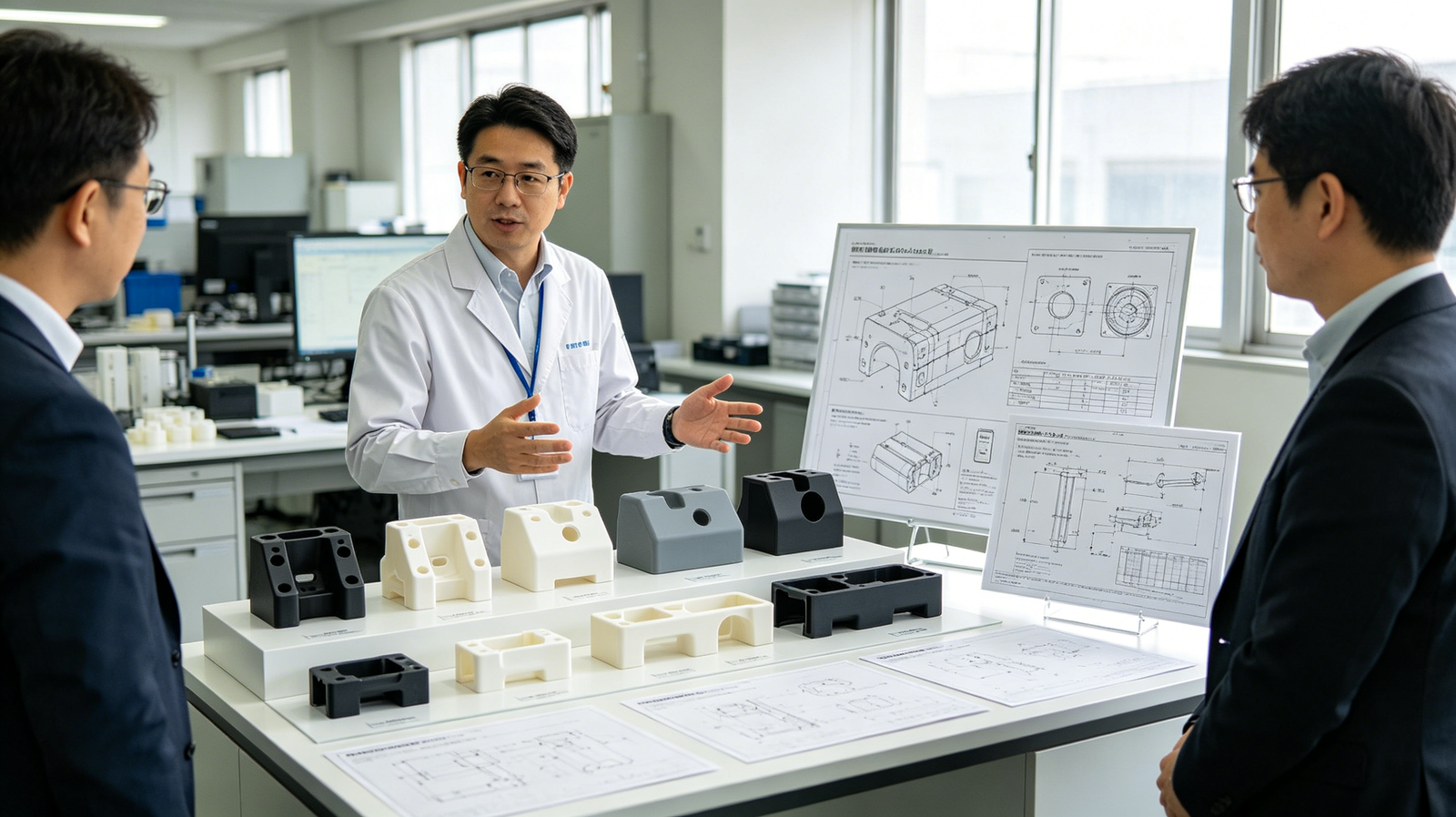
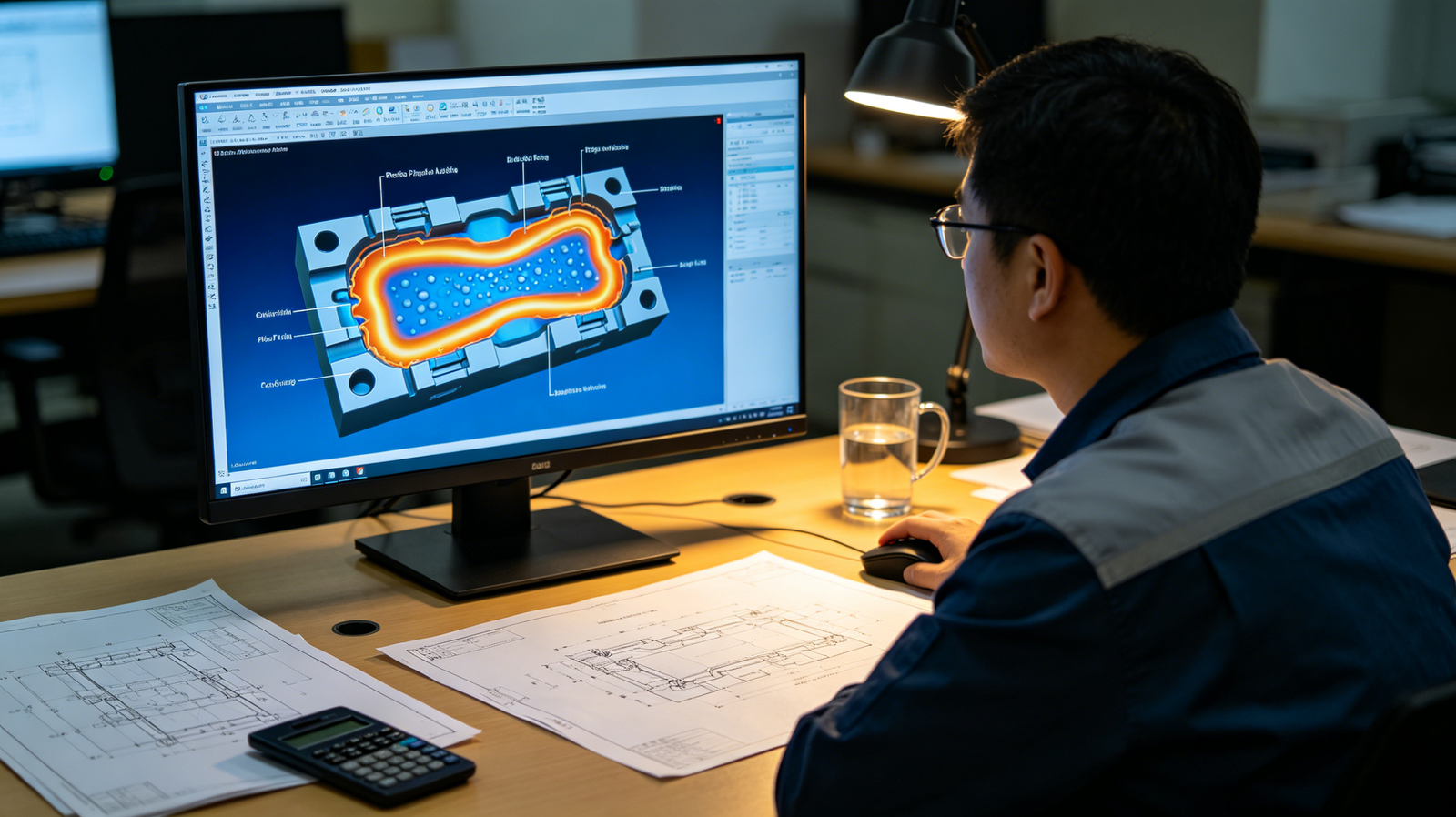
Risk reduction in recycled plastic injection molding requires systematic engineering control including material pre-treatment, homogenization, and mold flow simulation. These methods help predict and compensate for potential deviations before mass production begins. In Xiamen Ruicheng’s engineering system, risk control is integrated across design, tooling, and production stages. The key is shifting uncertainty from production to the design phase.
Material Pre-Treatment Optimization: Secondary filtering and drying processes reduce moisture and contamination variability.
Mold Flow Simulation First: Shrinkage and warpage behavior are analyzed before mold fabrication.
Standardized Process Control: Fixed SOPs reduce operator-induced variation.
Closed-Loop Feedback System: Production data is continuously fed back into design optimization.
🔧 Effective risk control relies on predictive engineering and closed-loop manufacturing systems
Comparison of Stability Control Strategies in Recycled Plastic Injection Molding
| Control Method | Cost Impact | Stability Improvement | Application Stage | Risk Level |
|---|---|---|---|---|
| Material Screening | Medium | High | Early Stage | Low |
| Process Optimization | Low | Medium | Mass Production | Medium |
| Mold Compensation | High | High | Design Stage | Low |
| Online Monitoring | Medium | High | Full Process | Low |
In recycled plastic applications, no single control strategy is sufficient; a combined engineering approach is required to achieve stable dimensional performance. For tailored engineering solutions, visit contact us.
Decision Path and Supplier Selection Logic for Recycled Plastic Molding
Recycled plastic injection molding procurement decisions are not driven solely by cost but also by stability, compliance, and long-term supply capability. Therefore, supplier evaluation must include engineering strength and quality control systems. Stability capability is often more important than unit price.
1: Material Control Capability: Determines the baseline consistency of production batches.
2: Process Engineering Capability: Defines the controllable range of dimensional variation.
3: Tooling Development Capability: Determines compensation and correction potential.
4: Data Management Capability: Ensures traceability and long-term stability.
Recycled Plastic Injection Molding Procurement Insights
Q1: How do you ensure dimensional control in recycled plastic injection molding?
A: Xiamen Ruicheng ensures stability through CPK ≥ 1.33 standards combined with mold flow simulation and strict material grading systems.
Q2: What information is required for project evaluation and quotation?
A: Technical drawings, material specifications, and application conditions are required for fast DFM analysis and quotation feedback.
Q3: What is the difference between prototype and mass production?
A: Prototyping focuses on process window validation, while mass production emphasizes long-term stability and CPK consistency.
Q4: How are dimensional issues diagnosed quickly?
A: A three-step method involving material analysis, mold inspection, and process review is used to identify root causes within 48 hours.
Q5: Can recycled material ratios be customized?
A: Yes, material ratios can be adjusted based on strength and cost targets, with corresponding process compensation strategies applied.
Conclusion
The core challenge of recycled plastic injection molding lies in how material uncertainty amplifies dimensional tolerance deviation, especially in precision manufacturing environments. True stability comes from the coordinated control of material, process, and tooling design.At Xiamen Ruicheng, integrated engineering practices combining upfront design intervention and full-process data control enable stable application of recycled materials in precision components, providing customers with a sustainable and cost-efficient manufacturing path.
For expert assistance in implementing recycled plastic injection molding for your production needs, visit our resource center or contact us. Let’s help you scale up your manufacturing with precision and efficiency!