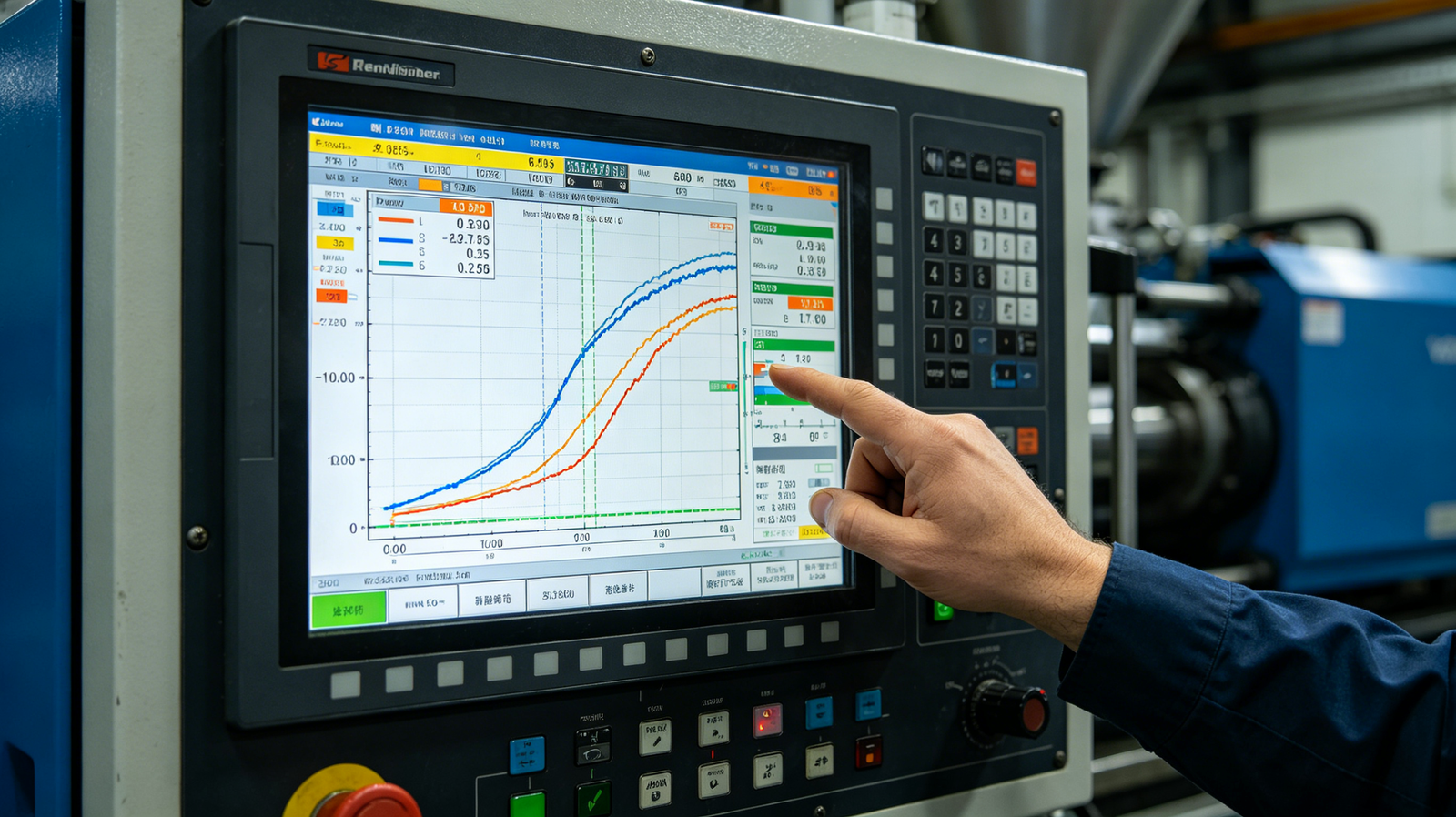
What Defects Are Common During Customization Prototyping of Complex Insert Molded Parts?
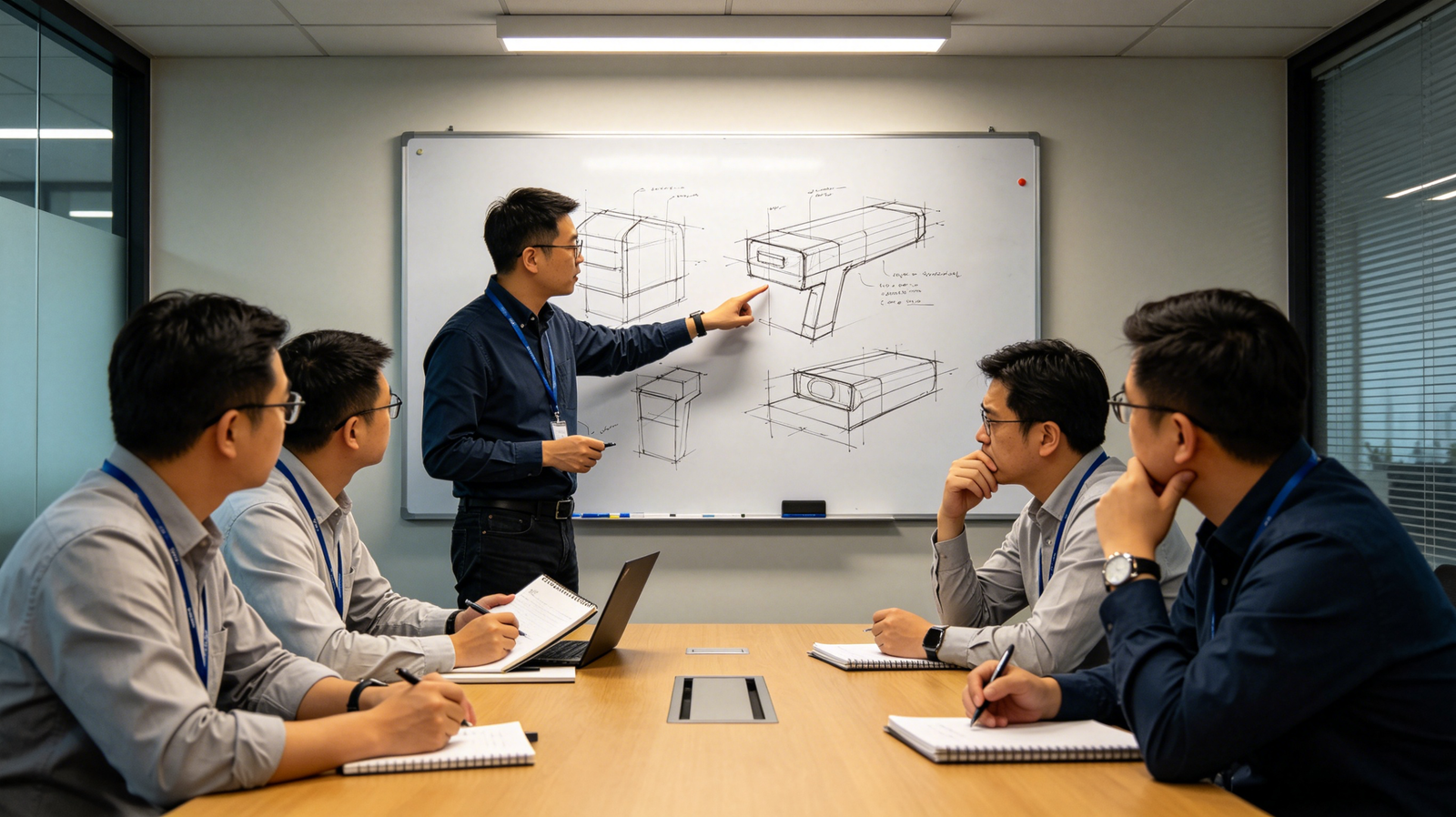
Complex insert molded parts are widely used in industrial automation equipment, medical devices, new energy systems, and intelligent control products. These components often combine metal inserts, engineering plastics, and intricate structural features into a single molded assembly. For product developers and engineers, the prototyping stage is a critical step in validating both design feasibility and manufacturing reliability.
Most defects found in complex insert molded parts are caused by the interaction of product design, material behavior, mold construction, and processing parameters rather than a single factor. Based on Xiamen Ruicheng's extensive experience in custom insert molding projects, many potential mass production issues can be identified and corrected during prototyping, significantly reducing development costs and shortening product launch timelines.
Why Is Insert Displacement the Most Common Problem During Prototyping?
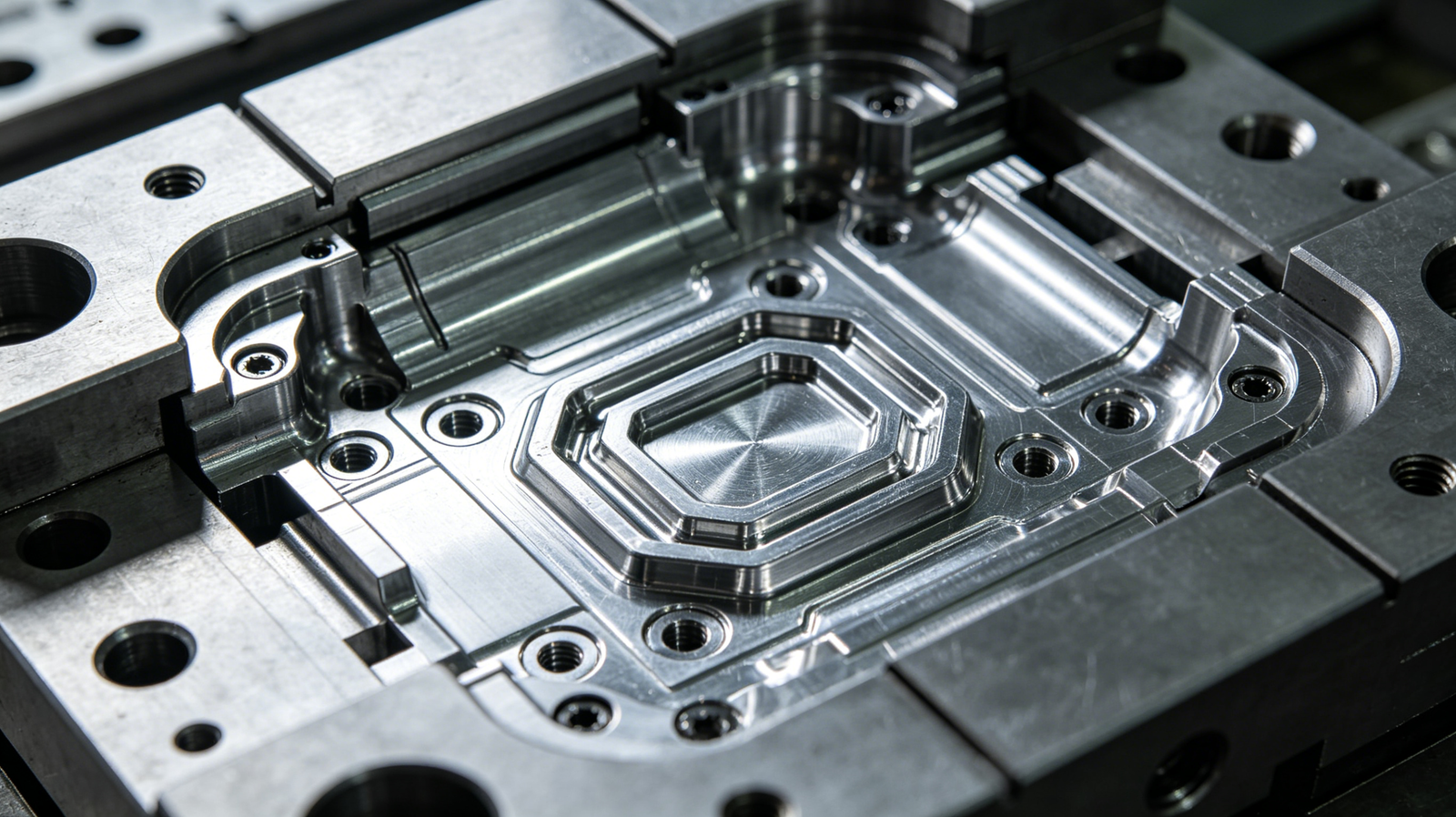
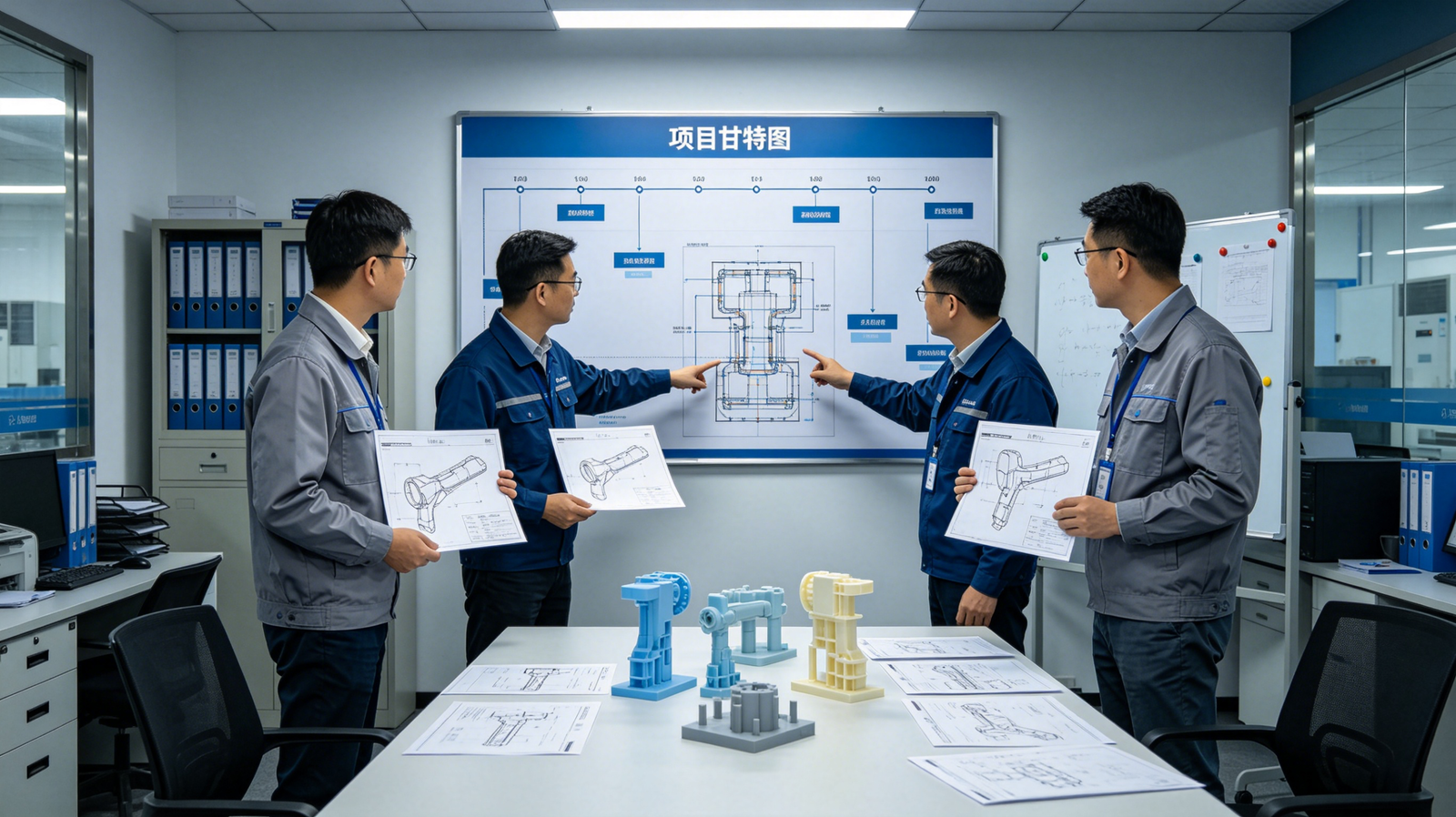
Insert displacement is one of the most frequently encountered defects during the prototyping of complex insert molded components. The risk becomes even higher when irregular metal inserts, thin-wall structures, or complicated flow paths are involved. During injection molding, molten plastic generates considerable pressure and flow impact. If the insert is not properly secured, it may shift from its intended position, affecting dimensional accuracy and assembly performance. At Xiamen Ruicheng, we utilize DFM Analysis and Mold Flow Analysis during the early project stage to identify and minimize insert movement risks before tooling begins.
Positioning Design: Proper locating features such as pins and grooves help stabilize inserts throughout the molding cycle.
Holding Mechanism: Custom fixtures and insert retention systems reduce movement caused by injection pressure.
Injection Control: Optimized injection speed and pressure settings can minimize direct impact on inserts.
Process Validation: Multiple trial runs allow engineers to detect and correct insert displacement before production.
🔧 Stable insert positioning is essential for maintaining dimensional consistency and assembly accuracy.
Why Do Weld Lines Frequently Appear Around Complex Inserts?
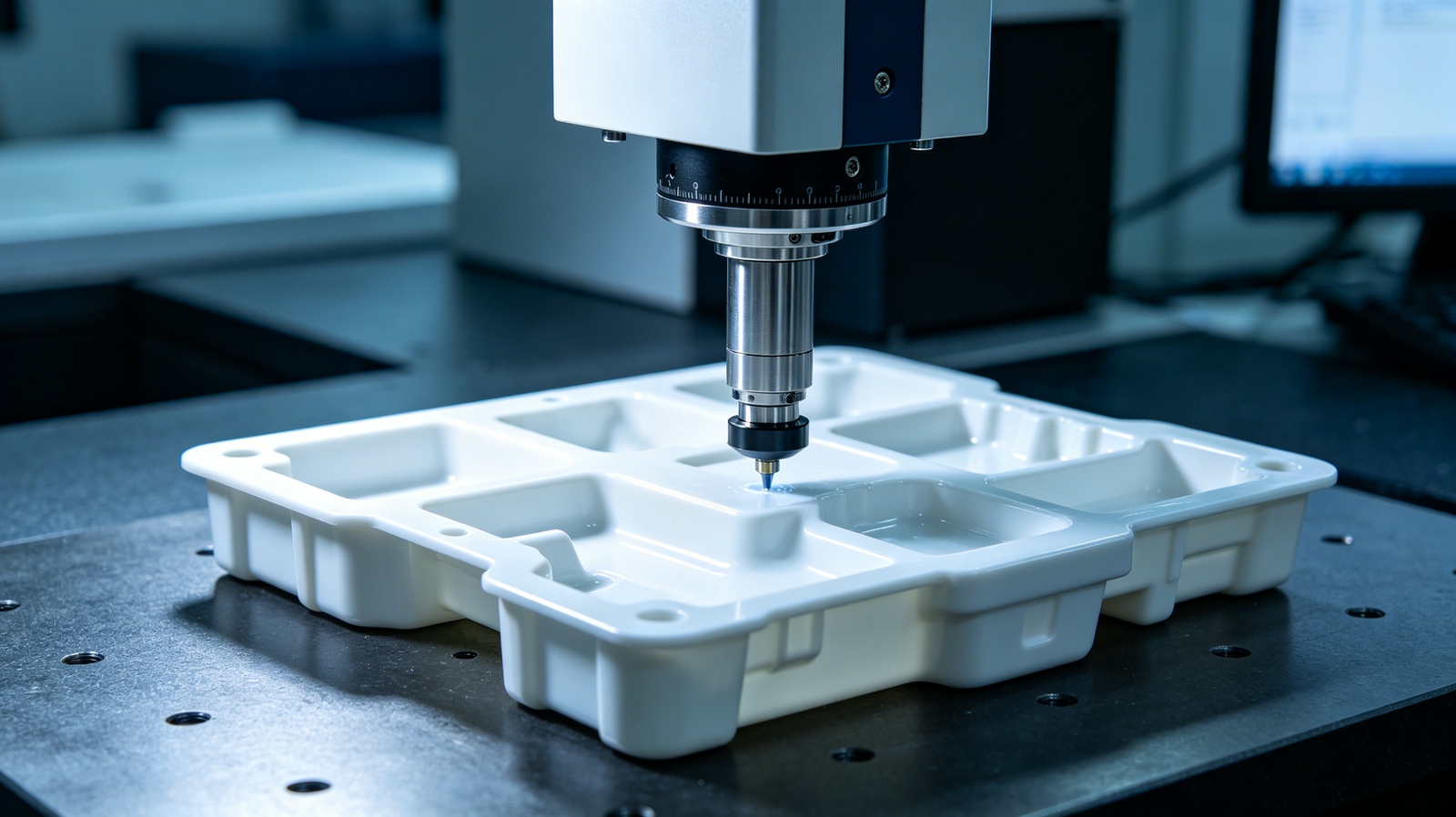
Complex inserts alter the natural flow path of molten plastic inside the mold cavity. When the plastic melt flows around a metal insert and rejoins on the opposite side, weld lines are often created. For appearance-sensitive products, weld lines may negatively affect aesthetics, while for functional parts they can reduce local mechanical strength. Through optimized Injection Molding Processes and improved Mold Design, weld line visibility and performance issues can be significantly reduced. During prototyping, Xiamen Ruicheng pays close attention to melt convergence zones and continuously adjusts gate locations and venting systems.
Gate Placement: Strategic gate positioning improves melt flow balance and reduces weld line formation.
Mold Temperature Control: Higher local mold temperatures enhance melt fusion quality.
Ventilation Design: Proper venting prevents trapped air from interfering with material fusion.
Material Selection: Different engineering plastics exhibit varying levels of weld line sensitivity.
📌 Weld lines can affect both product appearance and long-term structural reliability.
Why Are Cracks and Internal Stresses Common in Complex Structures?
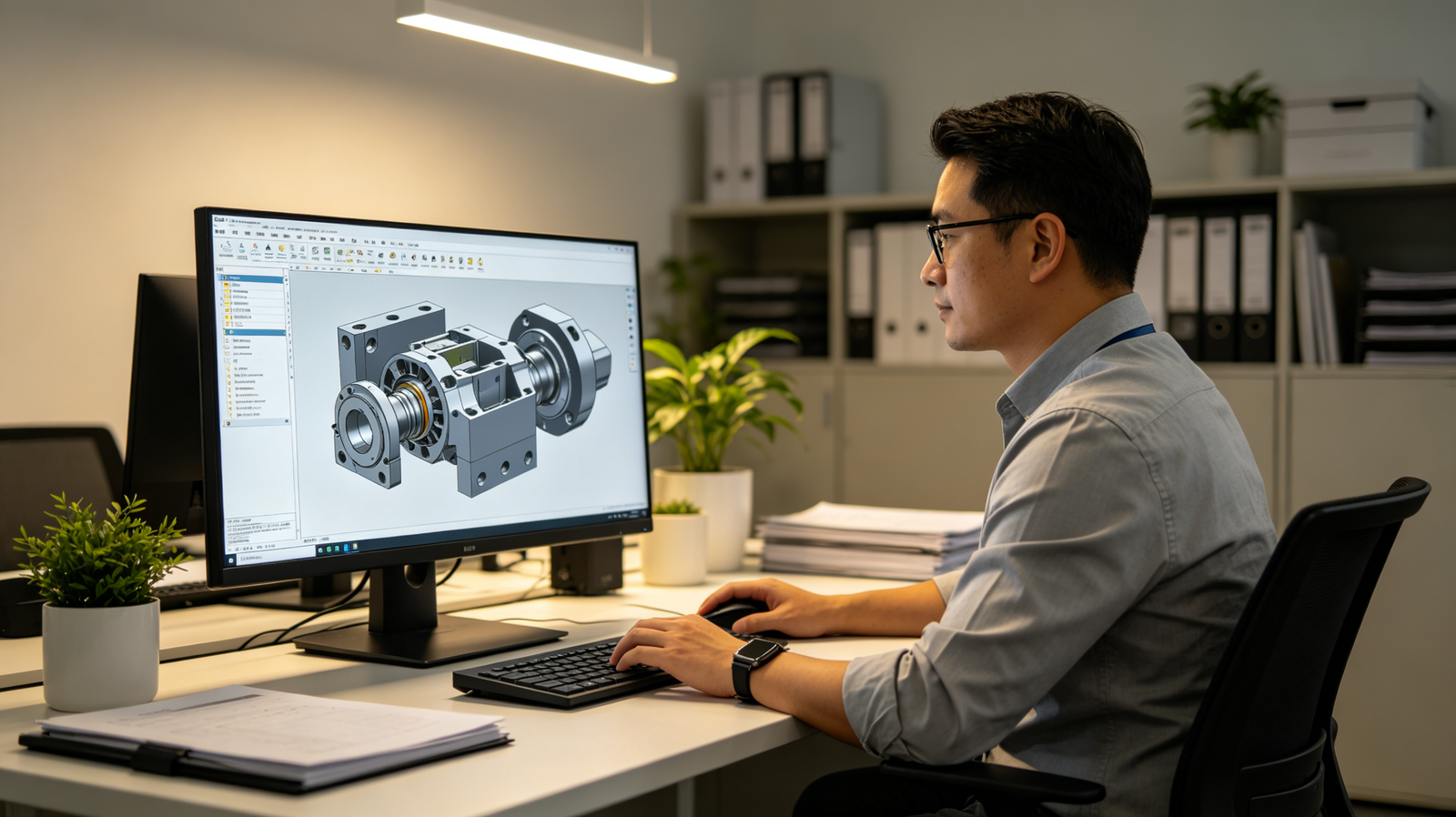
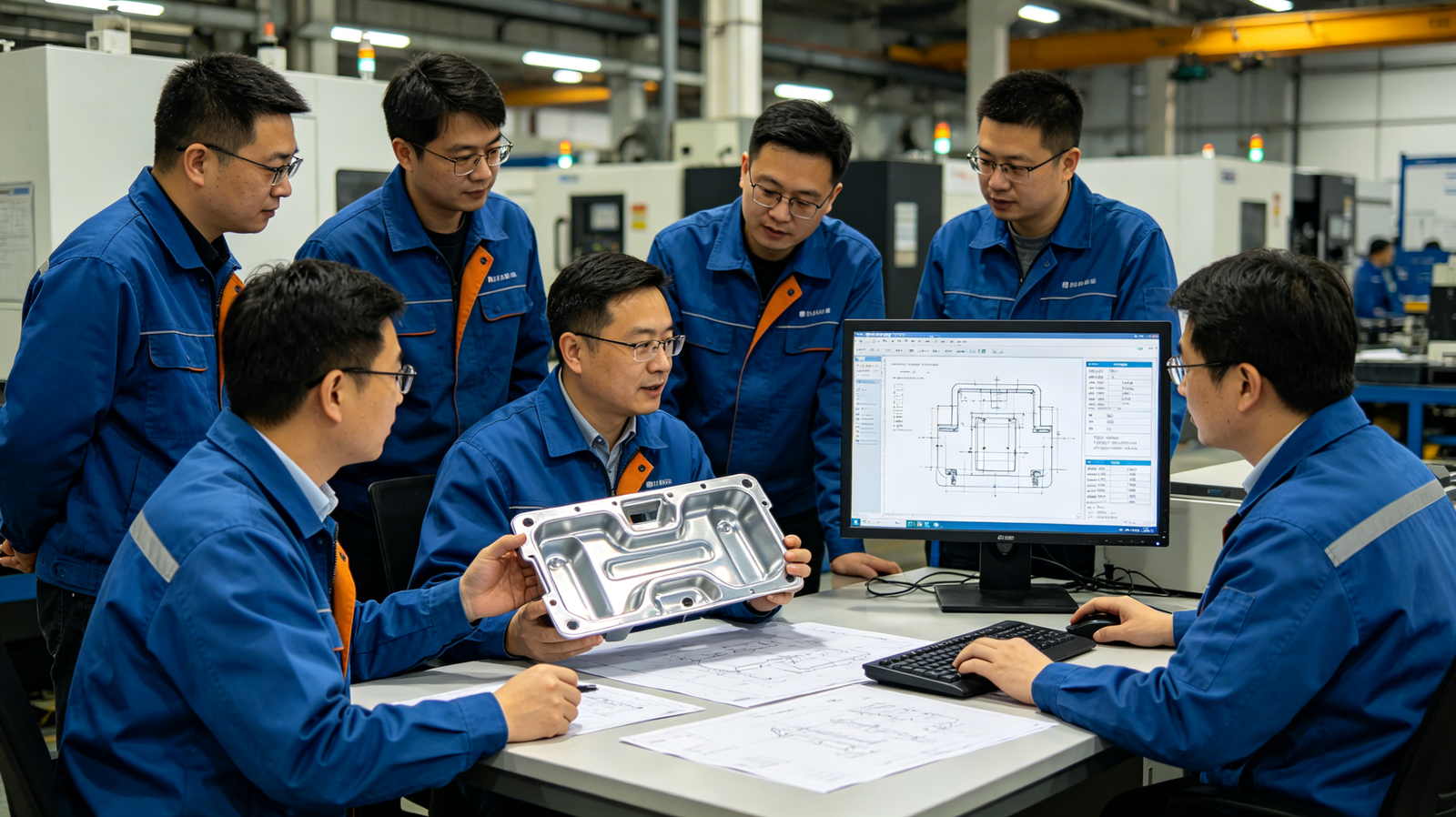
Complex insert molded parts often contain uneven wall thicknesses, varying shrinkage rates between metal and plastic materials, and concentrated stress regions. These factors can generate residual internal stresses within the molded component. During assembly, transportation, or environmental temperature fluctuations, stress concentration may eventually lead to cracking. Xiamen Ruicheng addresses these challenges through coordinated Material Selection and Structural Optimization, effectively reducing stress accumulation and improving durability. For demanding industrial applications, thermal cycling and stress validation testing are also performed.
Balanced Wall Thickness: Uniform wall design helps reduce differential shrinkage.
Cooling Optimization: Controlled cooling minimizes residual stress buildup.
Material Selection: Tough engineering plastics provide enhanced crack resistance.
Post-Processing Validation: Stress-relief procedures improve long-term stability.
⚙️ Effective stress management is one of the key factors in extending product service life.
Comparison of Common Risks During Complex Insert Molding Prototyping
| Defect Type | Root Cause | Impact Level | Prevention Method |
|---|---|---|---|
| Insert Displacement | Poor Retention | High | Improve Positioning Design |
| Weld Lines | Melt Convergence | Medium | Optimize Gate Layout |
| Stress Cracking | Shrinkage Differences | High | Improve Structural Design |
| Air Bubbles & Sink Marks | Insufficient Venting | Medium | Optimize Process Parameters |
If your project involves complex geometries, metal inserts, or high-precision assemblies, our engineering team can help evaluate manufacturability and reduce development risks. Contact us through contact us for a professional DFM review and prototyping assessment.
How Professional Prototyping Reduces Mass Production Risks
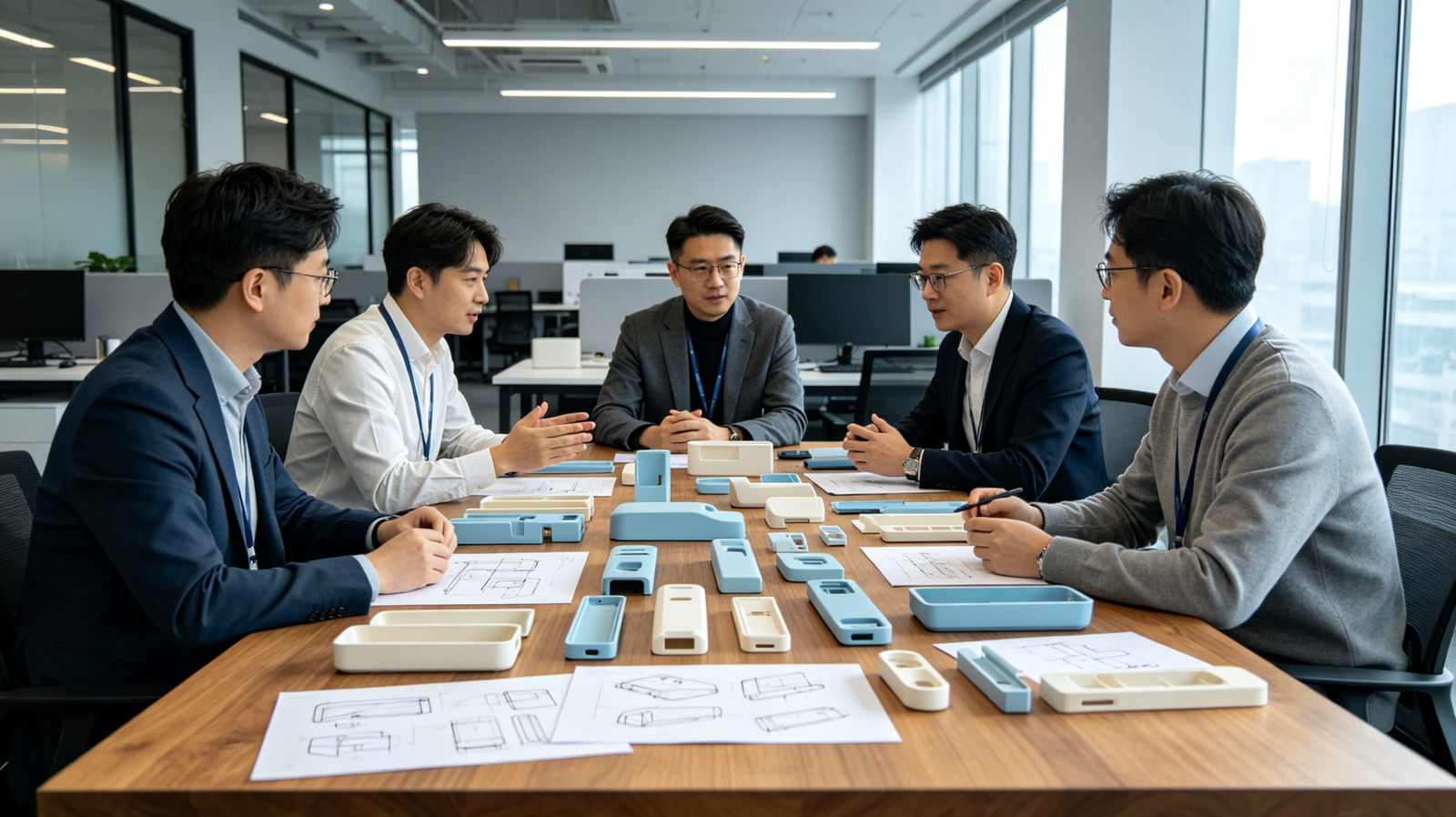
The value of complex insert molding extends beyond producing a functional sample. Successful prototyping serves as a simulation of future production conditions and helps identify hidden risks before large-scale manufacturing begins. At Xiamen Ruicheng, prototyping is treated as a critical validation process supported by DFM analysis, mold flow simulation, tooling optimization, and reliability testing. This systematic approach allows customers to uncover potential defects early, reduce development cycles, and achieve a smoother transition into mass production.
1.Design Review: Identify structural conflicts and manufacturing risks before tooling.
2.Mold Flow Validation: Predict filling behavior and defect-prone areas.
3.Trial Optimization: Continuously improve process performance through testing.
4.Production Preparation: Establish stable manufacturing parameters for consistent quality.
Frequently Asked Questions (FAQ)
What Are the Core Advantages and Quality Standards of Your Complex Insert Molding Prototyping Service?
Xiamen Ruicheng specializes in high-precision insert molding projects involving metal inserts and engineering plastics. Our development process includes DFM analysis, mold flow simulation, dimensional inspection, and reliability testing to ensure prototypes accurately represent future production performance.
What Information Is Required to Receive a Quotation for Complex Insert Molded Parts?
Customers are encouraged to provide 3D CAD files, 2D drawings, material specifications, application requirements, and estimated order quantities. Our engineering team will conduct a manufacturability review and provide process recommendations along with a detailed quotation.
What Are the Typical MOQ and Lead Times for Prototyping Projects?
Prototype quantities can be adjusted according to project requirements and complexity. Standard lead times depend on tooling and engineering requirements, while urgent projects may receive priority scheduling to accelerate product validation.
What Happens If Quality or Structural Problems Are Found After Prototyping?
Our engineering team performs a comprehensive root-cause analysis covering mold design, materials, structure, and processing parameters. Corrective actions are implemented and verified through additional testing to ensure stable future production.
Can You Support Customized Requirements for Special Applications?
Yes. Xiamen Ruicheng supports custom development projects involving high temperatures, corrosion resistance, complex assemblies, and specialized performance requirements. Tailored engineering solutions and validation services are available according to customer needs.
Conclusion
Common defects during the prototyping of complex insert molded parts include insert displacement, weld lines, stress cracking, and air-related defects such as bubbles or sink marks. Identifying and resolving these issues during development can significantly reduce manufacturing risks and improve production efficiency. Successful prototyping is not simply about producing samples; it is about validating the path to stable and scalable mass production. By partnering with Xiamen Ruicheng, customers gain access to proven engineering expertise that helps accelerate development and ensure manufacturing success.
For expert assistance in implementing solutions for your production needs, visit our resource center or contact us. Let’s help you scale up your manufacturing with precision and efficiency!