Introduction
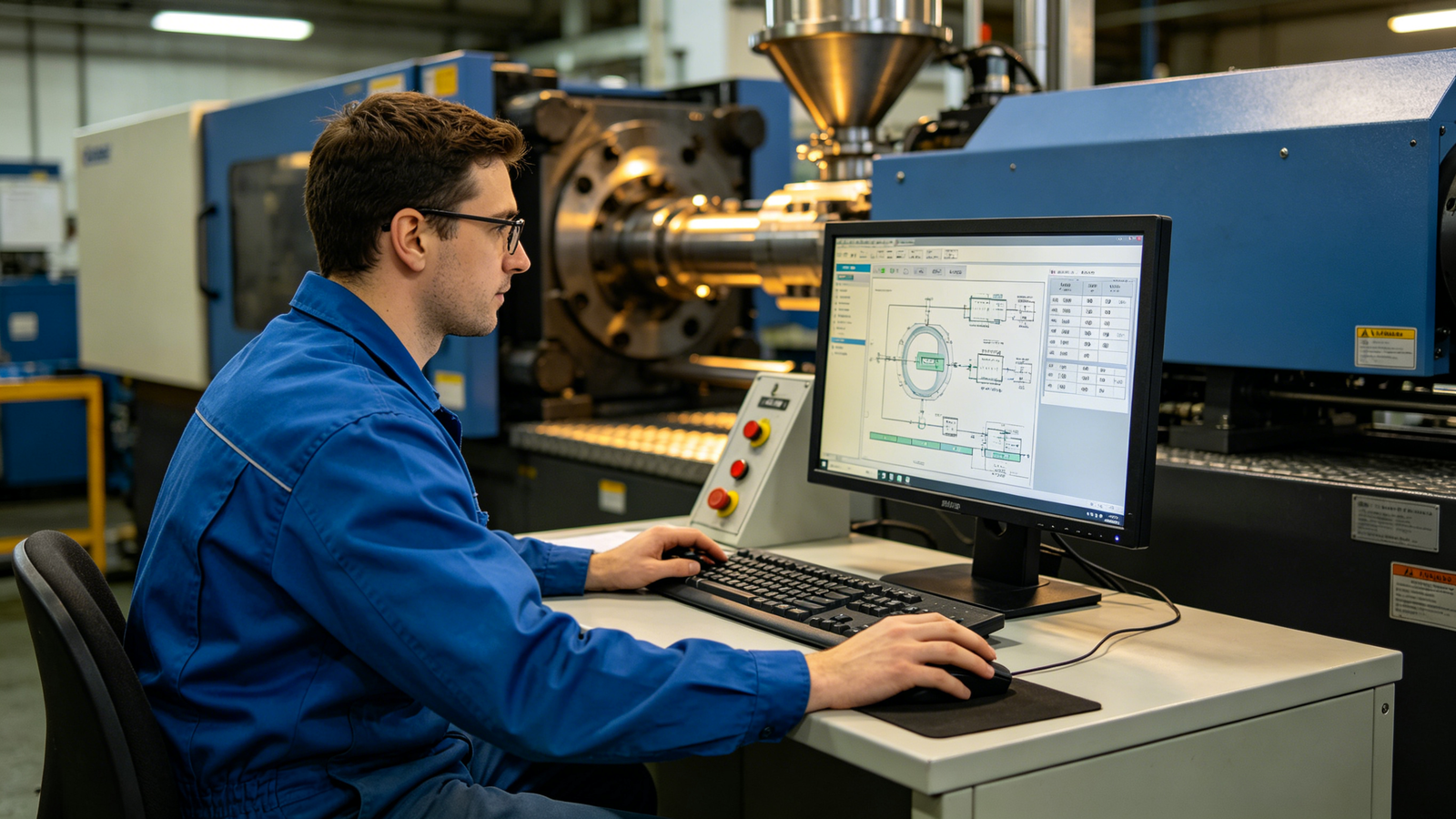
Cosmetic injection molded parts play a critical role in industries such as consumer electronics, automotive interiors, and medical devices, where visual quality directly impacts product value and brand perception. Polishing is often used as a post-processing method to enhance surface finish and visual consistency, but its effectiveness depends on the type and severity of defects. The true value of cosmetic parts lies not only in function but also in the precision of surface details.
In real production scenarios, issues like flow marks, weld lines, and sink marks are common, leading manufacturers to consider polishing as a quick fix instead of reworking molds or adjusting processes. Based on extensive project experience, Xiamen Ruicheng understands that polishing is not a universal solution but a selective technique. Only when applied within the correct process window can polishing deliver optimal results in both cost and performance.
Can polishing truly fix defects in cosmetic injection molded parts?
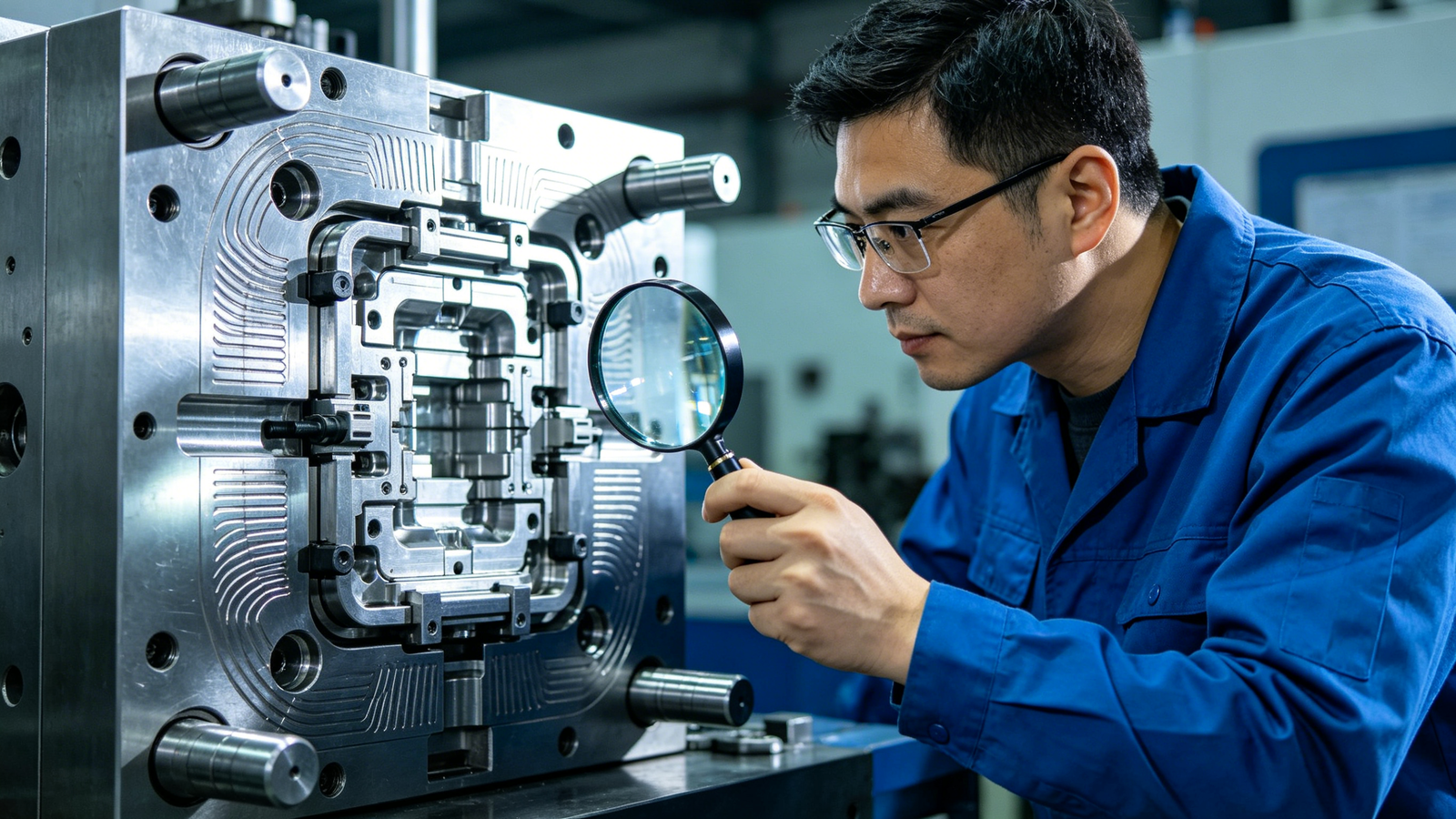
In cosmetic part manufacturing, polishing is often viewed as a corrective measure, but its effectiveness depends heavily on defect depth and material characteristics, as not all issues generated during injection molding can be eliminated through surface finishing, and surface roughness plays a key role in final appearance quality. For shallow surface defects, polishing can significantly improve visual consistency and enhance perceived quality.
Shallow defect repair: Polishing effectively removes minor flow marks and micro scratches, improving surface smoothness.
Deep defect limitation: Structural defects like sink marks cannot be fundamentally corrected by polishing alone.
Material dependency: Materials such as ABS and PC respond differently, requiring tailored polishing strategies.
Process synergy: Best results are achieved when polishing is combined with mold and process optimization.
✨ Polishing is an optimization tool, not a universal defect solution
Which cosmetic injection defects are suitable for polishing?
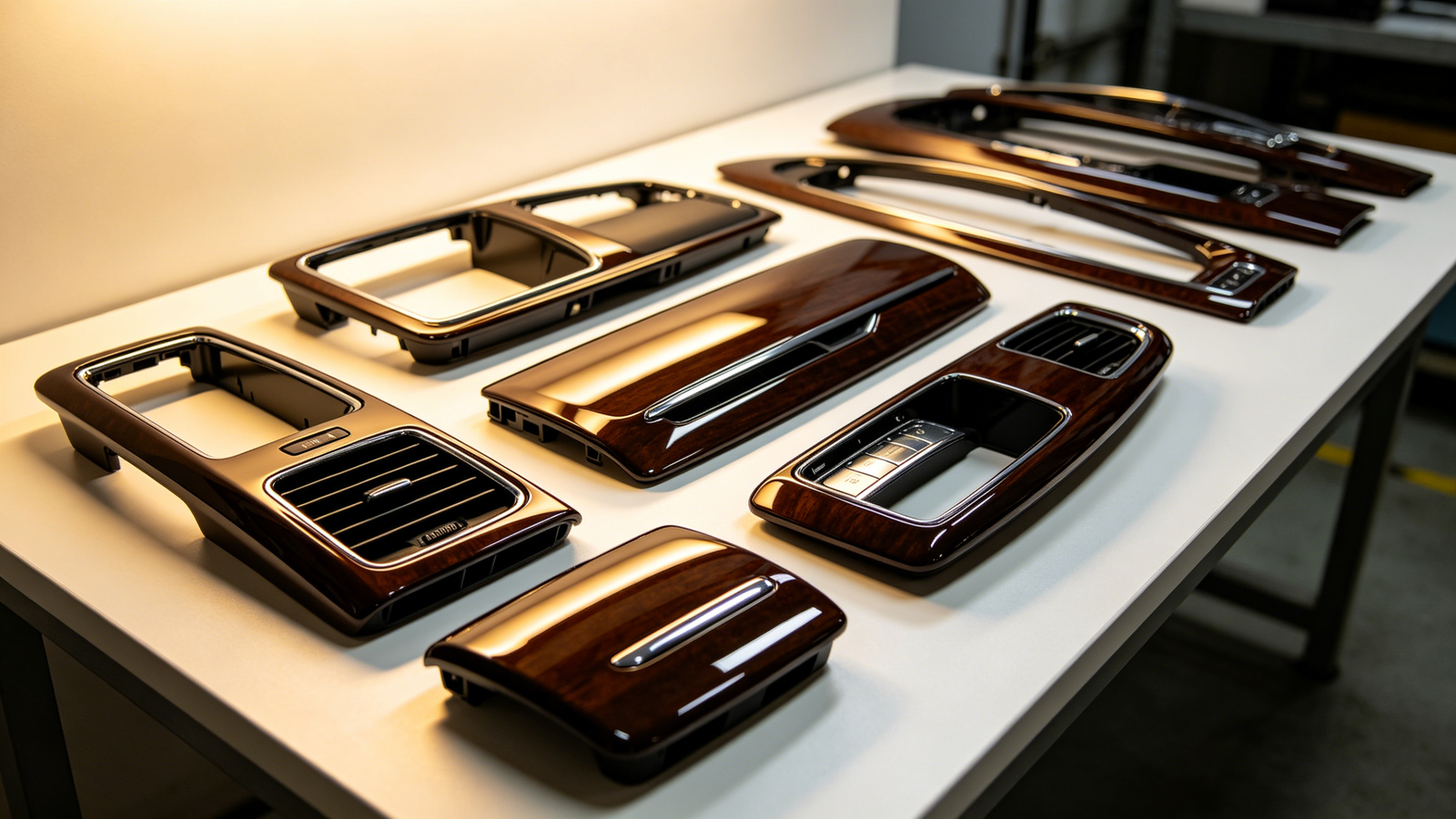
Different defect types respond differently to polishing, making root cause identification essential before selecting a solution, as flow marks and surface scratches are typically correctable, while weld lines require additional process improvements. Choosing the right treatment method helps reduce rework and overall production costs.
Flow mark treatment: Fine polishing can reduce visible flow patterns and improve uniformity.
Scratch repair: Light surface scratches can be removed through multi-stage polishing.
Weld line improvement: Polishing can reduce visibility but cannot eliminate structural weakness.
Sink mark handling: Requires process adjustment rather than relying solely on polishing.
🔍 Identifying defect types is the key to effective polishing decisions
How to decide between polishing and process optimization?
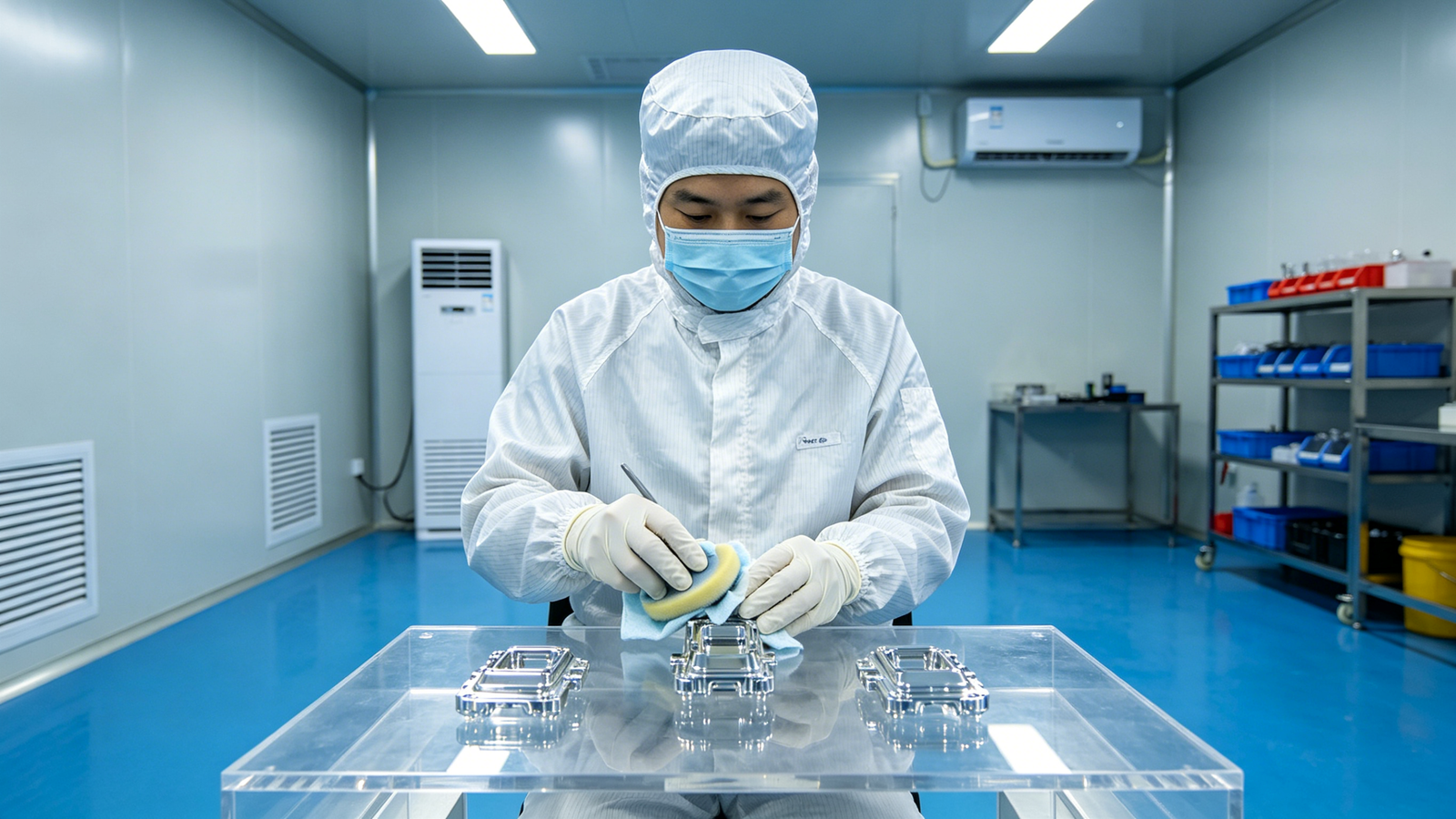
Choosing between polishing and process adjustment directly impacts cost and delivery timelines, as process optimization is more suitable for recurring batch issues, while improvements in mold design address root causes. The correct decision should be based on root cause analysis rather than relying solely on surface treatment.
Batch issues priority: Large-scale defects should be resolved through process parameter adjustments.
Localized defects solution: Polishing is ideal for small batch or isolated defects.
Cost evaluation: Polishing offers short-term savings, while process optimization ensures long-term efficiency.
Lead time consideration: Urgent projects benefit from fast polishing solutions.
⚙️ The best decision balances cost, delivery, and quality
Comparison of defect handling methods for cosmetic injection parts
| Method | Applicable Defects | Cost Level | Lead Time | Stability | Application Stage |
|---|---|---|---|---|---|
| Polishing | Minor scratches/flow marks | Low | Fast | Medium | Small batch |
| Coating | Surface inconsistency | Medium | Medium | Medium | Appearance upgrade |
| Process adjustment | Batch defects | Medium | Medium | High | Mass production |
| Mold optimization | Root defects | High | Long | High | Long-term production |
Need help choosing the right solution for your project? Get expert advice now 👉 contact us
How Xiamen Ruicheng supports cosmetic part quality optimization
Xiamen Ruicheng provides comprehensive solutions for cosmetic injection parts through a combination of defect analysis, process matching, and finishing optimization. Beyond standard polishing services, we emphasize DFM analysis to prevent defects at the source, reducing trial-and-error costs. Compared to single-process suppliers, we focus on full-process decision support to help clients achieve stable and high-quality results. By tailoring solutions based on material, structure, and application scenarios, we ensure both aesthetic consistency and production reliability.
1.Defect diagnosis capability: Quickly identify root causes with engineering expertise.
2.Integrated process service: Combine injection molding and finishing solutions.
3.Fast response system: Support rapid polishing for small batch production.
4.Continuous optimization support: Provide long-term improvements for mass production.
FAQ – Common Procurement Questions
Question 1 (Product Evaluation): What are the core advantages or quality standards of your cosmetic injection part finishing service?
Answer: Xiamen Ruicheng achieves surface roughness as low as Ra 0.2 through multi-stage polishing and manual refinement, supported by strict visual inspection standards to ensure batch consistency for high-end applications.
Question 2 (Collaboration Process): What information is required to get a quotation quickly?
Answer: Clients need to provide 3D drawings, defect photos, and expected surface quality levels. Submissions can be made via email or online platforms, with initial feedback within 2 hours and a detailed quotation within 12 hours.
Question 3 (Procurement Execution): What are the MOQ and lead times for different order volumes?
Answer: Small batch polishing starts from 10 units with a 2–3 day lead time, while larger orders typically require 5–7 days, supported by flexible production lines for urgent demands.
Question 4 (After-sales Guarantee): How do you handle quality issues after delivery?
Answer: A 7-day inspection window is provided. Verified issues are resolved within 48 hours through rework or replacement to meet required standards.
Question 5 (Customization & Value-added Services): Can you provide customized finishing solutions?
Answer: Yes, we support customization based on material and texture requirements. Clients need to provide application details, and solutions are delivered within 3 working days with cost evaluation.
Conclusion
Whether polishing can solve defects in cosmetic injection molded parts depends on defect type and application scenario rather than a single process choice. While polishing is highly effective under specific conditions, it cannot replace systematic process optimization. High-quality cosmetic parts result from the synergy of design, molding, and finishing processes. Xiamen Ruicheng delivers integrated solutions that help clients move efficiently from problem identification to implementation, enhancing overall product competitiveness.
For expert assistance in implementing for your production needs, visit our resource center or contact us. Let’s help you scale up your manufacturing with precision and efficiency!