Introduction
Automotive interiors are evolving from purely functional designs to a balance of tactile and visual experience, where fine textures play a critical role in perceived quality. As a key rapid prototyping process, vacuum casting enables the replication of complex geometries and surface finishes within short lead times, making it increasingly valuable in OEM validation workflows. The ability to reproduce fine textures has become a decisive factor in evaluating prototype quality.
At early development stages, Xiamen Ruicheng leverages vacuum casting to deliver near-production surface finishes, helping clients minimize tooling risks and reduce design iterations. This approach not only shortens validation cycles but also provides realistic feedback for design teams in terms of touch and appearance. With precise control over materials and tooling, vacuum casting can now closely replicate injection-molded surface quality.
How Does Vacuum Casting Achieve High-Fidelity Interior Texture Replication?
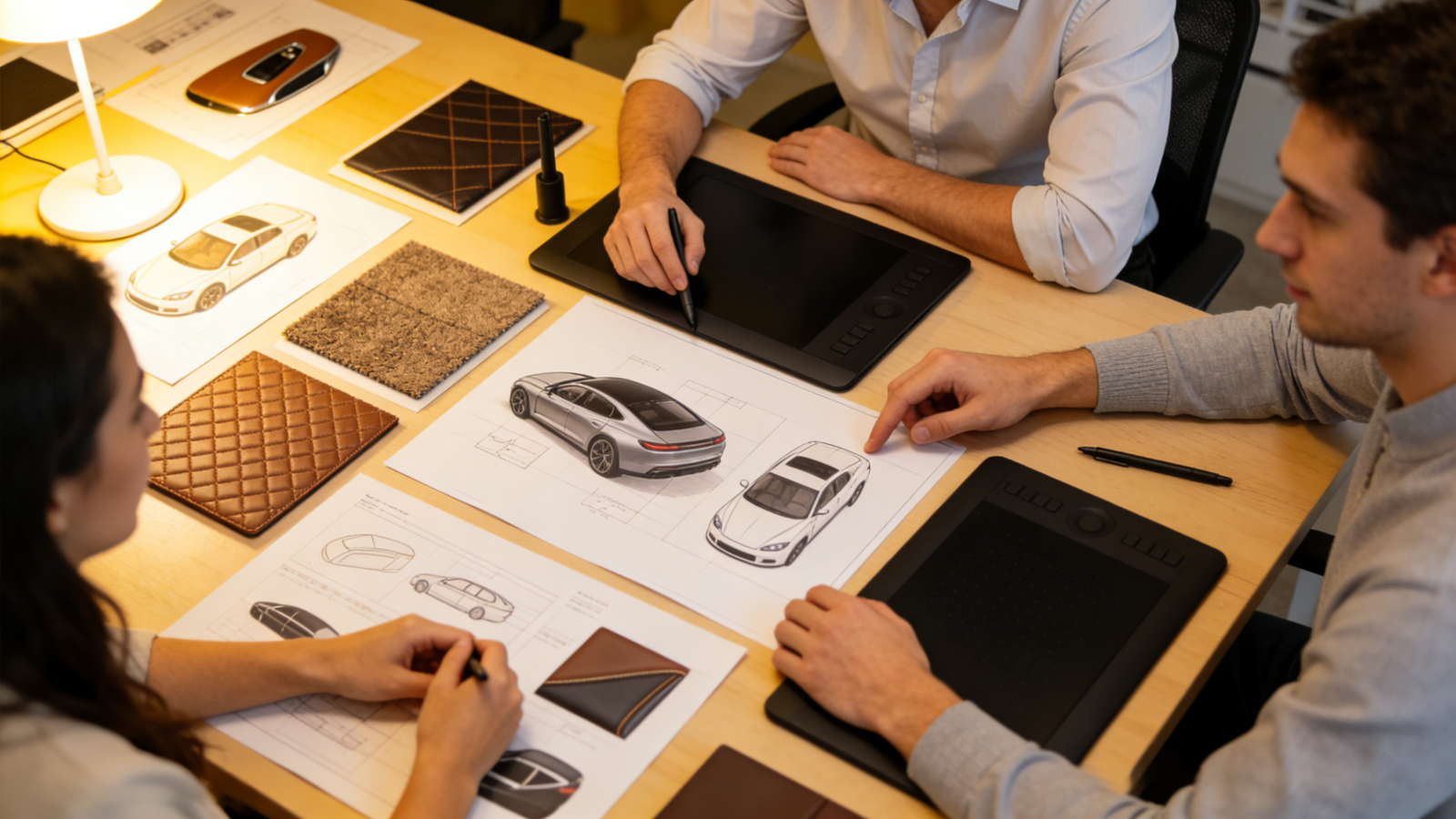
Vacuum casting relies on silicone molds to capture detailed surface features from master patterns, while vacuum conditions eliminate air bubbles and ensure complete material filling. Vacuum casting has become an essential process in automotive interior development, especially when combined with the complex surface requirements of automotive interior design. Texture fidelity depends not only on mold precision but also on material flow and curing control. At Xiamen Ruicheng, optimized gating systems and demolding strategies ensure consistent texture depth and grain quality, meeting Class A surface validation requirements.
Mold Replication: Silicone molds accurately capture micro-level texture details from master patterns.
Material Selection: Low-viscosity polyurethane ensures complete filling of fine textures.
Vacuum Control: Negative pressure eliminates bubbles and improves surface consistency.
Demolding Design: Proper parting lines prevent texture damage during release.
✨ The key lies in seamlessly transferring texture from master to final part without loss
How Big Is the Gap Between Vacuum Casting and Injection-Molded Textures?
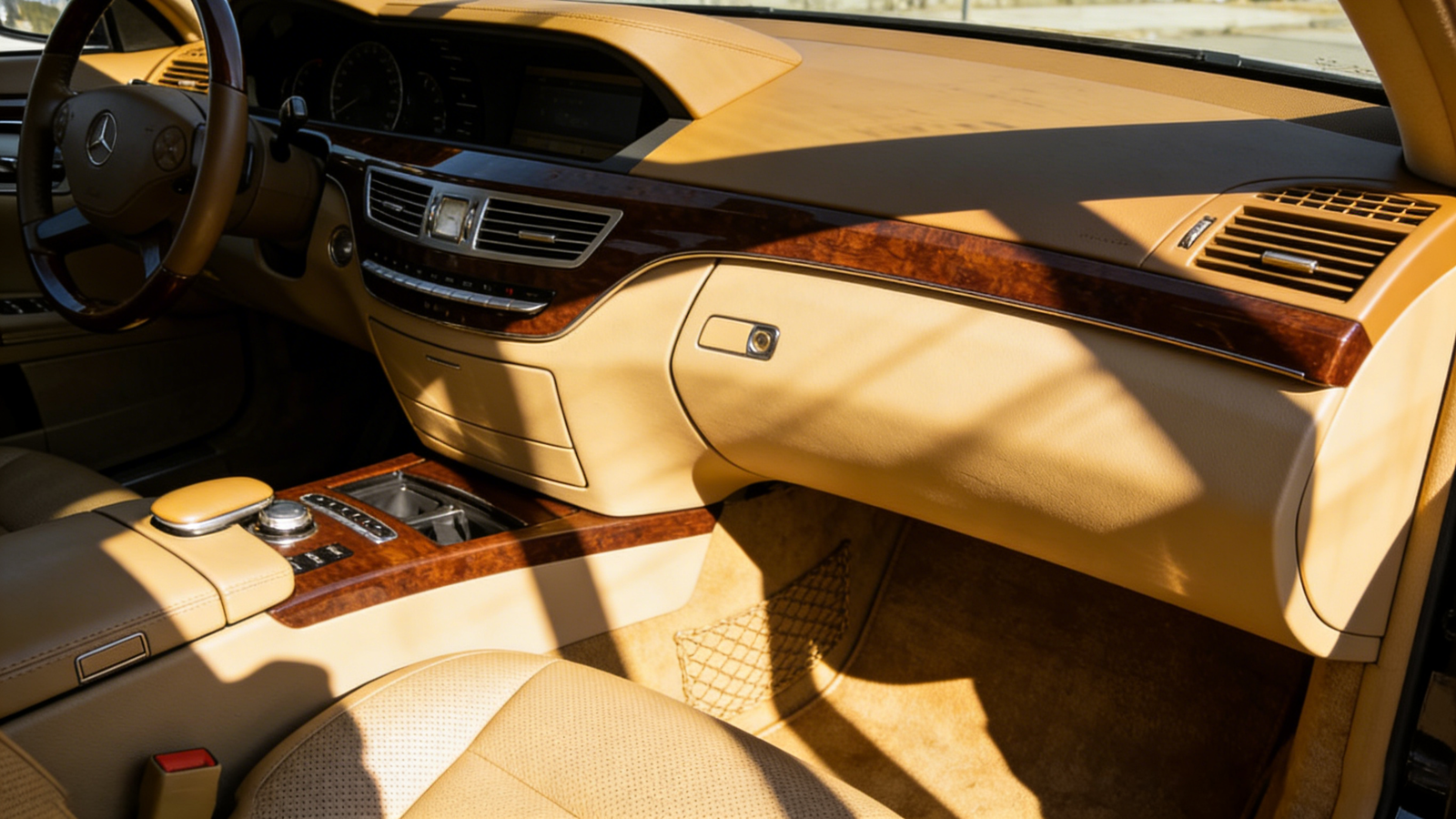
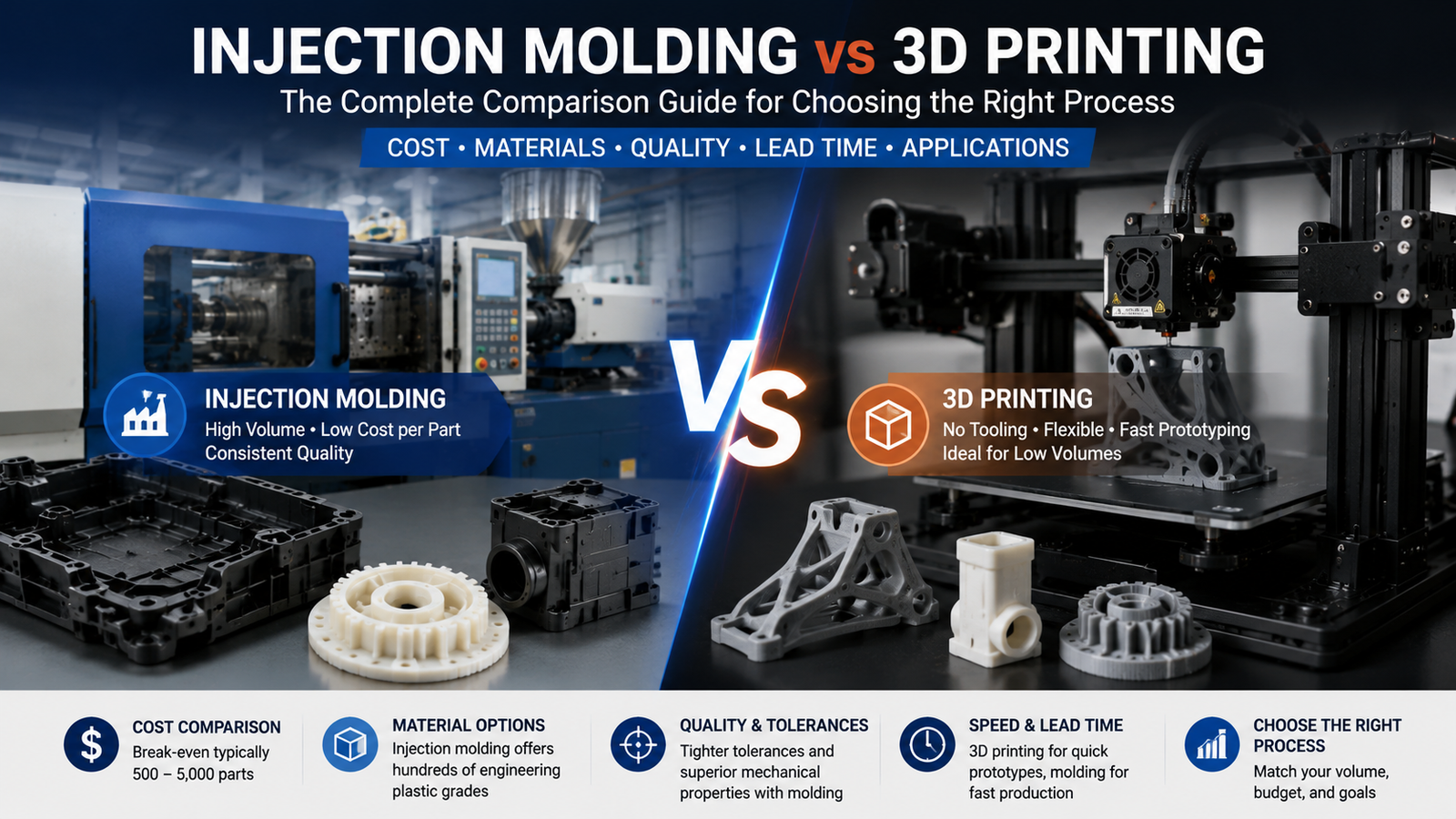
In practical applications, the gap between vacuum casting and injection molding continues to narrow. While injection molding offers superior consistency for mass production, it involves high upfront tooling costs, whereas rapid prototyping with vacuum casting provides a cost-effective alternative during early validation. For small to medium batches, vacuum casting can achieve 80%–95% of final texture fidelity. Xiamen Ruicheng helps clients validate designs before tooling investment, significantly reducing trial-and-error costs.
Precision Gap: Injection molding remains more stable, but vacuum casting is increasingly comparable.
Cost Efficiency: No steel tooling required, reducing initial investment.
Speed Advantage: Faster turnaround supports rapid design iterations.
Application Stage: Ideal for development and pre-production validation.
🚀 Vacuum casting bridges the gap between concept and mass production
What Factors Determine the Stability of Texture Replication in Vacuum Casting?
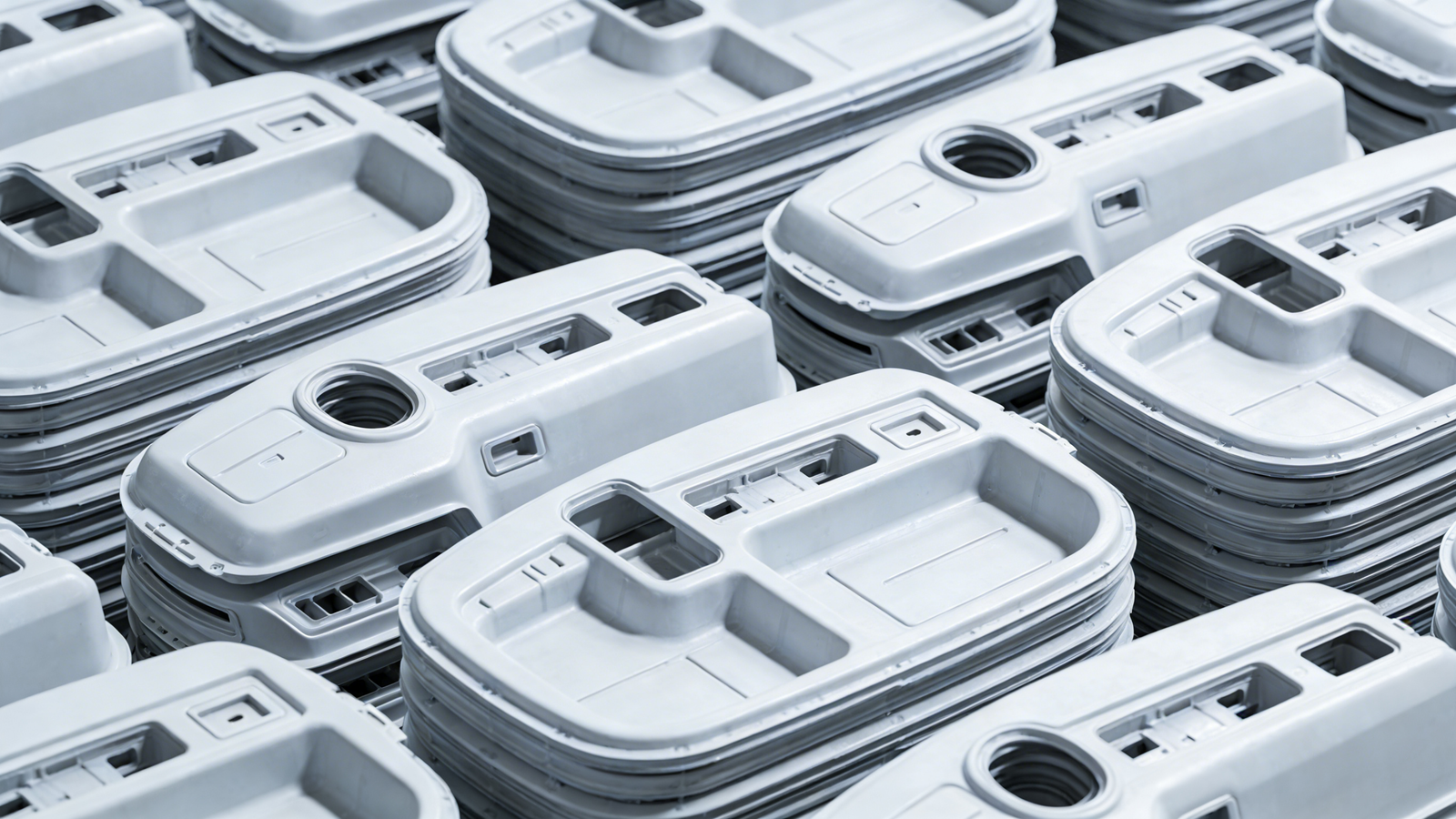
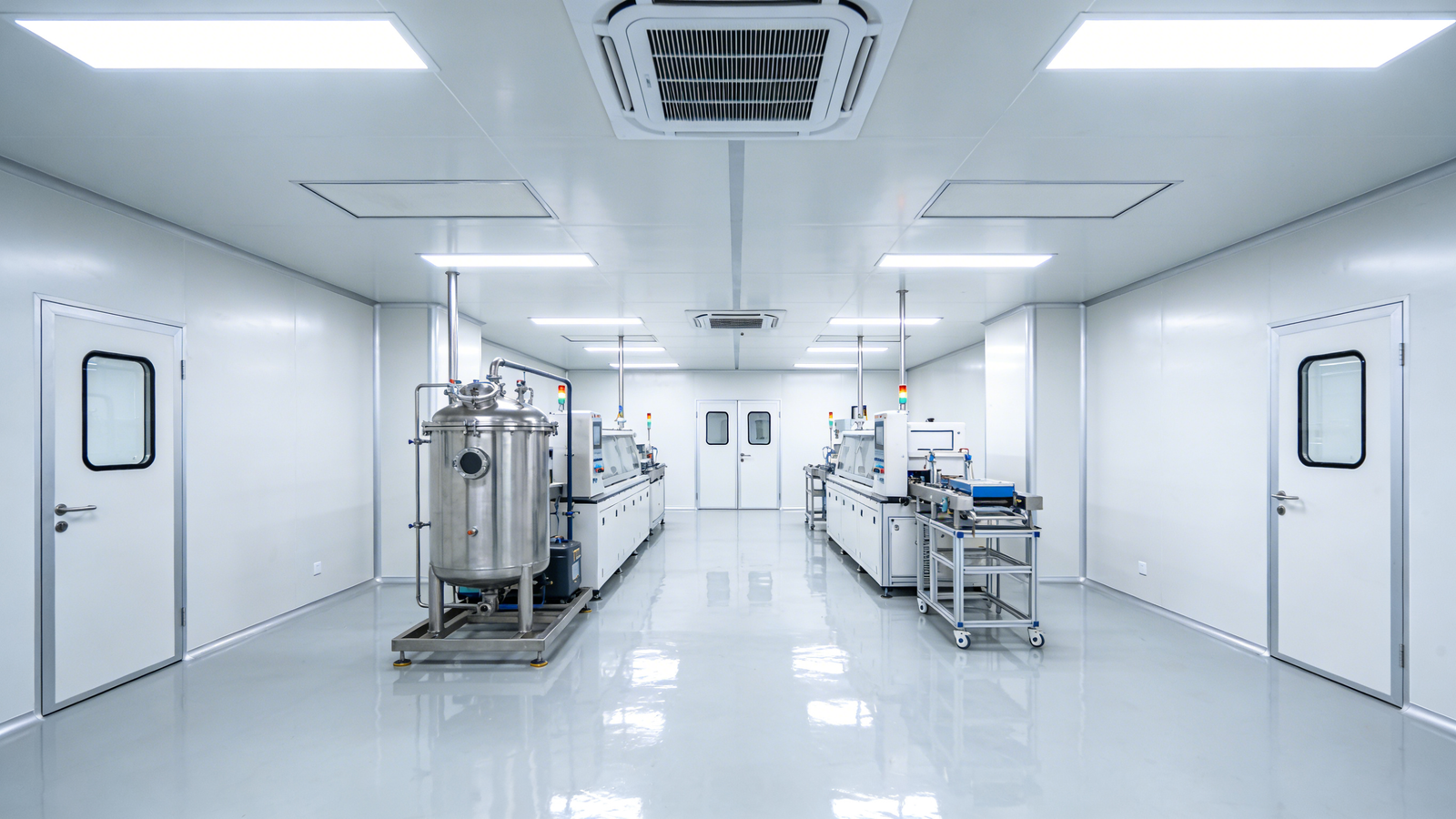
The stability of texture replication depends on multiple factors, including material behavior, mold condition, and environmental control. Polyurethane properties such as viscosity and shrinkage directly affect texture clarity, while surface roughness standards define the final tactile feel. A controlled and standardized process system is essential for consistent texture results. Xiamen Ruicheng ensures repeatability through strict process control and inspection methods, delivering consistent results across batches.
Material Properties: Different hardness levels affect texture sharpness and detail.
Mold Lifespan: Silicone mold wear impacts long-term replication accuracy.
Environmental Control: Temperature and humidity influence curing quality.
Inspection Methods: Profilometers ensure texture consistency across parts.
🔍 Consistency comes from system-level control rather than a single factor
Comparison of Vacuum Casting with Other Prototyping Methods
| Comparison Factor | Vacuum Casting | CNC Machining | 3D Printing | Injection Molding |
|---|---|---|---|---|
| Texture Fidelity | High | Low | Medium | Very High |
| Cost Investment | Low | Medium | Low | High |
| Lead Time | 5–10 Days | 3–7 Days | 1–3 Days | 15–30 Days |
| Suitable Stage | Appearance Validation | Structural Testing | Concept Validation | Pre-Mass Production |
| Material Simulation | High | Medium | Low | Very High |
| Batch Capability | Small-Medium | Single | Single | Large |
If you are looking for a solution that balances cost and performance, contact us
How to Choose the Right Prototyping Solution for Automotive Interior Texture Validation
Selecting the right prototyping method in automotive interior development directly impacts validation accuracy and project timelines. Xiamen Ruicheng recommends evaluating texture complexity, validation objectives, and budget constraints at the early stage. A well-matched process strategy can significantly reduce overall development costs while ensuring reliable results. By combining multiple prototyping technologies, companies can smoothly transition from concept validation to mass production readiness.
1.Requirement Definition: Clarify texture accuracy and validation goals.
2.Process Matching: Select the appropriate method based on complexity.
3.Cost Evaluation: Balance budget with desired outcome.
4.Supplier Capability: Choose an experienced and reliable partner.
FAQ (Frequently Asked Questions)
Question 1: What are the core advantages or quality benchmarks of your vacuum casting service?
Answer: Xiamen Ruicheng offers vacuum casting with texture replication accuracy up to ±0.05mm, supports VDI texture standards, uses high-quality silicone molds and polyurethane materials, and applies profilometer inspection to ensure consistent results for Class A surface validation.
Question 2: What information is required to get a quotation quickly?
Answer: Clients need to provide 3D files (STEP/IGES), texture requirements, and expected quantities. Xiamen Ruicheng delivers initial evaluation within 2 hours and a detailed quotation with process analysis within 12 hours.
Question 3: What are the MOQ, lead time, and payment terms for different order volumes?
Answer: MOQ starts from 1–10 pieces for prototypes, with a standard lead time of 5–7 days. Small batch production supports 50–200 units, and flexible payment terms are available depending on project scale.
Question 4: How do you handle quality issues or delivery delays?
Answer: Xiamen Ruicheng offers a 7-day inspection window after delivery. If issues are confirmed, rework or replacement is initiated within 48 hours, supported by quality agreements for key projects.
Question 5: Can you support customized textures or special requirements?
Answer: Yes, customization is available based on client samples or standards. Additional texture parameters and usage conditions are required, with solutions provided within 3 working days. Costs and lead time depend on complexity.
Conclusion
Vacuum casting has become a critical process in automotive interior development, especially for texture replication and rapid validation. Xiamen Ruicheng provides reliable prototyping solutions through mature processes and extensive experience. Achieving the right balance between cost, speed, and quality is key to accelerating product development. Choosing the right partner directly impacts the success of transitioning from design to mass production.
For expert assistance in implementing for your production needs, visit our resource center or contact us. Let’s help you scale up your manufacturing with precision and efficiency!