Introduction
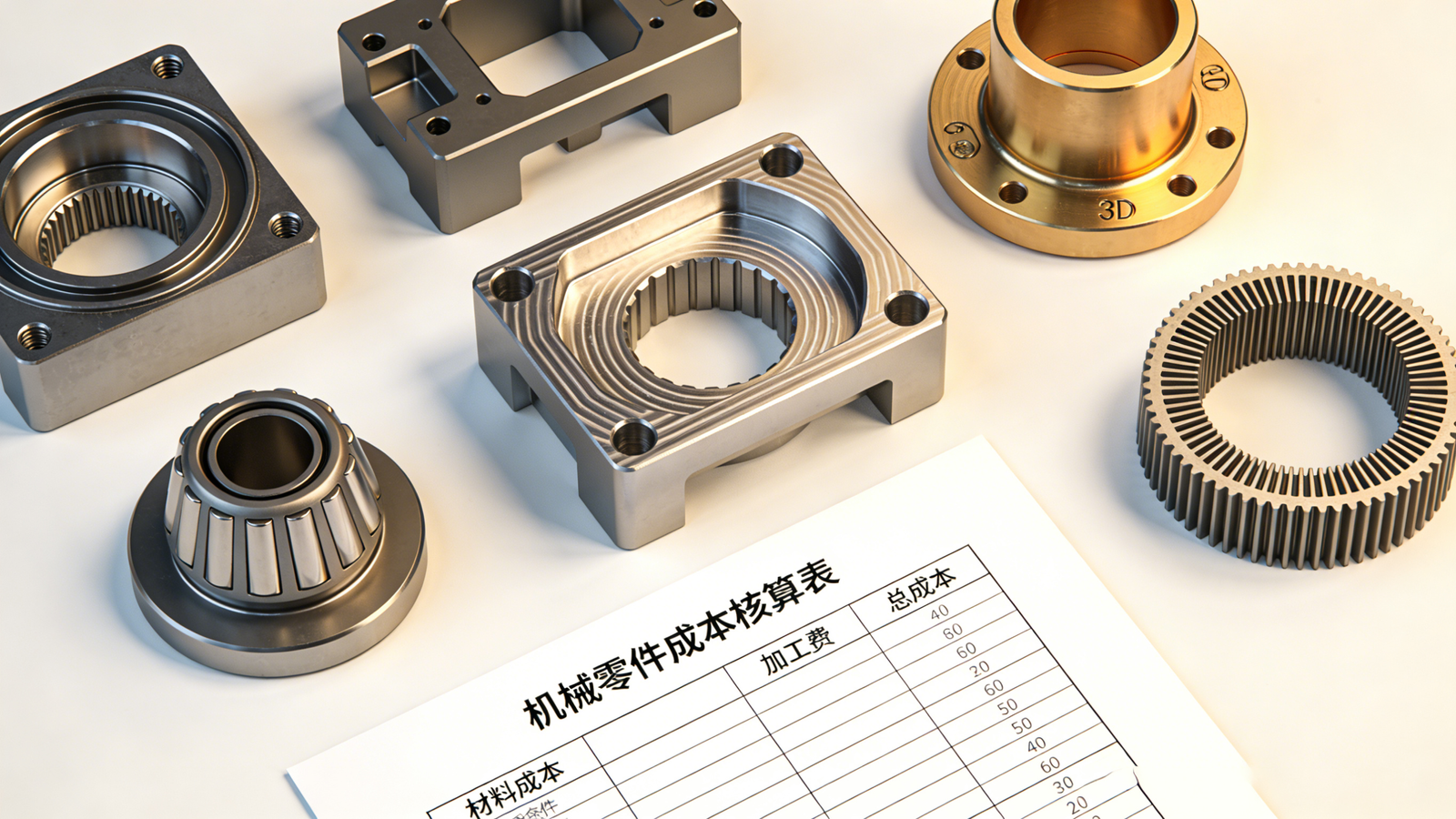
During the development and validation phase of mechanical components, prototype parts are frequently exposed to assembly testing and varying environmental conditions, which makes them highly susceptible to corrosion and wear. Failures at this stage not only distort real performance evaluation but also delay downstream production decisions and extend development cycles. Controlling corrosion and wear resistance at the prototyping stage is critical to ensuring reliable test outcomes.
In complex testing environments, a single material or process often fails to meet the combined requirements of strength, corrosion resistance, and surface durability. Xiamen Ruicheng integrates multiple rapid prototyping technologies and post-processing solutions to help clients achieve near-production performance during early testing, reducing trial-and-error costs. A well-designed prototyping strategy is not just a technical choice but a key enabler across the entire procurement decision chain.
Why do mechanical components easily suffer from rust and wear during testing?
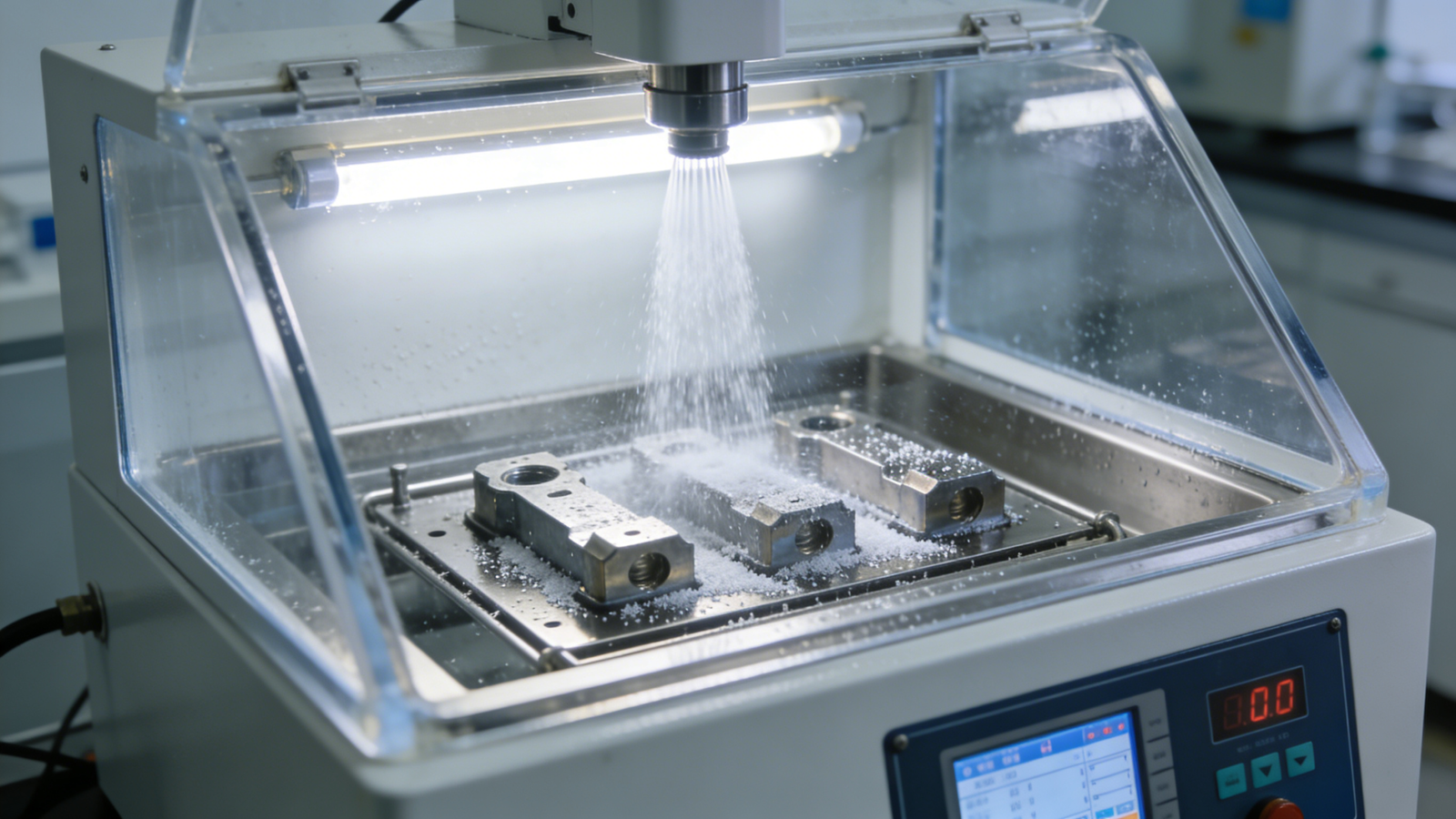
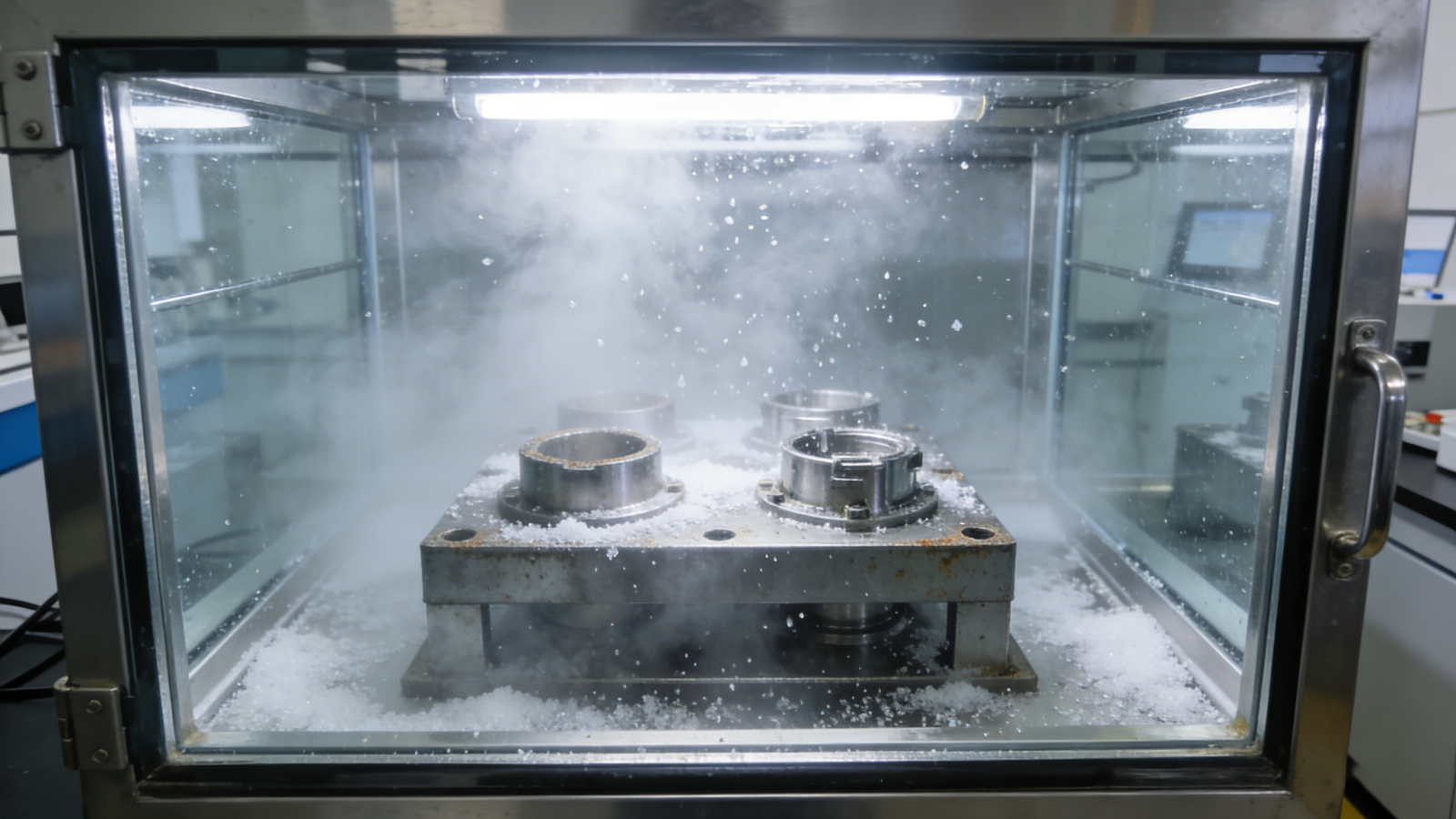
During testing, mechanical components are often exposed to humidity changes, frictional contact, and chemical environments, all of which accelerate surface degradation and structural damage, such as oxidation in metal corrosion conditions and material loss due to wear, especially in rapid prototyping stages. The lack of environment-specific material and process optimization is the root cause of early failure.
Environmental factors: Fluctuating humidity and temperature gradually weaken material surfaces and accelerate oxidation.
Material selection: Standard carbon steel or low-grade plastics cannot withstand complex testing environments.
Surface condition: Untreated rough surfaces tend to trap corrosive media and increase friction.
Process deviation: Inaccurate prototyping can lead to abnormal assembly friction and accelerated wear.
🔧 Multiple factors combine to trigger early-stage failures in testing.
How can material and process combinations improve corrosion and wear resistance in prototypes?
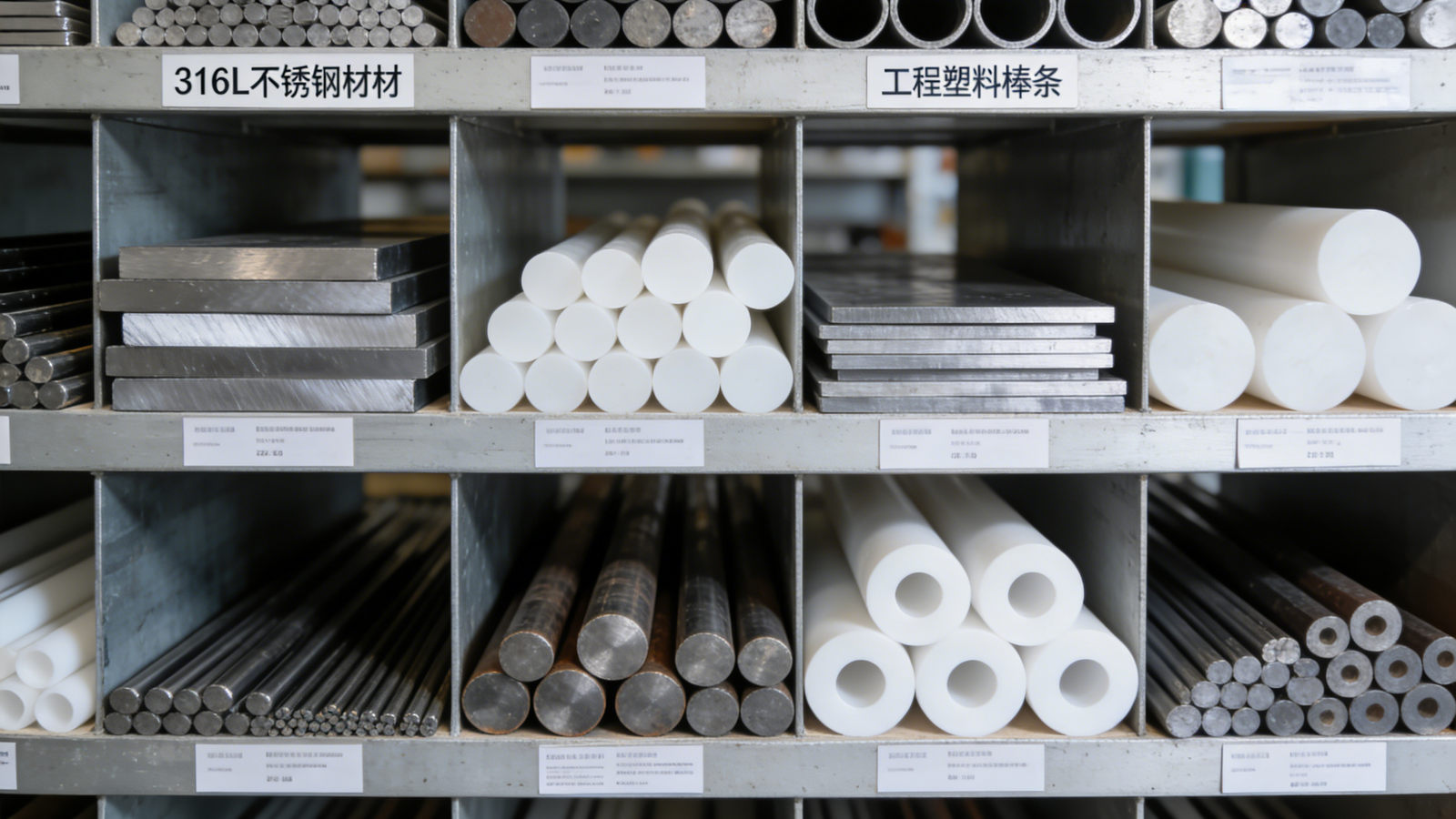
By strategically combining materials and manufacturing processes in rapid prototyping, the durability of mechanical components can be significantly enhanced. For example, using stainless steel or engineering plastics together with surface finishing technologies can effectively delay corrosion and wear, ensuring stable and reliable test results. Material upgrades combined with process optimization enable near-production-level performance even in the prototyping stage.
Material upgrade: Prioritize corrosion-resistant materials such as 316L stainless steel or high-performance engineering plastics.
Process selection: Choose SLA, SLS, or CNC based on structural complexity and functional requirements.
Surface enhancement: Apply sandblasting, plating, or anodizing to improve surface durability.
Performance validation: Introduce simulation testing during prototyping to identify risks early.
⚙️ Material-process synergy is the key to high-quality prototyping.
How to balance cost and performance when optimizing rapid prototyping solutions?
In real-world procurement decisions, companies must balance performance, cost, and lead time. By optimizing prototyping workflows, such as combining rapid prototyping with CNC machining, hybrid manufacturing approaches can ensure performance while reducing overall investment. A well-planned prototyping strategy creates the optimal balance between cost and long-term reliability.
Stage-based validation: Start with low-cost structural validation before upgrading materials.
Hybrid processes: Combine 3D printing with CNC to improve efficiency and control costs.
Production transition: Plan the transition from prototype to mass production early.
Supplier integration: Work with one-stop suppliers to reduce communication and coordination costs.
💡 Strategic optimization enables both cost efficiency and performance improvement.
Comparison of rapid prototyping solutions for corrosion and wear resistance
| Prototyping Method | Material Type | Corrosion Resistance | Wear Resistance | Cost Level | Application Stage |
|---|---|---|---|---|---|
| CNC Machining | Metals | High | High | Medium-High | Functional testing |
| SLS Printing | Nylon/Metal | Medium-High | Medium-High | Medium | Structural testing |
| SLA Printing | Resin | Low | Medium | Low | Visual validation |
| Vacuum Casting | PU | Medium | Medium | Medium-Low | Small batch testing |
Choosing the right prototyping solution is critical to improving testing success rates. For tailored solutions, feel free to contact us
How prototyping optimization impacts overall R&D efficiency
In complex mechanical component development, the quality of the prototyping strategy directly affects testing efficiency and iteration speed. Xiamen Ruicheng integrates materials, processes, and testing requirements to deliver forward-looking solutions, ensuring each prototype adds real validation value and reduces redundant iterations. Optimizing prototyping strategies not only shortens development cycles but also significantly improves final product stability. With proper planning and expert support, companies can lock in optimal technical paths early and gain a competitive edge.
1.Efficiency improvement: A structured prototyping process reduces repeated testing cycles.
2.Risk reduction: Early validation of key performance prevents mass production failures.
3.Cost control: Minimizes unnecessary material and time waste.
4.Decision support: Provides reliable data for engineering and procurement teams.
FAQ (Frequently Asked Questions)
Question 1 (Core product evaluation): What are the corrosion and wear resistance standards of your rapid prototyping services for mechanical components?
Answer: Xiamen Ruicheng offers differentiated standards based on material systems. For example, metal parts use 316L stainless steel with salt spray testing to verify corrosion resistance, combined with surface treatments to enhance wear performance, ensuring suitability for medium to high-intensity testing.
Question 2 (Collaboration process): What information is required to start a rapid prototyping project?
Answer: Clients need to provide 3D drawings, usage environment details, and testing requirements. Xiamen Ruicheng supports online submission and delivers technical evaluation and quotation within 12 hours, along with process optimization suggestions.
Question 3 (Procurement implementation): What are the MOQ and lead times for different order volumes?
Answer: The standard MOQ starts from 1 piece, with a typical lead time of 3–7 days depending on complexity. Bulk orders benefit from shorter cycles and optimized pricing.
Question 4 (After-sales and risk control): How do you handle performance issues during testing?
Answer: Xiamen Ruicheng provides quality re-evaluation and root cause analysis. Once confirmed, optimized solutions and re-prototyping can be quickly arranged to keep the project on track.
Question 5 (Customization services): Can you provide customized solutions for special working conditions?
Answer: Yes, customized prototyping is available for high-temperature, corrosive, or high-wear environments. Clients need to provide detailed operating parameters, and solutions are typically delivered within 3 working days with cost evaluation.
Conclusion
Rust and wear issues in mechanical component testing are fundamentally caused by mismatches between materials, processes, and environments. By systematically optimizing rapid prototyping strategies, these challenges can be effectively resolved. Xiamen Ruicheng provides one-stop services to help clients achieve near-real performance validation at the prototyping stage, reducing trial costs and improving R&D efficiency. Treating prototyping as a decision-making tool rather than just a manufacturing step is key to project success. With scientific selection and expert support, companies can accelerate product commercialization and stay competitive.
For expert assistance in implementing for your production needs, visit our resource center or contact us. Let’s help you scale up your manufacturing with precision and efficiency!