Introduction
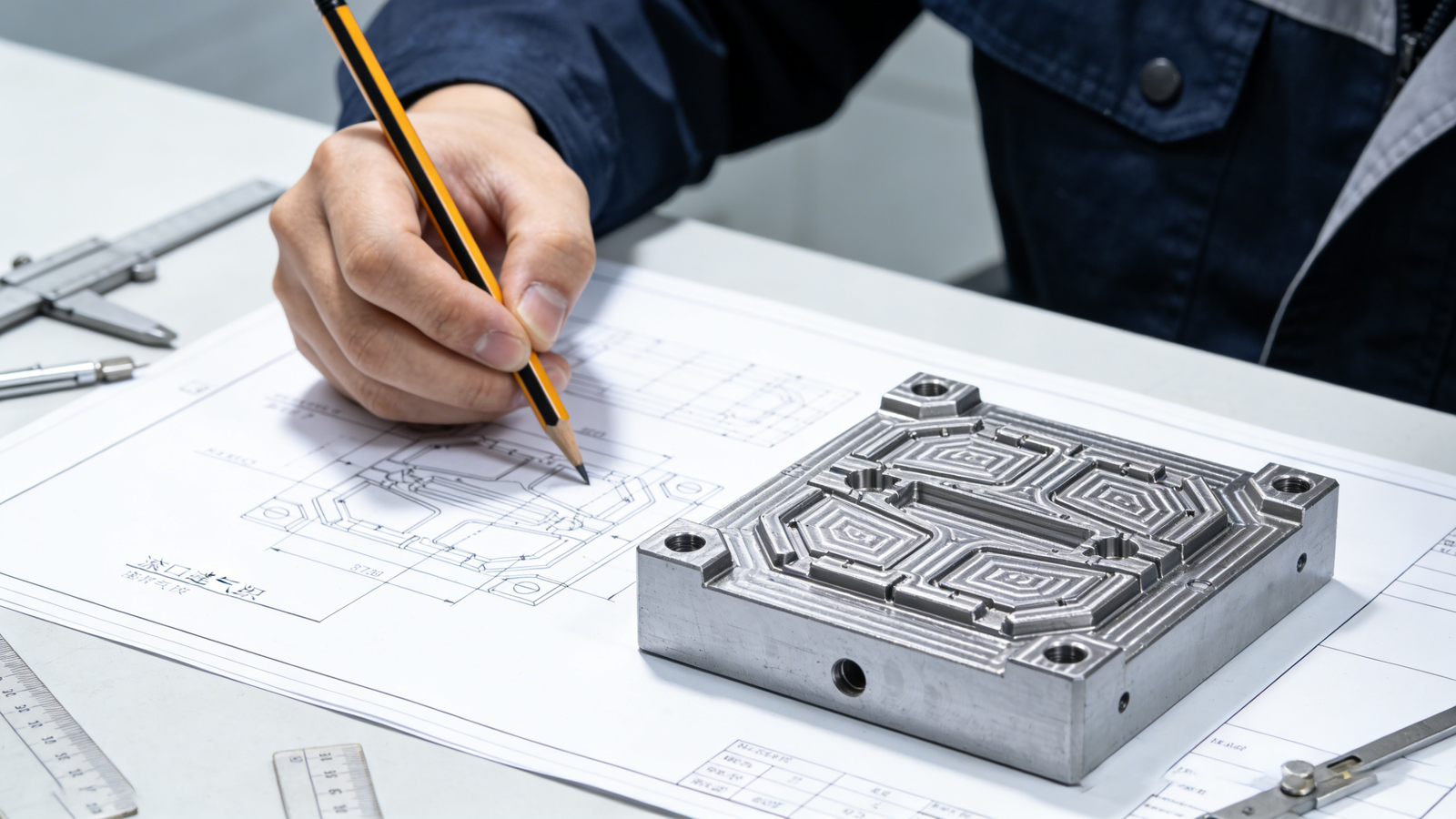
In injection molding mass production, defects such as flash, short shots, and bubbles are among the most common quality issues affecting product consistency. These problems not only reduce the qualified product rate but also increase manufacturing costs and production downtime. A systematic defect analysis process is essential for maintaining stable production quality in modern injection molding operations.
Based on years of practical manufacturing experience, Xiamen Ruicheng has found that most injection molding defects rarely originate from a single factor. Instead, they often result from a complex interaction between materials, mold structures, and machine parameters. A structured troubleshooting methodology combined with engineering experience is the fastest way to locate the root cause of injection molding defects.
Why Do Flash, Short Shots, and Bubbles Frequently Occur in Mass Production?
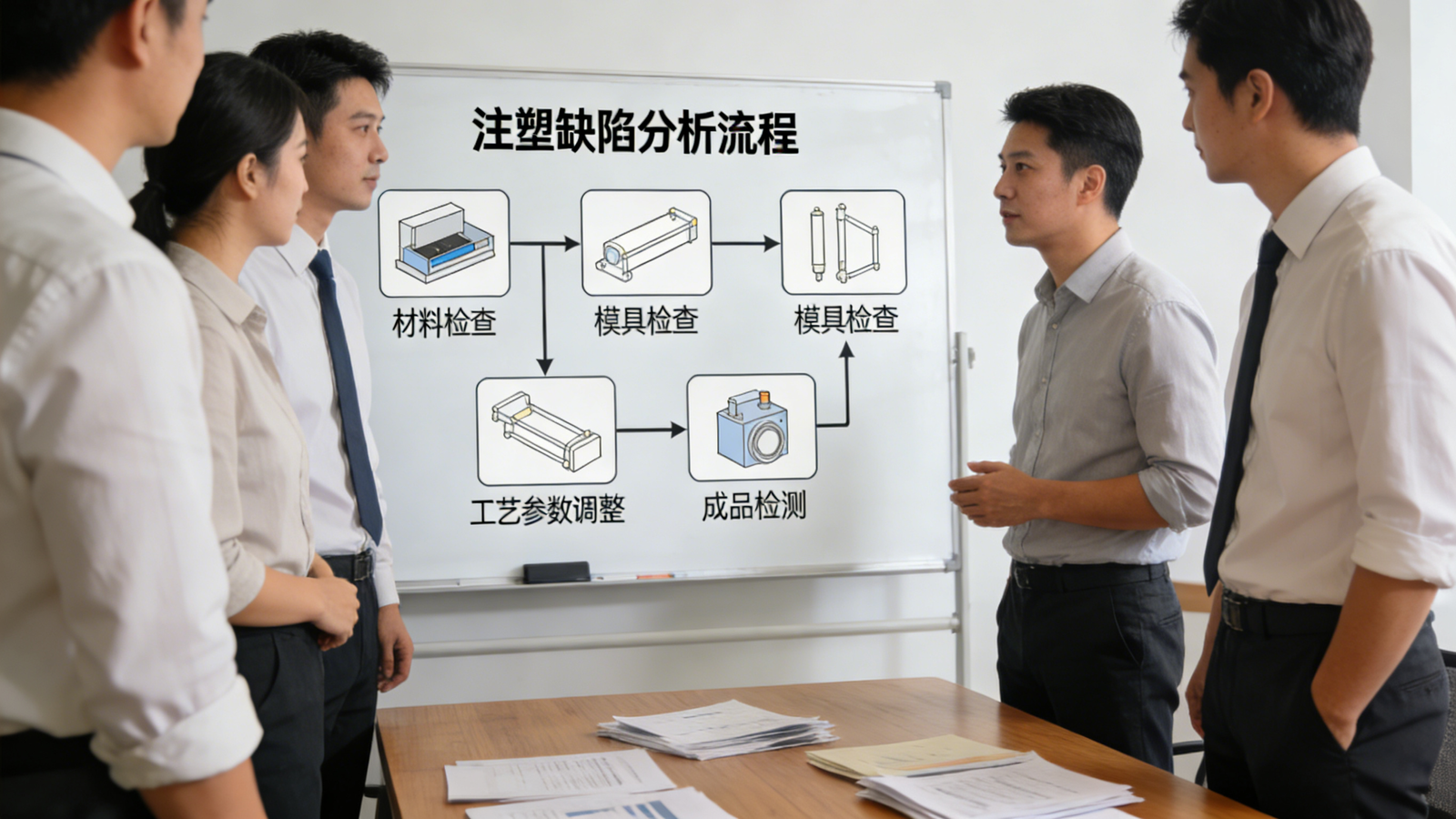
In large-scale injection molding operations, flash, short shots, and bubbles often appear simultaneously because they are closely related to process stability, mold design, and material behavior. Without systematic injection molding process control, even small variations in machine parameters can quickly trigger visible defects. At Xiamen Ruicheng, engineers combine production data monitoring with mold structure analysis to identify the real source of defects efficiently.
Mold clearance issues: Wear on parting surfaces or sliders can create gaps where molten plastic escapes under pressure, producing flash.
Material flow imbalance: Insufficient melt flow or unstable melt temperature may prevent the cavity from filling completely, leading to short shots.
Poor venting design: Trapped air inside the cavity can form bubbles or burn marks during the filling stage.
Machine instability: Fluctuations in injection pressure or clamping force can directly influence filling balance and amplify defect occurrence.
🔍 Understanding the interaction between mold, material, and machine conditions is the first step in solving recurring injection defects.
How Can Manufacturers Quickly Identify the Real Root Cause of Injection Defects?
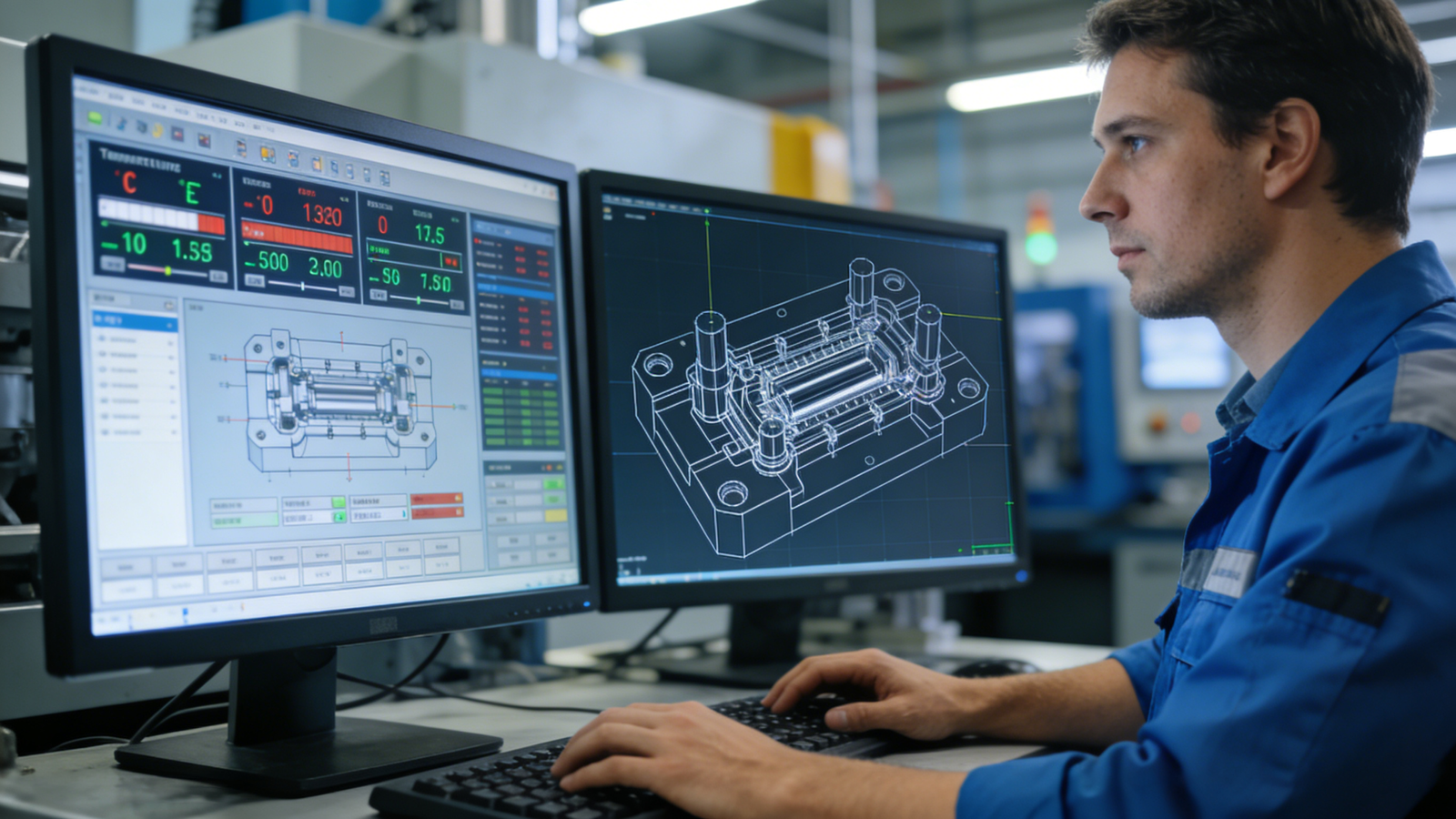
In real production environments, relying solely on visible symptoms often leads to incorrect conclusions and repeated parameter adjustments without solving the problem. Professional engineers typically combine injection molding defect analysis methods with real-time machine data to identify the exact source of defects. Xiamen Ruicheng integrates machine data tracking with Moldflow simulation to accurately determine whether the problem originates from the material, mold design, or process settings.
Data tracking analysis: Monitoring injection pressure, temperature, and cycle data helps engineers determine when and under what conditions defects appear.
Simulation verification: Moldflow analysis predicts plastic flow paths and helps verify possible causes of short shots and bubbles.
Process parameter evaluation: Gradual adjustment of injection speed, holding pressure, and cooling time helps isolate the parameter responsible for defects.
Trial molding validation: Controlled trial runs confirm the diagnostic results and verify improvement strategies quickly.
🧠 Combining simulation technology with real production data significantly reduces troubleshooting time.
How Can Defects Be Systematically Solved Through Materials, Mold Design, and Process Optimization?
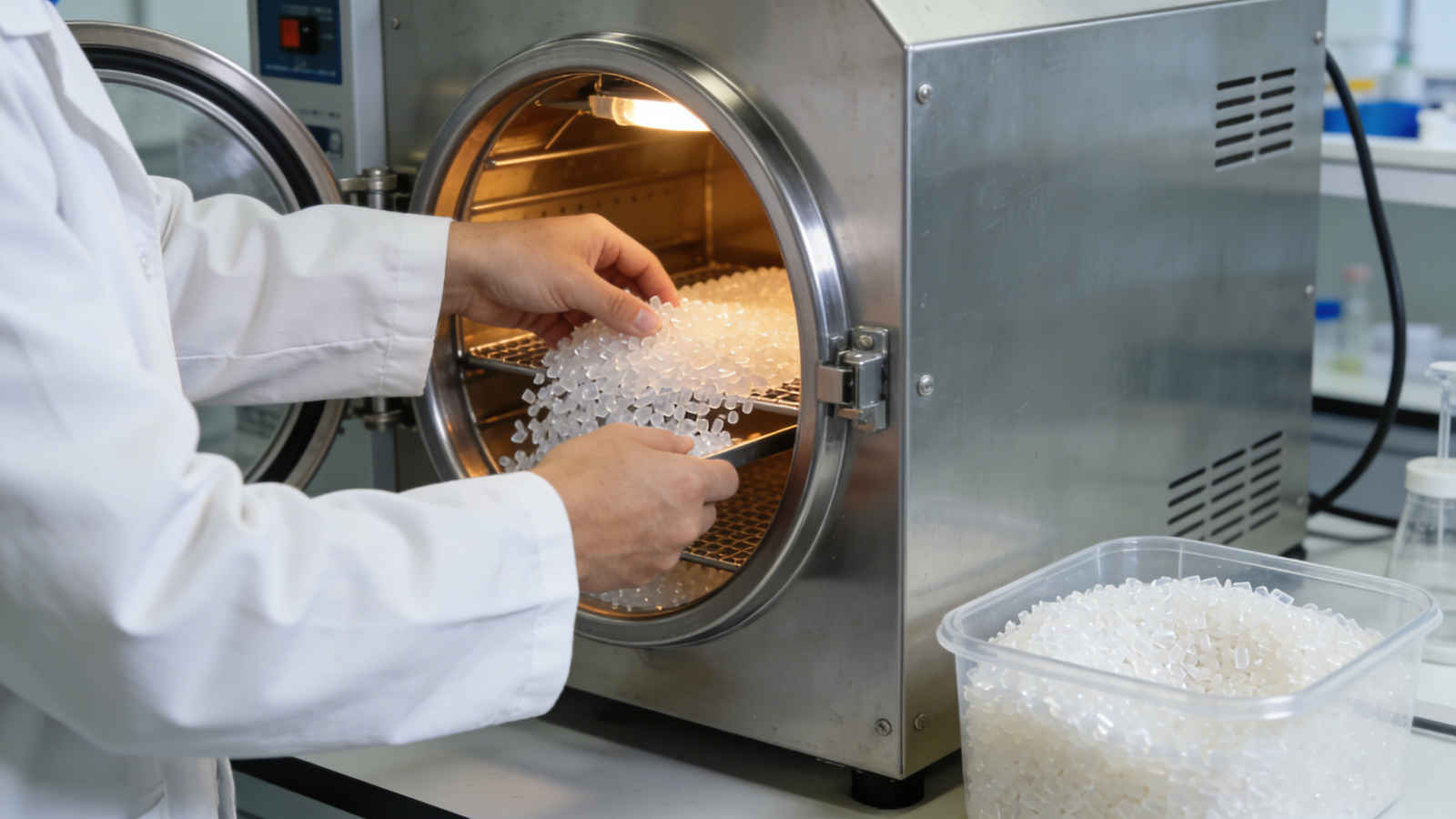
Eliminating injection molding defects requires more than simple machine adjustments. Instead, manufacturers must optimize material performance, mold design, and production parameters simultaneously. Many production teams underestimate how strongly thermoplastic material properties influence molding results. Xiamen Ruicheng helps customers reduce defect rates by optimizing material selection, mold structures, and injection molding processes together.
Material optimization: Proper material selection and drying conditions improve melt flow and reduce bubble formation.
Mold improvement: Optimizing gate position and venting design allows more uniform cavity filling.
Process stabilization: Establishing a stable processing window helps maintain consistent production quality.
Quality monitoring: Online inspection and sampling systems allow early detection of potential defects.
⚙️ A comprehensive improvement strategy across materials, molds, and processes ensures long-term production stability.
Quick Diagnostic Reference for Common Injection Molding Defects
| Defect Type | Typical Appearance | Common Cause | Quick Troubleshooting Method |
|---|---|---|---|
| Flash | Plastic overflow on parting line | Insufficient clamping force or mold wear | Check clamping force and mold gaps |
| Short Shot | Incomplete part filling | Low injection pressure or high flow resistance | Adjust pressure and inspect gate design |
| Bubbles | Internal voids | Moisture in material or poor venting | Check drying conditions and venting |
| Silver Streaks | Surface streak marks | Volatile gases or excessive shear | Adjust melt temperature and injection speed |
If you are currently facing similar injection molding challenges, the engineering team at Xiamen Ruicheng can help analyze and resolve the issue efficiently:
contact us
Why a Systematic Defect Analysis Process Improves Injection Production Yield
Modern manufacturing requires not only high productivity but also stable product quality. When defect troubleshooting relies purely on trial-and-error adjustments, manufacturers often experience long downtime and rising production costs. A structured defect analysis workflow allows engineers to quickly identify root causes and implement targeted improvements. By combining Moldflow analysis, real-time production data, and extensive engineering experience, Xiamen Ruicheng helps clients significantly improve production yield and process stability.
1.Standardized troubleshooting process: Structured diagnostic steps eliminate unnecessary trial-and-error adjustments.
2.Data-driven decision making: Production data provides reliable evidence for root cause identification.
3.Engineering expertise support: Experienced engineers can quickly recommend effective corrective measures.
4.Continuous optimization system: Ongoing monitoring ensures stable long-term production performance.
Frequently Asked Questions
Question 1 (Product Evaluation): What are the core advantages and quality guarantees of your injection defect analysis service?
Answer: Xiamen Ruicheng operates under a strict quality control system supported by Moldflow simulation, trial molding verification, and machine data monitoring. Our engineering team analyzes material properties, mold structure, and process parameters simultaneously to identify the root cause of flash, short shots, and bubbles. This ensures clients receive reliable solutions that stabilize production quality.
Question 2 (Cooperation Process): What information should we provide to quickly receive analysis and a quotation?
Answer: Customers typically provide 3D drawings, current molding parameters, material specifications, and photos or samples of defective parts. After receiving the information, the engineering team at Xiamen Ruicheng conducts a preliminary evaluation and provides technical feedback within 12 hours along with a detailed quotation and improvement proposal.
Question 3 (Procurement Implementation): What are the minimum order quantities and delivery timelines for different production volumes?
Answer: For trial production, Xiamen Ruicheng supports small-batch orders to validate improvement strategies. Minimum order quantities can be adjusted according to product complexity. Standard mass production orders are usually delivered within 7–10 days, and multiple automated production lines allow expedited orders when necessary.
Question 4 (After-sales and Risk Control): How does your company handle quality issues or production delays?
Answer: Xiamen Ruicheng provides a comprehensive after-sales support system. Customers can request a quality inspection within 7 days of delivery. If a defect is confirmed to be caused by our production process, we provide corrective solutions within 48 hours, including replacement production or process optimization.
Question 5 (Customization Services): Can you provide customized injection molding optimization solutions based on our application requirements?
Answer: Yes. Xiamen Ruicheng supports customized engineering solutions based on product structure, material requirements, and application conditions. Clients simply provide operating environment details and performance expectations, and our engineering team will deliver a tailored improvement plan within three working days.
Conclusion
In injection molding production, flash, short shots, and bubbles are usually caused by multiple interacting factors rather than a single issue. By systematically analyzing the relationship between materials, mold design, and processing conditions, manufacturers can identify the root cause and implement targeted solutions. Establishing a structured defect analysis workflow not only improves product yield but also significantly reduces production costs. With extensive manufacturing experience and a professional engineering team, Xiamen Ruicheng provides reliable defect analysis and injection molding optimization services for global customers.
For expert assistance in implementing solutions for your production needs, visit our resource center or contact us. Let’s help you scale up your manufacturing with precision and efficiency!