Introduction
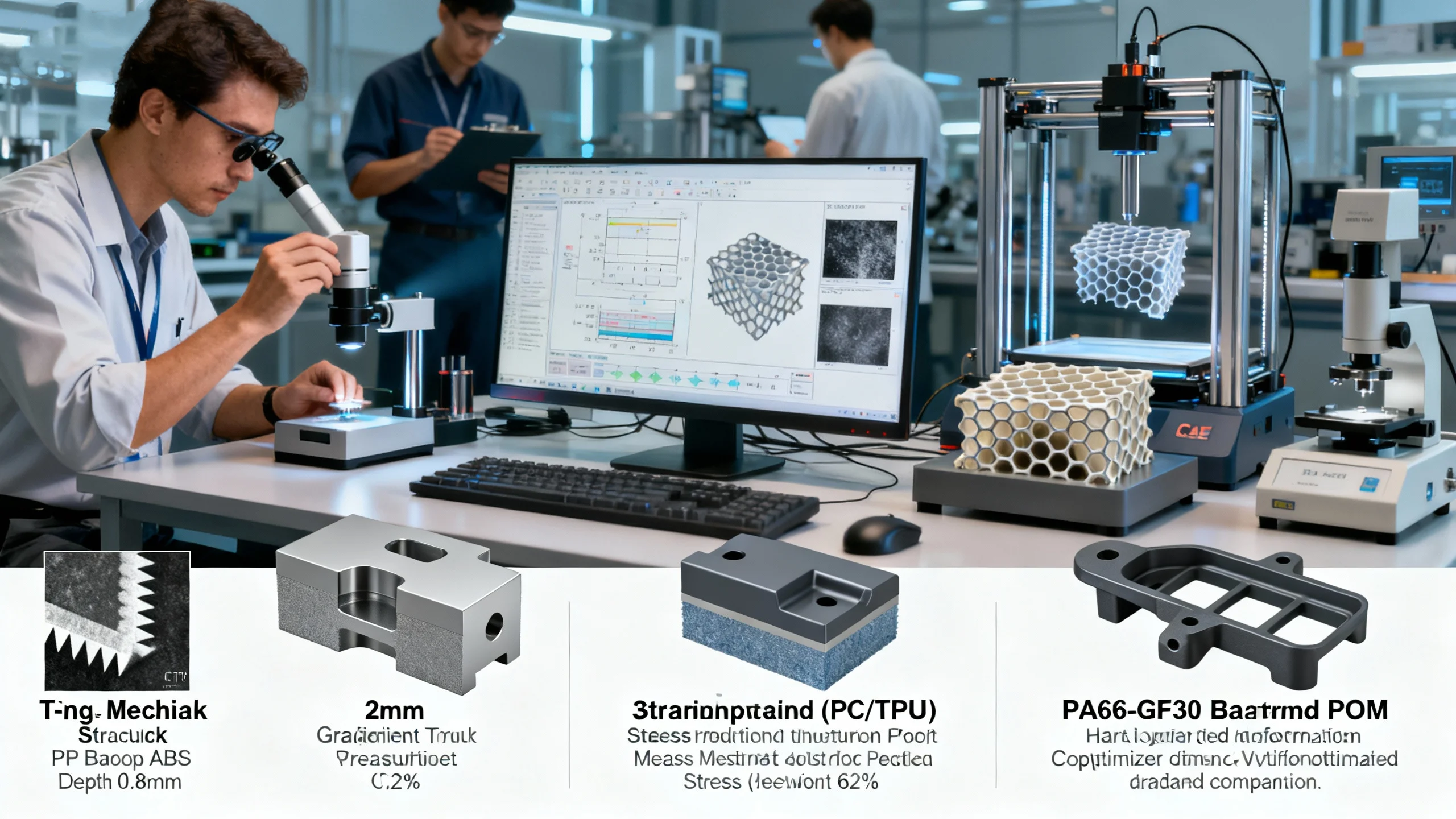
Multi-material overmolding relies on strong interfacial bonding created through material compatibility, surface energy optimization, and controlled thermal conditions. Proper pretreatment and material selection lay the foundation for durable overmolded components. A strong bonding interface is the primary key to preventing delamination.
In real-world production, optimizing melt flow, improving interfacial tension, and maintaining stable mold temperatures significantly reinforce structural reliability. When materials become mutually compatible, both aesthetics and durability are greatly enhanced. Consistent interfacial stability determines long-term product reliability under demanding environments.
How does insufficient surface energy lead to delamination in overmolding?
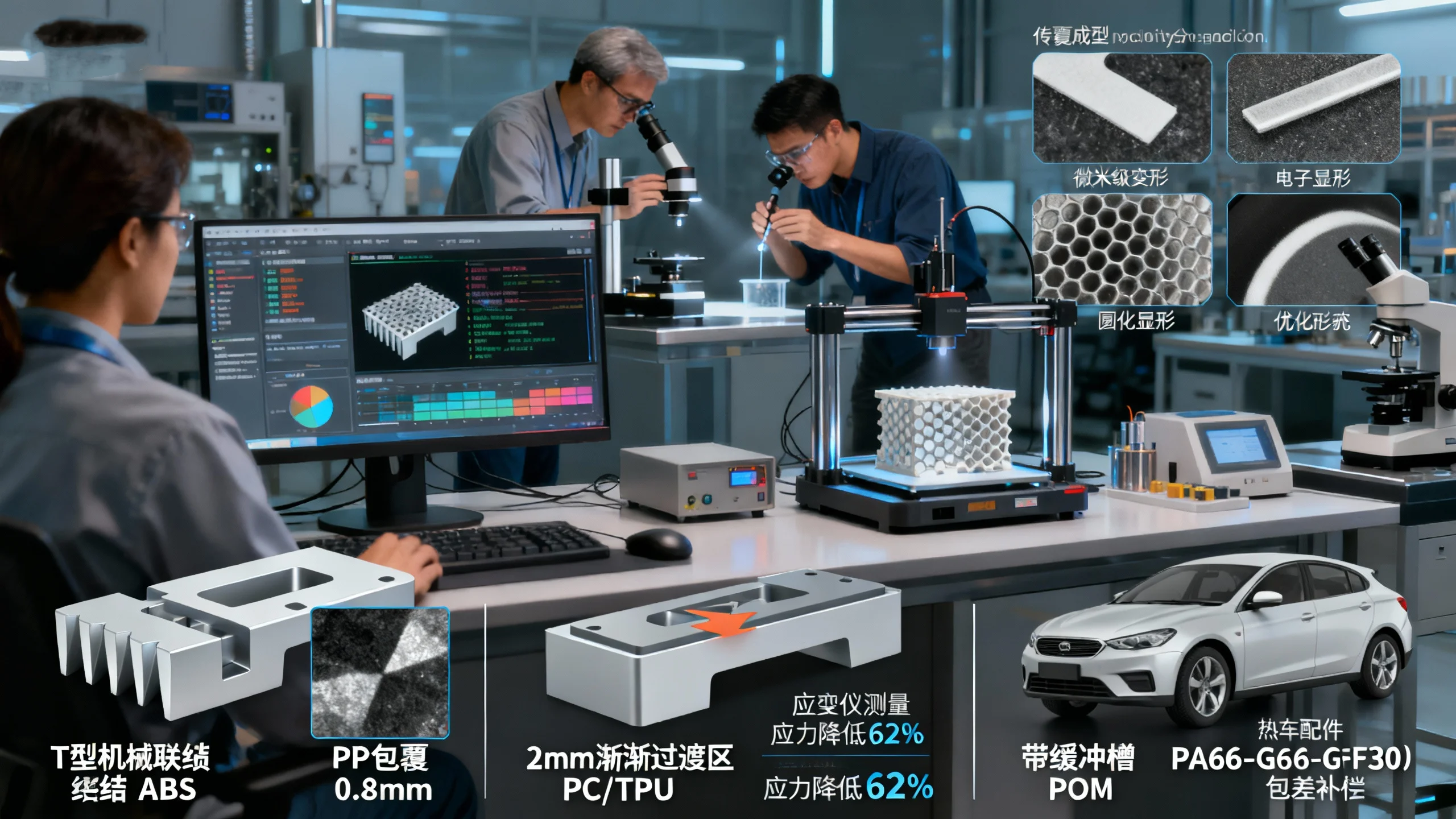
Low surface energy prevents proper wetting between the substrate and the overmolded material, forming weak interfaces susceptible to delamination. Enhancing surface roughness, applying plasma treatment, or elevating interface temperature can greatly improve adhesion. Boosting surface energy significantly increases interfacial bonding strength.
- Plasma Pretreatment Benefits: Improves surface tension and wetting quality.
- Chemical Coupling Agents: Promote chemical bonding between polymer layers.
- Mechanical Surface Roughening: Increases mechanical interlocking.
- Higher Overmolding Temperature: Enhances melt diffusion and bonding.
✨ Enhancing surface energy leads to stronger and more stable material bonding.
How do temperature and pressure influence delamination during overmolding?

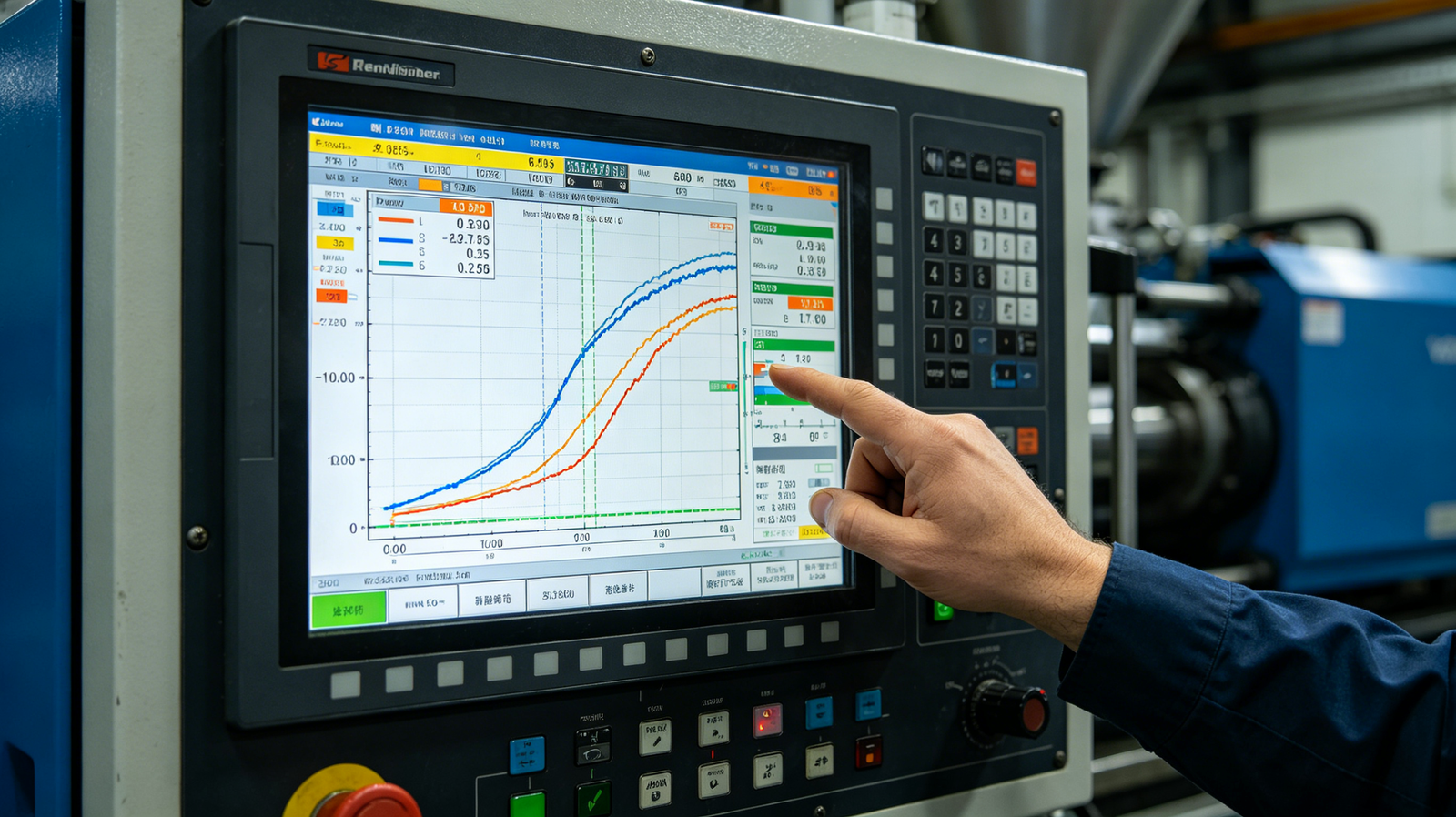
Insufficient temperature prevents full melting and wetting, while low pressure results in incomplete surface contact, weakening the interface. Precise control of mold temperature, melt temperature, and packing pressure ensures proper diffusion into the substrate. Stable thermal and pressure conditions are critical to forming a durable overmolded interface.
- Mold Temperature Control: Improves diffusion and reduces cold spots.
- Dynamic Packing Profiles: Increase density and adhesion strength.
- Optimized Injection Speed: Prevents cold joints and voids.
- Controlled Cooling Rate: Reduces stress gradients that cause delamination.
🔥 Temperature and pressure stability is the foundation of high-quality overmolded bonding.
How can structural design help prevent delamination in multi-material overmolding?
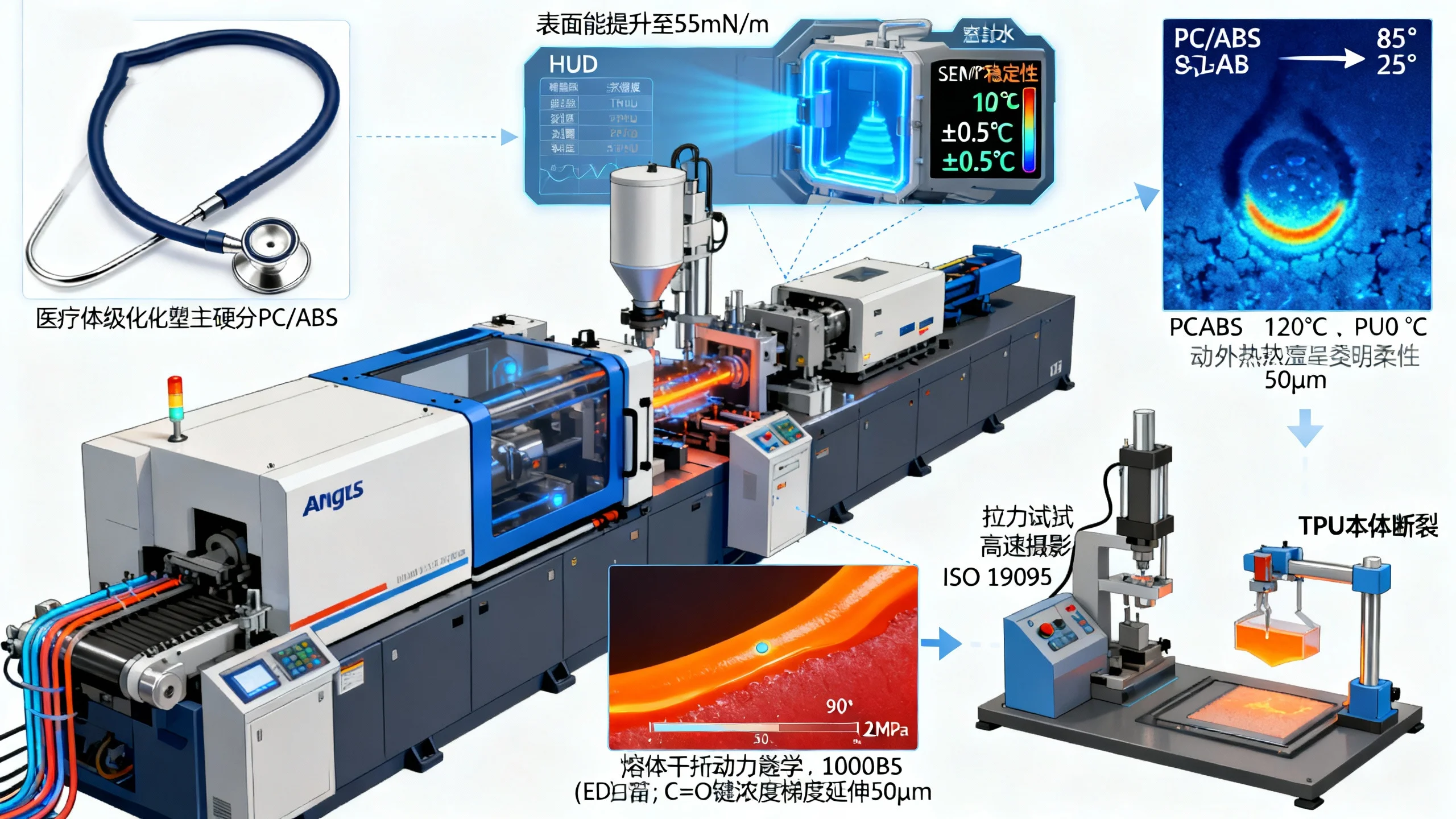
Effective structural design uses interlocks, optimized wall thickness, and smooth transitions to reinforce bonding strength. When materials have different thermal expansion rates, buffer zones reduce internal stress accumulation. Reinforced structure design minimizes interface separation throughout the product’s lifespan.
- Transition Geometry Guidelines: Avoid sharp corners that concentrate stress.
- Mechanical Interlock Features: Improve physical bonding.
- Balanced Overmold Thickness: Ensures uniform adhesion.
- Stress-Relief Buffer Areas: Prevent thermal-induced separation.
🧩 Structural reinforcement provides long-term stability against delamination.
Comparative Approaches to Enhancing Overmold Interface Stability
| Strategy Type | Mechanism | Ideal Application | Stability Rating |
|---|---|---|---|
| Surface Energy Boost | Improves wetting & bonding | TPU/PC | High |
| Thermal/Pressure Control | Enhances diffusion | TPE/ABS | High |
| Mechanical Interlocking | Increases physical grip | Tool handles | Medium-High |
| Material Compatibility Tuning | Maximizes chemical affinity | Seals | Highest |
A refined interface strategy determines product durability—learn more or contact us.
Cross-Industry Expansion
Multi-material overmolding now supports electronics, automotive, sports, and medical applications by improving grip, sealing, and structural durability. The synergy between soft and hard materials elevates both functionality and user experience. This multi-performance integration gives overmolding a strong competitive advantage in modern manufacturing.
1.Consumer Electronics Overmolding: Delivers a durable shell with soft-touch surfaces.
2.Automotive Interior Buttons: Enhances aging resistance and visual appeal.
3.Outdoor Sports Equipment: Improves grip and impact resistance.
4.Medical Device Handles: Provides anti-slip and corrosion-resistant surfaces.
FAQ
Q1: What is the core classification basis of multi-material overmolding?
A: Classified mainly by structural method.
Q2: What major subtypes are included in multi-material overmolding?
A: Includes hard-over-soft, soft-over-hard, and dual-material fusion.
Q3: What is the most common overmolding type and its application?
A: Soft-over-hard overmolding is widely used in industrial and daily handles.
Conclusion
Multi-material overmolding prevents delamination through improved material compatibility, controlled temperature and pressure, and reinforced structural design. These optimization strategies ensure long-lasting interface stability and enhance the product’s performance in varied conditions. Advanced interface engineering is essential for delivering durable, market-ready overmolded products.
For expert assistance in implementing for your production needs, visit our resource center or contact us. Let’s help you scale up your manufacturing with precision and efficiency!