Introduction
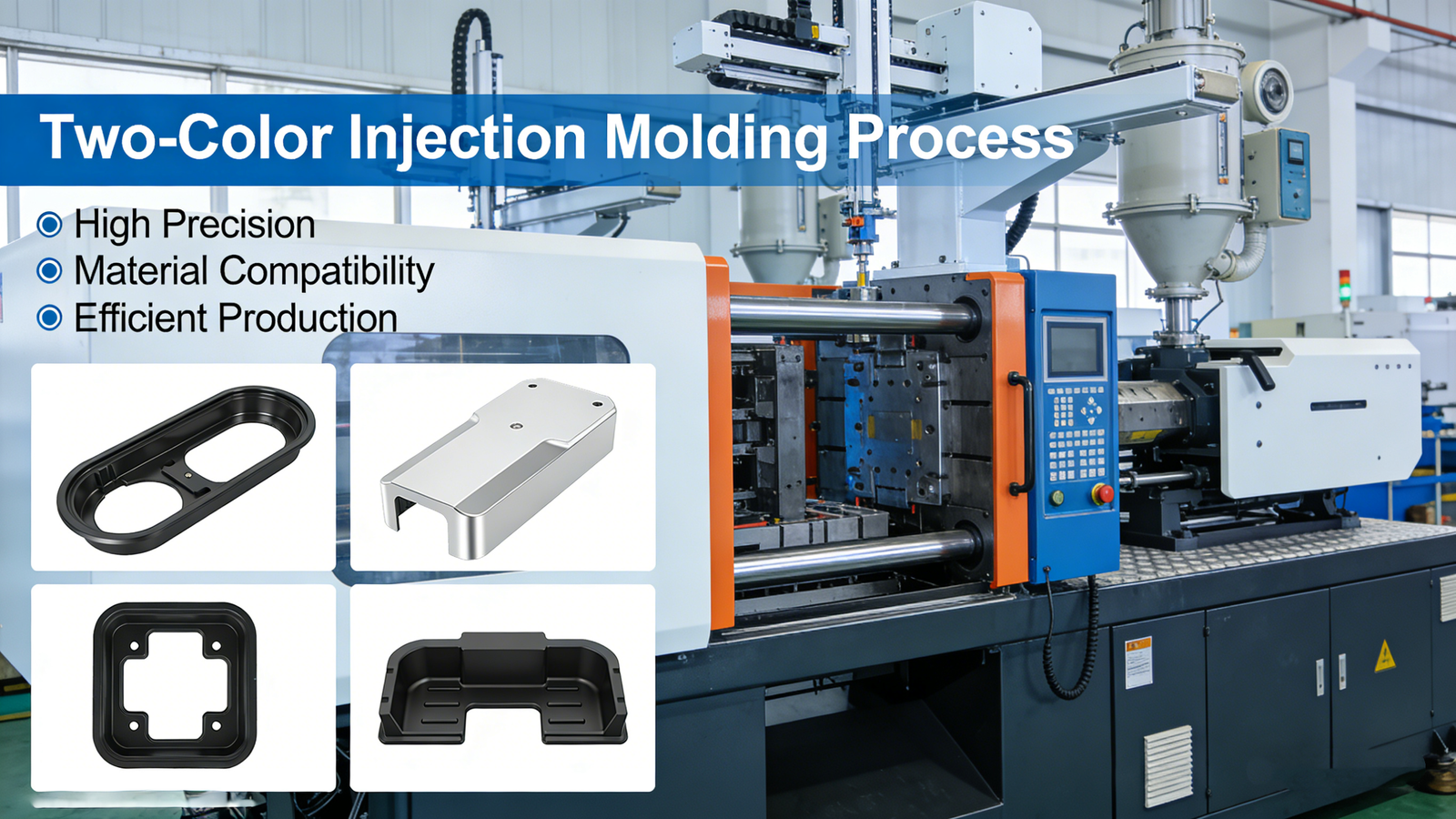
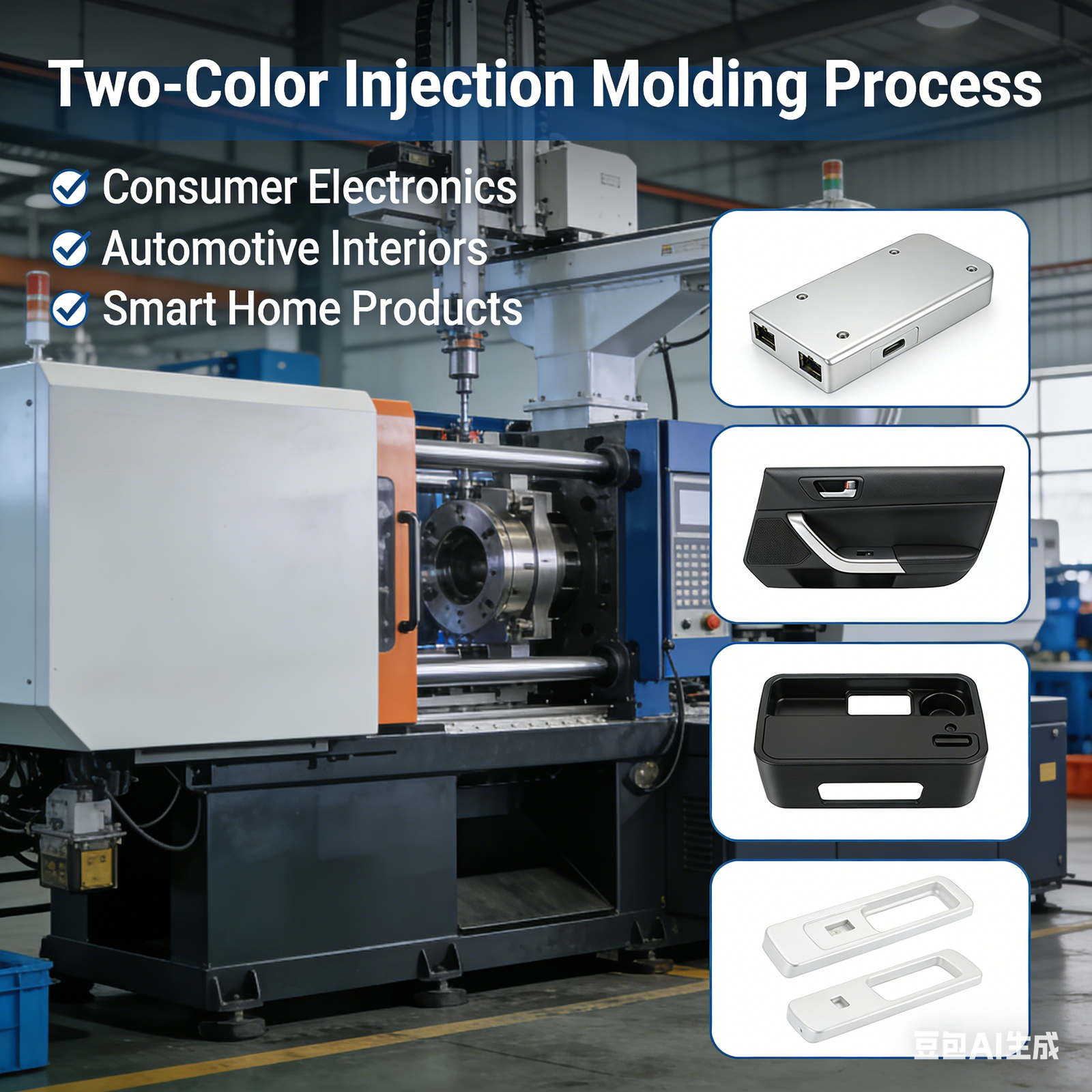
In consumer electronics, automotive interiors, and smart home appliances, product integration of appearance and function has become the mainstream trend. Manufacturers are facing increasing pressure to improve efficiency, consistency, and delivery stability, while traditional single-color molding combined with secondary assembly is exposing limitations such as long process chains and unstable yields. Against this backdrop, process integration capability has become a critical factor influencing procurement decisions in injection molding.
From Xiamen Ruicheng’s perspective, customers are no longer focused on machine specifications alone but on whether a manufacturing solution can reliably shorten production paths and reduce overall cost risks. Two-color injection molding integrates multiple materials or colors in a single molding cycle, fundamentally reshaping production logic. By reducing processes at the source, it creates predictable and scalable capacity growth for mass production.
How Does Two-Color Injection Molding Reduce Traditional Multi-Step Processes?
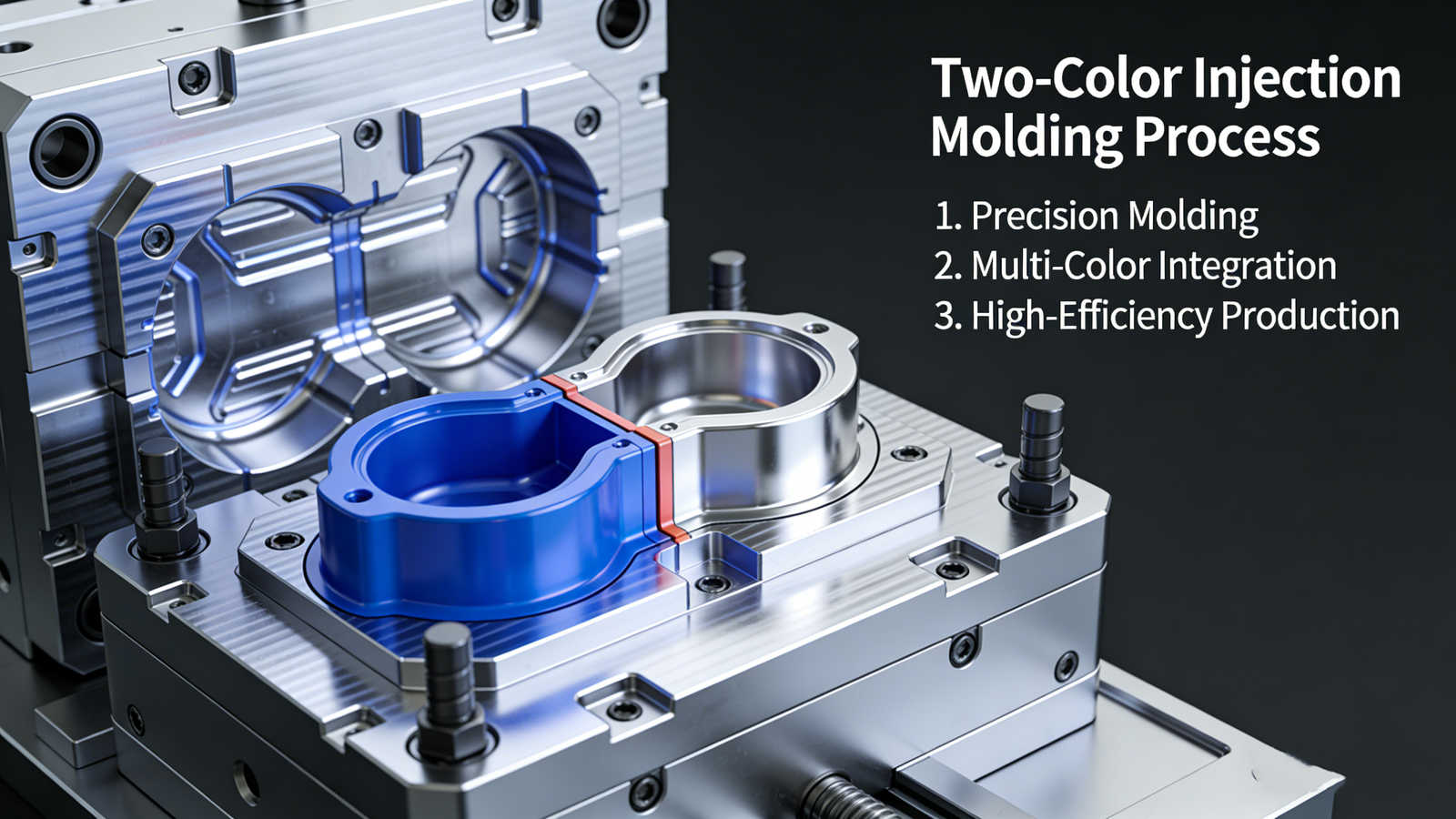
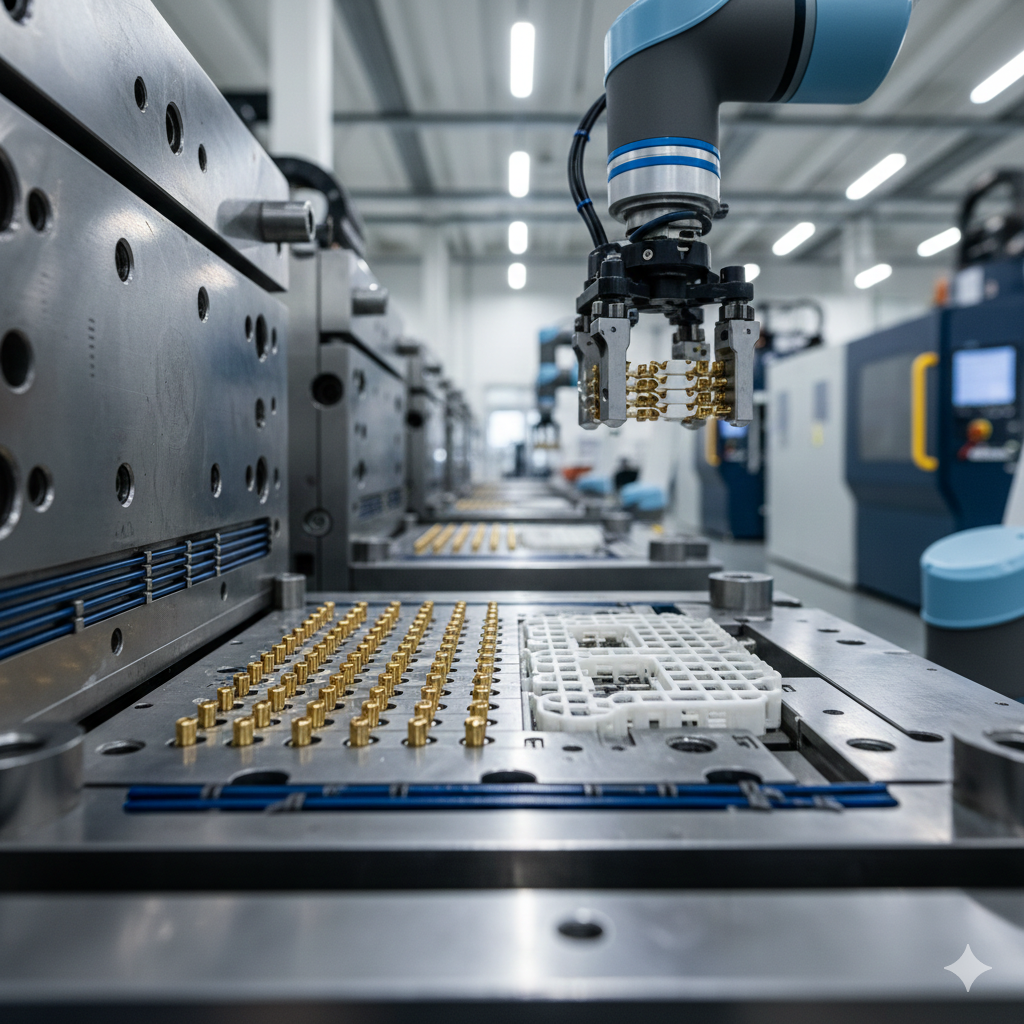
In injection molded parts manufacturing, two-color injection molding completes the bonding of two materials or colors within a single mold cycle, replacing secondary molding, painting, or assembly operations. This significantly shortens the production chain and reduces work-in-progress handling and labor dependency, while also improving appearance consistency. With properly designed molds and controlled process windows, two-color molding achieves process consolidation without increasing part-level complexity. In Xiamen Ruicheng’s projects, the coordinated use of two-color injection molding and injection molding processes has proven effective in shortening lead times.
Process integration: One molding cycle replaces multiple downstream operations, minimizing transfer and waiting time.
Yield stability: Eliminating secondary assembly reduces dimensional and cosmetic variation.
Cycle predictability: Production rhythm is defined by a single molding cycle.
Operational simplification: Fewer outsourced or post-processing steps reduce management complexity.
🚀 Reducing processes at the source is the first step toward unlocking capacity.
What Role Does Two-Color Injection Molding Play in Capacity Improvement?
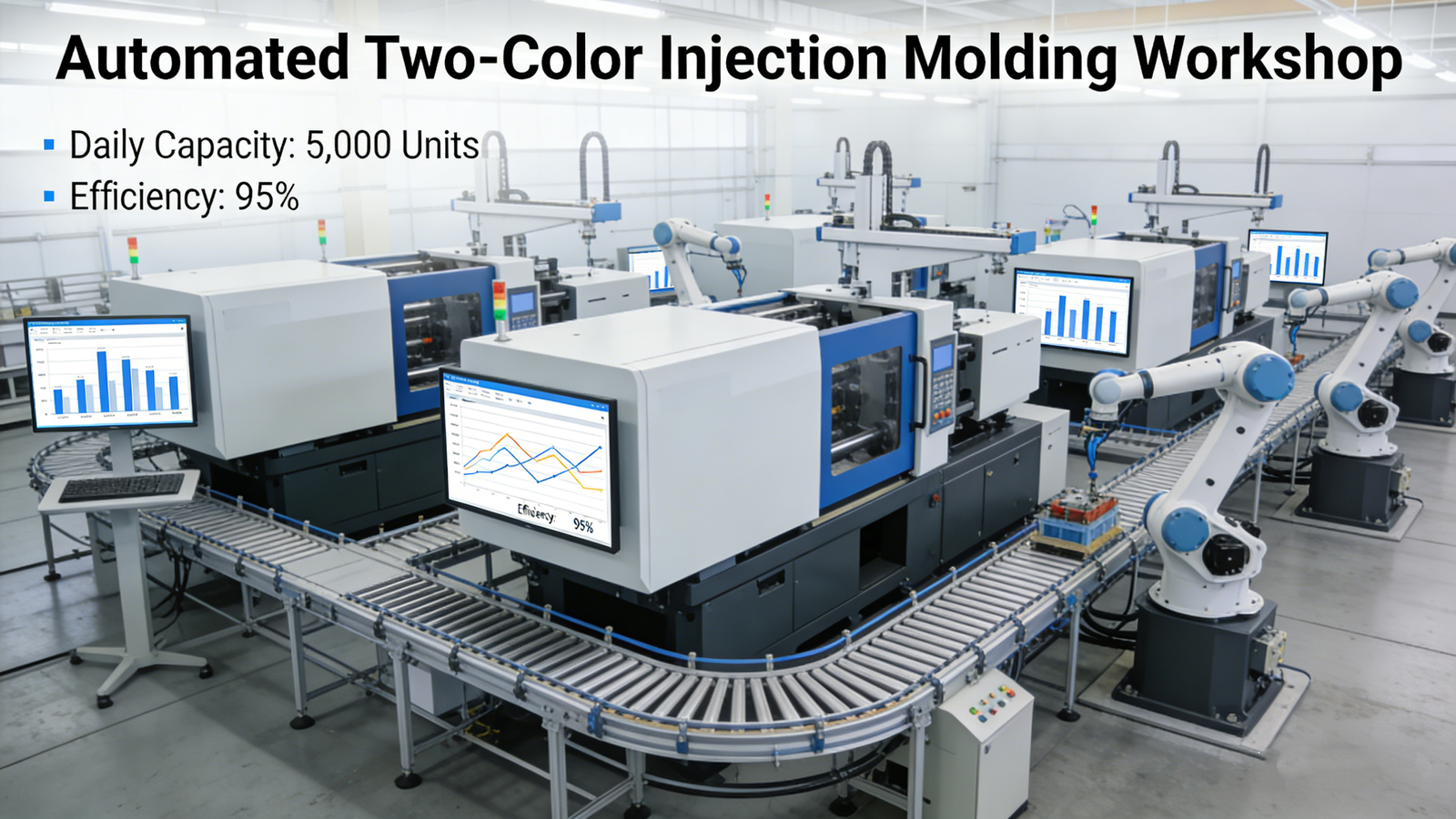
As production goals shift from “manufacturable” to “consistently high-efficiency,” the impact of process selection on capacity becomes increasingly evident. Two-color injection molding shortens total manufacturing time per unit and improves machine utilization while reducing downtime risks caused by multi-process coordination. In high-output environments, process stability often contributes more to real capacity than marginal cycle-time reductions. At Xiamen Ruicheng, we align two-shot molding strategies with capacity planning to ensure measurable output improvements.
Cycle compression: Less non-value-added time allows machines to focus on effective molding.
Reduced fluctuation: Fewer processes result in more stable production rhythms.
Scalable output: Higher daily output achieved with the same equipment footprint.
Risk control: Fewer interfaces reduce uncertainty in mass production.
📈 True capacity growth comes from stable and repeatable production cycles.
How Can Buyers Evaluate Whether Two-Color Injection Molding Fits Their Product?
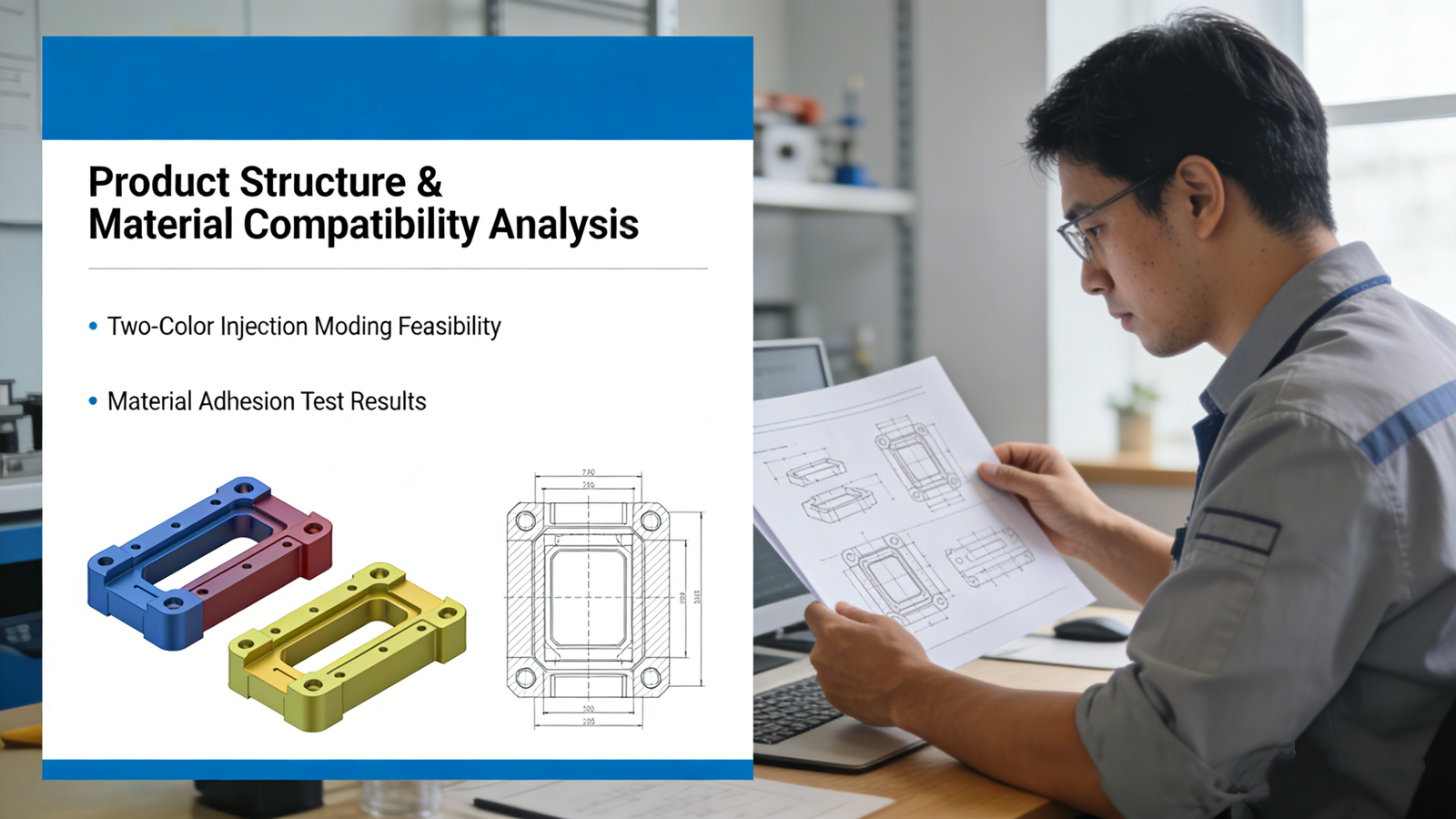
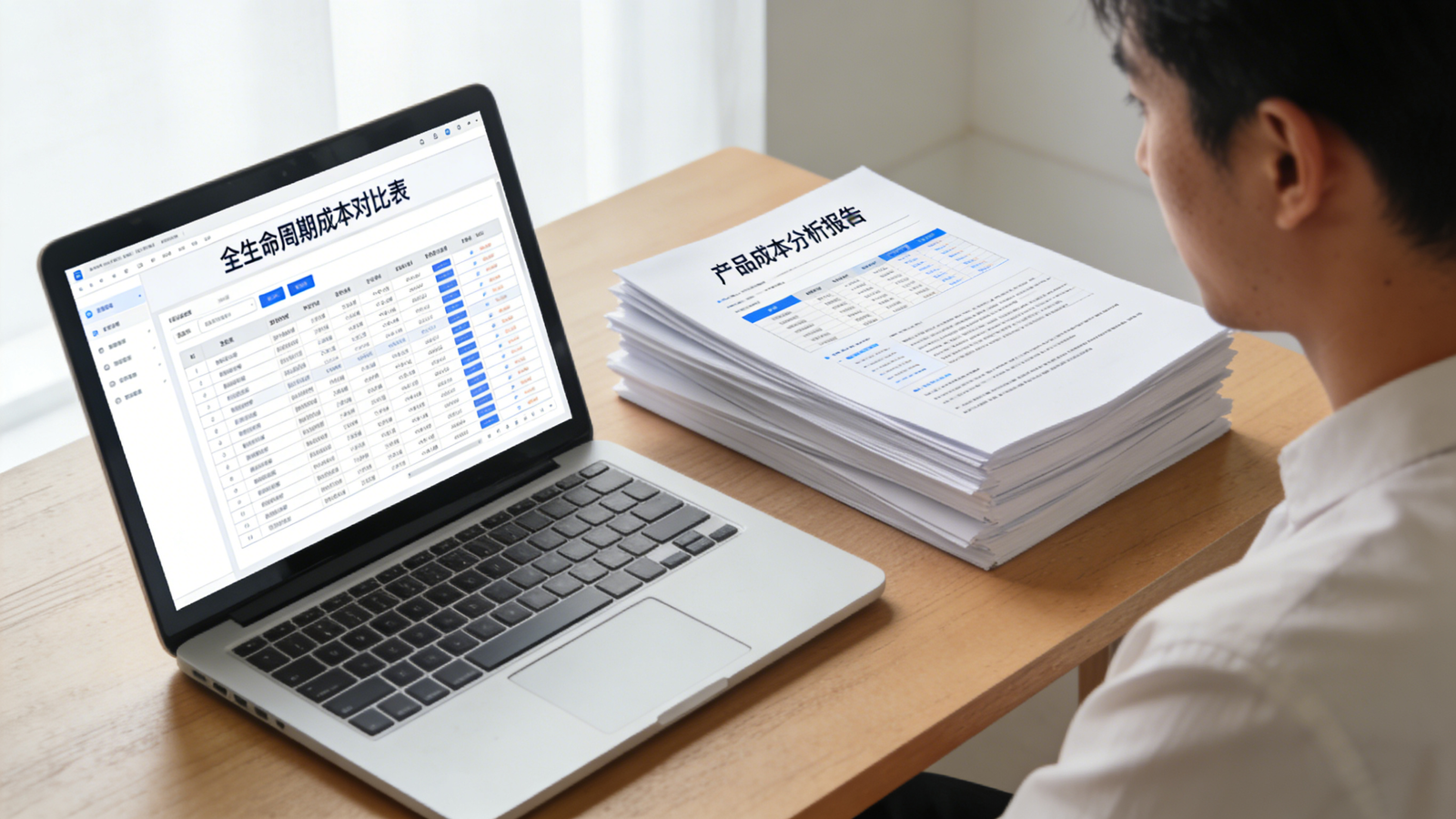
Not all products are suitable for two-color injection molding; feasibility depends on structure, material compatibility, and production volume. Buyers focusing solely on piece-part cost may overlook hidden benefits of process integration, which often determine long-term competitiveness. Evaluating molding solutions from a full lifecycle perspective is essential to understanding their true capacity and cost impact. Xiamen Ruicheng supports early-stage decision-making through material compatibility analysis and mold design feasibility reviews.
Structural suitability: Whether the part requires integrated multi-material or multi-color features.
Volume justification: Whether production scale offsets tooling and process investment.
Quality objectives: Whether consistency in appearance and performance is critical.
Lead-time sensitivity: Whether stable and predictable delivery is required.
🧠 The right process choice always starts with real production needs.
Two-Color Injection vs. Traditional Processes
| Comparison Dimension | Single-Color + Secondary Ops | Two-Color Injection Molding | Capacity Impact | Decision Value |
|---|---|---|---|---|
| Number of processes | High | Low | High | High |
| Labor dependency | High | Low | Medium | Medium |
| Yield variation | Unstable | Stable | High | High |
| Lead-time control | Moderate | Strong | High | High |
Need a clearer evaluation for your specific product? Feel free to reach out to us at any time, contact us
From Process Selection to Decision Partnership
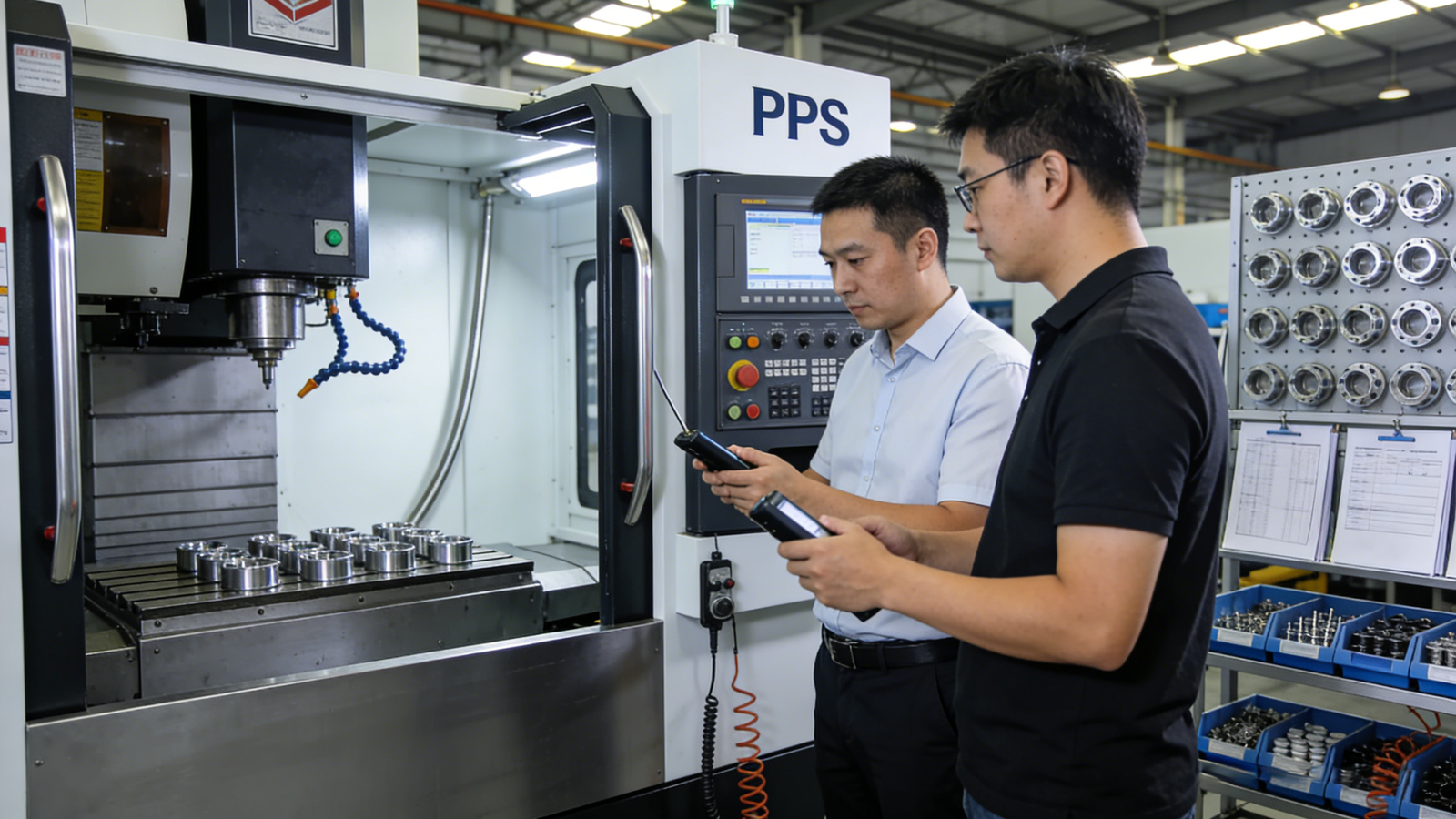
In practice, Xiamen Ruicheng focuses on supporting customers in making manufacturable and scalable process decisions rather than simply recommending a technology. By evaluating two-color injection molding within the context of the customer’s entire production line and supply chain, we help clarify its real impact on capacity, quality, and cost. This shift from “can it be done” to “is it worth doing” defines true decision partnership.
1.Requirement clarification: Align product goals with manufacturing constraints.
2.Solution comparison: Quantify the overall impact of different process routes.
3.Risk assessment: Identify mass-production uncertainties early.
4.Continuous optimization: Fine-tune process windows during ramp-up.
Frequently Asked Questions (FAQ)
Question: What is the core advantage of your two-color injection molding service?
Answer: We integrate mature mold design and process control to enable multi-material molding in a single cycle, reducing steps and stabilizing capacity output.
Question: What information is required for an initial quotation and feasibility review?
Answer: Basic drawings, target material combinations, and estimated volumes allow us to provide a tailored process assessment and timeline.
Question: How do delivery times vary by order volume?
Answer: Xiamen Ruicheng operates flexible capacity planning to support both pilot runs and mass production efficiently.
Question: How are quality deviations handled after mass production begins?
Answer: We apply clear inspection criteria and rapid response mechanisms to ensure issues are resolved promptly.
Question: Can existing products be upgraded to two-color injection molding?
Answer: Feasibility depends on structure and materials, and we provide early-stage technical evaluations to support this decision.
Conclusion
Two-color injection molding is not merely a process upgrade but a systematic approach to simplifying manufacturing pathways. By reducing steps, stabilizing cycles, and minimizing uncertainty, it provides a solid foundation for sustainable capacity growth. When process decisions align with business objectives, manufacturing efficiency becomes a true competitive advantage. Xiamen Ruicheng is committed to acting as a long-term decision partner throughout this journey.
For expert assistance in implementing for your production needs, visit our resource center or contact us. Let’s help you scale up your manufacturing with precision and efficiency!