Introduction
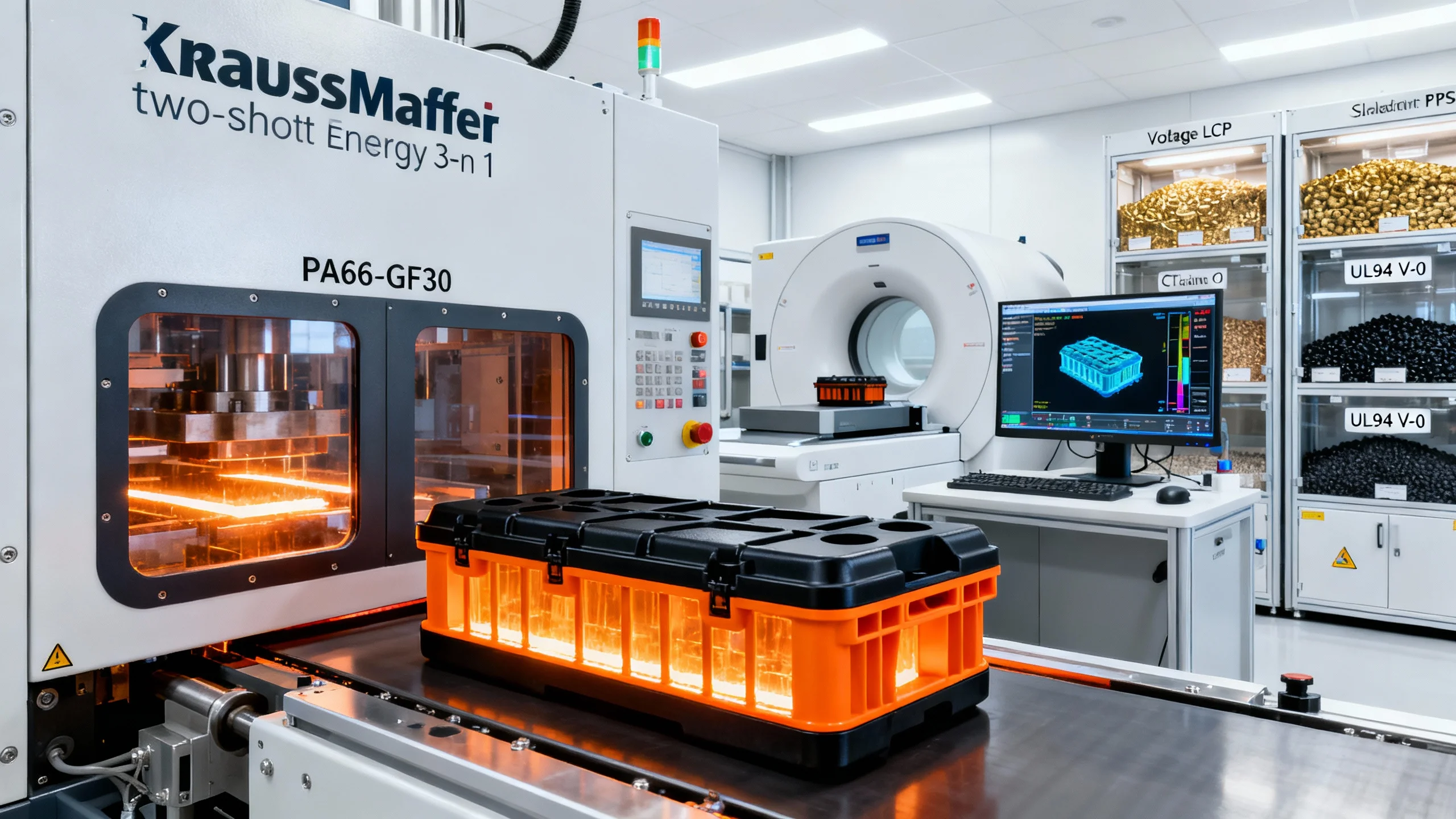
In NEV three-electric systems, injection-molded components play critical roles in protection, insulation, structural support, and functional integration, and the material selection directly affects long-term safety and durability. When design and material planning are synchronized early, components achieve higher stability and reliability. Xiamen Ruicheng supports this with integrated structural and material optimization for faster mass-production readiness.
As the power density of three-electric systems increases, injection parts must withstand heat, humidity, voltage stress, and mechanical loads while maintaining lightweight performance. Correct material formulation and tooling strategy significantly reduce risks and improve manufacturing consistency. Ruicheng’s full-process injection solutions streamline development from concept to mass production.
How should material properties be matched for three-electric injection components?
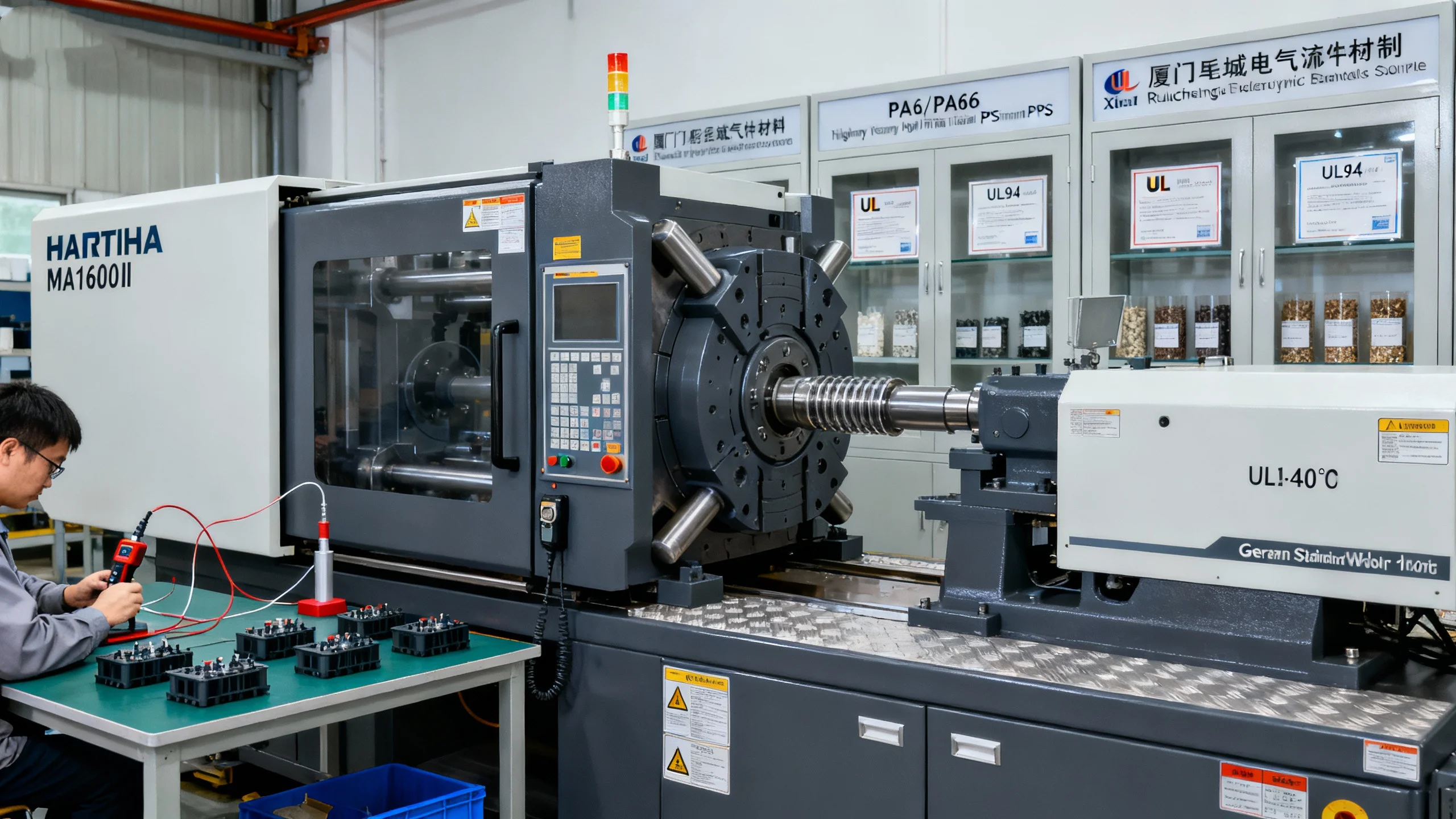
Three-electric components require strict electrical strength, thermal stability, and flame-retardant performance, and long-term reliability depends heavily on material consistency. Materials must remain stable under high temperature, humidity, and electrical stress. Xiamen Ruicheng maintains a UL-certified material library to help customers rapidly identify suitable options with sample validation support.
- UL94 Flame Rating: Helps ensure vehicle-level compliance quickly.
- PA6/PA66 Solutions: High strength for structural parts.
- Electrical Arc-Resistant Formulations: Improves safety in HV regions.
- High-Temp PPS Options: Suitable for ECU thermal zones.
😊 Proper material matching determines the base safety and lifespan of three-electric components
How should structural strength be evaluated for three-electric components?
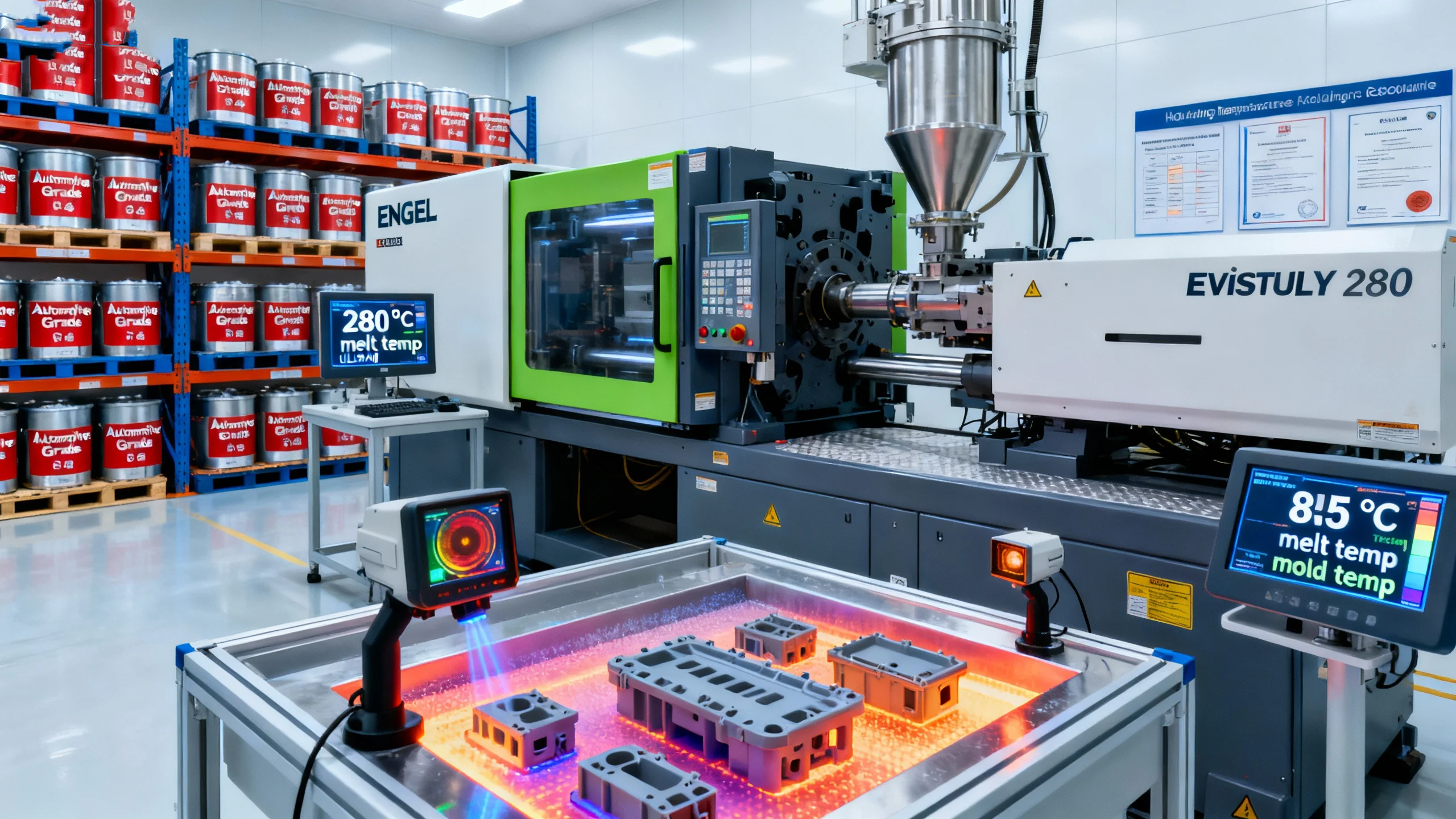
Three-electric injection parts must endure vibration, thermal expansion, and long-term mechanical loads, requiring well-balanced wall thickness, ribs, and force-bearing layouts. Optimizing structure enhances strength while reducing molding defects. Ruicheng provides DFM + CAE simulation to validate reliability before mass production.
- CAE Reliability Review: Identifies structural weaknesses early.
- Rib Design Guidelines: Boost deformation resistance.
- Load Point Optimization: Minimizes crack or warp risks.
- Flow Direction Control: Ensures uniform filling and stability.
🔧 A stable structural design ensures long-term mechanical reliability for NEV three-electric systems
How can thermal resistance and environmental compliance be balanced?
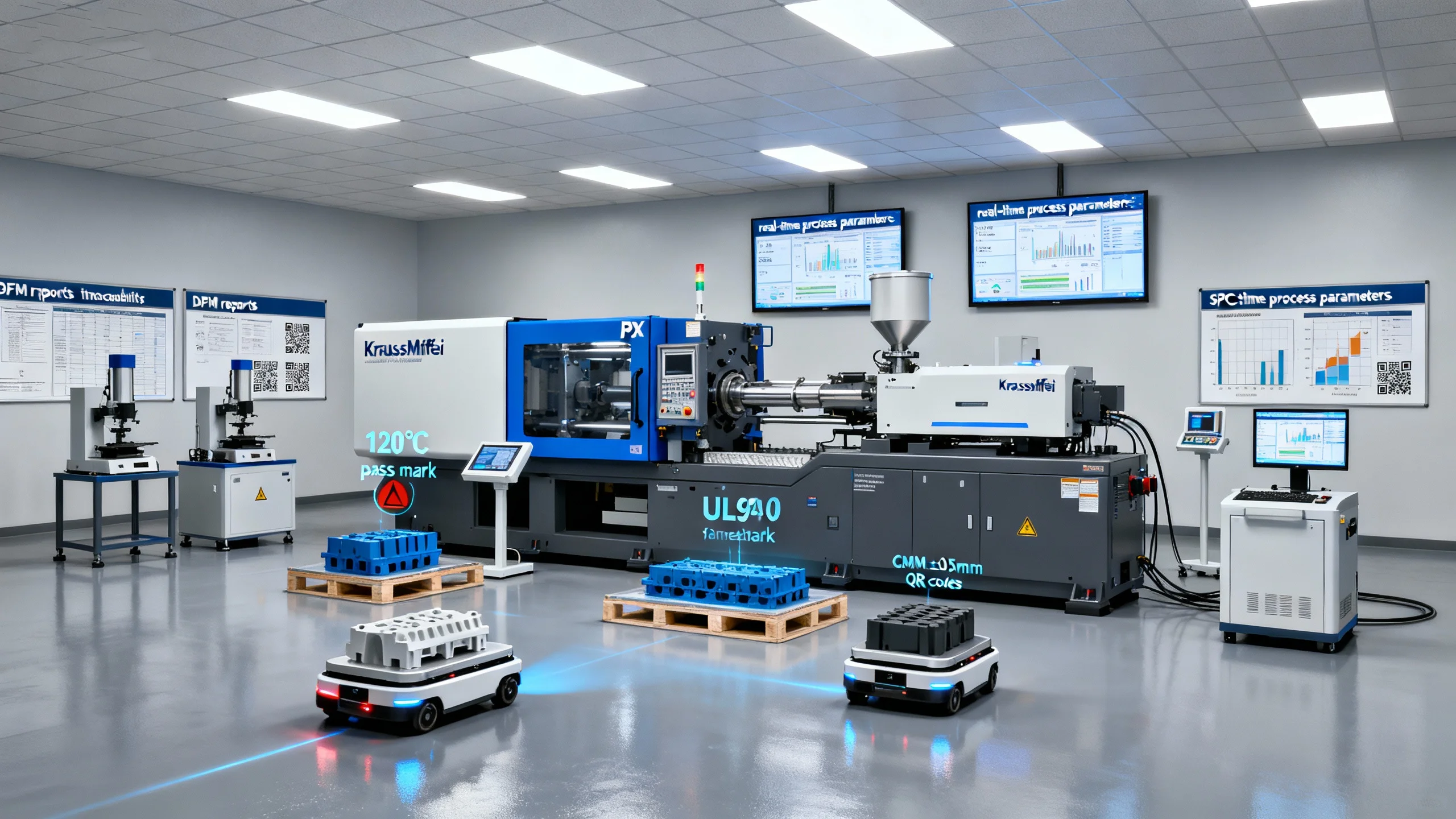
Three-electric components face high-temperature environments and strict environmental regulations such as RoHS/REACH, requiring materials that meet both demands. Balancing regulatory compliance with thermal performance is the core of material selection. Ruicheng ensures traceable, automotive-grade materials with proven heat and environmental stability.
- Automotive-Grade Heat Rating: Ensures safe operation in hot zones.
- Eco-Compliant Materials: Reduces risk during certification.
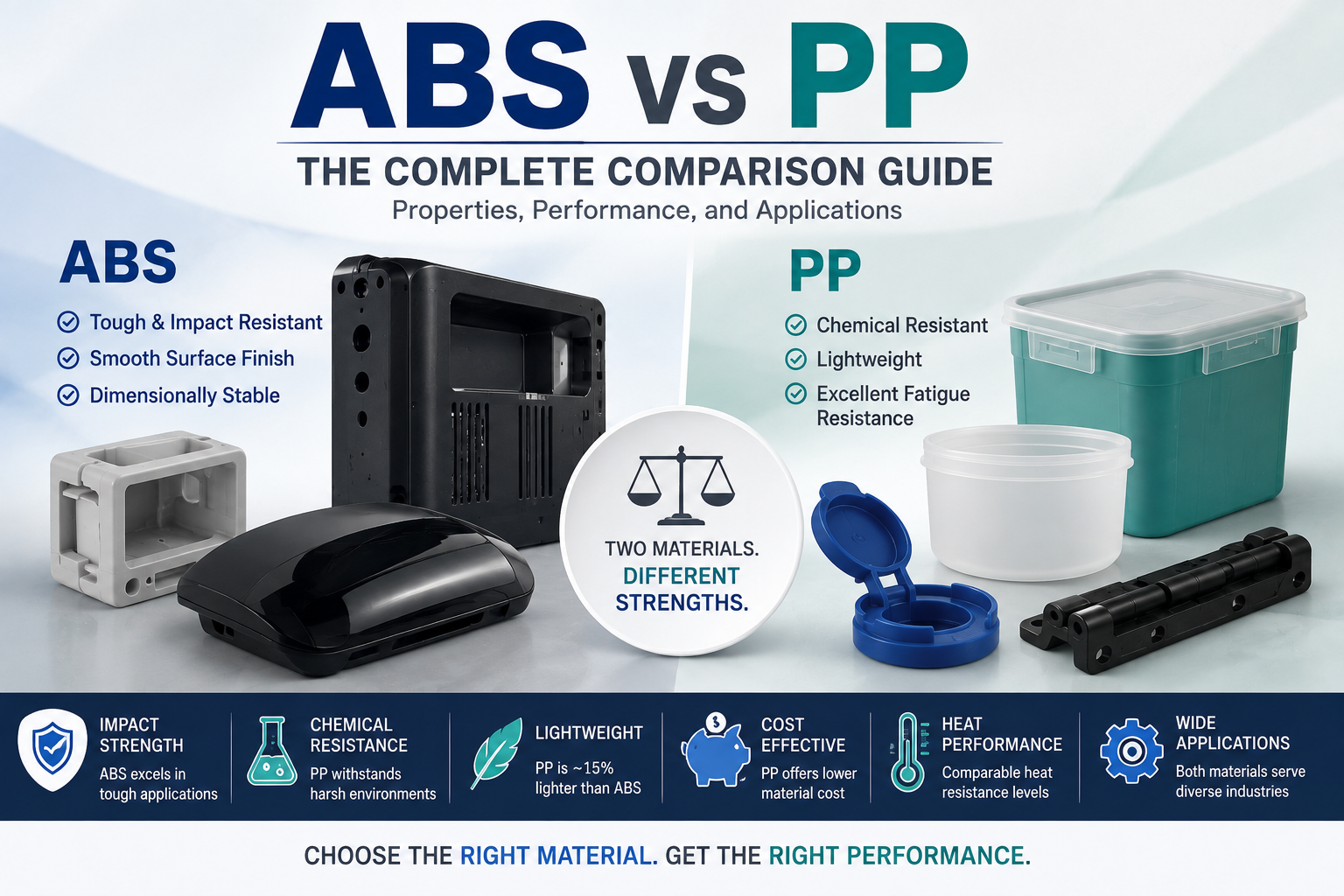
- High-Stability PC+ABS: Ideal for ECU housings.
- Corrosion-Resistant Formulations: Withstands moisture and salt-spray stress.
🔥 Meeting both eco-compliance and thermal requirements is essential for entering vehicle platforms
Comparative Overview of Four Material Types for NEV Three-Electric Injection Components
| Material | Heat Resistance | Flame Rating | Electrical Strength | Mechanical Strength | Eco Compliance | Cost Level | Processing Stability |
|---|---|---|---|---|---|---|---|
| PC+ABS | Medium | V0 | Medium | Medium | ✔ | Medium | High |
| PA66+GF | Medium-High | V0 | High | High | ✔ | Medium | Medium |
| PPS | High | V0 | High | High | ✔ | High | Medium |
| LCP | Very High | V0 | Very High | Medium | ✔ | High | Medium-High |
Want to know which material best fits your component? Feel free to contact us.
How Manufacturing Solutions Enhance Reliability in Three-Electric Components
In three-electric systems, the chosen molding strategy influences product quality and long-term operational stability. Process optimization reduces weld lines, warpage, and voids, enabling parts to perform reliably in harsh environments. Xiamen Ruicheng ensures stable quality through automation, in-line inspection, and traceable production control.
- Optimized Wall-Thickness Design: Reduces shrinkage and warpage.
- Mold-Temp Management: Improves stability for crystalline materials.
- Flow-Channel Optimization: Enhances filling consistency.
- Surface-Quality Control: Ensures uniform appearance for housings and covers.
FAQ
Q1: What are the core quality criteria for NEV three-electric injection components?
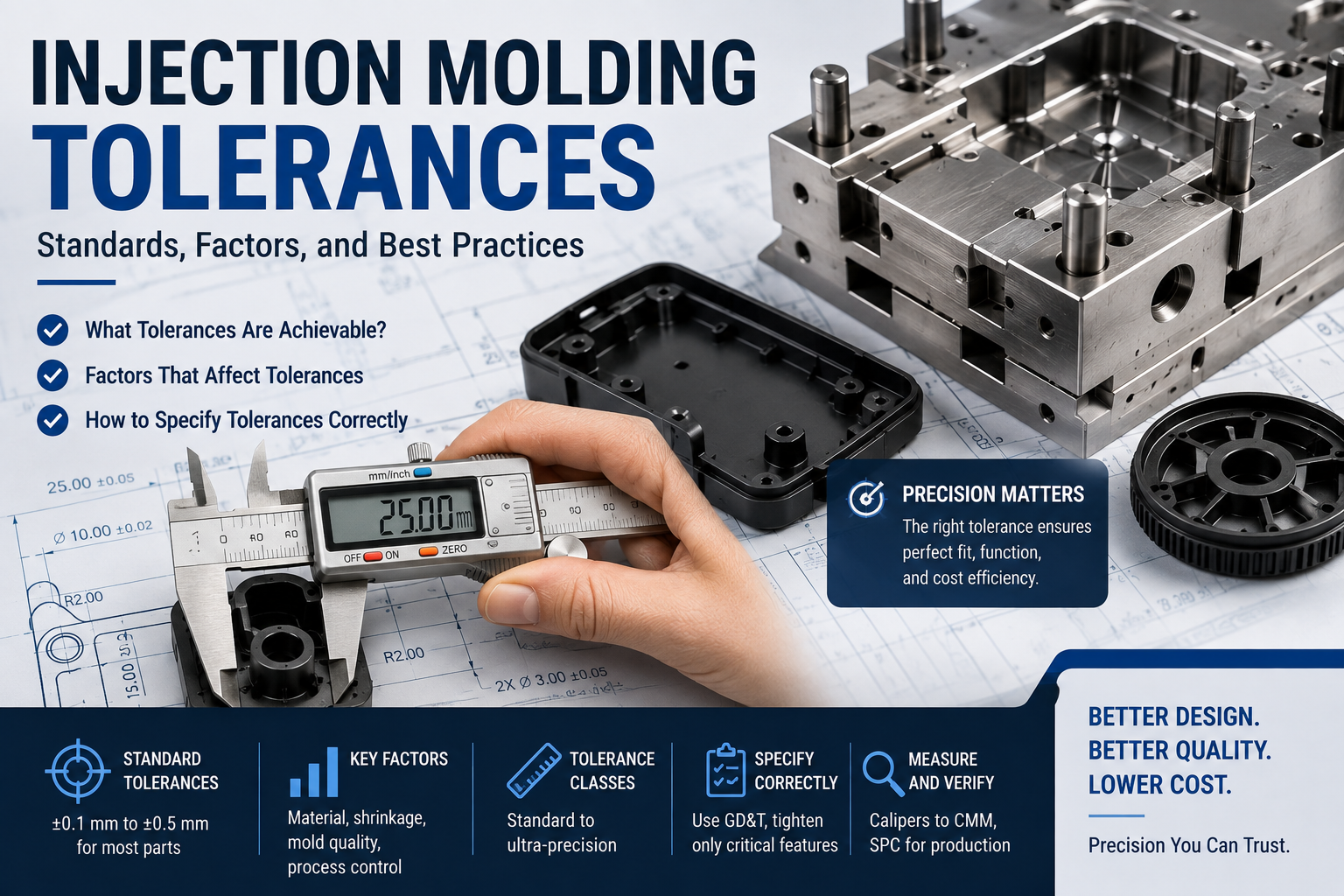
A: Thermal resistance ≥120°C, UL94 V0, ±0.05 mm tolerance, plus electrical and durability verification.
Q2: How can I connect with a supplier and get a quotation?
A: Submit 3D files and material needs; Ruicheng provides DFM + quotation within 12 hours with sample support.
Q3: What is the MOQ and delivery timeline?
A: MOQ starts at 200 pieces; mass production cycles are 7–15 days with optional expedited service.
Conclusion
Material selection, structural strategy, regulatory compliance, and manufacturing capability must work together to ensure three-electric components achieve automotive-grade reliability. When the selection pathway aligns with process capability, risks decrease and stability increases significantly. Xiamen Ruicheng’s material library, DFM support, and automated systems help manufacturers secure consistent supply performance. Early planning ensures smoother production scaling and reduced redesign cost.
For expert assistance in implementing for your production needs, visit our resource center or contact us. Let’s help you scale up your manufacturing with precision and efficiency!