
Introduction

Selecting a qualified injection mold supplier is one of the most critical decisions before launching any tooling project. Poor supplier vetting often leads to mold rework, extended lead‑times, dimensional non‑conformities and unexpected extra costs throughout product development. A complete pre‑tooling audit helps buyers filter high‑risk vendors and lock in reliable manufacturing partners. The audit work covers desk review, remote verification and on‑site inspection rather than only reviewing sales brochures or formal certificates. Buyers should align audit checkpoints with their own part specifications, material requirements and expected production volumes to avoid generic, ineffective evaluation. Every audit item should be supported by objective evidence instead of verbal commitments from the supplier. Pre‑qualification screening can eliminate most unqualified candidates before you invest time and budget for factory visits.
What Pre‑Desk Audit Steps Should You Complete Before Tooling?

Buyers shall collect and validate supplier documents at the desk audit phase to rule out obvious mismatches before scheduling site visits. You need to request business registration records, full equipment inventory, valid quality certificates and past‑project references for similar molded parts. Suppliers that hesitate to provide real data and only deliver marketing materials are high‑risk candidates. You should cross‑check claimed machine tonnage, tool‑room equipment and customer cases against public information and project samplesquality certificationinjection mold equipment. Document Review: You should cross‑validate business scope and operating years from official enterprise registration platforms to exclude shell trading companies.
Reference Check: You can contact several reference clients in the same industry to learn about their real experience with mold delivery and after‑sales support.
Requirement Alignment: You shall send your 2D/3D drawings, tolerance standards and material specification in advance so the supplier can give targeted DFM feedback.
Risk Pre‑screening: You should mark red flags such as abnormally low quotations and unrealistic lead‑time promises for further confirmation in follow‑up audits.
🔍 Complete desk audit can filter most risky vendors before any deposit payment.
What Core Factory Capabilities Need to Be Audited for Mold Making?
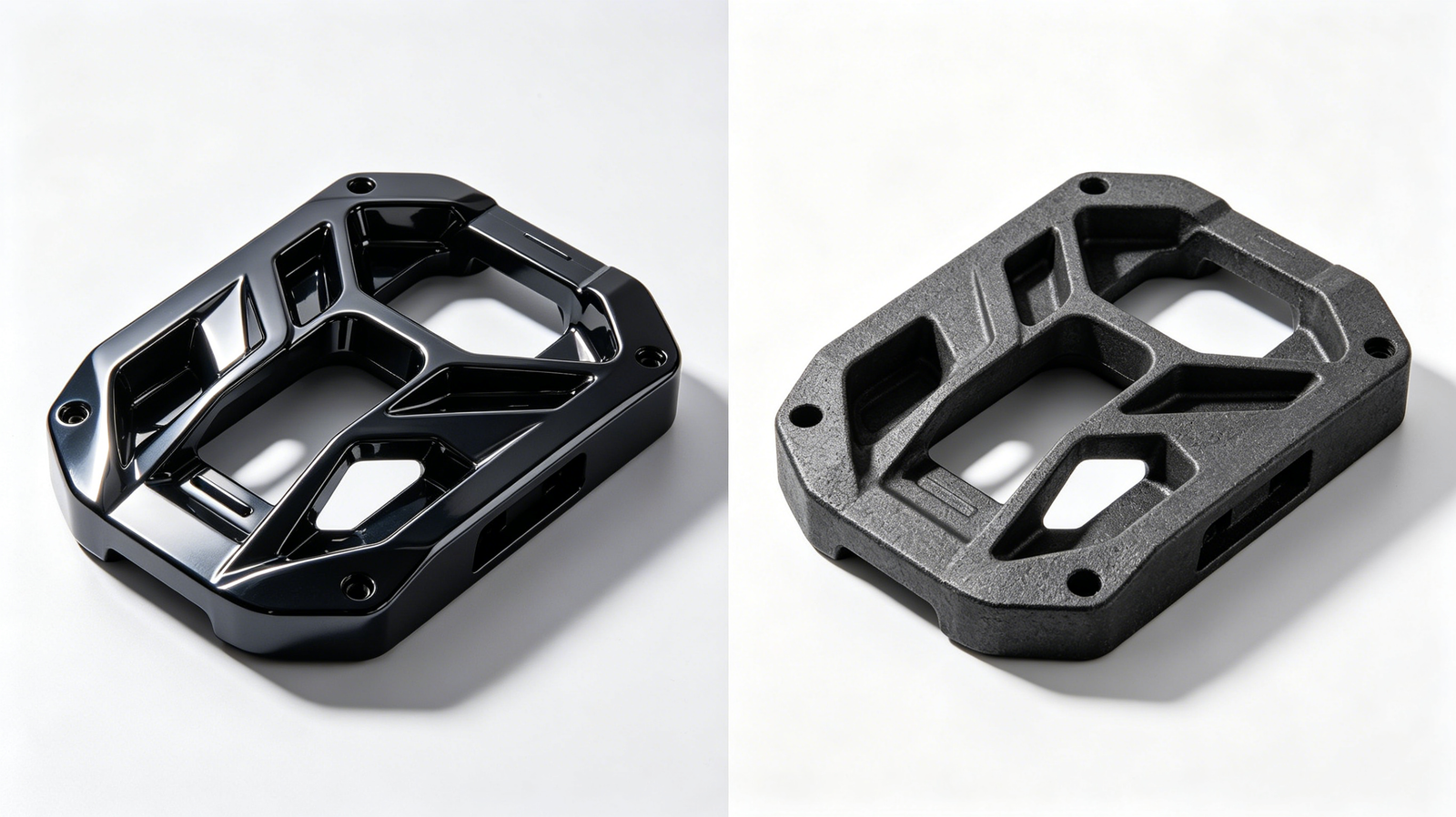
On‑site or live‑video audit focuses on real tool‑room infrastructure, machining equipment status and in‑house mold‑building workflow. Many suppliers outsource core mold processing to third‑party workshops, which will cause uncontrollable quality and schedule risks. In‑house complete tool‑making capacity significantly improves traceability and modification efficiency for injection molds. You need to inspect CNC milling, EDM, wire‑cut machines, mold trial presses and measuring devices on the production floorin‑house toolingCMM inspection.
Tool‑room Equipment: You should check equipment age, maintenance logs and actual running status instead of only reading the equipment list on paper.
Mold Steel Management: You need to confirm traceable steel material certificates and heat‑treatment records for core and cavity inserts.
Mold Trial Capacity: You should verify whether available injection presses match your part clamping‑tonnage requirements for T1‑T3 sampling.
Manpower Competence: You can communicate directly with mold designers and fitters to evaluate their understanding of your critical part features.
⚙️ Real tool‑room hardware and skilled personnel determine the baseline of your final mold quality.
How to Audit Quality System & Intellectual Property Protection Before Tooling?

A formal ISO certificate does not equal real‑world quality execution; buyers need to trace actual inspection records and process documents on site. IP leakage risk is another major hidden trouble when custom‑building injection molds, including unauthorized reuse of your CAD data and part geometry. Clear contract clauses and strict file‑management rules are essential to protect your project intellectual assets. You should review first‑article inspection reports, incoming material QC records and NDA implementation statusISO 9001NDA agreement.
Quality Process Execution: You should spot‑check real FAI and dimensional inspection reports rather than accepting template‑style sample documents.
Calibration Status: You need to confirm regular calibration certificates for CMM, micrometers and other measuring instruments.
IP File Security: You shall confirm CAD files are stored in password‑protected internal servers instead of personal workstations or public cloud drives.
Tool Ownership Clause: You must make sure the written contract explicitly defines that physical molds and all design source files belong to the buyer.
🛡️ Auditing quality execution and IP rules avoids post‑tooling disputes and property losses.
Key Audit Items for Injection Mold Supplier Pre‑Tooling Evaluation
| Audit Item | Qualified Supplier | High‑Risk Supplier | Focus Point |
|---|---|---|---|
| Tool‑room Source | Complete in‑house mold‑making | Heavy outsourcing to unknown sub‑factories | Processing traceability |
| Quality Evidence | Verifiable real‑project inspection records | Only framed certificates, no actual test data | On‑site record spot‑check |
| IP Management | Signed NDA, server‑based file storage | Share design files with third‑parties without consent | Mold ownership contract text |
| Quotation Detail | Break‑down cost for steel, machining, trials | Vague one‑line price, missing scope of work | Cost transparency & milestone terms |
If you want a full‑score audit template and customized pre‑tooling risk assessment, please contact us.
Practical Guidance for Smooth Pre‑Tooling Supplier Audit
Buyers need to build a simple scoring matrix to record every audit finding and distinguish fixable minor gaps from fatal structural mismatches. You should carry your part drawings and key characteristic list during the audit and ask the supplier targeted technical questions linked to your potential molding defects. Do not pass a supplier only based on impressive showroom tours without checking real production workshops.
1.Audit Scorecard: You should assign weighted scores for each audit checkpoint and record objective evidence for every item.
2.Gap Classification: You shall separate minor fixable defects from fatal capability mismatches that cannot be improved in short‑term.
3.Corrective Requirement: You need to write clear rectification requirements with deadlines for qualified suppliers with minor gaps.
4.Final Go‑No‑Go Decision: You should make tool‑award decisions only after all critical audit items get satisfactory responses.
FAQ
Q: What is the core evaluation standard for injection mold supplier audit before tooling?
A: It mainly judges whether the supplier owns matched tool‑making hardware, implementable quality control process and reliable IP protection mechanism; we will combine real‑project sample data, on‑site record spot‑check and interview feedback to confirm if they can meet your tolerance, mold life and lead‑time requirements.
Q: What documents do I need to prepare to start the supplier audit quickly?
A: You need to provide 2D / 3D product drawings, critical dimension list, material grade, expected mold life, annual production volume and special regulatory requirements; these materials help suppliers give targeted replies and help you complete audit comparison more efficiently.
Q: For different order volumes, are there different audit standards for mold suppliers?
A: For small‑batch prototype molds, remote video audit and document review can be adopted; for mass‑production tooling with high investment, on‑site factory audit is strongly recommended; large‑volume projects also need to focus on supplier’s spare‑capacity and mold‑maintenance service capability.
Q: What should I do if non‑conformities are found during pre‑tooling audit?
A: You need to classify non‑conformities by risk level; for minor gaps, require the supplier to submit rectification plans and time schedules; for fatal capability mismatches, terminate cooperation intention before paying any tooling deposit.
Q: Can the supplier provide customized mold‑making solutions according to my special product requirements?
A: Qualified suppliers support customized schemes for special tolerance, special surface requirements and special material molding; you need to fully communicate your working‑condition constraints in advance, and they will output DFM analysis and mold‑structure suggestion within 3‑5 working days.
Conclusion
A systematic pre‑tooling audit prevents most costly mold‑project failures caused by improper supplier selection. It is not enough to rely on quotations and marketing materials; objective evidence collection and on‑site verification play decisive roles in vendor evaluation. Classifying audit findings and setting clear rectification conditions helps you pick a stable long‑term mold‑manufacturing partner. Investing sufficient effort in pre‑tooling audit will greatly reduce later mold rework, delay and unexpected cost risks for your whole product development cycle.
For expert assistance in implementing for your production needs, visit our resource center or contact us. Let’s help you scale up your manufacturing with precision and efficiency!