Introduction
Durable injection molded parts are widely used in automotive components, medical devices, industrial equipment, and consumer electronics where long-term reliability is critical. These parts must maintain stable performance under temperature changes, mechanical stress, and continuous operation rather than only meeting initial inspection requirements. For engineering teams and buyers, supplier testing capability has become an important factor when evaluating manufacturing reliability. High-quality injection molded parts are defined by long-term performance consistency, not only by passing initial inspections.
At Xiamen Ruicheng, we provide precision injection molding solutions for global customers by developing verification plans based on product application requirements, material characteristics, and expected service life. Compared with suppliers who only focus on appearance and dimensional inspection, a complete testing process helps identify potential failure risks before mass production. Reliable testing data enables product teams to reduce manufacturing risks and build a more stable supply chain.
What Tests Should Suppliers Provide for Durable Injection Molded Parts?
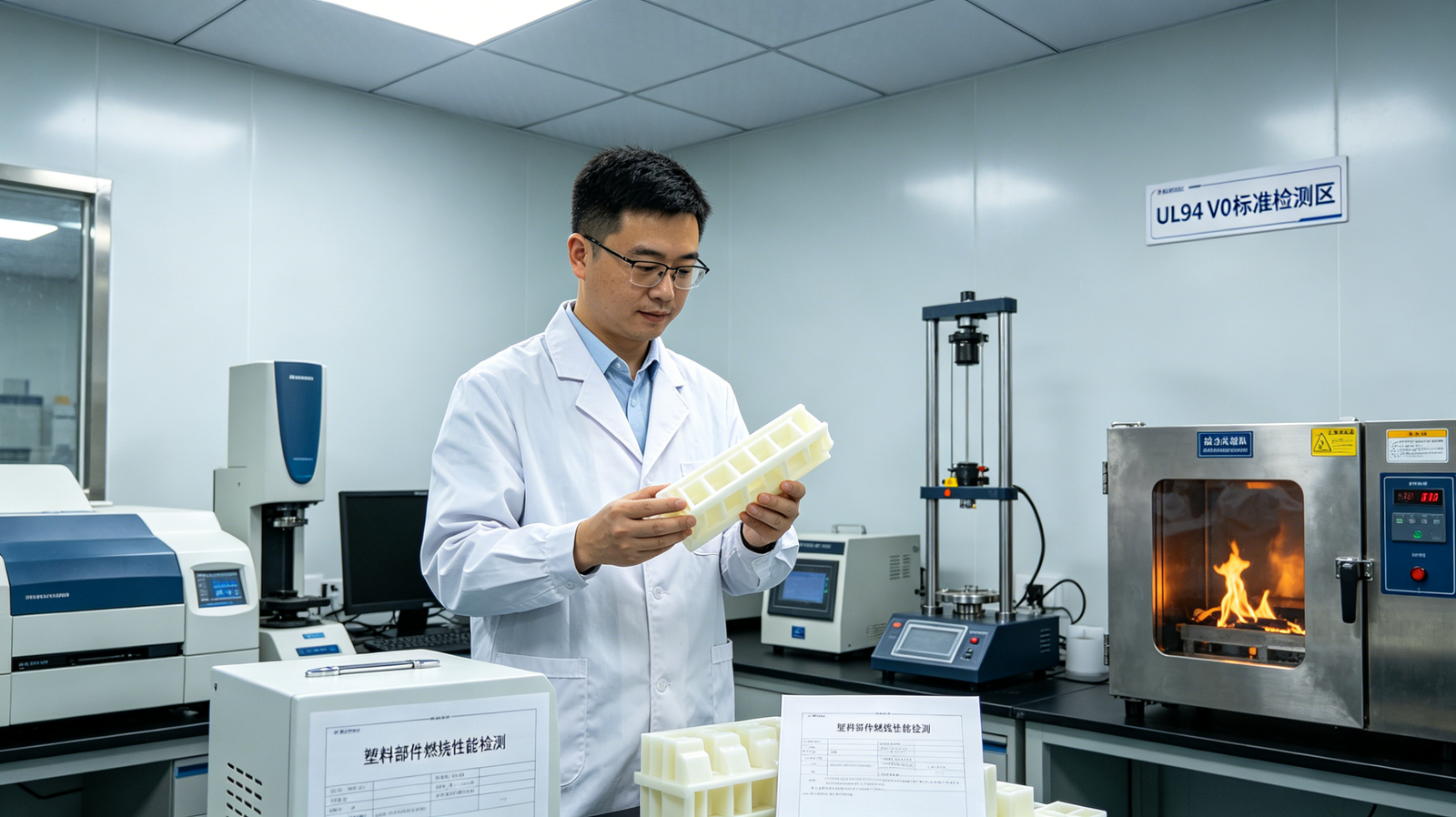
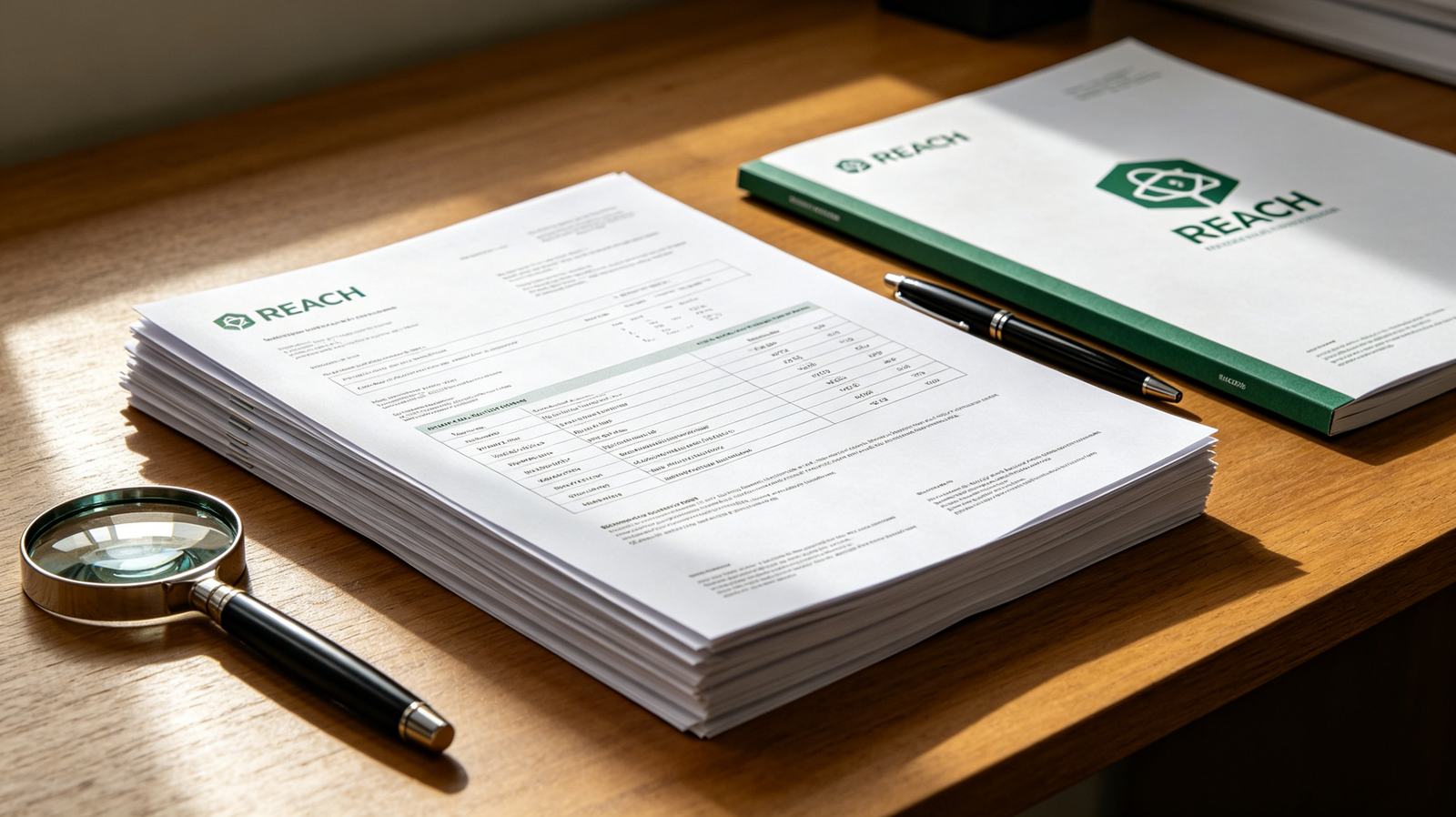
Durable injection molded parts require comprehensive validation covering material properties, structural strength, environmental resistance, and long-term performance. A supplier should not rely only on visual inspection or basic dimensional checks because many failures appear after extended usage. Xiamen Ruicheng develops testing solutions according to specific applications, such as vibration and thermal cycling tests for automotive components and mechanical strength evaluation for industrial housings. A complete test report helps buyers evaluate whether a supplier has the capability to support reliable mass production.For precision injection molding projects, suppliers should provide documentation including material performance testing, dimensional inspection, environmental reliability testing, and production consistency data. These records allow engineering teams to determine whether molded parts are suitable for long-term applications.
Material Reliability Testing: Evaluates whether plastic materials maintain required mechanical and thermal properties during service life.
Environmental Durability Testing: Simulates temperature, humidity, chemical exposure, and other conditions that affect product performance.
Structural Strength Testing: Confirms whether molded components can withstand mechanical loads and prevent cracking or deformation.
Production Consistency Testing: Uses SPC and CPK analysis to monitor quality variation during mass production.
🔍 Durability testing is not only about finding defects but also about predicting potential failures before products reach the market.
How Can Suppliers Verify Material Performance for Long-Term Use?
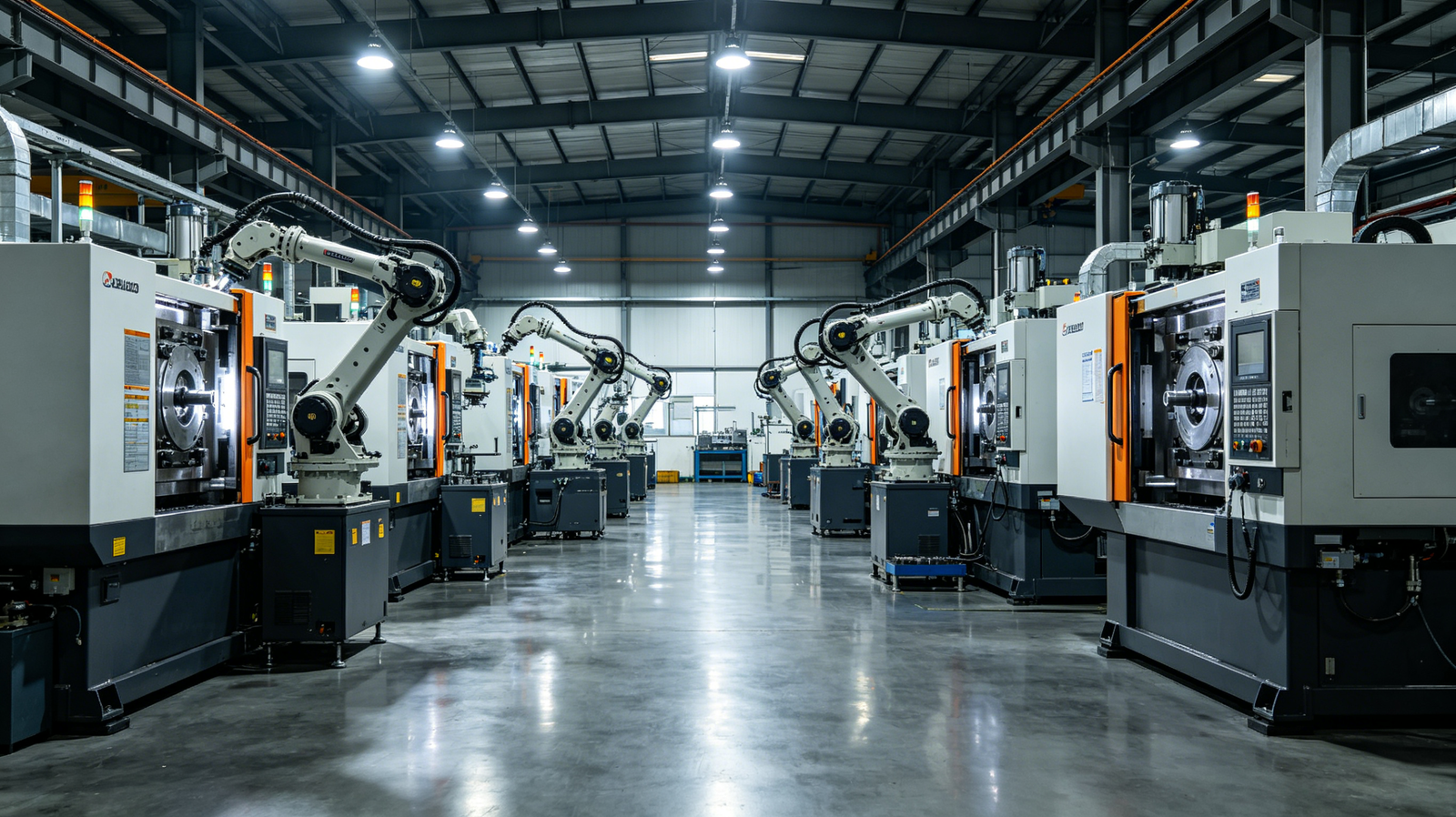
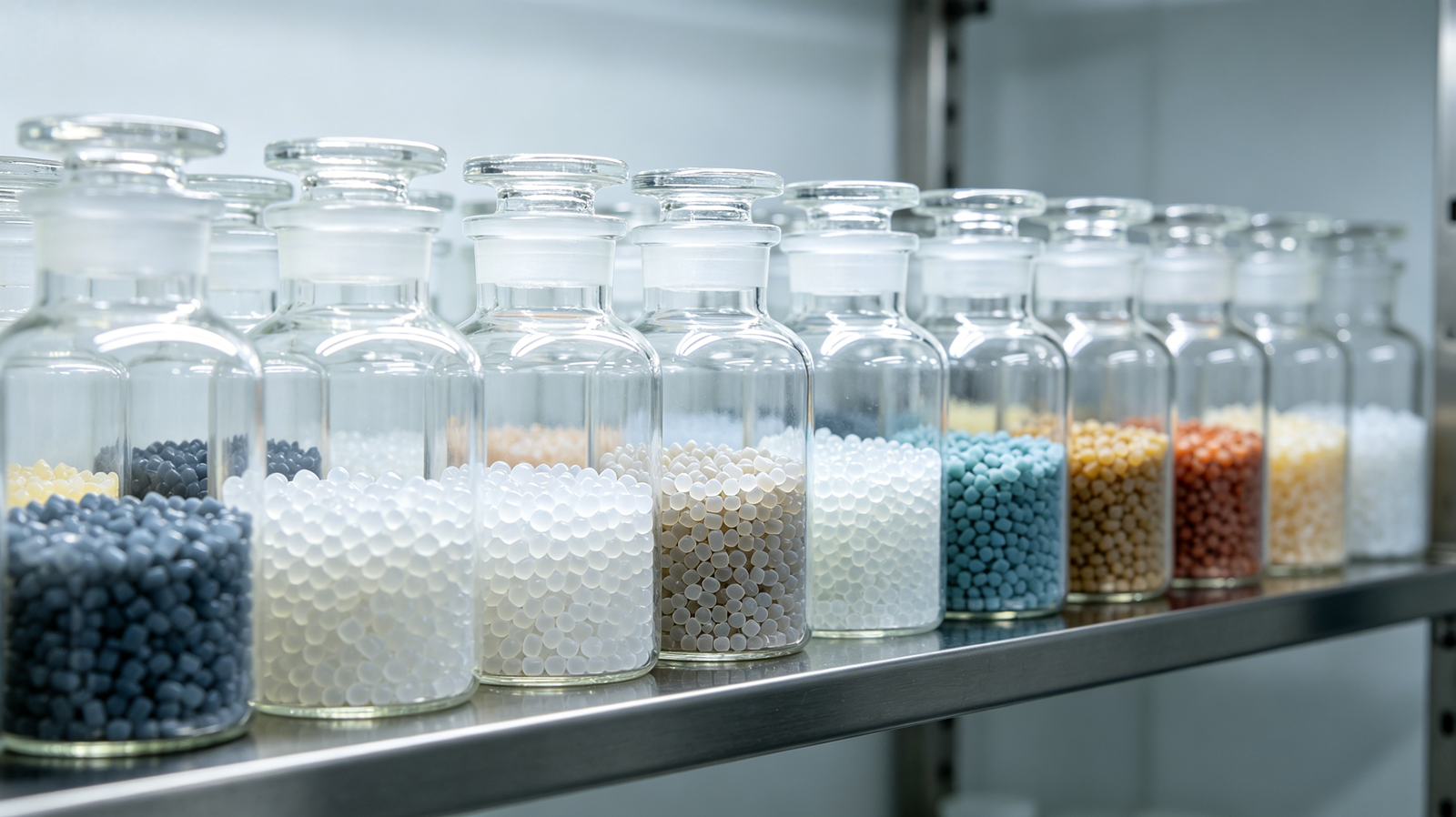
Material selection is the foundation of durable injection molded parts because different plastics provide different levels of temperature resistance, impact strength, chemical resistance, and fatigue performance. Xiamen Ruicheng works with customers to select suitable materials and verify their performance through appropriate testing methods. Material validation data provides the foundation for evaluating whether injection molded parts can operate reliably over time.For automotive, medical, and industrial applications, suppliers should provide material certifications, UL certification, thermal performance reports, and mechanical property data to ensure that selected materials meet product requirements.
Tensile Strength Testing: Determines the maximum load capacity and deformation behavior of plastic materials.
Impact Resistance Testing: Evaluates whether components can withstand sudden impact without cracking or breaking.
Thermal Performance Testing: Confirms whether materials maintain stability under high-temperature conditions.
Chemical Resistance Testing: Checks whether materials remain stable when exposed to oils, cleaners, or industrial chemicals.
🧪 Material verification helps customers avoid costly redesigns and production failures caused by incorrect material selection.
How Can Injection Molded Parts Be Verified Under Real Operating Conditions?
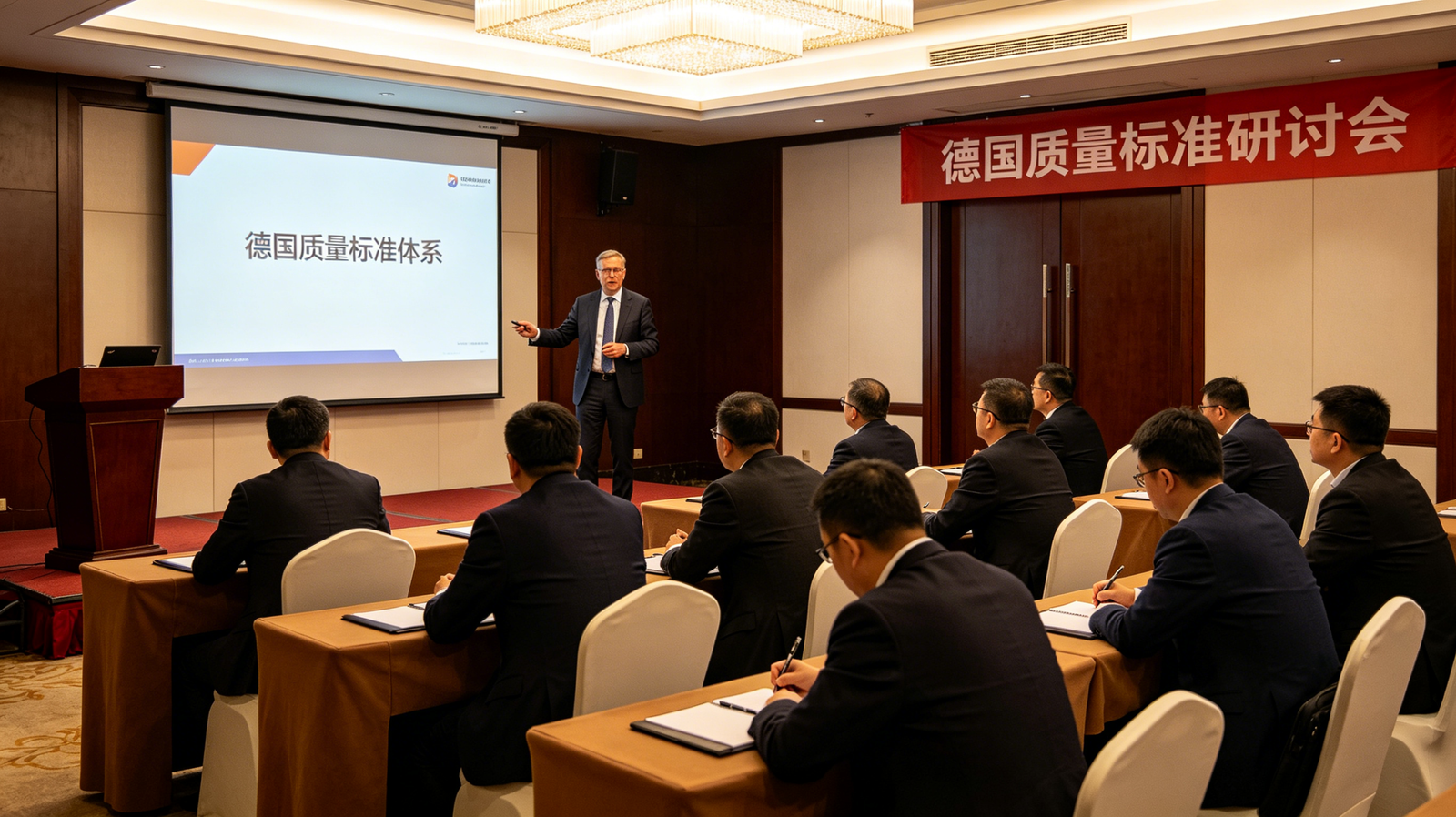
Real-world applications often involve more complex conditions than laboratory environments, making environmental testing essential for durable injection molded parts. During product development, Xiamen Ruicheng creates verification plans based on operating temperature ranges, service environments, and expected product lifespan. Automotive components may require thermal cycling and vibration testing, while outdoor equipment housings may require UV exposure and humidity evaluation. Environmental reliability testing helps identify potential product failures before large-scale production.Suppliers should combine ISO testing standards with industry-specific requirements to create reliable validation procedures and confirm long-term product performance.
Temperature Cycling Testing: Simulates repeated temperature changes to evaluate dimensional and functional stability.
Humidity Testing: Measures resistance against moisture exposure and environmental degradation.
UV Aging Testing: Evaluates long-term performance after exposure to sunlight.
Vibration Fatigue Testing: Simulates continuous mechanical stress during transportation and operation.
🌡️ Environmental reliability testing allows buyers to identify hidden risks before selecting a manufacturing partner.
Comparison of Durable Injection Molded Parts Testing Methods
| Testing Method | Main Purpose | Application | Supplier Value |
|---|---|---|---|
| Material Testing | Verify material properties | Automotive, industrial parts | Reduce material selection risks |
| Environmental Testing | Simulate operating conditions | Outdoor equipment, electronics | Identify reliability issues |
| Mechanical Testing | Verify structural strength | Housings, brackets | Improve product lifespan |
| Production Testing | Control batch consistency | High-volume manufacturing | Reduce supply risks |
If you are looking for an injection molding partner with complete testing capability and stable production performance, Xiamen Ruicheng can provide engineering evaluation and reliability solutions. Please contact us to discuss your project requirements.
How to Select an Injection Molding Supplier with Complete Testing Capability?
When selecting a supplier for durable injection molded parts, buyers should evaluate more than price and delivery time. Manufacturing reliability depends on the supplier’s ability to support the entire product lifecycle, including material selection, mold development, validation testing, and mass production control. A valuable supplier helps customers reduce development risks instead of simply manufacturing components.
- Evaluate Testing Capability:A supplier should have complete material, environmental, dimensional, and reliability testing procedures.
- Review Engineering Support:A capable supplier should provide DFM analysis and engineering recommendations during product development.
3.Verify Quality Systems:A strong quality management system ensures testing results remain consistent during production.
4.Assess Long-Term Partnership Ability:Stable production capacity, fast problem response, and continuous improvement determine long-term cooperation value.
FAQ
What testing reports should suppliers provide for durable injection molded parts?
Suppliers should provide material testing, mechanical strength testing, environmental reliability testing, and dimensional inspection reports based on product requirements. Xiamen Ruicheng develops validation plans according to customer applications and provides necessary quality data for project evaluation.
What information should buyers provide to receive a fast quotation?
Customers should provide 3D CAD files, 2D drawings, material requirements, estimated order quantity, and application environment details. Xiamen Ruicheng engineering teams review these requirements, perform DFM analysis, and recommend suitable manufacturing solutions.
How are delivery schedules managed for different order volumes?
Delivery schedules depend on tooling requirements, testing procedures, product complexity, and production quantities. Xiamen Ruicheng manages production planning to support both prototype validation and high-volume manufacturing projects.
How does the supplier handle parts that fail performance requirements?
Xiamen Ruicheng conducts root cause analysis covering materials, molds, processing parameters, and inspection procedures. After identifying the issue, we develop corrective actions and communicate solutions with customers to minimize project impact.
Can suppliers provide customized durability testing solutions?
Yes. For automotive, medical, industrial, and other applications, Xiamen Ruicheng can develop customized testing plans based on operating temperature, mechanical loads, environmental exposure, and expected product lifespan.
Conclusion
Durable injection molded parts cannot be evaluated only through appearance checks or one-time inspection results. A complete validation system covering materials, environmental performance, structural reliability, and production consistency is essential for ensuring long-term product success. Choosing a supplier with strong testing capability and manufacturing experience helps companies reduce development risks and improve product reliability.
Xiamen Ruicheng provides precision injection molding solutions supported by engineering expertise, quality control systems, and reliability validation processes. Through professional testing methods and continuous improvement, we help global customers achieve stable production from product development to mass manufacturing.
For expert assistance in implementing durable injection molded parts for your production needs, visit our resource center or contact us. Let’s help you scale up your manufacturing with precision and efficiency!