Introduction
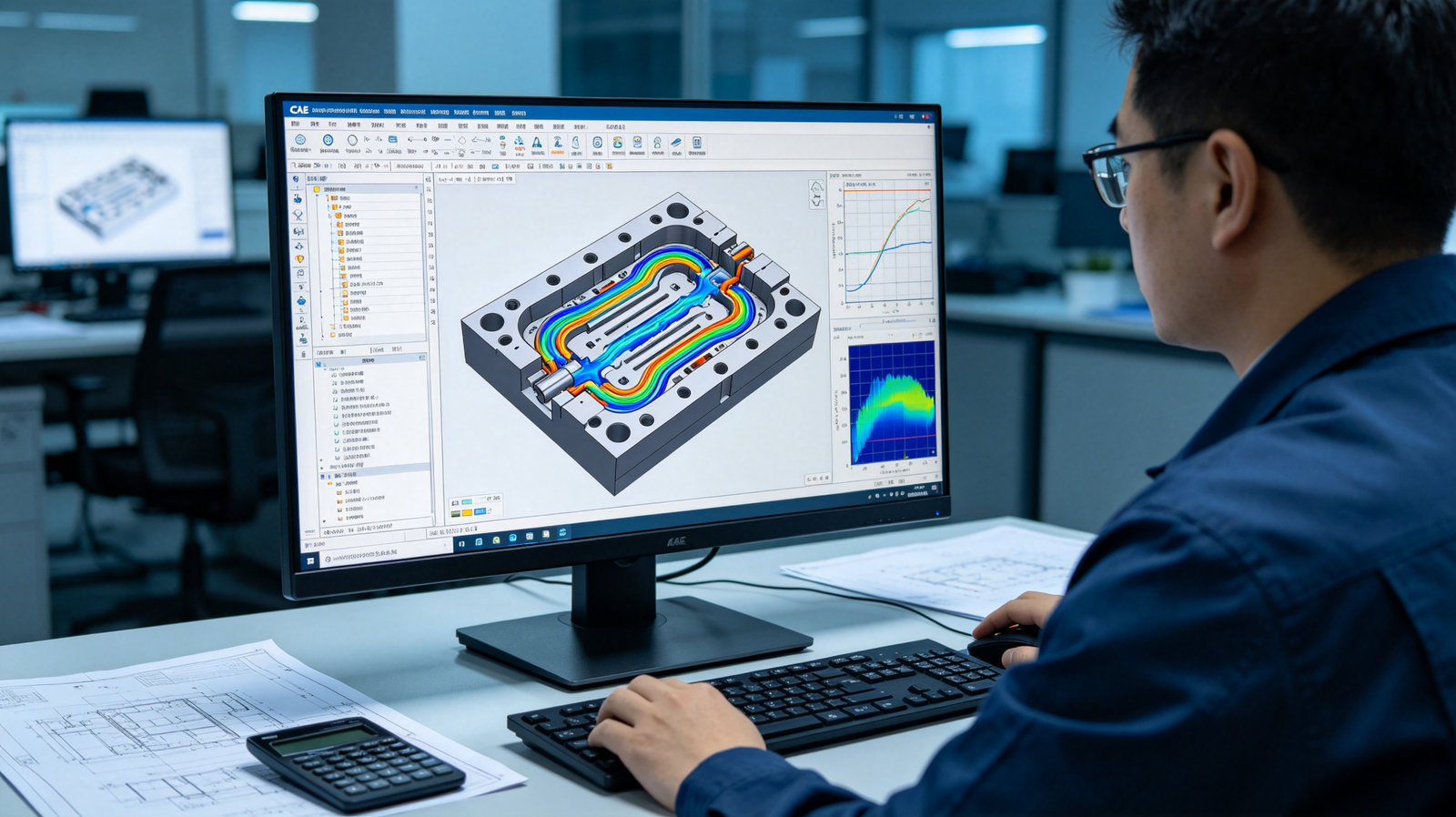
In precision connector injection molding, the runner system is not just a material delivery channel but a critical factor that determines dimensional accuracy, electrical consistency, and mass production stability. Different runner architectures create significant variations in pressure balance, melt temperature control, and cycle efficiency. Runner system design directly influences whether a connector can achieve stable high-volume production.
For high-end electronic connector manufacturing, even minor flow imbalance can lead to contact failure, dimensional deviation, or inconsistent electrical performance. At Xiamen Ruicheng, runner system selection is evaluated together with product geometry, cavity layout, and production scale to ensure reliable molding performance. A properly designed runner system reduces instability risks in mass production significantly.
Why Is Runner System Design So Critical for Precision Connectors?
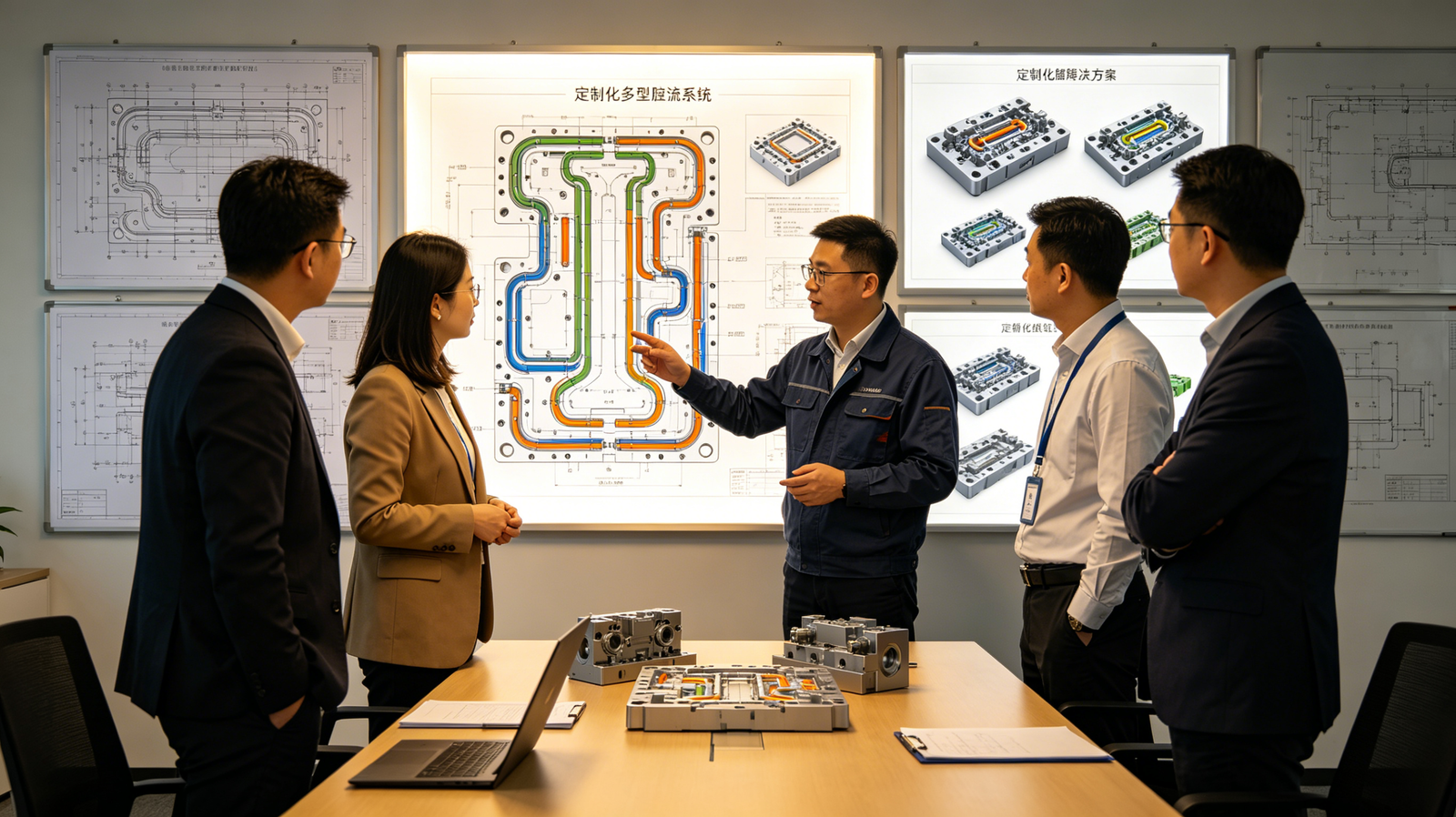
Precision connectors typically feature micro-scale structures, thin walls, and multi-cavity layouts, which require extremely stable melt flow behavior during injection. Any imbalance in the runner system can immediately result in short shots, flash, or inconsistent electrical contact performance. In practical production, injection molding runner system design determines whether the melt reaches each cavity uniformly. Runner performance is one of the most important factors in micro-precision molding stability.
Flow Uniformity: Multi-cavity connectors require identical filling conditions to ensure consistent performance across all parts.
Pressure Loss Control: Poor runner design increases pressure drop, leading to unstable cavity filling.
Thermal Stability: Excessive residence time in runners may degrade sensitive engineering plastics.
Defect Rate Impact: Runner imbalance directly increases scrap rate in high-volume production.
💡 A poorly designed runner system will amplify every small process variation in production.
How Do Hot Runner and Cold Runner Systems Compare in Connector Molding?
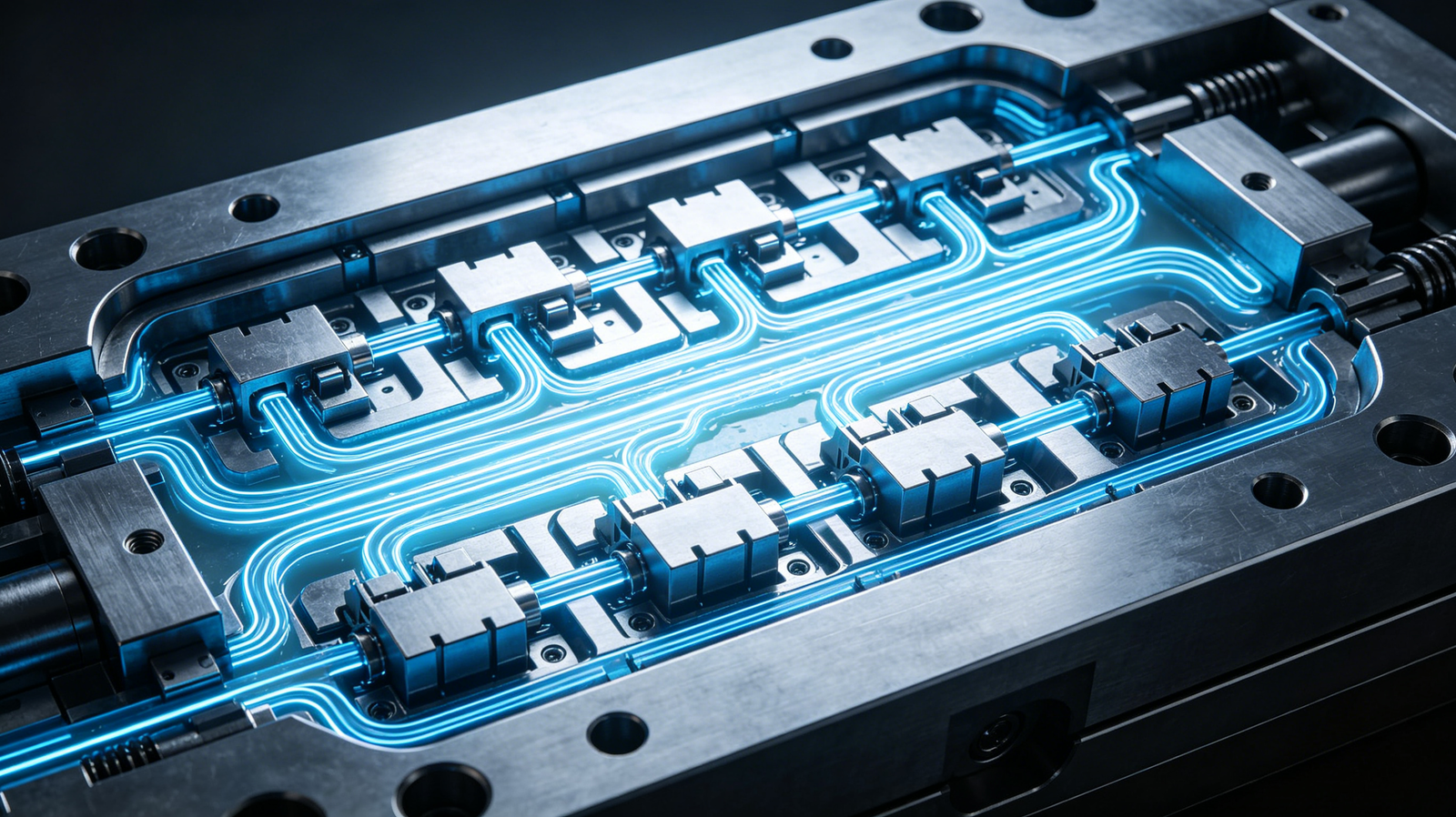
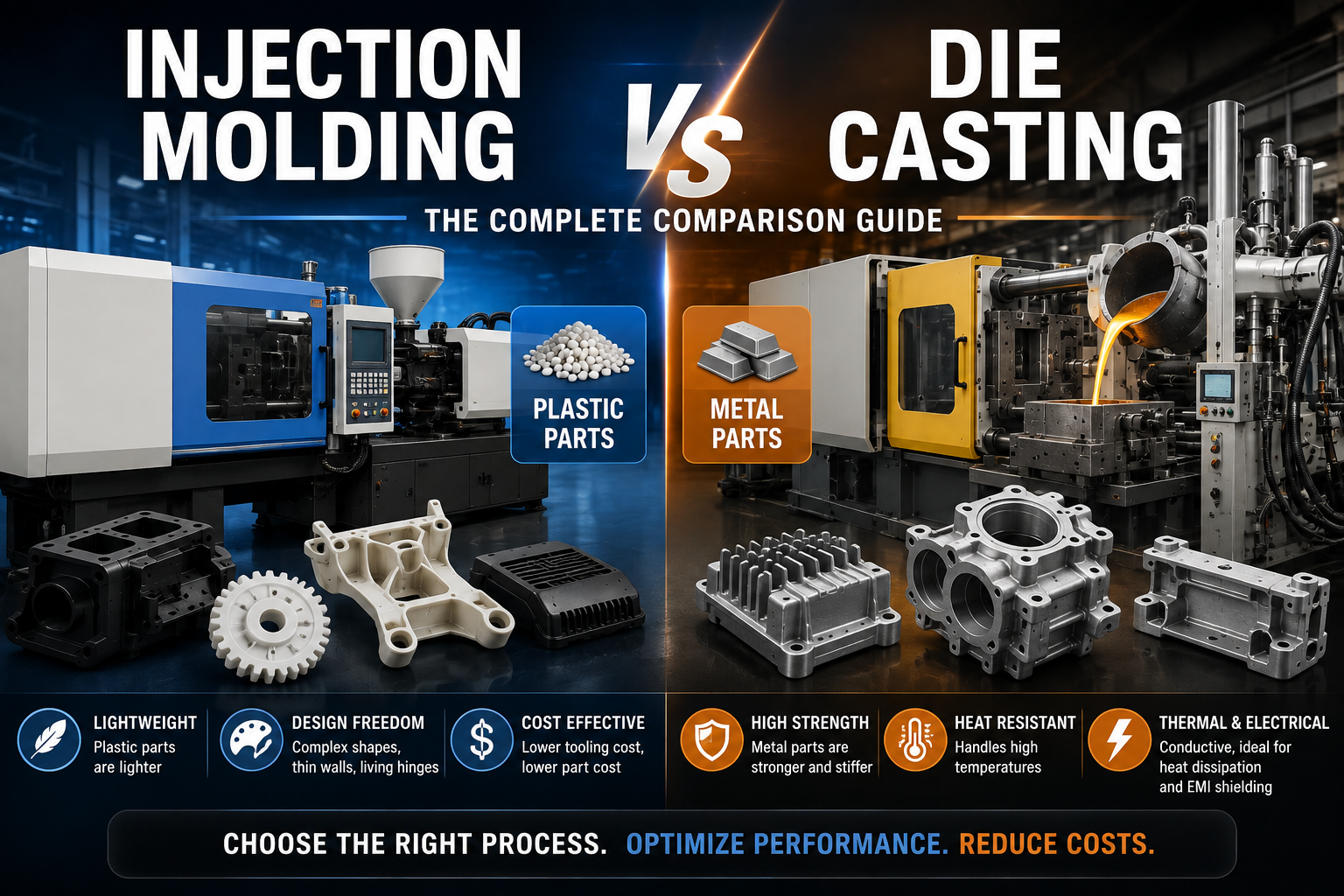
In precision connector manufacturing, the choice between hot runner and cold runner systems depends on production volume, cost structure, and quality requirements. Hot runner systems are preferred for high-volume and high-consistency production, while cold runners are more suitable for prototyping and low-cost tooling. The selection is essentially a trade-off between efficiency, cost, and precision. For example, a hot runner system eliminates runner waste but requires higher initial investment.
Hot Runner Advantage: Eliminates runner waste and improves material utilization, ideal for large-scale production.
Cold Runner Simplicity: Lower tooling cost and easier maintenance for prototype or low-volume runs.
Investment Balance: Hot runner systems require higher upfront cost but reduce long-term production cost.
Application Fit: Different connector programs require different lifecycle-based runner strategies.
💡 Runner selection should always align with the full product lifecycle strategy.
How Does Multi-Cavity Flow Balance Affect Connector Consistency?
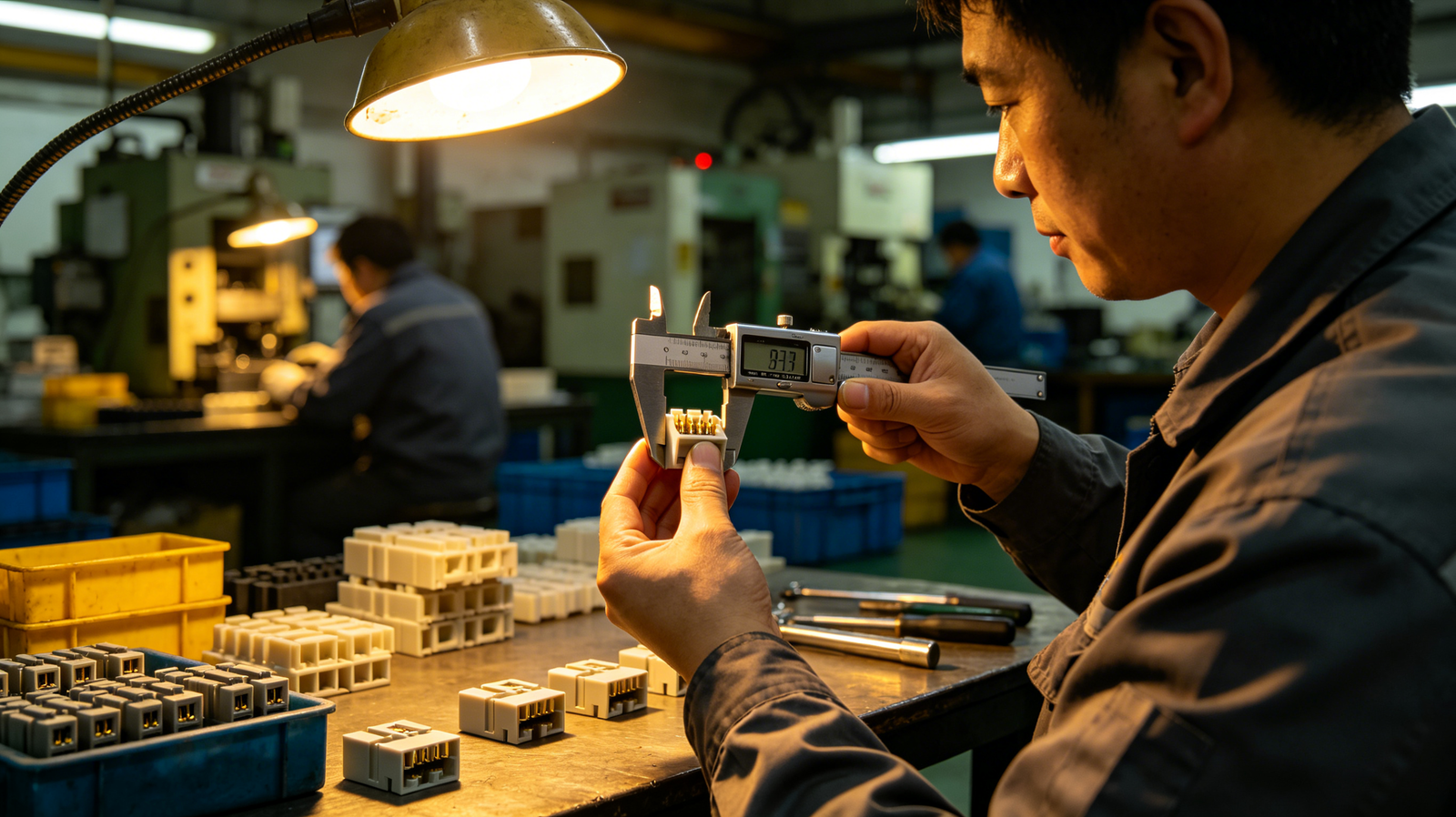
In multi-cavity precision connector molds, flow balance is essential to ensure each cavity receives identical melt conditions. Any imbalance leads to variations in shrinkage, dimensions, or electrical performance, which directly affects product yield. Balanced flow is the foundation of stable mass production for connectors. At Xiamen Ruicheng, CAE simulation is used to optimize runner geometry before mold manufacturing to ensure consistent cavity filling.
Flow Synchronization: Ensures all cavities fill at the same time to prevent underfill or overpacking.
Pressure Distribution: Optimized runner sizing reduces localized pressure concentration.
Mold Stability: Balanced flow reduces long-term wear and mechanical stress on molds.
Production Consistency: Improves dimensional and functional uniformity across batches.
💡 Flow balance design directly determines connector production reliability.
How Do Different Runner Systems Affect Cost and Yield?
| Runner Type | Cost Structure | Production Scale | Material Waste | Precision Level |
|---|---|---|---|---|
| Cold Runner | Low initial cost | Prototyping / small batch | High | Medium |
| Hot Runner | High initial cost | Mass production | Minimal | High |
| Semi-Hot Runner | Medium cost | Mid-volume production | Medium | High |
| Valve Gate System | High complexity | Ultra-precision connectors | Very low | Very high |
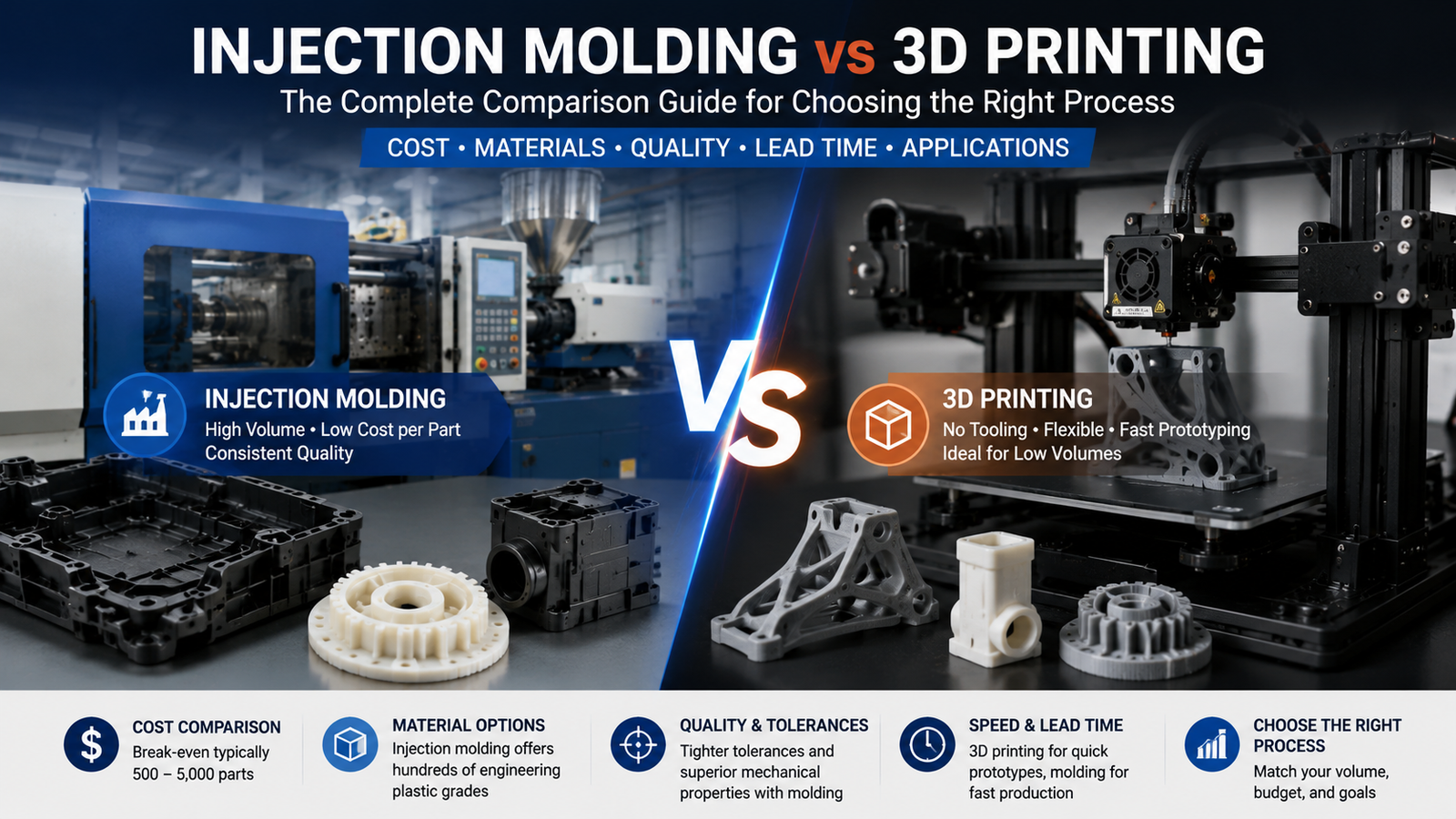
Runner system selection impacts not only unit cost but also yield stability and production efficiency. If you are evaluating precision connector injection molding solutions, you can contact us for engineering-level runner system recommendations.
How Can Runner Optimization Improve Mass Production Stability?
In mass production, runner optimization is not only a mold design issue but also a key factor in process stability control. A well-optimized runner system reduces injection pressure fluctuations, improves repeatability, and lowers machine adjustment frequency. Runner optimization is essential for achieving high-yield stable production.
1.Design Stage: Use CAE simulation to optimize flow paths and reduce imbalance risks.
2.Trial Stage: Adjust runner dimensions based on real molding behavior.
3.Production Stage: Stabilize injection parameters for repeatable output.
4.Maintenance Stage: Monitor wear and thermal stability of runner components.
FAQ
Question 1: What is the key advantage of your runner system design for precision connectors?
Answer: Xiamen Ruicheng uses CAE flow simulation and extensive connector molding experience to optimize flow balance, ensuring high precision and low defect rates in mass production.
Question 2: What information is required for runner system evaluation?
Answer: Customers should provide 3D part drawings, cavity count, material type, and annual volume forecast for proper runner system analysis.
Question 3: Do different runner systems affect lead time?
Answer: Yes. Hot runner molds typically require longer development time but are more suitable for long-term mass production, while cold runner molds are faster for prototyping.
Question 4: What problems can arise from poor runner design?
Answer: Common issues include short shots, weld lines, dimensional instability, and inconsistent electrical performance.
Question 5: Do you support customized multi-cavity runner systems?
Answer: Yes. Xiamen Ruicheng provides customized runner design solutions based on product complexity and validates them through trial molding optimization.
Conclusion
Selecting the best runner system for precision connector injection molding is not about choosing a universally “best” option, but about balancing precision, cost, and production scale. Different systems serve different stages of product development and manufacturing strategies. A scientifically designed runner system is the foundation of stable, high-quality connector production.With strong mold design capabilities, CAE simulation support, and mass production experience, Xiamen Ruicheng provides end-to-end runner system optimization solutions to ensure consistent quality and reliable delivery.
For expert assistance in implementing precision connector runner system solutions for your production needs, visit our resource center or contact us. Let’s help you scale up your manufacturing with precision and efficiency!