Introduction
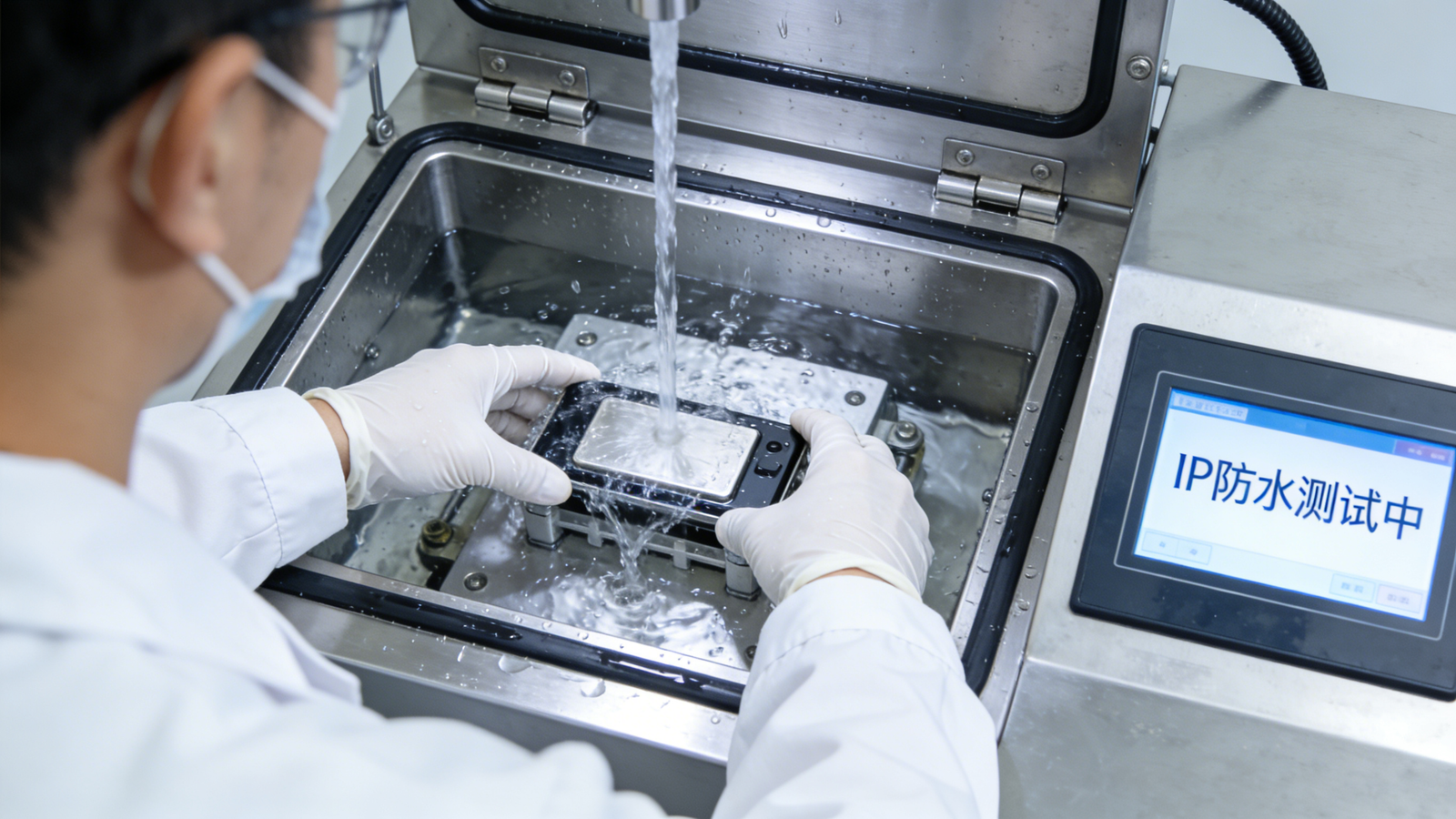
The performance of sealing components in waterproof validation directly determines the reliability of the final product, especially under IP rating tests where consistent elasticity and compression recovery are critical. If prototype materials fail to replicate real-world behavior accurately, test results become unreliable and delay development timelines. Establishing stable and repeatable elasticity early in product development is essential to ensure reliable mass production outcomes.
As a key rapid prototyping process, vacuum casting offers unique advantages in simulating rubber-like materials, enabling fast replication of complex geometries and flexible properties. Xiamen Ruicheng leverages advanced material selection and process optimization to achieve high fidelity in elastic performance, allowing R&D teams to obtain near-production validation results earlier. This shift from “product display” to “decision support” is becoming a decisive factor for B2B buyers when selecting suppliers.
How does vacuum casting affect the elastic consistency of sealing components?
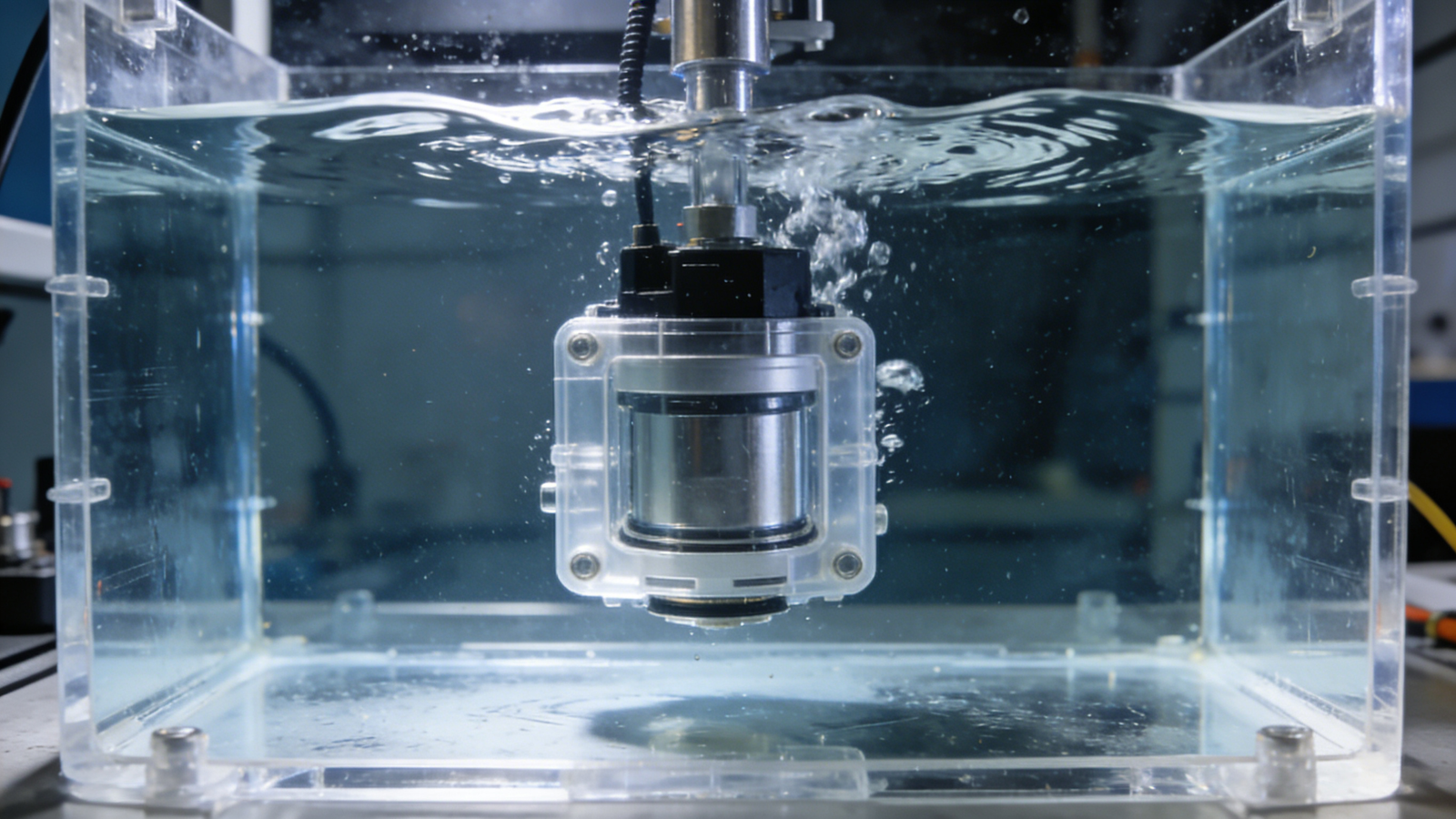
Vacuum casting replicates master patterns using silicone molds and produces rubber-like parts through polyurethane systems, where the synergy between material stability and process control determines performance consistency. The compatibility between vacuum casting and rubber-like prototypes directly influences elasticity outcomes. Xiamen Ruicheng ensures stable batch production by precisely controlling temperature, curing cycles, and demolding processes. When process parameters are tightly controlled, elastic deviation between batches can be minimized, enabling reliable waterproof validation.
Material Matching: Selecting materials close to target rubber properties ensures realistic elasticity feedback.
Process Stability: Controlled temperature and curing time reduce batch-to-batch variation.
Mold Precision: High-quality silicone molds maintain geometry and reduce stress concentration.
Batch Repeatability: Consistent parameter replication ensures uniform performance across parts.
💡 Vacuum casting is not just about shape replication, but about consistent performance reproduction.
Is vacuum casting suitable for waterproof validation stages?
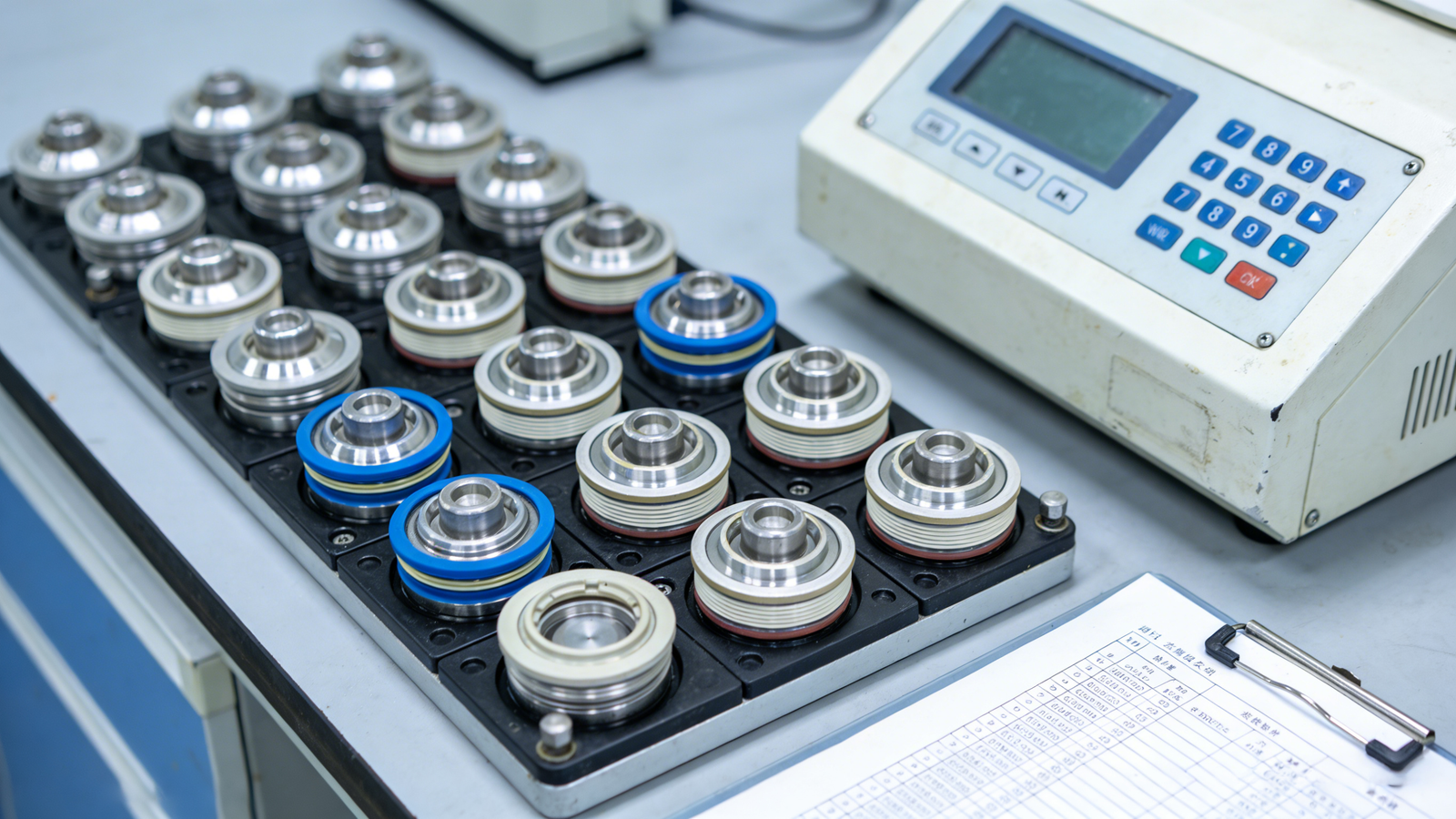
During waterproof validation, sealing components must maintain both dimensional accuracy and stable compression recovery performance. Standards such as IP rating and sealing technology impose strict requirements on material behavior. Xiamen Ruicheng validates consistency through multi-batch testing, ensuring stable deformation and recovery characteristics. With proper material selection and process control, vacuum casting can effectively support waterproof validation requirements.
Validation Readiness: Materials can simulate a wide range of rubber hardness levels.
Test Reliability: Consistent batches provide dependable testing references.
Development Speed: Shortens validation cycles before tooling investment.
Risk Mitigation: Identifies sealing issues early to avoid costly redesigns.
🔍 The real value lies in reducing uncertainty during decision-making.
How can process optimization improve elastic consistency?
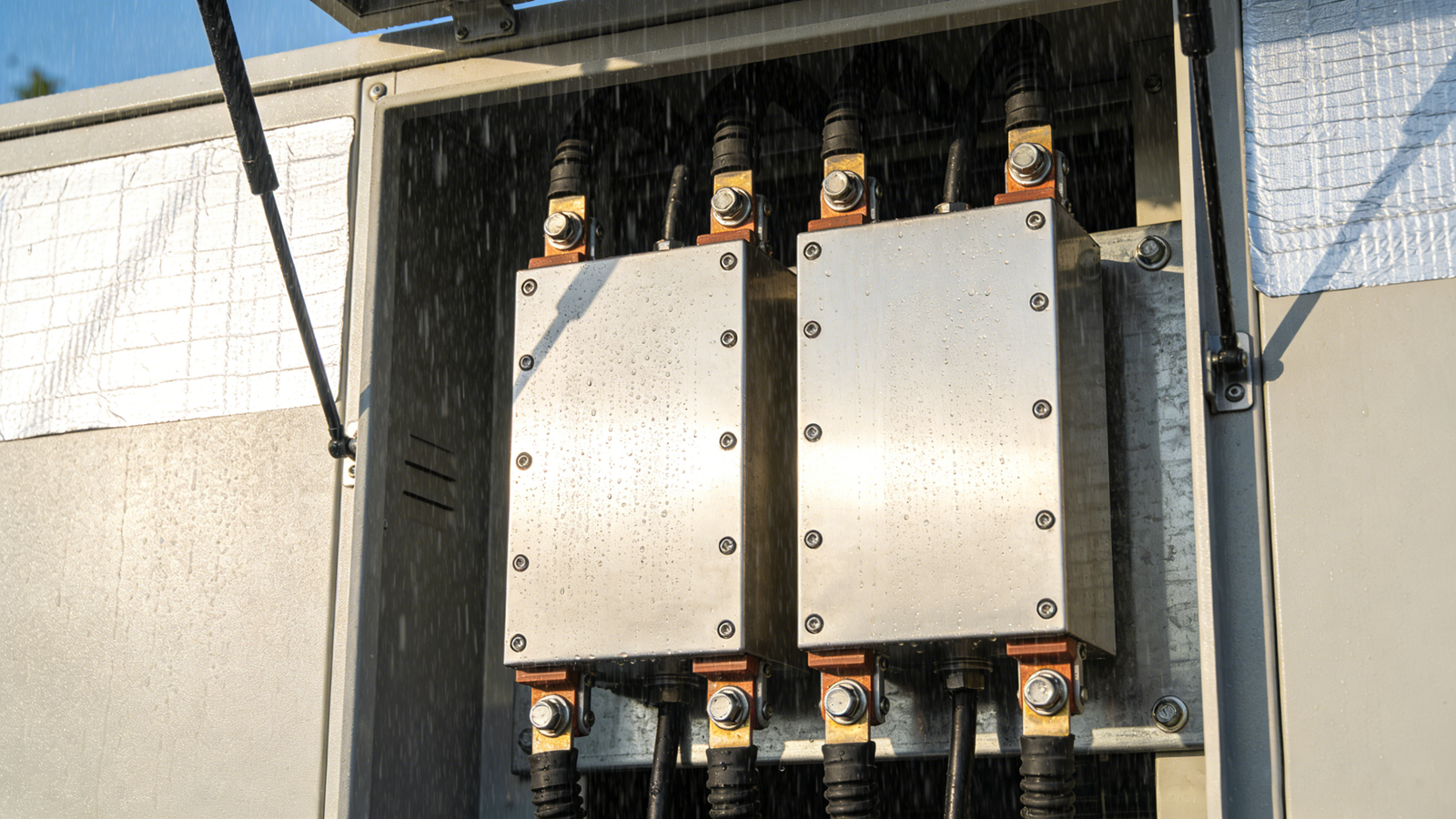
Improving elastic consistency requires a combination of material engineering, equipment precision, and accumulated expertise. Control over polyurethane elastomer formulation and rapid prototyping processes is essential. Xiamen Ruicheng builds standardized process databases to enable repeatable and scalable production. Through systematic process management, elastic variation can be controlled within engineering tolerances, ensuring reliable validation results.
Material Selection: Choose suitable elastomer systems based on target hardness.
Parameter Standardization: Establish reusable process settings for consistency.
Process Monitoring: Track curing and environmental conditions in real time.
Experience Accumulation: Continuously refine processes for diverse sealing designs.
⚙️ A stable process system is the foundation of consistent output.
Comparison of Vacuum Casting with Other Prototyping Methods for Seals
| Comparison Factor | Vacuum Casting | CNC Machining | 3D Printing | Injection Molding |
|---|---|---|---|---|
| Elastic Simulation | High | Low | Medium | High |
| Lead Time | Short | Medium | Short | Long |
| Cost | Medium | High | Low | High |
| Batch Consistency | High | Medium | Low | High |
| Complexity Handling | High | Medium | High | High |
Choosing the right validation approach can significantly accelerate your project—reach out now contact us
Why Vacuum Casting Becomes a Key Tool in Decision-Making
Vacuum casting is evolving from a simple prototyping method into a critical decision-support tool in product development. Its value lies in enabling early-stage performance validation and reducing downstream risks. Xiamen Ruicheng integrates material expertise, process control, and validation insights to help customers make informed decisions faster. This results-driven approach empowers buyers to transition efficiently from testing to mass production.
1.Early Validation: Complete functional testing before tooling investment.
2.Decision Support: Provide real data for informed procurement choices.
3.Efficiency Boost: Accelerate development and time-to-market.
4.Risk Reduction: Detect and resolve issues before scaling production.
FAQ (Common Questions for B2B Buyers)
Question 1: What is the elastic consistency standard of your vacuum casting service for sealing components?
Answer: Xiamen Ruicheng controls Shore A hardness variation within ±3 and verifies consistency through multi-batch compression and recovery testing, ensuring suitability for waterproof validation.
Question 2: What information do we need to provide for a fast quotation?
Answer: Please submit 3D CAD files (STEP/IGES), target material requirements, and quantity estimates. Our team responds within 2 hours with technical evaluation and detailed quotation.
Question 3: What are the MOQ and lead time for different order volumes?
Answer: MOQ starts from 1 piece for prototyping with a lead time of 3–5 days, while small batch production (10–50 units) typically takes 5–7 days. Flexible capacity supports urgent orders.
Question 4: What if the prototype does not meet expected performance?
Answer: We provide re-evaluation and optimization. If issues are confirmed, parts can be remade at no extra cost, along with improvement recommendations.
Question 5: Do you support customization for specific waterproof requirements?
Answer: Yes, we offer tailored solutions based on environmental parameters such as temperature, pressure, and IP rating. Custom plans are delivered within 3 working days.
Conclusion
Vacuum casting is no longer just a transitional prototyping method but a reliable engineering tool for sealing validation. With proper material matching and process optimization, high elastic consistency can be achieved to support critical testing needs. Choosing an experienced and capable supplier directly impacts validation accuracy and project success. Xiamen Ruicheng enables customers to move confidently from prototype validation to stable mass production.
For expert assistance in implementing for your production needs, visit our resource center or contact us. Let’s help you scale up your manufacturing with precision and efficiency!