Introduction
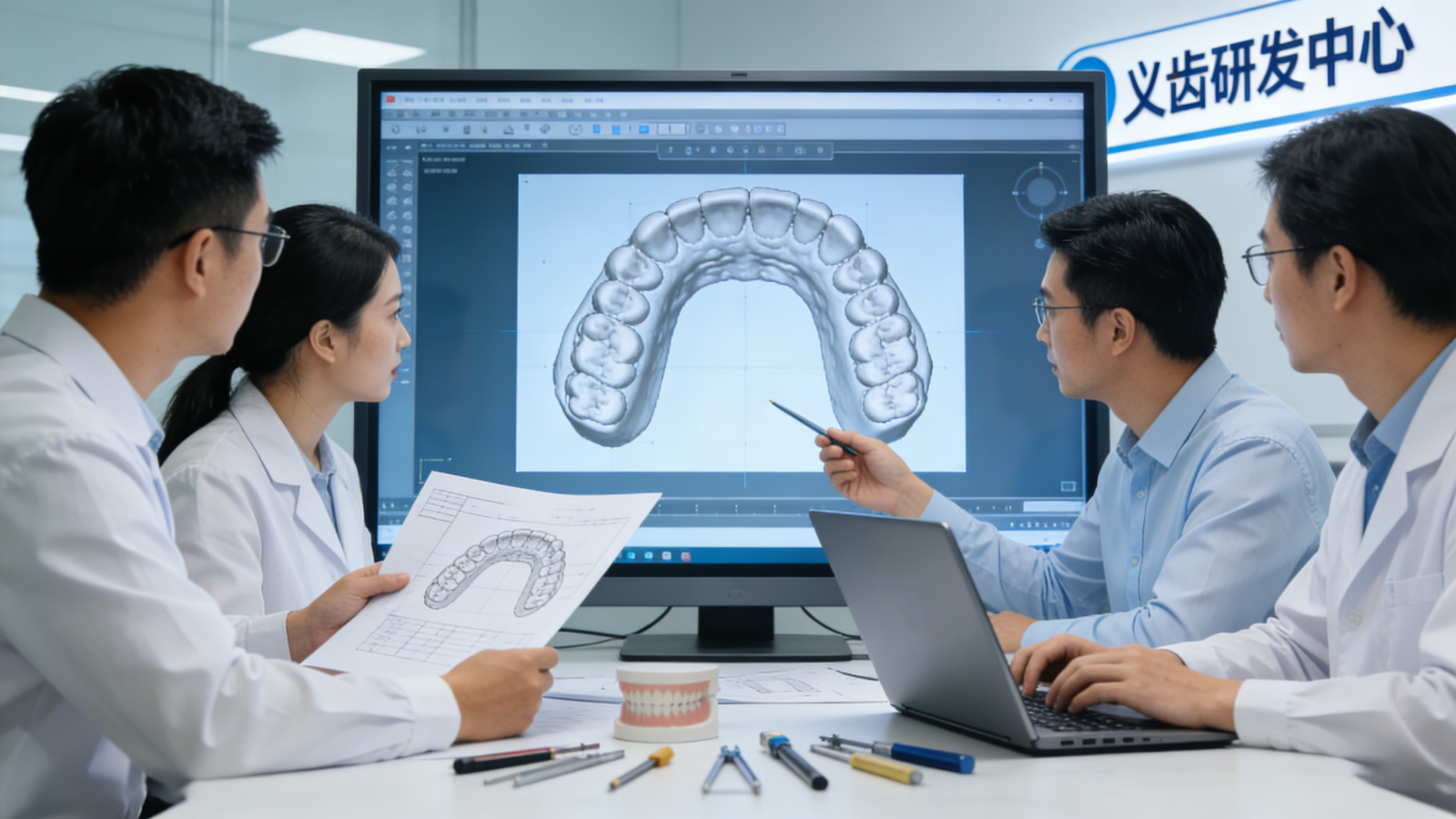
In denture development, prototype fit accuracy directly impacts clinical adaptation efficiency and patient comfort, especially during multiple trial-and-adjustment cycles where errors tend to accumulate and amplify. Traditional prototyping methods often struggle to replicate complex oral geometries, resulting in repeated modifications and increased development costs. With the advancement of digital manufacturing, high-precision prototyping technologies have become essential for improving fit accuracy.
Based on extensive experience serving dental device manufacturers, Xiamen Ruicheng has found that poor fit is rarely caused by a single factor but rather by a lack of coordination between design, printing, and post-processing. SLA prototyping, with its precise layer control and high-resolution output, provides a reliable solution to this issue. Through optimized workflows and material selection, prototype fit can approach clinical-level accuracy even in early development stages.
How Does SLA Prototyping Improve Denture Fit Accuracy?
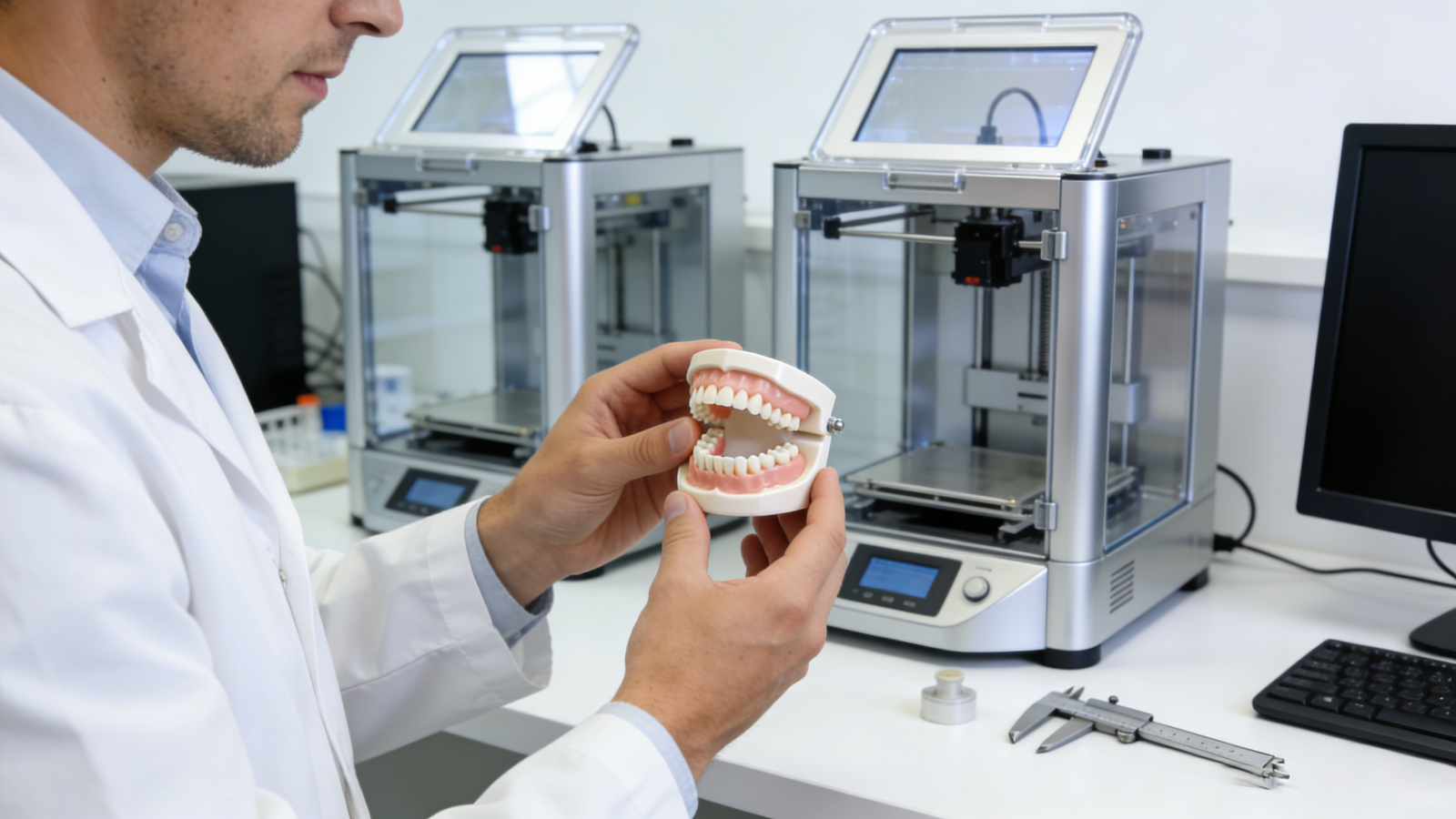
In denture development, Stereolithography enables high-resolution layer-by-layer curing, allowing detailed replication of complex gum-contact surfaces, while integration with digital dentistry workflows ensures overall alignment accuracy. Xiamen Ruicheng enhances this process by optimizing printing parameters and post-processing steps, achieving micron-level precision and reducing fit deviations from the source. Precision stability is one of the core advantages of SLA in denture prototyping. Additionally, customized resin solutions can simulate real oral mechanical conditions to further refine fit performance.
Precision Control: Fine-tuning layer thickness and exposure ensures accurate detail reproduction.
Surface Replication: Complex anatomical geometries are faithfully reproduced.
Material Matching: Resin selection aligns with oral environment requirements.
Process Integration: End-to-end optimization improves consistency across batches.
😊 SLA enhances denture prototype fit through precision and process control.
Why Do Traditional Prototyping Methods Fail to Meet Fit Requirements?
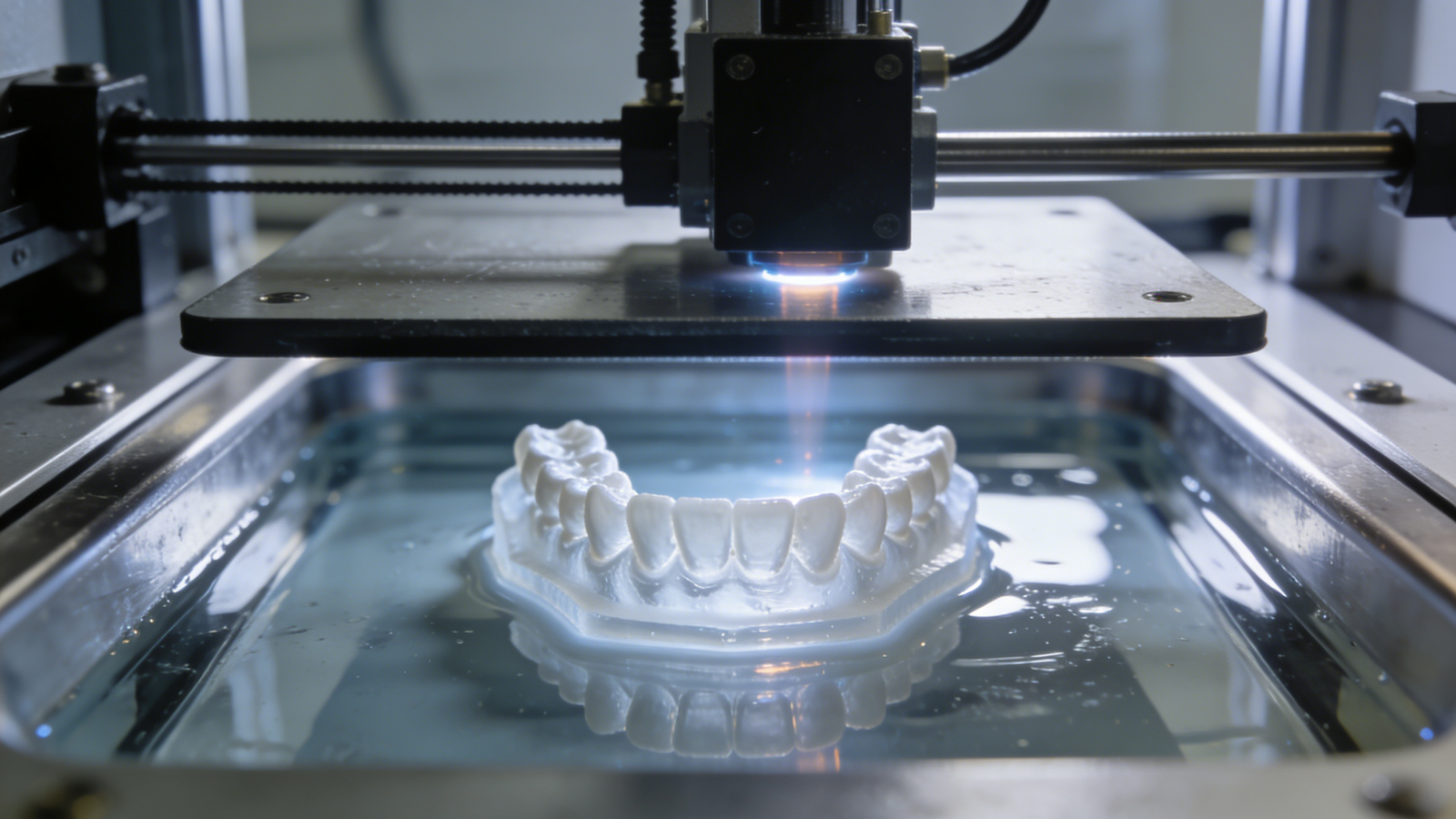
Conventional methods such as manual modeling and CNC machining often struggle with complex oral geometries, while dental laboratory processes rely heavily on technician experience, leading to inconsistent results. Xiamen Ruicheng has observed that these approaches typically require multiple iterations to achieve acceptable fit levels. Error accumulation in traditional processes is a major cause of poor denture fit. Additionally, material shrinkage and human variability further amplify inaccuracies.
Geometric Limitations: Complex curves are difficult to reproduce accurately.
Low Consistency: Human factors introduce variability.
Inefficient Iteration: Multiple adjustments increase time and cost.
Error Accumulation: Each revision compounds deviations.
😐 Traditional methods struggle to balance precision, consistency, and efficiency.
How to Choose a Reliable SLA Prototyping Supplier?
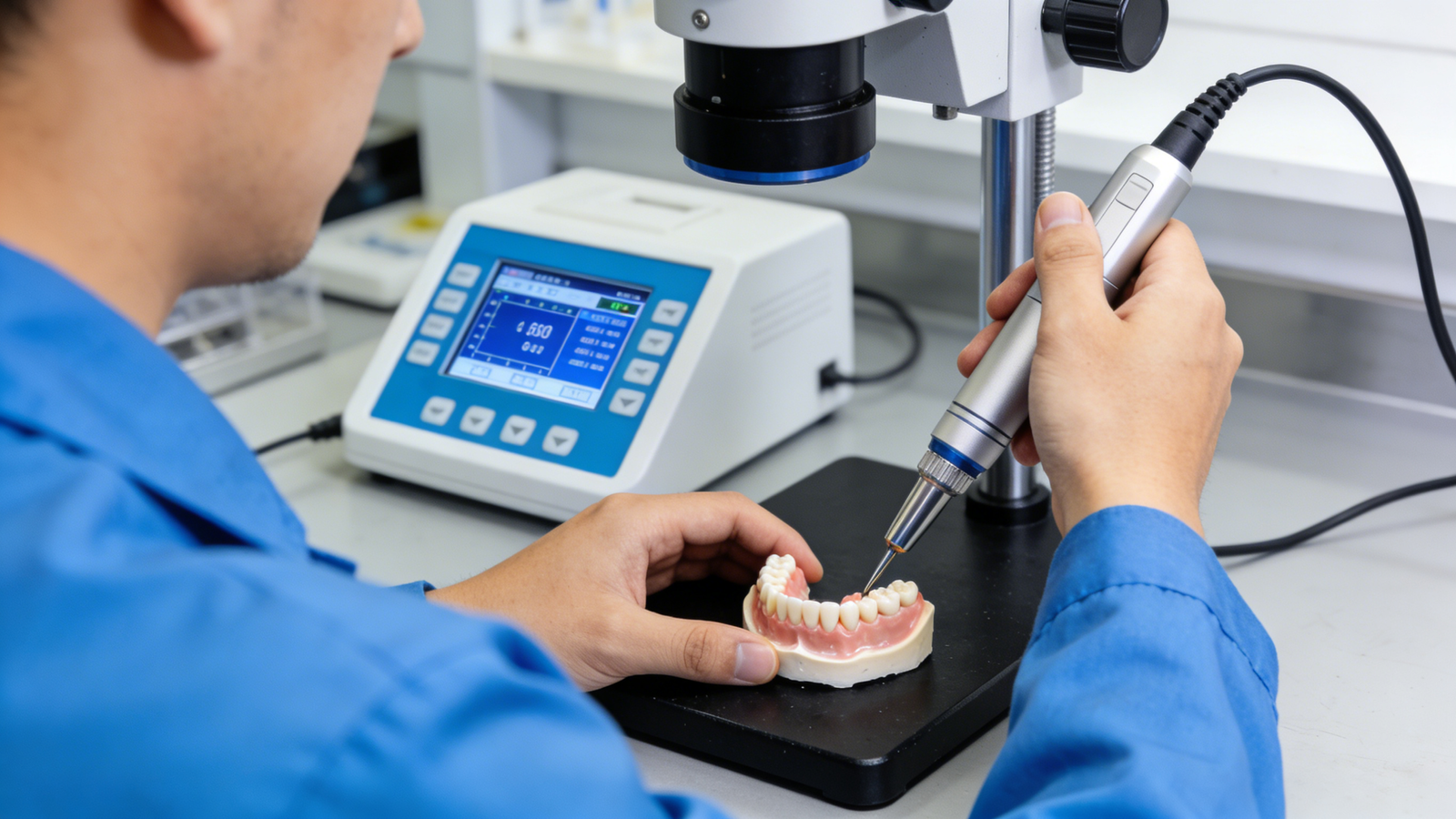
When selecting a supplier, the technical capability of prototype development services and adherence to standards such as ISO 9001 are critical for ensuring consistent quality. Xiamen Ruicheng delivers reliable SLA solutions through standardized inspection systems and extensive dental project experience. The supplier’s technical strength and quality control system determine whether SLA can truly improve denture fit accuracy. Furthermore, proven experience in dental applications is a key differentiator.
Equipment Capability: High-precision machines ensure stable output.
Industry Experience: Dental-specific expertise increases success rates.
Quality System: Standardized workflows guarantee consistency.
Service Responsiveness: Fast turnaround accelerates development cycles.
🚀 Choosing the right supplier is key to achieving high-fit denture prototypes.
Comparison of SLA and Traditional Denture Prototyping Methods
| Comparison Factor | SLA Prototype | CNC Machining | Manual Modeling | FDM 3D Printing |
|---|---|---|---|---|
| Precision Level | High (Micron-level) | Medium | Low | Low |
| Surface Accuracy | Excellent | Moderate | Poor | Poor |
| Consistency | High | Medium | Low | Medium |
| Lead Time | Fast | Medium | Slow | Fast |
| Cost Efficiency | Controllable | High | Unstable | Low |
| Post-processing | Moderate | Low | High | Low |
| Dental Suitability | Strong | Moderate | Moderate | Weak |
If you are evaluating denture prototyping solutions, explore the best-fit approach for your needs here: contact us
Extended Value of SLA in Denture Development
Beyond improving fit accuracy, SLA significantly enhances development efficiency and validation speed, enabling manufacturers to complete more iterations within shorter timelines. Xiamen Ruicheng integrates design optimization with prototyping to help clients transition rapidly from concept to validation. This shift from simple prototyping to integrated solution delivery is becoming a key competitive advantage in denture development.
1.Cycle Reduction: Rapid prototyping shortens development timelines.
2.Validation Efficiency: Fewer iterations increase success rates.
3.Cost Control: Reduced rework lowers overall expenses.
4.Decision Support: Reliable data improves engineering decisions.
FAQ – Common Procurement Questions
Question 1: What are the core advantages of your SLA denture prototyping service?
Answer: Xiamen Ruicheng provides high-precision SLA prototypes with tolerances controlled within ±0.05mm, supported by advanced equipment and standardized inspection processes to ensure consistent quality for dental R&D needs.
Question 2: What information is required to get a quotation?
Answer: Customers need to provide STL/3D files, dimensional requirements, and application details. Xiamen Ruicheng offers rapid evaluation and delivers technical feedback with quotations within 12 hours.
Question 3: What are the lead times for different order volumes?
Answer: Small-batch prototypes are typically completed within 3–5 days, while larger orders are scheduled based on production capacity. Flexible manufacturing ensures timely delivery.
Question 4: What if the prototype does not meet expectations?
Answer: Xiamen Ruicheng offers re-evaluation and optimization services, including parameter adjustment and reprinting, along with technical analysis reports to support project success.
Question 5: Do you support customized solutions?
Answer: Yes, customized materials and structural optimization are available. Customers need to provide detailed requirements, and solutions can be delivered within 3 working days with feasibility analysis.
Conclusion
SLA prototyping not only improves denture fit accuracy but also enhances overall development efficiency and cost control. By selecting an experienced and capable supplier, companies can resolve critical issues early in the prototyping stage and minimize downstream adjustments. Xiamen Ruicheng provides systematic and reliable high-precision prototyping solutions to support dental product development. As digital manufacturing evolves, SLA will continue to play a vital role in denture innovation.
For expert assistance in implementing for your production needs, visit our resource center or contact us. Let’s help you scale up your manufacturing with precision and efficiency!