Introduction
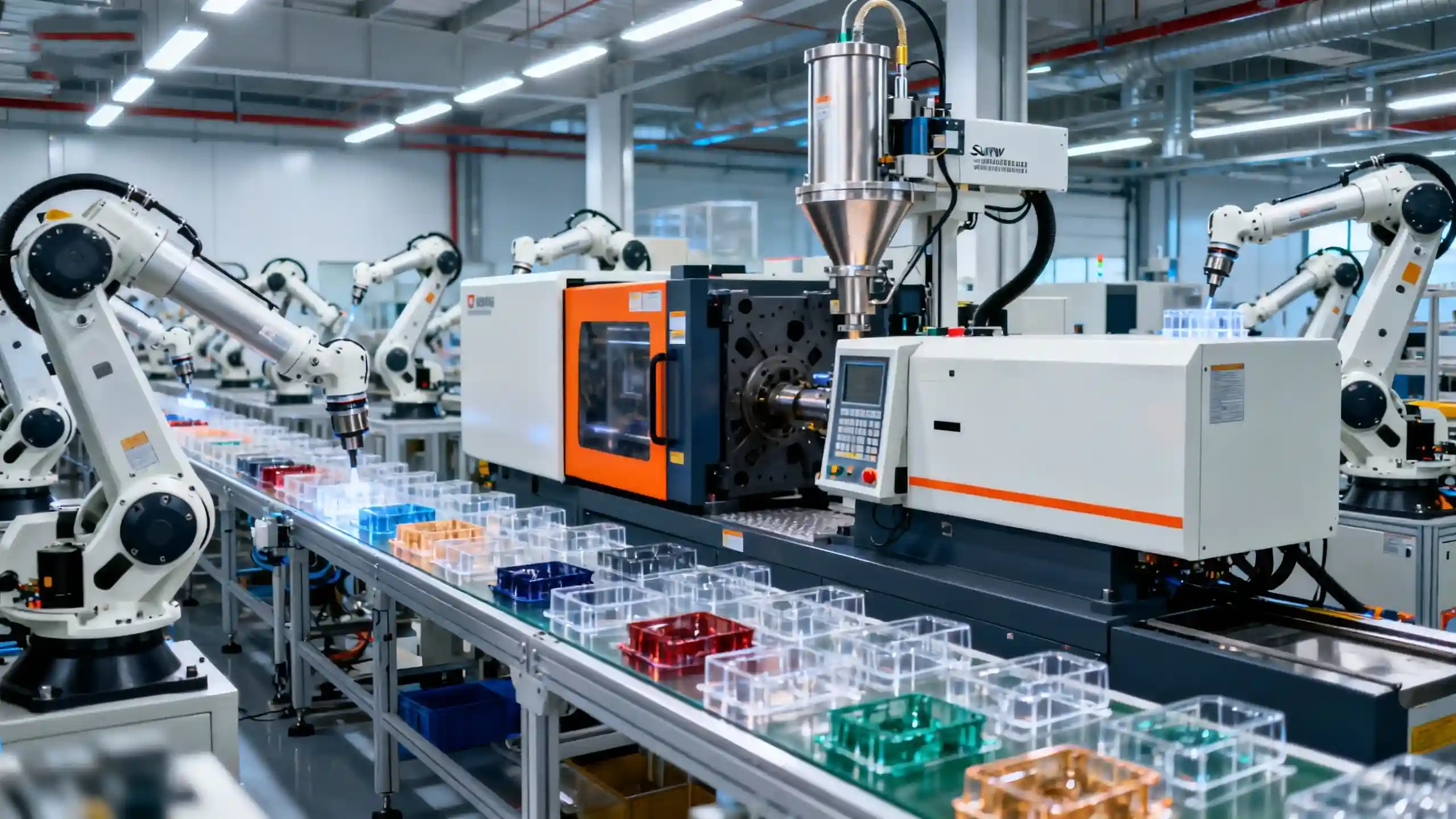
Competition in daily consumer goods manufacturing has long moved beyond pricing and entered a phase dominated by delivery stability and user experience consistency. As a mainstream process, PP injection molding now represents not just forming capability but an integrated manufacturing assurance system. What truly determines whether a brand can scale sustainably is the stability, repeatability, and risk control behind injection molding.
Across numerous daily-use product programs, failures rarely originate from incorrect material selection but from gradual loss of control over key indicators during mass production. Based on extensive cooperation with FMCG, household, and personal care brands, Xiamen Ruicheng has observed that decision-makers require a framework that accompanies the entire procurement journey. Only when indicators are translated into risk language does PP injection molding become a long-term manufacturing asset rather than a short-term solution.
Why Do Daily Consumer Goods Demand Higher PP Injection Consistency?
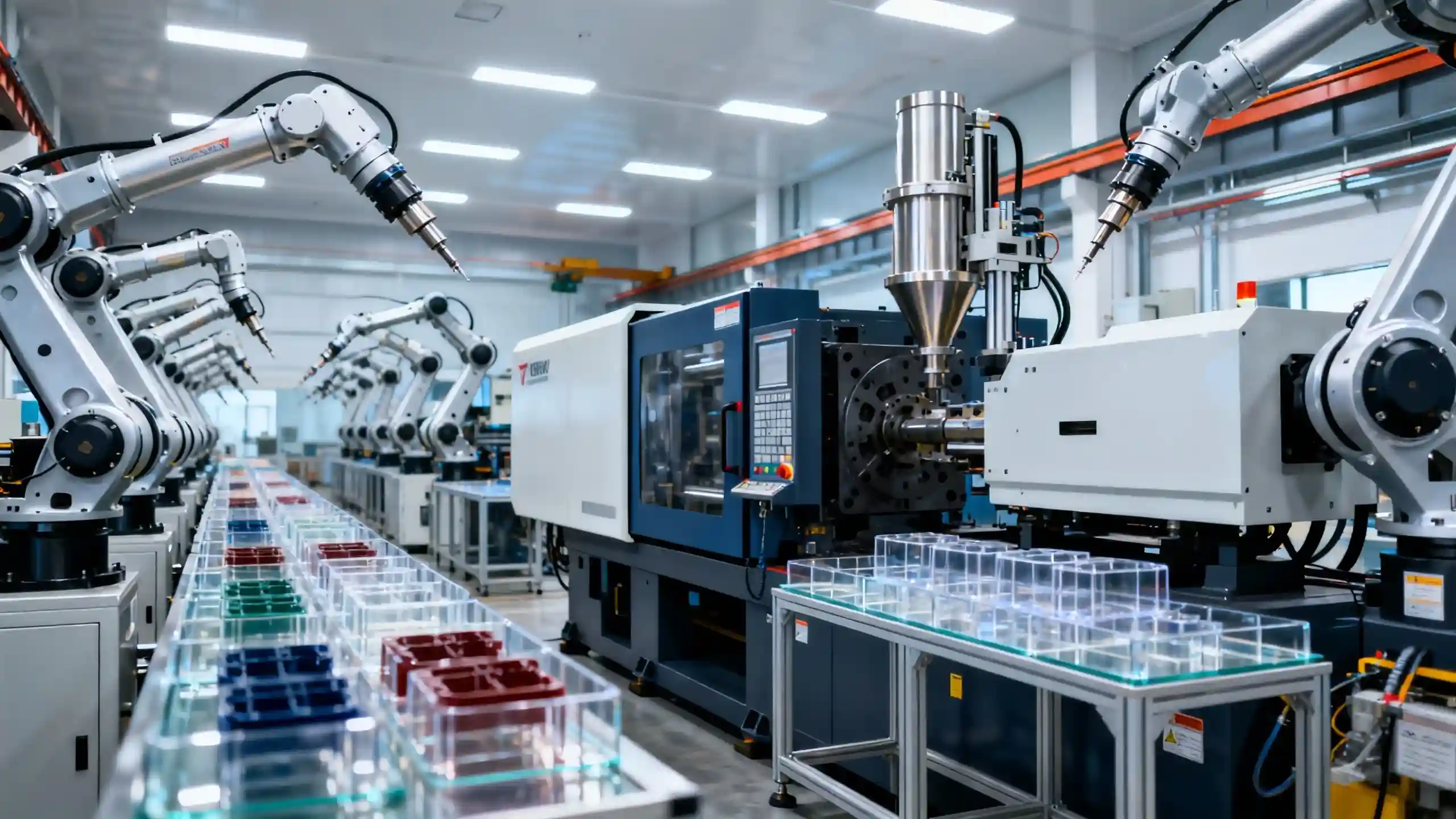
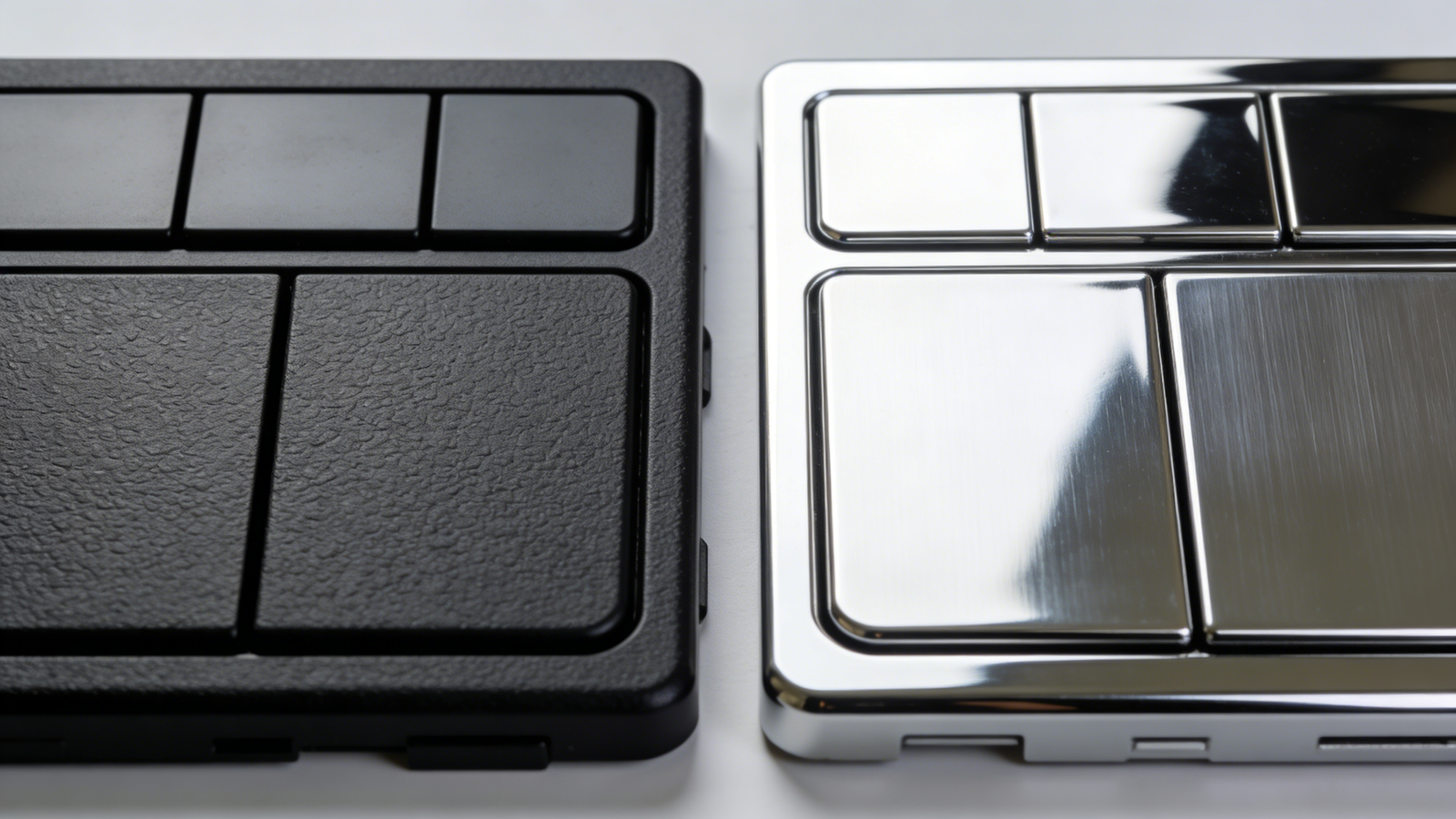
Daily consumer goods emphasize frequent use and large-scale replication, placing far higher demands on PP injection consistency than functional industrial components. Even minor deviations can be amplified exponentially during mass production. Stable PP injection molding capability affects not only appearance and tactile feel but also assembly efficiency and brand perception. Consistency is not achieved through parameter accumulation but through coordinated control of material, tooling, and process. In high-volume scenarios, a mature custom injection molding system significantly reduces rework rates and after-sales risks, supporting product lifecycle reliability.
Material stability: Raw material batch consistency defines baseline quality.
Process repeatability: Parameter reproducibility ensures cross-batch output stability.
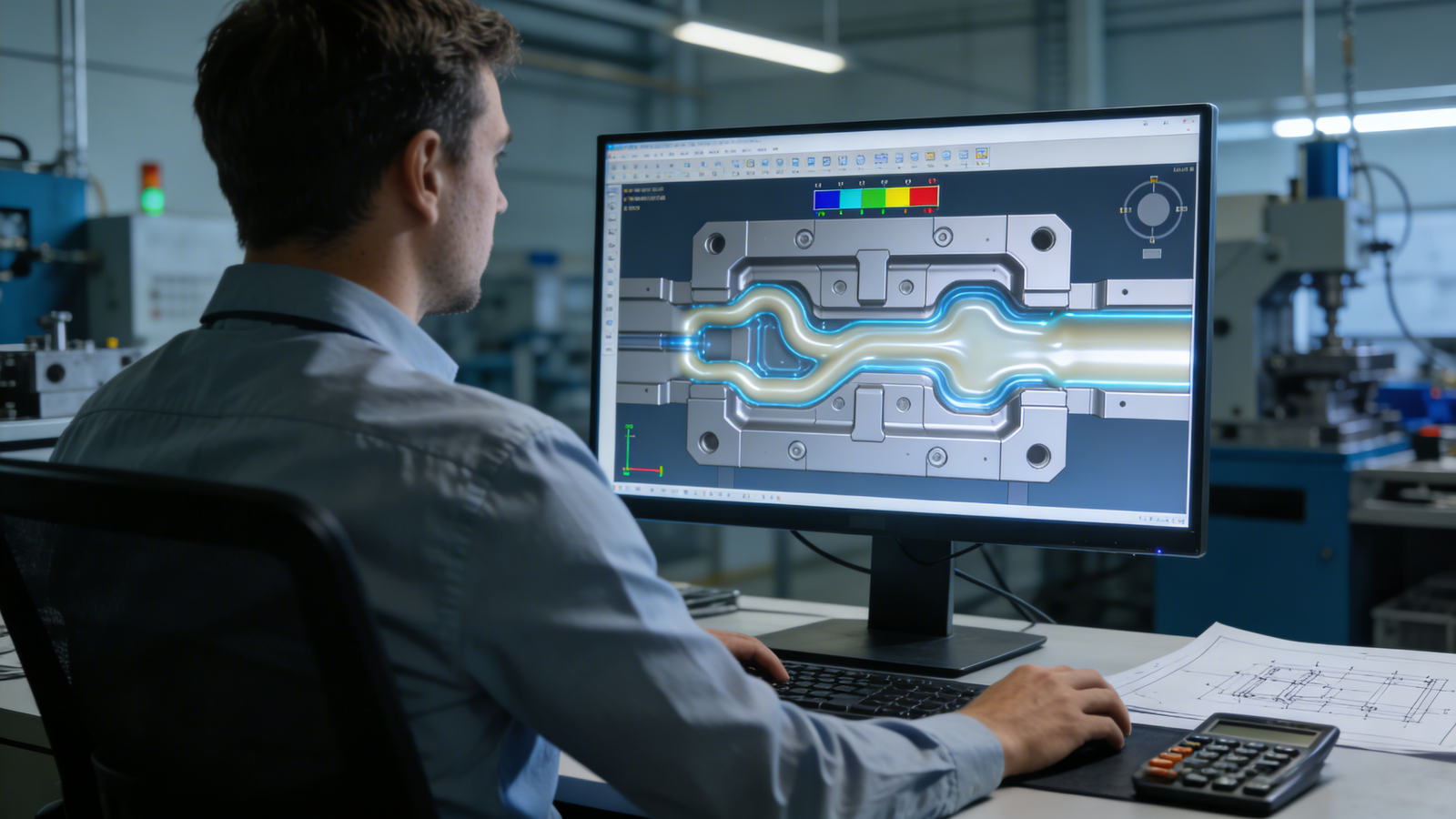
Tooling precision: Cavity uniformity directly impacts appearance and assembly.
Process monitoring: Real-time data feedback prevents deviation accumulation.
😊 Consistency is the most underestimated yet most critical indicator in PP injection for daily goods.
How Should PP Material Performance Be Evaluated for Product Lifespan?
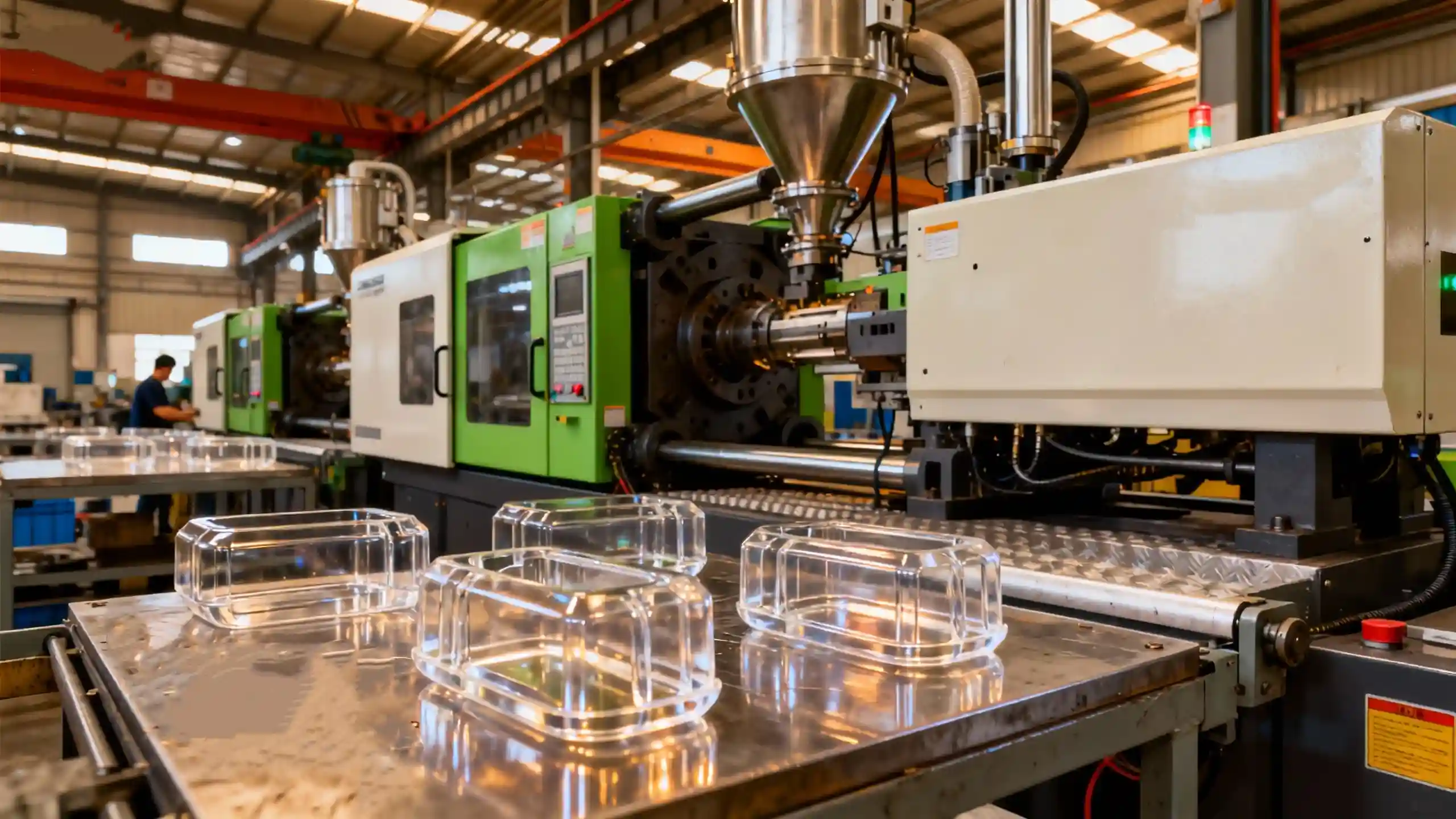
The performance of PP materials in daily-use products depends not only on nominal properties but also on long-term behavior under real usage conditions. Evaluating polypropylene material fatigue resistance, aging behavior, and chemical stability is essential to ensuring product lifespan. Material selection is not about meeting current standards but about forecasting future complaint rates. Through experience-driven material modification, overall reliability can be enhanced without significant cost increases.
Durability behavior: Structural integrity under repeated use defines service life.
Environmental adaptation: Temperature, humidity, and cleaners affect aging speed.
Tactile stability: Surface changes over time influence user perception.
Compliance baseline: Regulatory compliance enables market access.
🔍 Material evaluation is the most forward-looking decision step in PP injection projects.
How Does Injection Capability Directly Affect Delivery Risk?
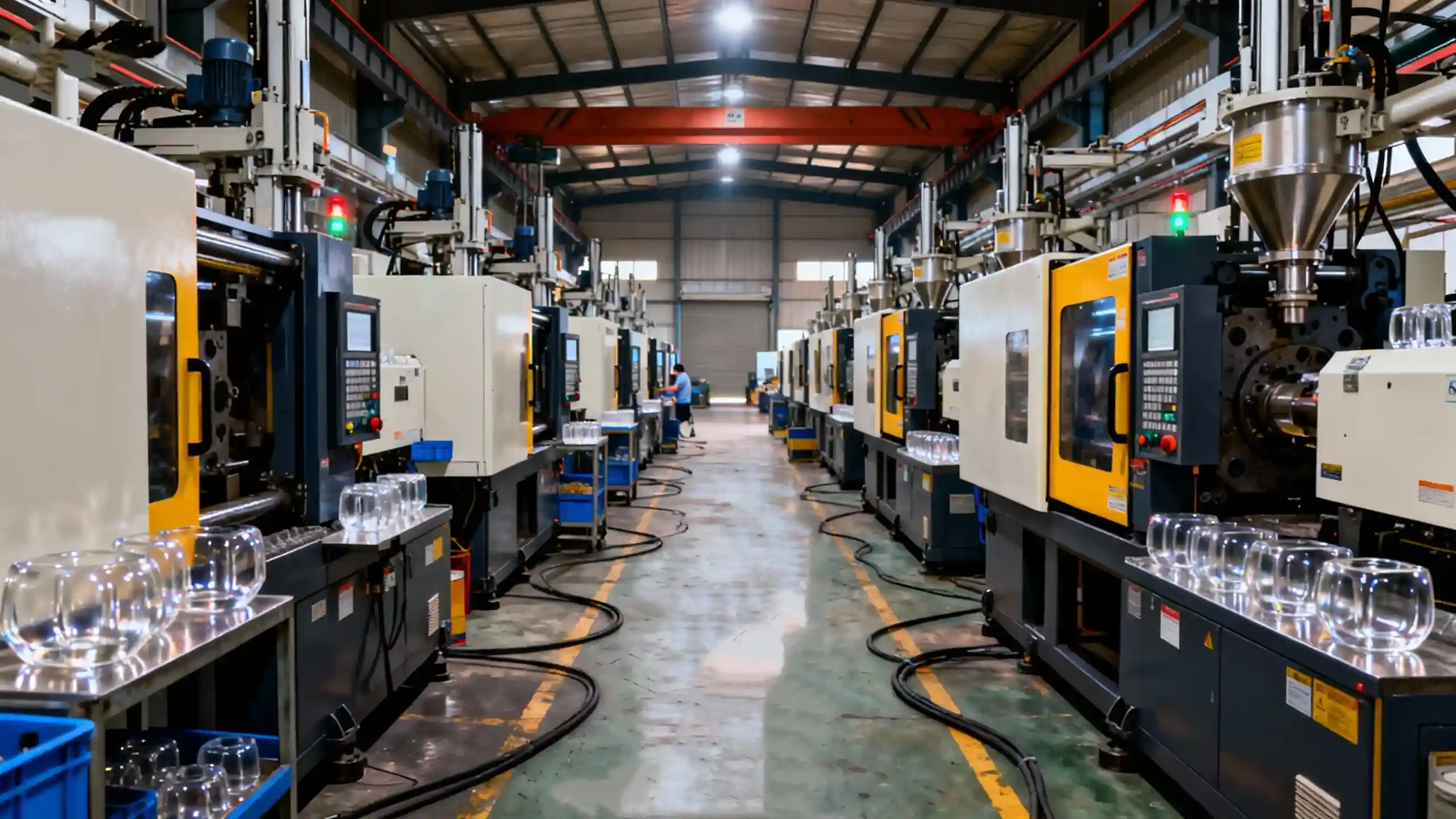
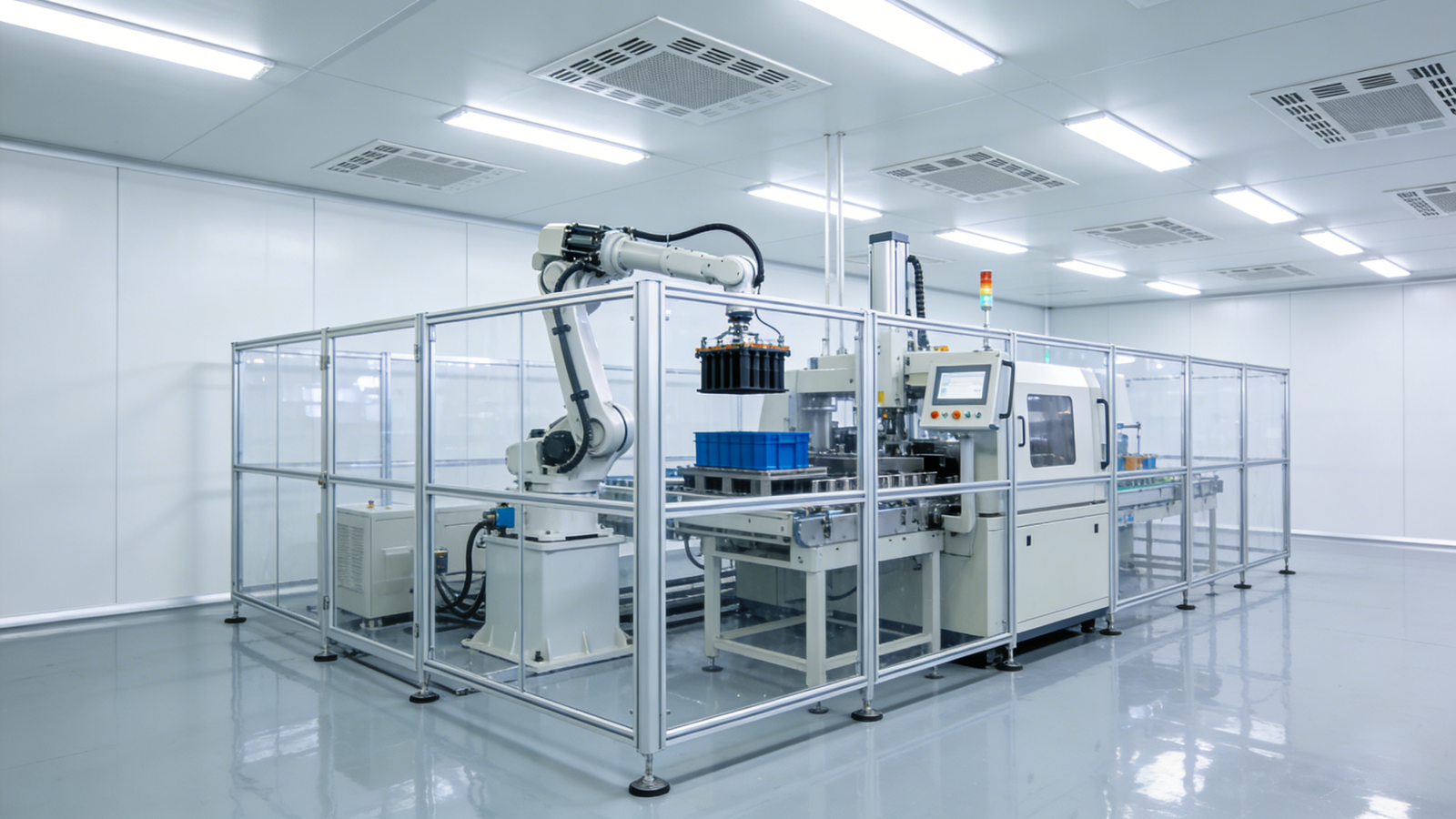
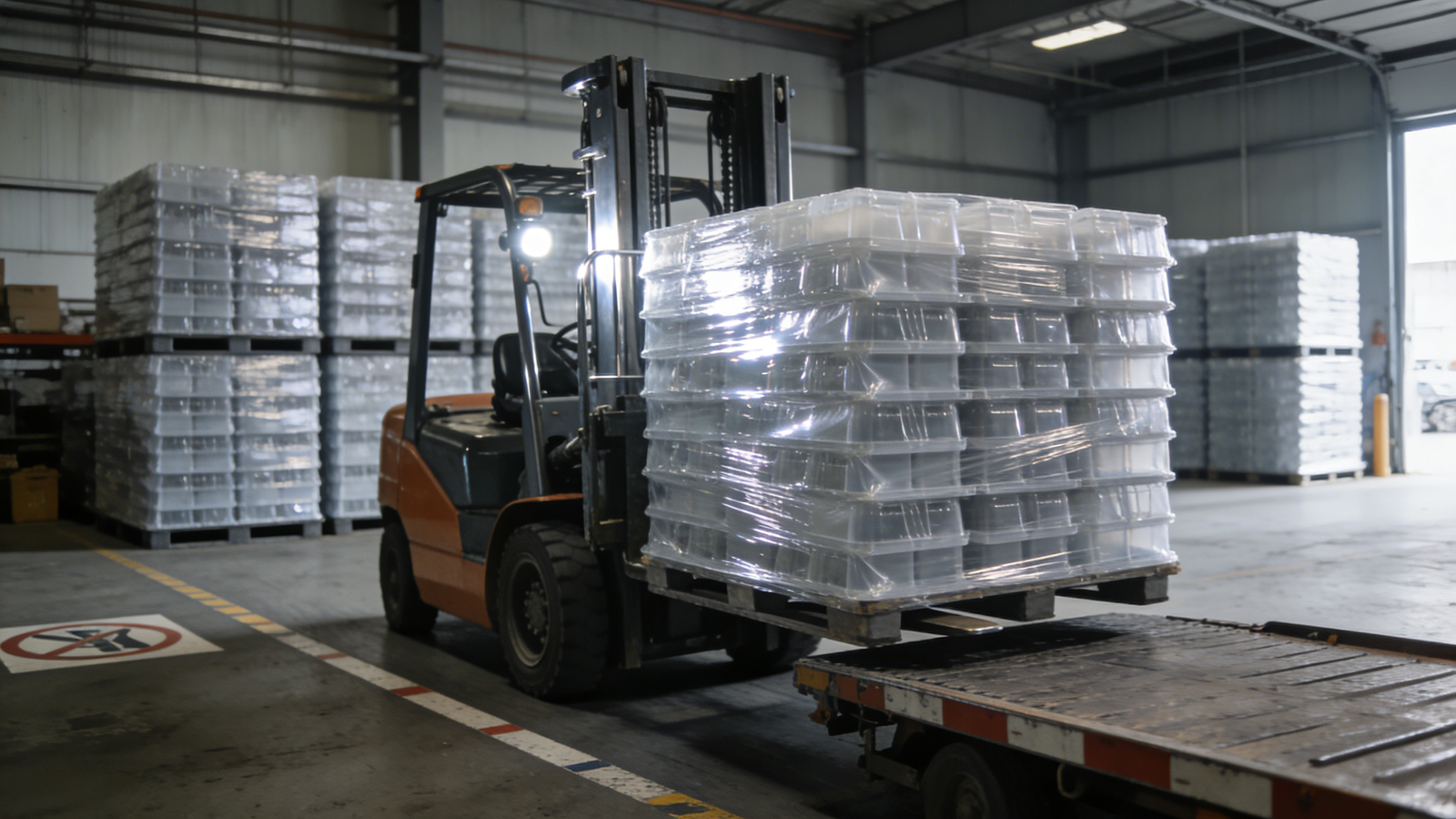
Delivery risks rarely stem from a single factor but from accumulated weaknesses in processing capability during scale-up. Reliable injection molding capacity maintains rhythm under demand fluctuations, while structured mass production management ensures on-time fulfillment. A truly dependable PP injection partner balances capacity and quality dynamically. Through multi-line coordination and flexible scheduling, Xiamen Ruicheng helps clients maintain delivery certainty even during peak seasons.
Capacity flexibility: Rapid response to order fluctuations.
Yield control: Lower defect rates directly shorten lead times.
Scheduling logic: Scientific planning avoids hidden delays.
Communication mechanisms: Transparency reduces decision blind spots.
🚚 Delivery capability is the ultimate test of real PP injection competence.
Key Evaluation Indicators for Daily Consumer Goods PP Injection Customization
| Evaluation Dimension | Low-Maturity Solution | Standard Solution | High-Maturity Solution | Decision Focus |
|---|---|---|---|---|
| Consistency Control | Experience-based | Parameter standardized | Closed-loop data control | Batch stability |
| Material Management | Single source | Multi-supplier | Batch traceability | Long-term reliability |
| Tooling Maintenance | Reactive repair | Scheduled maintenance | Preventive strategy | Risk preemption |
| Delivery Assurance | Fixed capacity | Flexible scheduling | Flexible production lines | Peak-season risk |
When you begin assessing suppliers through these indicators, the real gaps become evident, and the next step can naturally be to contact us.
From Processing Execution to Decision Partnership
PP injection customization for daily consumer goods is shifting from “process execution” to “decision companionship.” Manufacturers no longer need mere executors but partners capable of risk prediction and collaborative optimization. When injection suppliers participate in design, validation, and mass production stages, both cost and risk become systematically controllable. Through early-stage reviews, pilot runs, and continuous optimization, Xiamen Ruicheng enables clients to scale with confidence.
1.Early co-development: Identifying manufacturability risks at the design stage.
2.Pilot validation: Verifying mass-production feasibility through small batches.
3.Production companionship: Continuous monitoring and indicator optimization.
4.Lifecycle optimization: Ongoing reduction of total ownership cost.
Frequently Asked Questions (FAQ)
Question: What are the core advantages of your PP injection molding customization for daily consumer goods?
Answer: We clearly define material stability, consistency control methods, and mass-production yield targets, supported by verified processes and inspection systems to ensure long-term scalability for buyers.
Question: What information is required to initiate a PP injection customization project?
Answer: Typically, basic structural drawings, estimated annual volumes, and usage scenarios are needed. Once submitted through our dedicated channel, feasibility feedback and preliminary solutions are provided within the agreed timeframe.
Question: How are MOQ and lead times defined for different order volumes?
Answer: We set rational MOQs for pilot and mass-production stages, supported by transparent delivery timelines aligned with production capacity to ensure execution feasibility.
Question: How are quality or delivery issues handled during mass production?
Answer: Clear issue identification and response mechanisms are in place. Once responsibility is confirmed, corrective actions such as rework or replacement are initiated promptly, followed by data-driven prevention reviews.
Question: Do you support customized PP injection solutions for special requirements?
Answer: Customization is supported across material, structure, and process dimensions. Additional usage conditions and target metrics are required to assess feasibility, timeline, and cost impact.
Conclusion
Choosing PP injection molding customization for daily consumer goods is fundamentally about selecting a sustainable manufacturing system. The value of core indicators lies not in parameter display but in future risk avoidance. When processing capability, material management, and delivery assurance form a closed loop, PP injection truly supports long-term brand growth. Rather than comparing quotes passively, building forward-looking decision criteria creates lasting advantage.
For expert assistance in implementing for your production needs, visit our resource center or contact us. Let’s help you scale up your manufacturing with precision and efficiency!