Introduction
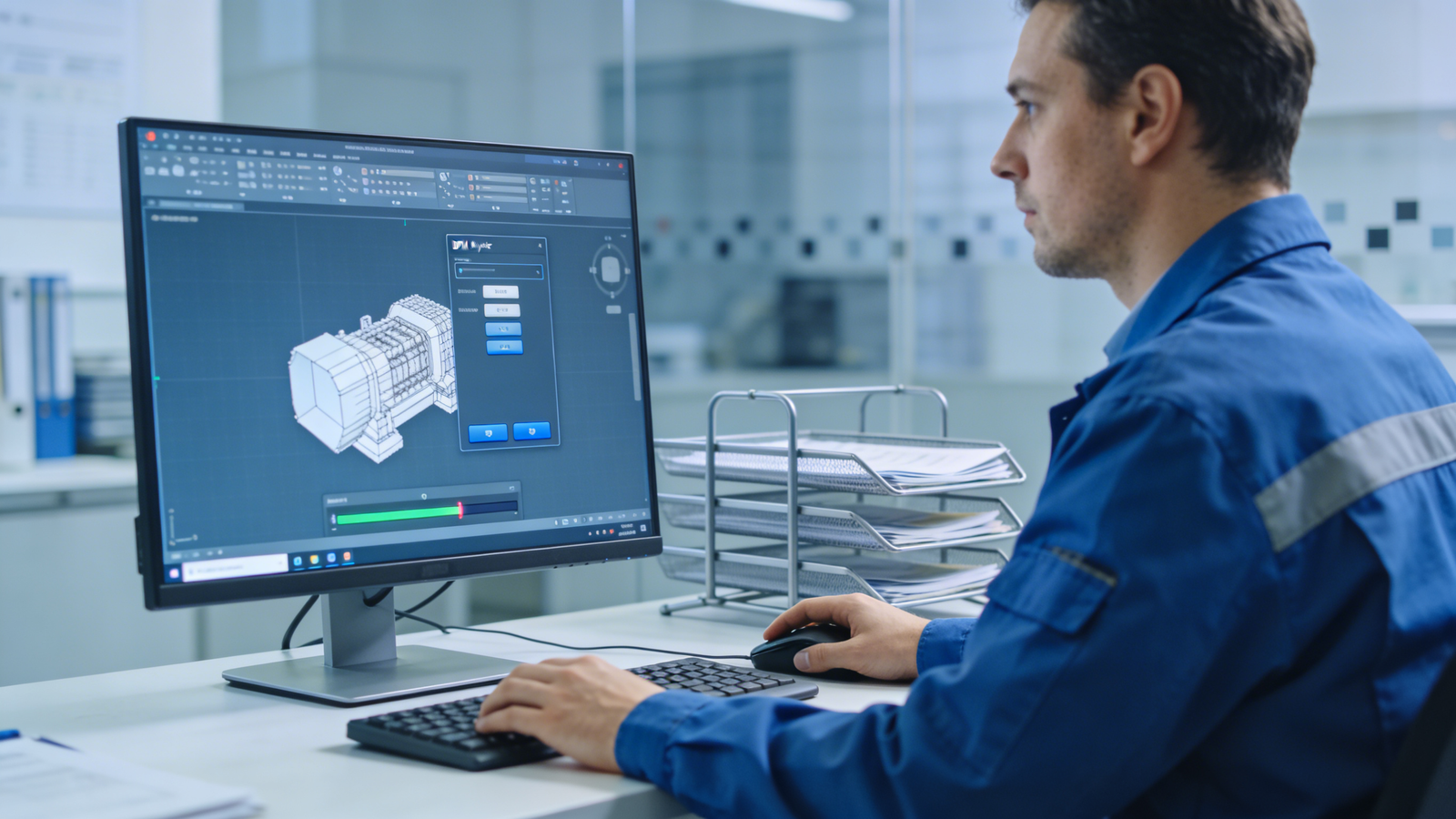
In the development of complex plastic electronic structures, more companies are leveraging DFM analysis to identify risks early and improve production success rates. Vacuum casting, as a key rapid prototyping method, is widely used in electronic housings, connectors, and functional components due to its flexibility and cost advantages. DFM-driven vacuum casting is becoming a critical bridge between design and mass production.
As product geometries become more intricate, traditional tooling validation becomes costly and time-consuming, prompting engineers to adopt vacuum casting for fast iteration. Xiamen Ruicheng has found that integrating DFM deeply into the prototyping phase significantly reduces trial-and-error costs while accelerating project timelines. A design-driven prototyping strategy is reshaping how companies approach development and decision-making.
Is DFM-based vacuum casting reliable for complex structures?

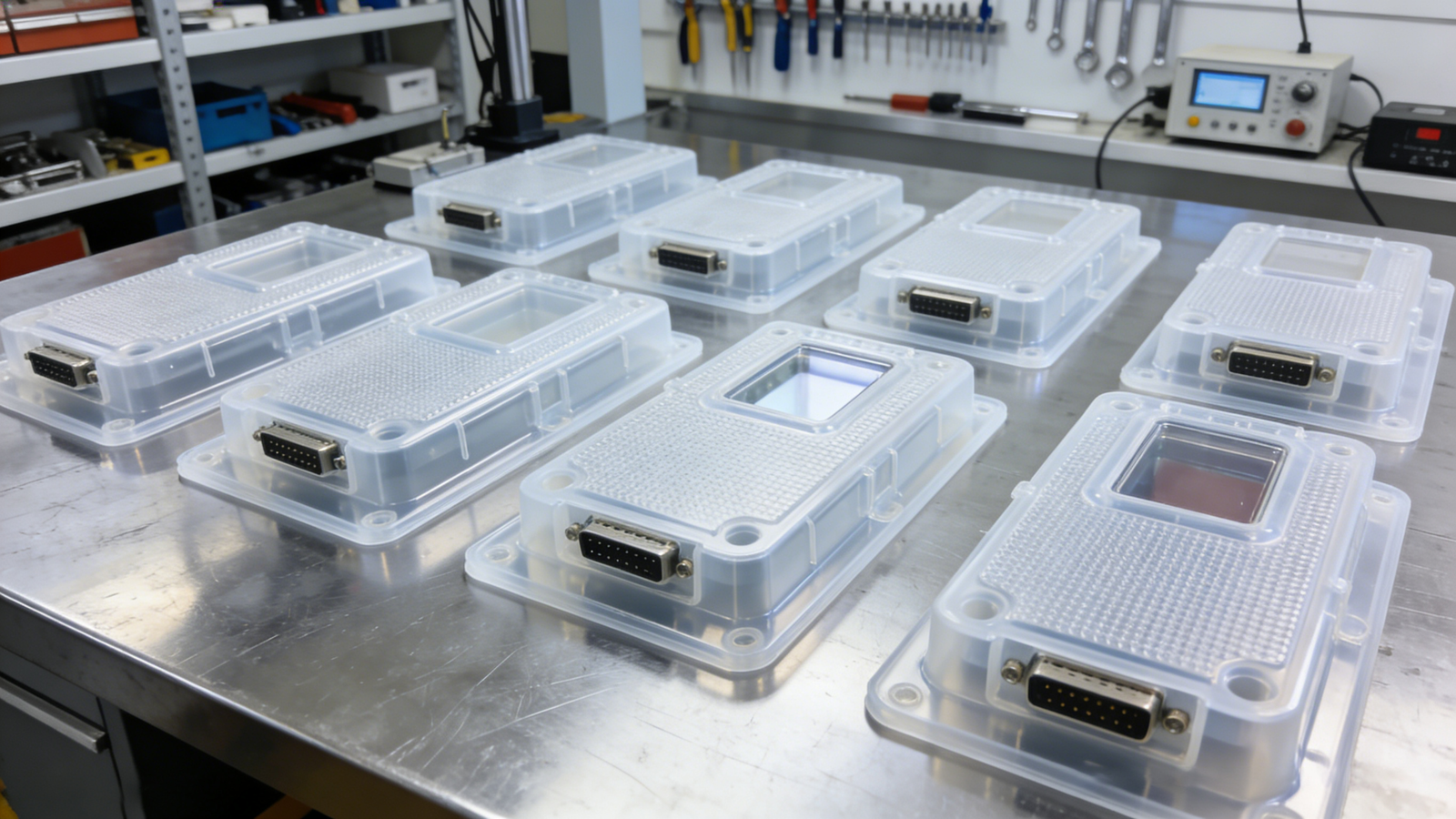
For complex plastic electronic structures, combining Design for Manufacturability with vacuum casting effectively balances design complexity and manufacturing feasibility. Xiamen Ruicheng optimizes thin walls, undercuts, and insert features early in the DFM stage, ensuring prototype results closely match production outcomes. This DFM-centered approach makes validation of complex geometries more stable and predictable.
Geometry replication: Silicone molds accurately reproduce intricate structural details.
Risk mitigation: DFM identifies defects early and guides design improvements.
Cost efficiency: Eliminates expensive tooling during early validation stages.
Faster iteration: Enables rapid design loops to shorten time-to-market.
😊 Even highly complex structures can be validated efficiently through DFM-driven vacuum casting.
Can vacuum casting meet precision and performance requirements for electronics?
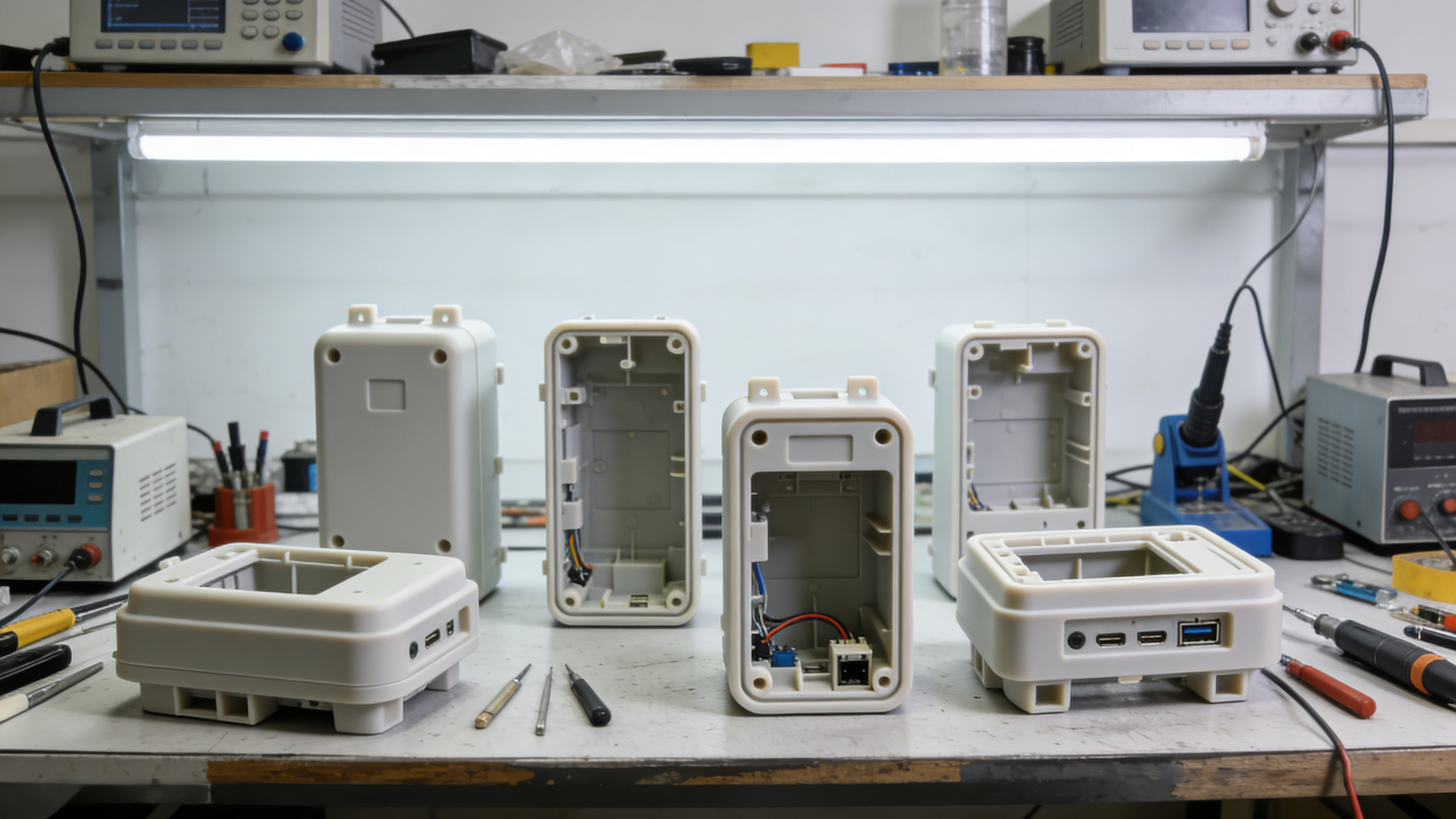
Electronic products demand high dimensional accuracy and surface quality, and vacuum casting can meet most validation requirements by controlling material properties and manufacturing processes. Xiamen Ruicheng enhances resin formulations and process parameters to ensure prototypes closely resemble injection-molded parts. For non-load-bearing applications, vacuum casting parts are fully capable of supporting engineering validation.
Dimensional accuracy: Typically achieves ±0.1mm for enclosure validation.
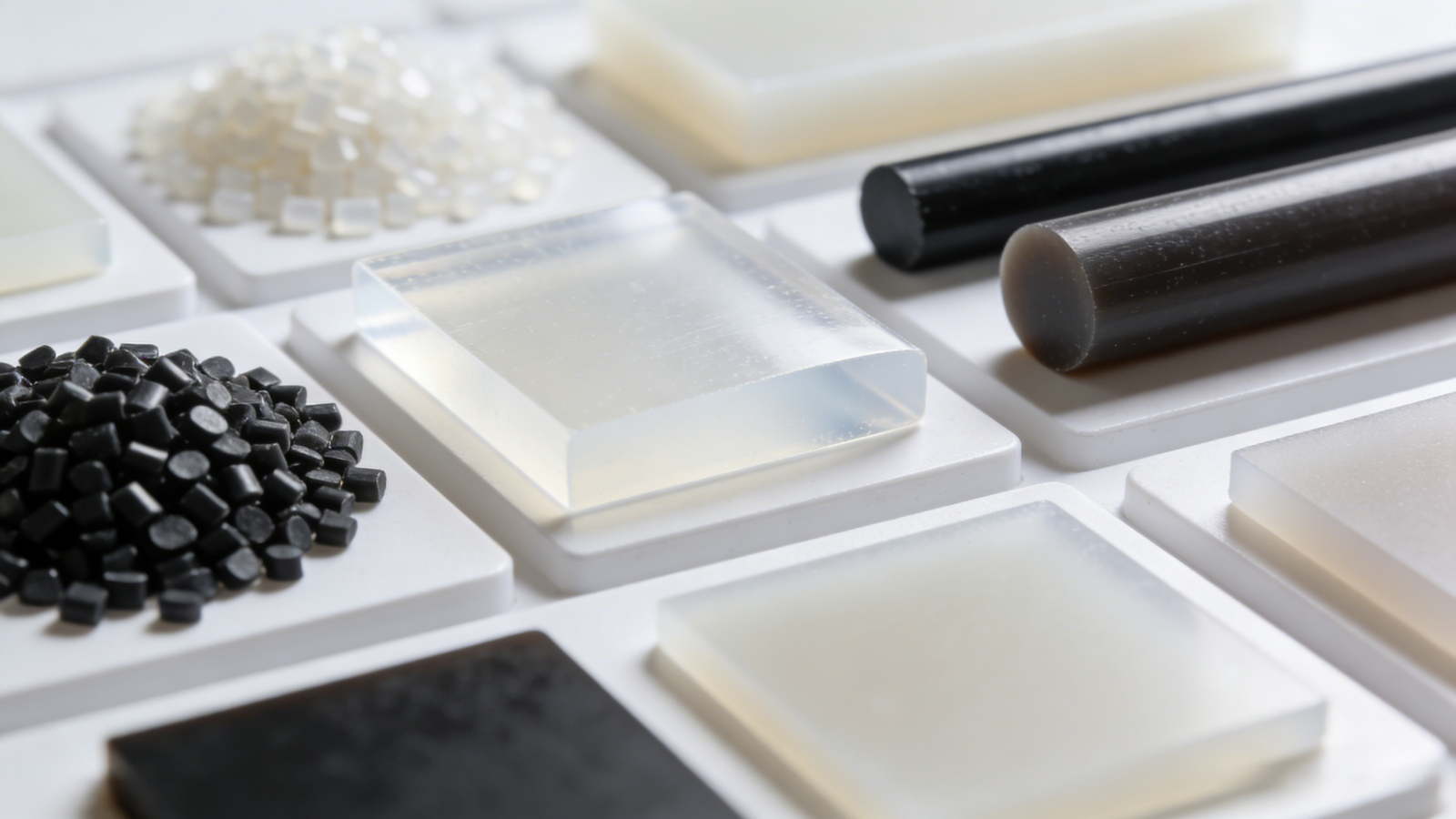
Material simulation: ABS-like and PC-like materials replicate real-use conditions.
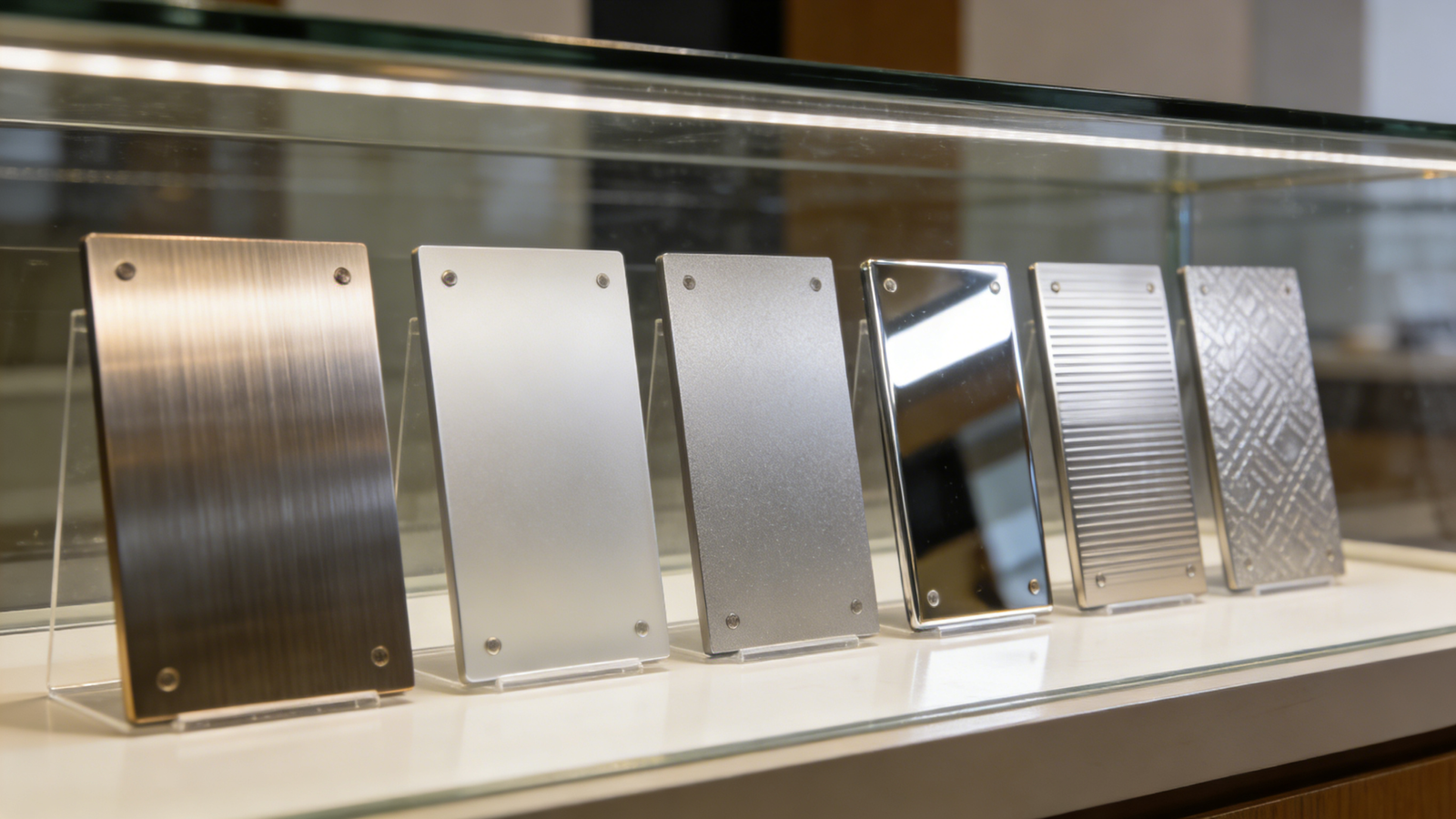
Surface finishing: Supports painting, plating, and texture verification.
Functional testing: Suitable for assembly checks and basic performance testing.
🔧 Vacuum casting is not just for appearance—it’s a key step in engineering validation.
How can DFM improve the success rate of vacuum casting prototypes?
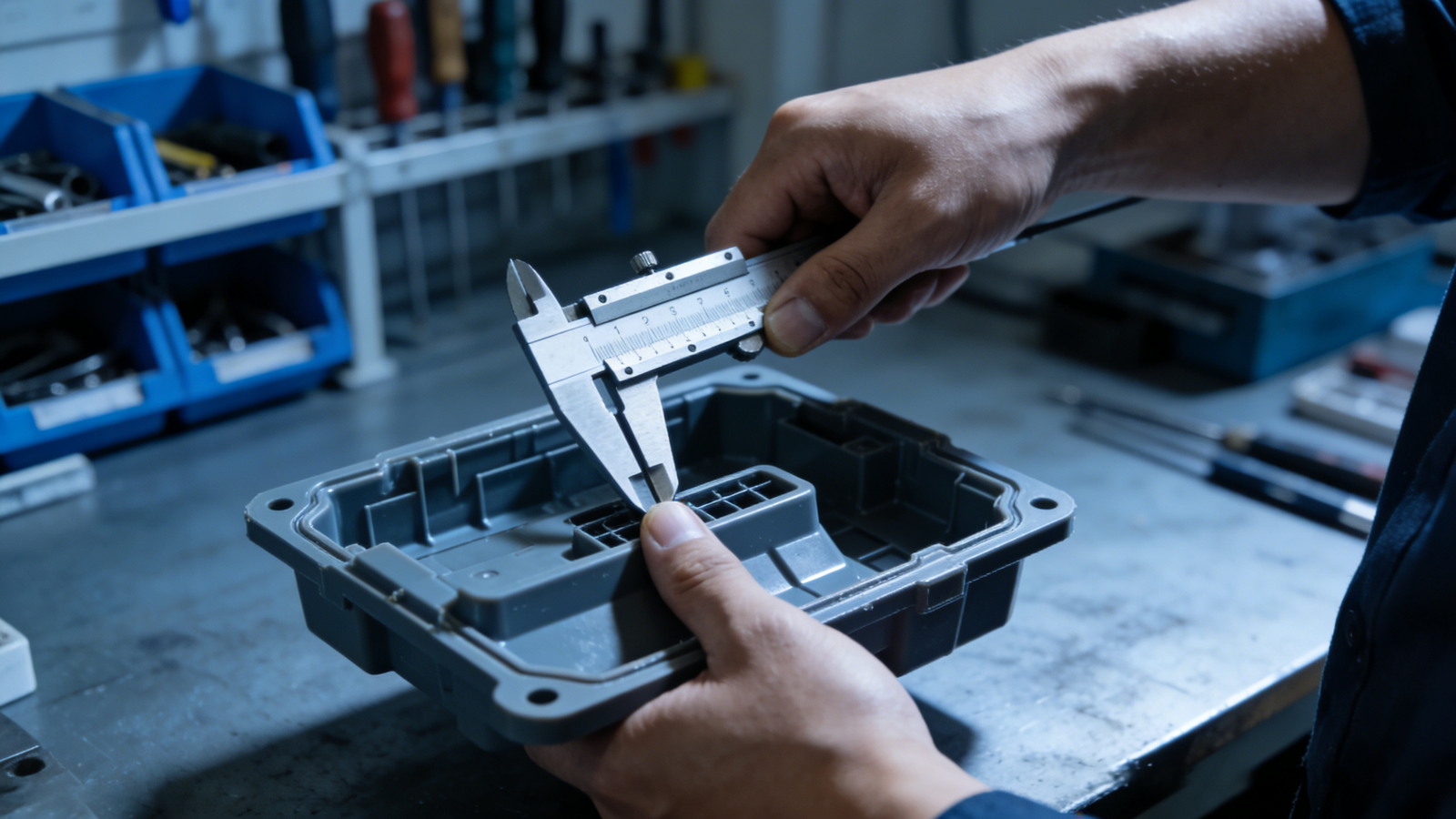
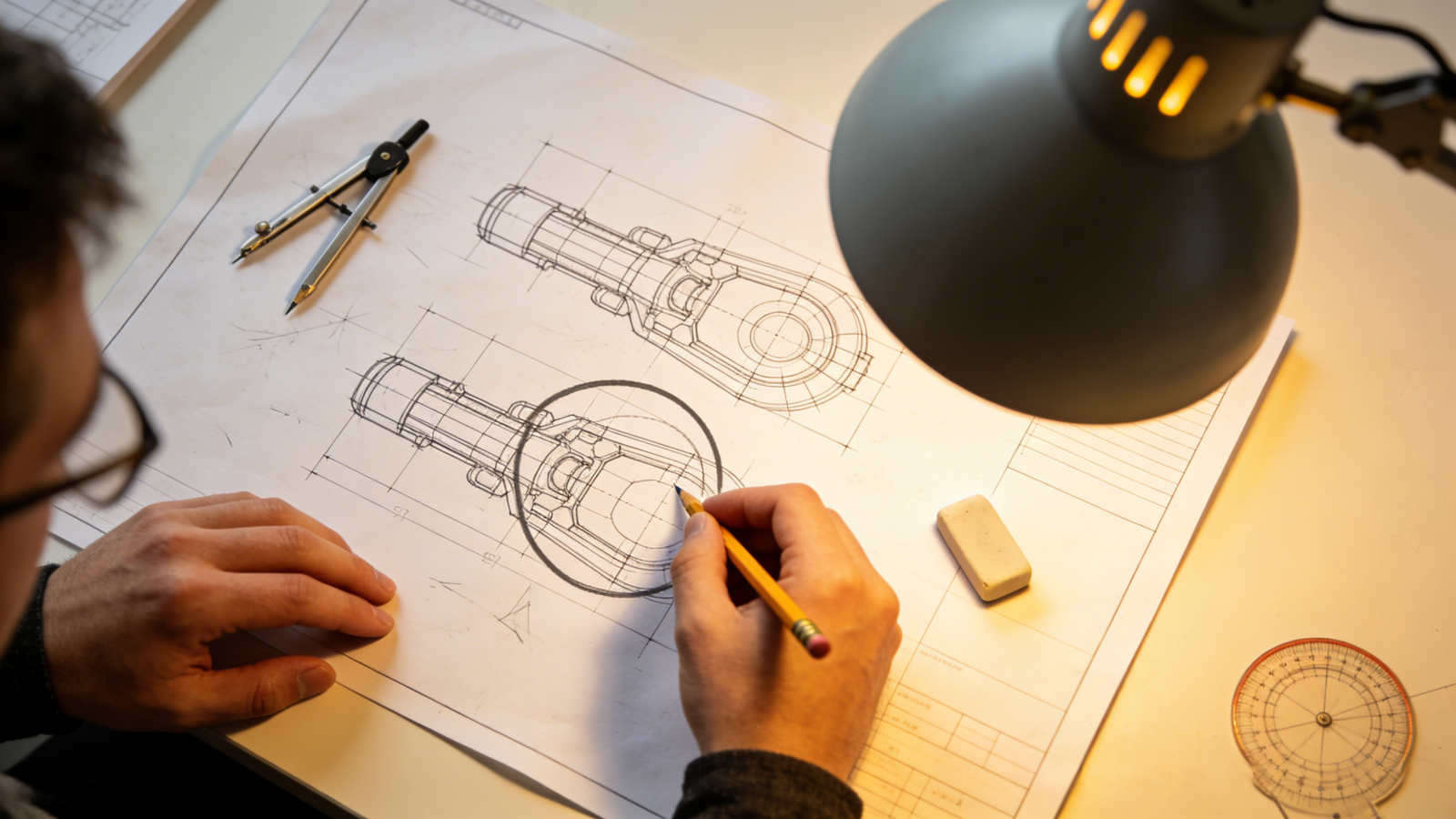
The value of DFM lies in identifying structural issues early and optimizing parameters such as parting lines, wall thickness, and draft angles to enhance manufacturability. Xiamen Ruicheng integrates DFM evaluation at the initial stage and combines it with rapid prototyping services to ensure optimal outcomes. Early DFM analysis is the most effective way to improve prototype success rates.
Structural optimization: Adjust wall thickness and ribs to prevent deformation.
Parting strategy: Proper design improves mold life and consistency.
Demolding control: Optimized draft angles reduce damage risks.
Assembly foresight: Identifies interference issues before production.
🚀 DFM transforms prototyping from trial-and-error into controlled validation.
How to choose between vacuum casting and other prototyping methods?
| Comparison Factor | Vacuum Casting | CNC Machining | 3D Printing | Injection Molding |
|---|---|---|---|---|
| Cost | Medium-Low | High | Low | High |
| Precision | High | Very High | Medium | Very High |
| Lead Time | 5–10 days | 3–7 days | 1–3 days | 20–30 days |
| Surface Finish | Excellent | Excellent | متوسط | Best |
| Batch Size | Small batch | Single | Small batch | Mass production |
| Material Options | Wide | Wide | Limited | Wide |
| Complexity Handling | High | Medium | High | Medium |
| Best Use Stage | Validation | Precision testing | Concept | Mass production |
Need help choosing the right solution for your project? Click here 👉 contact us
From Prototype Validation to Mass Production Decisions
In developing complex plastic electronic structures, companies must balance cost, speed, and performance, and vacuum casting combined with DFM offers that balance. Xiamen Ruicheng provides a structured workflow that seamlessly connects prototyping with production planning. Every step from validation to mass production should be driven by data and engineering insight.
1.Requirement definition: Identify application scenarios and key performance metrics.
2.DFM evaluation: Optimize designs to reduce manufacturing risks.
3.Prototype validation: Use vacuum casting for rapid feasibility testing.
4.Production transition: Develop tooling and manufacturing plans based on validated data.
FAQ
Question 1: What are the core advantages of your DFM-based vacuum casting service?
Answer: Xiamen Ruicheng combines DFM analysis with mature vacuum casting processes to achieve ±0.1mm accuracy using ABS-like and PC-like materials, ensuring reliable validation for electronic product development.
Question 2: What information is required to get a quotation quickly?
Answer: Customers should provide 3D files (STEP/IGES), application details, and estimated quantities. Xiamen Ruicheng responds within 2 hours with initial feedback and provides a full DFM report and quotation within 12 hours.
Question 3: What are your MOQ and lead times for different order volumes?
Answer: MOQ starts from 1–10 units with a lead time of 5–7 days. Larger batches (up to 50+ units) can be delivered faster through parallel tooling setups, with rush orders available.
Question 4: How do you handle quality issues or deviations?
Answer: A 7-day inspection window is provided after delivery. Confirmed issues are resolved within 48 hours through rework or replacement, backed by full inspection reports.
Question 5: Do you support customization for special applications?
Answer: Yes, we offer material and structural customization based on environmental requirements. Customers need to provide temperature, load, and usage data, and tailored solutions are delivered within 3 working days.
Conclusion
In the development of complex plastic electronic structures, DFM-driven vacuum casting has proven to be a reliable and efficient validation method. Xiamen Ruicheng combines engineering expertise with structured workflows to deliver prototypes that closely match production conditions. DFM-centered prototyping is a key strategy for reducing risk and accelerating product development. This approach will continue to play a vital role in bridging design and manufacturing.
For expert assistance in implementing for your production needs, visit our resource center or contact us. Let’s help you scale up your manufacturing with precision and efficiency!