Introduction

In the early stages of chemical equipment development, engineering teams need rapid validation tools to verify structural design and material resistance while minimizing trial-and-error costs. Polypropylene, known for its strong chemical resistance, has become a preferred material for prototype validation in aggressive environments. Achieving low-cost validation under complex chemical conditions is a key driver of faster product development.
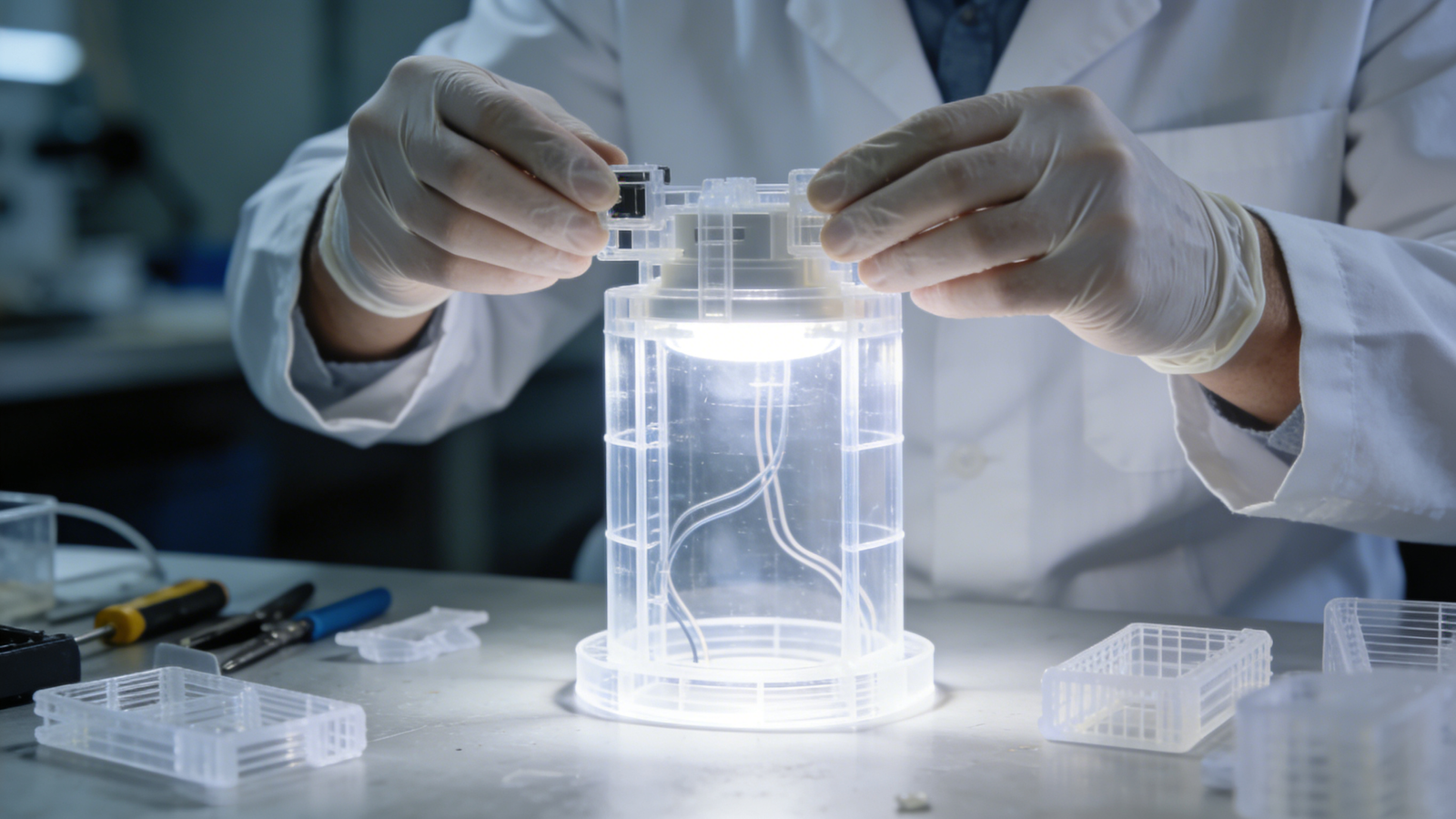
With the advancement of selective laser sintering technology, SLS enables complex geometries to be produced without tooling constraints, offering greater flexibility in prototype development. Xiamen Ruicheng leverages its extensive rapid prototyping expertise to help clients evaluate performance and optimize designs early in the process. The compatibility between material properties and manufacturing methods directly determines the reliability of test results.
Is SLS polypropylene stable in chemical environments?
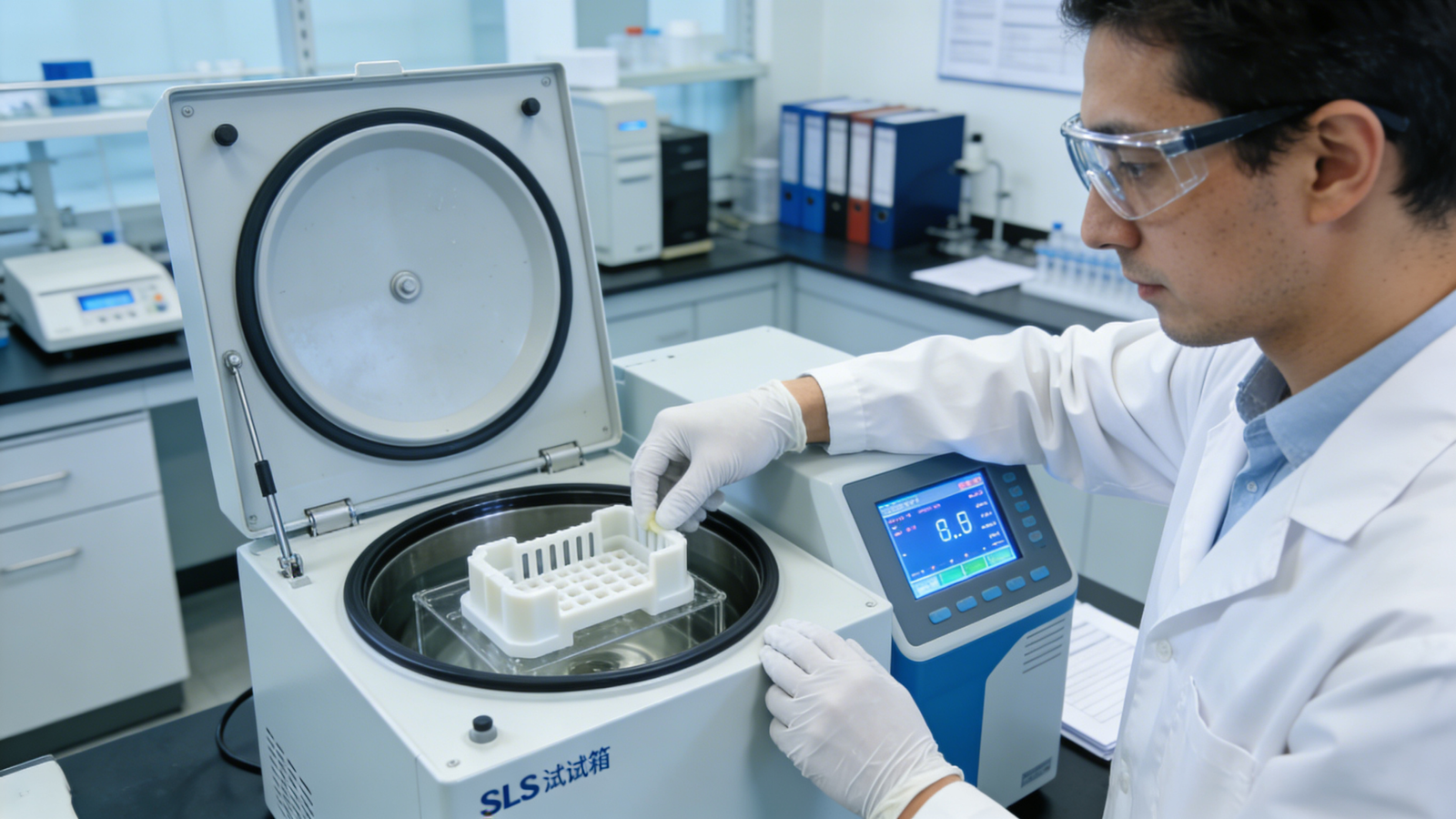
SLS polypropylene prototypes exhibit strong resistance in most acidic and alkaline environments due to their stable molecular structure, and when combined with polypropylene material properties and SLS process principles, they enable rapid production of functional components. Under typical chemical exposure, SLS polypropylene prototypes can provide a reliable basis for real-world validation. However, porosity and surface density may influence long-term immersion results.
Acid resistance: Performs reliably in low to moderate acid concentrations with minimal degradation.
Alkali stability: Maintains structural integrity when exposed to alkaline solutions.
Absorption factor: Micro-porosity may cause slight liquid absorption over time.
Temperature limits: Elevated temperatures require careful validation and optimization.
😊 SLS polypropylene is suitable for most standard chemical corrosion testing scenarios
Does the SLS process affect chemical resistance?
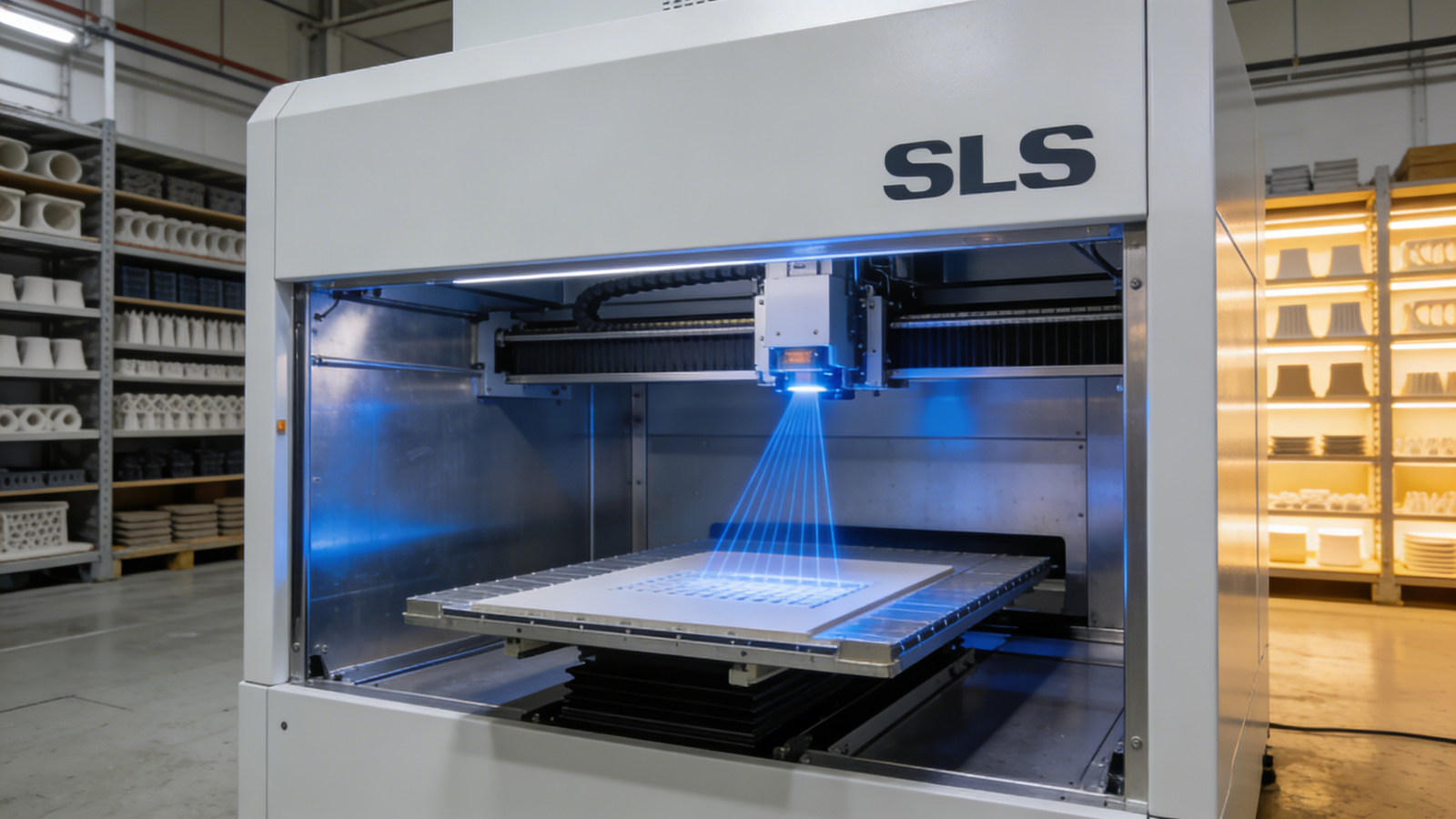
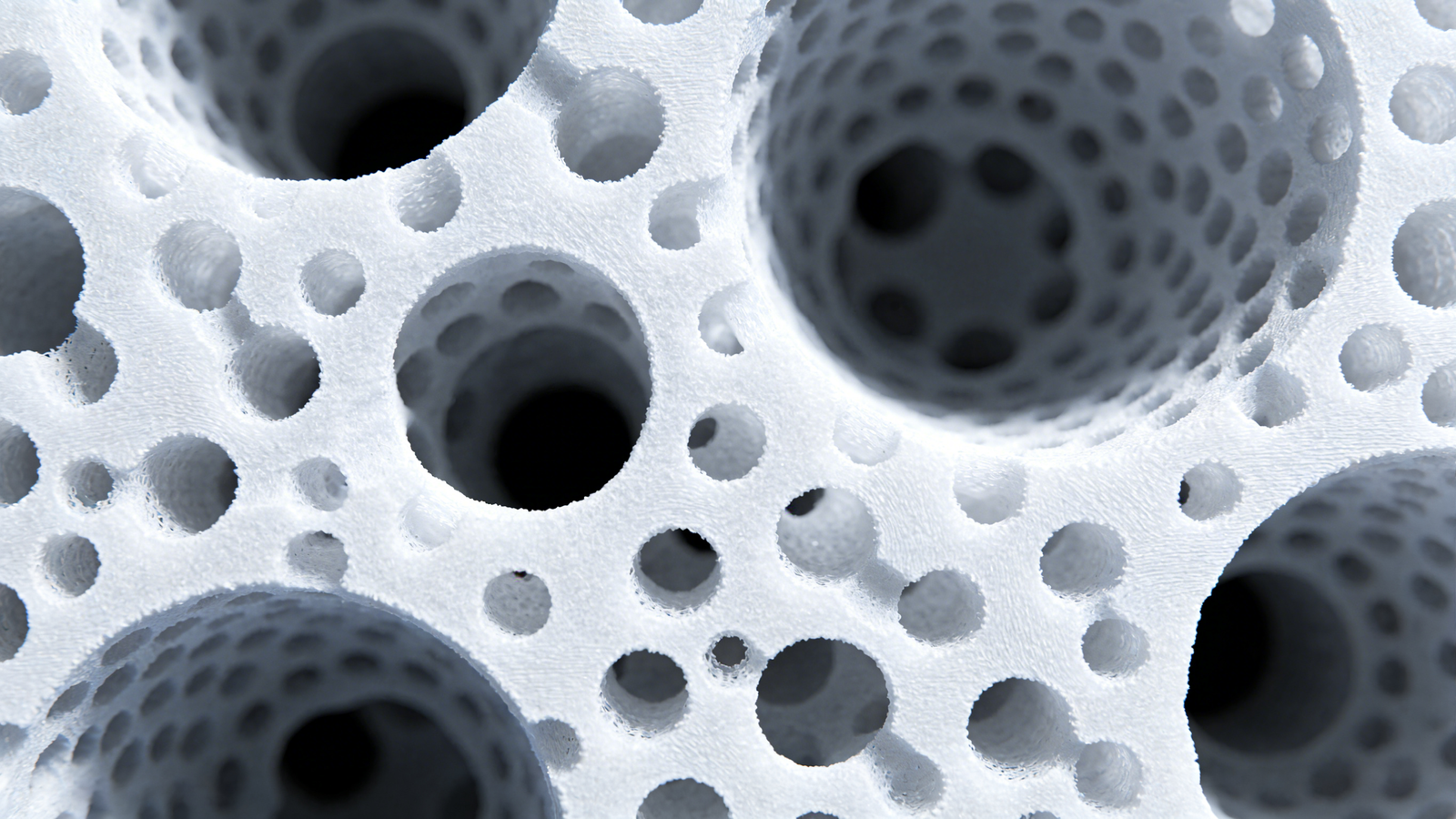
The SLS process forms parts by sintering powder layer by layer, which introduces a degree of porosity compared to injection molding, and this structural characteristic—combined with SLS structural features and porosity impact—directly affects chemical resistance. Processing parameters and post-treatment methods play a decisive role in determining chemical stability. Xiamen Ruicheng enhances performance consistency through optimized sintering conditions and surface finishing.
Porosity effect: Internal pores may accelerate chemical penetration.
Surface treatment: Coating or sealing significantly improves resistance.
Sintering control: Energy density and temperature affect bonding strength.
Design optimization: Smart geometry design reduces vulnerable zones.
🔧 Process optimization is key to improving SLS prototype reliability
Can SLS polypropylene replace production parts in testing?
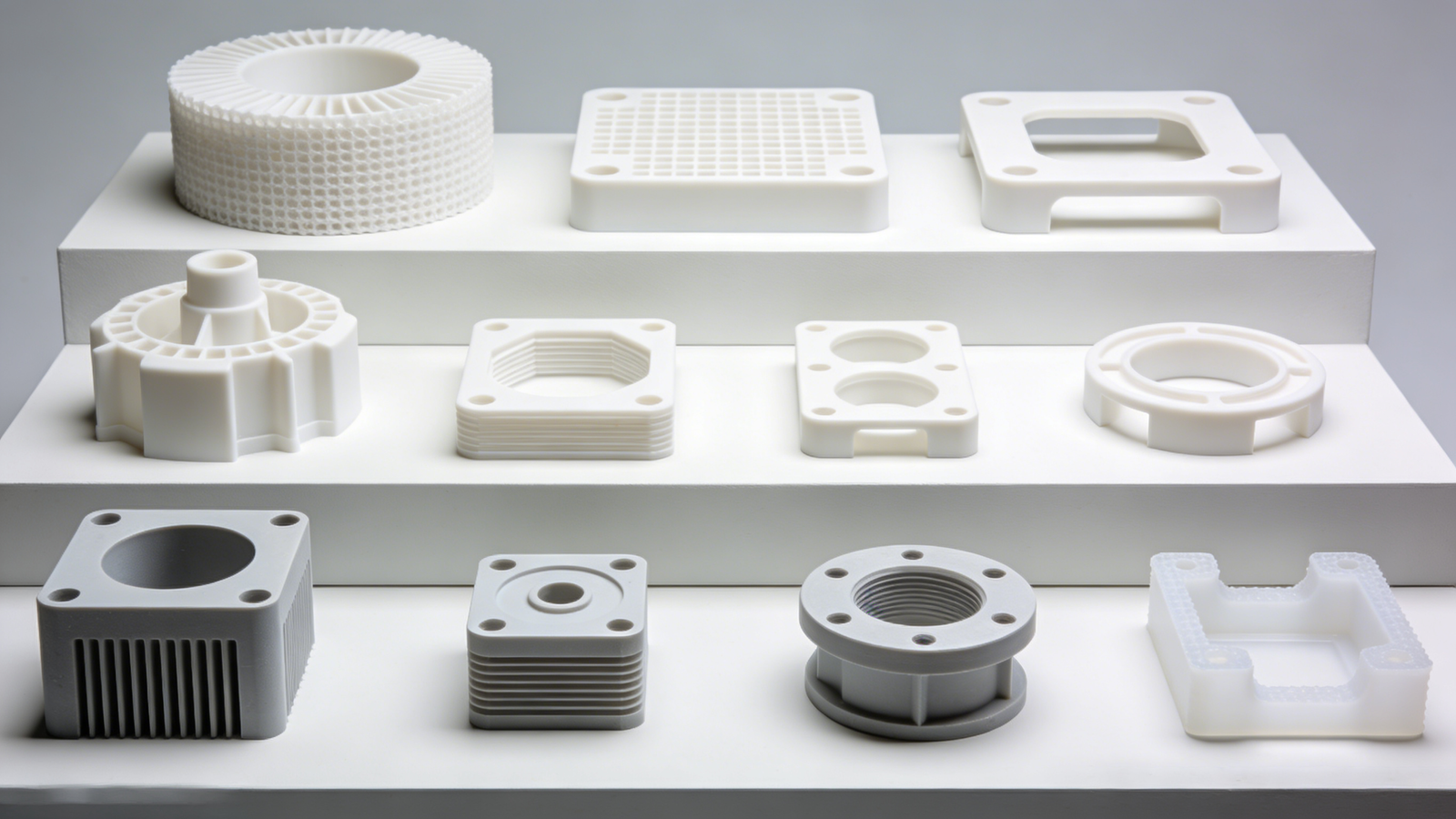
In chemical equipment development, SLS polypropylene prototypes can handle most functional testing needs, but extreme conditions still require careful evaluation, supported by rapid prototyping validation workflows and chemical testing standards. SLS prototypes are ideal for design validation and short-term performance testing rather than long-term durability assessment. Xiamen Ruicheng recommends a phased validation approach to reduce risks.
Validation stage: Suitable for structural and assembly verification.
Performance testing: Effective for short-term corrosion testing.
Lifecycle testing: Not recommended for long-term exposure studies.
Cost efficiency: Significantly reduces early-stage development costs.
🚀 SLS prototypes are validation tools, not full replacements
Comparison of SLS Polypropylene with Other Prototyping Methods
| Criteria | SLS Polypropylene | Injection Molded PP | CNC Plastic | SLA Resin |
|---|---|---|---|---|
| Lead Time | Fast (3–5 days) | Slow (tooling required) | Medium | Fast |
| Chemical Resistance | Good | Excellent | Moderate | Poor |
| Cost | Low | High upfront | Medium | Medium |
| Complexity | High | Medium | Low | High |
| Testing Suitability | Functional validation | Production validation | Structural testing | Visual testing |
If you are evaluating the best prototyping solution for your chemical components, reach out to Xiamen Ruicheng for expert guidance 👉 contact us
How to choose the right rapid prototyping solution for chemical testing
Selecting the right prototyping method requires balancing material performance, process limitations, and testing objectives, rather than focusing solely on cost or speed. Xiamen Ruicheng recommends aligning the validation approach with actual working conditions and using multiple processes in stages to ensure reliable results. A well-structured prototyping strategy significantly improves development efficiency and reduces project risks. Professional support also ensures that test data is meaningful and actionable.
1.Define testing goals: Identify whether the focus is structural or functional validation.
2.Match material properties: Choose materials based on chemical exposure conditions.
3.Evaluate process differences: Understand how each method impacts performance.
4.Adopt phased validation: Combine multiple processes for better accuracy.
FAQ
Question 1: What are the core advantages of your SLS polypropylene rapid prototyping?
Answer: Xiamen Ruicheng provides SLS polypropylene prototypes with strong acid and alkali resistance, complex geometry capability, and optimized porosity control, meeting ASTM-based testing references for early-stage chemical validation.
Question 2: What information is required to request a quotation?
Answer: Please provide 3D files (STEP/STL), application conditions (temperature, chemicals), and quantity requirements. Xiamen Ruicheng typically delivers process analysis and quotation within 12 hours, with optional sample validation.
Question 3: What are the MOQ and lead times for different volumes?
Answer: Prototype orders have flexible MOQ, even single units, with a lead time of 3–5 days. Batch production offers cost advantages, with standard delivery in 5–10 days and expedited options available.
Question 4: How are quality or performance issues handled?
Answer: Xiamen Ruicheng provides technical review support, identifies root causes related to materials or processes, and offers optimized solutions or alternative methods to ensure valid testing outcomes.
Question 5: Do you support customized solutions?
Answer: Yes, we offer customization based on specific working conditions, including surface treatment, material upgrades, and structural optimization, with proposals typically delivered within 3 working days.
Conclusion
SLS polypropylene rapid prototyping provides strong value in chemical component testing, particularly in early-stage design validation and performance assessment. With proper process optimization and testing strategies, it significantly enhances reliability while reducing development costs. Partnering with a professional rapid prototyping provider is essential to ensure accurate testing and efficient project execution. Xiamen Ruicheng remains committed to delivering high-quality, reliable prototyping solutions for the chemical industry.
For expert assistance in implementing for your production needs, visit our resource center or contact us. Let’s help you scale up your manufacturing with precision and efficiency!