Introduction
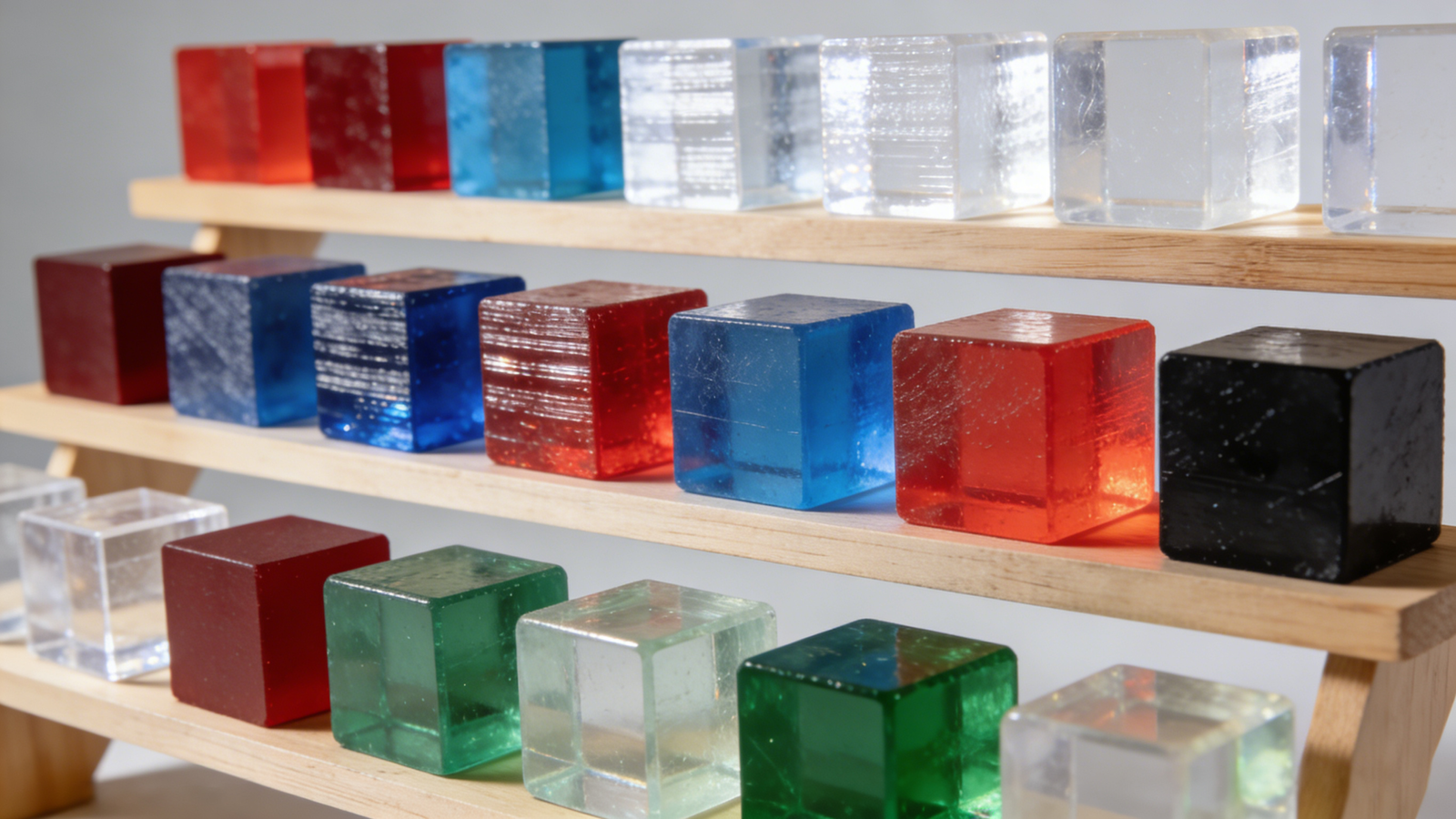
The thermal management system of new energy vehicles places stricter demands on heat dissipation components, where material selection directly impacts system stability and safety. During the prototyping stage, thermal components must not only validate heat performance but also ensure manufacturability and cost control. Material selection has evolved from simple thermal comparison to a comprehensive evaluation of manufacturing feasibility.
In real-world projects, procurement and engineering teams often face challenges in aligning materials with processing methods, leading to repeated iterations and delays. Xiamen Ruicheng provides integrated support from material selection to structural optimization through rapid prototyping expertise. Locking in the right material strategy during prototyping is critical to shortening development cycles.
Which materials are preferred for EV thermal component prototyping?
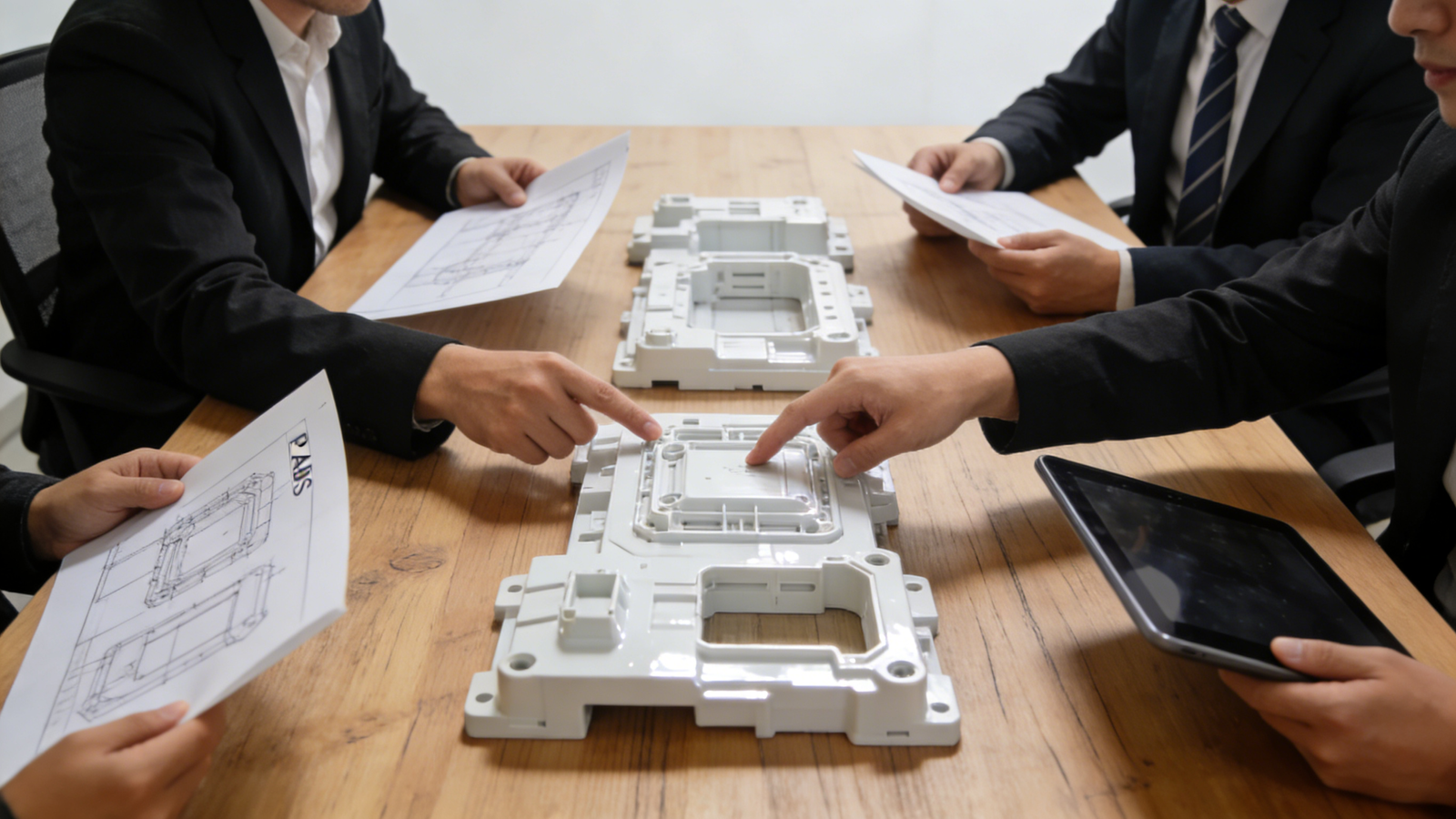
In EV thermal component prototyping, material selection typically focuses on thermal conductivity, machining efficiency, and structural compatibility, with Aluminum 6061 widely used due to its balance of conductivity and machinability, while Copper is often applied in high heat flux validation areas. Xiamen Ruicheng leverages CNC-based rapid prototyping to balance thermal performance and cost efficiency. In most scenarios, aluminum alloys remain the most practical choice for prototyping.
Thermal priority: Aluminum and copper both offer stable conductivity, but must match actual heat load conditions.
Machining efficiency: CNC aluminum processing enables rapid realization of complex geometries.
Cost control: Aluminum is significantly more cost-effective than copper for iterative testing.
Structural flexibility: Aluminum supports lightweight and intricate flow channel designs.
💡 Material choice is not about extremes, but about balanced feasibility.
Why has aluminum become the mainstream choice for EV thermal prototypes?
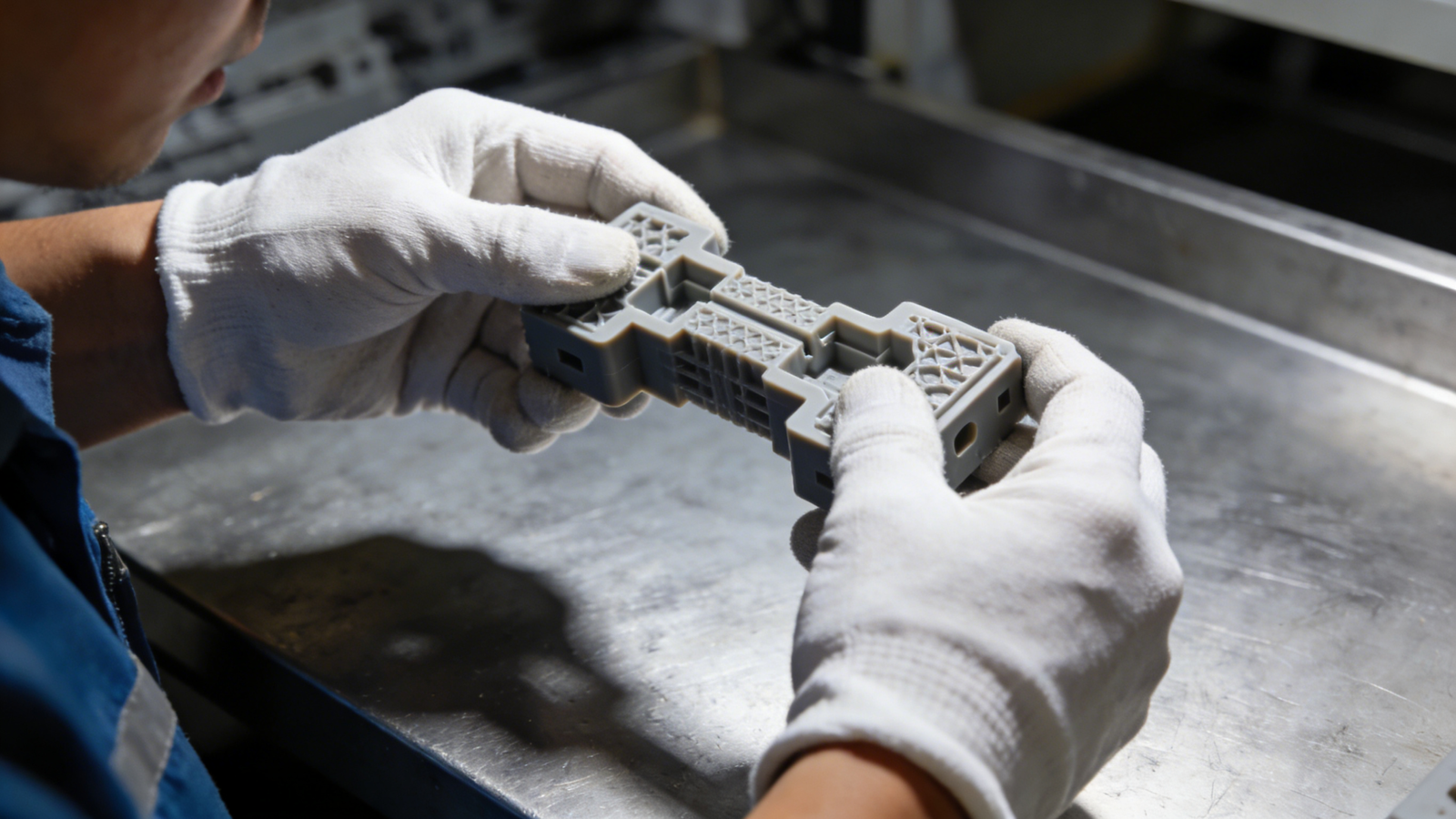
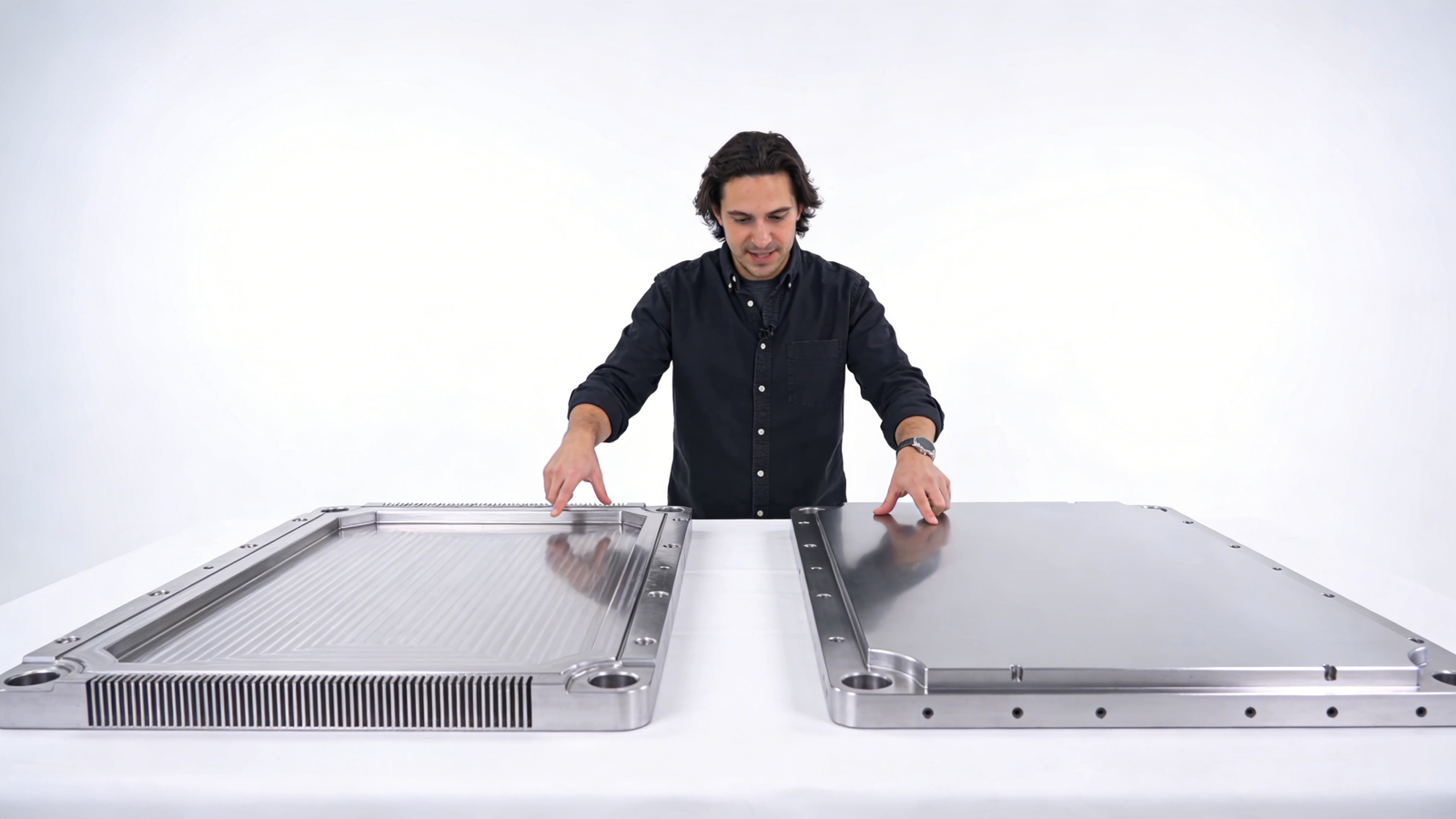
In EV thermal development, aluminum alloys are widely adopted due to their excellent machinability and stable thermal performance, especially when combined with CNC machining to create complex Heat sink structures efficiently. Xiamen Ruicheng utilizes multi-axis CNC systems to accelerate validation cycles and structural optimization. Aluminum provides the best balance between performance and manufacturing efficiency.
Lightweight advantage: Lower density contributes to vehicle efficiency.
Processing flexibility: Ideal for fins and internal channel structures.
Surface treatment compatibility: Anodizing enhances durability and thermal radiation.
Supply chain readiness: Easily scalable from prototype to mass production.
🚀 Aluminum aligns both engineering needs and production scalability.
Are high thermal conductivity materials always suitable for rapid prototyping?
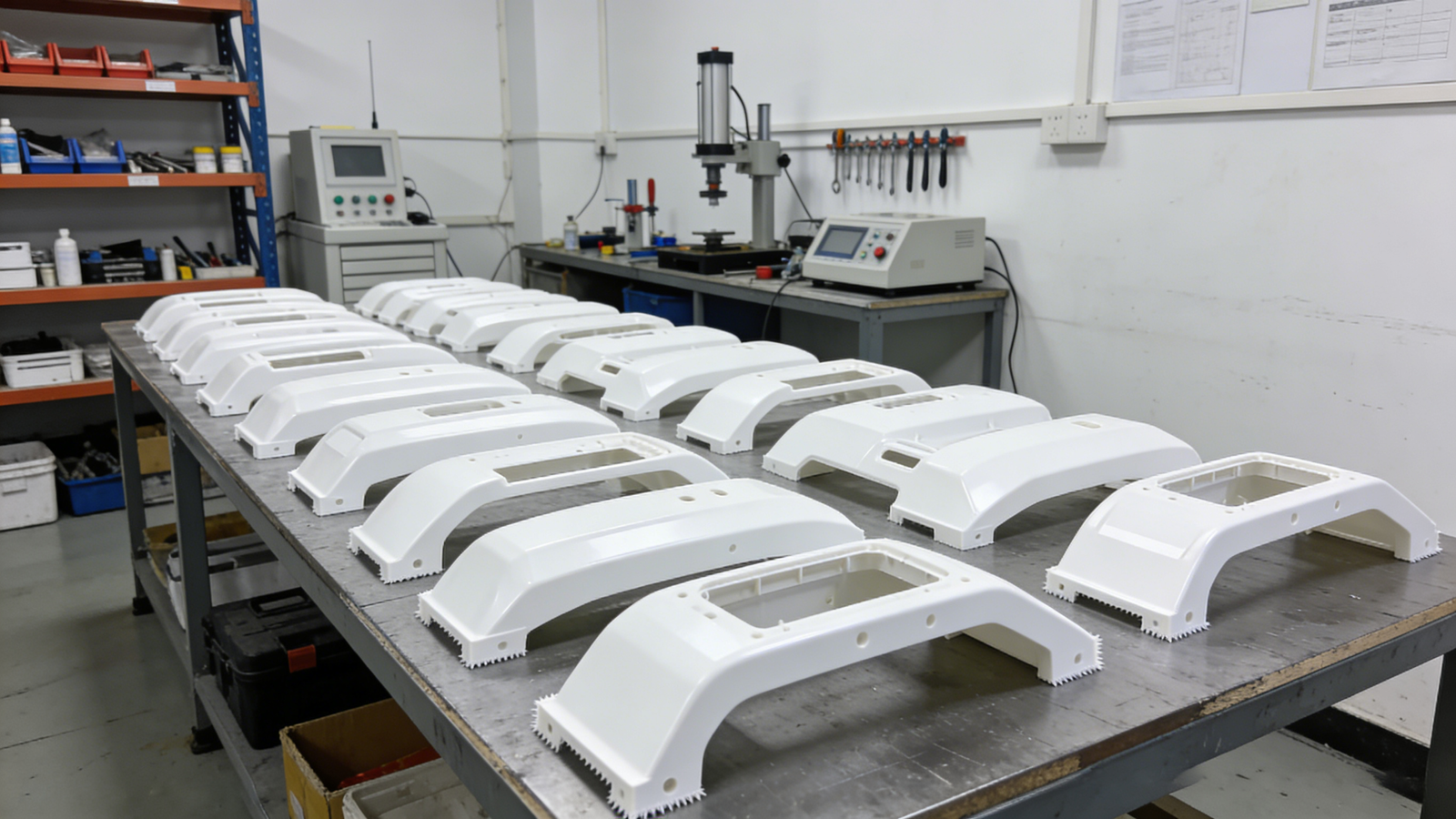
Although copper offers higher Thermal conductivity, its machining complexity and cost often limit its use in Rapid prototyping, where speed and iteration efficiency are more critical. Xiamen Ruicheng has found that overemphasizing peak performance can delay development timelines and increase trial costs. The best prototyping material is the one that enables fast and repeatable validation.
High cost burden: Copper significantly increases initial project expenses.
Longer machining time: Harder to process, impacting delivery schedules.
Limited structural feasibility: Complex geometries are harder to achieve.
Reduced iteration efficiency: Slower testing cycles hinder development.
⚙️ Prototyping favors speed and validation over maximum performance.
Comparison of materials for EV thermal prototyping
| Material Type | Thermal Conductivity | Machining Difficulty | Lead Time | Cost Level | Structural Flexibility | Mass Production Readiness |
|---|---|---|---|---|---|---|
| Aluminum 6061 | High | Low | Fast | Medium | Strong | Excellent |
| Copper C110 | Very High | High | Slow | High | Medium | Medium |
| Stainless Steel | Low | Medium | Medium | Medium | Medium | Strong |
| Thermal Plastics | Medium | Low | Fast | Low | Strong | Medium |
Choosing the right material determines not only thermal efficiency but also project speed. Get expert guidance now: contact us
How to balance thermal performance and manufacturing cost during prototyping?
In EV thermal component development, the alignment between materials and processes determines both efficiency and final performance. Xiamen Ruicheng integrates years of rapid prototyping experience to help clients validate designs quickly and effectively. A successful prototyping strategy balances performance, cost, and lead time simultaneously.
1.Material prioritization: Select cost-effective materials like aluminum based on heat load requirements.
2.Process-driven design: Optimize structures based on CNC machining capabilities.
3.Iterative validation: Use fast, low-cost materials for multiple testing cycles.
4.Production foresight: Evaluate scalability and supply chain readiness early.
FAQ: EV Thermal Component Rapid Prototyping
Question: What are your core advantages in EV thermal prototyping services?
Answer: Xiamen Ruicheng specializes in CNC aluminum rapid prototyping with ±0.05mm precision, offering DFM analysis and thermal validation support tailored for EV applications.
Question: What information is required to get a quotation quickly?
Answer: Provide 3D CAD files (STEP/IGES), operating conditions (temperature, power), and estimated quantities. Quotations with engineering feedback are delivered within 12 hours.
Question: What are your MOQ and lead time policies?
Answer: MOQ starts from 1 piece, standard lead time is 5–7 days, and urgent orders can be completed within 48 hours.
Question: How do you handle quality or performance issues?
Answer: Issues can be reported within 7 days. Confirmed defects are resolved within 48 hours through rework or replacement.
Question: Do you support customized thermal structure design?
Answer: Yes, we offer customized solutions based on thermal requirements, including simulation support and structural optimization within 3–5 working days.
Conclusion
The key to EV thermal prototyping is not selecting the material with the highest conductivity, but identifying the best balance between performance and manufacturability. Xiamen Ruicheng provides integrated rapid prototyping solutions from material selection to structural validation. Early-stage material decisions directly influence project success and time-to-market. Leveraging aluminum alloys as a primary option enables efficient and scalable development.
For expert assistance in implementing solutions for your production needs, visit our resource center or contact us. Let’s help you scale up your manufacturing with precision and efficiency!