Introduction
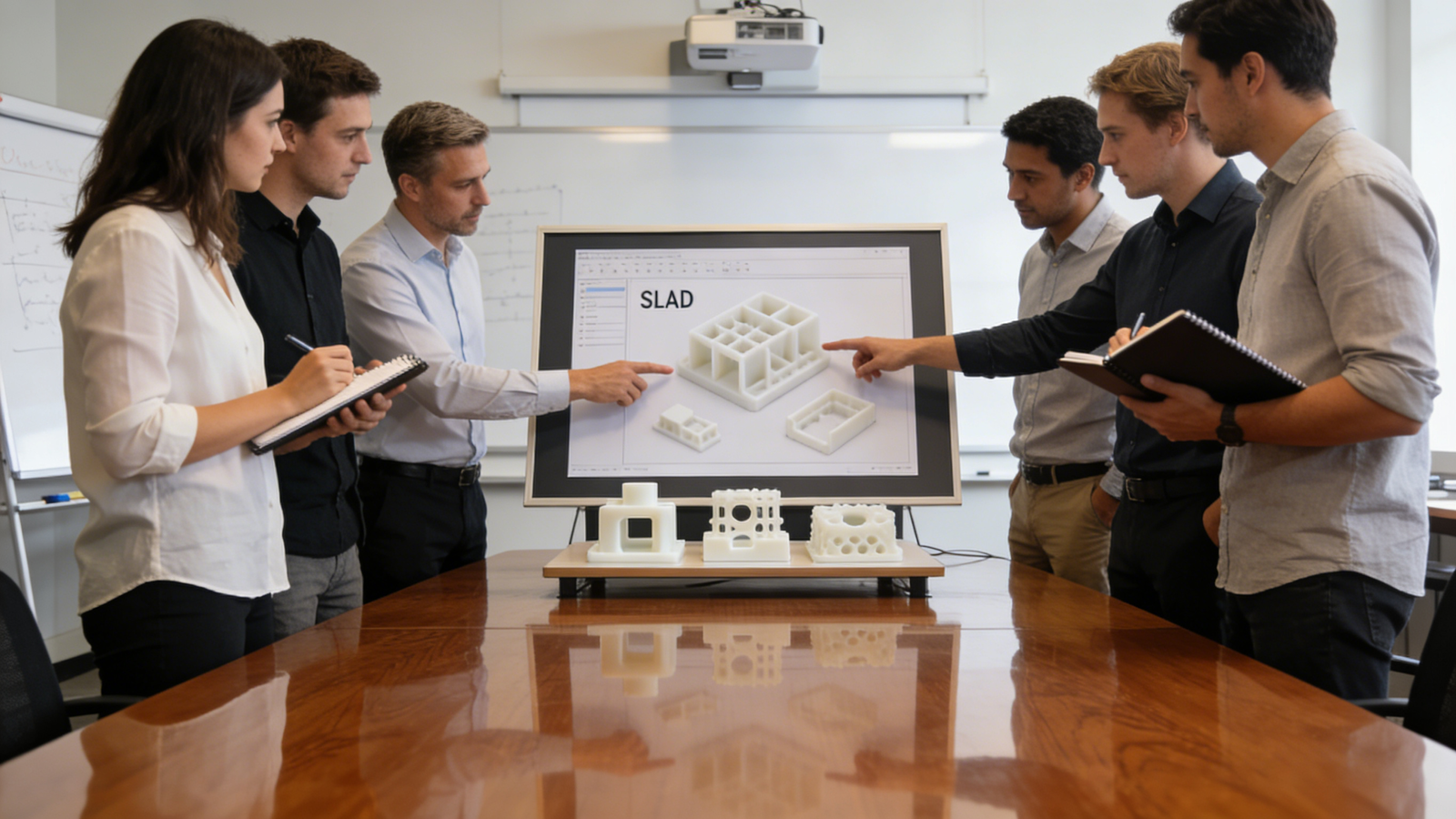
In the early stage of new mold development, cavity deviations often result from insufficient design validation combined with process uncertainties, leading to increased trial costs and extended timelines. SLA prototyping, with its high precision, has become a key tool for pre-mold risk control. By validating dimensions before tooling, manufacturers can significantly reduce trial iterations and improve first-shot success rates.
At Xiamen Ruicheng, real project cases show that SLA prototypes help verify critical structures and tolerances in advance, reducing rework risks during mass production. This method shortens development cycles while increasing decision confidence. Shifting from trial-and-error to data-driven validation is now a major trend in mold development.
Why do new mold cavities often suffer from dimensional deviations?
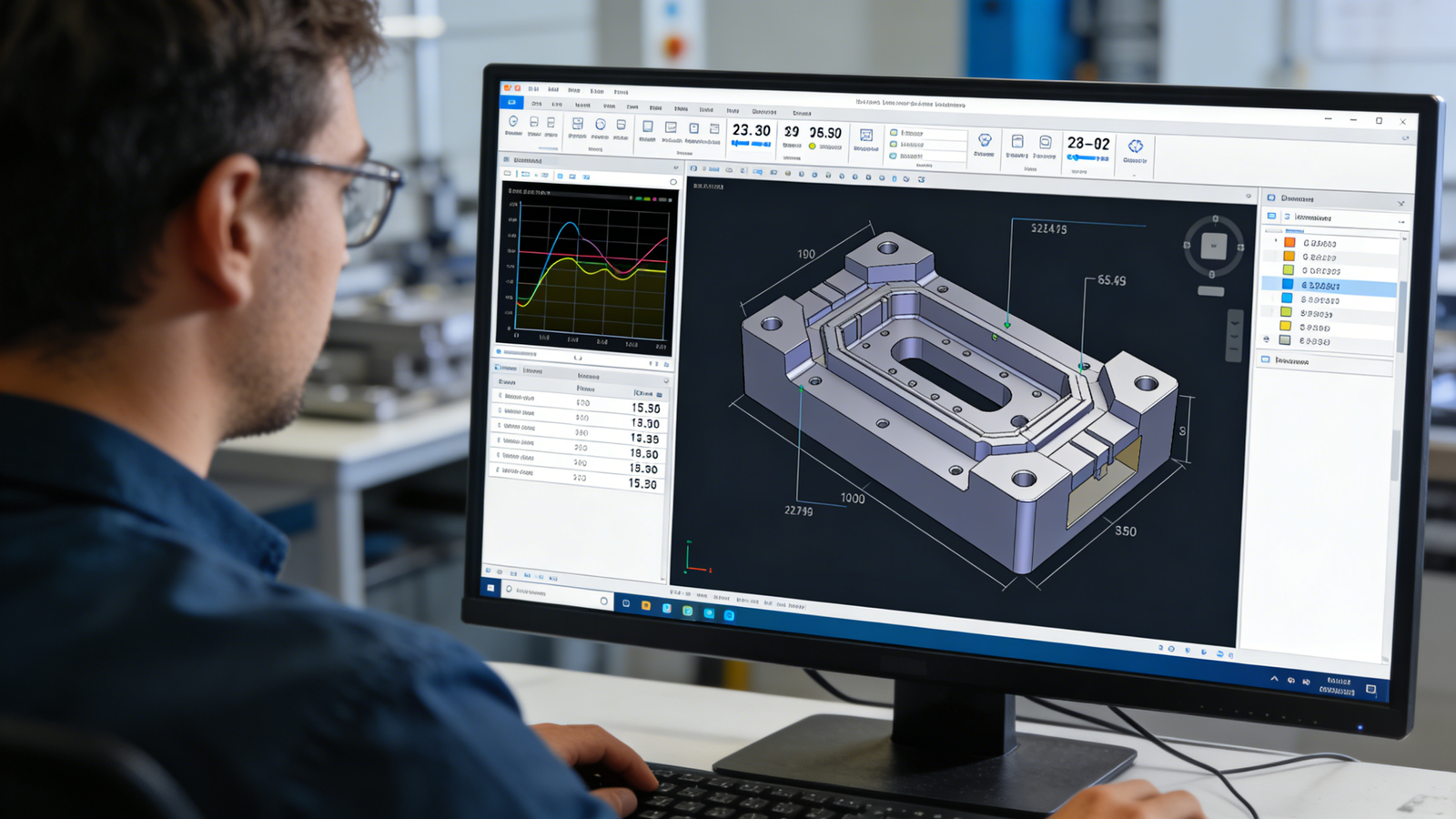
Dimensional deviation in new mold cavities typically arises from tolerance miscalculations and material shrinkage inconsistencies, further amplified by machining and assembly errors when no early validation is applied. SLA prototyping enables early-stage structural simulation, while mold cavity validation identifies potential deviations before steel cutting begins. Building a high-precision physical model early allows dimensional issues to be detected and corrected at a lower cost stage.
Error sources: Design and machining inaccuracies accumulate and impact final dimensions.
Shrinkage effects: Unverified material shrinkage leads directly to cavity mismatch.
Assembly deviation: Multi-part structures introduce cumulative alignment errors.
Lack of validation: Without early checks, problems only appear during trial molding.
📌 Identifying deviation sources early is the key to reducing mold development risks.
How do SLA prototypes enable early mold dimension validation?
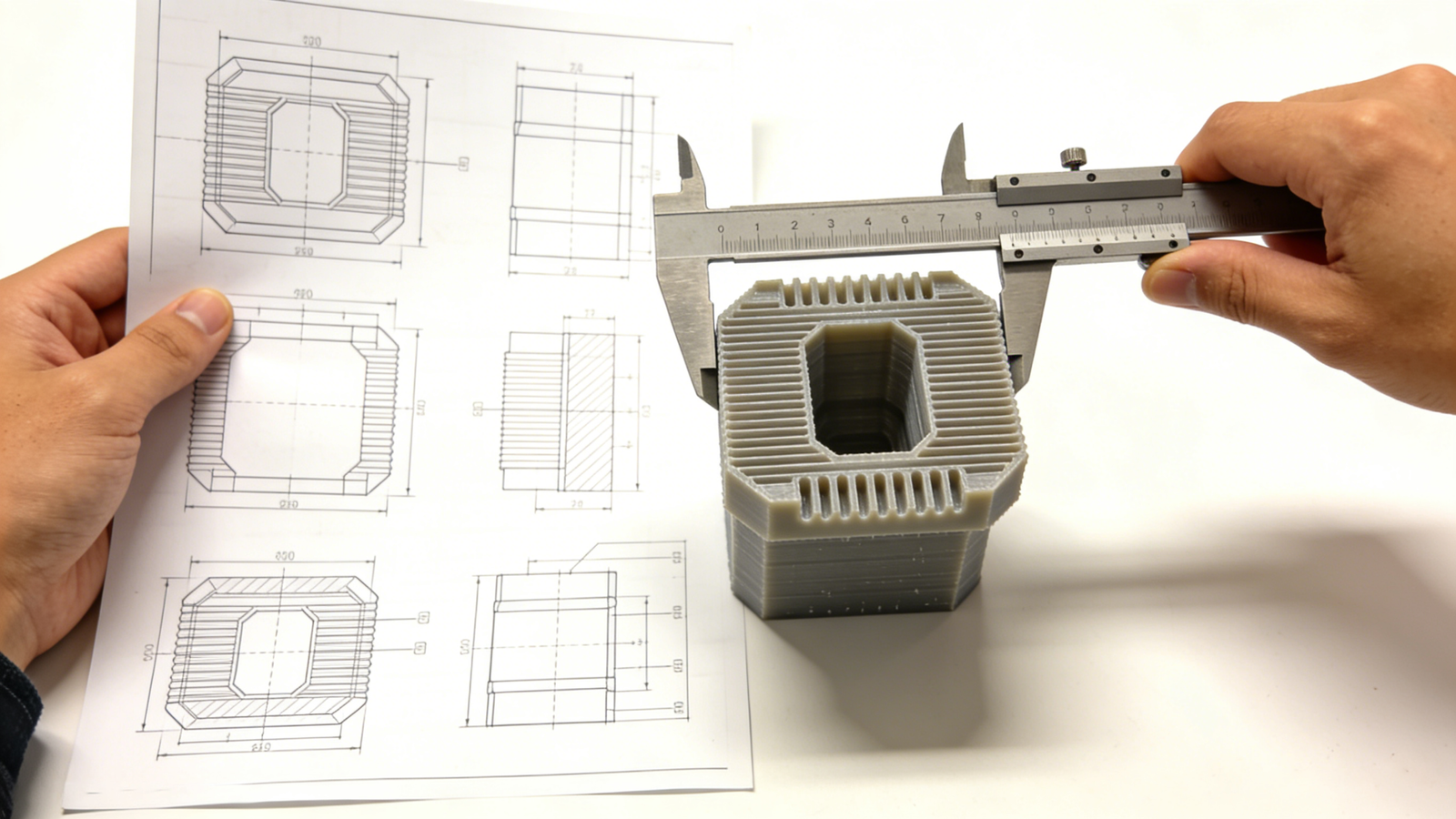
SLA prototypes use high-precision photopolymerization to accurately reproduce complex geometries, allowing real-world validation before mold manufacturing begins, and this has become a standard workflow at Xiamen Ruicheng. Combined with dimension validation processes and rapid prototyping services, multiple design iterations can be completed within a short timeframe. This pre-validation mechanism significantly reduces trial runs and improves design reliability.
High precision: SLA captures fine details required for complex structure validation.
Rapid iteration: Fast turnaround supports multiple optimization cycles.
Structural testing: Physical assembly reveals hidden design conflicts.
Data feedback: Each iteration generates measurable data for decisions.
🚀 SLA prototypes transform mold development into a data-driven process.
How can SLA prototypes reduce mold trials and overall costs?
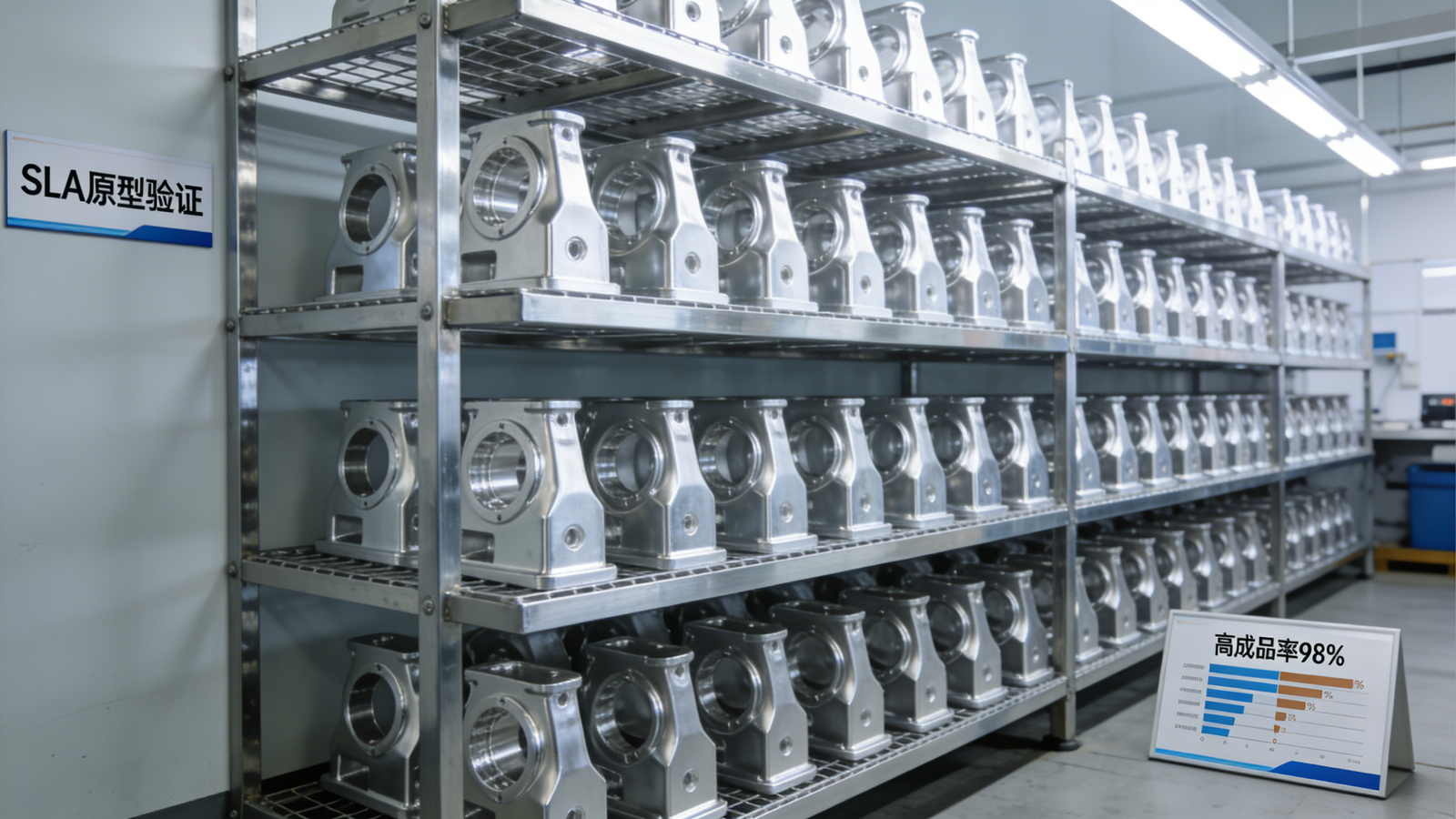
Introducing SLA prototypes before mold manufacturing allows potential issues to be identified and corrected early, avoiding repeated adjustments during costly trial stages. At Xiamen Ruicheng, this approach has helped clients significantly reduce development expenses. By integrating trial optimization and cost control strategies, the entire workflow becomes more efficient. A small upfront validation cost can lead to substantial downstream savings.
Fewer trials: Early validation reduces repeated mold testing cycles.
Less rework: Issues are solved before expensive tooling modifications.
Shorter lead time: Fewer iterations compress the project timeline.
Higher success rate: First-shot success improves overall confidence.
💡 Investing in early validation delivers long-term production stability.
Comparison of Mold Validation Methods Using SLA Prototypes
| Comparison Item | SLA Prototype Validation | CNC Sampling | Direct Tooling | Traditional Trial |
|---|---|---|---|---|
| Accuracy | High-detail precision | متوسط | Depends on machining | Post-result only |
| Cost | Low validation cost | Medium-high | High upfront | High cumulative |
| Lead Time | Fast iteration | Slower | Long cycle | Multi-round delays |
| Risk Control | Early detection | Partial validation | High risk | Late exposure |
| Application Stage | Pre-tooling | Local structure | Mass production | Adjustment stage |
Want to lock dimensional accuracy before tooling and improve first-pass success? 👉 contact us
From Validation to Decision: Building a Reliable Workflow with SLA Prototypes
SLA prototypes are not just validation tools but a bridge connecting design, testing, and decision-making. At Xiamen Ruicheng, they are integrated into a complete development loop, from data validation to production readiness. A standardized validation process ensures clear decision-making at every critical stage. This approach reduces reliance on experience, improves transparency, and enhances collaboration between procurement and engineering teams.
1.Front-loaded validation: Moving validation to early stages reduces downstream risks.
2.Data-driven decisions: Real data replaces assumptions and guesswork.
3.Collaborative efficiency: Shared models improve team communication.
4.Controlled outcomes: Each step is verified for consistent final results.
FAQ – Common Procurement Questions
Question 1: What level of precision and consistency can your SLA prototyping service guarantee?
Answer: Xiamen Ruicheng achieves ±0.05mm accuracy using industrial-grade SLA systems, supported by triple inspection and full data traceability, ensuring reliable mold validation performance.
Question 2: What information do we need to provide to start an SLA prototype project?
Answer: You need to submit 3D files (STEP/IGES), key dimension requirements, and application details. Our team responds within 2 hours and provides a detailed quotation within 12 hours with optimization suggestions.
Question 3: What are the lead time differences between small-batch validation and large-volume orders?
Answer: Standard SLA prototypes are delivered within 3–5 days. Small batches are prioritized, and large orders are scheduled flexibly, with urgent orders completed within 48 hours.
Question 4: What happens if the prototype validation does not meet expectations?
Answer: We provide re-evaluation and optimization. If confirmed, one free redesign iteration is offered to ensure reliable validation results and prevent future deviations.
Question 5: Do you offer customized SLA validation solutions for specific applications?
Answer: Yes, we support customized solutions including material selection, accuracy levels, and testing methods. A tailored plan is delivered within 3 working days based on your requirements.
Conclusion
SLA prototyping is transforming mold development from trial-and-error to a validation-driven process, ensuring dimensional stability and risk control before tooling. At Xiamen Ruicheng, this approach has helped clients reduce trial costs and accelerate development timelines. Moving validation forward is not just a technical improvement, but a smarter decision-making strategy. For manufacturers seeking efficiency and reliability, SLA prototyping is now an essential step.
For expert assistance in implementing for your production needs, visit our resource center or contact us. Let’s help you scale up your manufacturing with precision and efficiency!