Introduction
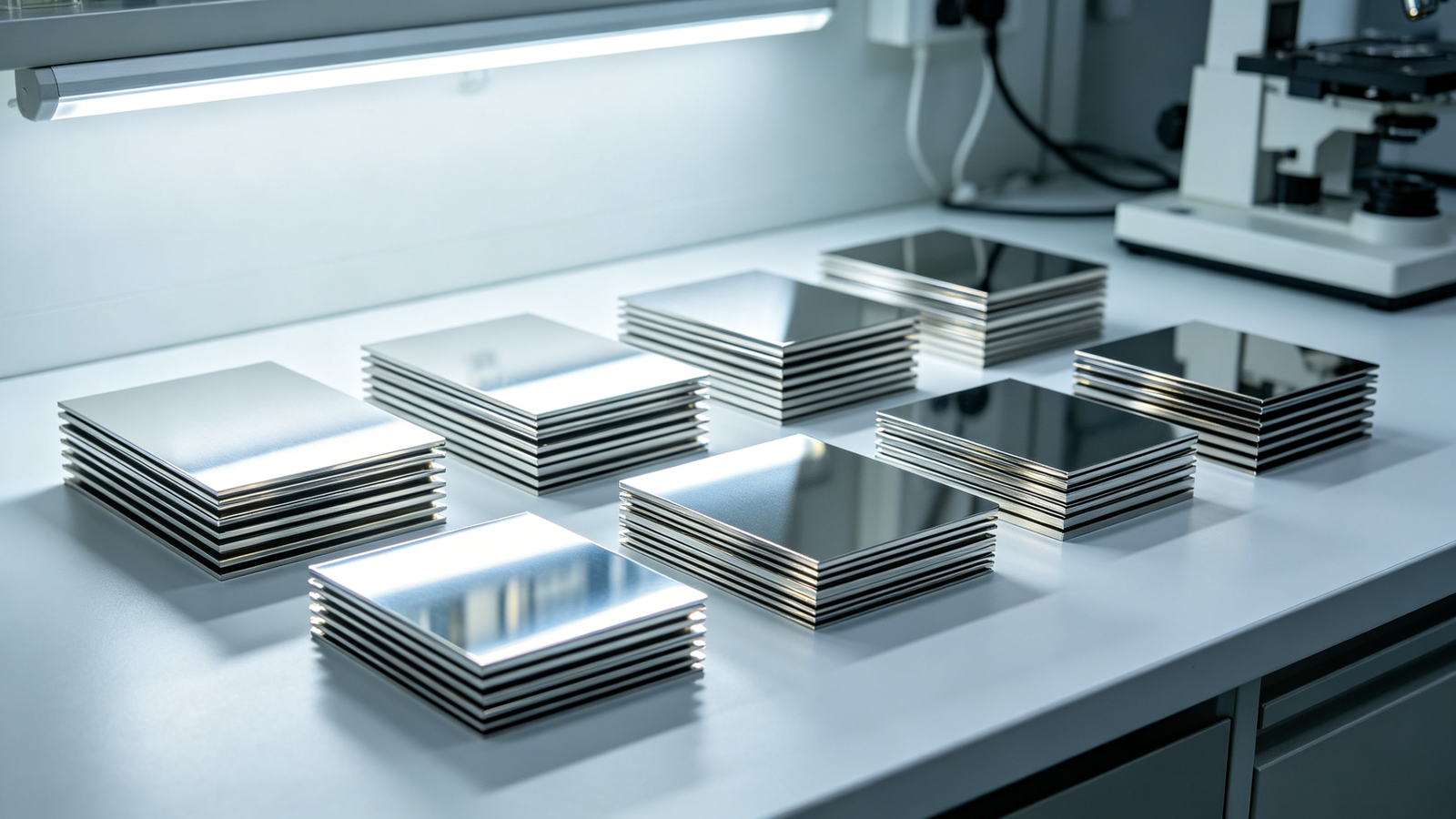
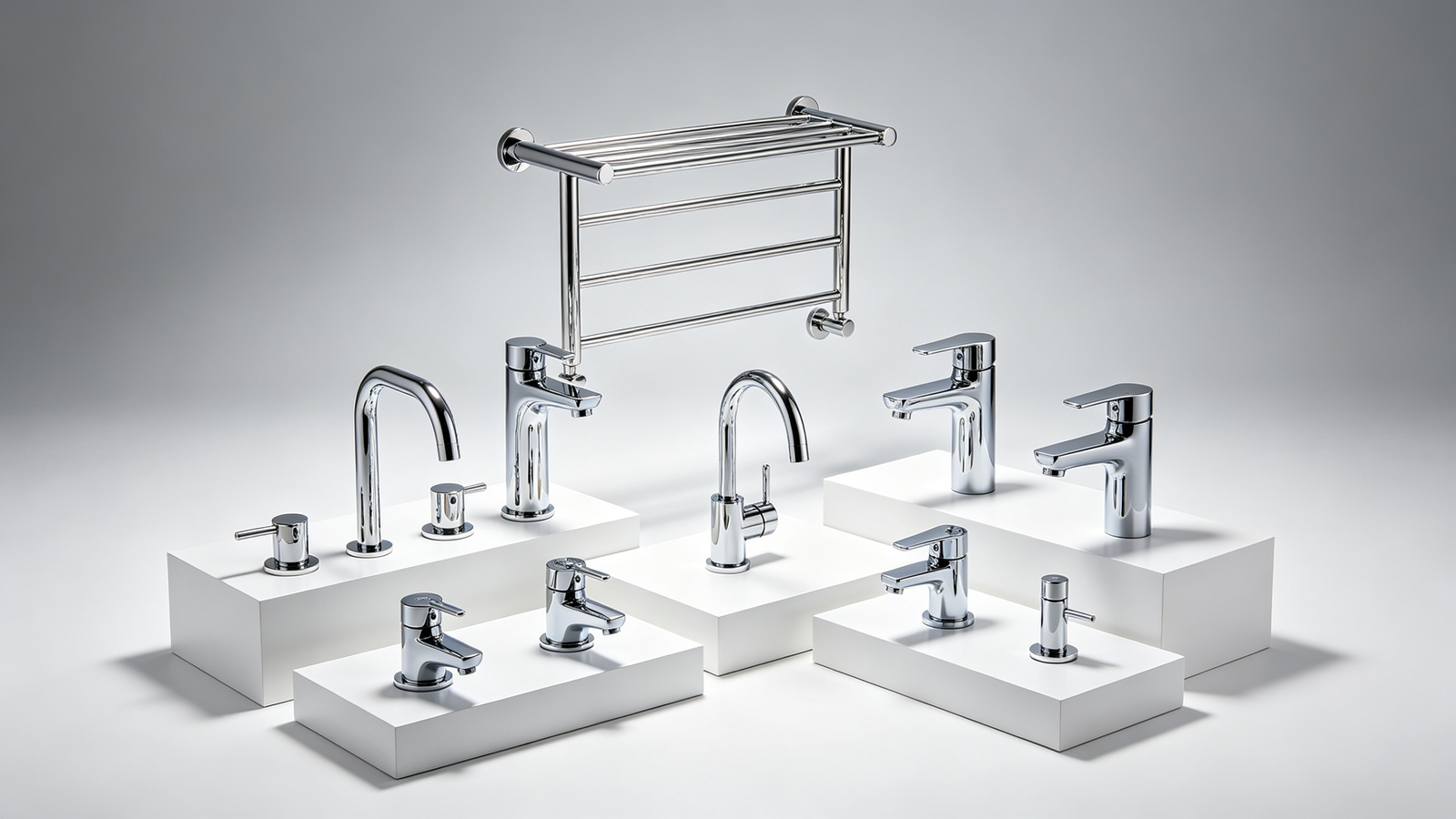
In the bathroom hardware industry, chrome plating not only defines the product’s visual appeal but also directly impacts corrosion resistance and service life. As market demand for high-end surface finishes continues to grow, buyers are placing greater emphasis on coating thickness consistency, especially during rapid prototyping stages. Stable control of plating thickness has become a key indicator of a supplier’s technical capability.
In practice, many companies overlook systematic thickness control during prototyping, which leads to defects such as color variation and insufficient corrosion resistance during mass production. Xiamen Ruicheng integrates rapid prototyping with electroplating processes to ensure consistency from sample to volume production. A data-driven plating control system is the foundation for stable and repeatable quality.
How can chrome plating thickness be controlled during rapid prototyping?

During rapid prototyping, chrome plating thickness control depends on precise coordination of pretreatment, current density, and plating time, especially within critical processes like electroplating and coating thickness measurement. Any deviation can directly affect the final result. Xiamen Ruicheng uses standardized workflows and automated control systems to ensure consistent thickness across each batch while minimizing human error. Locking process parameters early ensures stable thickness output in later stages. For complex geometries, edge-effect compensation is also required to maintain uniformity.
Parameter Locking: Define current density and plating duration during early sampling.
Process Validation: Conduct multiple pilot runs to determine stable thickness ranges.
Automation Control: Use intelligent power systems to reduce manual adjustments.
Data Recording: Capture full-process data for repeatability in mass production.
✨ Accurate control during prototyping prevents costly rework later.
What factors cause chrome plating thickness to fall out of specification?

Thickness variation is often caused by multiple factors such as surface condition, current distribution, and bath stability, with current density distribution and electroless plating chemistry being especially critical. Xiamen Ruicheng evaluates material compatibility early and optimizes anode layout based on part geometry to avoid localized over-plating or under-plating. Thickness issues are usually the result of systemic imbalance rather than a single variable. Environmental fluctuations and operator inconsistencies can further amplify deviations.
Material Variation: Different substrates affect adhesion and deposition rates.
Complex Geometry: Edges and recesses are prone to uneven coating.
Bath Instability: Changes in plating solution directly affect deposition.
Human Factors: Inconsistent operation leads to parameter deviations.
⚠️ Thickness issues often reflect system-level control weaknesses.
How can inspection and standards ensure stable chrome plating thickness?
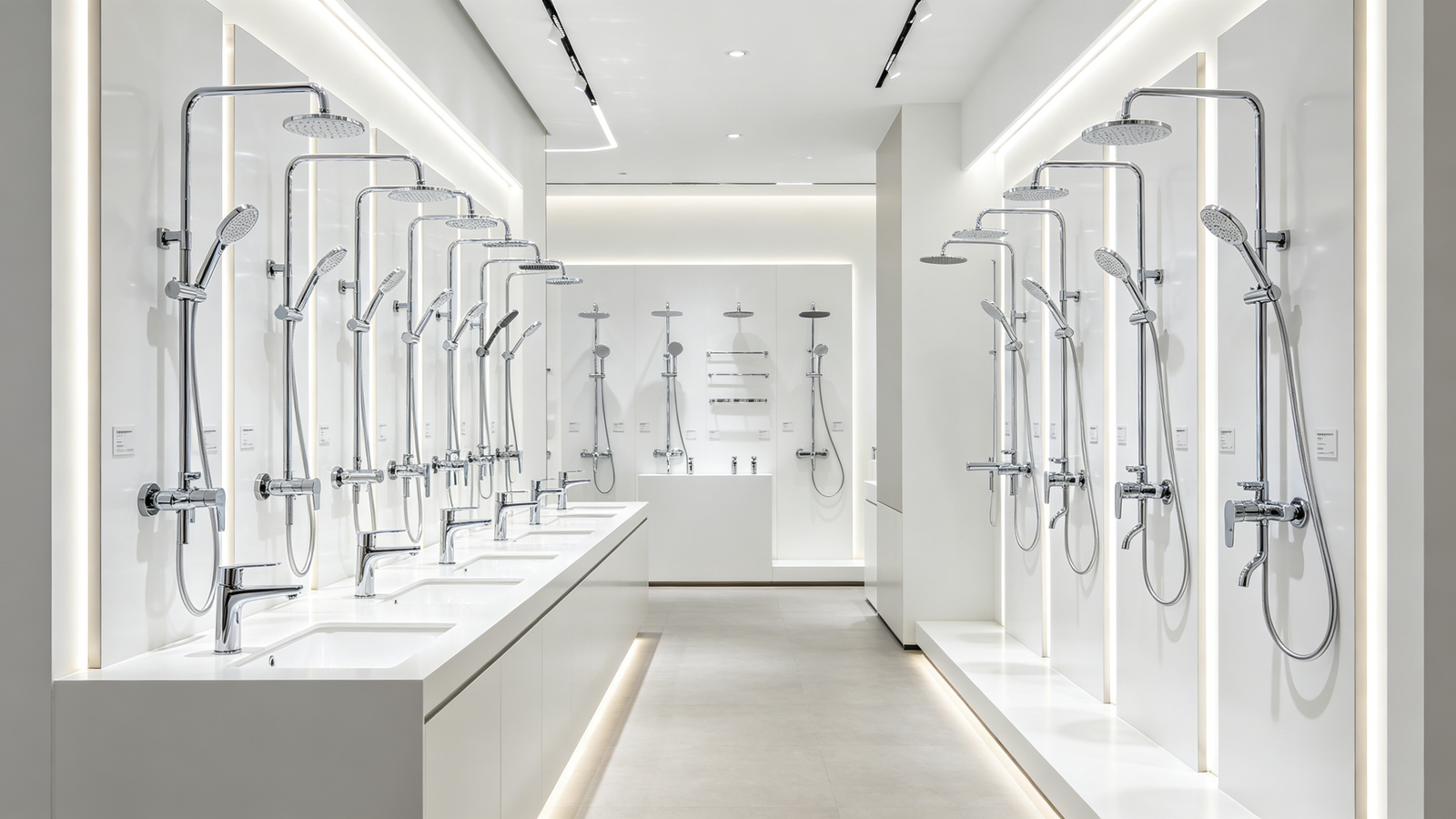
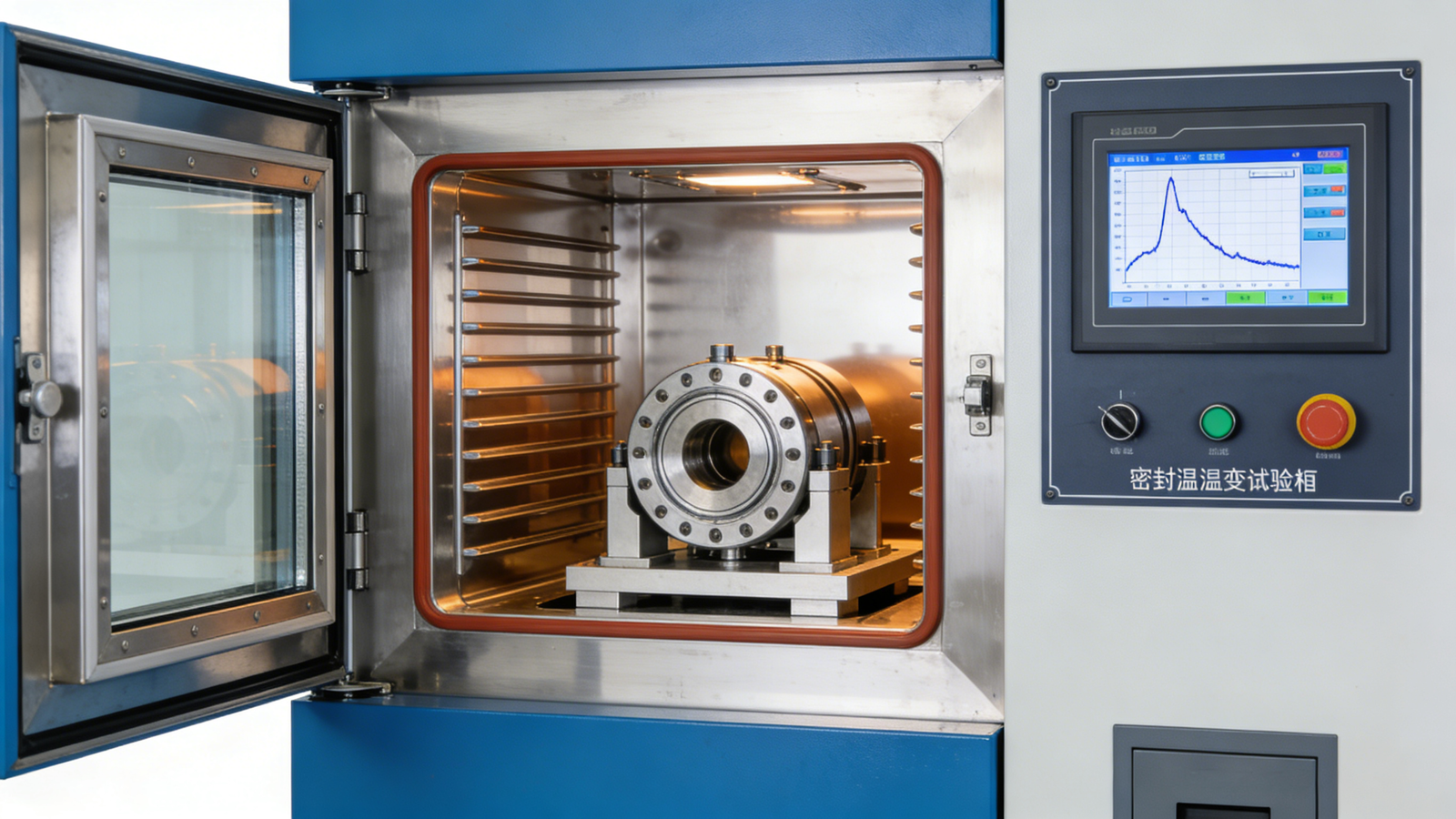
In bathroom chrome plating, thickness inspection is not just a final quality check but also a basis for process optimization. Common methods include non-destructive testing and metallographic analysis, ensuring reliable and accurate data. Xiamen Ruicheng applies multi-layer inspection combined with international standards to guarantee traceability for every batch. A standardized inspection system is essential for stable large-scale delivery. Continuous SPC analysis further refines process windows for long-term consistency.
Inspection Methods: Combine XRF and cross-section analysis.
Standards Alignment: Define thickness tolerances based on industry benchmarks.
Data Traceability: Maintain complete inspection records per batch.
Continuous Improvement: Optimize processes based on feedback data.
📊 Inspection drives continuous improvement, not just compliance.
Key Comparison of Chrome Plating Thickness Control Methods
| Control Stage | Traditional Approach | Rapid Prototyping Approach | Xiamen Ruicheng Solution |
|---|---|---|---|
| Parameter Setup | Experience-based | Semi-standardized | Data-driven modeling |
| Current Control | Manual | Semi-automatic | Fully automated |
| Thickness Inspection | Sampling only | Increased frequency | Full-process monitoring |
| Data Management | None | Basic logs | Digital traceability |
| Consistency | High variation | Improved | Highly stable |
| Lead Time | Slow | Faster | Fast and reliable |
| Cost Control | Difficult | Manageable | Optimized |
| Risk Control | Reactive | Preventive | Proactive |
If you're looking for a balance between speed and quality in chrome plating, contact us
Building a Closed-Loop Thickness Control System from Prototype to Mass Production
In bathroom chrome plating, achieving a smooth transition from rapid prototyping to mass production requires a complete process control loop. Xiamen Ruicheng implements a three-stage strategy: parameter locking during prototyping, validation in pilot production, and replication in full-scale manufacturing. Only by validating processes during prototyping can stable results be ensured in mass production. This approach significantly improves consistency while reducing trial-and-error costs for clients.
1.Early Validation: Confirm process parameters during sample stage.
2.Pilot Production: Verify stability through small-batch runs.
3.Mass Replication: Apply validated data to large-scale production.
4.Continuous Optimization: Improve processes through feedback loops.
FAQ (General B2B Purchasing Guide)
Question 1: What is the core quality guarantee of your chrome plating service for bathroom hardware?
Answer: Xiamen Ruicheng ensures plating thickness within ±5μm tolerance through standardized process control and multi-layer inspection systems, supported by automated power supplies and full traceability, meeting high-end requirements for corrosion resistance and surface finish.
Question 2: What information do we need to provide to get a quotation quickly?
Answer: Please submit 3D drawings, material specifications, and estimated order quantities via email or online channels. Our team will complete an initial review within 2 hours and provide a detailed quotation with process analysis within 12 hours, including prototyping support.
Question 3: What are the MOQ, lead time, and payment terms for different order volumes?
Answer: Prototyping supports MOQ of 1 piece with a lead time of 5–7 days. For mass production, lead time is typically 10–15 days depending on volume. Flexible production lines allow expedited orders when necessary.
Question 4: How do you handle quality issues such as thickness deviations or defects?
Answer: We offer a comprehensive quality assurance system. Customers can request inspection within 7 days of delivery. If issues are confirmed, corrective actions such as rework or replacement will be arranged within 48 hours, with up to 12 months warranty coverage.
Question 5: Can you provide customized chrome plating solutions?
Answer: Yes, we support customization based on application conditions, including thickness range, surface finish, and corrosion resistance level. Provide detailed operating conditions, and we will deliver a tailored solution within 3 working days, with a cost adjustment of approximately 5–15%.
Conclusion
Chrome plating thickness control in bathroom hardware is not just a technical challenge but a reflection of systematic process capability. By integrating rapid prototyping with standardized electroplating systems, manufacturers can establish quality benchmarks early and reduce risks in mass production. Stable plating thickness is achieved through full-process coordination rather than isolated optimization. Xiamen Ruicheng provides a data-driven, end-to-end solution from prototyping to production.
For expert assistance in implementing for your production needs, visit our resource center or contact us. Let’s help you scale up your manufacturing with precision and efficiency!