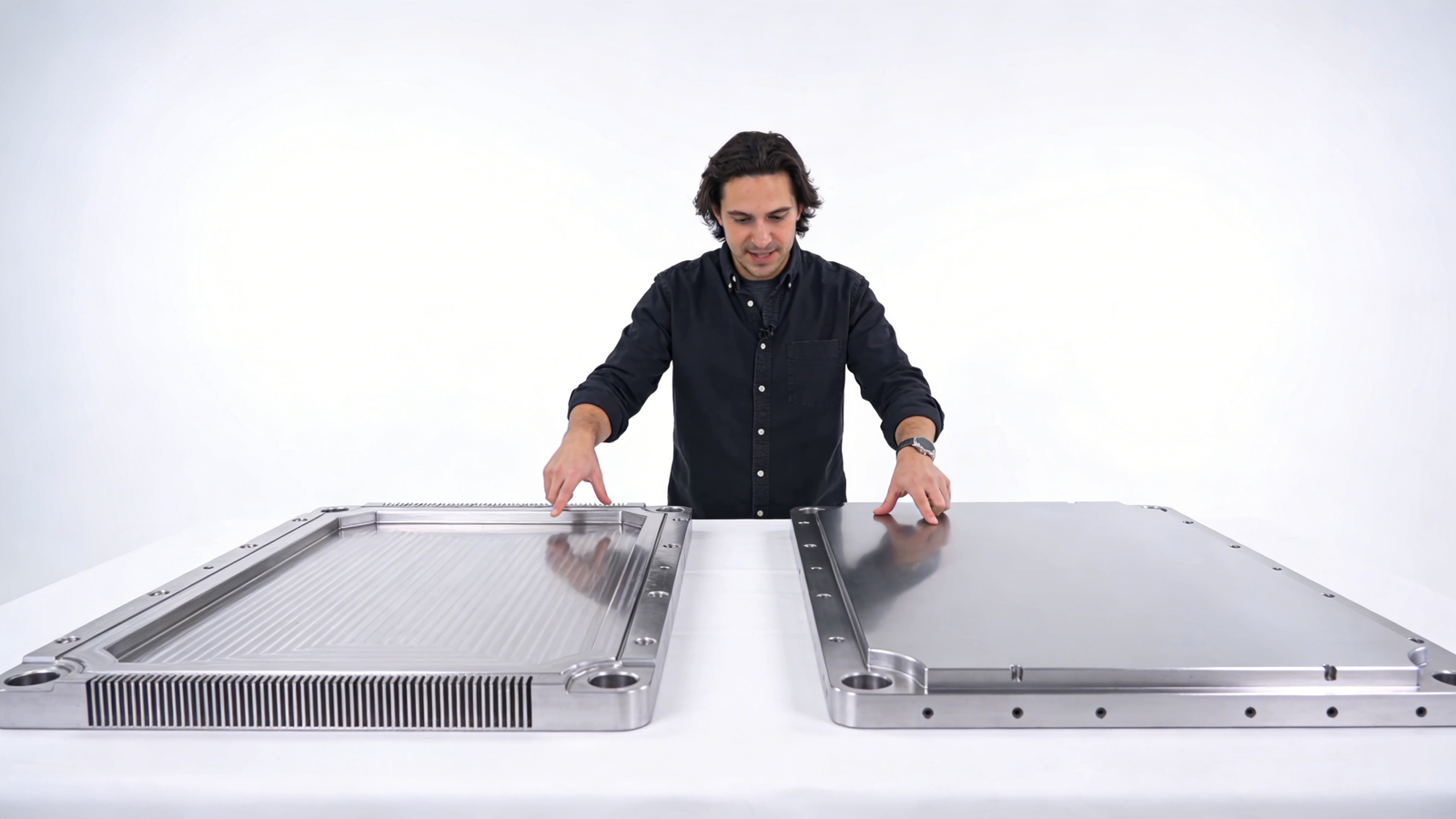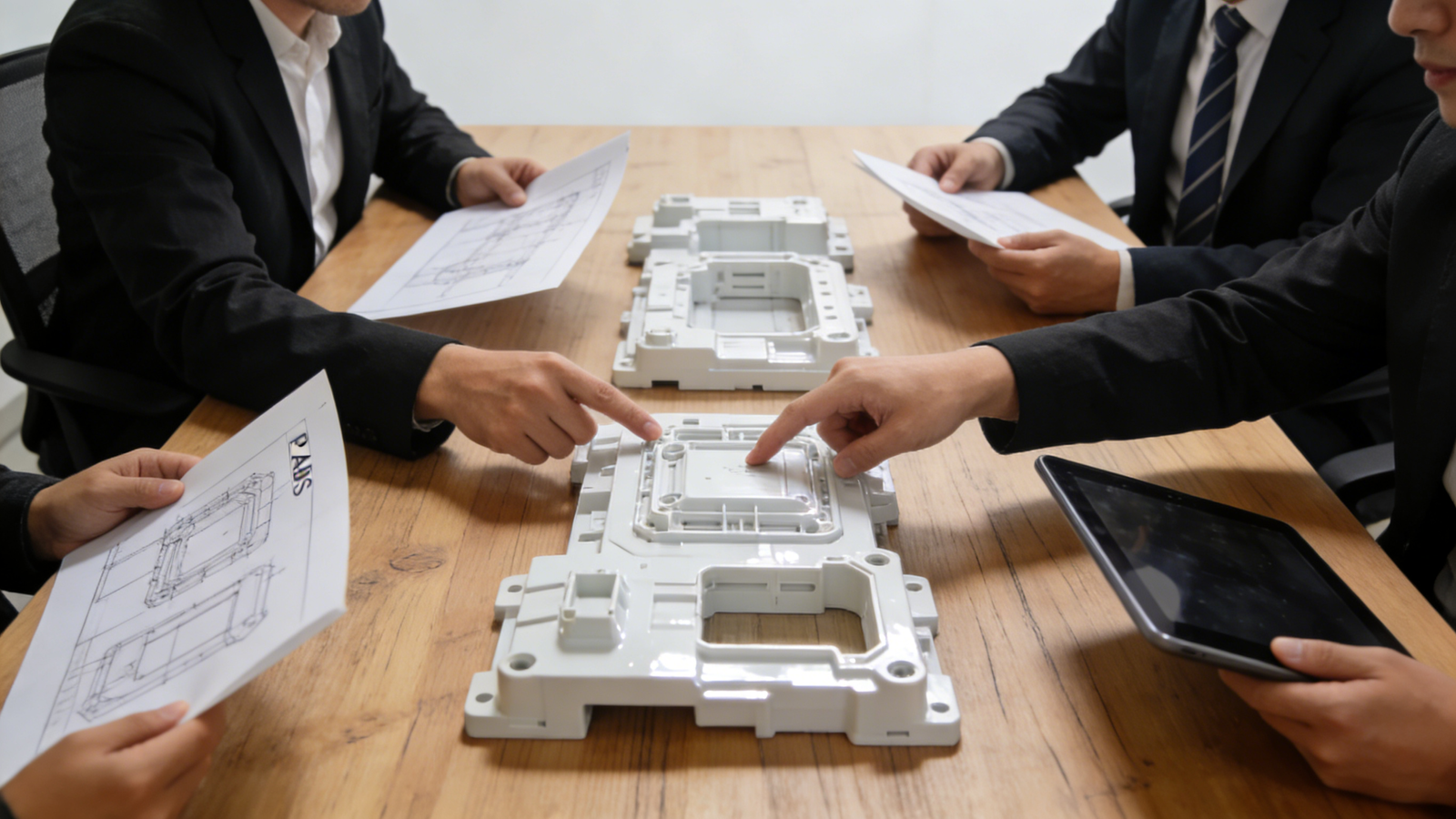
Introduction
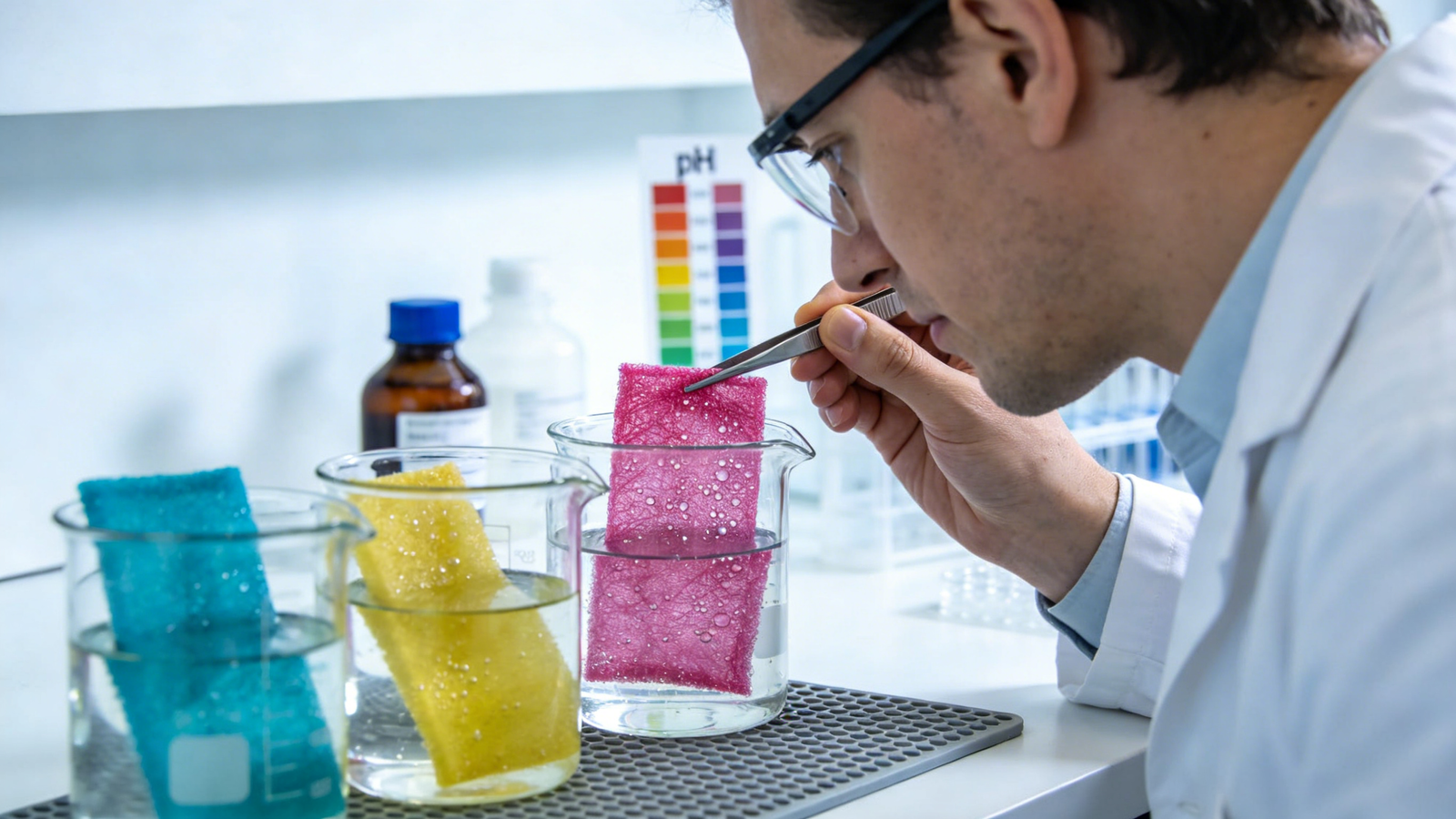
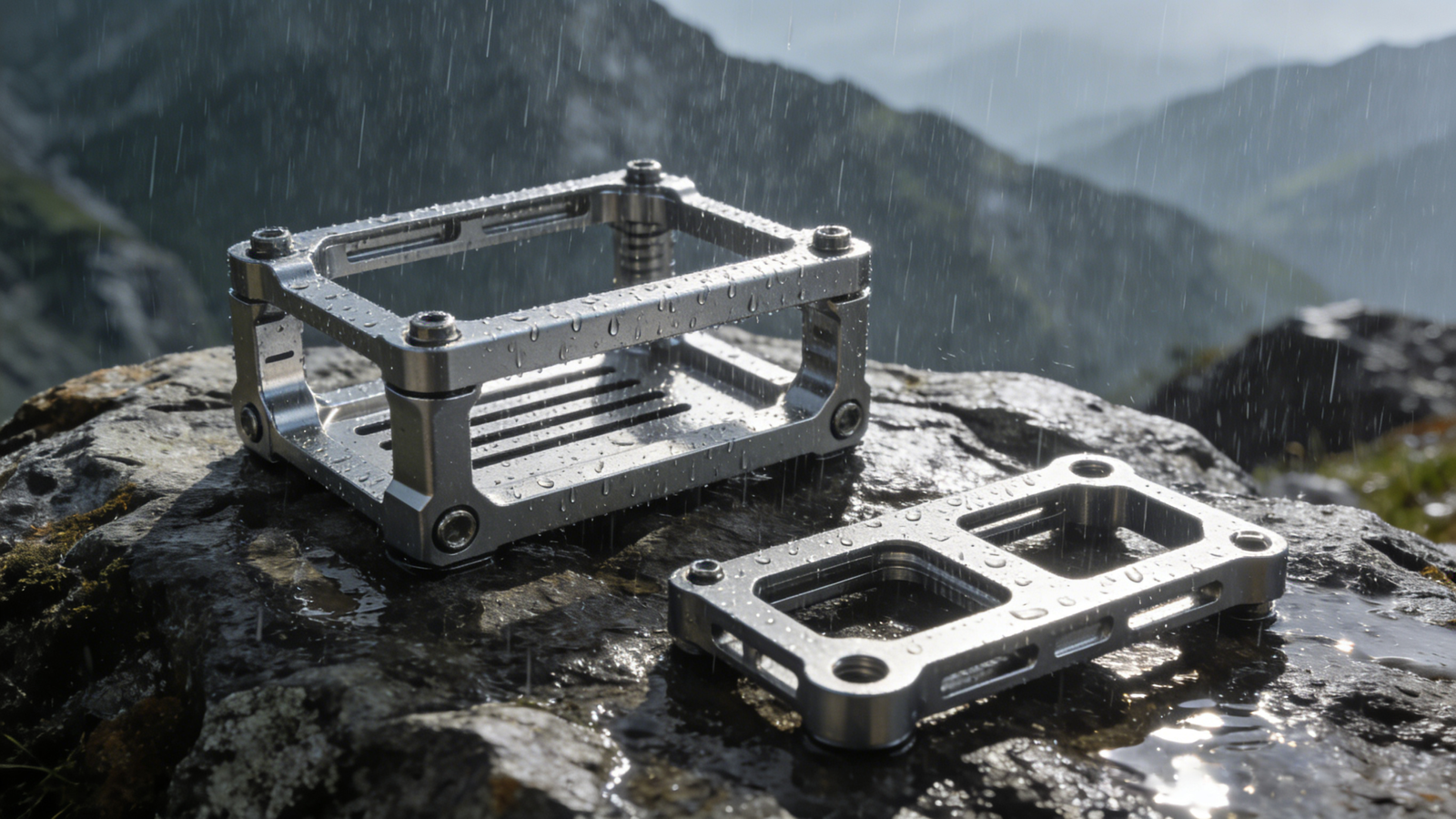
In chemical equipment, laboratory systems, and fluid handling applications, acid and alkali environments impose strict demands on material stability, where traditional metal components often fail due to corrosion, making chemically resistant nylon a preferred alternative. Under continuous exposure to aggressive media, the chemical resistance and structural integrity of materials directly determine system reliability.
In real-world projects, buyers care not only about material properties but also about the efficiency and controllability from prototyping to mass production, making CNC nylon prototypes essential in early decision-making. Xiamen Ruicheng enables customers to validate both material and design early through customized CNC prototyping, significantly reducing trial-and-error costs and development time.
How to Evaluate Chemical Resistance of Nylon Materials in Acid and Alkali Environments?
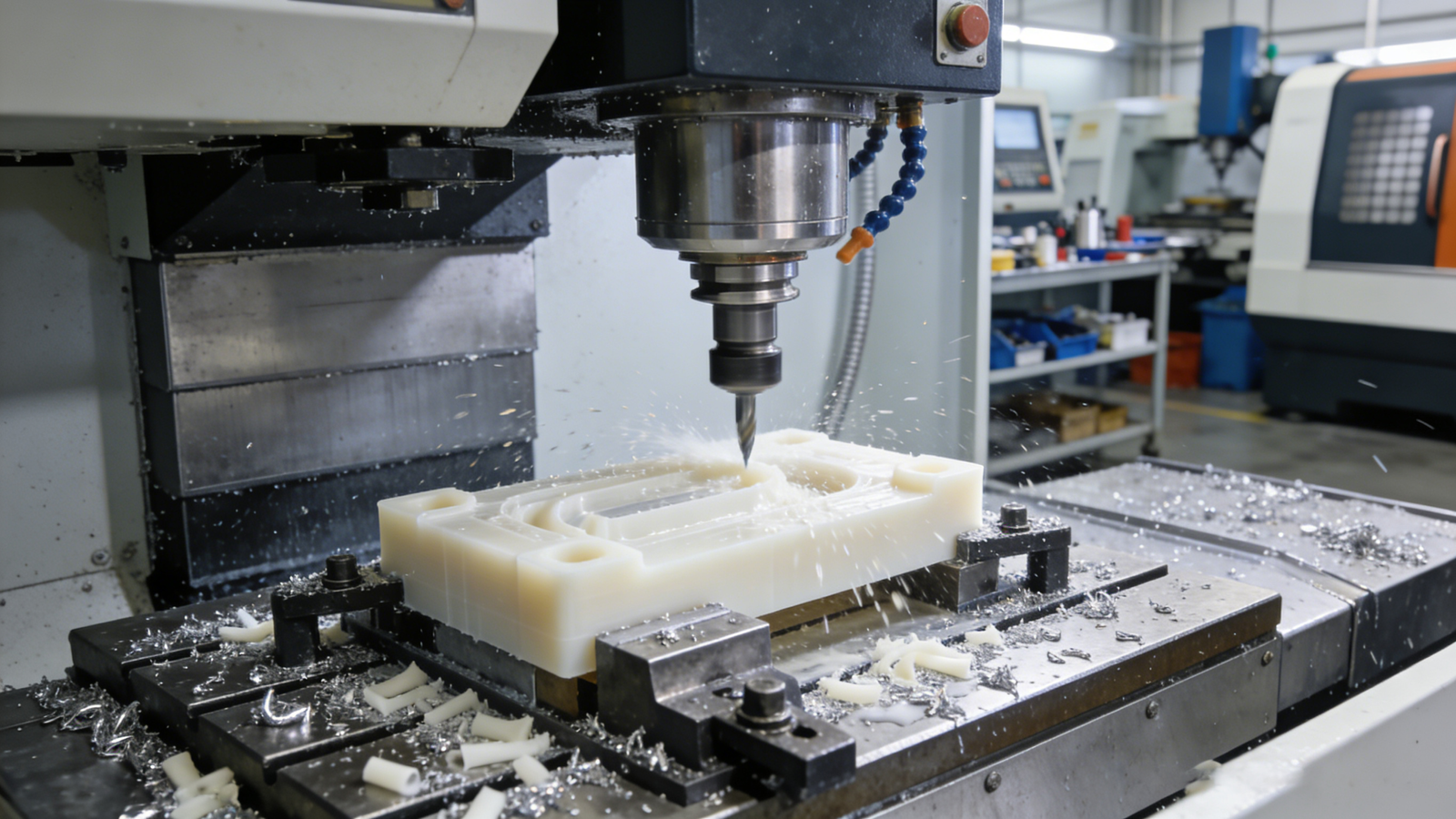
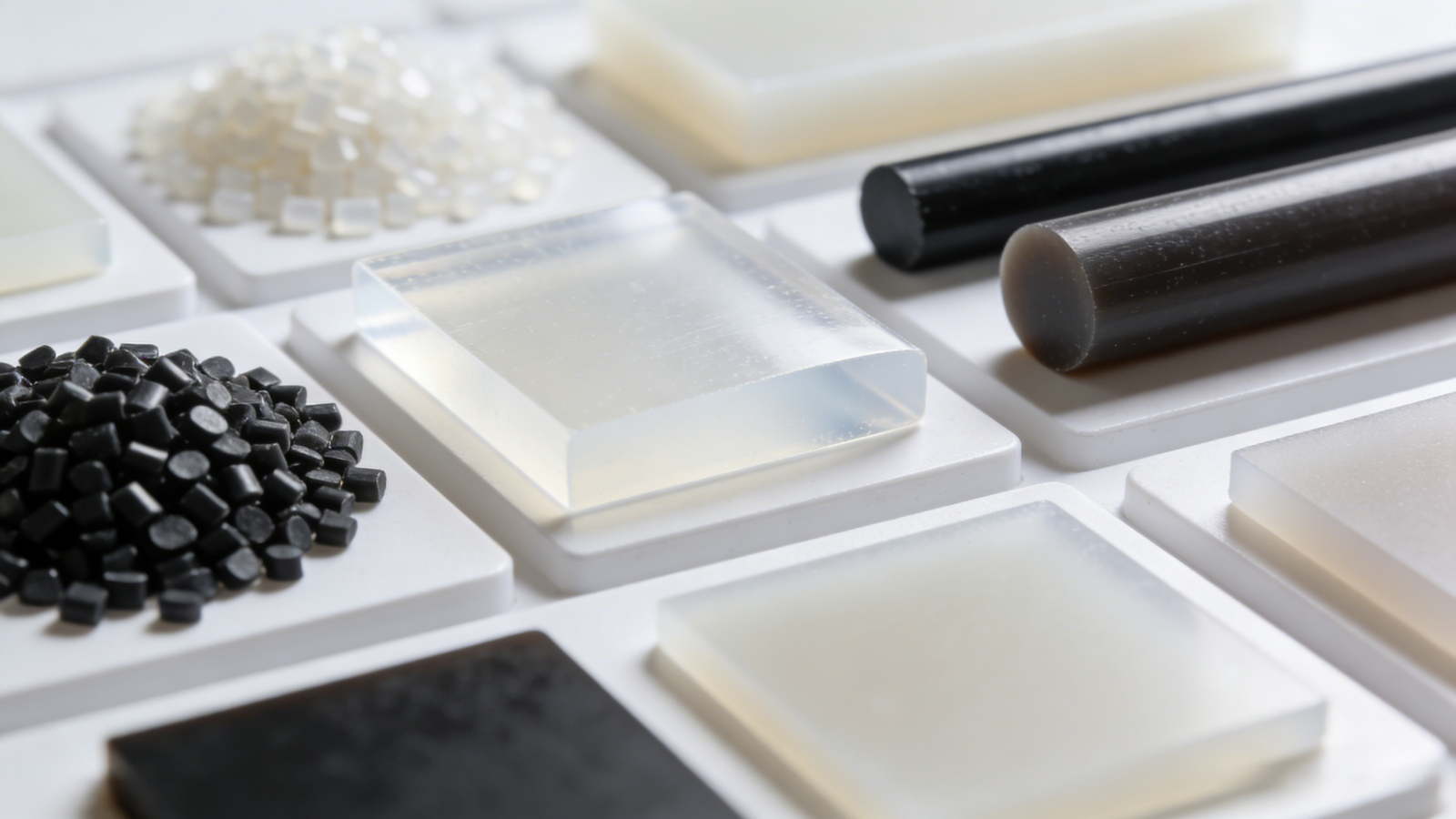
Selecting nylon materials for acidic and alkaline conditions requires evaluating chemical concentration, temperature, and exposure duration, as different grades perform differently; studies on nylon material types and chemical resistance show PA12 and modified nylons offer superior stability in harsh environments. Early-stage CNC prototyping allows real-condition validation, reducing risks caused by incorrect material selection. In Xiamen Ruicheng’s projects, we analyze client media conditions and recommend optimized materials, validated through small-batch testing.
Media Compatibility: Different concentrations affect nylon molecular stability differently.
Temperature Impact: Higher temperatures accelerate chemical degradation.
Exposure Duration: Long-term immersion differs significantly from short-term contact.
Stress Sensitivity: Load-bearing areas are more prone to stress cracking.
🧪 Material selection must match real operating conditions rather than rely on single parameters.
What Key Risks Can CNC Nylon Prototypes Solve During Selection?
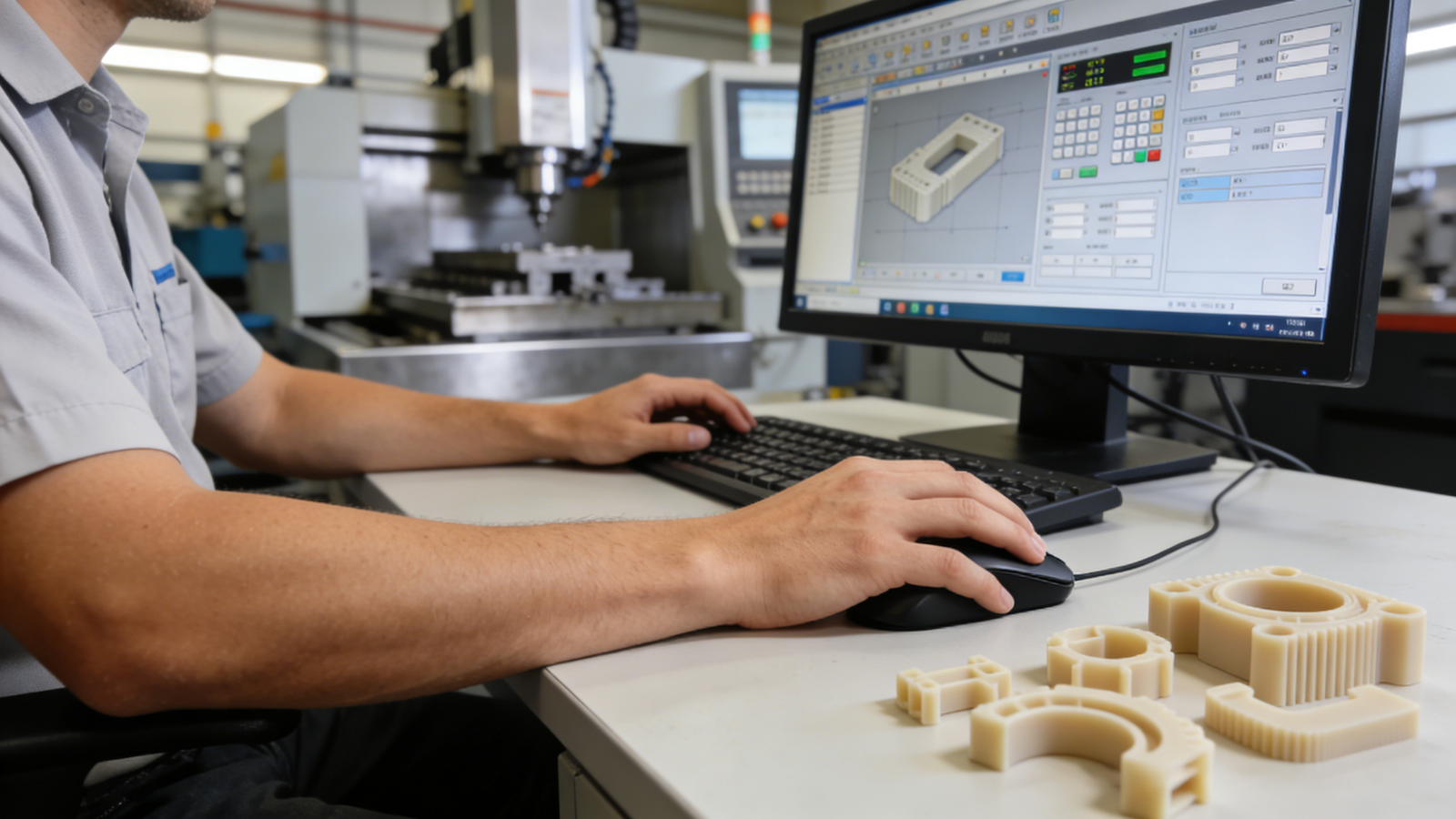
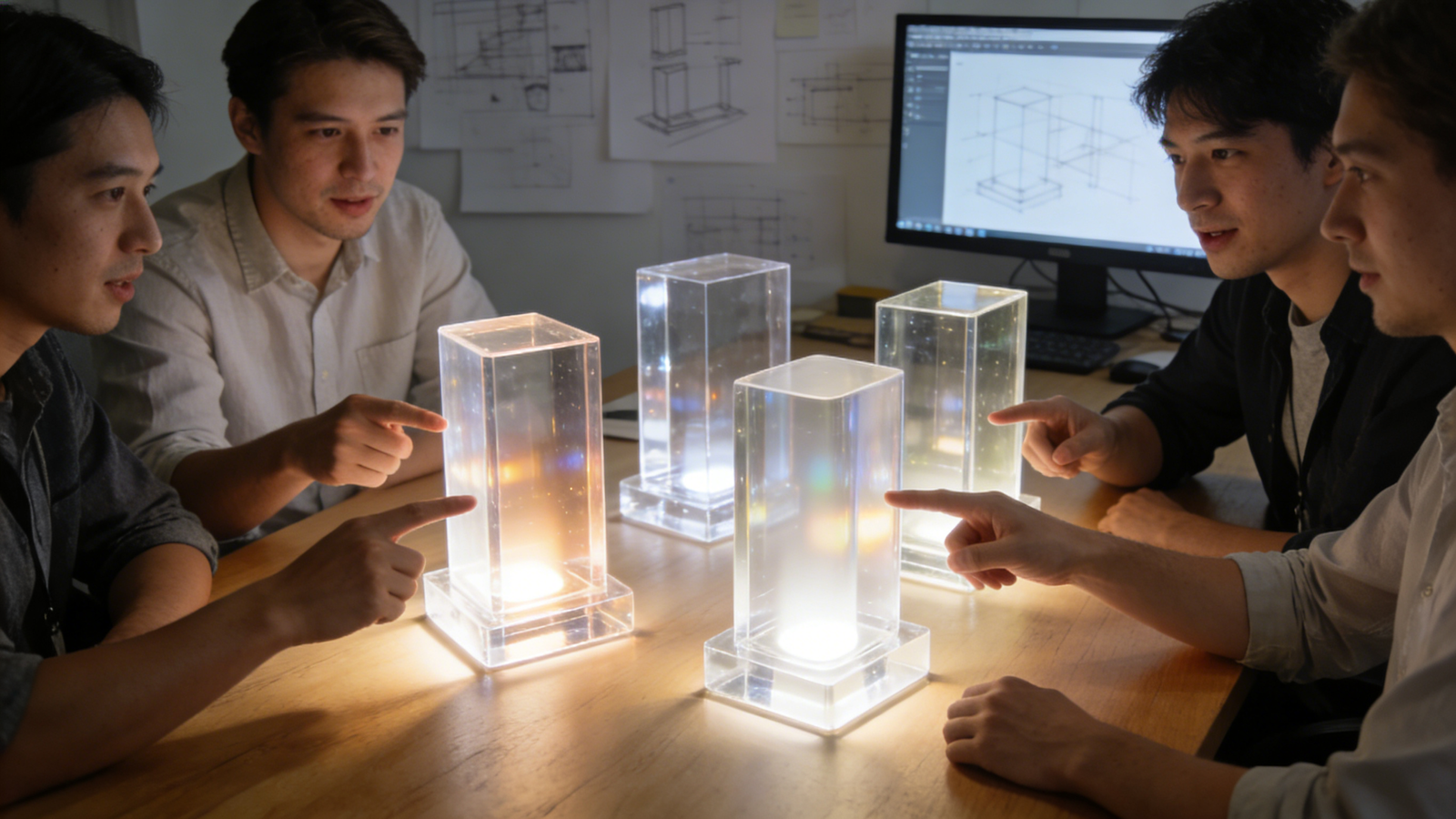
During early development, many buyers overlook the importance of validating both structure and material together, while CNC nylon prototypes help reveal hidden issues through real-size and real-condition simulation, as seen in rapid prototyping and material validation practices. Functional prototypes allow engineers to identify design flaws and material mismatches before tooling investment. Xiamen Ruicheng typically recommends at least one round of functional prototype testing to ensure stable mass production.
Dimensional Validation: Confirms assembly fit and tolerance accuracy.
Structural Testing: Evaluates deformation and mechanical strength under load.
Chemical Testing: Verifies resistance through real media exposure.
Process Prediction: Identifies risks in future production stages.
⚙️ A prototype is not just a sample, but a risk-control tool for your project.
How to Achieve Efficient Nylon Prototype Selection Through Custom Services?
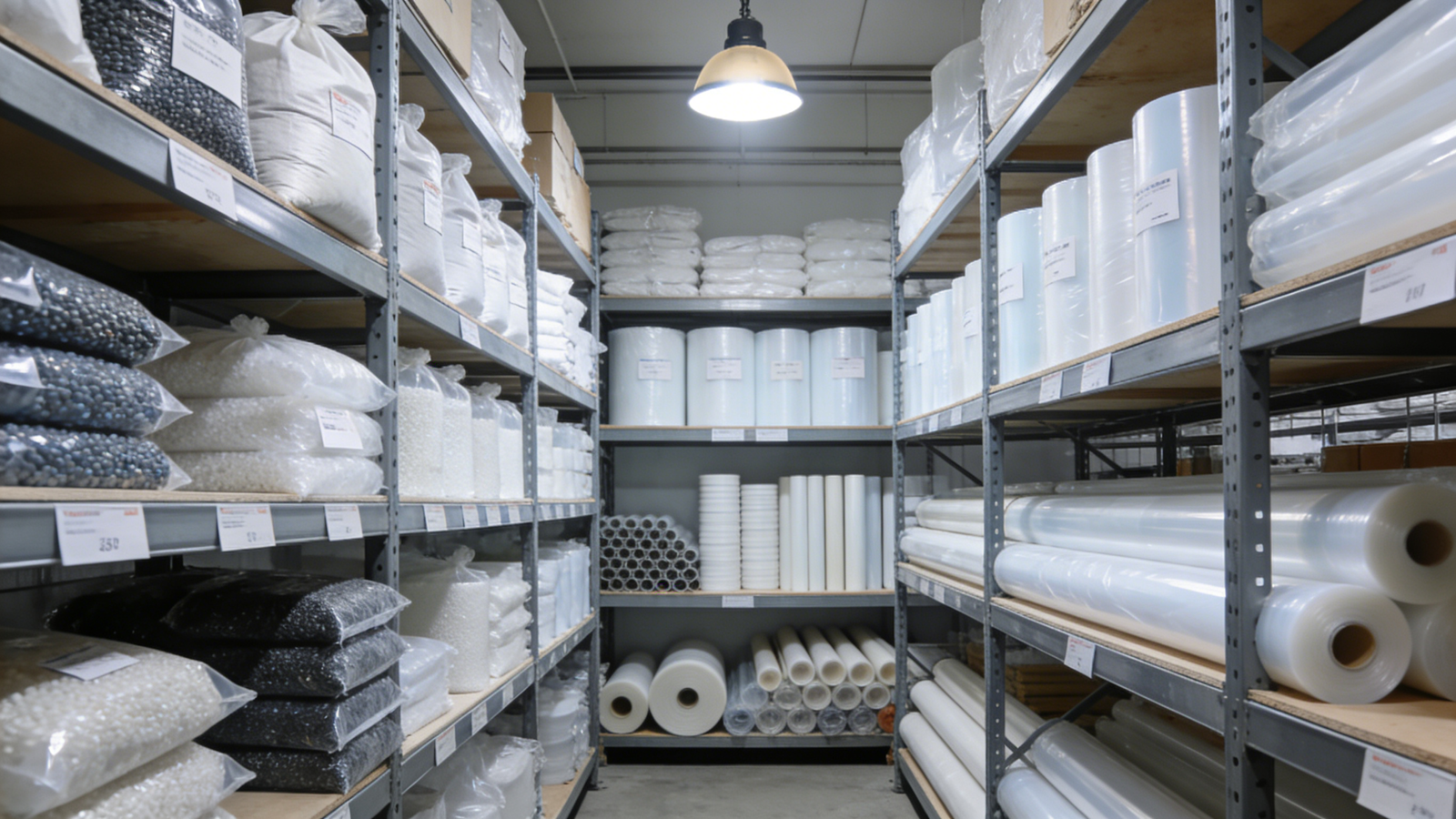
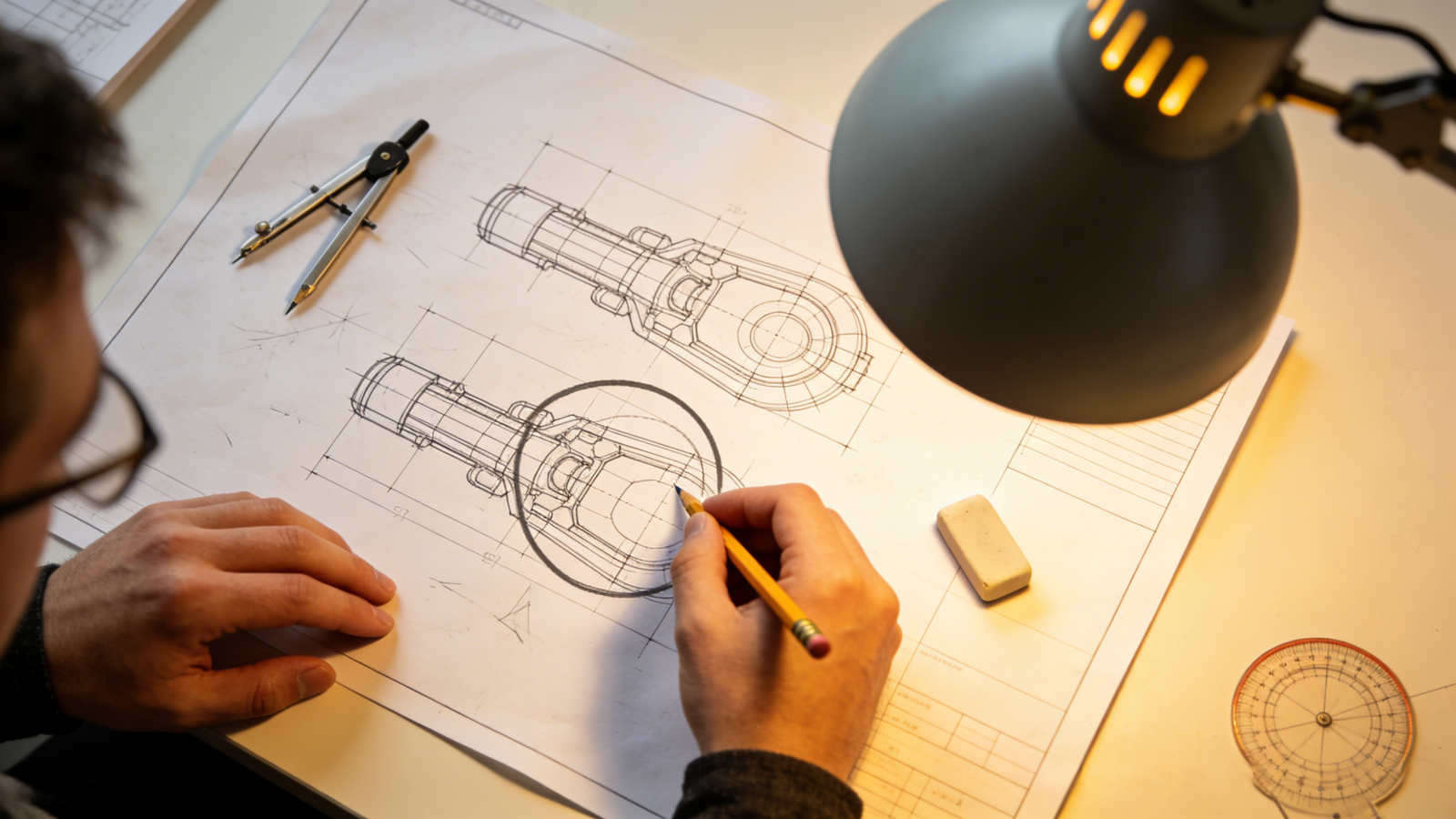
In complex chemical environments, standard materials and processes often fall short, making customization critical by integrating custom CNC machining with engineering material selection. Customized CNC solutions enable optimization of material, structure, and processing to balance performance and cost effectively. Xiamen Ruicheng supports clients with one-on-one engineering consultation from drawing analysis to final prototype delivery.
Requirement Analysis: Define performance targets based on application conditions.
Solution Design: Optimize both structure and material selection.
Prototype Manufacturing: Deliver high-precision CNC parts rapidly.
Validation Feedback: Continuously improve based on testing results.
🚀 Customization transforms selection from guesswork into data-driven decisions.
Comparison of Nylon Materials for Acid and Alkali Applications
| Material Type | Acid Resistance | Alkali Resistance | Water Absorption | Machining Stability | Typical Applications |
|---|---|---|---|---|---|
| PA6 | Moderate | Low | High | متوسط | General mechanical parts |
| PA66 | Good | Moderate | Medium | Good | Industrial components |
| PA12 | Excellent | Excellent | Low | Stable | Chemical equipment |
| Modified Nylon | Excellent | Excellent | Controlled | High | High-end custom parts |
Looking to quickly identify the best material for your application? Get expert support now: contact us
Key Decision Path for Nylon Prototype Selection in Chemical Environments
Selecting nylon prototypes for acid and alkali environments requires systematic planning across material properties, structural design, and validation processes to avoid risks from single-factor decisions. An efficient selection path is driven by prototype validation that optimizes both material and structure simultaneously. Xiamen Ruicheng recommends early engineering evaluation and small-batch testing to ensure stable production outcomes.
1.Material First: Choose nylon type based on chemical environment.
2.Structural Fit: Ensure design meets mechanical and chemical demands.
3.Prototype Validation: Verify real-world performance with CNC samples.
4.Production Planning: Align prototype with future manufacturing strategy.
FAQ for Buyers
Question 1: What are the core advantages of your CNC nylon prototypes for chemical resistance?
Answer: We offer multiple nylon grades such as PA12 and modified nylon, with machining accuracy up to ±0.02mm, supported by internal testing and ASTM standards to ensure chemical resistance for industrial applications.
Question 2: What information do we need to provide for a quotation?
Answer: You need to submit CAD drawings, operating conditions (chemical type, concentration, temperature), and estimated quantity. We provide a detailed quotation with material recommendations within 12 hours.
Question 3: What are the lead times for different order volumes?
Answer: Small-batch prototypes (1–20 pcs) are delivered within 3–5 days, while medium batches (50+ pcs) take 7–10 days. Xiamen Ruicheng supports expedited production when required.
Question 4: How do you handle quality or performance issues?
Answer: We provide incoming inspection and final testing. Issues can be reported within 7 days, with replacement solutions offered and up to 12 months of quality assurance.
Question 5: Do you support custom requirements for special environments?
Answer: Yes, we provide customization based on chemical exposure, pressure, and temperature. Solutions are typically delivered within 3 working days with optimized recommendations.
Conclusion
Selecting nylon materials for acid and alkali environments requires more than understanding material properties; it demands a complete decision framework integrating structure and validation. Xiamen Ruicheng enables this through CNC rapid prototyping, shifting risks to early development stages. Validation-driven decision-making is the key to reducing cost and ensuring long-term reliability. For companies seeking efficiency and stability, this approach has become the new industry standard.
For expert assistance in implementing for your production needs, visit our resource center or contact us. Let’s help you scale up your manufacturing with precision and efficiency!