Introduction
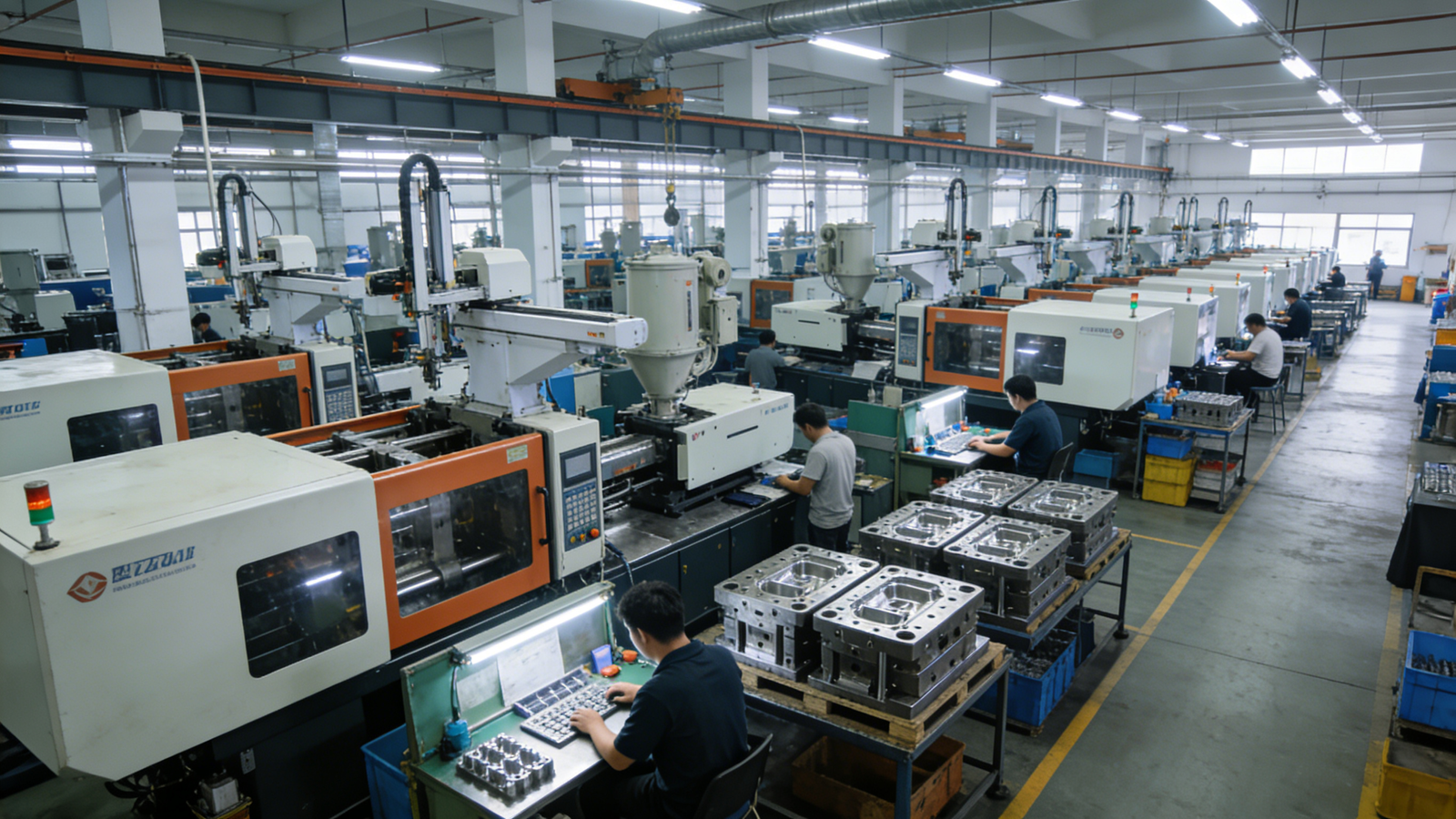
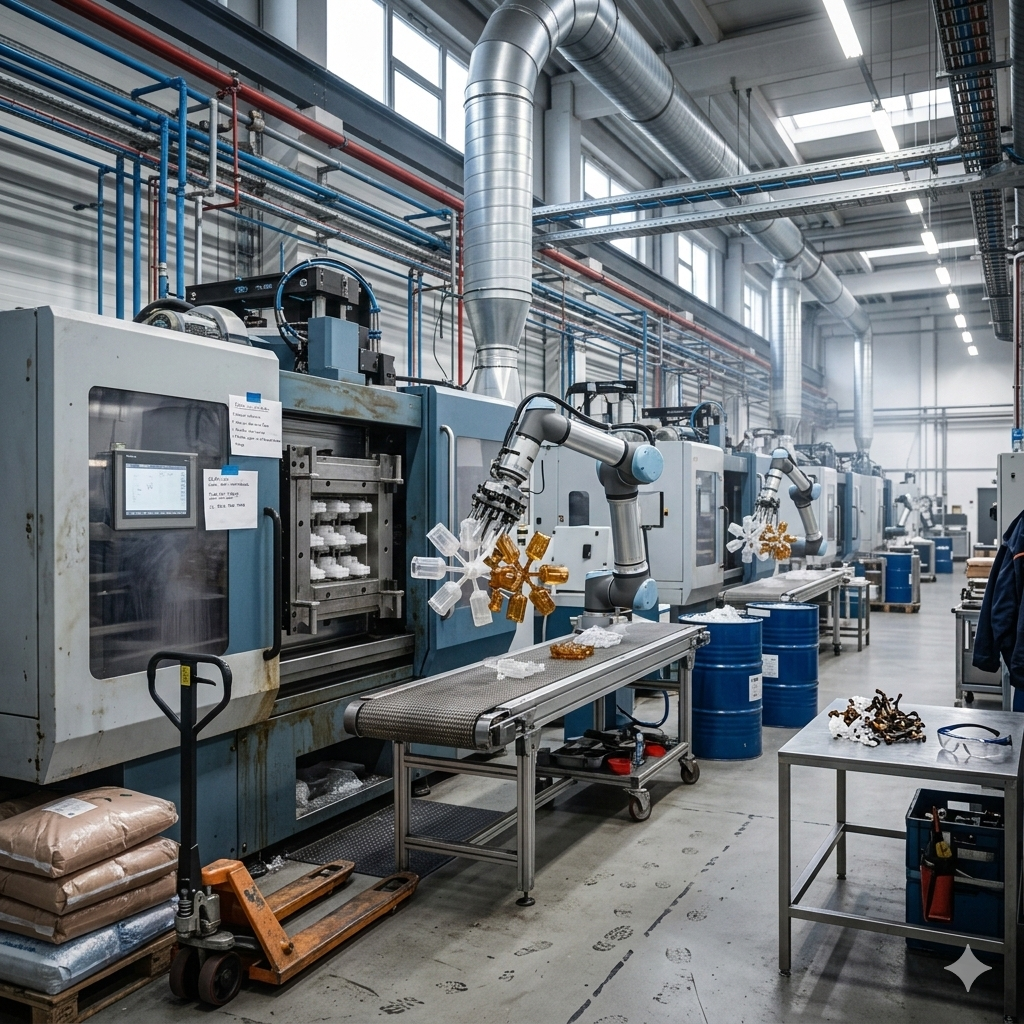
In modern manufacturing, multi-cavity injection molding has become a critical strategy for increasing production efficiency and reducing unit costs. By designing a mold with multiple cavities, manufacturers can produce several identical parts in one injection cycle, significantly improving productivity. For high-volume plastic component production, the number of cavities in a mold often determines the overall profitability of a manufacturing project.
In many projects handled by Xiamen Ruicheng, customers seek not only higher output but also stable and consistent product quality. Engineers therefore evaluate product geometry, material flow behavior, and machine capability before determining the optimal cavity count. A well-engineered multi-cavity mold is not about maximizing cavity quantity, but about achieving the best balance between productivity, stability, and long-term cost efficiency.
How many cavities can a single multi-cavity injection mold support?
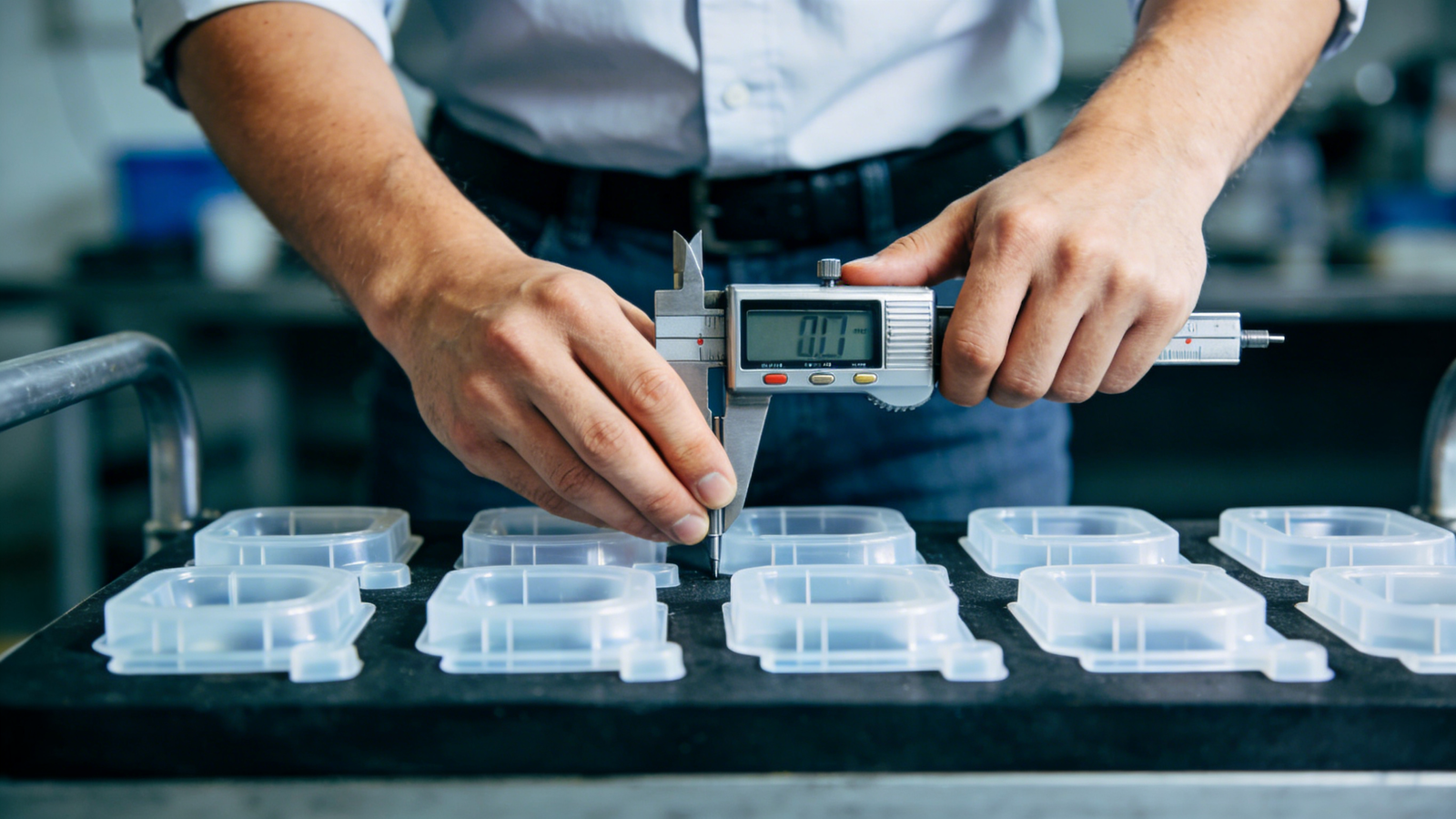
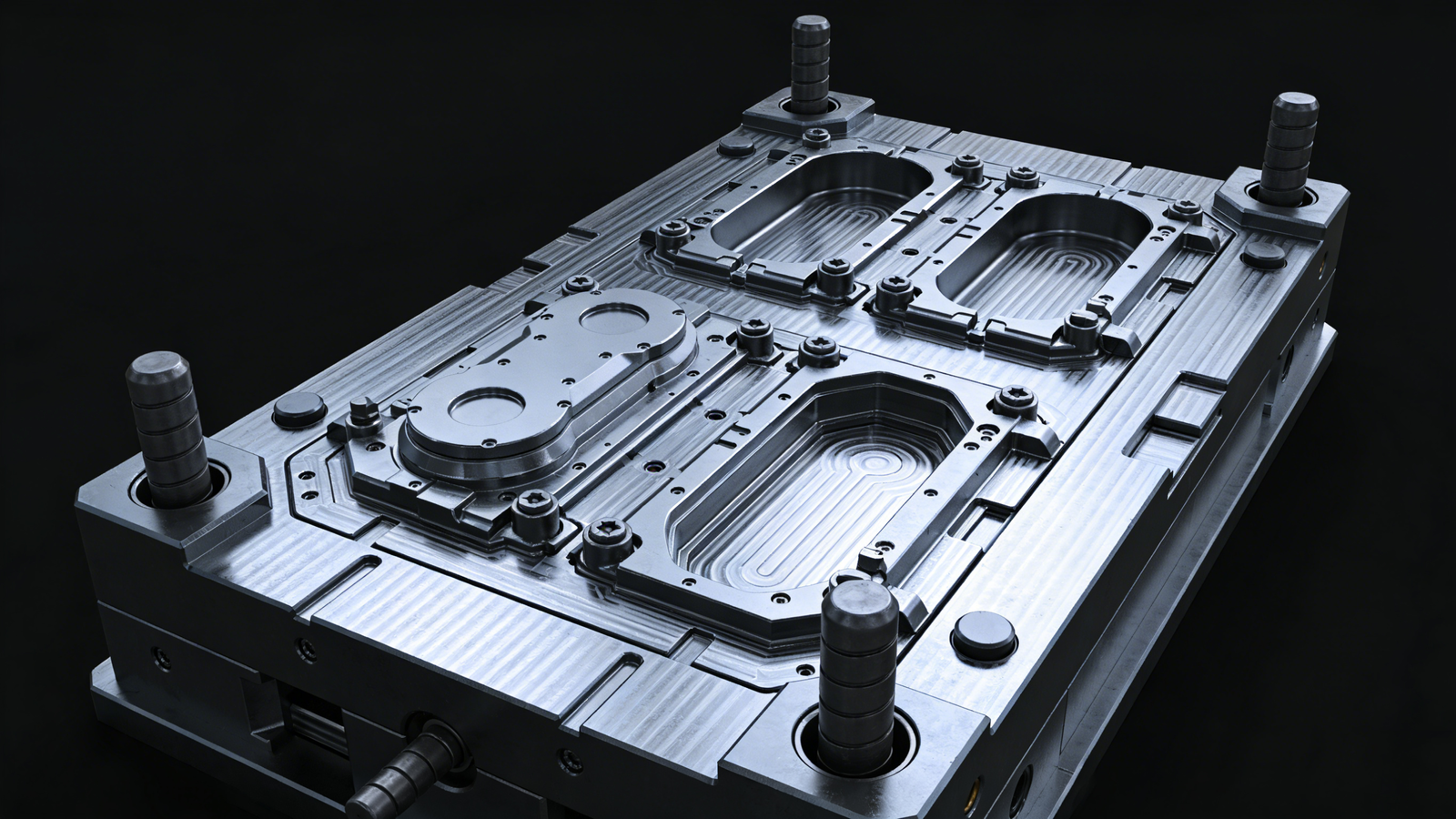
In the injection molding industry, there is no absolute maximum number of cavities that every mold can achieve, because it depends on factors such as product size, plastic material flowability, machine clamping force, and mold complexity. In mass-production scenarios for small plastic components, molds may reach 64, 96, or even 128 cavities, while larger or more complex products typically require fewer cavities for stability. In real manufacturing projects, Xiamen Ruicheng focuses on determining the most practical cavity configuration rather than pursuing the highest theoretical number. During the development of multi-cavity injection molds, engineers also analyze the full injection molding process to ensure the equipment, material, and mold design work together efficiently.
Part size: Smaller components allow more cavities because they occupy less space in the mold base and require shorter filling paths.
Material flow: Plastics with higher flowability can fill multiple cavities more evenly within a short cycle time.
Machine capacity: The available clamping force and shot size of the injection machine set practical limits for cavity numbers.
Cooling system: High-cavity molds require carefully balanced cooling channels to maintain uniform cycle times and dimensional stability.
🔧 The maximum cavity number is an engineering decision based on product design, production volume, and equipment capability.
How do engineers determine whether a product is suitable for multi-cavity mold design?
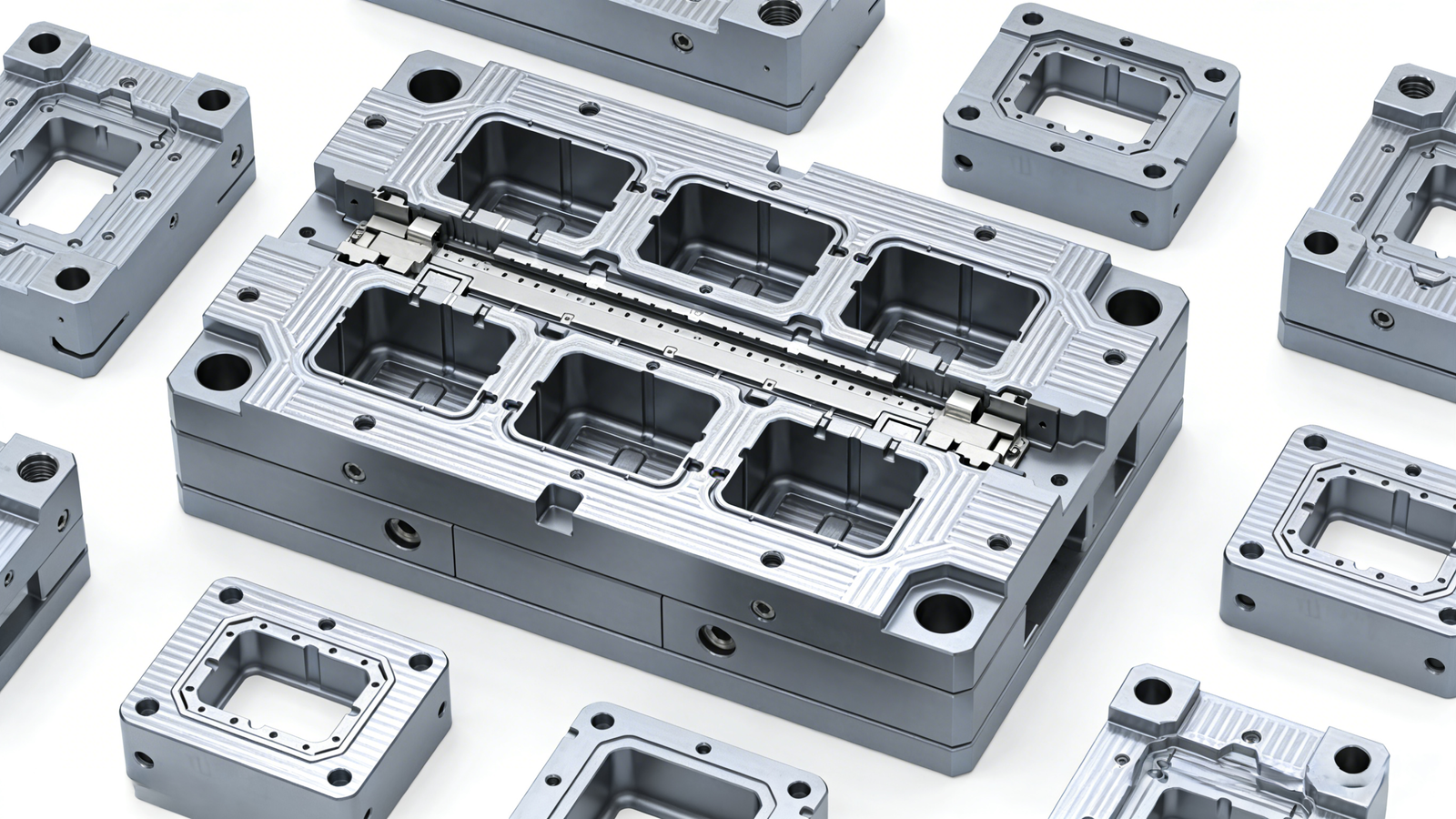
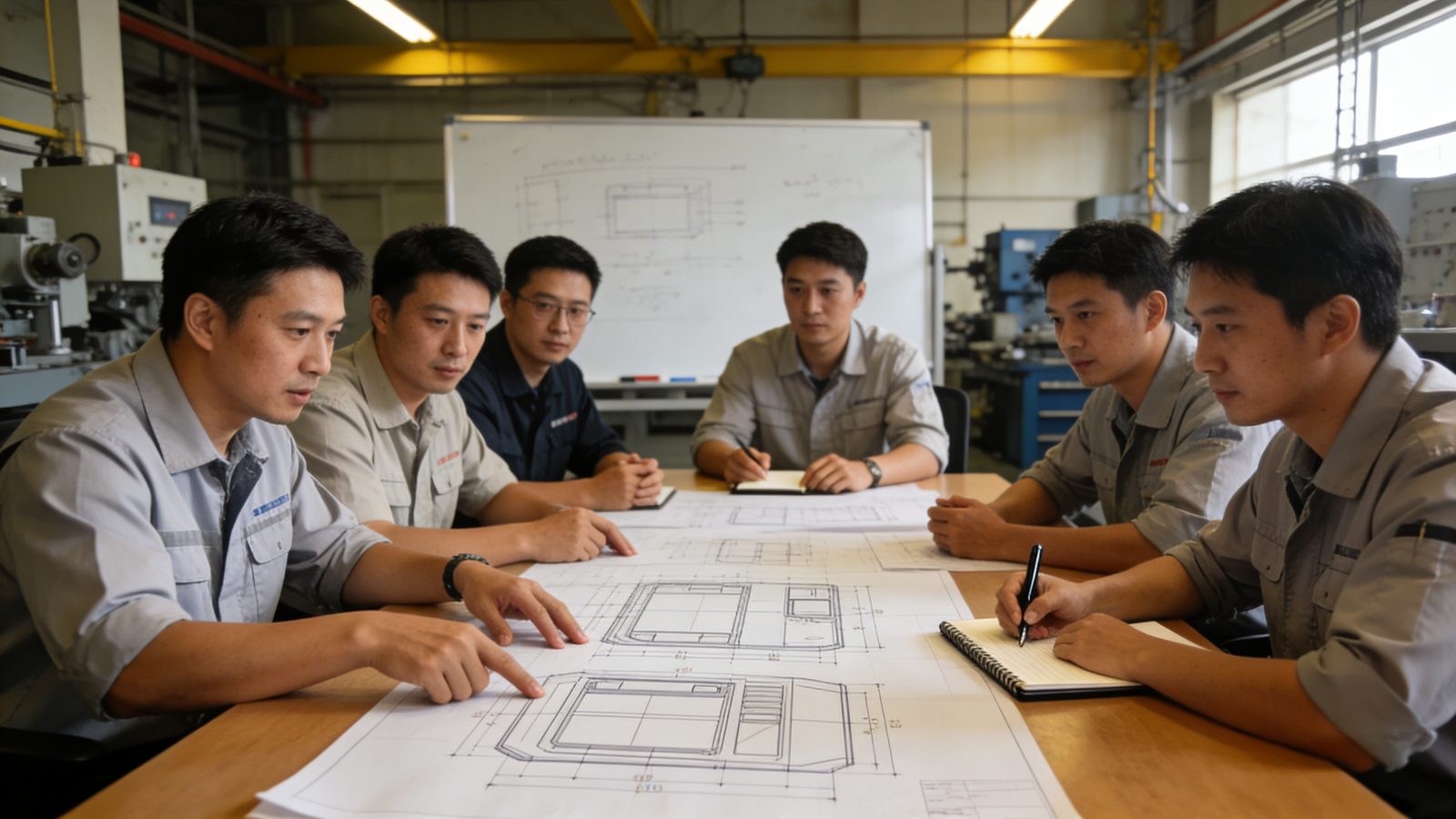
Not every plastic product benefits from a high-cavity mold design, because structural complexity, dimensional tolerance requirements, and expected production volume must all be evaluated together. Products that are small, lightweight, and structurally simple are usually ideal candidates for multi-cavity production, while complex parts may perform better in lower-cavity molds. At Xiamen Ruicheng, our engineering team performs a systematic design review to determine the most cost-effective and reliable cavity layout for each project. During mold development, factors such as injection mold design and plastic material properties are analyzed to ensure balanced filling and stable production.
Product dimensions:Compact parts make it easier to design high-cavity molds without compromising mold strength.
Structural complexity:Products with sliders, inserts, or side actions increase mold complexity and limit cavity count.
Tolerance requirements:Precision components often require tighter control, which may reduce the number of cavities.
Order volume:Long-term mass production justifies the higher investment of multi-cavity molds.
📦 Selecting the right cavity count requires balancing product design complexity with long-term production demand.
How can multi-cavity molds ensure consistent quality across all cavities?
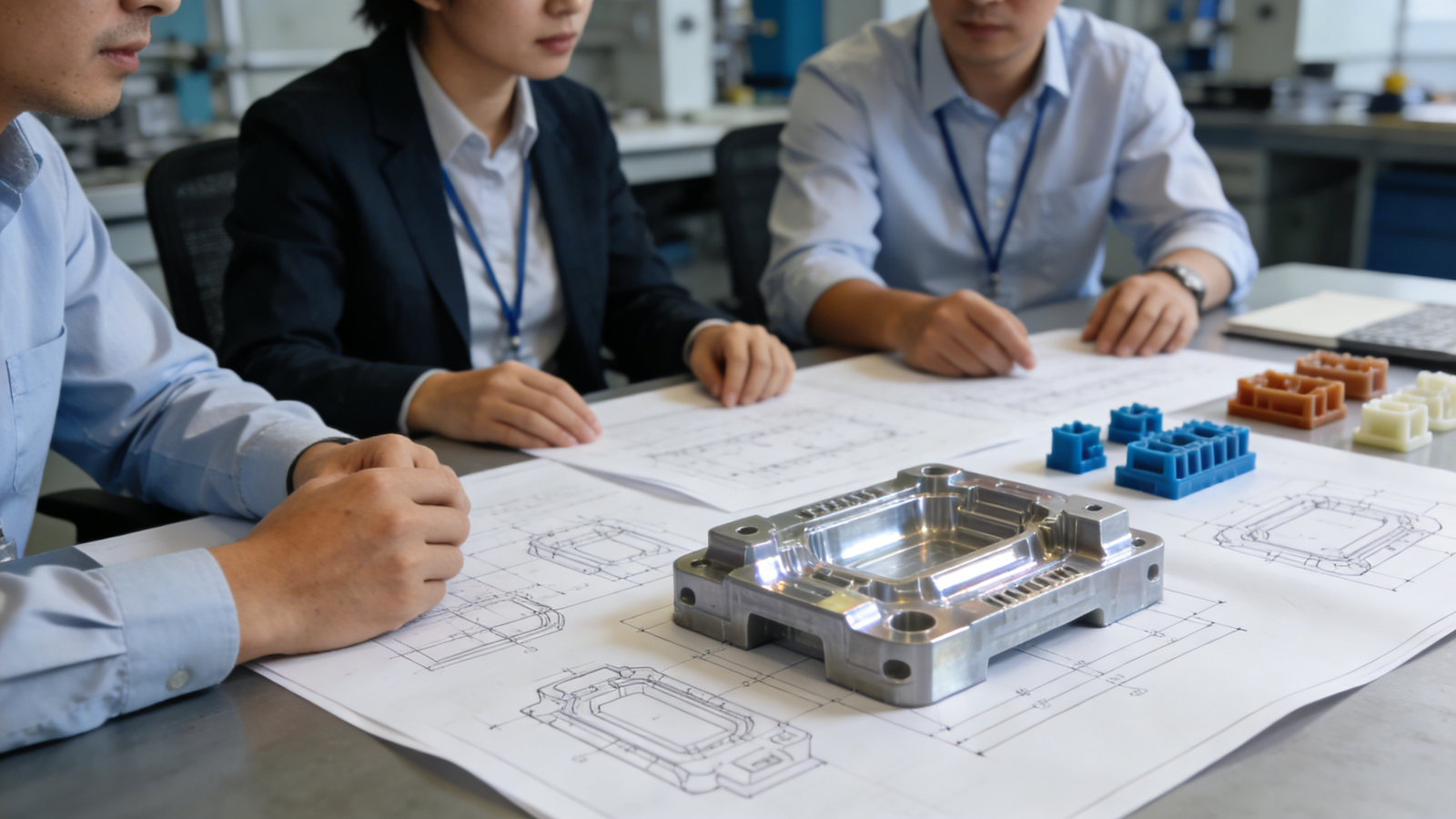
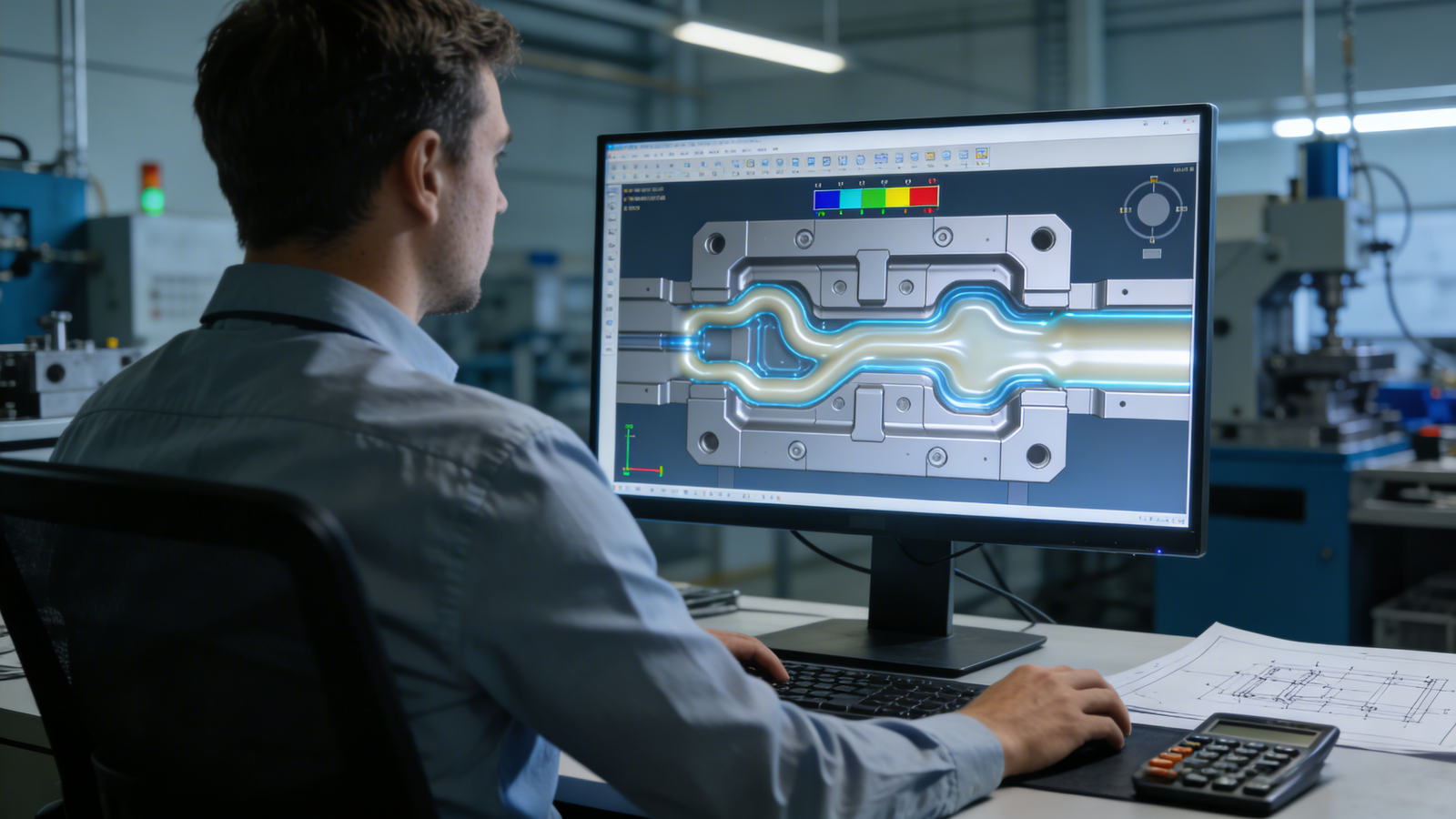
One of the most important challenges in multi-cavity injection molding is ensuring that every cavity produces parts with identical weight, dimensions, and appearance. Achieving this requires precise control of runner balance, cooling systems, and mold manufacturing accuracy. During multi-cavity mold development, Xiamen Ruicheng often uses balanced runner systems and precision machining to ensure uniform filling conditions for every cavity. Engineers also rely on mold flow analysis and advanced hot runner systems to optimize plastic distribution and reduce variations between cavities.
Runner balance:Symmetrical runner layouts ensure molten plastic reaches each cavity at the same time.
Temperature control:Stable mold temperatures reduce shrinkage differences and maintain consistent dimensions.
Machining precision:High-precision mold machining ensures each cavity is identical in geometry.
Quality monitoring:Statistical quality control helps detect variations early during mass production.
⚙️ Balanced flow systems and precision tooling are essential for maintaining consistent product quality in high-cavity molds.
Reference guide for selecting cavity numbers based on product size
| Product Size | Recommended Cavities | Typical Applications | Production Benefit | Mold Complexity | Machine Requirement |
|---|---|---|---|---|---|
| Ultra-small parts | 64–128 cavities | Medical disposables, micro electronics | Extremely high output | High | High-tonnage precision machines |
| Small plastic parts | 16–64 cavities | Packaging, consumer goods | Excellent cost efficiency | Medium | Medium to high tonnage |
| Medium-size components | 4–16 cavities | Home appliance parts | Stable production | Medium | Standard machines |
| Large structural parts | 1–4 cavities | Automotive components | High mold reliability | Lower | High clamping force |
If you are evaluating a multi-cavity injection molding solution, the engineering team at Xiamen Ruicheng can provide professional guidance based on your product design and production volume. Feel free to reach out and discuss your project requirements through contact us
How multi-cavity injection solutions reduce manufacturing costs
Multi-cavity injection molding plays a crucial role in lowering the cost per part for high-volume manufacturing. By producing multiple parts in a single injection cycle, machine utilization improves and operational costs are distributed across a larger number of products. In many projects handled by Xiamen Ruicheng, multi-cavity molds can reduce the unit production cost by 20% to 40% for long-term mass production orders. However, higher cavity molds also require greater initial mold investment, which means proper engineering evaluation and production planning are essential before starting the project.
1.Higher production efficiency:Multiple parts are produced simultaneously in each injection cycle.
2.Lower unit cost:Higher output spreads machine and labor costs across more parts.
3.Improved consistency:Parts produced from the same mold maintain uniform quality.
4.Optimized production cycle:Efficient mold design shortens overall production time.
Frequently Asked Questions (FAQ)
Question: What are the key advantages or quality standards of your multi-cavity injection molding service?
Answer: Xiamen Ruicheng focuses on balanced runner design, precision mold machining, and stable production systems. Mold cavity tolerances can typically be controlled within ±0.01 mm, and mold flow simulation combined with trial runs ensures consistent weight and dimensions across all cavities.
Question: If we want to purchase a multi-cavity injection molding solution, what information should we provide to receive a quotation?
Answer: Customers usually provide 3D product drawings, material specifications, expected production quantity, and application requirements. Once the data is received, our engineering team performs an initial manufacturability evaluation and can typically provide a detailed quotation with technical suggestions within 12 hours.
Question: For multi-cavity injection molding projects, what are the minimum order quantities and lead times?
Answer: For trial production, orders can start from 50 to 200 units depending on the product type. Standard mold development typically requires 15 to 30 days, and mass production schedules are arranged according to order volume and mold cavity configuration.
Question: What happens if the products delivered do not meet the required quality standards?
Answer: Xiamen Ruicheng provides a full quality traceability system. If dimensional or appearance defects are found within 7 days after delivery, customers can request verification. Once confirmed, replacement production or corrective actions will be arranged immediately.
Question: If our future demand increases, can the multi-cavity mold be upgraded or expanded?
Answer: During the initial mold design phase, our engineers often consider future production expansion. Some mold systems can be designed with modular cavity layouts or hot runner upgrades so that additional cavities can be added as demand grows.
Conclusion
Multi-cavity injection molding is one of the most effective ways to improve production efficiency and reduce the cost per plastic component in mass manufacturing. In practice, the maximum cavity number of a mold does not have a fixed limit, as it depends on product size, material characteristics, machine capability, and production volume. With professional engineering analysis and precise mold manufacturing, multi-cavity molds can significantly increase productivity while maintaining stable product quality. With extensive experience in injection molding and mold engineering, Xiamen Ruicheng provides reliable solutions that help customers optimize their production strategies from product development to large-scale manufacturing.
For expert assistance in implementing for your production needs, visit our resource center or contact us. Let’s help you scale up your manufacturing with precision and efficiency!