Introduction
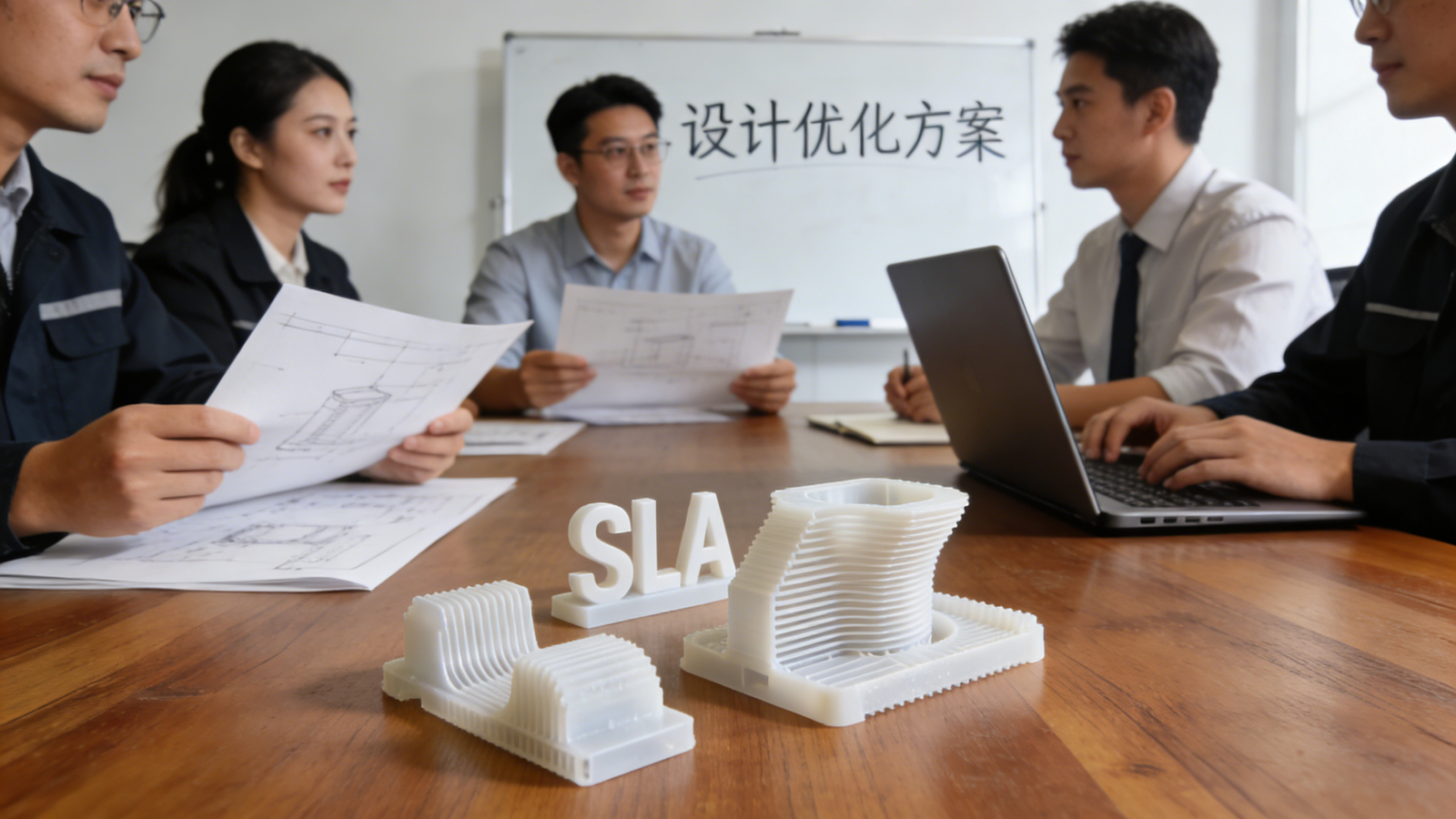
In the automotive industry, product development often requires multiple rounds of design validation and prototype testing. Any structural miscalculation can lead to expensive tooling modifications and project delays. By adopting SLA rapid prototyping technology, engineering teams can obtain highly accurate prototype parts before investing in production tooling. Early-stage validation of complex automotive components often saves far more cost than late-stage tooling corrections.
Modern automotive development requires both speed and reliability in engineering decisions. By combining SLA prototyping with scalable injection molding manufacturing, Xiamen Ruicheng enables clients to complete several validation cycles before entering mass production. This integrated “prototype verification + production planning” approach significantly reduces trial-and-error costs during the R&D stage.
How Does SLA Rapid Prototyping Reduce Trial-and-Error Costs in Automotive R&D?
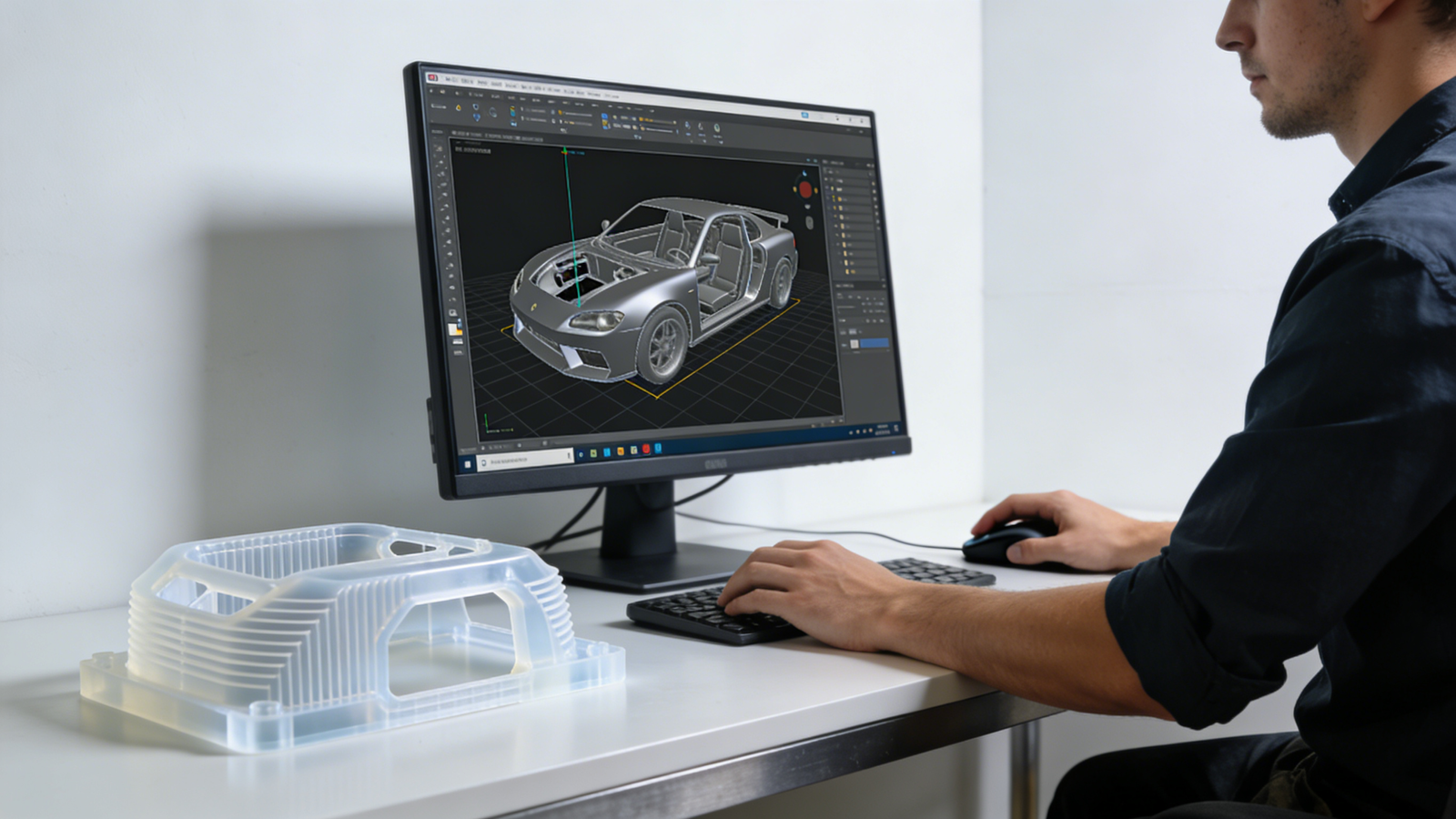
Automotive component development usually requires repeated testing of prototypes to validate fit, structure, and assembly performance. Using SLA rapid prototyping, engineering teams can produce high-precision prototypes within a few days for functional evaluation, assembly verification, and appearance checks while simultaneously preparing future injection molding manufacturing strategies. By validating structural designs through rapid prototypes, engineering teams can identify potential problems before mold manufacturing begins, preventing expensive modifications later. Xiamen Ruicheng frequently supports automotive development projects by enabling multiple prototype iterations that help clients confirm the optimal design direction earlier in the process.
Early Structural Validation: Engineers can test dimensional accuracy and assembly logic during the design phase.
Rapid Design Iteration: Prototypes can be produced within days, enabling multiple design improvements quickly.
Reduced Tooling Risk: Discovering issues before mold production avoids costly mold modifications.
Production Planning Alignment: Prototype evaluation also supports early assessment of manufacturability for mass production.
🚗 SLA prototyping allows automotive teams to detect design flaws earlier and minimize costly development errors.
Why Is SLA Prototype Validation Critical for Automotive Component Design?
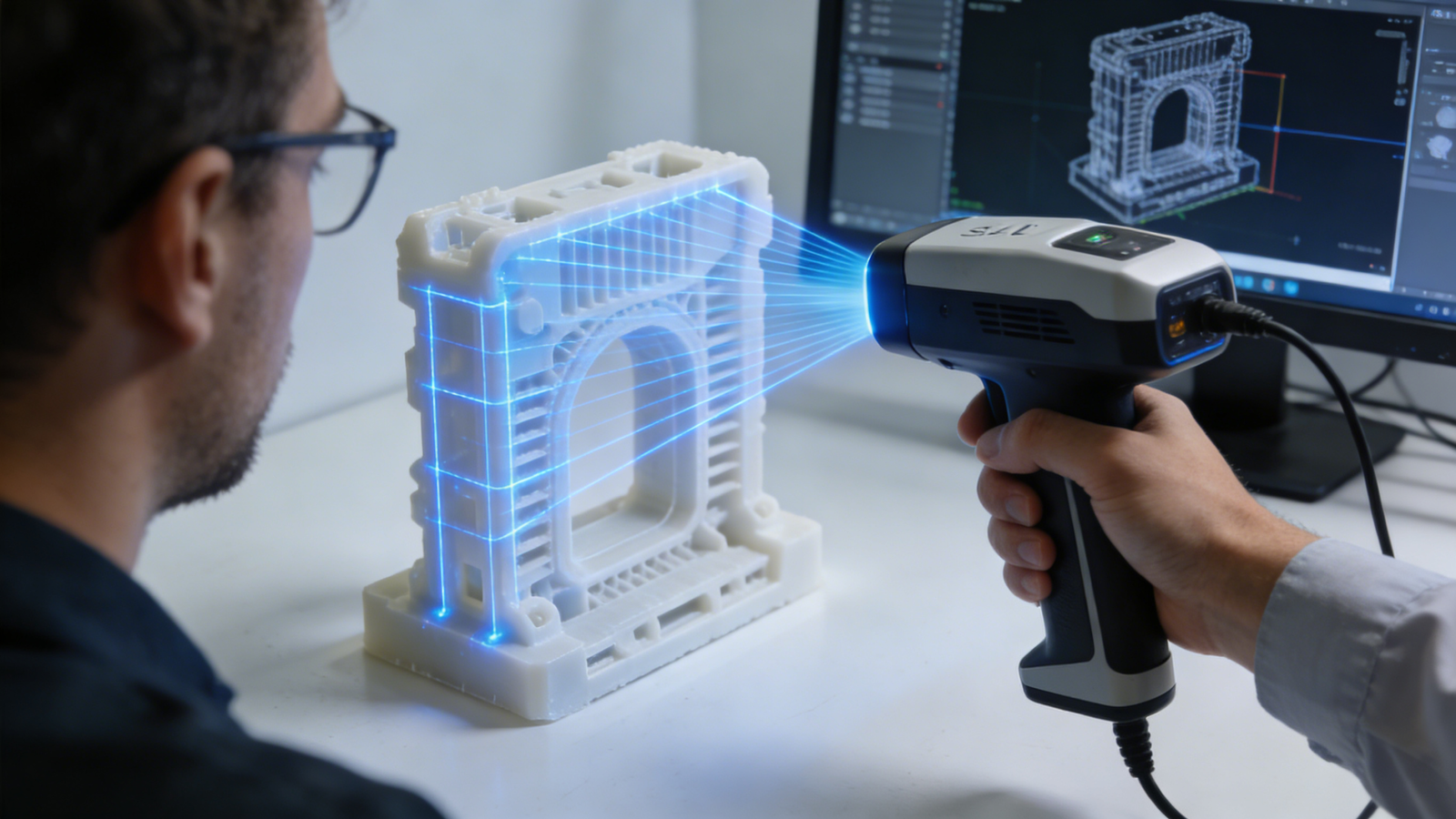
Automotive components often involve complex structures, tight assembly spaces, and demanding functional requirements. Entering the tooling phase without validation can lead to expensive corrections later in the development cycle. With SLA rapid prototyping, engineers can test physical models in real scenarios while also evaluating compatibility with future injection molding manufacturing processes. In many automotive projects, the prototype validation stage determines whether the production phase will proceed smoothly. Xiamen Ruicheng has supported numerous automotive development programs by delivering high-precision prototypes that enable engineers to confirm designs before committing to production tooling.
Real Assembly Testing: Prototype parts can be installed in assemblies to verify interface compatibility.
Functional Structure Evaluation: Engineers can examine mechanical performance and structural feasibility.
Material Feasibility Study: Prototype materials help simulate certain characteristics for production material decisions.
Design Optimization Basis: Testing results provide practical insights for improving design details.
🔧 Prototype validation transforms theoretical automotive design into real-world engineering testing.
How Can Automakers Combine SLA Prototyping with Injection Molding Development?
In modern automotive product development, the connection between prototyping and production manufacturing is crucial. If prototype validation is disconnected from production processes, design inconsistencies may arise during mass production. Xiamen Ruicheng integrates SLA rapid prototyping with scalable injection molding manufacturing solutions, enabling automotive customers to transition smoothly from concept validation to manufacturing preparation. This integrated development strategy significantly improves efficiency in automotive component design and production planning.
Prototype-to-Production Transition: Prototype development considers manufacturing feasibility early in the process.
DFM Engineering Optimization: Designs are improved based on injection molding manufacturability principles.
Iterative Validation Process: Multiple prototype cycles help refine structural performance gradually.
Reduced Production Risk: Structural stability is confirmed before final mold manufacturing begins.
🏭 Integrating prototype validation with production planning dramatically improves automotive development efficiency.
Comparison of SLA Prototyping and Traditional Development Methods
| Development Method | Prototype Lead Time | Unit Cost | Design Modification Cost | Suitable Stage | Development Risk | Iteration Speed |
|---|---|---|---|---|---|---|
| SLA Rapid Prototyping | 2–5 days | Low | Very Low | Design validation | Low | High |
| CNC Machined Prototype | 5–10 days | Medium | Medium | Functional testing | Medium | Medium |
| Soft Tooling Injection | 7–15 days | Medium-High | High | Small batch trial | Medium | Medium |
| Traditional Production Mold | 20–40 days | High | Very High | Mass production | High | Low |
If you are evaluating prototype strategies for automotive development, Xiamen Ruicheng’s engineering team can help design an efficient validation workflow for your project. contact us
The Value of SLA Rapid Prototyping in Automotive Product Development
In the highly competitive automotive industry, development speed often determines how quickly new products reach the market. SLA rapid prototyping allows automotive engineers to perform multiple rounds of validation before committing to production tooling while simultaneously preparing injection molding strategies. For projects requiring frequent design iterations, SLA prototyping significantly reduces development risk and R&D costs. With extensive experience in prototype manufacturing and production engineering, Xiamen Ruicheng helps automotive customers shorten development cycles while improving product reliability.
1.Shorter Development Cycles: Rapid prototypes accelerate design validation and testing timelines.
2.Lower Development Costs: Reduced mold modifications and repeated trial production.
3.Reduced Engineering Risk: Early testing reveals structural and assembly issues.
4.Better Production Readiness: Manufacturing considerations are incorporated during the design stage.
Frequently Asked Questions (FAQ)
Question: What are the core advantages and quality standards of your SLA rapid prototyping services?
Answer: Xiamen Ruicheng provides industrial-grade SLA prototyping using high-precision equipment capable of achieving dimensional tolerances of approximately ±0.1 mm. Each prototype undergoes quality inspection to ensure structural integrity and dimensional stability, allowing automotive engineers to confidently perform assembly and design validation.
Question: What information should we provide to request a quotation for SLA prototype services?
Answer: Clients typically need to provide 3D CAD files such as STEP or STL formats, dimensional requirements, expected quantity, and application details. Files can be submitted through email or the company website, and the Xiamen Ruicheng engineering team usually provides an initial evaluation and quotation within 12 hours.
Question: What are the typical lead times for different prototype quantities?
Answer: Small prototype orders of 1–5 units can usually be completed within 2–5 days, while larger prototype batches are scheduled according to complexity and production requirements. With multiple SLA systems and flexible production capacity, urgent projects can often be expedited.
Question: How do you handle quality issues if the delivered prototypes do not meet specifications?
Answer: Xiamen Ruicheng offers comprehensive after-sales support. If dimensional deviations or quality concerns are found, clients can request inspection verification. Once confirmed, the engineering team will arrange corrections or re-manufacturing within 48 hours to ensure project continuity.
Question: Can you provide customized support based on our specific development requirements?
Answer: Yes. Xiamen Ruicheng supports customized engineering solutions including prototype material recommendations, structural optimization suggestions, and preparation for injection molding production. Customized development plans are typically provided within three working days after reviewing project requirements.
Conclusion
SLA rapid prototyping provides automotive developers with a highly efficient method for validating designs before entering full-scale production. By combining prototype verification with injection molding manufacturing strategies, companies can significantly reduce trial-and-error costs while improving development efficiency. For automotive manufacturers focused on innovation and speed, SLA rapid prototyping has become an essential tool in modern product development. With strong experience in both prototype manufacturing and production engineering, Xiamen Ruicheng supports automotive clients from early design validation to successful mass production.
For expert assistance in implementing solutions for your production needs, visit our resource center or contact us. Let’s help you scale up your manufacturing with precision and efficiency!