Introduction
With the rapid electrification and intelligence of agricultural machinery, flame-retardant injection molded parts have shifted from an optional configuration to a foundational safety requirement. Polycarbonate (PC), known for its high strength, heat resistance, and dimensional stability, is widely used in control housings, protective covers, and electronic enclosures, where flame-retardant performance directly defines the machine’s safety margin under extreme conditions.What truly affects long-term operational safety is not a single parameter on a datasheet, but the stability of flame-retardant performance under real working conditions.
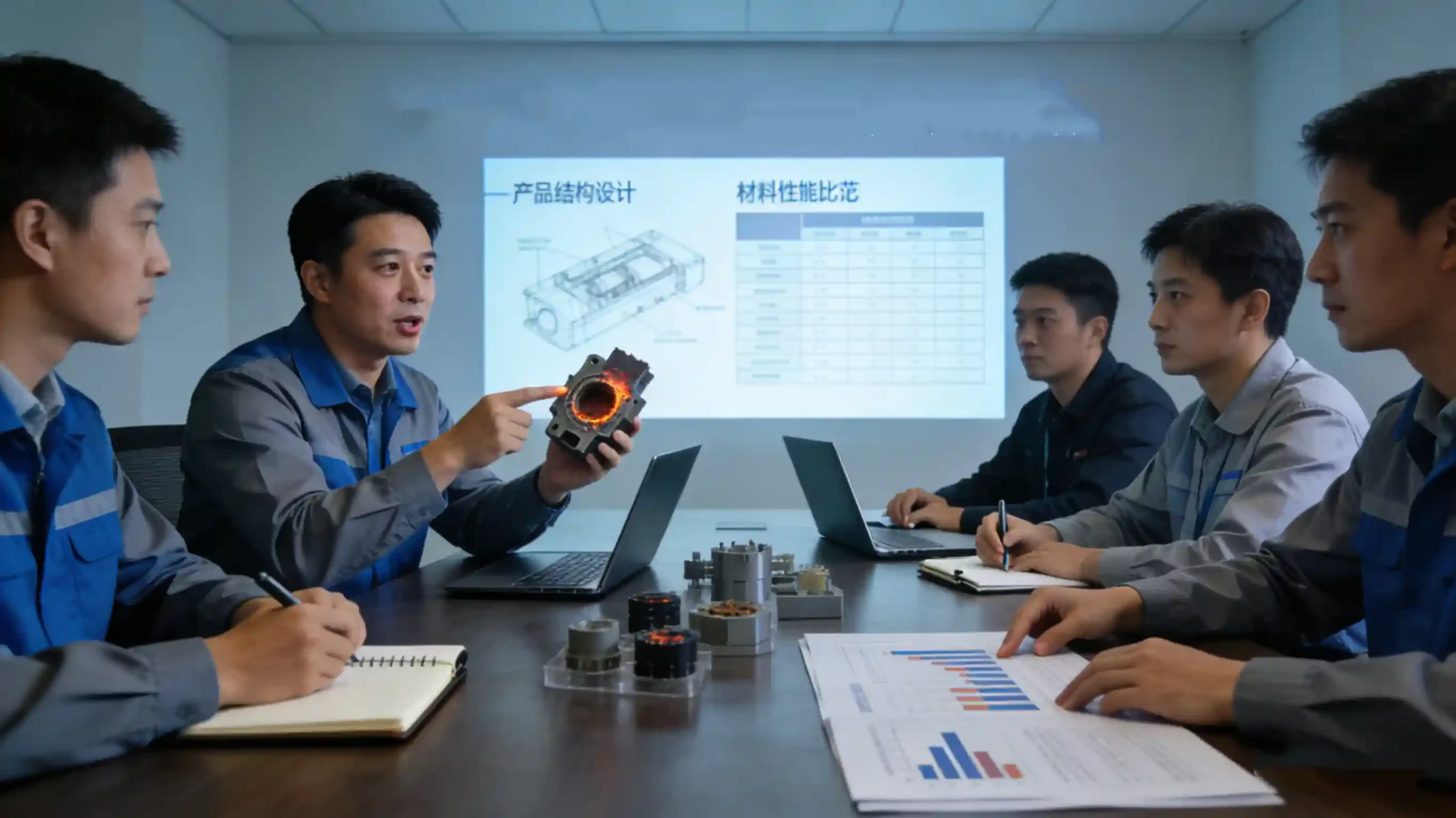
Modern agricultural machinery procurement is no longer limited to superficial material labels or certification grades; it now requires a holistic evaluation that integrates structural design, operating loads, and supplier capability. Based on extensive experience in agricultural machinery projects, Xiamen Ruicheng has found that only by placing flame-retardant injection molded parts within a full lifecycle decision framework can hidden costs be effectively avoided.Establishing risk awareness at the selection stage is a critical step toward professionalized procurement.
Does UL94-V0 Rating Truly Guarantee Safety in Agricultural Machinery?
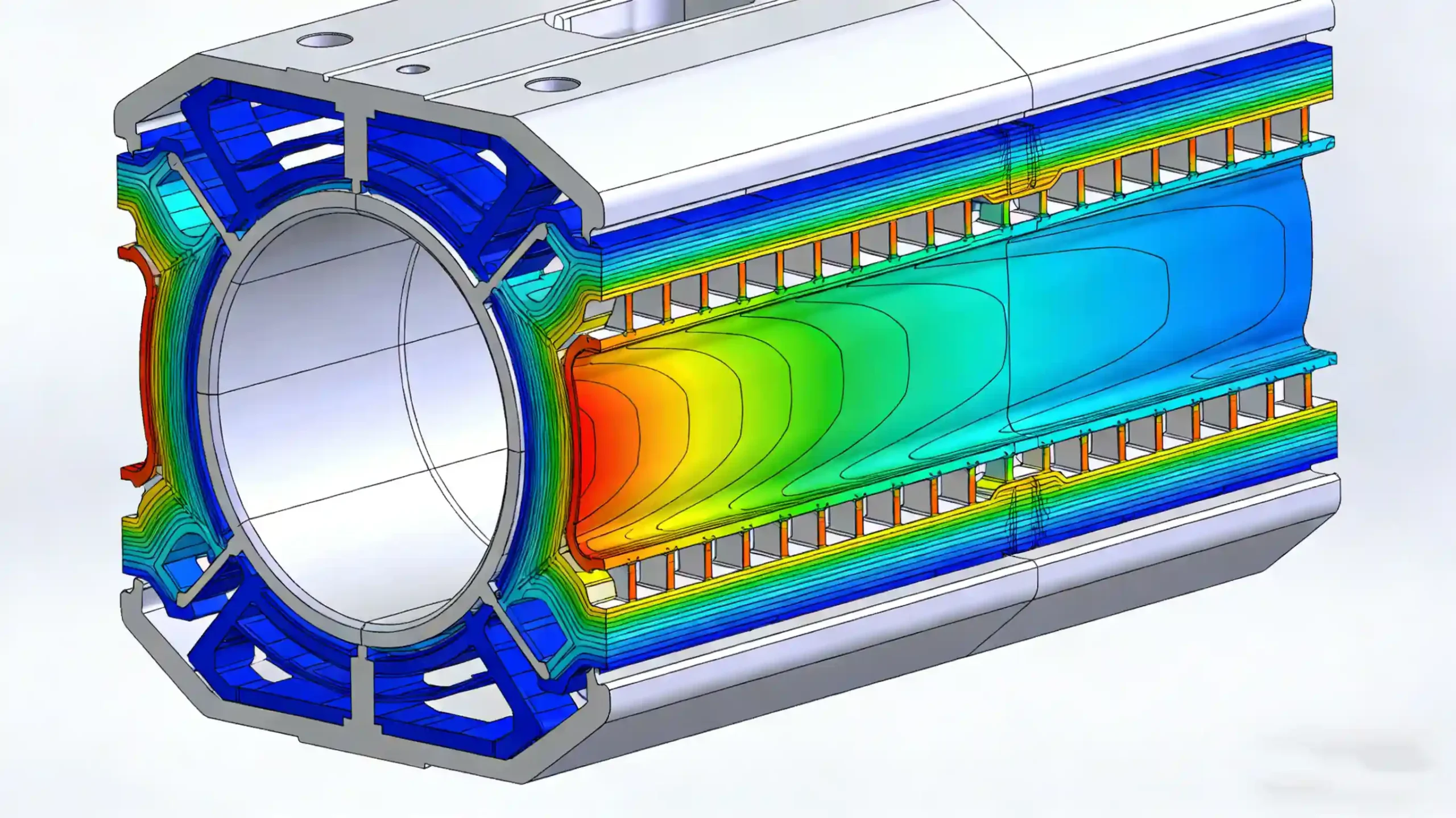
UL94-V0 is not an abstract label but a comprehensive evaluation of flame resistance across ignition, self-extinguishing behavior, and dripping performance, all of which are amplified within the enclosed spaces of agricultural machinery. Under compounded conditions of high temperature, dust, and vibration, PC flame-retardant parts must not only meet UL94-V0 standards but also maintain material stability throughout long-term service, as aging can significantly degrade flame-retardant properties. What truly defines safety is whether UL94-V0 performance remains consistent under real operating conditions. During procurement, buyers should focus on understanding the testing logic behind the UL94 flame retardant standard and the long-term behavior of polycarbonate material properties in high-temperature environments, rather than relying solely on certificates.
Operating condition alignment: Agricultural machinery environments are complex, and flame-retardant ratings must be interpreted alongside real thermal and enclosure conditions.
Aging effects: Heat and UV exposure can alter PC flame-retardant behavior, requiring control at the material selection stage.
Structural synergy: Proper wall thickness and rib design help reduce localized overheating risks.
Validation approach: Simulated operating-condition testing offers more reliable insights than single laboratory tests.
🔥 Flame-retardant ratings only become meaningful when validated in real-world conditions.
Why Do Flame-Retardant PC Injection Parts Fail During Use?
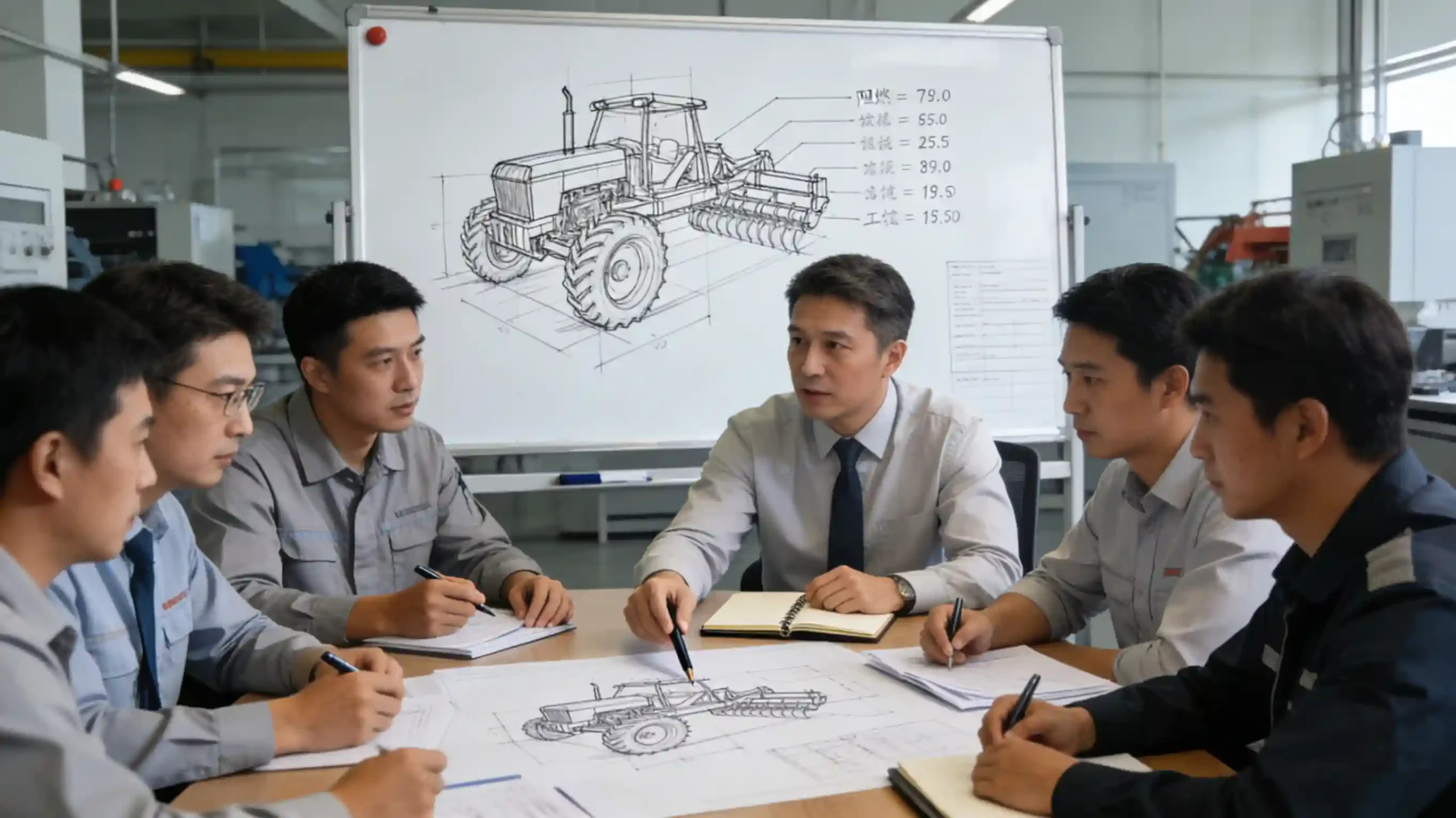
Many agricultural machinery projects pass flame-retardant certification during development, yet still experience deformation, brittleness, or localized melting during actual operation. The root cause often lies not in the material itself, but in imbalances between injection molding processes and design decisions. Flame-retardant PC materials are highly sensitive to processing windows; improper molding parameters, mold venting, or cooling design can trap internal stress that is later released during service. Flame-retardant failure is often structural degradation long before visible burning occurs. Procurement evaluation should therefore integrate knowledge of the injection molding process and PC stress behavior.
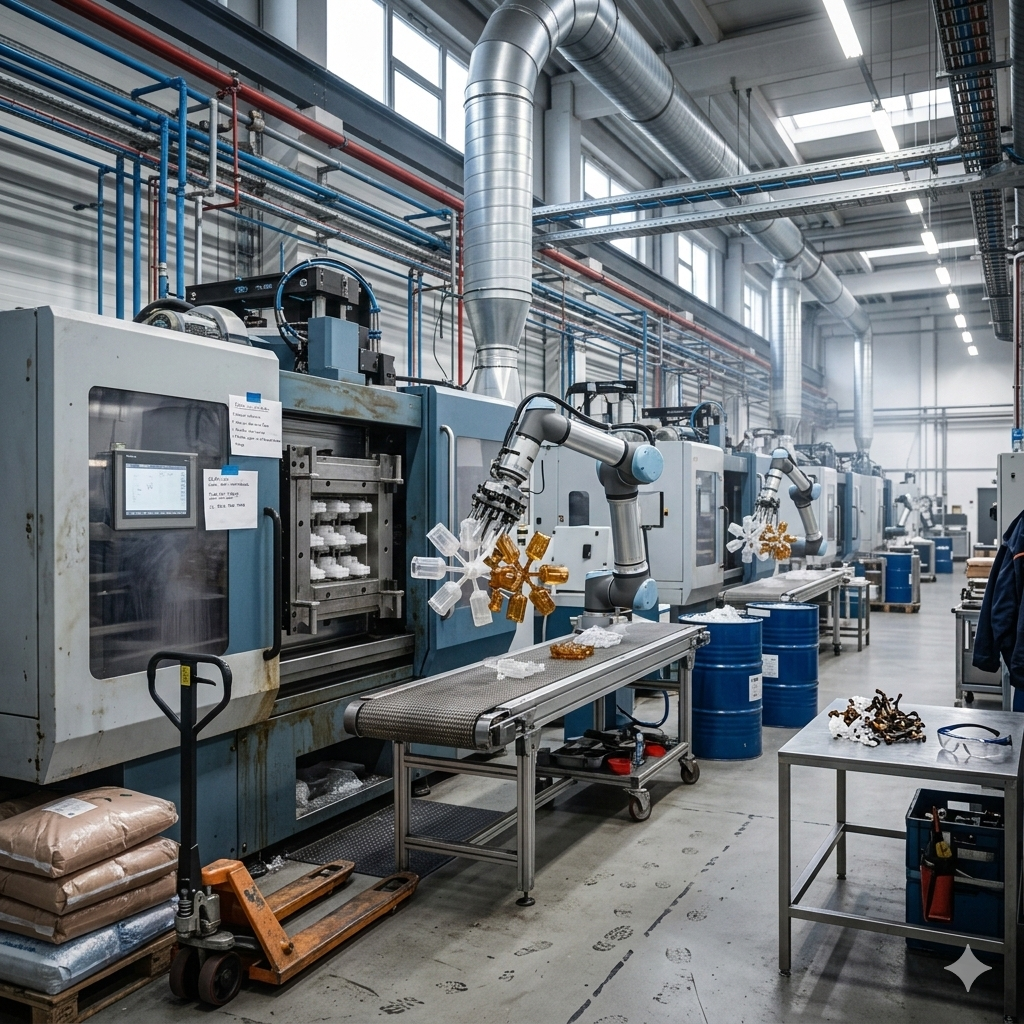
Process stability: Consistent melt temperature and injection speed are essential for reliable flame-retardant PC performance.
Stress management: Optimized cooling and demolding reduce stress concentration during service life.
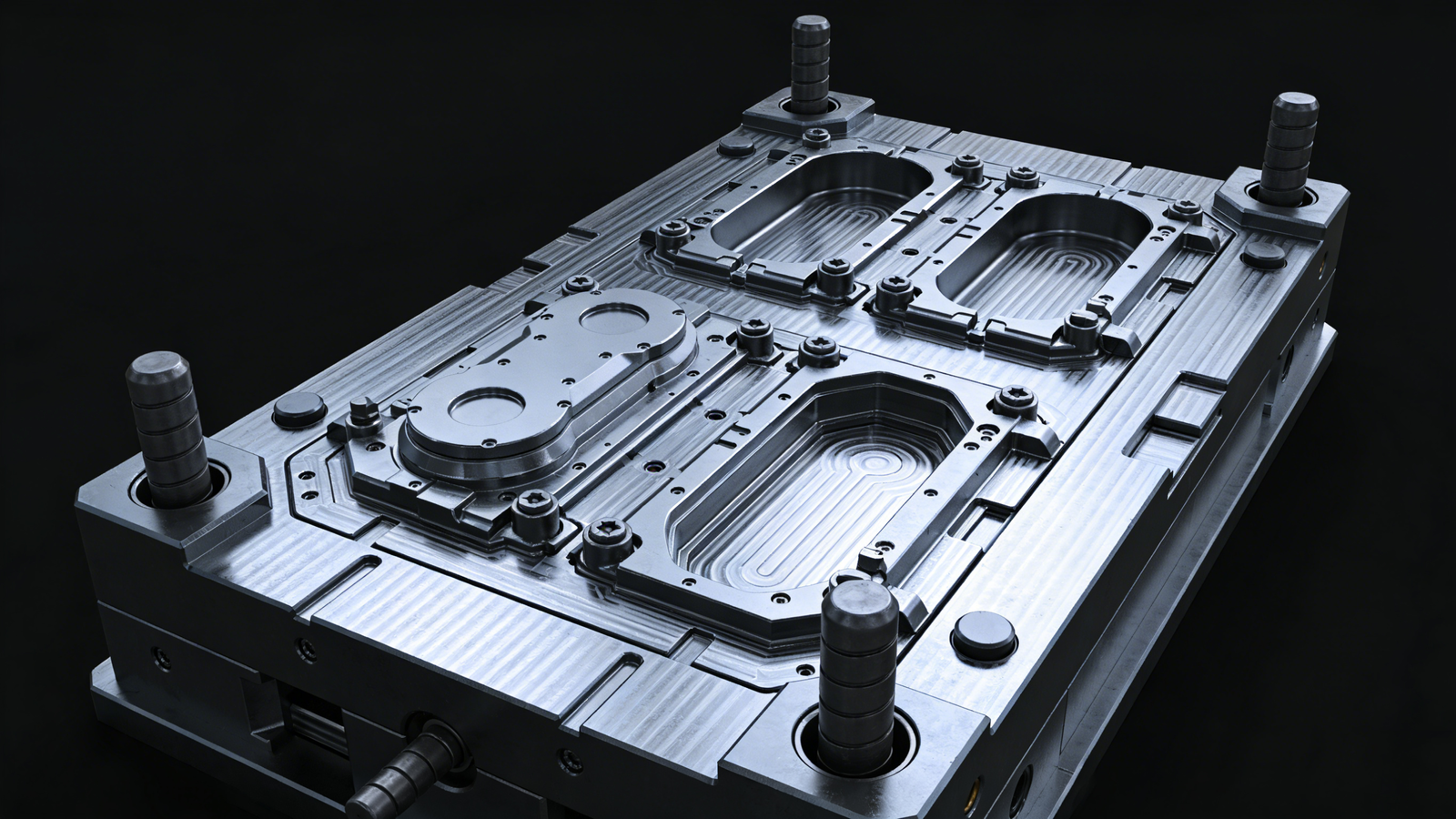
Mold compatibility: Molds specifically designed for flame-retardant PC outperform generic tooling.
Supplier experience: Manufacturers familiar with agricultural machinery applications identify risks earlier.
⚙️ Most failures originate from early-stage decisions, not end-use conditions.
How Can Buyers Judge Whether a Supplier Is Truly Reliable?
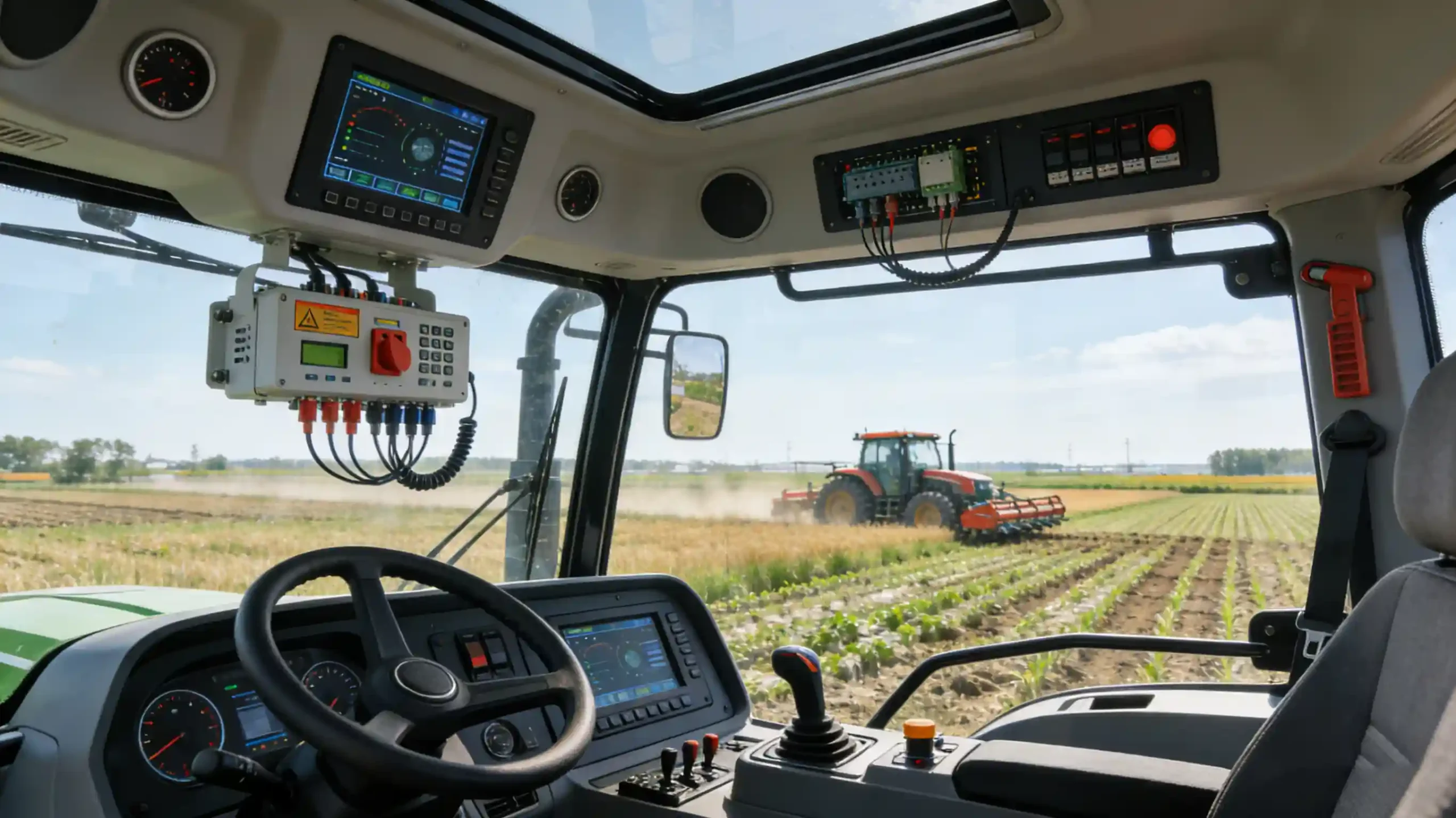
In agricultural machinery procurement, the risks associated with flame-retardant PC injection molded parts are rarely reflected solely in unit price; they are embedded in delivery stability, batch consistency, and response capability. A reliable supplier must connect materials, processes, and application scenarios into a closed-loop system rather than merely executing drawings. A supplier’s understanding of agricultural machinery use logic directly determines the long-term value of flame-retardant components. Buyers should assess quality systems, traceability mechanisms, and proven agricultural machinery experience, referencing frameworks such as ISO quality management systems and applied research on flame-retardant polymer applications. Xiamen Ruicheng supports customers through structured project reviews to identify potential risks before mass production.
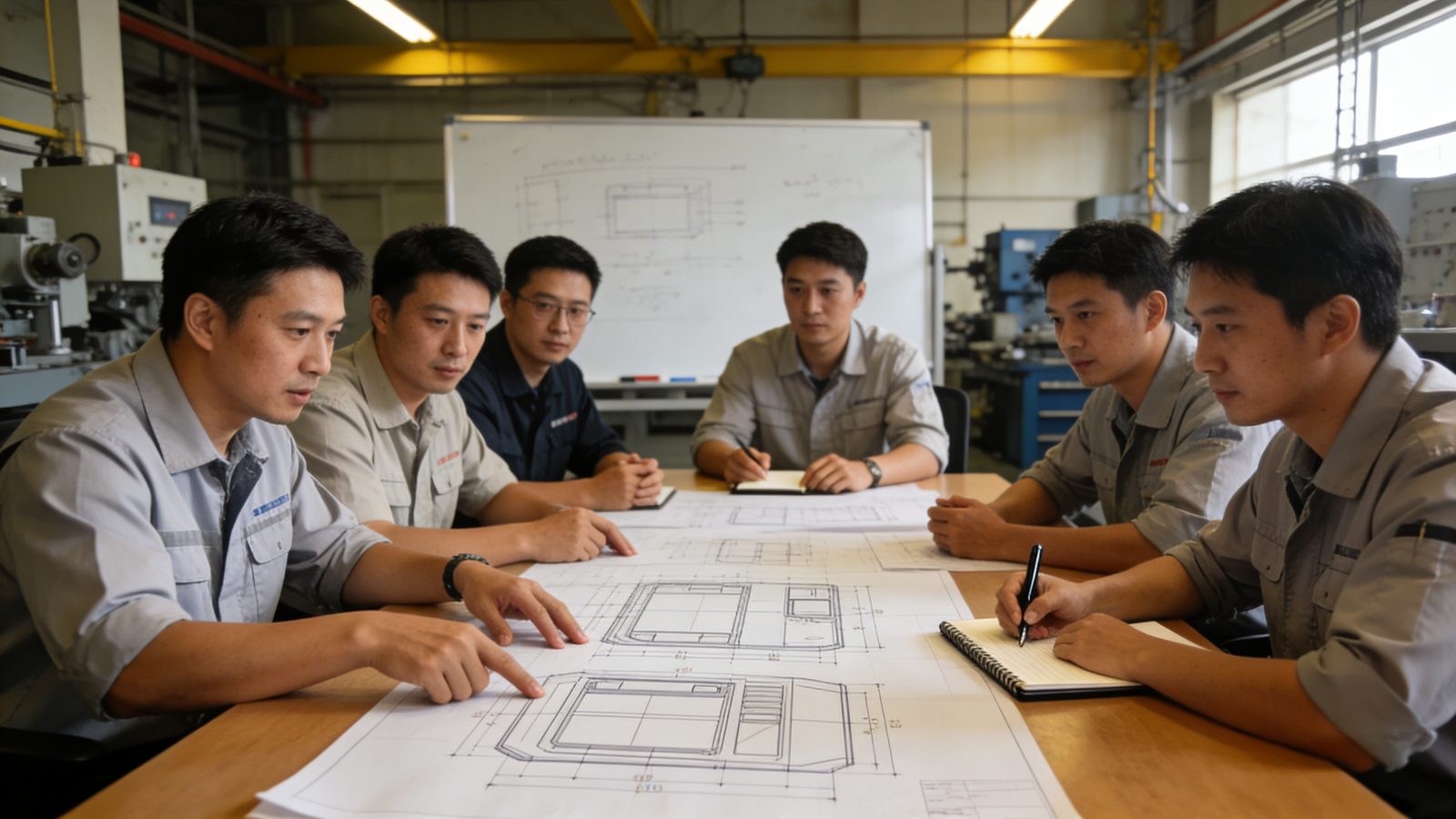
Project comprehension: The ability to propose optimization suggestions based on use scenarios reflects true expertise.
Batch consistency: Stable materials and process control reduce large-scale procurement risks.
Response efficiency: Technical response speed directly impacts delivery schedules.
Long-term collaboration: Suppliers with co-optimization capabilities are better suited for sustained partnerships.
🤝 A reliable supplier is an irreplaceable link in the agricultural machinery safety chain.
Key Comparison Points for UL94-V0 PC Flame-Retardant Parts in Agricultural Machinery
| Comparison Dimension | General Flame-Retardant PC | Modified PC FR | Agri-Machinery-Specific PC FR | Xiamen Ruicheng Solution |
|---|---|---|---|---|
| Flame-retardant stability | Medium | Relatively high | High | High and verifiable |
| Operating condition fit | Limited | Partial | Deeply matched | Customized matching |
| Batch consistency | Variable | Moderate | Stable | Fully traceable |
| Design support | None | Limited | Available | Full-process support |
| Risk control | Passive | Semi-active | Proactive | Front-loaded management |
The true differentiation lies not in datasheets, but in who helps you calculate risks before procurement decisions are finalized. For further evaluation, feel free to contact us
Agricultural machinery procurement for flame-retardant PC injection molded parts is evolving from simple product comparison toward structured risk management. This shift means selection is no longer a one-time action, but a continuous collaborative process. By integrating material performance, injection processes, and operating environments into a unified evaluation, buyers can significantly reduce rework and quality incidents. Mature procurement decisions are largely completed before problems ever occur. Through early-stage reviews and sample validation, Xiamen Ruicheng helps customers define clear risk boundaries prior to mass production.
1.Early evaluation: Introduce flame-retardant and operating-condition analysis at project initiation.
2.Process collaboration: Optimize structure and process simultaneously during tooling and trials.
3.Mass production assurance: Ensure long-term stability through batch control and testing mechanisms.
4.Continuous optimization: Upgrade solutions based on field feedback.
Frequently Asked Questions (FAQ)
Question 1: What are the core advantages of your UL94-V0 PC flame-retardant injection molded parts?
Answer: Based on real agricultural machinery conditions, we define clear flame-retardant levels, thermal ranges, and structural stability targets, supported by process inspection and application-level testing to ensure batch consistency.
Question 2: What information is required to initiate procurement and receive a quotation?
Answer: Buyers are advised to provide operating environment descriptions, structural drawings, and projected volumes, enabling rapid feasibility analysis and accurate quotations.
Question 3: What are the MOQ and delivery rules for different order volumes?
Answer: We support both low-volume validation and large-scale production, with flexible scheduling aligned to project timelines.
Question 4: How are quality or delivery issues handled after purchase?
Answer: Clear responsibility definitions and response mechanisms ensure rapid corrective action and continuous improvement once issues are confirmed.
Question 5: Do you support customization for special operating conditions?
Answer: Material and structural adjustments can be made for high-temperature, vibration-intensive, or enclosed environments, with defined lead times and cost ranges.
Conclusion
Selecting UL94-V0 PC flame-retardant injection molded parts for agricultural machinery is fundamentally about establishing a long-term safety barrier for the entire system. By embedding flame-retardant performance within operating conditions, processes, and supplier collaboration, procurement decisions shift from reactive problem-solving to proactive risk control. When risks are identified early and managed systematically, flame-retardant injection molded parts truly become an integral part of reliable agricultural machinery operation. Choosing partners with industry insight and collaborative capabilities is essential to achieving this outcome.
For expert assistance in implementing for your production needs, visit our resource center or contact us. Let’s help you scale up your manufacturing with precision and efficiency!