Introduction
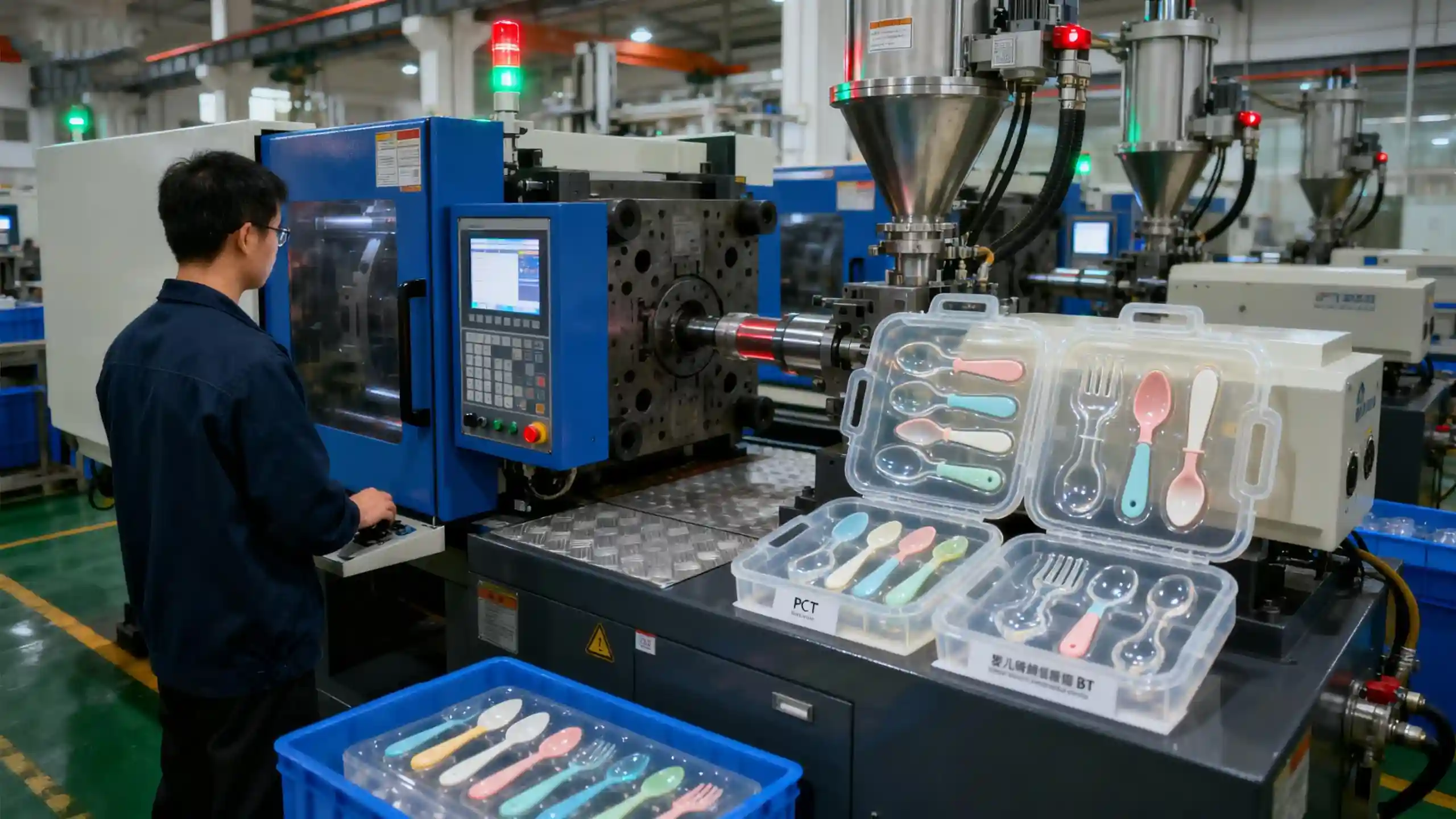
Material selection for baby microwave tableware is never a comparison of single parameters, but a comprehensive decision involving safety, heat resistance, and long-term stability. As microwave heating becomes a high-frequency daily scenario, concerns about deformation, aging, and potential substance migration under repeated high temperatures have become unavoidable in procurement decisions. PP copolymer injection molding is steadily shifting from an optional solution to a mainstream technical route for baby tableware.
In real applications, 120 °C is not a one-time test value but a threshold that must be sustained through repeated heating, cooling, and washing cycles. Based on long-term baby tableware projects, Xiamen Ruicheng has observed that parameter stacking alone cannot eliminate customer concerns, and that durability must be addressed through the coordinated design of material modification, mold engineering, and process control. Only when copolymer formulation and injection molding systems are integrated can heat resistance become commercially reliable.
Can PP copolymer truly remain stable at 120 °C under microwave heating?
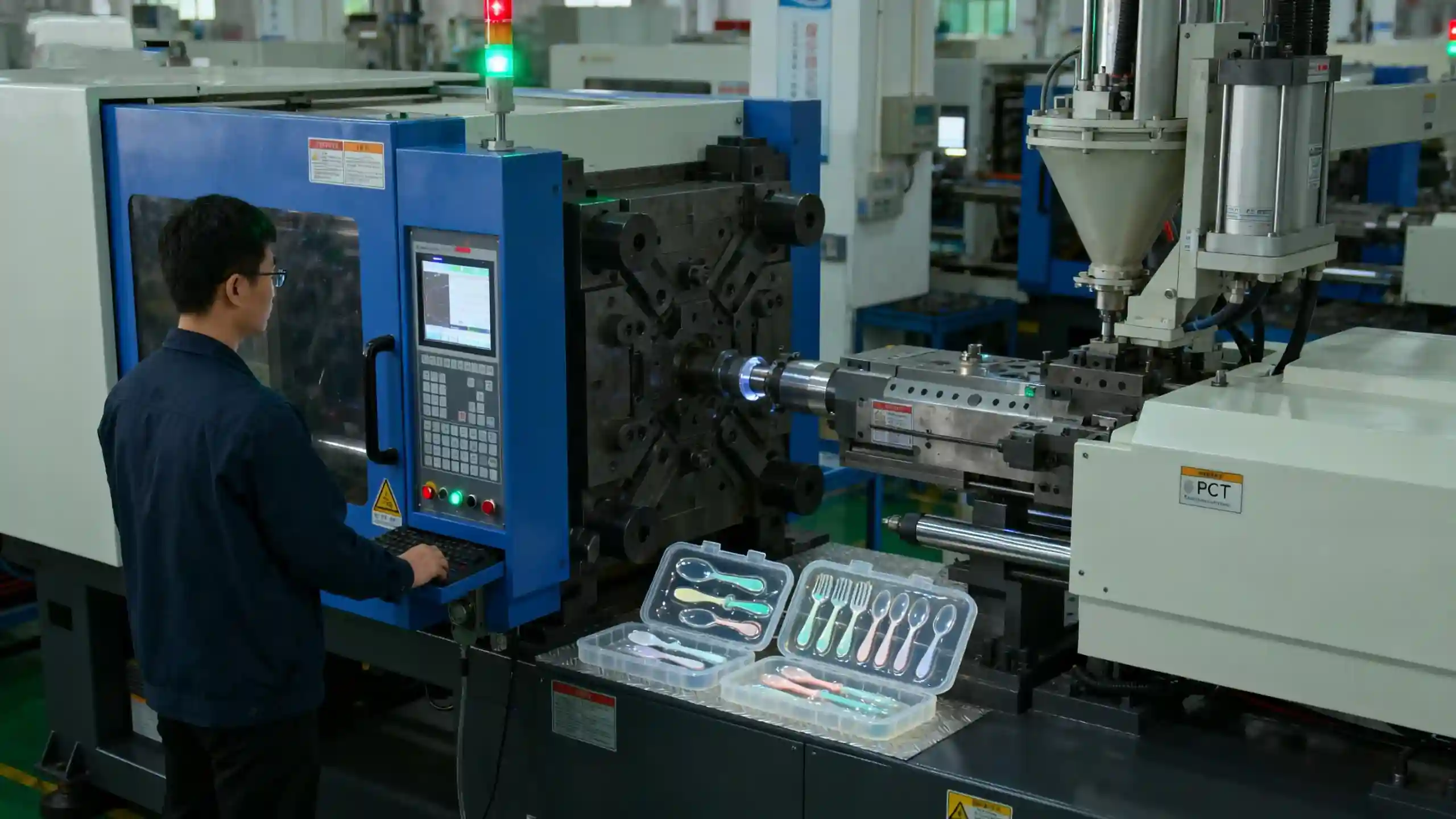
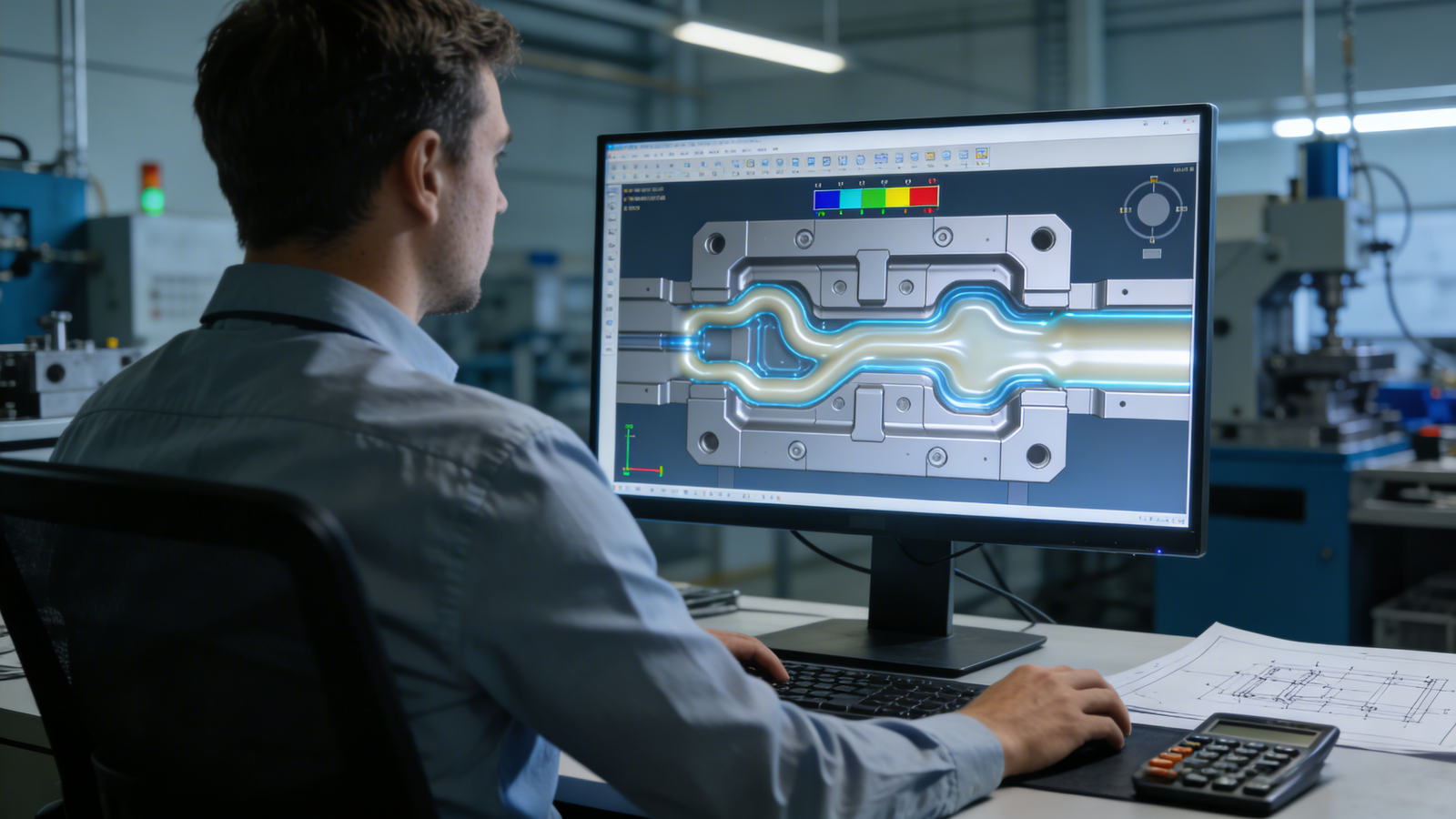
The heat stability of PP copolymer under microwave conditions originates from the balance between molecular chain flexibility and crystalline region distribution, where optimized copolymer ratios significantly reduce internal stress concentration at elevated temperatures. Compared with homopolymer PP, copolymer structures are less prone to embrittlement or warpage during repeated heating, which explains why baby tableware widely adopts PP copolymer. By combining heat resistance testing with simulated microwave usage scenarios, Xiamen Ruicheng ensures dimensional and visual stability at 120 °C. True heat resistance reliability depends not on a single material index but on the overall compatibility between material and injection process.
Material structure advantage: Copolymer modification allows molecular chains to absorb thermal stress, reducing irreversible deformation.
Crystallization control: Mold temperature and cooling rate guide uniform crystal formation, preventing localized heat accumulation.
Process window stability: A controlled molding window avoids excessive shear that can degrade heat resistance.
Application-based validation: Performance is verified through real microwave cycles rather than single laboratory tests.
🔥 Heat resistance is not a label, but the result of system engineering.
Will repeated microwaving and washing reduce the safety of PP copolymer?
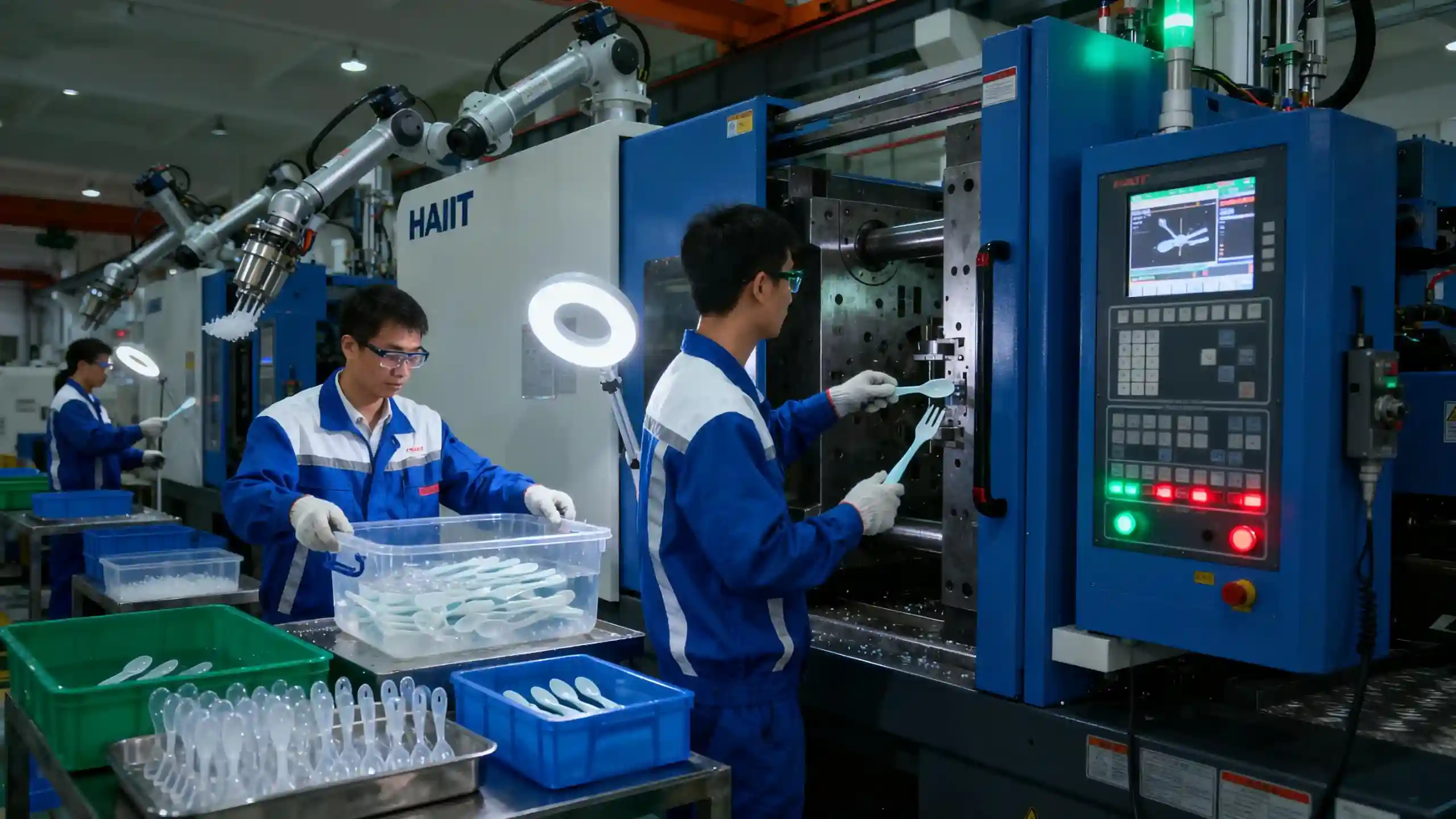
Throughout the service life of baby tableware, microwave heating and high-temperature washing often occur alternately, placing higher demands on long-term material stability. PP copolymer reduces thermo-oxidative aging through molecular design, maintaining physical integrity after repeated heating, as validated in food contact materials applications. Xiamen Ruicheng addresses thermal aging risks through raw material screening and process optimization. True safety lies in sustained performance under long-term conditions rather than initial inspection results.
Aging risk assessment: Long-term usage simulations identify degradation trends early.
Cleaning compatibility: Material integrity is maintained under dishwashing and hot-water cleaning.
Additive system control: Unnecessary additives are avoided to reduce migration risks.
Process traceability: Each batch is traceable to ensure consistency.
🍼 Confidence comes from predictable long-term behavior.
Why do PP copolymer results vary significantly between suppliers?
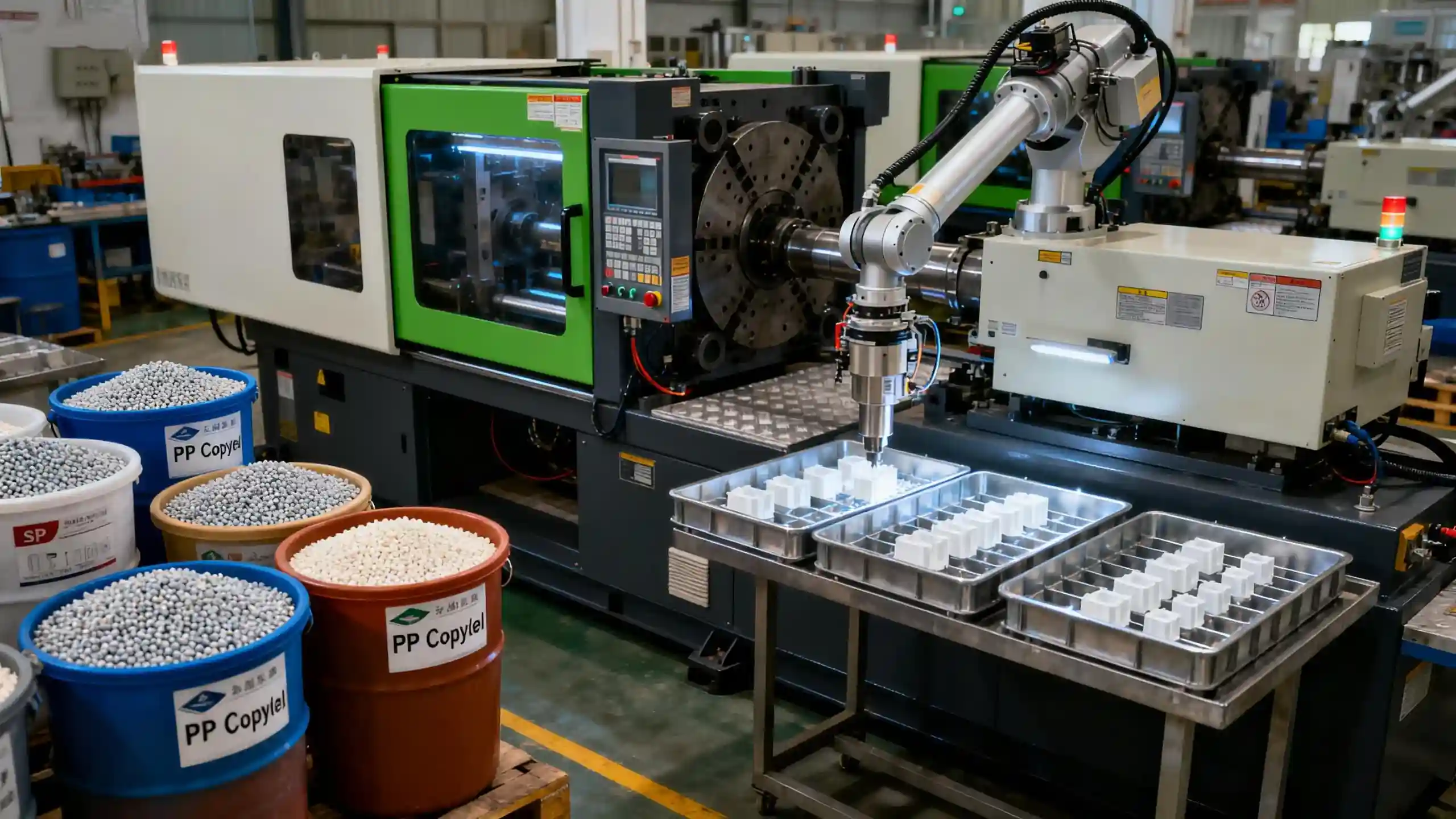
Market differences in PP copolymer injection performance are rarely caused by material naming, but by formulation depth and manufacturing control. Some solutions prioritize short-term molding efficiency while neglecting the coupling between copolymer ratio, melt flow, and mold design, directly affecting stability at 120 °C. Xiamen Ruicheng emphasizes systematic polymer processing and rigorous quality control to minimize variability. Stability differences fundamentally reflect the maturity of the manufacturing system.
Raw material selection depth: Not all PP copolymers meet baby-grade heat resistance demands.
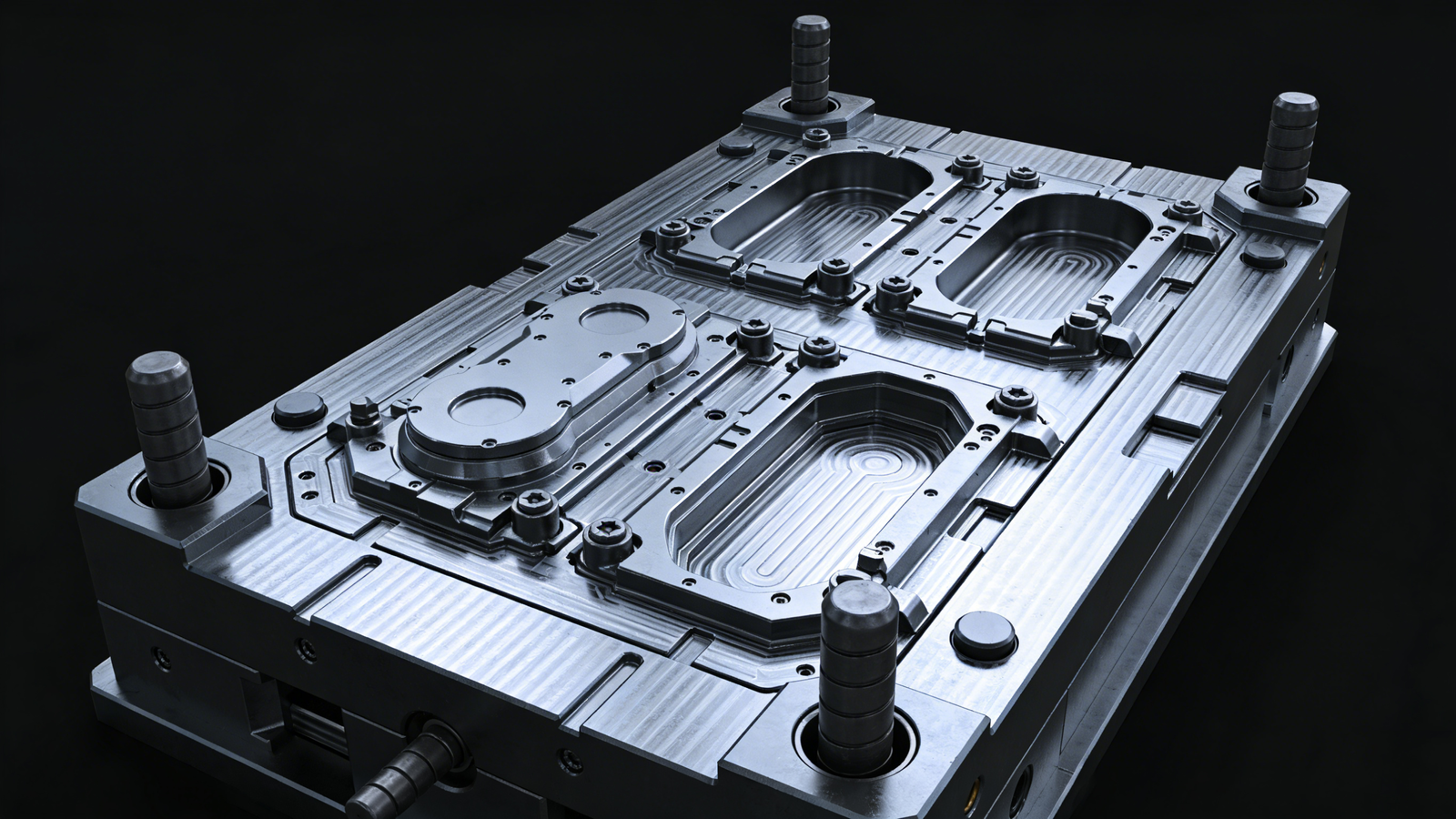
Mold design adaptation: Runner and wall thickness distribution directly influence thermal stress relief.
Process consistency management: Repeatable conditions ensure batch reliability.
Validation standard differences: Whether testing reflects real usage scenarios.
⚙️ Choosing the right system matters more than choosing a material name.
Key Comparison Dimensions for PP Copolymer Injection in Baby Microwave Tableware
| Comparison Dimension | Standard PP | Modified PP | PP Copolymer | PP Copolymer + Process Optimization |
|---|---|---|---|---|
| 120 °C heat stability | Average | Moderate | Good | Excellent |
| Deformation after repeated microwaving | High risk | Reduced | Low | Very low |
| Long-term safety confidence | Unstable | Formula-dependent | Stable | Highly controllable |
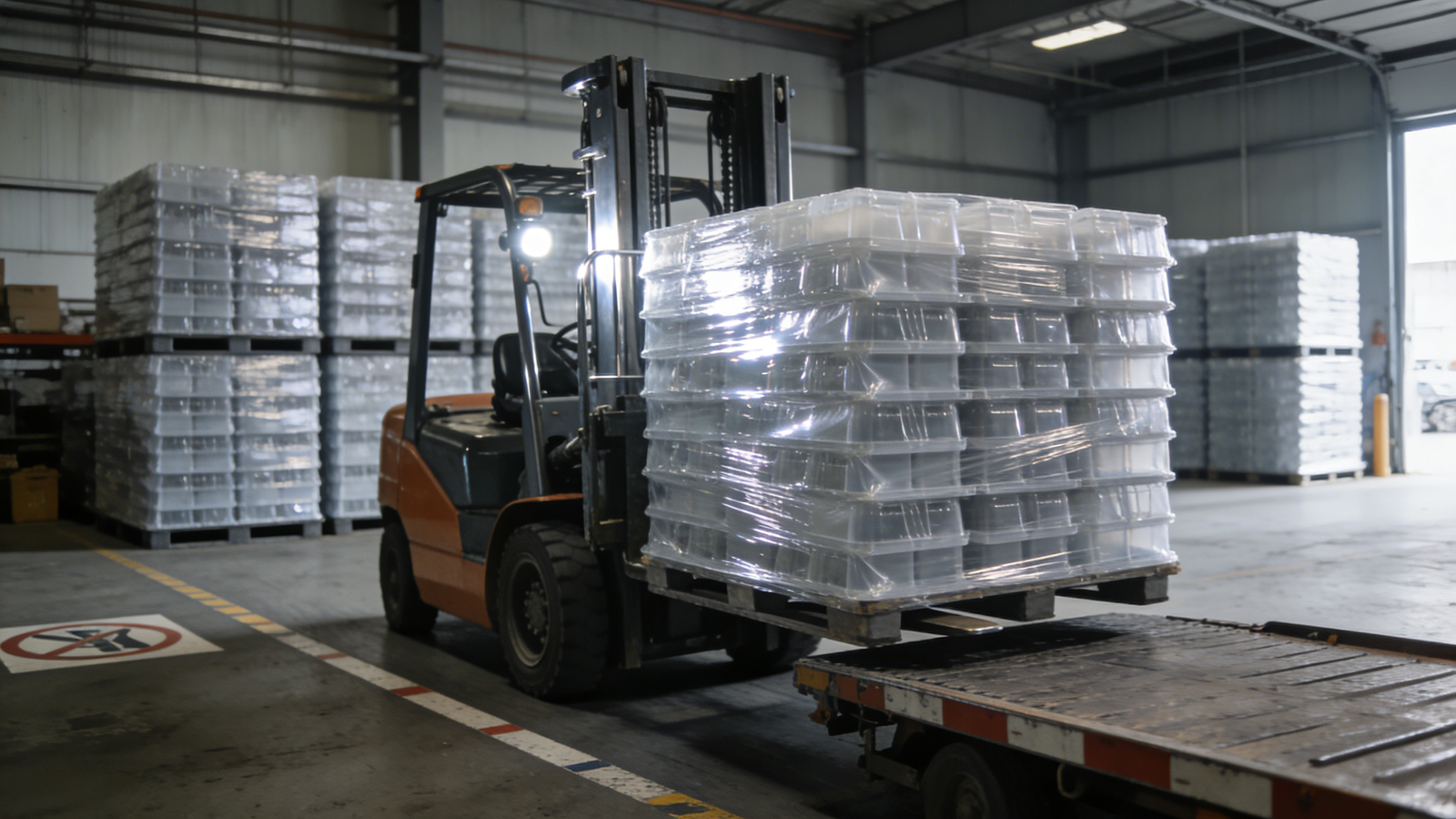
| Commercial consistency | High variation | Moderate | Good | Scalable |
If you are evaluating heat resistance and mass-production risks for baby microwave tableware, now is the right time to review your solution systematically, contact us
From Heat Resistance Metrics to Long-Term Decision Confidence
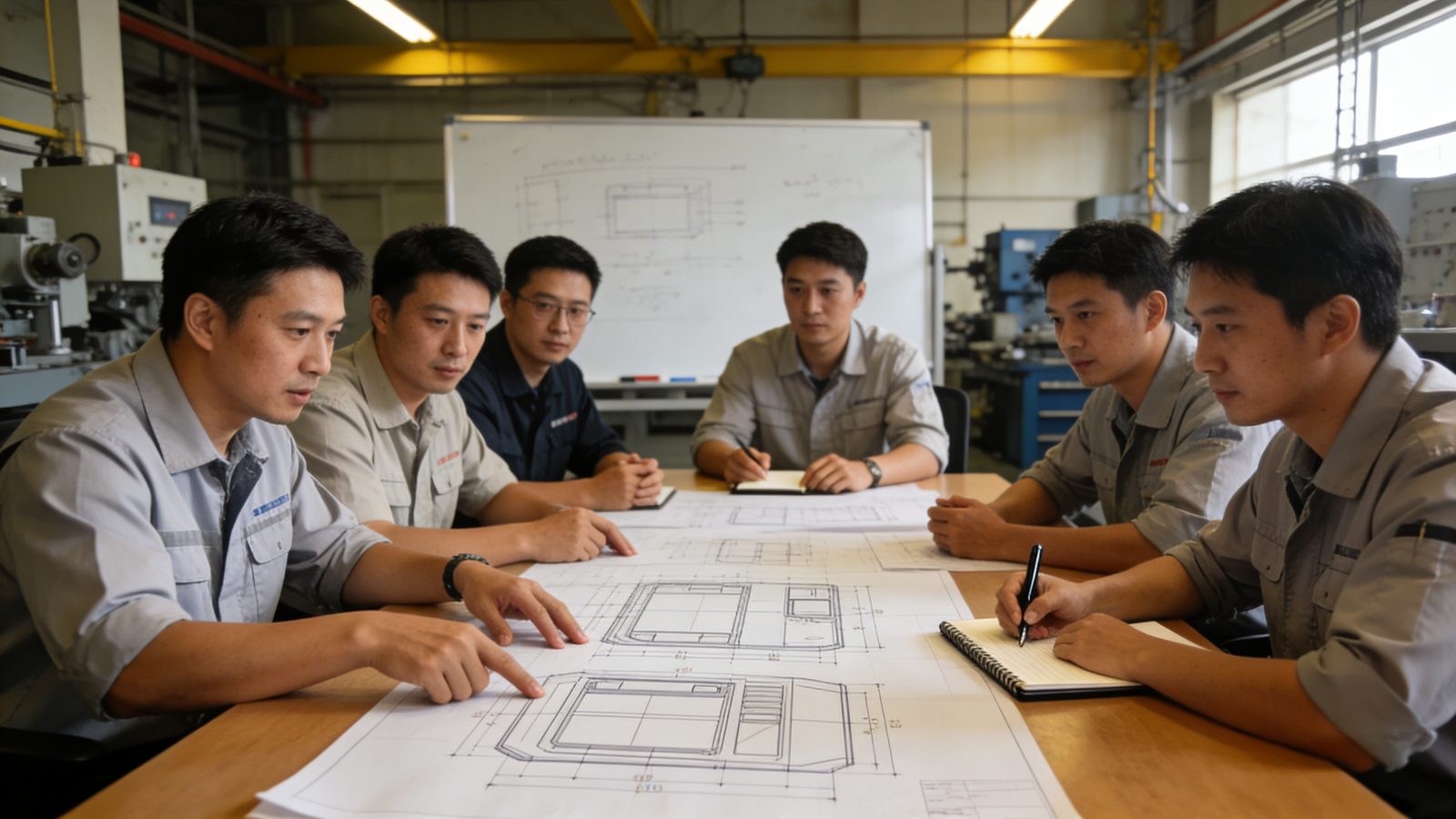
Procurement decisions for baby microwave tableware should move beyond the question of “reaching 120 °C” and focus on sustained safety and stability throughout real usage cycles. Xiamen Ruicheng integrates material validation, process control, and production consistency into a single decision-support framework to build confidence from the prototype stage. When heat resistance can be consistently replicated, procurement risk is fundamentally reduced.
1.Pre-decision validation: Real usage simulations introduced at project initiation.
2.Process transparency: Key manufacturing steps communicated clearly.
3.Production consistency: Alignment between samples and mass production.
4.Long-term partnership focus: Lifecycle value over single transactions.
Frequently Asked Questions (FAQ)
Question: What are the core advantages or quality baselines of your PP copolymer injection solution?
Answer: We define repeated 120 °C microwave stability as the baseline, supported by material selection, controlled processing windows, and finished-part validation to meet baby tableware safety expectations.
Question: What information is required to quickly obtain a quotation?
Answer: Providing drawings, target usage temperatures, microwave and washing frequency, and estimated volumes enables Xiamen Ruicheng to assess feasibility and deliver a risk-inclusive quotation efficiently.
Question: How are MOQ and lead times handled for different order volumes?
Answer: Flexible MOQ and lead-time strategies support pilot runs and scale-up production through adaptable manufacturing capacity.
Question: How are quality or deformation issues handled after delivery?
Answer: Clear evaluation and traceability mechanisms enable rapid corrective actions, including adjustments or replacements, while preventing recurrence through data feedback.
Question: Can you support customization for specific usage scenarios?
Answer: Customization based on microwave power, cleaning conditions, and structural requirements is supported, with feasibility assessments and timelines provided once requirements are defined.
Conclusion
PP copolymer injection molding demonstrates clear technical feasibility for baby microwave tableware at 120 °C, with its true value reflected in long-term stability and repeatability. Through systematic material selection and process management, heat resistance becomes a commercially reliable outcome rather than a theoretical metric. When manufacturing systems consistently deliver predictable results, procurement decisions gain real security.
For expert assistance in implementing for your production needs, visit our resource center or contact us. Let’s help you scale up your manufacturing with precision and efficiency!