Introduction
In today’s competitive home appliance market, the visual quality of product panels plays a critical role in shaping brand perception. Manufacturers often rely on additional finishing processes such as painting, polishing, or coating to achieve a glossy surface. These extra steps increase production complexity and extend manufacturing lead times. When product appearance relies heavily on post-processing, maintaining consistent quality and controlling costs becomes increasingly difficult.
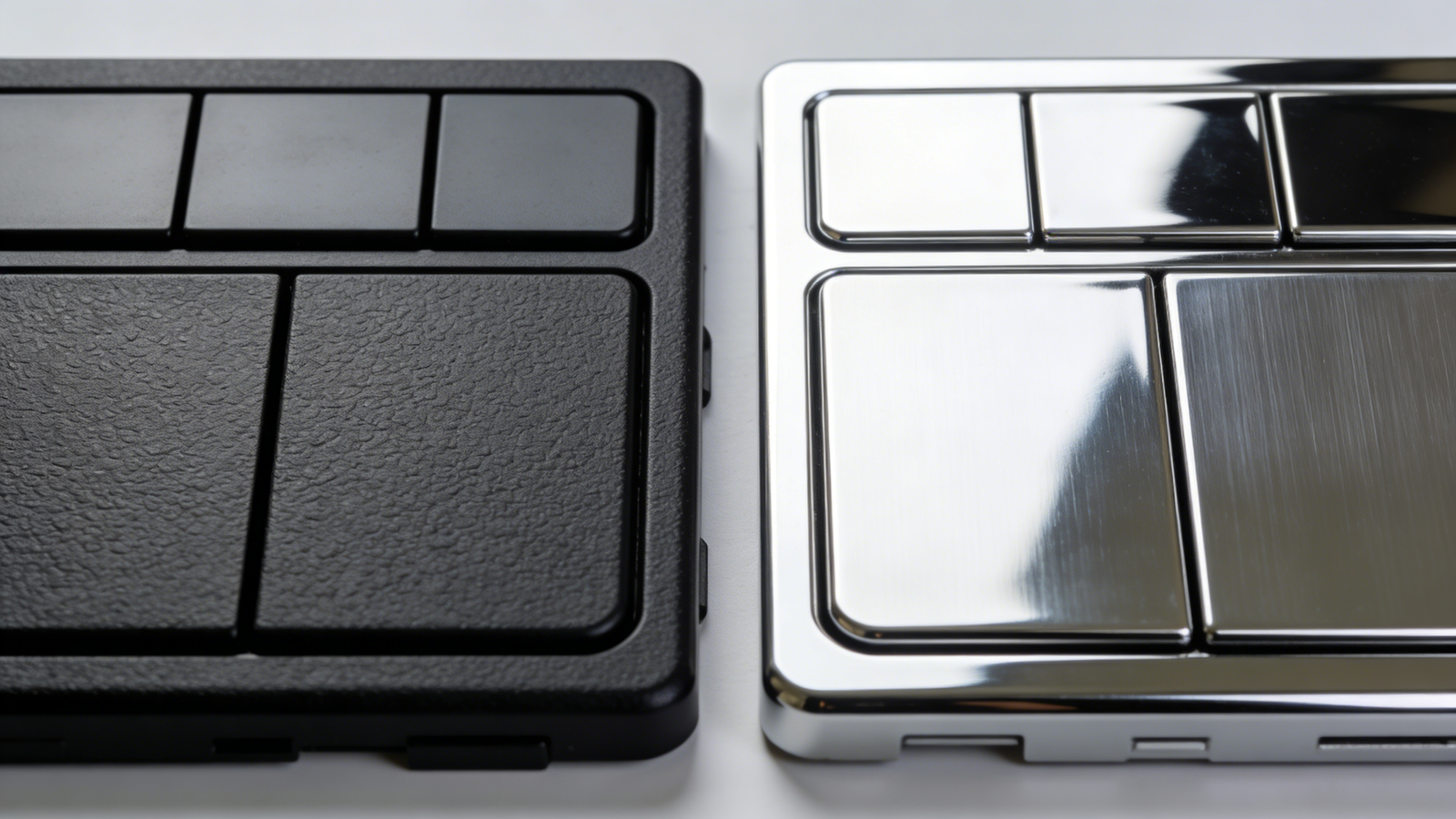
High-gloss injection molding has emerged as a practical solution for manufacturers aiming to improve both efficiency and product appearance. By controlling mold temperature and material flow precisely, manufacturers can achieve mirror-like surfaces directly during molding. In several projects handled by Xiamen Ruicheng, this technology has significantly reduced panel defects while simplifying the production process.
Are Appliance Panel Defects Related to Traditional Injection Molding Processes?

During conventional injection molding, appliance panels frequently develop defects such as flow lines, sink marks, and uneven gloss levels, which affect product appearance and increase finishing requirements. When mold temperature and resin flow are not precisely controlled, microscopic surface imperfections become visible on the finished part. Through optimized high-gloss injection molding, Xiamen Ruicheng has successfully reduced these defects and improved surface consistency in many appliance panel projects.
Material selection: Engineering plastics such as PC or PMMA respond particularly well to high-gloss molding conditions and produce smoother surfaces.
Mold temperature control: Stable and elevated mold temperatures allow the molten material to spread evenly across the cavity surface.
Injection speed: Proper injection speed helps reduce turbulence inside the mold, minimizing visual defects.
Mold structure: Optimized runner and venting designs improve surface quality and molding stability.
✨ High-gloss injection molding minimizes surface defects by stabilizing material flow and mold temperature.
How Can High-Gloss Injection Molding Reduce Post-Processing Costs?
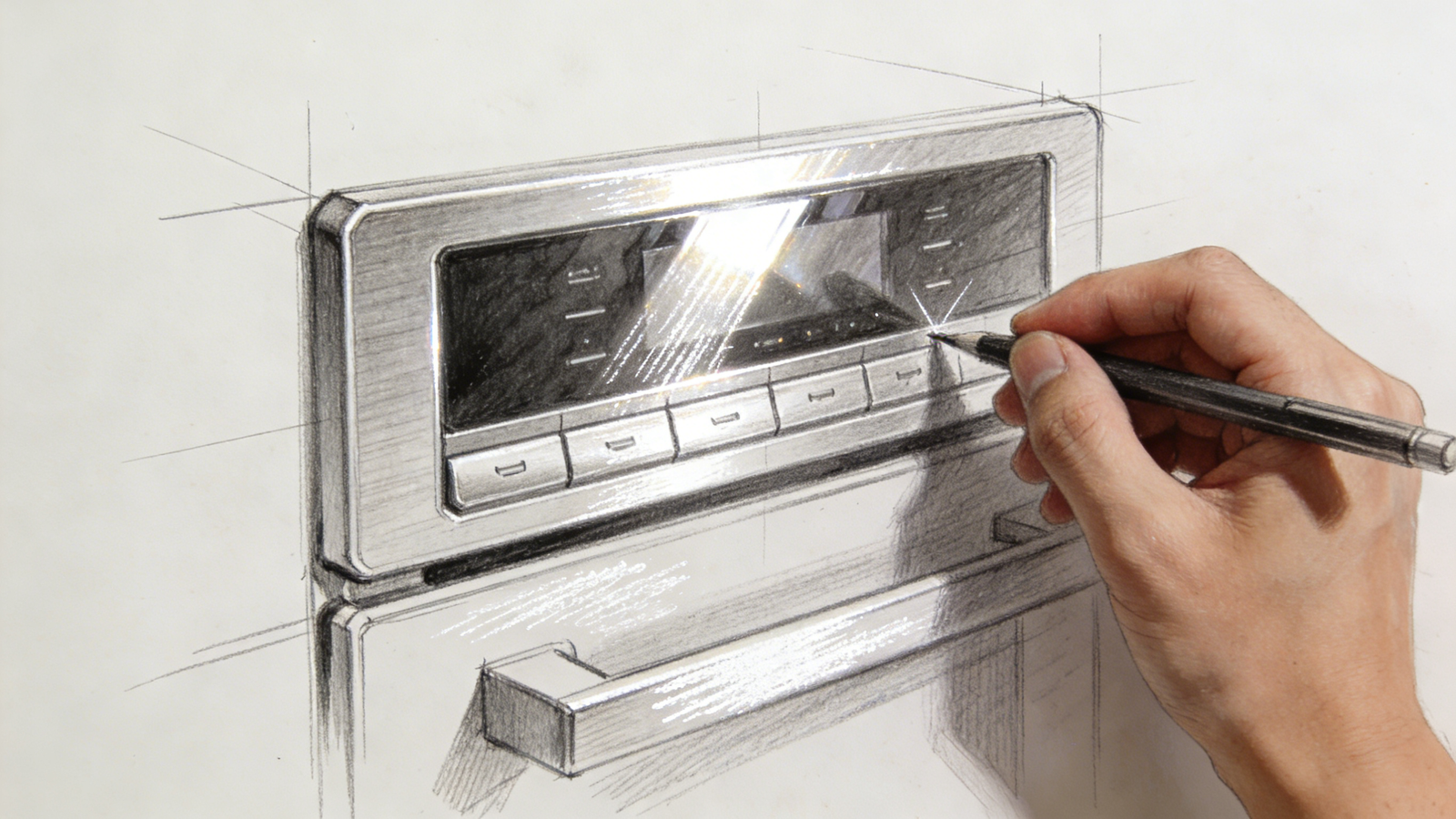
Traditional appliance panel production often requires additional finishing steps such as painting or polishing to achieve a premium glossy appearance. These extra processes add labor costs, equipment investment, and production time. With high-gloss injection molding technology, manufacturers can achieve high surface quality directly during the molding stage. Based on manufacturing experience at Xiamen Ruicheng, adopting this process significantly reduces the need for secondary finishing operations.
Reduced painting: Many products achieve the desired gloss level directly after molding, eliminating or minimizing painting processes.
Shorter production cycle: Removing finishing steps allows faster production and shorter delivery times.
Lower labor requirements: Fewer manual finishing processes mean reduced labor involvement.
Improved yield rate: Stable molding quality reduces rework and scrap rates.
💡 Producing a glossy surface directly inside the mold dramatically lowers finishing costs.
Is High-Gloss Injection Molding Suitable for Every Appliance Panel Project?
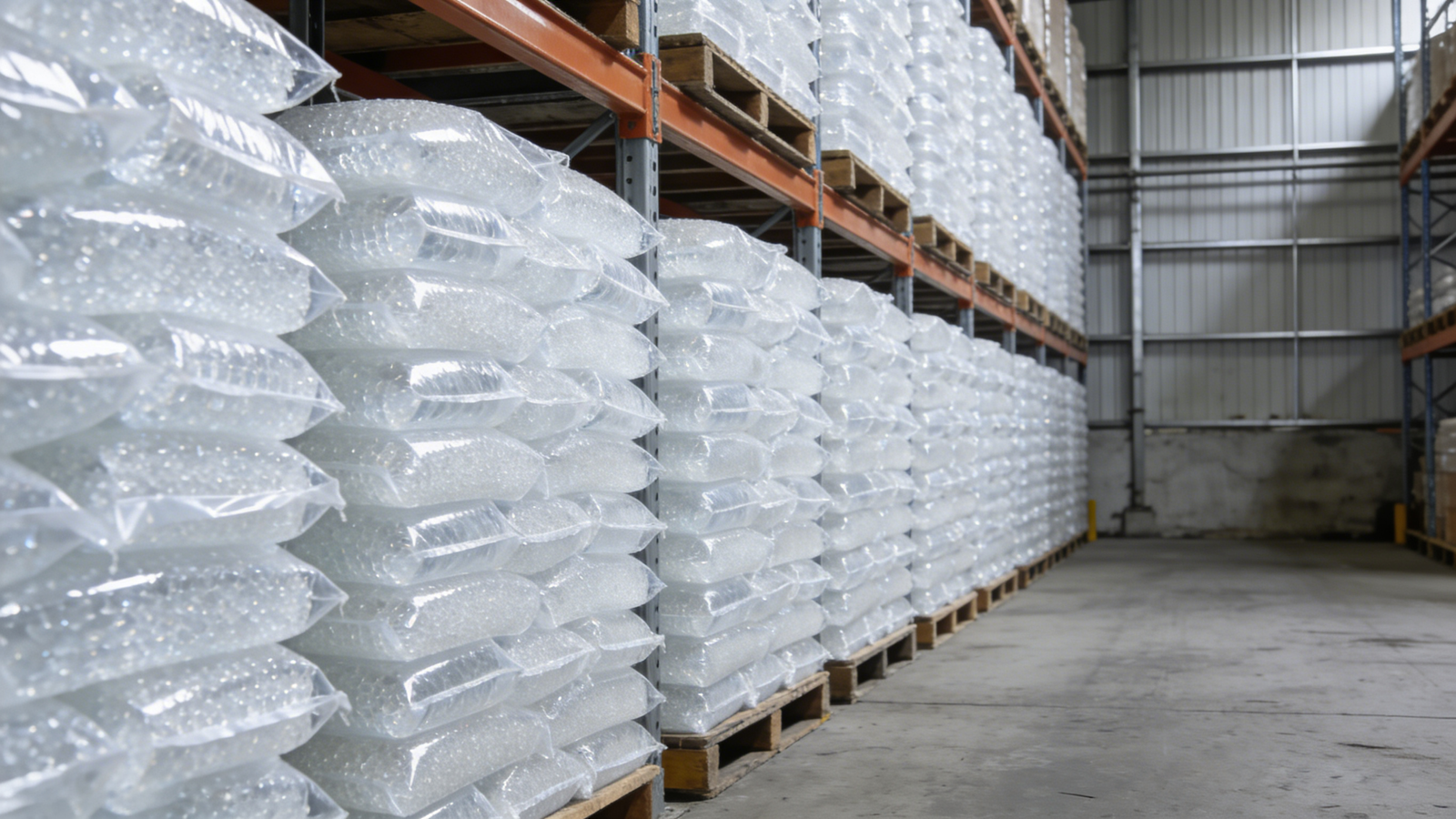
Although high-gloss injection molding provides significant advantages in appearance quality and efficiency, not every product design automatically benefits from this technology. Factors such as product geometry, resin type, and production volume influence the feasibility of the process. For example, complex structures may require additional optimization in injection mold design. At Xiamen Ruicheng, engineering teams typically evaluate each project through process analysis before recommending high-gloss molding.
Product structure: Panels with complex ribs or uneven wall thickness may require design adjustments.
Material compatibility: Different materials react differently under high-gloss molding conditions.
Production volume: Large-scale production often justifies the initial mold investment.
Appearance requirements: Products requiring Class-A surfaces benefit the most from this process.
🔍 High-gloss injection molding works best for high-volume appliance panels with demanding surface quality requirements.
Comparison of High-Gloss Injection Molding and Traditional Processes for Appliance Panels
| Comparison Factor | Conventional Injection Molding | High-Gloss Injection Molding | Spray Painting Process | IMD Decorative Process |
|---|---|---|---|---|
| Surface gloss | Moderate | Mirror-like gloss | High gloss but coating dependent | Pattern decoration |
| Post-processing need | High | Low | Essential | Partial |
| Production cycle | Medium | Shorter | Long | Medium |
| Appearance consistency | Moderate | High | Operator dependent | Stable |
| Cost structure | Lower mold cost, higher finishing cost | Higher mold cost, lower long-term cost | High finishing cost | Moderate overall |
| Environmental impact | Medium | Better | Coating pollution risk | Better |
| Production scale | Small to medium | Large-scale ideal | Small to medium | Medium |
| Typical applications | Standard housings | Premium appliance panels | Appearance upgrades | Decorative panels |
If your appliance project is evaluating ways to balance product appearance and manufacturing efficiency, the engineering team at Xiamen Ruicheng can provide practical insights and support: contact us
How to Evaluate Whether an Appliance Panel Project Is Suitable for High-Gloss Injection Molding
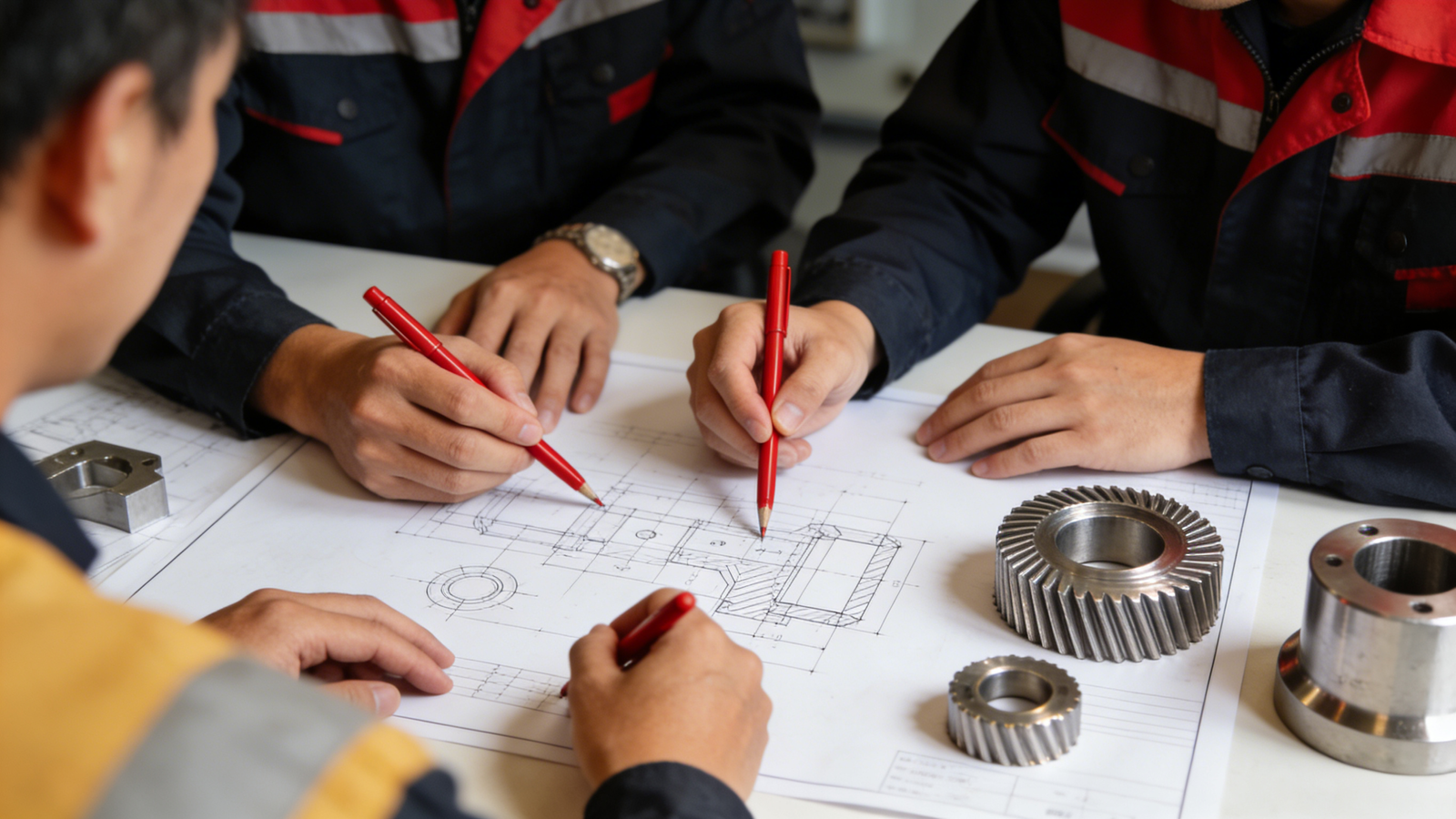
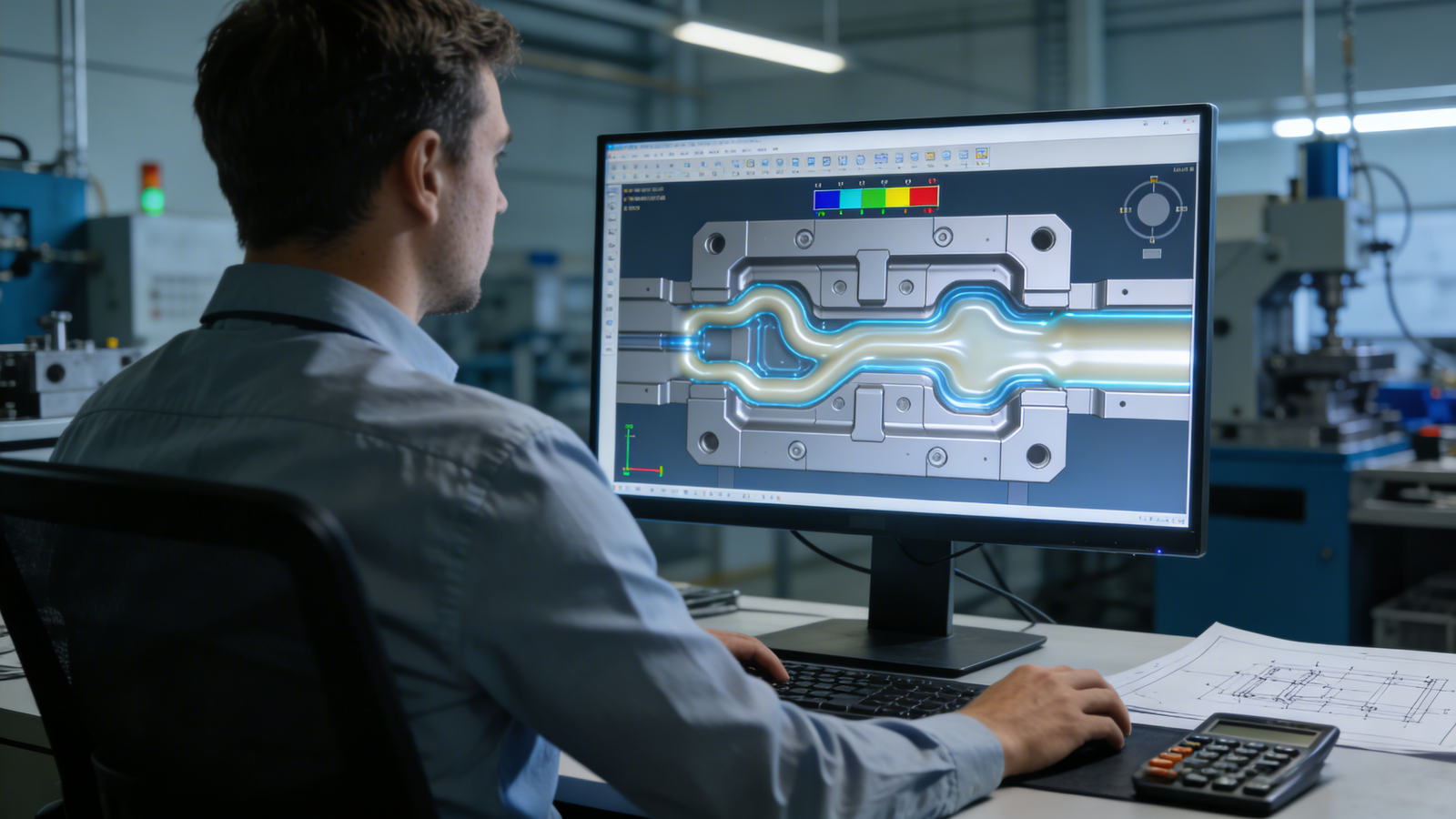
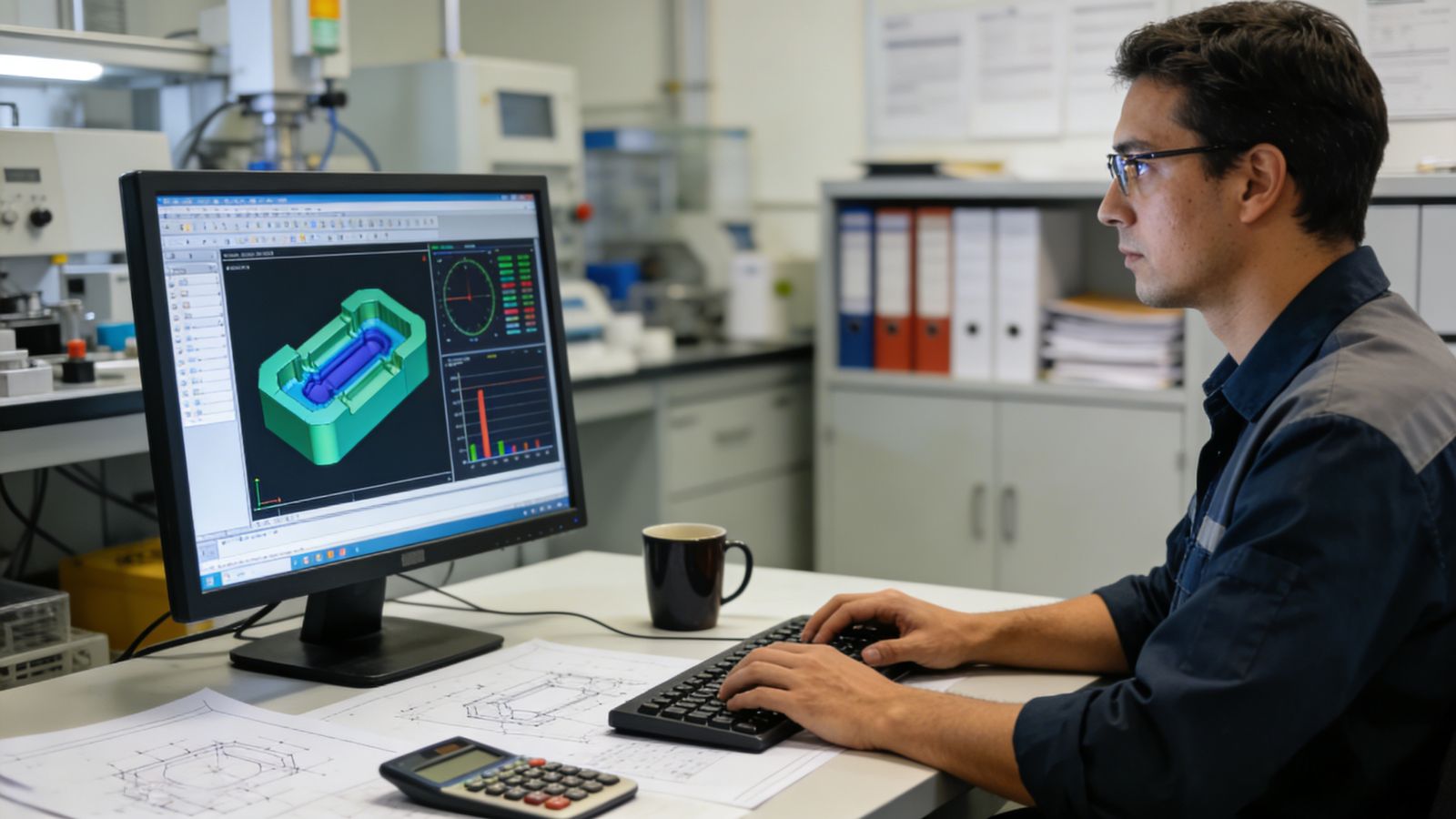
In real manufacturing environments, evaluating the feasibility of high-gloss molding requires considering product design, material selection, and production scale simultaneously. At Xiamen Ruicheng, engineers often perform simulation analysis and sample testing before full production begins. Early-stage process evaluation and prototype validation can significantly reduce quality risks during mass production.
1.Appearance requirements: Products requiring mirror-level surface quality usually benefit from high-gloss molding.
2.Production volume: High-volume manufacturing projects gain the most cost advantage.
3.Material compatibility: Resin flow behavior and mold temperature capability must match the process.
4.Supplier experience: Experienced manufacturers ensure stable production and consistent quality.
Frequently Asked Questions (FAQ)
Question: What are the key quality advantages of your high-gloss injection molding service?
Answer: Xiamen Ruicheng utilizes advanced mold temperature control systems and stable material management processes to ensure consistent surface quality. For critical appearance components, the molded parts can achieve Class-A surface standards required by premium appliance brands.
Question: What information should we provide to obtain a quotation for appliance panel injection molding?
Answer: Buyers typically need to provide 3D drawings or CAD files, material specifications, expected order quantity, and application details. Xiamen Ruicheng’s engineering team will review the data and provide a manufacturing feasibility assessment along with a quotation.
Question: What are the typical lead times for prototype and mass production orders?
Answer: Prototype stages require mold testing and parameter optimization, so timelines depend on product complexity. For mass production, delivery schedules depend on order volume and production planning, supported by multiple injection molding lines.
Question: What happens if quality issues occur after delivery?
Answer: Xiamen Ruicheng maintains a complete traceability system for each production batch. If a manufacturing issue is confirmed, the company provides corrective actions according to the service agreement.
Question: Can customized solutions be provided based on our specific product requirements?
Answer: Yes. Xiamen Ruicheng offers customized manufacturing solutions covering mold design, material selection, and process optimization based on the client’s product application and design needs.
Conclusion
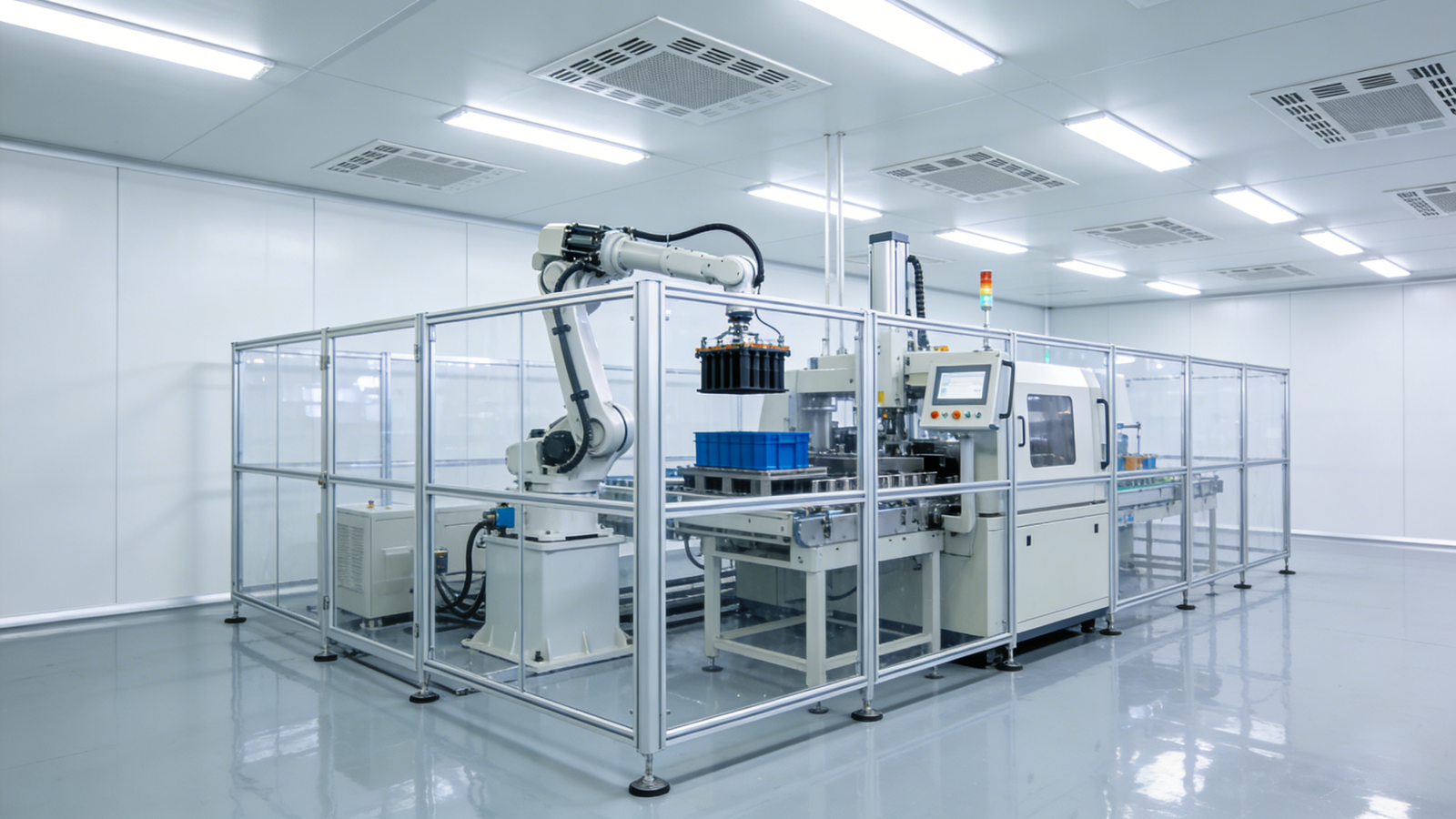
The visual quality of appliance panels has become a key factor in product competitiveness. High-gloss injection molding allows manufacturers to achieve premium surface finishes directly during molding while reducing the need for additional finishing processes. For appliance manufacturers seeking both aesthetic quality and production efficiency, high-gloss injection molding represents an increasingly valuable manufacturing strategy. Partnering with experienced suppliers ensures proper process evaluation and smooth mass production.
For expert assistance in implementing solutions for your production needs, visit our resource center or
contact us. Let’s help you scale up your manufacturing with precision and efficiency!