Introduction

In the development of instrumentation products, the clarity and durability of visual markings directly affect compliance and market acceptance, especially during the early validation phase where CNC prototypes combined with silk screen printing are widely used for appearance verification. Achieving production-like visual label validation without investing in tooling has become a critical focus for engineering teams.
For procurement and engineering departments, choosing the right prototyping solution is not only about cost but also about validation efficiency and risk control, and Xiamen Ruicheng has built a closed-loop capability from prototyping to inspection through years of rapid manufacturing experience. With standardized processes and aligned inspection criteria, prototypes can now closely replicate production-level labeling performance.
Can CNC Prototype with Silk Screen Printing Meet Visual Label Inspection Standards?
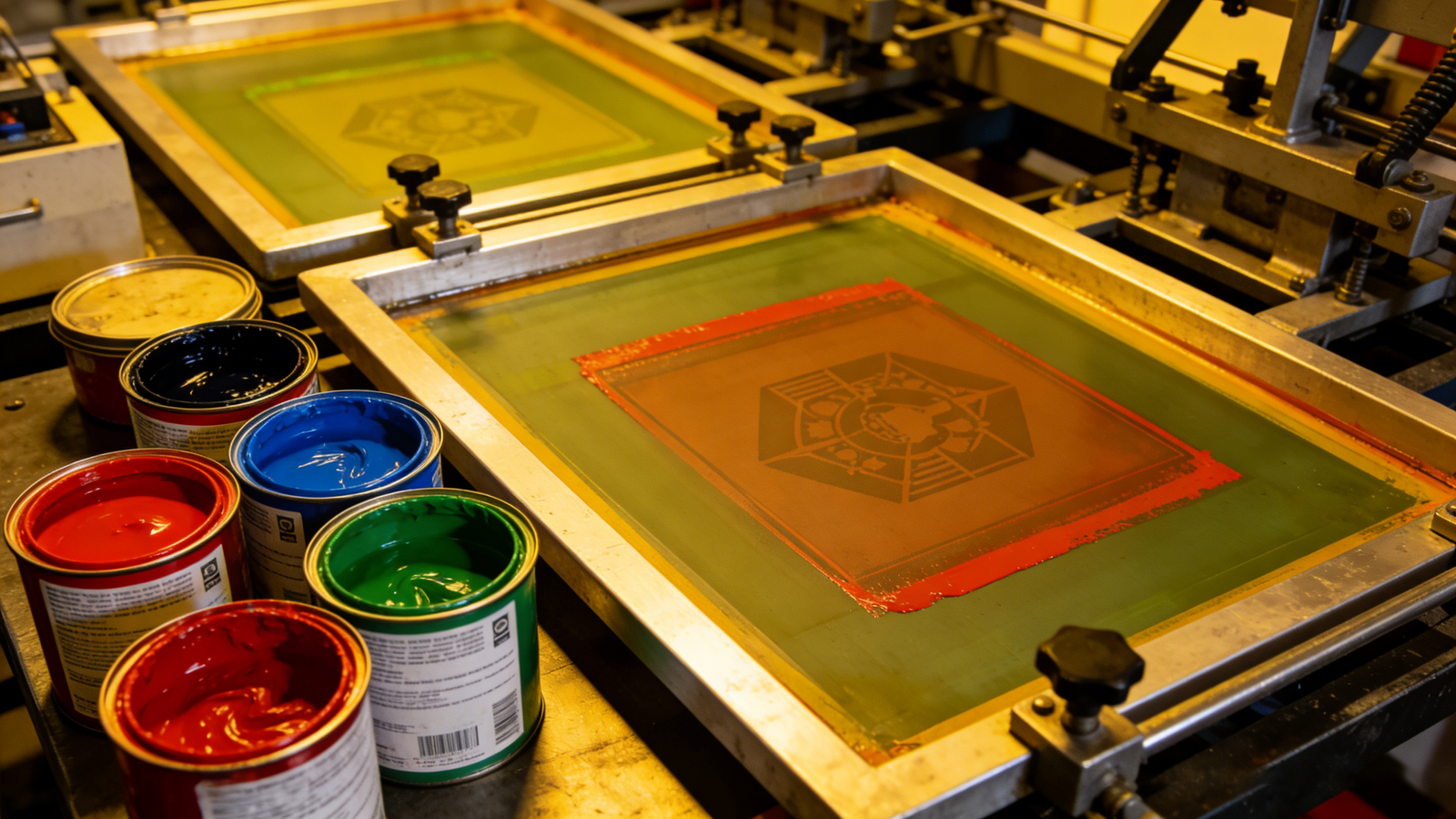
During the prototype phase of instrument development, CNC machining combined with silk screen printing has become a reliable method for validating visual markings, as precise control of silk screen printing ensures accurate reproduction of characters and graphics, while CNC machining guarantees dimensional stability for the entire part. In Xiamen Ruicheng’s practice, optimized ink selection and surface treatment enable prototypes to pass most visual inspection standards.
Character clarity: Fine mesh control ensures sharp reproduction of small fonts and symbols.
Adhesion stability: Material-compatible ink systems prevent peeling under friction conditions.
Color consistency: Standardized color matching ensures high visual alignment with production parts.
Inspection readiness: Meets common visual inspection and manual verification requirements.
✨ Prototype silk screening already delivers near-production visual performance
Is There a Big Difference Between CNC Silk Screen Prototypes and Mass Production Labels?
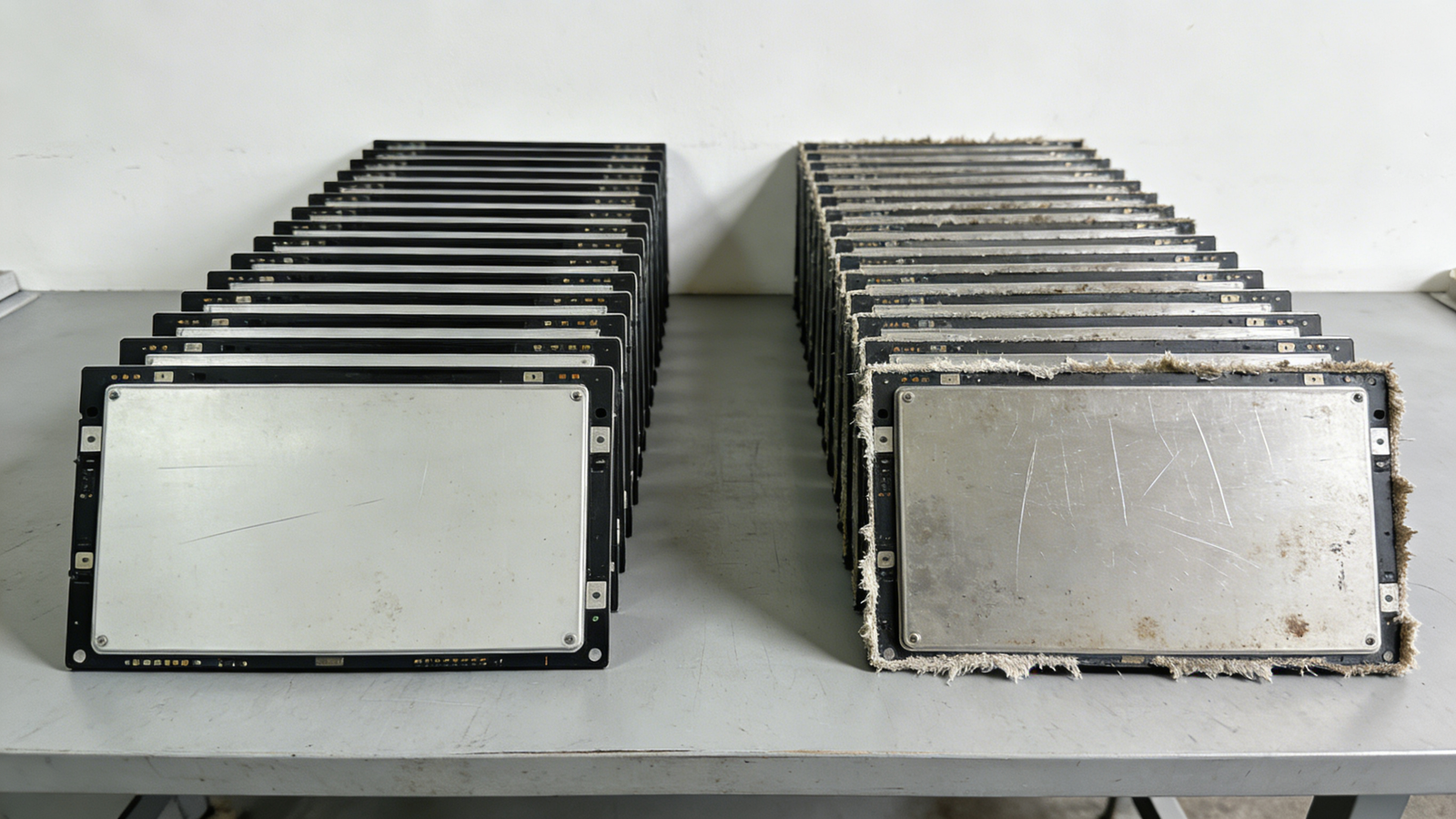
In real projects, buyers often question the gap between CNC silk screen prototypes and production parts, but by selecting appropriate surface finishing methods and aligning industrial design validation, the visual and functional differences can be significantly minimized, especially in UI marking validation stages. Xiamen Ruicheng reduces prototype-to-production gaps to an acceptable level through early-stage process alignment.
Process differences: Prototypes use semi-manual printing, while production uses automated processes.
Material variation: Prototypes may use single-batch materials, while production uses standardized batches.
Durability gap: Prototypes serve short-term validation, production requires long-term stability.
Inspection focus: Prototypes verify feasibility, production emphasizes consistency and lifecycle.
🔍 Differences exist but can be minimized through process optimization
How to Choose a Reliable CNC Silk Screen Prototype Supplier to Ensure Inspection Success?
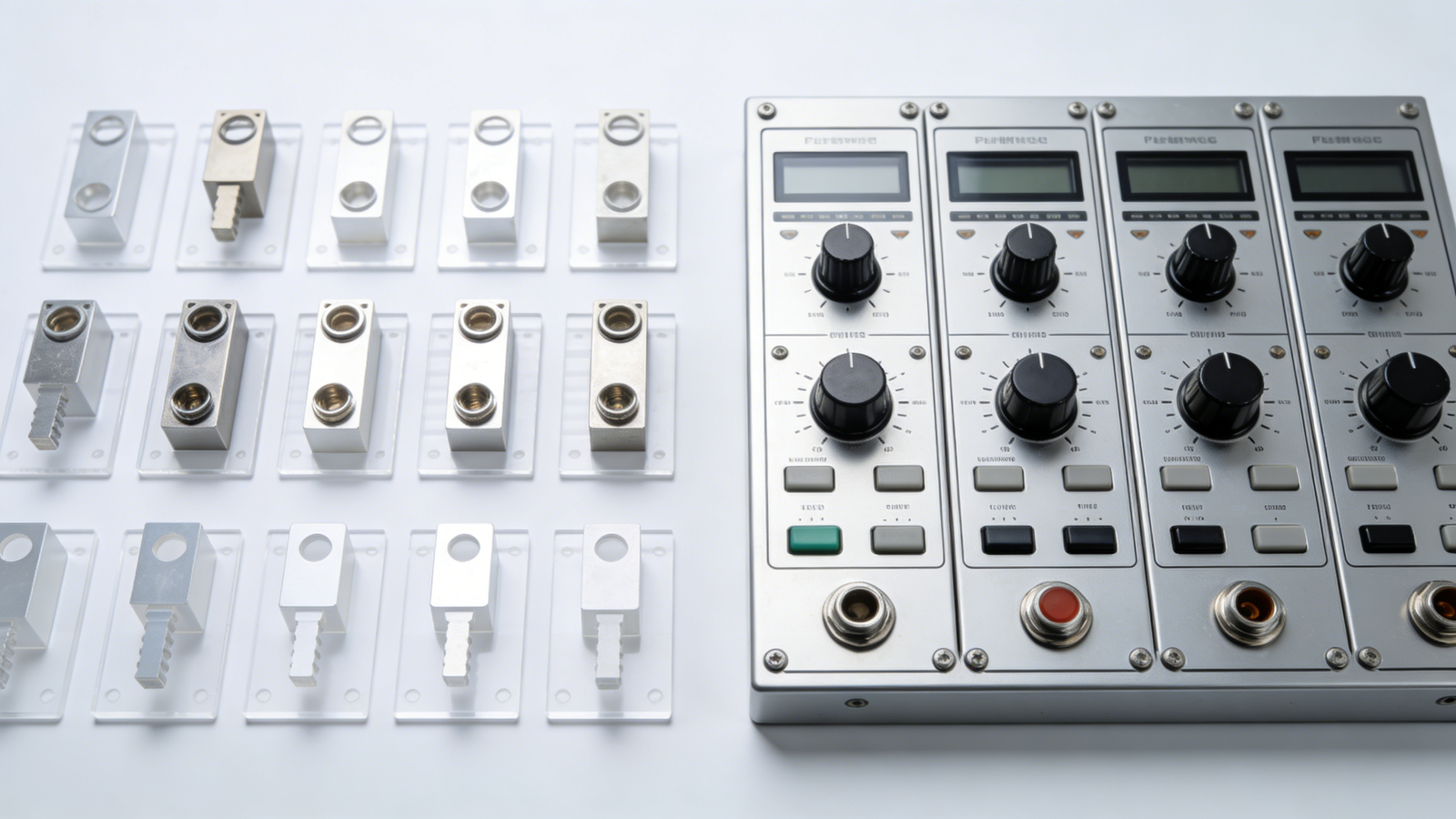
Selecting the right supplier is crucial to ensuring successful visual inspection, especially in rapid prototyping where integrated capabilities from rapid prototyping to quality control are essential for consistency and validation reliability. Xiamen Ruicheng provides end-to-end support from design to inspection through an integrated manufacturing and quality system.
Process integration: Ability to handle CNC machining and silk screening in-house.
Fast turnaround: Quick delivery with support for multiple iteration cycles.
Inspection alignment: Familiarity with customer standards and pre-inspection support.
Project experience: Proven track record in instrumentation projects reduces risks.
🚀 Supplier capability directly impacts validation success and efficiency
Comparison of CNC Silk Screen Prototypes and Other Visual Validation Methods
| Dimension | CNC Silk Screen Prototype | Spray Painting | Laser Engraving | Label Film |
|---|---|---|---|---|
| Visual realism | High | Medium | Low | Medium |
| Cost | Medium | Low | Medium | Low |
| Lead time | Fast | Fast | Medium | Fast |
| Durability | Medium | Low | High | Low |
| Flexibility | High | Medium | Low | High |
| Inspection suitability | High | Medium | Low | Medium |
If you are evaluating visual validation solutions for instrument prototypes, feel free to connect with Xiamen Ruicheng’s engineering team, contact us
How to Improve Inspection Pass Rate of CNC Silk Screen Prototypes Through Process Optimization
In real project execution, improving the inspection pass rate relies on early process alignment and strict control, and Xiamen Ruicheng ensures every prototype achieves stable performance before entering inspection. Systematic optimization of materials, inks, and process parameters can significantly increase the first-pass success rate.
1.Material matching: Select suitable substrates and ink systems based on application conditions.
2.Process validation: Conduct sample testing before full prototype production.
3.Process control: Standardize each step to ensure consistent machining accuracy.
4.Pre-inspection: Simulate customer inspection procedures before delivery.
FAQ (Procurement-Oriented)
Question 1: What quality standards do your CNC silk screen prototypes meet?
Answer: Xiamen Ruicheng follows near-production quality control standards, including minimum line width control down to 0.2mm, adhesion tested via cross-hatch methods, and multiple inspection steps to ensure compliance with visual marking validation requirements.
Question 2: What information is required to get a quotation?
Answer: Customers need to provide 2D/3D drawings, label design files, material requirements, and expected quantities. Xiamen Ruicheng offers initial evaluation within 2 hours and detailed quotations within 12 hours with process suggestions.
Question 3: What are the lead times for different order volumes?
Answer: Single prototypes are typically delivered within 3–5 days, small batches (10–50 units) within 7 days, and flexible production lines support expedited orders when needed.
Question 4: What happens if the prototype fails inspection?
Answer: Xiamen Ruicheng provides root cause analysis and optimization, and if confirmed, reworks or re-produces prototypes within 48 hours to support the next validation cycle.
Question 5: Do you support customized process adjustments?
Answer: Yes, we support customization based on application conditions, including ink durability and environmental resistance. Customers need to provide usage parameters, and optimized solutions are delivered within 3 working days.
Conclusion
CNC prototypes with silk screen printing, when properly controlled, can meet most visual label inspection requirements and serve as an effective alternative to tooling validation. Choosing an experienced and integrated supplier significantly reduces development risks and shortens validation cycles. Xiamen Ruicheng delivers end-to-end rapid prototyping and inspection support to ensure reliable validation outcomes. This approach is becoming a standard in fast-paced product development environments.
For expert assistance in implementing for your production needs, visit our resource center or contact us. Let’s help you scale up your manufacturing with precision and efficiency!