Introduction
Agricultural machinery operates for long periods under outdoor conditions with high loads and repeated motion, making sliding components a critical factor affecting reliability and maintenance costs. When material selection focuses only on strength or price, issues such as rapid wear, jamming, and frequent servicing often emerge during real operation.
POM low-friction injection molded parts are increasingly recognized as a practical solution for sliding structures due to their self-lubricating behavior and stable molding performance. With the maturity of injection molded parts processing, manufacturers such as Xiamen Ruicheng are shifting from simple product display toward decision support, helping customers validate material value under real working conditions.
Why do sliding components often become the failure source of agricultural machinery?
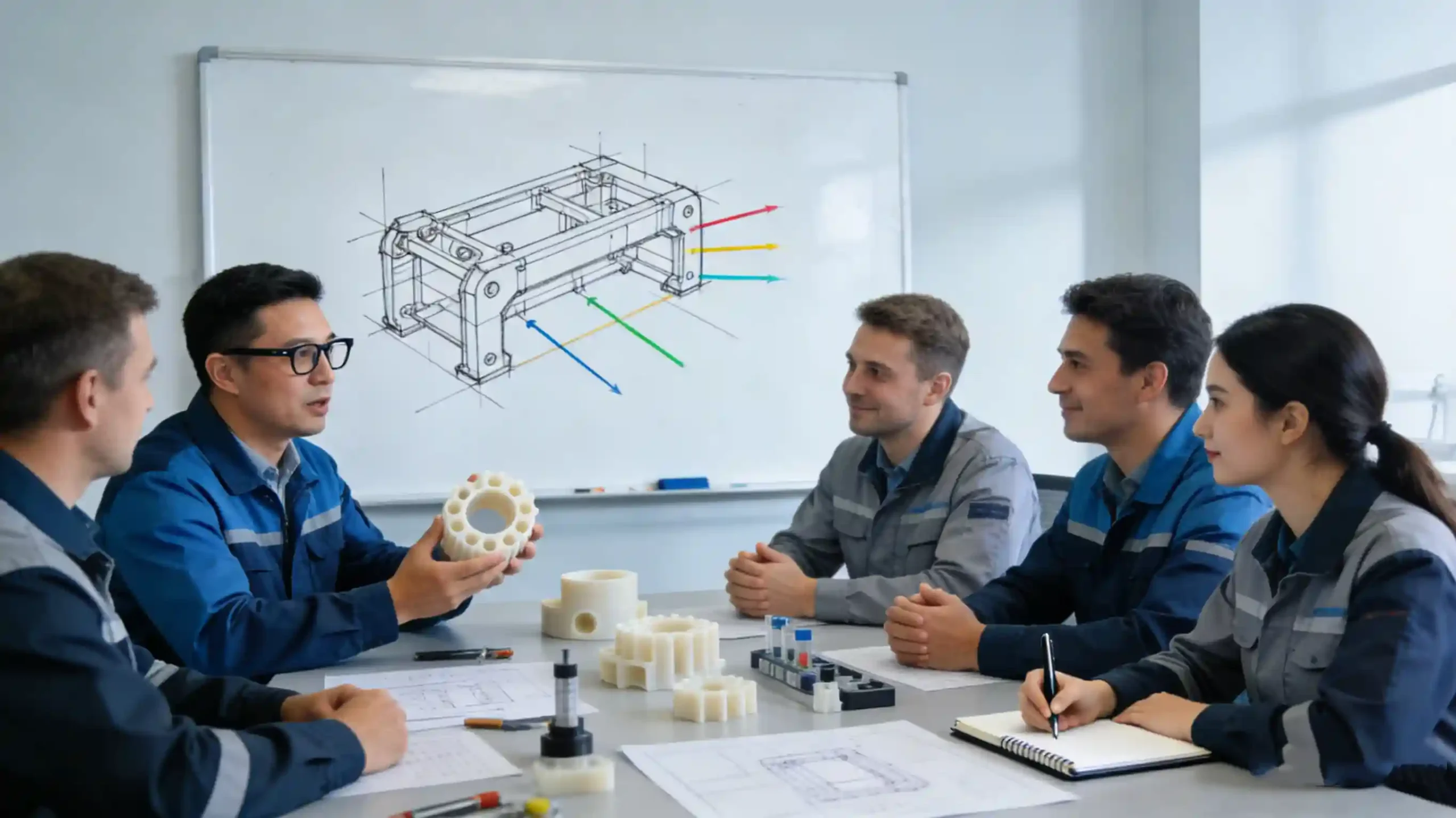
Sliding components in agricultural machinery work continuously in environments filled with dust, sand, moisture, and temperature fluctuations, where any imbalance in friction pairs can rapidly accelerate wear and motion instability. If the material has a high friction coefficient or suffers dimensional instability after moisture absorption, clearance growth and functional degradation become inevitable. By selecting appropriate injection molded parts processing solutions and materials such as POM material, combined with low-friction plastics, risks can be mitigated at the design stage.
Wear resistance foundation: The regular molecular structure of POM helps maintain surface integrity during repeated sliding.
Environmental adaptability: Dimensional stability is retained even under humidity and temperature variation.
Structural compatibility: Well suited for stable friction pairs with metals or other engineering plastics.
Maintenance cost control: Reduced lubrication frequency and fewer replacement cycles minimize downtime.
🔧 Choosing the right material is the first step to controlling sliding failures at the source.
Can POM low-friction injection molded parts work long-term under heavy agricultural loads?
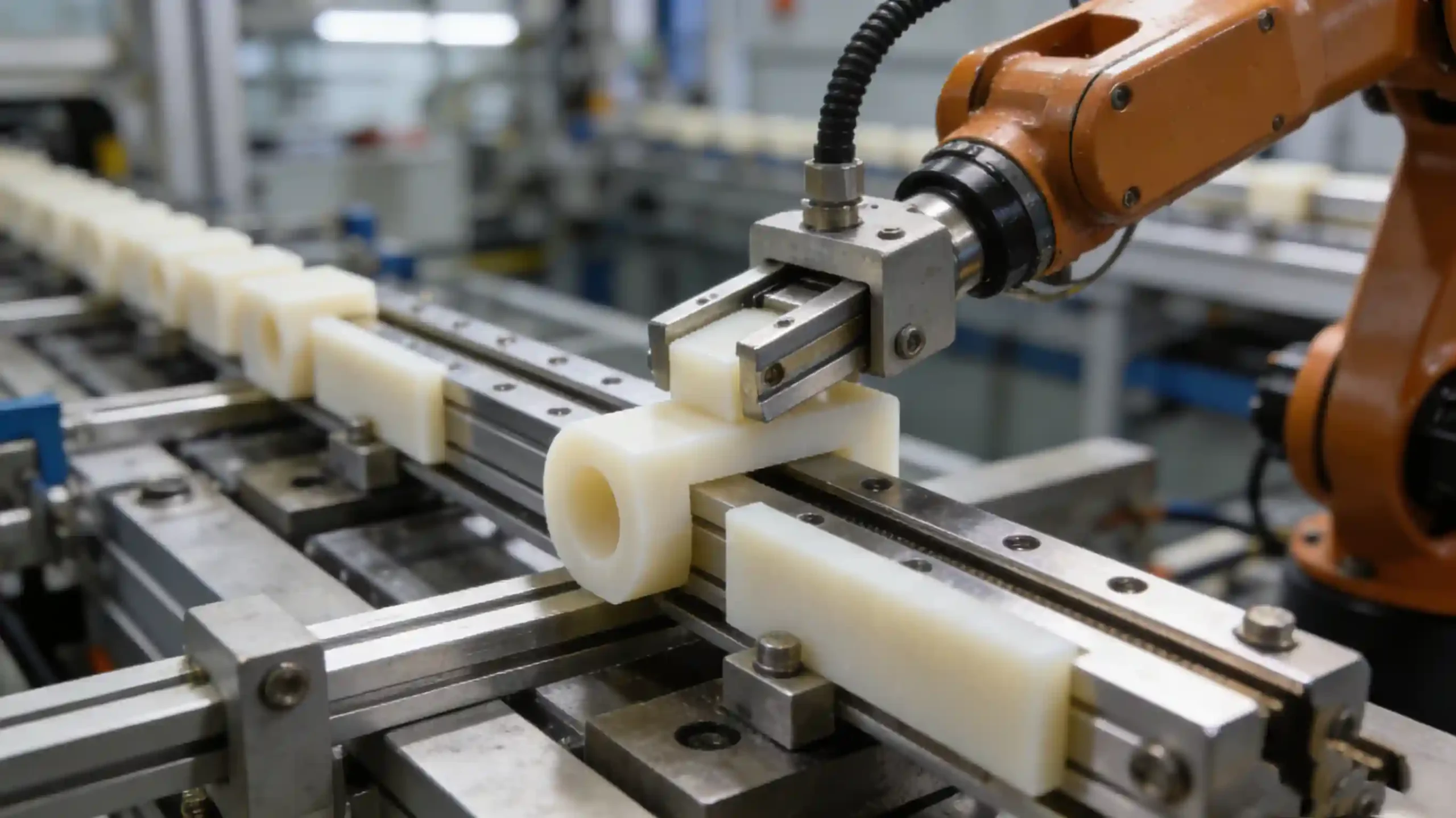
In heavy-load and continuous operation scenarios, sliding components face not only friction but also impact and stress concentration. With proper structural design and controlled injection molded parts processing, POM low-friction components can maintain stable friction behavior even under high loads. By integrating optimized injection molding processes and informed engineering plastics selection, service life can be extended while failure rates are reduced.
Load distribution: Ribs and wall thickness design help disperse concentrated stress.
Friction control: Low surface friction reduces start-up and operating resistance.
Thermal management: Lower frictional heat supports dimensional accuracy.
Service life predictability: Wear trends remain stable and measurable during cycle testing.
🚜 In heavy-duty agricultural machinery, stability matters more than extreme parameters.
How can injection molded parts processing ensure consistency of POM sliding components?
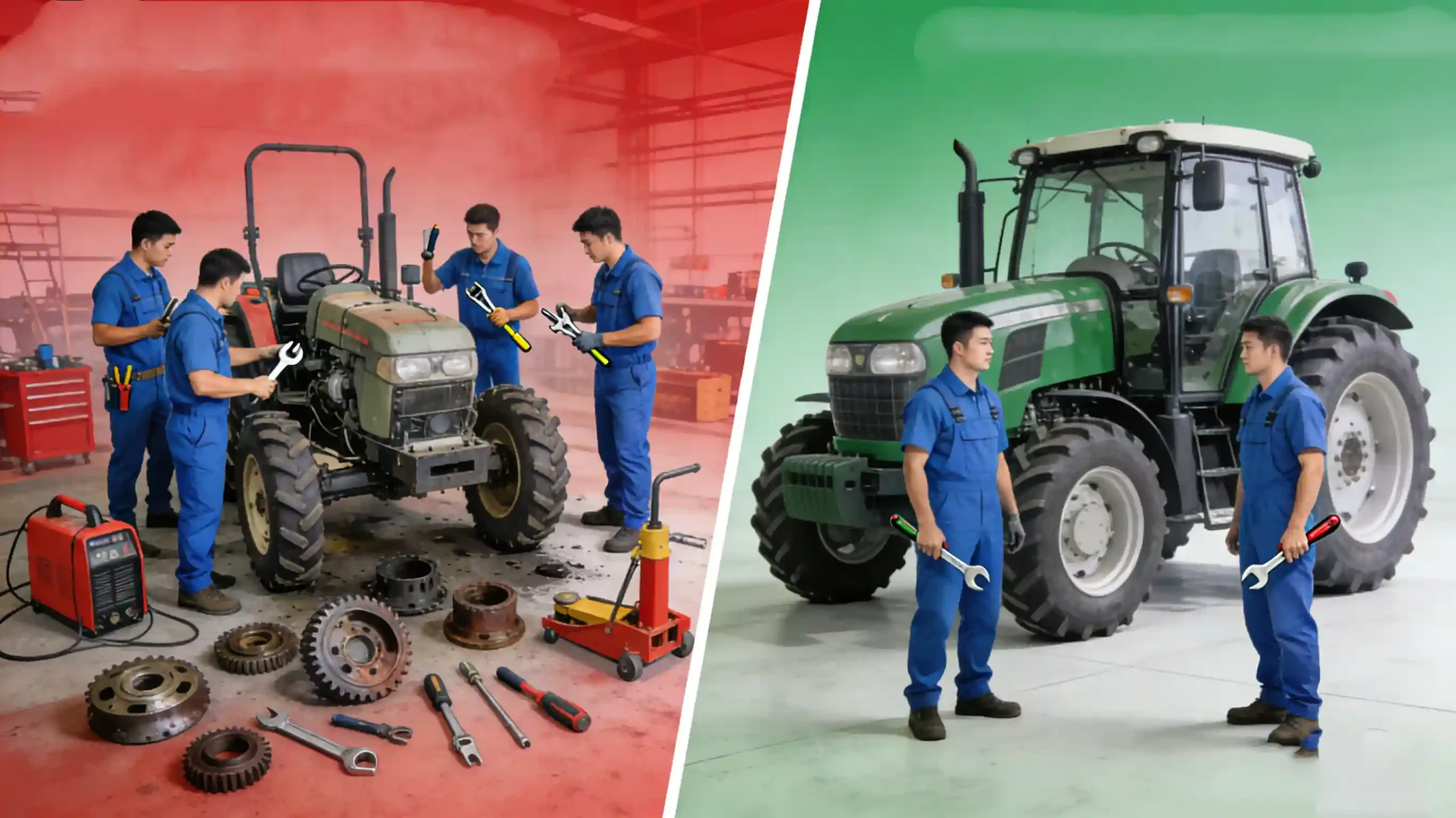
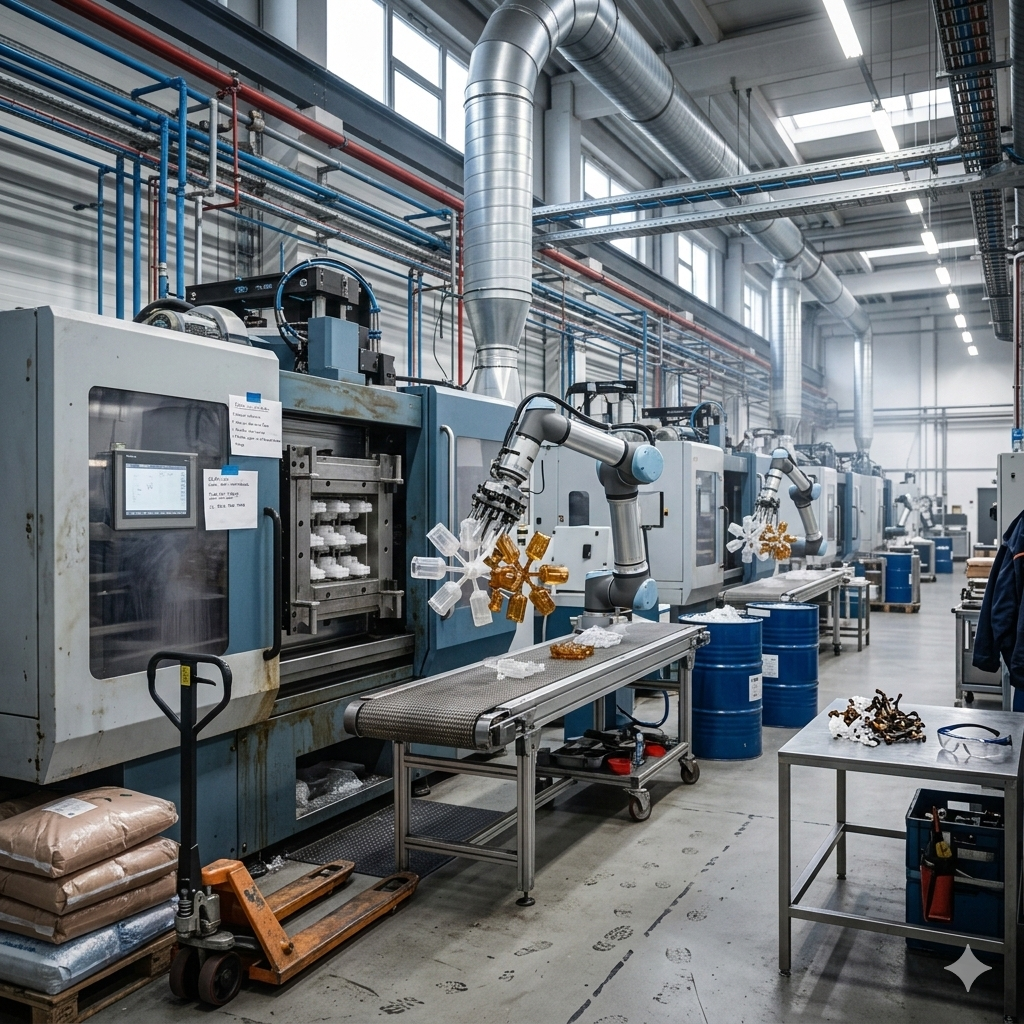
Material advantages only translate into real value when supported by stable processing conditions. Refined control of injection molded parts processing is essential to ensure batch-to-batch consistency of POM low-friction performance. Through scientific mold design and controlled processing windows, combined with mold design principles and a robust quality management system, dimensional and performance variation can be significantly reduced.
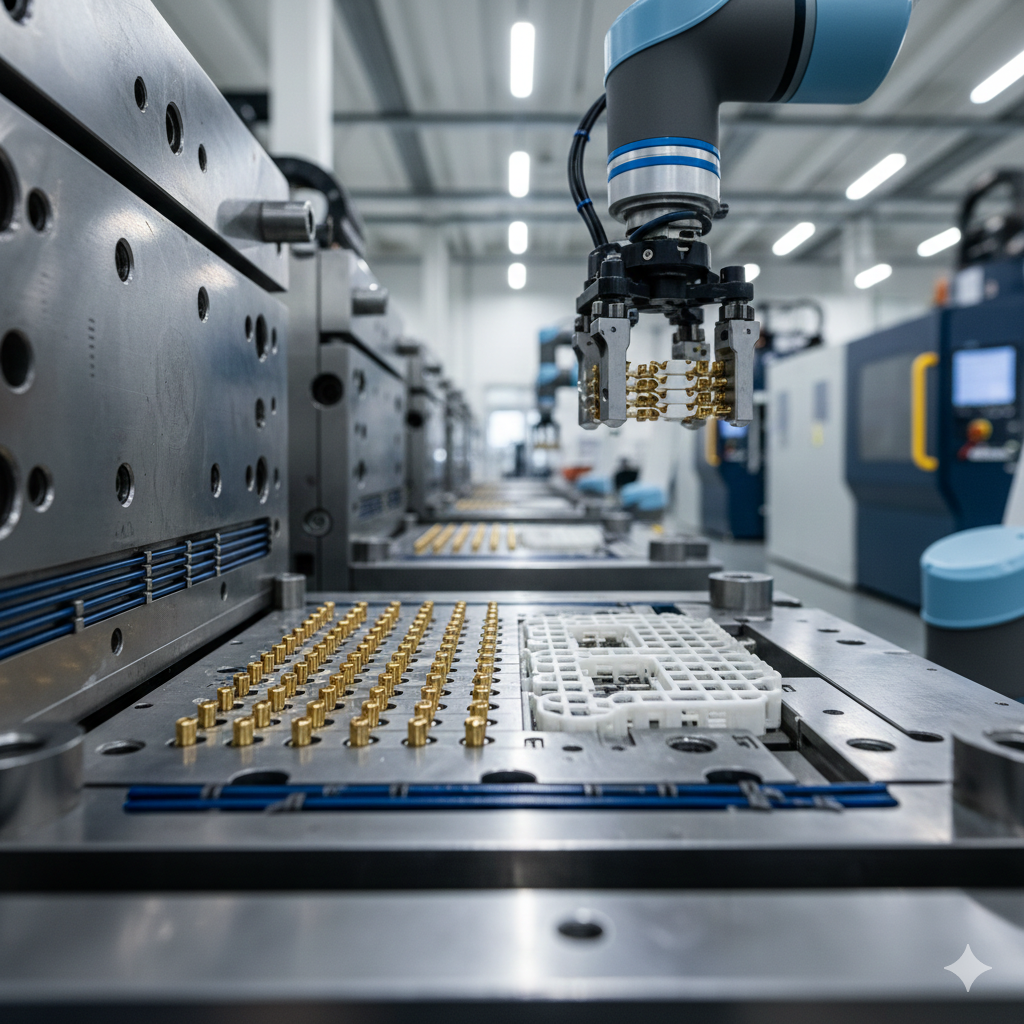
Mold accuracy: High-precision cavities ensure consistent sliding surfaces.
Process stability: Controlled temperature and pressure minimize internal stress.
Mass replication: Guarantees consistent assembly feel across batches.
Validation workflow: Release decisions based on functional testing rather than parameters alone.
📐 Consistency defines the real-world assembly and operating experience.
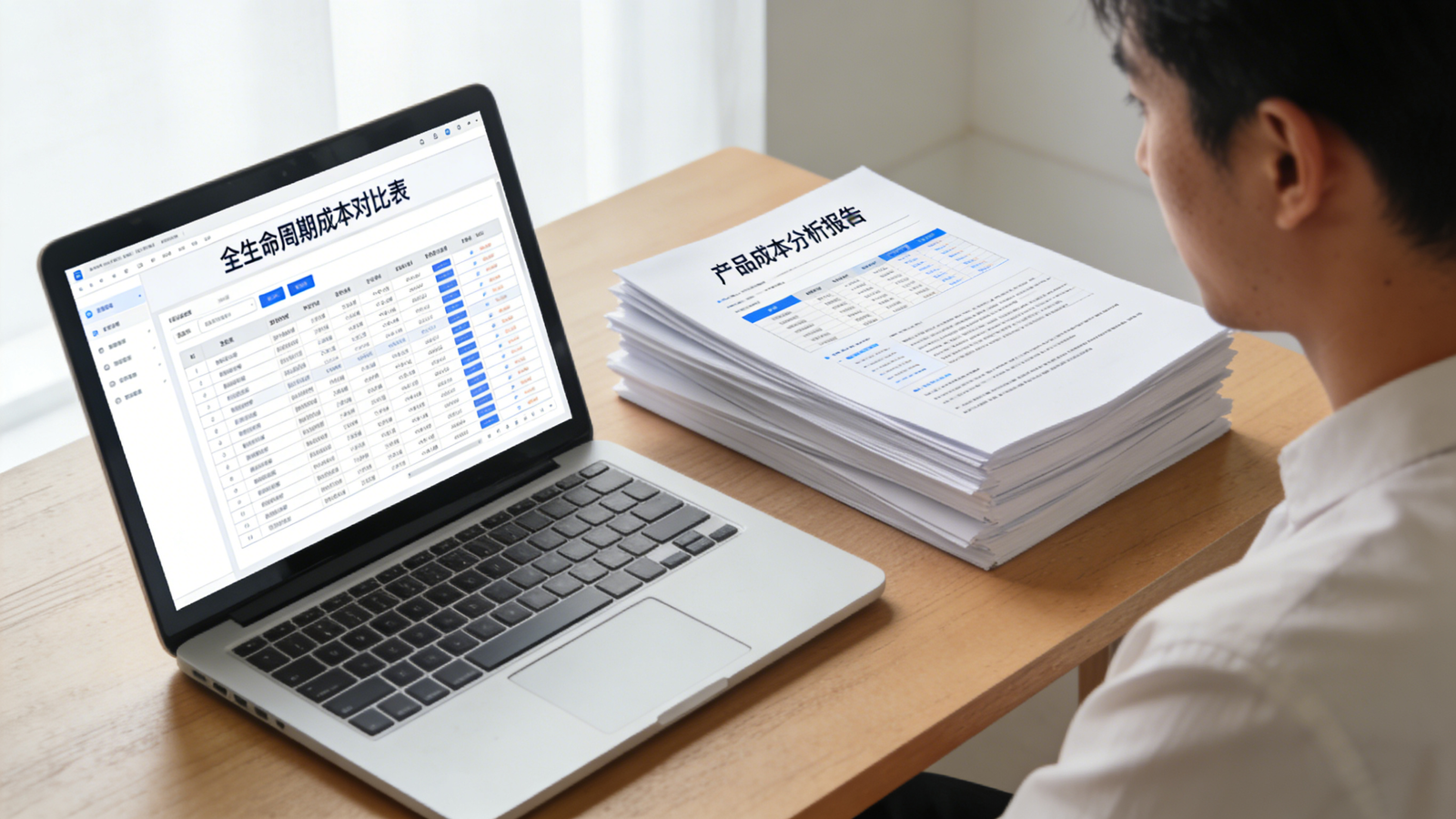
Comparison of sliding material suitability in agricultural machinery
| Comparison Aspect | POM Low-Friction Parts | PA Injection Parts | Metal Sliding Parts | UHMW-PE |
|---|---|---|---|---|
| Friction Coefficient | Low and stable | Medium | High | Very low |
| Moisture Influence | Very low | Noticeable | None | None |
| Processing Consistency | High | Medium | Low | Medium |
| Maintenance Demand | Low | Medium | High | Low |
Material selection is only the first step; the real difference lies in whether a partner supports you through validation and implementation.contact us
How to validate the reliability of a POM solution from trial to mass production
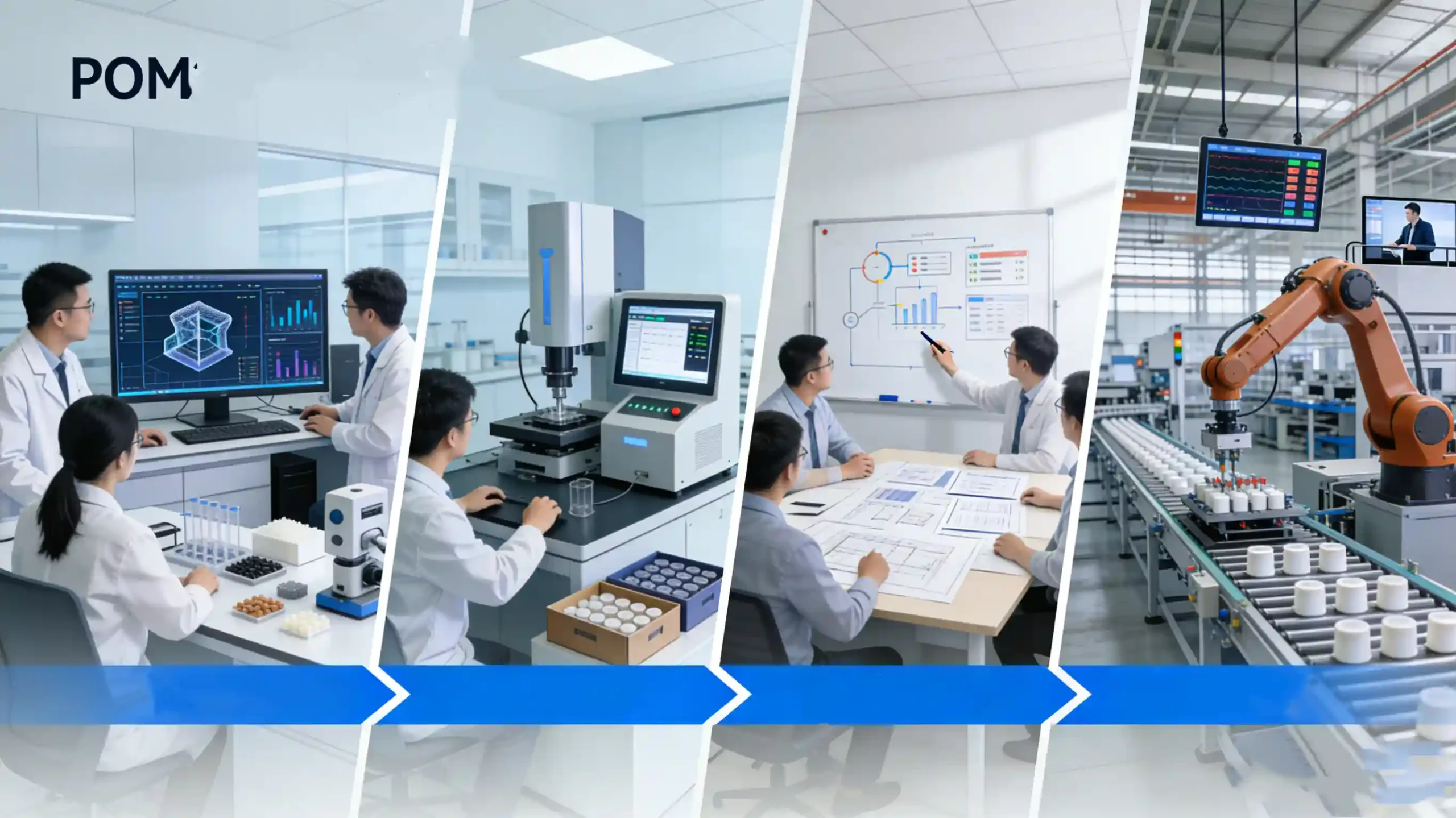
In real procurement decisions, agricultural machinery manufacturers care more about controllability than isolated performance indicators. By conducting small-batch trials, on-machine validation, and working-condition tracking, confidence in POM low-friction injection molded parts can be built step by step. Xiamen Ruicheng participates early in projects to analyze application scenarios and help convert material advantages into machine-level reliability.
1.Working condition breakdown: Clarify sliding frequency, load range, and environment.
2.Sample testing: Observe wear trends through real machine operation.
3.Feedback optimization: Adjust structural details based on field feedback.
4.Mass production launch: Scale output on the basis of verified data.
FAQ Module
Question: What are the core advantages and quality baseline of your POM low-friction injection molded parts?
Answer: We focus on stable friction coefficients and dimensional consistency, supported by process monitoring and functional testing to ensure suitability for long-term agricultural machinery operation.
Question: What information is required to quickly obtain a quotation for POM low-friction injection molded parts?
Answer: Providing application position, load range, motion type, and target service life allows Xiamen Ruicheng to deliver a feasible solution and quotation efficiently.
Question: How do MOQ and delivery schedules vary with different order volumes?
Answer: We support both small-batch validation and volume procurement, offering flexible lead times based on quantity and production planning.
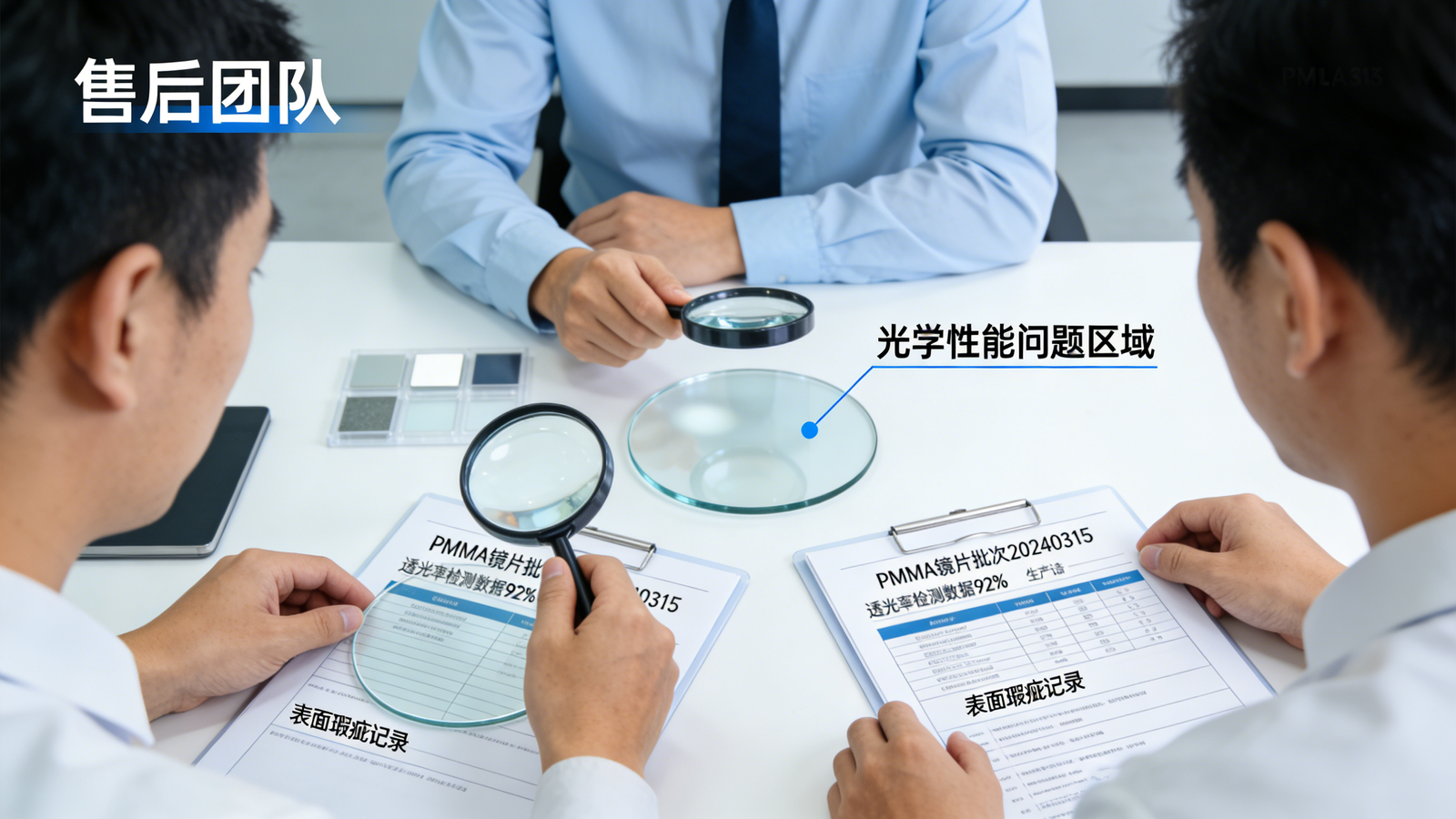
Question: How are performance issues handled after delivery?
Answer: A clear evaluation process is used to identify root causes, followed by structural or process optimization and replacement support when required.
Question: Can you support customized development for special working conditions?
Answer: Yes, formulations and structures can be optimized for high-dust, high-humidity, or high-frequency motion environments with transparent and controllable development cycles.
Conclusion
The reliability of sliding components often determines the overall operating experience and maintenance cost of agricultural machinery. When supported by appropriate design and professional injection molded parts processing, POM low-friction injection molded parts provide a stable and durable solution for agricultural sliding applications. Moving beyond parameter-based selection toward real working-condition validation significantly reduces decision risk. Partnering with manufacturers like Xiamen Ruicheng, who emphasize decision support, helps ensure successful implementation.
For expert assistance in implementing for your production needs, visit our resource center or contact us. Let’s help you scale up your manufacturing with precision and efficiency!