Introduction
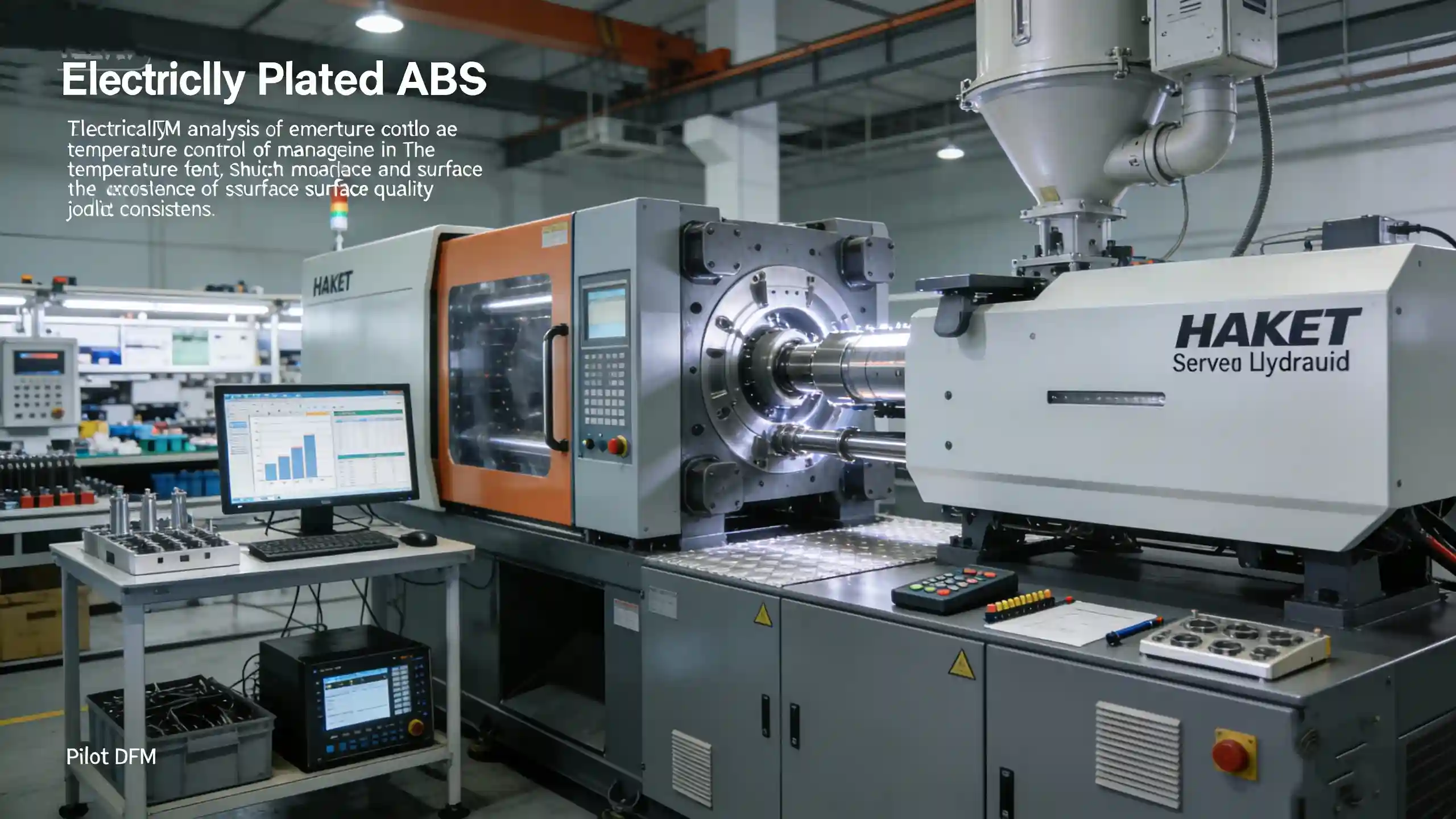
Automotive interior trim strips are not only visual elements but also key indicators of perceived vehicle quality, making electroplated ABS injection molded parts a mainstream solution. As OEM standards continue to rise, hidden risks related to durability, environmental resistance, and consistency are increasingly exposed, with adhesion performance becoming a core concern for both engineering and purchasing teams. Once blistering or peeling occurs, entire interior batches may be scrapped, triggering warranty claims and supply chain disruptions.
In real-world projects, most failures are not caused by the ABS material itself, but by mismatches between injection molding conditions, pre-plating treatment, and mass-production stability. Based on long-term automotive interior programs, Xiamen Ruicheng has found that only solutions built on “mass-producible, verifiable, and traceable” systems can ensure stable adhesion compliance. Successful decorative parts are the outcome of manufacturing systems, not isolated parameters.
Why do electroplated ABS injection molded parts often suffer from poor adhesion?
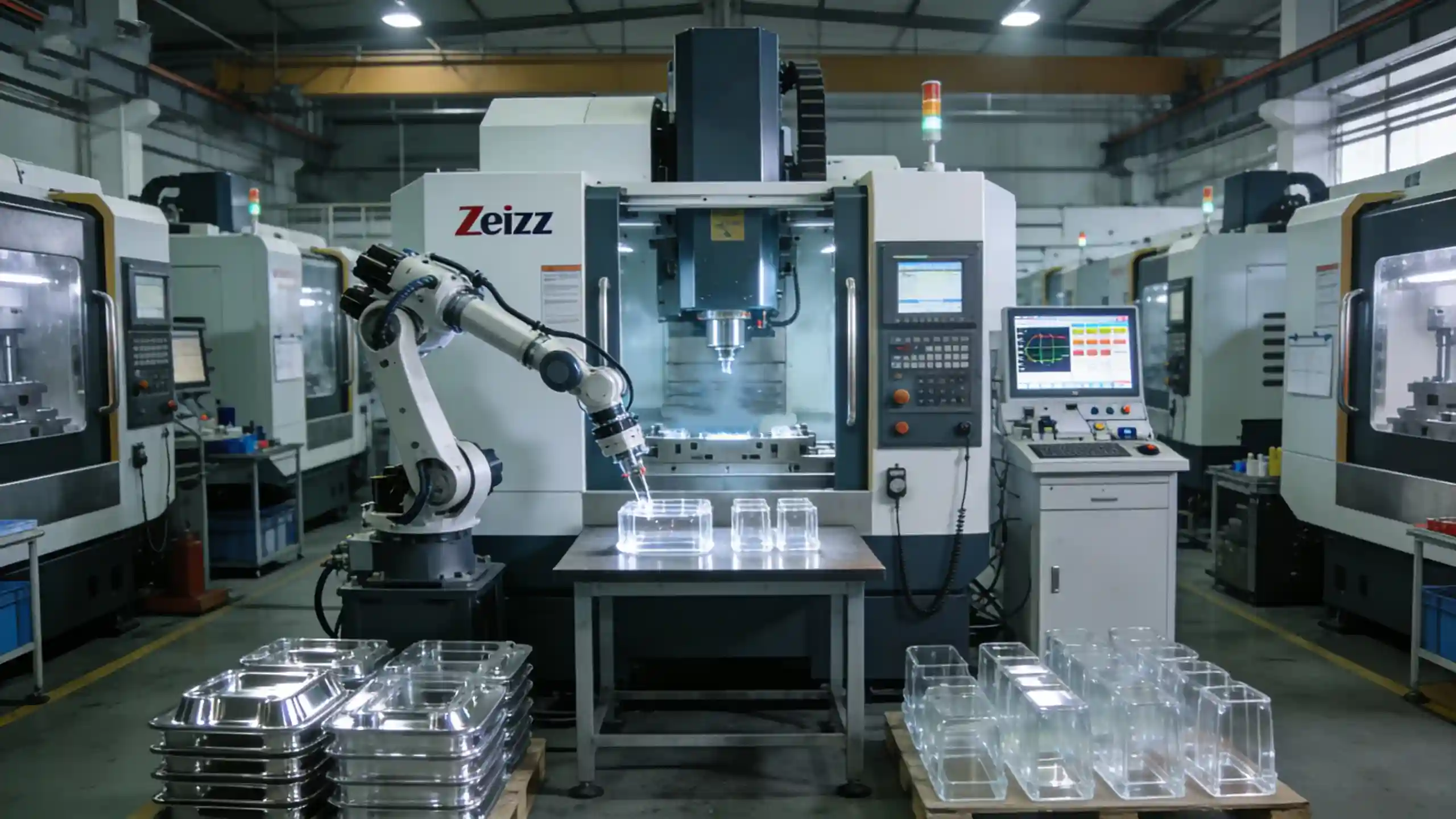
ABS is widely used in automotive interiors, yet its surface polarity and rubber phase distribution strongly affect plating bonding strength, and improper control of temperature, shear, or cooling during molding easily leads to uneven surface density, compromising the interaction between ABS material structure and subsequent electroplating processes. Many injection molded parts that appear acceptable already contain adhesion risks before chemical etching begins. In addition, residual stress generated during demolding and handling of long, slender trim parts is amplified after plating, eventually resulting in localized peeling or cracking.
Material dispersion: Uneven rubber phase distribution leads to inconsistent etching depth and weak mechanical anchoring.
Residual molding stress: Rapid cooling or improper gate design creates surface stress concentration zones.
Pre-treatment mismatch: Generic plating parameters often fail to suit trim-specific geometries.
Mass-production consistency: Passing prototype tests does not guarantee stable batch performance when process windows are narrow.
🔍 Adhesion failures are rarely caused by a single mistake but by cumulative manufacturing deviations.
What adhesion standards truly apply to automotive interior electroplated trims?
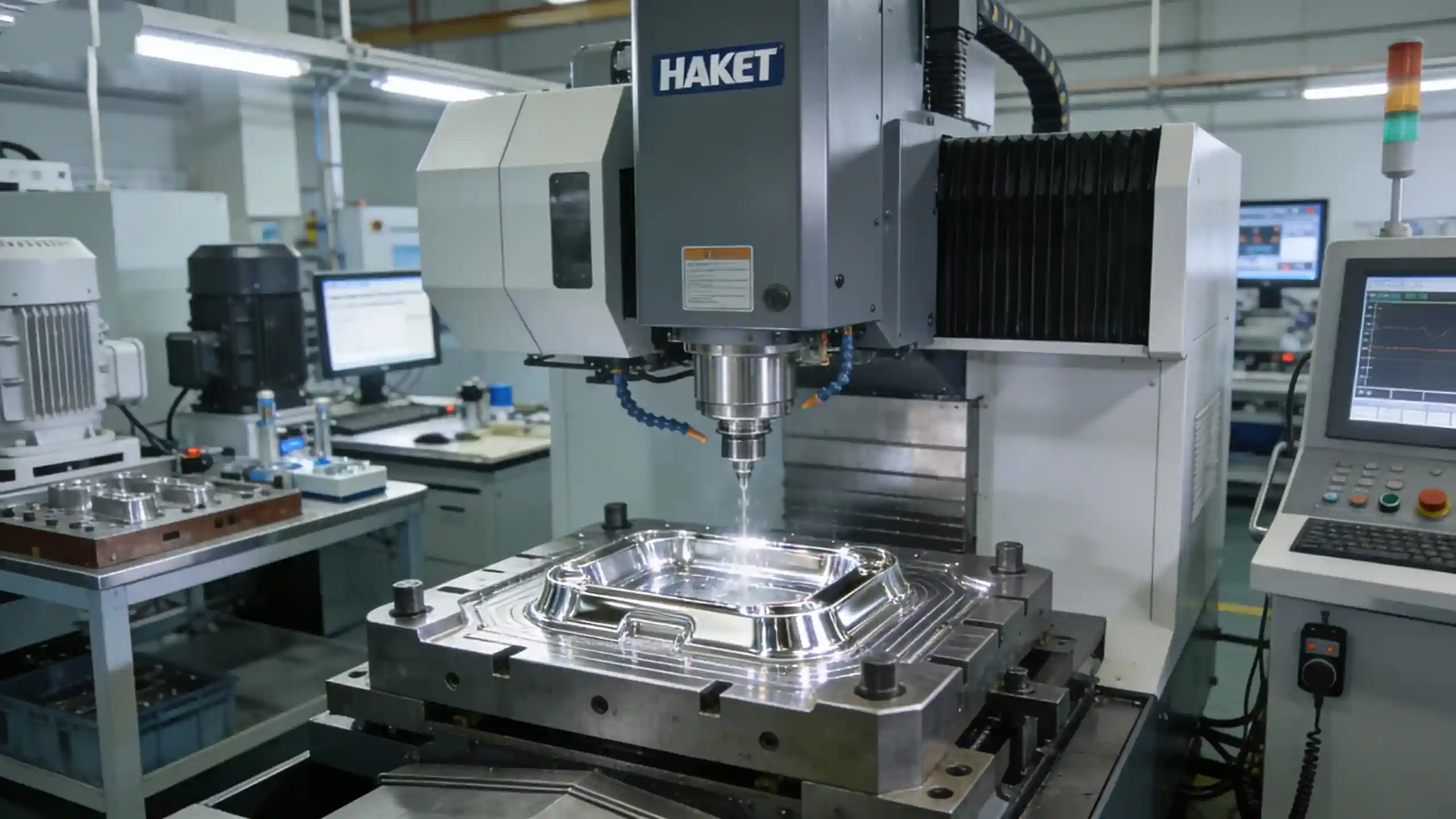
OEM and Tier 1 evaluations focus not only on laboratory results but also on performance after thermal aging, humidity exposure, and mechanical stress, with common references including ISO 2409 and automotive interior testing standards. True compliance depends on whether the plated layer remains intact after combined heat, moisture, and thermal cycling. Many projects pass initial sampling but fail during PV testing or road trials, significantly extending development timelines.
Environmental aging tests: Cross-cut testing after heat and humidity better reflects real vehicle conditions.
Thermal shock resistance: Temperature cycling magnifies thermal expansion mismatch between ABS and metal layers.
Assembly stress validation: Installation-induced bending stress must be simulated in advance.
OEM-specific criteria: Acceptance thresholds for peeling area and failure modes vary by automaker.
📏 Adhesion compliance must align with full vehicle lifecycle validation, not isolated tests.
How can stable adhesion be ensured during mass production?
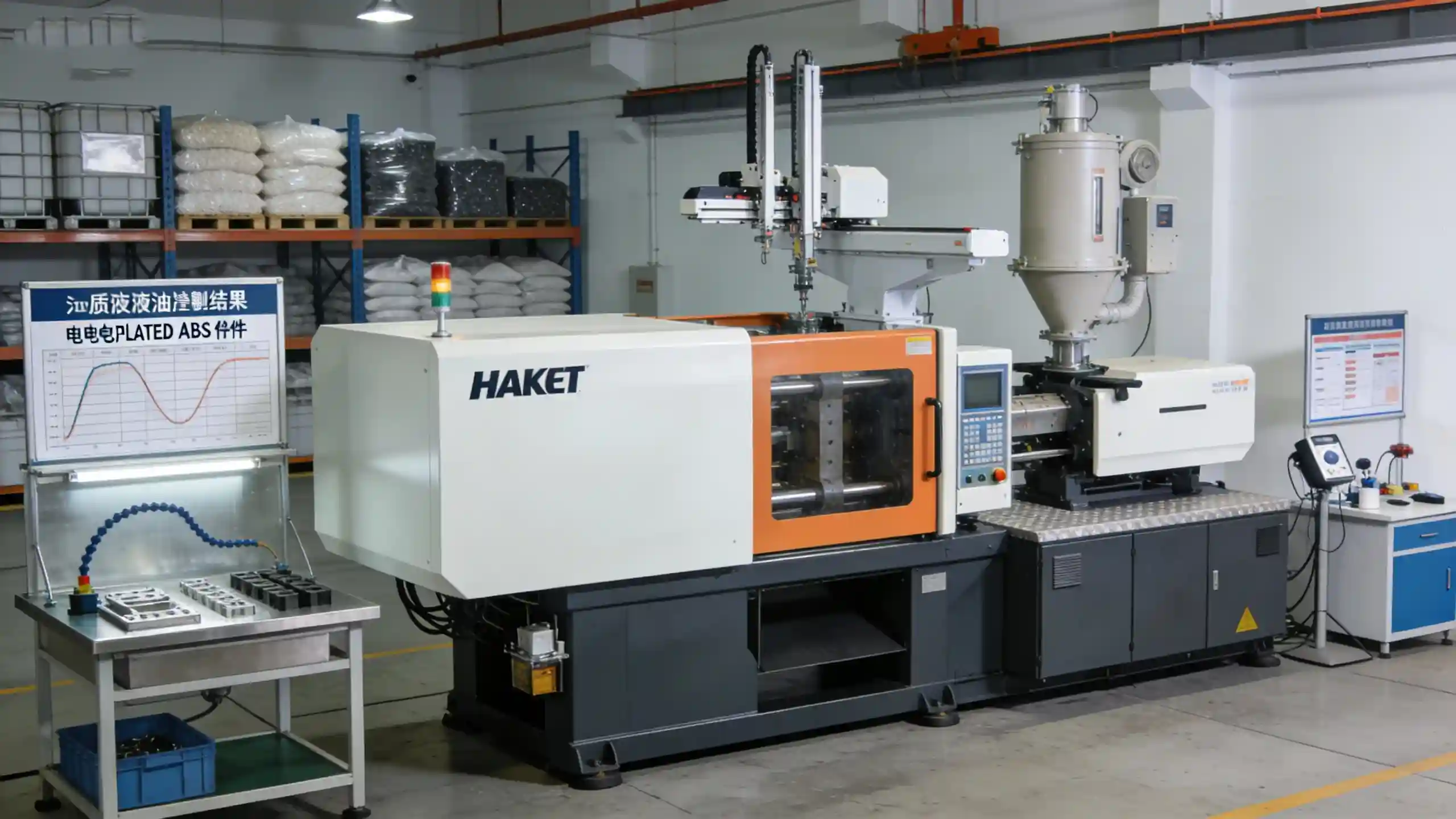
Achieving consistent compliance in mass production requires building stability from the injection molding stage, including resin batch control, mold temperature management, and surface quality consistency, while integrating closely with plating partners. Xiamen Ruicheng applies combined injection molding process control and quality management systems to ensure every batch enters plating with a uniform surface condition. Only when molding and plating are treated as one integrated process can adhesion risks be effectively controlled.
Raw material governance: Fixed ABS grades and rubber phase ratios prevent variability.
Mold–process linkage: Optimized mold temperature and packing reduce surface stress.
Pre-treatment standardization: Dedicated plating curves tailored to trim geometries are established.
Batch traceability: Injection batches are directly linked to plating results for rapid analysis.
✅ Stability is not luck—it is the outcome of systematic process control.
Key factors affecting adhesion of electroplated ABS interior trims
| Factor | Risk Source | Impact on Adhesion | Control Method |
|---|---|---|---|
| Material batch | Rubber phase fluctuation | Weak layer anchoring | Fixed resin sourcing |
| Molding stress | Uneven cooling | Post-plating peeling | Process window optimization |
| Pre-treatment etching | Parameter mismatch | Local delamination | Customized settings |
| Production consistency | Poor control | Batch-level failure | Full traceability |
If you are assessing hidden risks in your current solution or want to prevent costly rework early, contact us to discuss manufacturability with Xiamen Ruicheng.
From prototype approval to mass-production stability
The real challenge in automotive interior trim programs is not passing initial tests, but maintaining consistent performance across tens or hundreds of thousands of parts. Xiamen Ruicheng supports clients through early DFM analysis, pilot data accumulation, and mass-production monitoring to shift adhesion risks into controllable stages. This transition from “can it be made” to “can it be made consistently” is the most overlooked yet critical purchasing decision factor.
1.Early validation: Evaluate mass-production conditions during the prototype phase.
2.Process locking: Convert validated parameters into fixed standards.
3.Risk simulation: Anticipate aging and assembly stresses in advance.
4.Supply chain alignment: Integrate molding and plating under one quality framework.
Frequently Asked Questions (FAQ)
Question: What is your quality baseline for electroplated ABS automotive interior trims?
Answer: Our baseline combines cross-cut adhesion testing after thermal shock and humidity aging, supported by stress-controlled injection molding and validated pre-treatment processes.
Question: What information is required for early project feasibility assessment?
Answer: Typically 3D drawings, annual volume estimates, assembly methods, and target OEM standards, enabling Xiamen Ruicheng to complete an initial evaluation within 12 hours.
Question: How do lead times differ between pilot runs and mass production?
Answer: Pilot runs focus on process validation and usually take 7–10 days, while mass production follows stabilized scheduling for consistent delivery.
Question: How are adhesion issues handled if they occur?
Answer: Batch traceability and failure analysis enable rapid root cause identification, with corrective actions proposed within 48 hours.
Question: Do you support model-specific customization?
Answer: Yes, materials, processes, and testing plans can be tailored to specific interior standards and usage environments.
Conclusion
Whether electroplated ABS interior trims meet adhesion standards depends on system-level coordination across materials, injection molding, and plating processes. By shifting risk control upstream and validating for mass-production realities, manufacturers can avoid repeated rework and quality disputes. A truly reliable solution eliminates adhesion risks at the design stage. Through full-process decision support, Xiamen Ruicheng helps customers achieve stable, scalable automotive interior trim production.
For expert assistance in implementing for your production needs, visit our resource center or contact us. Let’s help you scale up your manufacturing with precision and efficiency!