Introduction
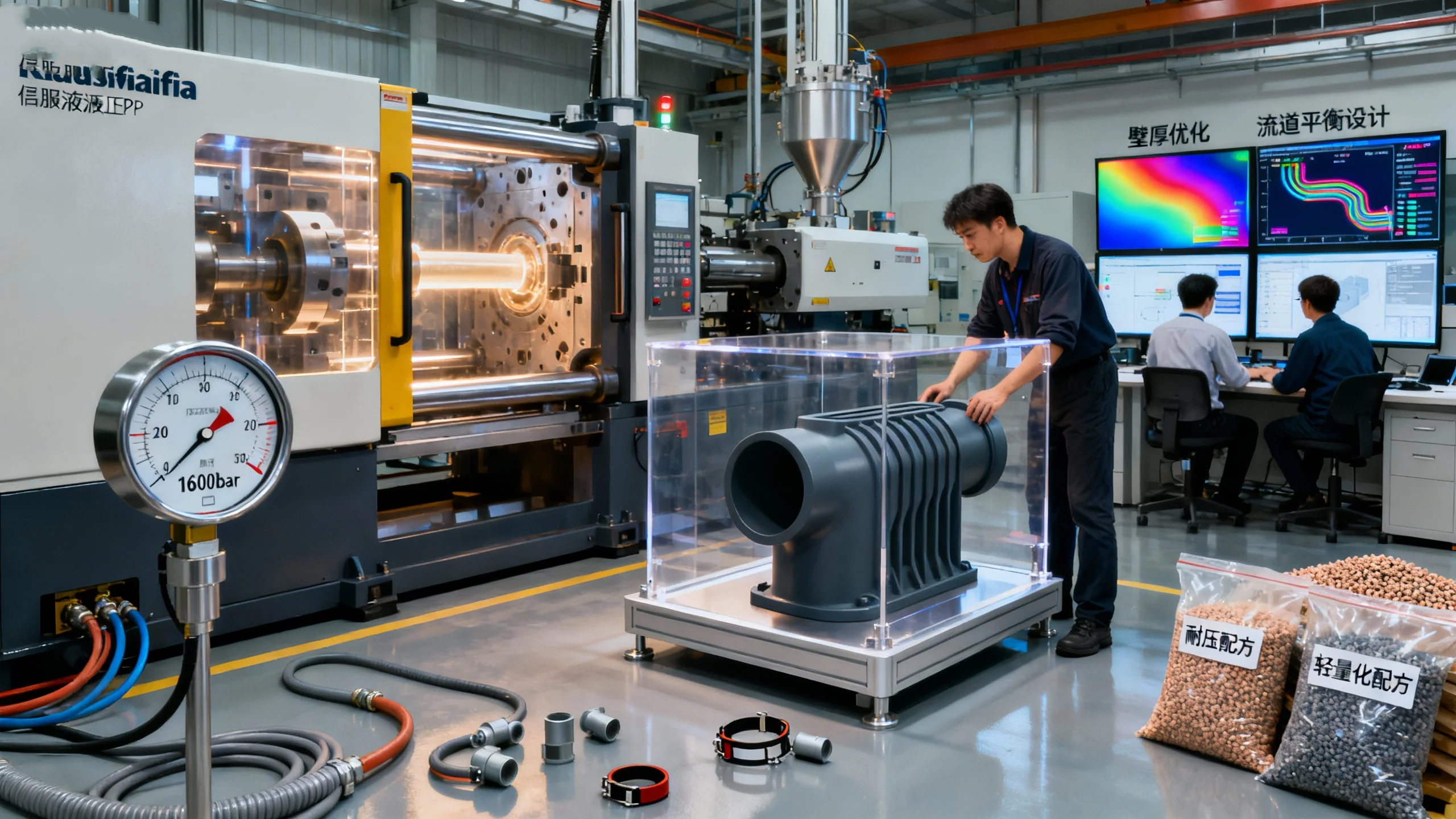
Drainage injection parts must withstand continuous hydraulic shocks and internal pipe pressure, directly affecting overall system stability. Optimizing material structures, controlling wall thickness, and designing balanced flow channels are essential for enhanced pressure resistance. Through precise molding control, parts can maintain their form and function even under high pressure.
The performance requirements for plastic components in modern drainage systems are rising — not only for pressure resistance but also for lightweight and cost efficiency. Balancing material formulation with temperature control is key to achieving performance and cost equilibrium.
How does material selection affect the pressure resistance of drainage injection parts?

Material is the foundation of compression strength; the molecular structure of each resin determines its stress limits. Glass fiber reinforcement or modified polypropylene effectively enhances pressure endurance. Balancing strength and flexibility during material selection is the key to design success.
- High-Strength Composites: Significantly improve yield strength.
- Modified Polypropylene Formulations: Combine heat resistance and impact strength.
- Material Purity Control: Impurities cause stress points and reduce pressure resistance.
- Use of Heat Stabilizers: Extend product lifespan under high pressure.
💡 Material engineering optimization can increase pressure endurance by more than 30%.
What role does mold design play in pressure resistance?
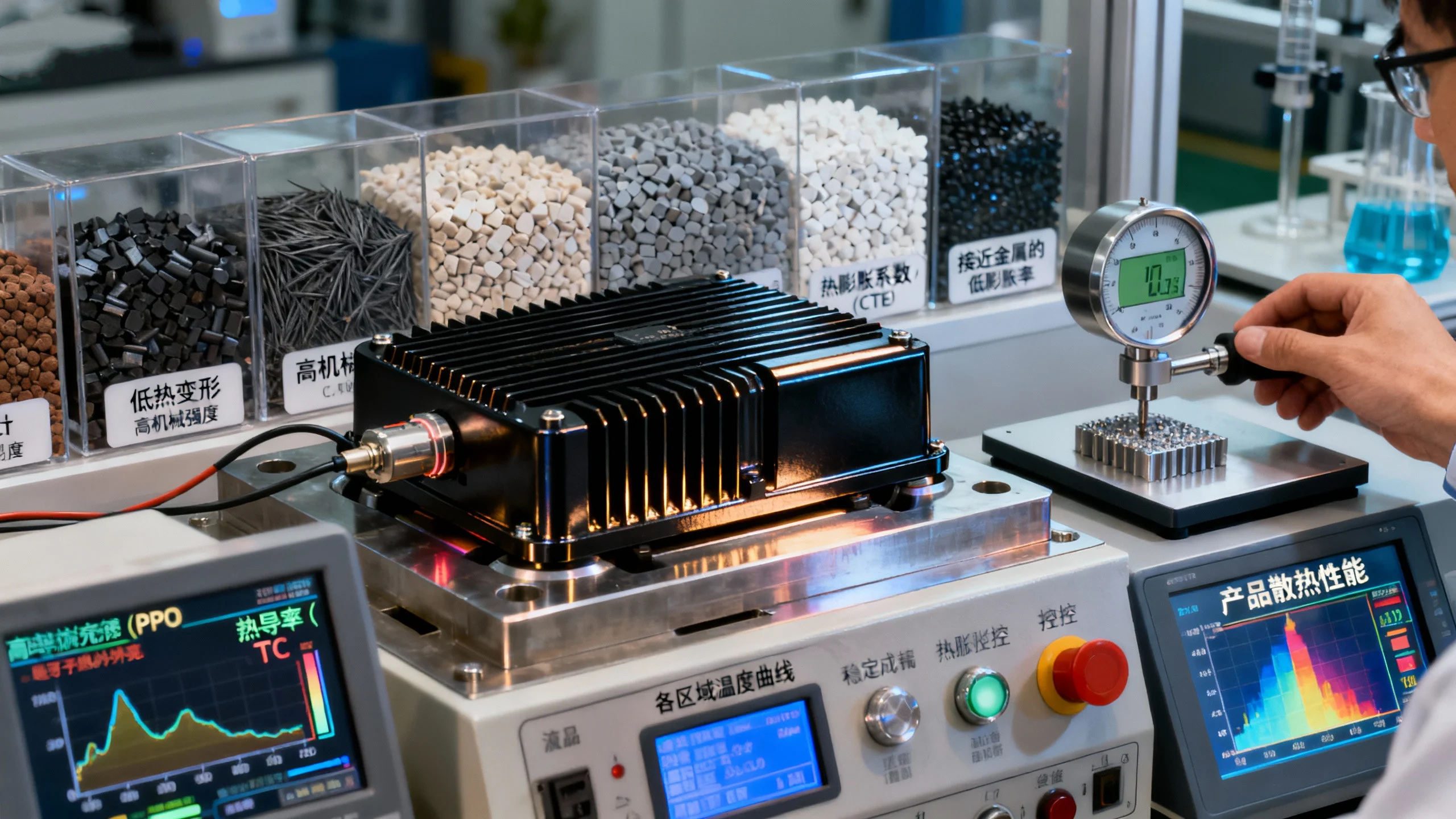
Mold structure determines melt flow and pressure distribution. Proper gate, runner, and venting design reduce voids and stress concentration. Optimizing the cooling system enhances crystallization uniformity, strengthening overall pressure performance.
- Balanced Runner Design: Prevents weak zones caused by flow speed differences.
- Cooling System Optimization: Ensures uniform stress distribution after molding.
- Consistent Wall Thickness: Prevents deformation and bursting under internal pressure.
- Improved Venting Design: Reduces trapped gases that lower strength.
⚙️ Mold optimization not only improves pressure resistance but also reduces defective parts.
How do injection parameters influence pressure performance?
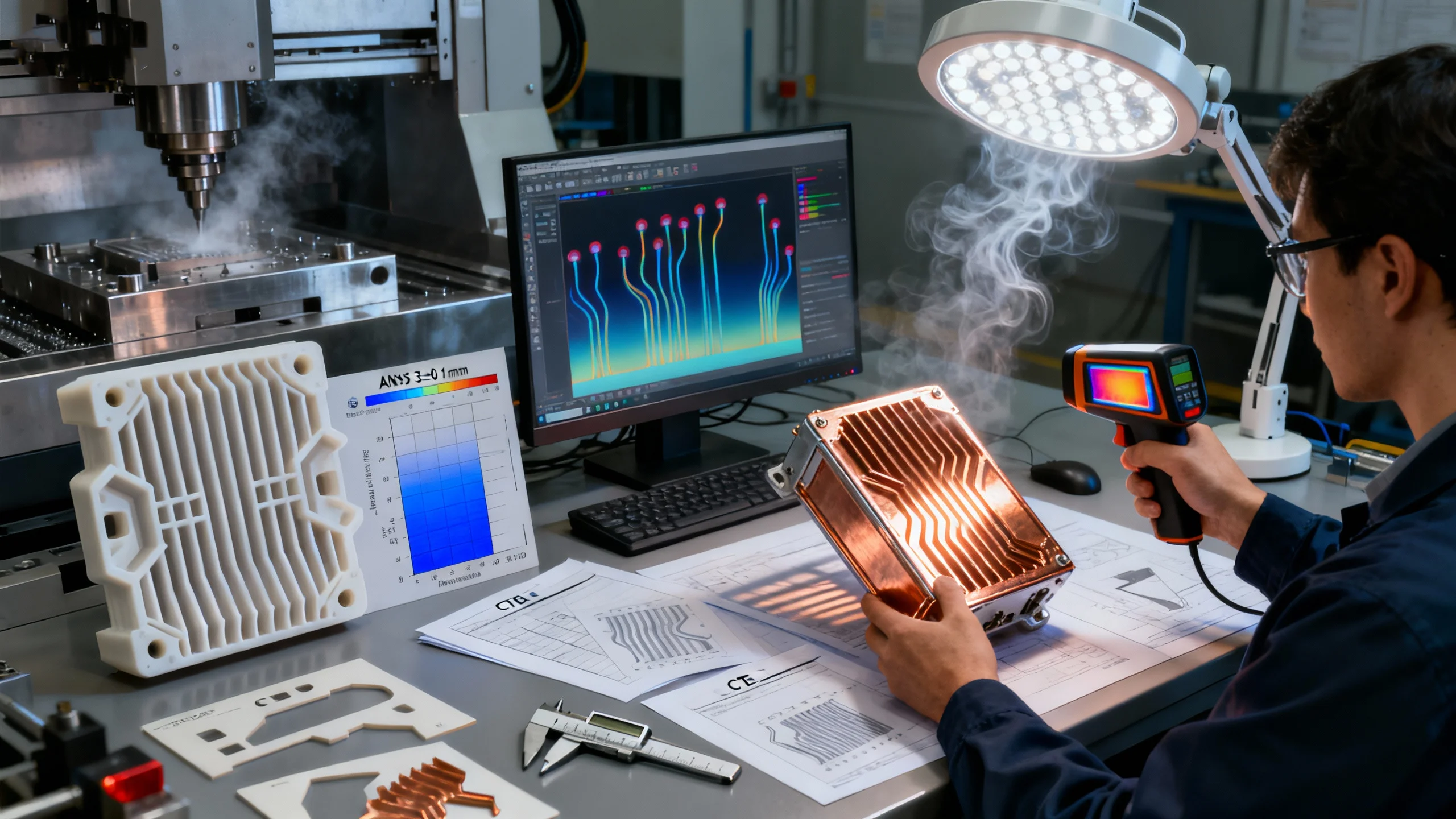
Injection temperature, pressure, and holding time significantly affect molecular orientation and density. Imbalanced parameters may lead to excessive internal stress and premature failure. Intelligent process control systems allow real-time parameter adjustments for stable and consistent pressure performance.
- Dynamic Temperature Control Systems: Monitor and adjust mold temperature in real time.
- High-Pressure Holding Control: Prevents sink marks and voids.
- Accurate Cooling Time: Ensures complete crystallization and dimensional stability.
- Segmented Injection Speed: Balances melt pressure to prevent thin-wall deformation.
🧠 Precise process control is the technical core of superior pressure resistance.
Comparison Table: Pressure Optimization Solutions
| Optimization Method | Main Advantage | Cost Impact | Pressure Gain | Application Scenario |
|---|---|---|---|---|
| Modified Materials | High strength, corrosion resistance | Medium | +35% | Outdoor drainage systems |
| Mold Optimization | Uniform structure, no voids | High | +25% | Industrial pipelines |
| Precision Temperature Control | Stable crystallization, anti-deformation | Medium-High | +20% | High-pressure drainage parts |
| Wall Thickness Control | Stable pressure balance | Low | +15% | Household drainage fittings |
👉 Want to enhance your drainage part’s pressure performance? contact us today for a customized engineering solution!
Future Optimization Directions for Drainage Injection Parts
With growing demands in construction and municipal drainage systems, pressure-resistant components are shifting toward lightweight, high-strength designs. Digital simulation technologies now enable engineers to predict pressure distribution and avoid failure zones early in design. Future product development will rely on AI and fluid mechanics to achieve predictive and self-optimizing structures.
1.Smart Material Monitoring: Detects real-time pressure variations.
2.AI Process Learning: Automatically optimizes injection conditions.
3.Lightweight Structure Design: Reduces material use while maintaining strength.
4.Recycled Material Integration: Ensures eco-friendly yet high-performance results.
Conclusion
Pressure optimization for drainage injection parts is a system-wide process involving material, mold, and process synergy. Only through full-process control can manufacturers achieve both durability and cost efficiency.In the future, data-driven manufacturing and intelligent control will define the reliability of pressure-resistant drainage components. We continue to lead with innovative materials and smart molding processes to deliver high-performance solutions to our clients.
For expert assistance in implementing high-pressure-resistant injection solutions for your production needs, visit our resource center or contact us. Let’s help you scale up your manufacturing with precision and efficiency!