Introduction
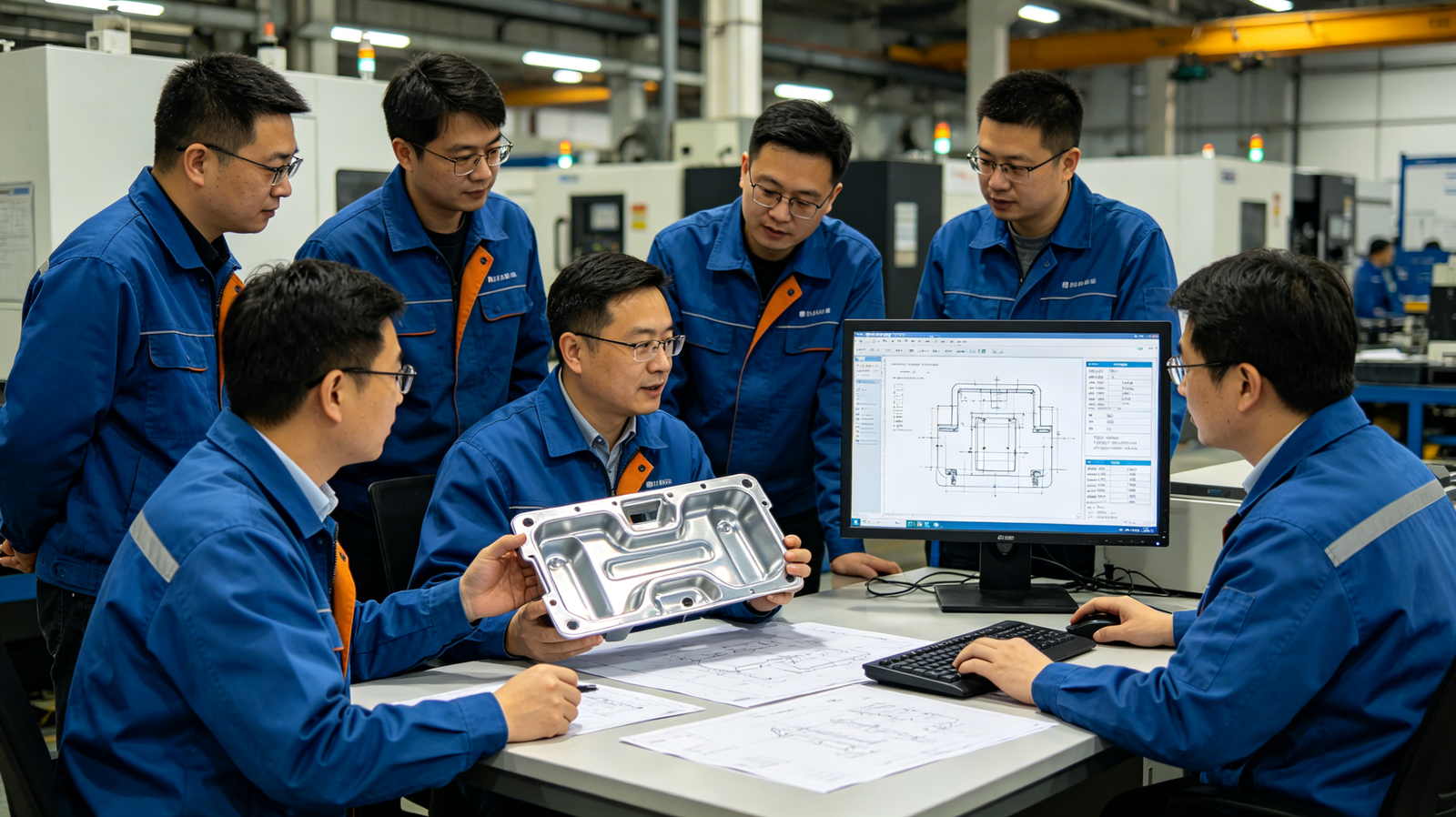
Injection molded parts may perform well during the sampling stage but experience dimensional variation, appearance defects, or unstable performance after entering mass production. Sampling usually focuses on verifying whether a single batch or prototype meets requirements, while mass production must handle changes in equipment, materials, molds, operators, and production environments. True injection molding stability is not about producing one qualified sample but about repeatedly manufacturing qualified parts.
For procurement engineers and product development teams, successful sampling does not automatically prove that a supplier has the capability for stable volume production. During injection molding projects, Xiamen Ruicheng evaluates risks from mold design, process validation, and production monitoring to ensure a smooth transition from prototype approval to full-scale manufacturing. Mass production reliability depends on transforming temporary success into a repeatable manufacturing process.
Why Do Injection Molded Parts Pass Sampling but Become Unstable During Mass Production?
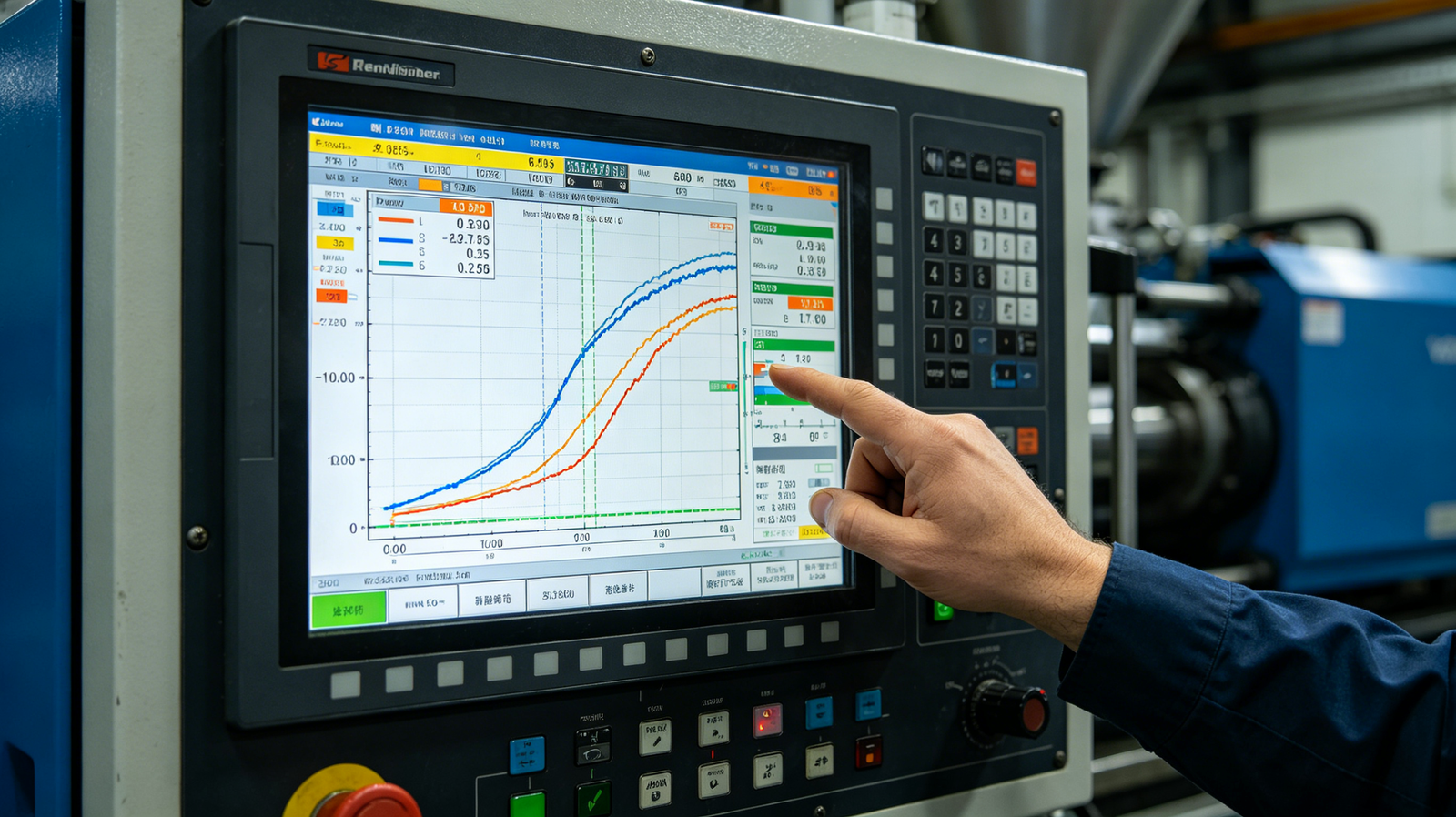
When injection molded parts move from trial production into mass production, manufacturing conditions change significantly. Longer equipment operation time, resin batch variations, continuous mold thermal cycling, and differences in operating procedures can all affect final product consistency. Many projects only verify whether the sample meets specifications but fail to confirm whether the production process can remain stable over time. Mass production issues are often caused by multiple small variations accumulating together.In actual injection molding production, injection molding process control and quality management systems determine whether a supplier can maintain long-term consistency. Xiamen Ruicheng uses DFM reviews, process validation, and continuous quality monitoring to reduce uncertainty during the transition from sampling to mass production.
Mold Stability: The mold structure directly affects whether parts can maintain consistent quality during long-term production.
Material Control: Resin batches, moisture levels, and material handling methods influence final dimensions and performance.
Process Locking: Standardized process windows prevent major quality changes caused by machine or operator differences.
Process Monitoring: Continuous inspection of critical dimensions helps identify trends before defects occur.
🔍 Sampling validation is only the beginning; real success depends on the ability to consistently reproduce quality during production.
Why Do Mold and Equipment Differences Cause Sampling and Production Variations?
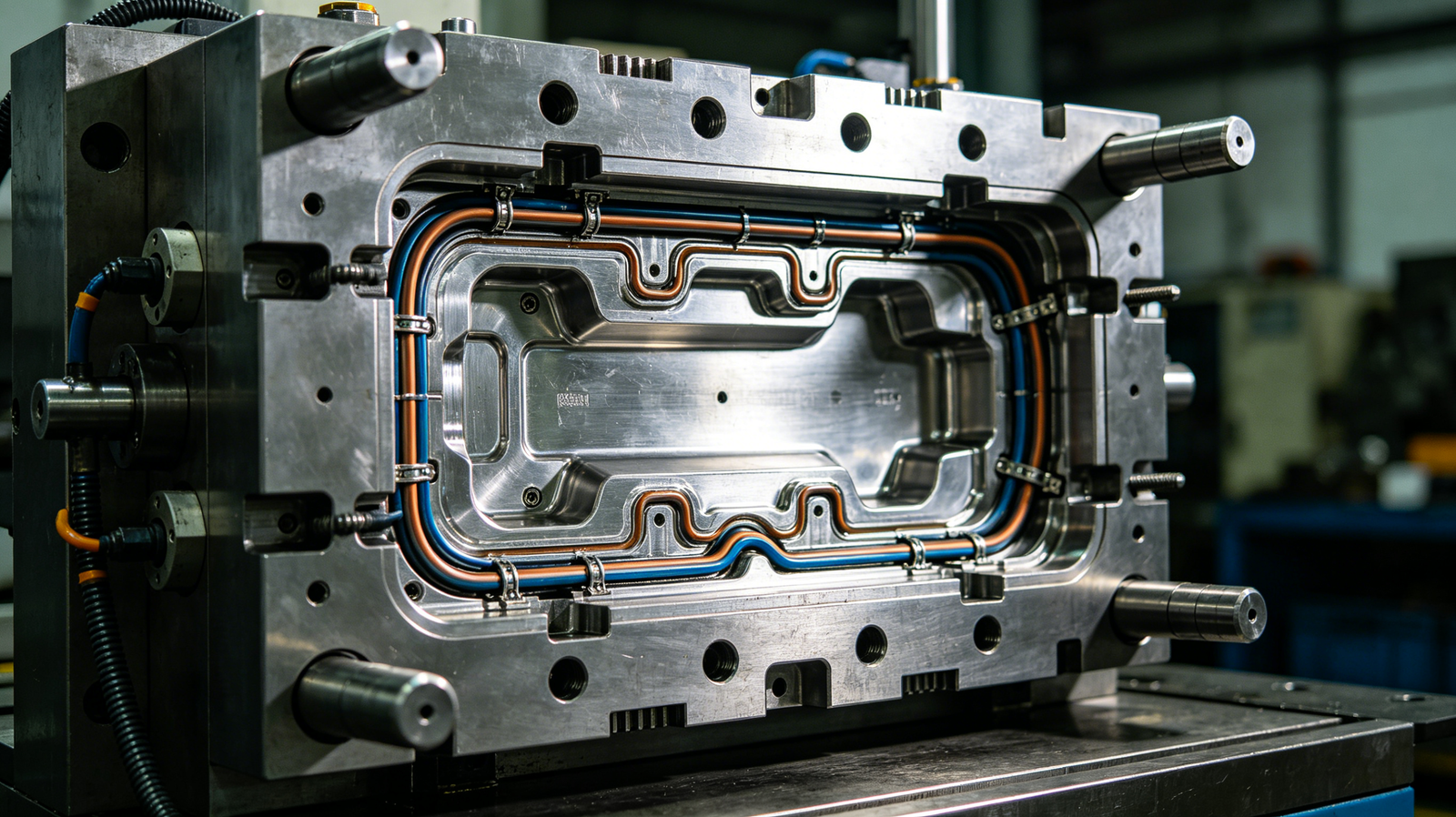
Many injection molding projects perform well during initial trials but gradually develop shrinkage changes, deformation, or dimensional shifts after extended production. The reason is that trial molding conditions are usually different from real manufacturing conditions. Mold cooling balance, venting design, multi-cavity filling consistency, and machine repeatability all influence final part quality. A capable injection molding supplier must verify whether the mold is suitable for long-term production, not only whether it can produce samples.During mass production, injection mold design and equipment conditions work together to influence product quality. Even if the first samples meet requirements, insufficient mold validation may cause problems after thousands of production cycles. Xiamen Ruicheng evaluates mold life, maintenance schedules, and process stability based on product structure and application requirements.
Mold Life Evaluation: Material selection, cooling design, and structural strength must support long-term operation.
Machine Compatibility: Different injection machines and control systems may affect process replication.
Cavity Balance Validation: Filling differences between cavities can create inconsistent batch quality.
Maintenance Planning: Regular maintenance reduces quality fluctuations caused by mold wear.
⚙️ Stable mass production comes from long-term compatibility between molds, equipment, and processes, not a single successful trial.
Why Do Injection Molding Parameters Become Unstable During Production?

Injection molding parameters are often optimized during the sampling stage, but continuous production introduces variables such as temperature changes, material differences, and machine conditions. Without a standardized process window, operators may adjust parameters based on experience, causing differences between production batches. Stable mass production requires processes that can be documented, repeated, and traced.During production introduction, Xiamen Ruicheng focuses on SPC process control and critical parameter management. Production data is used to determine whether the process remains stable instead of relying only on final inspection results.
Parameter Standardization: Injection speed, pressure, temperature, and cooling time are defined as controlled conditions.
Data Tracking: Production records help identify abnormal trends and root causes quickly.
Operator Training: Standard procedures reduce variation between different operators.
Continuous Improvement: Production feedback is used to improve process capability and stability.
📊 A reliable process should not depend only on engineer experience; it should become part of the manufacturing system.
Key Factors Affecting Injection Molded Part Consistency During Mass Production
| Factor | Sampling Performance | Mass Production Risk | Control Method |
|---|---|---|---|
| Mold Condition | Stable with new mold | Wear causes variation | Life validation |
| Material Batch | Single material batch | Batch differences | Incoming inspection |
| Equipment Operation | Short production time | Continuous running variation | Machine calibration |
| Process Parameters | Manual adjustment | Execution deviation | Parameter locking |
If you are evaluating an injection molding supplier’s mass production capability, Xiamen Ruicheng can provide a complete manufacturing assessment based on your product requirements to reduce development risks and improve delivery reliability. contact us
How to Evaluate Whether an Injection Molding Supplier Has Mass Production Capability?
Choosing an injection molding partner requires more than checking sample quality. Buyers should evaluate whether the supplier has a complete system for controlling production consistency. Many parts perform well during development but encounter quality and delivery problems after commercialization due to insufficient process validation. A supplier’s true capability is reflected in repeatable manufacturing performance rather than one-time sample success.
1.Review Production Experience: Check whether the supplier has experience with similar structures, materials, and production volumes.
2.Verify Quality Procedures: Confirm whether the supplier has first article inspection, in-process inspection, and traceability systems.
3.Evaluate Engineering Support: Determine whether the supplier can participate in DFM optimization and identify manufacturing risks early.
4.Understand Production Management: Review equipment maintenance, material control, and process management systems.
Injection Molding Mass Production Stability FAQ
Question 1: What is the core advantage of your injection molded parts production stability?
Answer: Xiamen Ruicheng ensures consistency from sampling to mass production through mold validation, process locking, quality inspection, and production management. Manufacturing solutions are customized based on product structure, material requirements, and application conditions.
Question 2: What information should we provide to quickly start an injection molding project?
Answer: Customers usually need to provide 3D drawings, material specifications, dimensional tolerances, estimated quantities, and application requirements. Xiamen Ruicheng engineers analyze the information and develop a suitable manufacturing solution.
Question 3: How do you guarantee delivery for different production volumes?
Answer: Prototype production and high-volume manufacturing require different production plans. Xiamen Ruicheng schedules production based on order volume, mold condition, and capacity planning to reduce delivery risks.
Question 4: How do you handle quality fluctuations after mass production begins?
Answer: Xiamen Ruicheng uses quality traceability, production data analysis, and process reviews to identify root causes and adjust molds, materials, or process parameters when needed.
Question 5: Can you provide customized injection molding solutions for special requirements?
Answer: Xiamen Ruicheng supports customized solutions based on product structure, material performance, and application environments, including mold optimization, process improvement, and production support.
Conclusion
Moving injection molded parts from successful sampling to stable mass production requires engineering validation, process control, and continuous improvement. A qualified sample only proves that manufacturing is possible, while stable production requires a complete control system. When selecting an injection molding supplier, buyers should focus on risk management and the ability to consistently reproduce results.Xiamen Ruicheng helps customers reduce production uncertainty through engineering analysis, manufacturing management, and quality control. For OEM projects requiring long-term supply, stable delivery capability is often more important than a single successful test result.
For expert assistance in implementing for your production needs, visit our resource center or contact us. Let’s help you scale up your manufacturing with precision and efficiency!