Introduction

Automotive dashboards operate for long periods under combined exposure to high temperatures, intense sunlight, and complex mechanical loads, making material choice a decisive factor for vehicle reliability and user experience. Different heat-resistant injection molding materials vary significantly in thermal deformation resistance, odor control, and surface stability, directly defining the product’s service life ceiling. Material selection is not about comparing parameters, but about judging real-world application scenarios.
In injection molded product manufacturing, OEMs are increasingly shifting from single-metric evaluations to comprehensive risk-based decision-making. Based on long-term project experience, Xiamen Ruicheng has observed that insufficient scenario validation during early material decisions often leads to irreversible issues after mass production. True value lies in accompanying customers through every step from design to full-scale production.
Why Do Dashboard Materials Fail Easily in High-Temperature Environments?

Automotive dashboards can experience sustained localized temperatures exceeding 90 °C due to summer solar exposure combined with residual engine heat, and insufficient thermal stability often results in warpage, cracking, or surface aging. In real injection molding operations, failures rarely occur instantly but instead emerge from long-term thermal stress accumulation, closely related to the material’s heat deflection temperature and molecular structure. Ignoring long-term heat resistance frequently leads to high post-production repair costs. By selecting materials such as polycarbonate or reinforced engineering plastics, these risks can be effectively reduced.
Thermal aging risk: Repeated thermal cycling gradually embrittles materials, reducing both strength and surface gloss.
Structural stability: Insufficient heat resistance amplifies molding stress, causing uncontrolled assembly gaps.
Appearance consistency: Color variation and surface defects become more pronounced at elevated temperatures.
Regulatory exposure: Excessive volatile emissions may trigger cabin odor and compliance issues.
🔥 Insufficient heat resistance can turn low-probability issues into systemic quality risks.
How Can Heat Resistance and Aesthetic Quality Be Balanced?
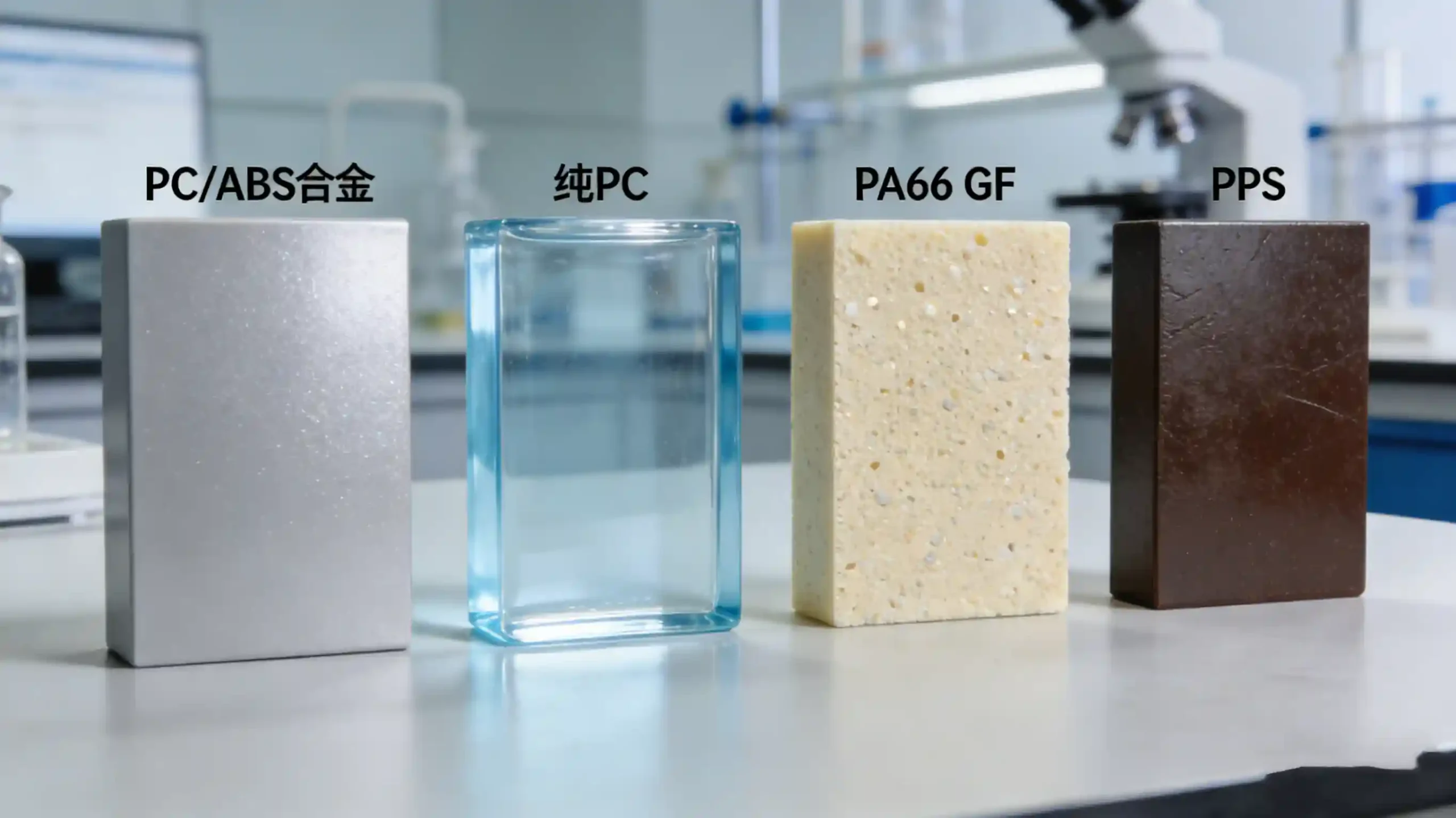
Dashboards are not merely structural components but high-frequency visual interfaces for users, requiring materials that balance thermal resistance with surface texture and tactile stability. In injection molded product manufacturing, materials such as PC/ABS alloys are widely used for this balance, yet their formulations and processing windows are highly sensitive. True balance comes from the coordinated design of material systems, molds, and processing conditions. Through optimization of ****engineering plastics flow behavior and surface replication, Xiamen Ruicheng helps clients avoid scenarios where “parameters pass but appearance fails.”
Surface texture control: Proper viscosity enables accurate replication of grain and coating effects.
Color stability: Heat-resistant systems must suppress yellowing and haze under prolonged heat.
Tactile consistency: Modulus variation directly affects long-term touch feedback.
Processing window width: A stable processing range minimizes batch-to-batch variability.
🎨 Appearance is not an add-on, but a core requirement in heat-resistant material selection.
How Do Different Heat-Resistant Materials Affect Cost and Mass Production?
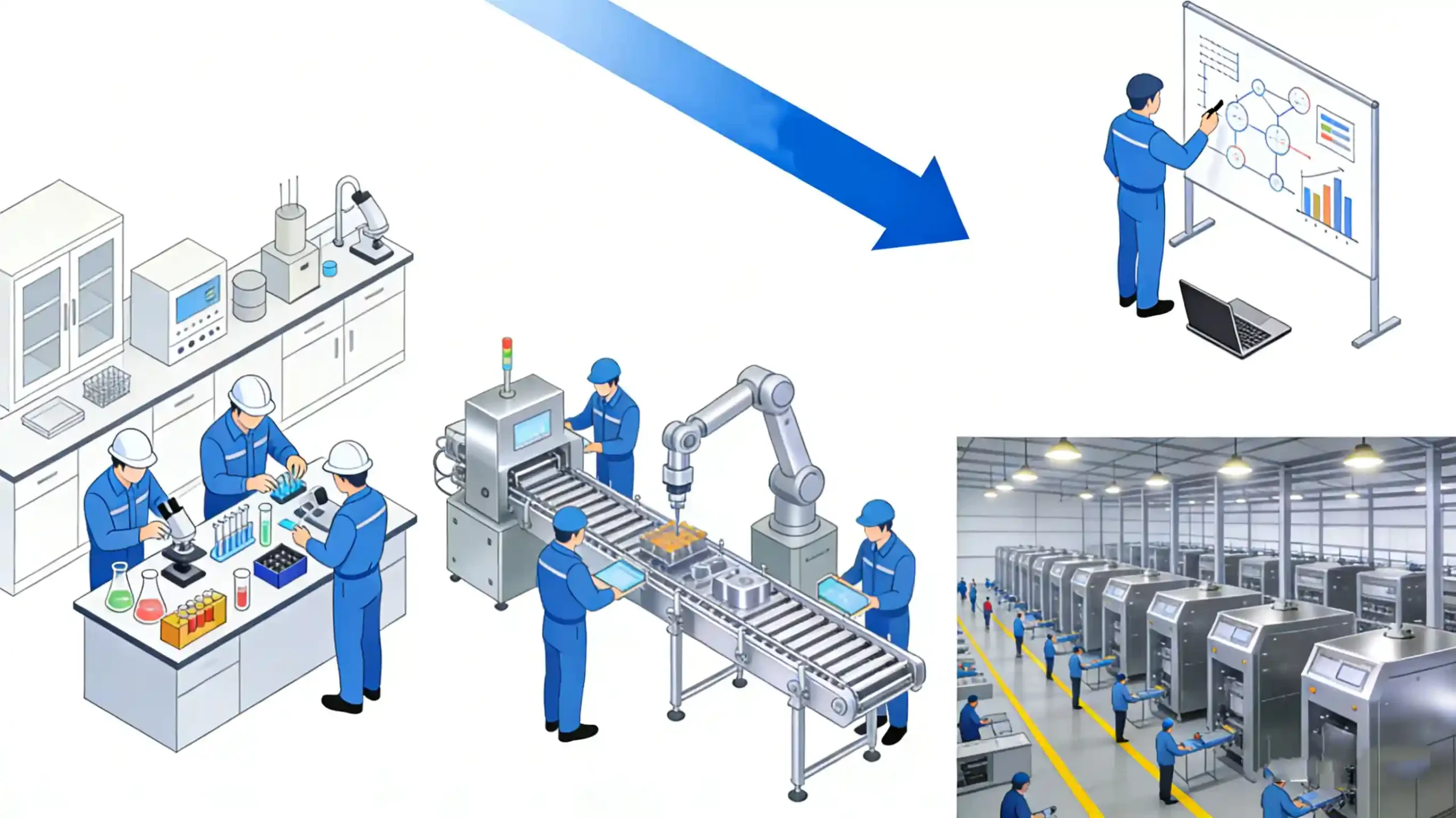
Within the decision chain, procurement teams often focus on cost and supply stability after meeting performance targets, yet hidden cost differences between heat-resistant materials become evident during mass production. For example, glass-fiber reinforced PA offers excellent heat resistance but imposes higher demands on mold wear control and warpage management. Material unit price is only superficial; manufacturing efficiency determines true cost. In injection molding projects, Xiamen Ruicheng leverages early simulation and pilot runs to help customers balance supply chain stability with long-term cost control.
Mold lifespan impact: Highly filled materials may shorten maintenance intervals.
Yield fluctuation: Narrow processing windows increase batch defect risk.
Delivery rhythm: Stable raw material sourcing ensures continuous production.
Total cost: Rework and after-sales issues often exceed material price differences.
💰 Stability in mass production is the true cost differentiator for heat-resistant materials.
Comparison of Common Heat-Resistant Materials for Automotive Dashboards
| Material Type | Heat Resistance | Appearance Stability | Processing Difficulty | Typical Application |
|---|---|---|---|---|
| PC/ABS Alloy | High | Excellent | Medium | Mid-to-high-end dashboards |
| Pure PC | Very High | Good | Medium | High-temperature structural zones |
| PA66 GF | Very High | Moderate | High | Internal support components |
| PPS | Extremely High | Good | High | Specialized high-temperature modules |
If you are evaluating which solution best matches your project phase and risk tolerance, feel free to explore our decision-support services or contact us
The Value of Decision Accompaniment from Material Selection to Mass Production
Heat-resistant material selection for automotive dashboards is not a one-time decision but a continuous process spanning design, pilot production, and mass manufacturing. In this journey, injection molding partners should evolve from executors into shared-risk collaborators. Through early validation and mass-production support, Xiamen Ruicheng helps customers minimize unforeseen losses.
1.Early evaluation: Screening viable material systems based on operating environment and regulatory requirements.
2.Pilot validation: Verifying real thermal aging and appearance performance through small batches.
3.Mass production support: Stabilizing processing windows to ensure long-term consistency.
4.Continuous optimization: Dynamically adjusting solutions as market or operating conditions evolve.
Frequently Asked Questions (FAQ)
Question 1: What is the core advantage of your heat-resistant dashboard material solutions?
Answer: We define quality baselines around thermal stability, appearance consistency, and mass-production reliability, supported by material validation and process control aligned with OEM expectations.
Question 2: How can we initiate a customized dashboard material solution?
Answer: By providing basic information such as operating temperature, structural design, and expected volume, Xiamen Ruicheng can deliver material recommendations and processing strategies within an agreed timeframe.
Question 3: Do delivery lead times vary by order volume?
Answer: Different scheduling strategies apply to pilot and mass production; standard projects typically deliver within 7–10 working days, with expedited options available upon discussion.
Question 4: How are post-production heat or appearance issues handled?
Answer: We apply clear evaluation standards and response mechanisms, completing analysis, adjustment, or replacement within defined timelines to reduce customer risk.
Question 5: Do you support future upgrades or material substitutions?
Answer: Yes, we support optimization or substitution based on real usage feedback, with transparent evaluation of timelines and cost implications.
Conclusion
Selecting heat-resistant injection molding materials for automotive dashboards is fundamentally a decision about risk management and long-term value. Only through systematic evaluation of thermal performance, appearance stability.
For expert assistance in implementing for your production needs, visit our resource center or contact us. Let’s help you scale up your manufacturing with precision and efficiency!