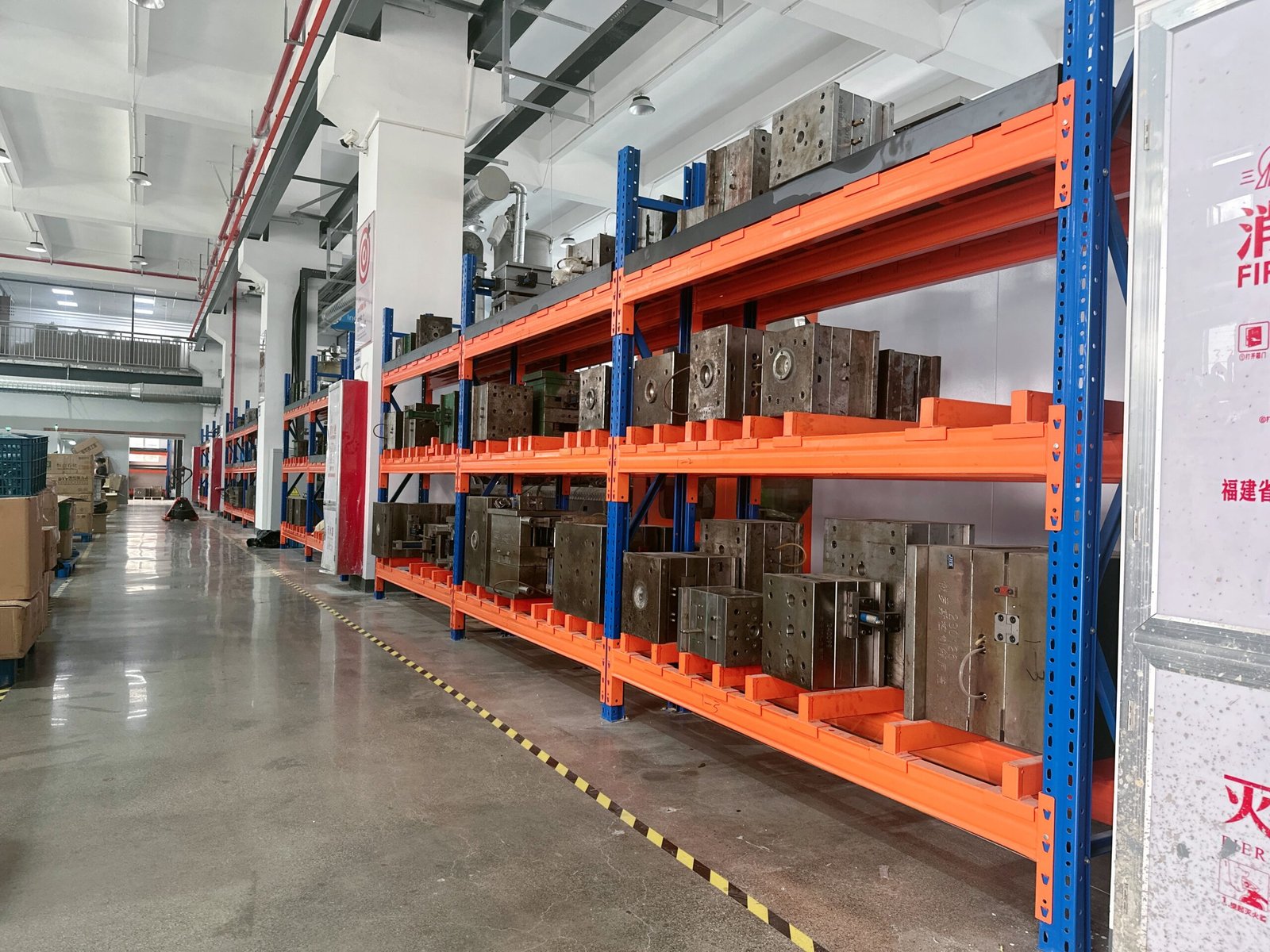
Rapid Prototyping & Custom Plastic Parts Manufacturing
How Rapid Prototyping and Injection Molding Can Benefit Your Business
On Demand CNC Machining Services
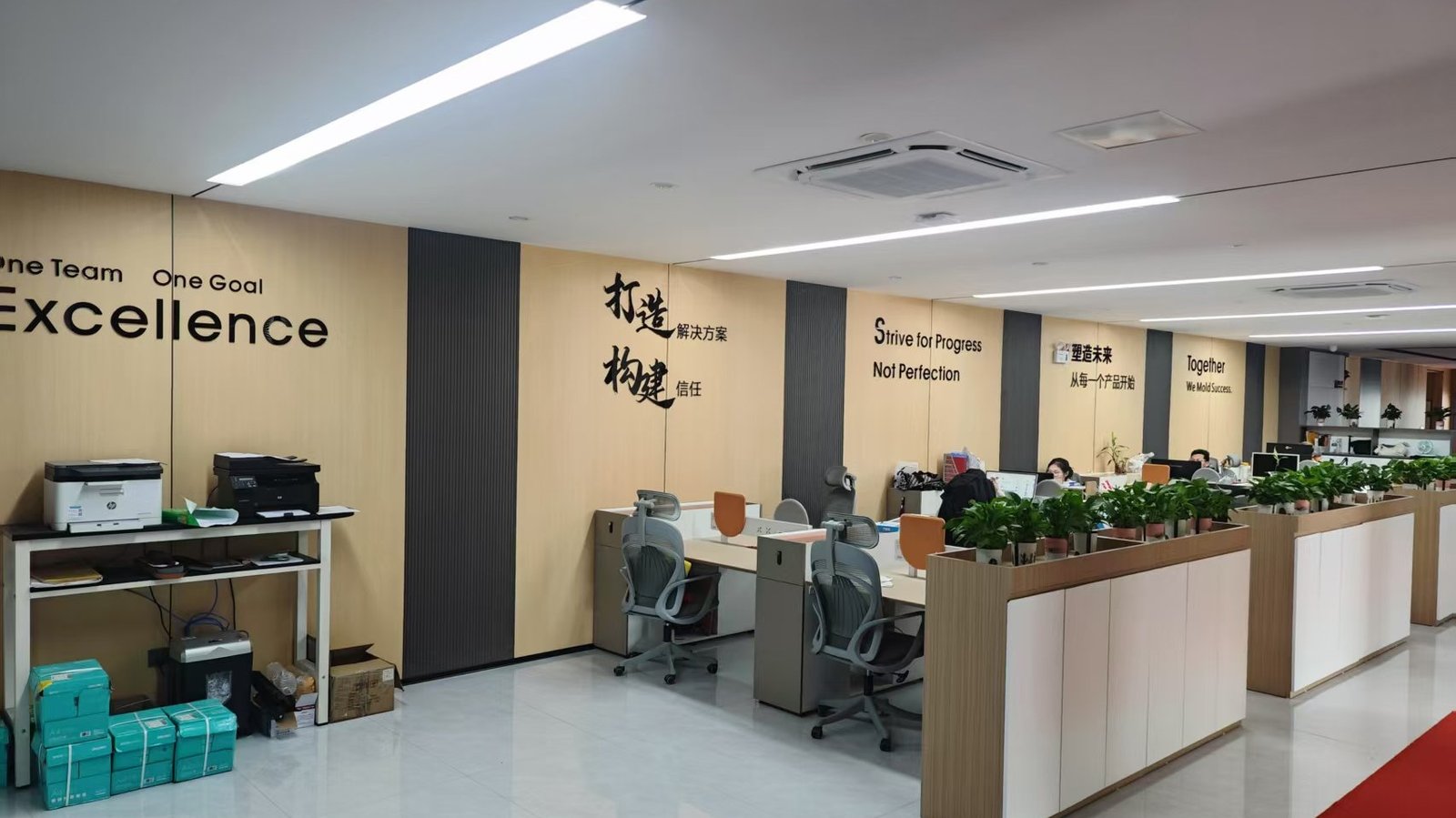
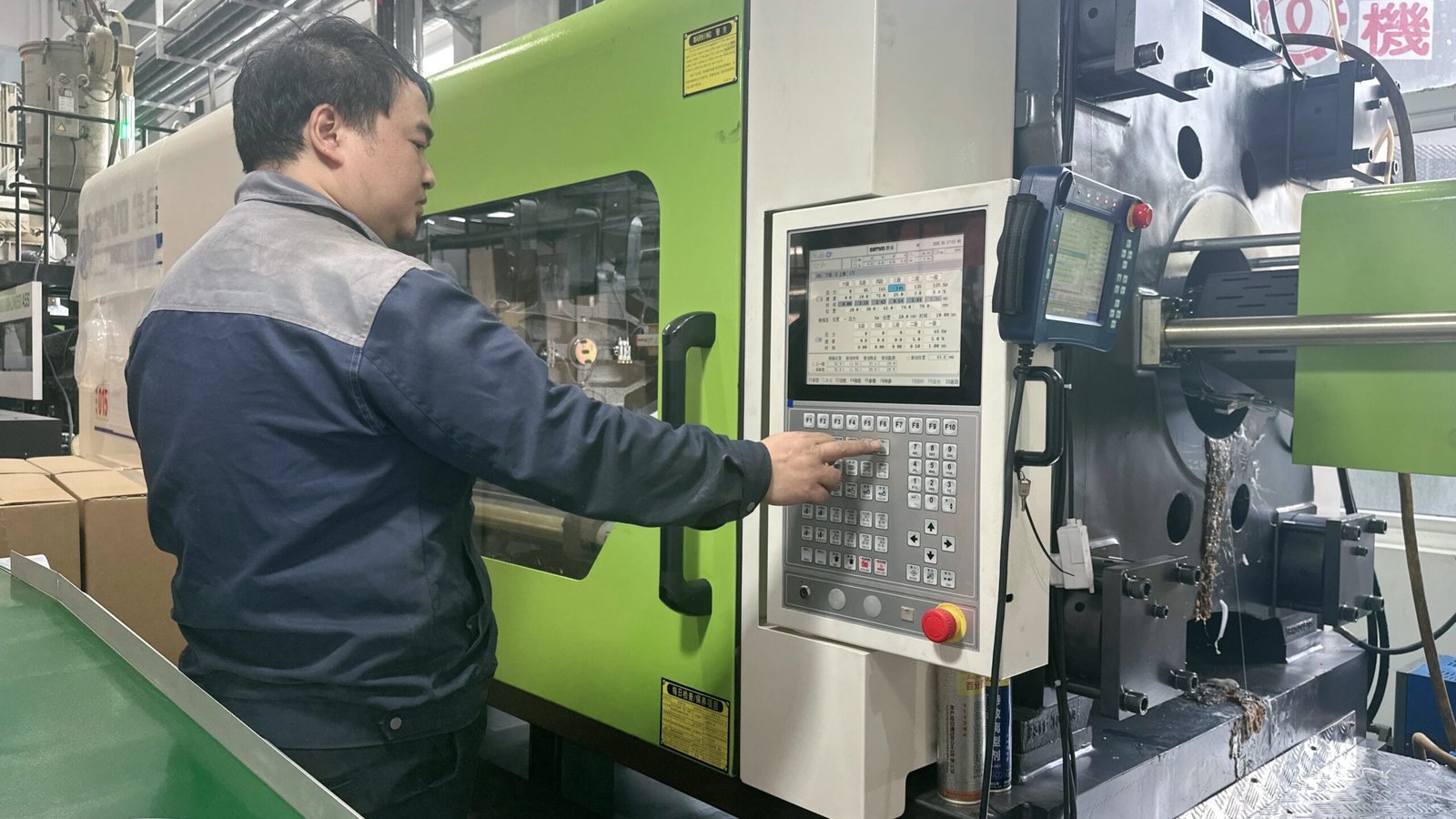
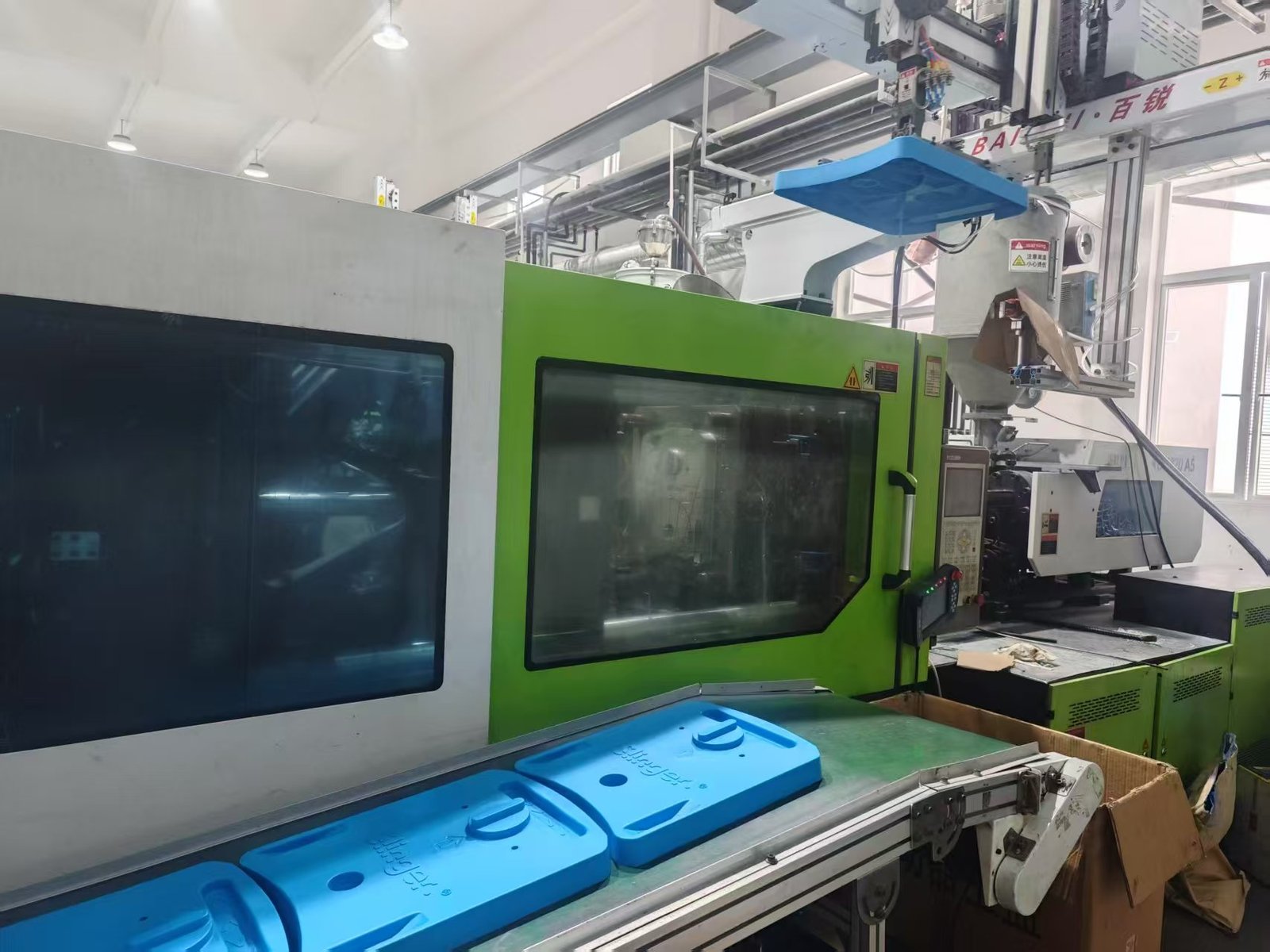
Looking for a competitive edge and fast-turnaround supplier for your CNC machining projects? RuiCheng is your trusted expert in China for both precision prototypes and end-use production parts.
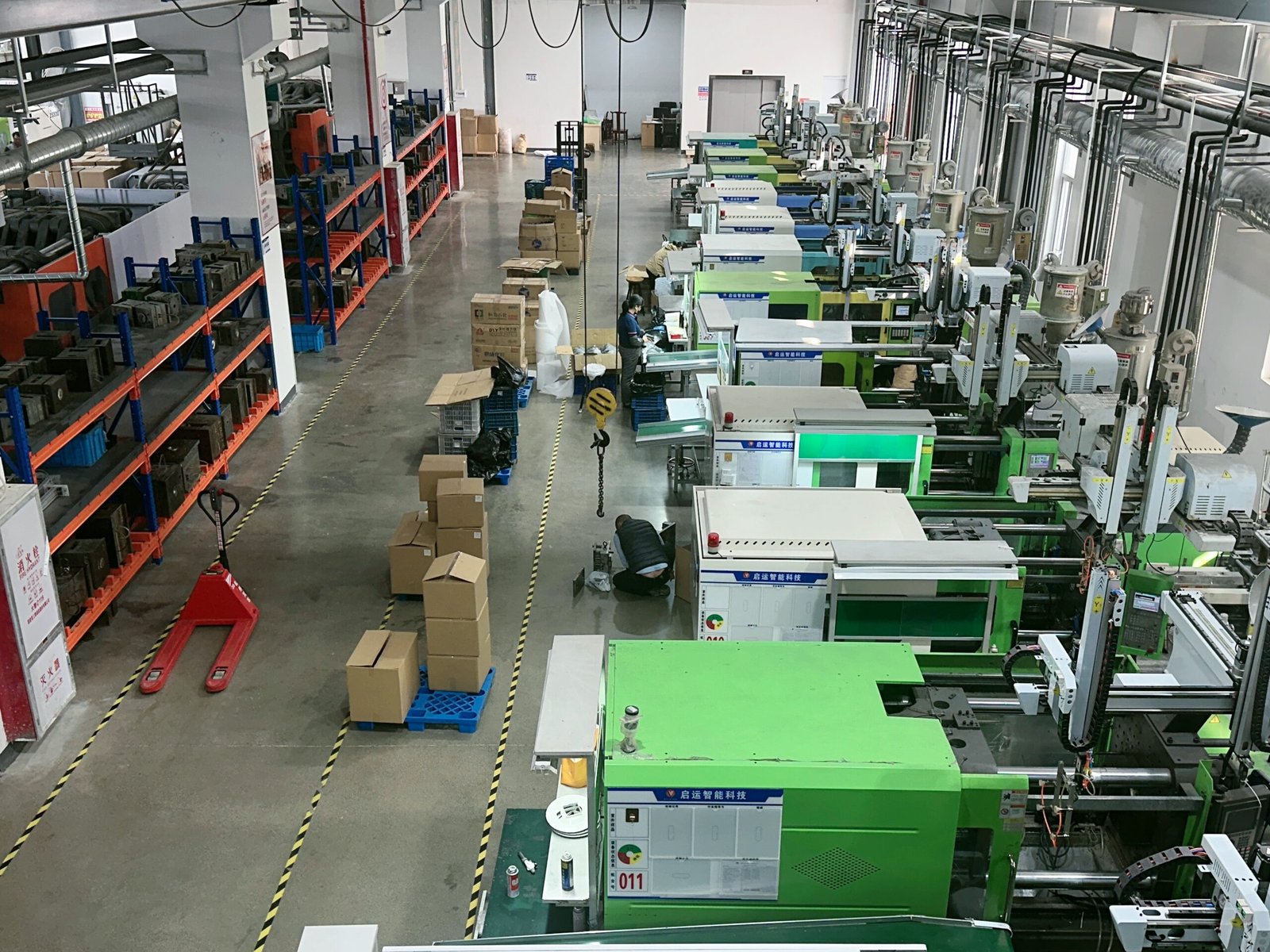
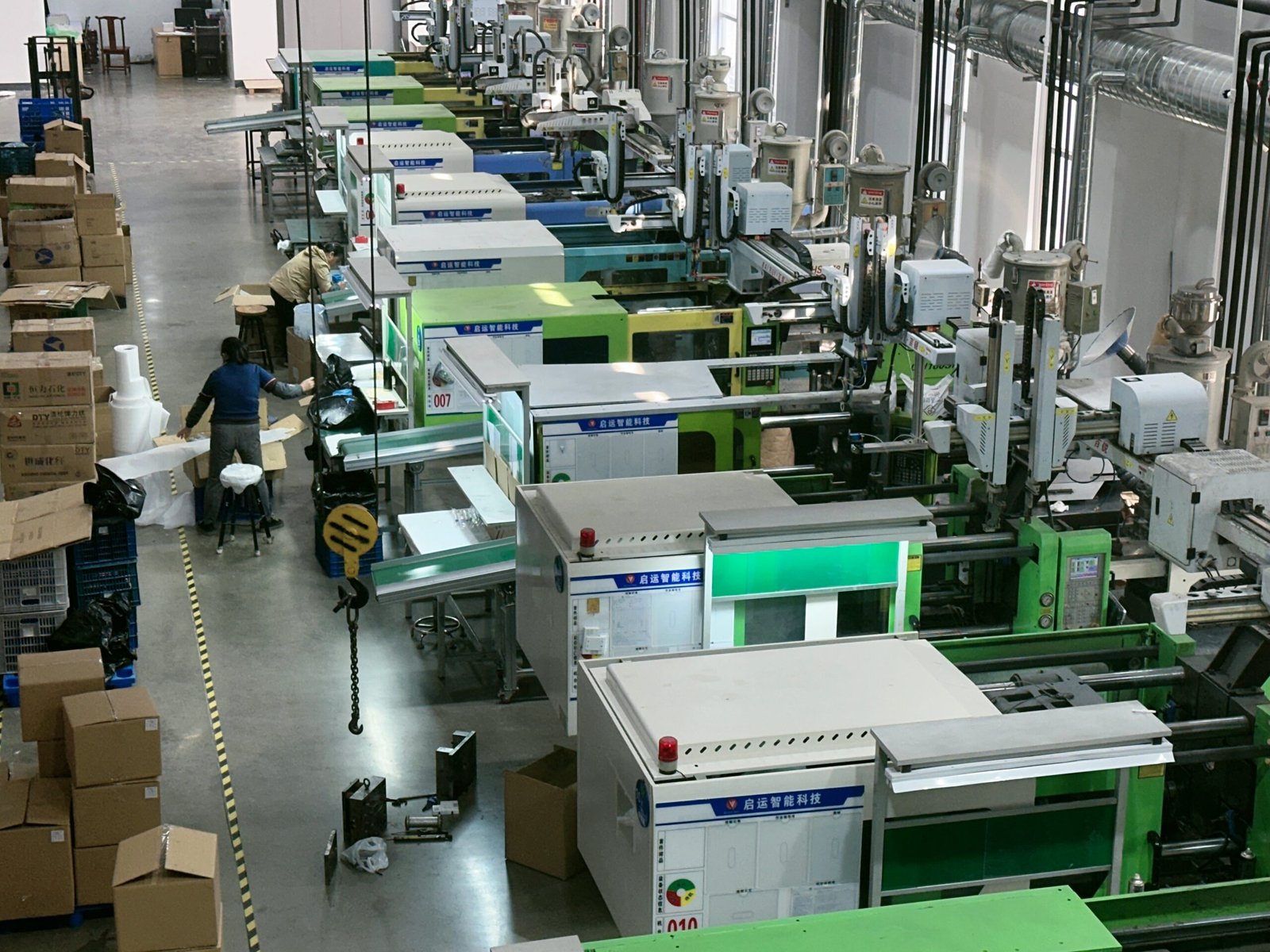
We provide comprehensive CNC machining services including milling, turning, multi-axis machining, as well as specialized processes like EDM and wire EDM. With ISO 9001 certified quality systems, combined with extensive manufacturing expertise and state-of-the-art equipment, we ensure your components are produced accurately and reliably from first article to full production.
Customers We Serve
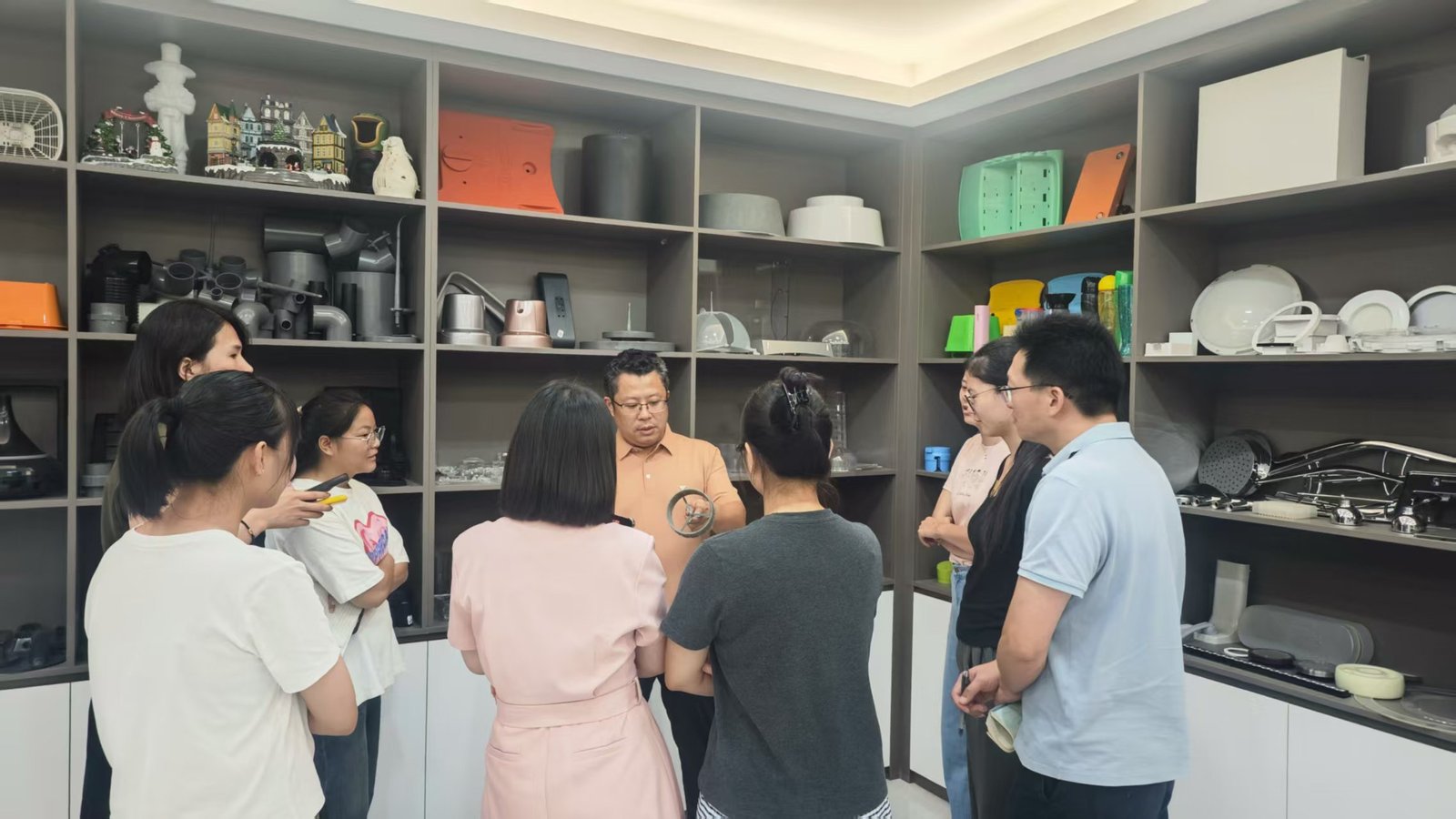
RuiCheng delivers premium global manufacturing services supported by a growing international client network. Our worldwide customers span across multiple sectors, including individual inventors, design studios, and major corporations in industrial, commercial, medical, automotive, and aerospace fields. We are dedicated to meeting your precise design and manufacturing requirements while transforming your concepts into tangible products.
What Sets Us Apart
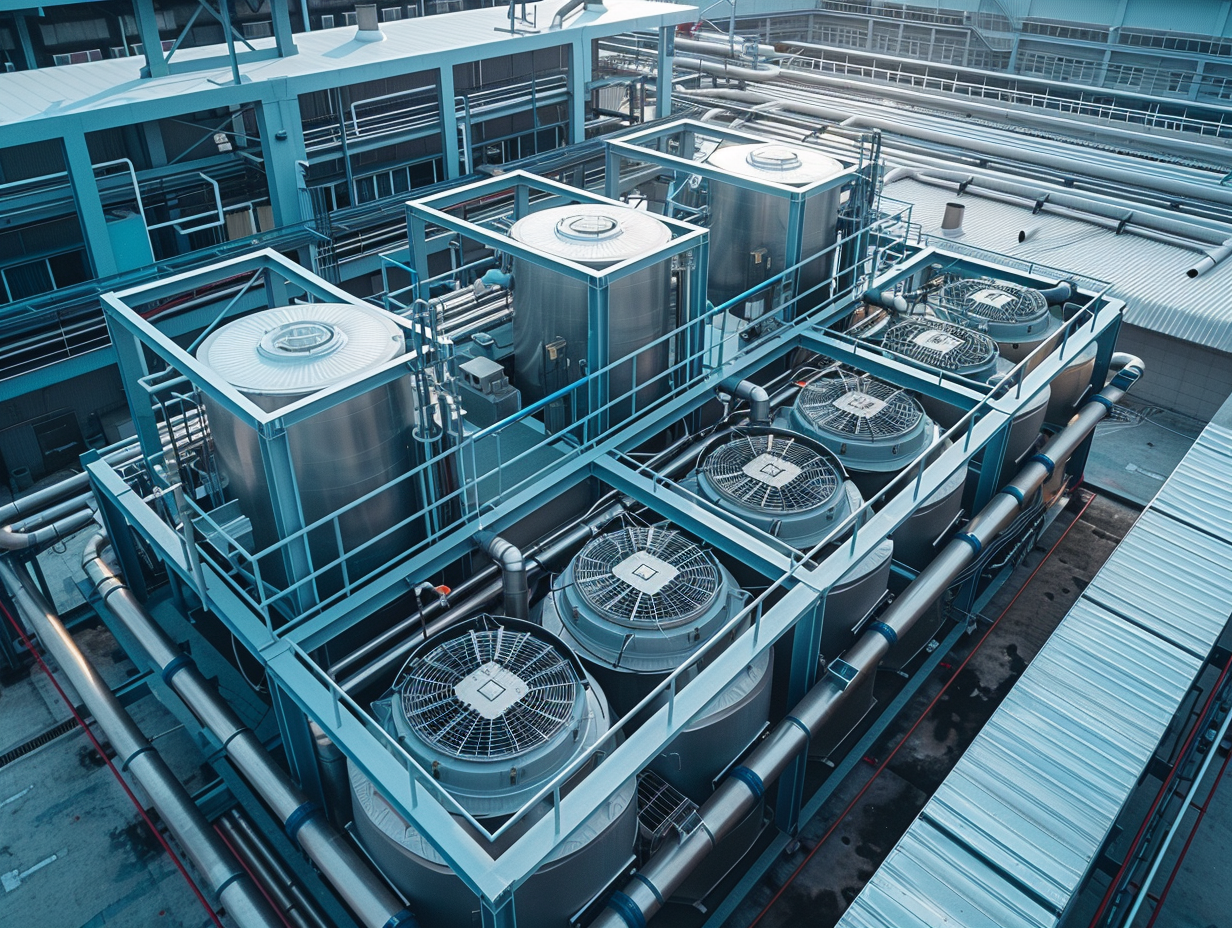
Eco-Sustainable
100% recycled plastics processed via energy-smart CNC systems. Zero-waste certified by ISO 14001 reports — eco-accuracy redefined.
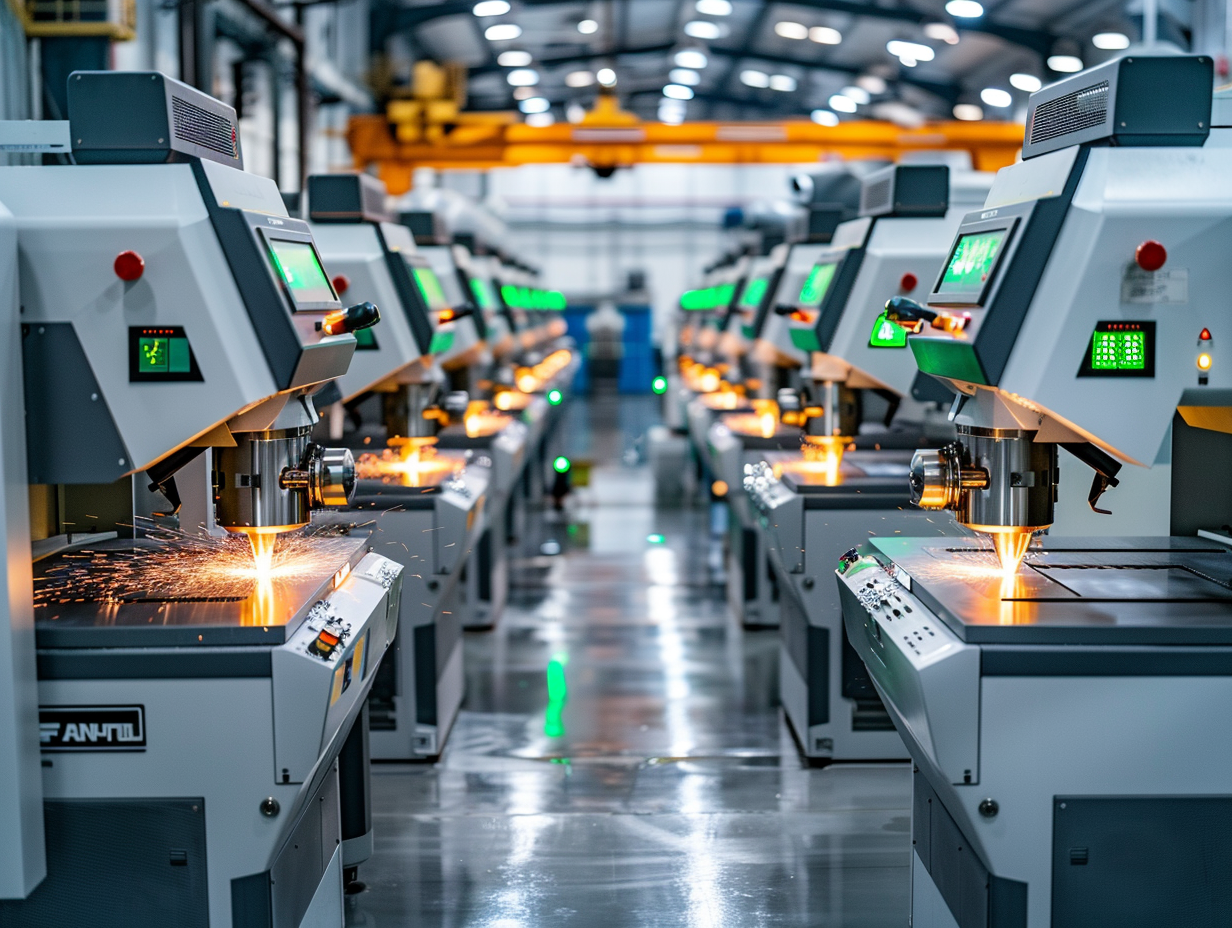
Fully Equipped
5-axis CNC for aerospace geometries, 3-axis systems for high-volume precision — ISO-certified across medical, automotive & electronics tooling.
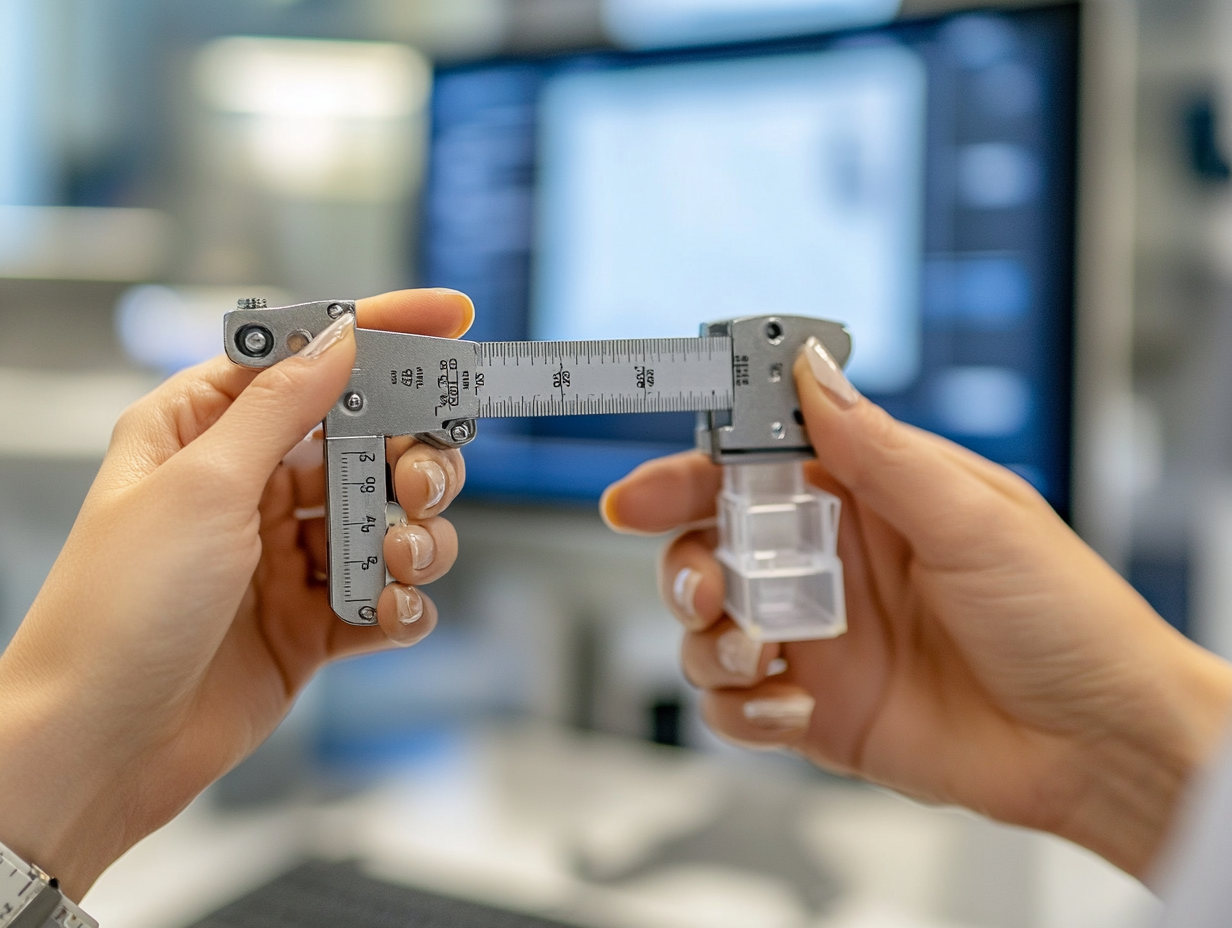
Premium Quality
Aerospace-grade polymers with ISO 9001:2015 certified 99.9% defect-free production. Laser-verified ±0.01mm tolerances — engineered reliability."
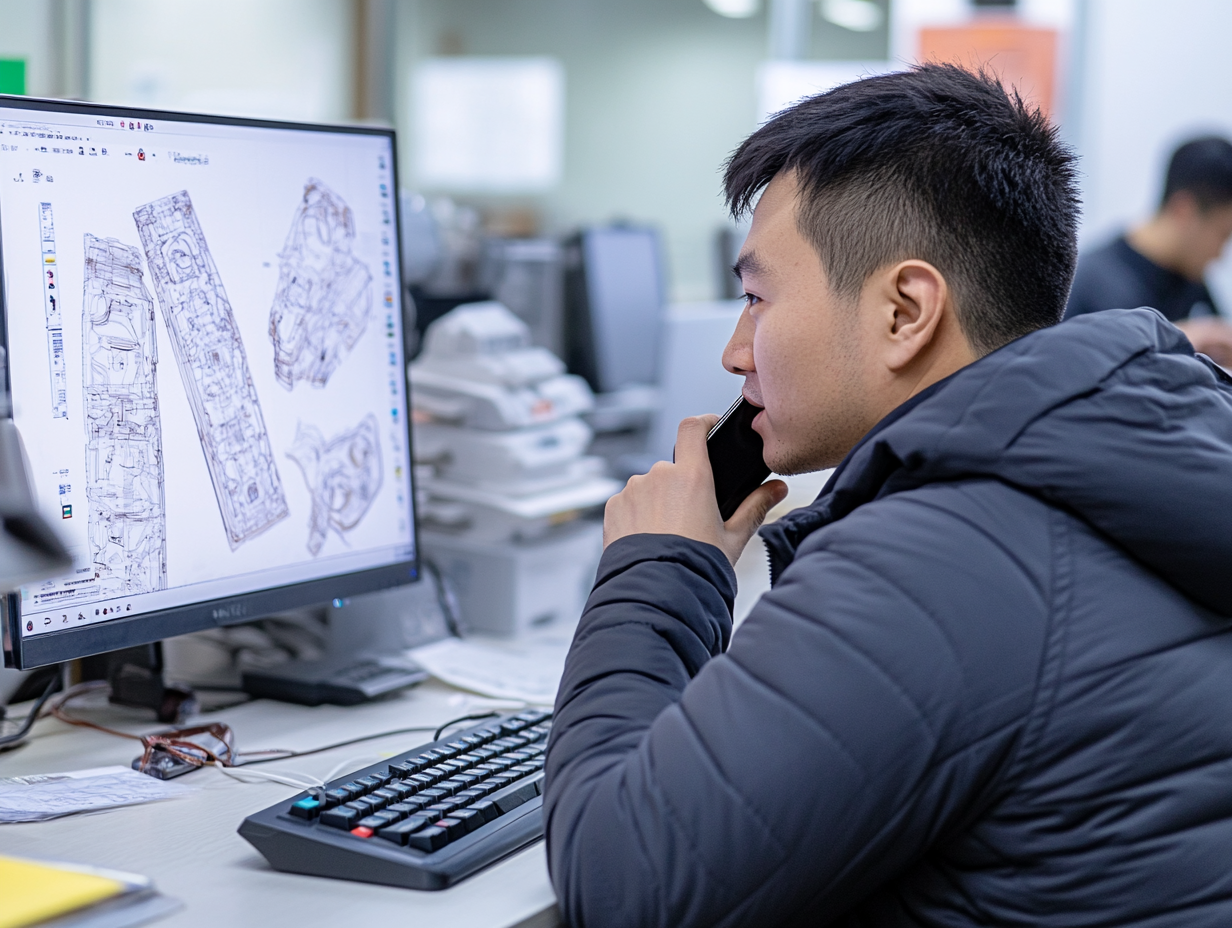
Lifetime Service
From delivery to certified maintenance, our 24/7 engineers guarantee 12-hour emergency response — precision sustained beyond production.
Machining Processes
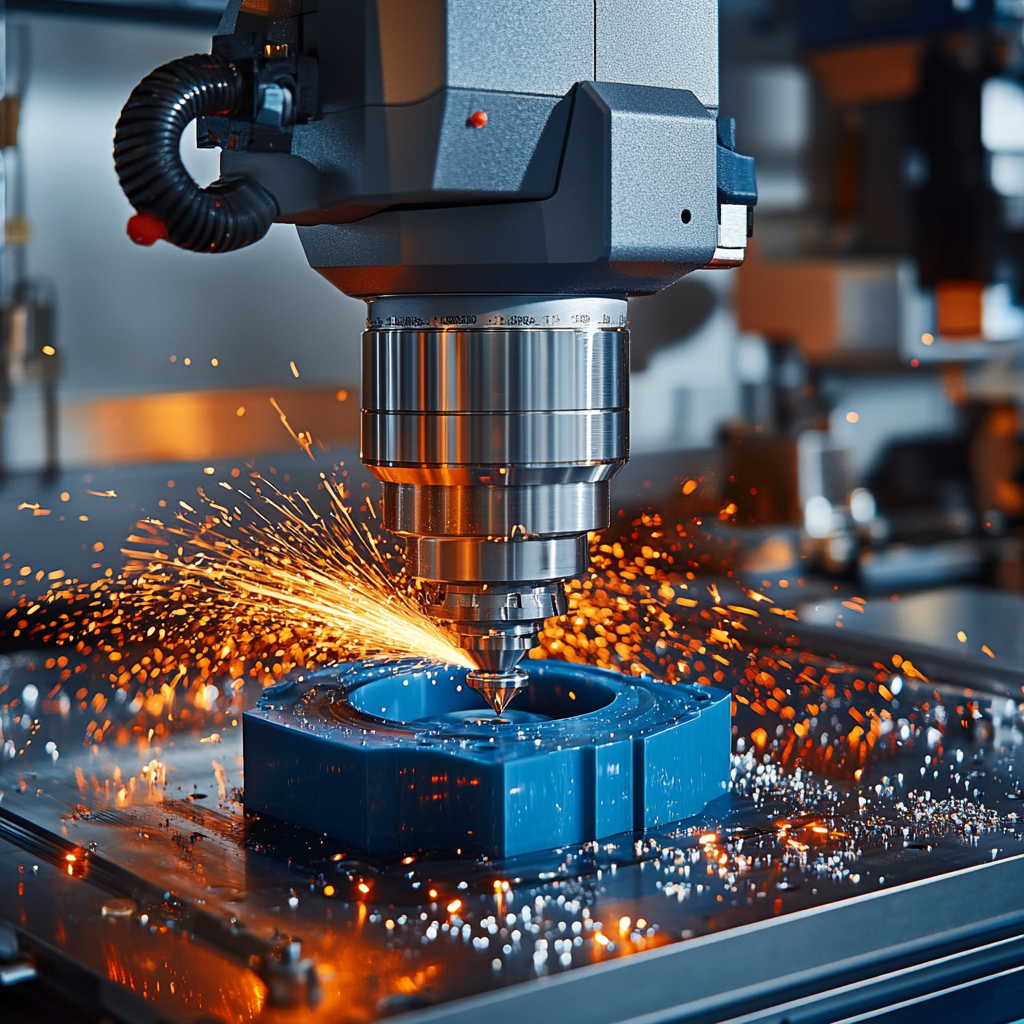
Milling
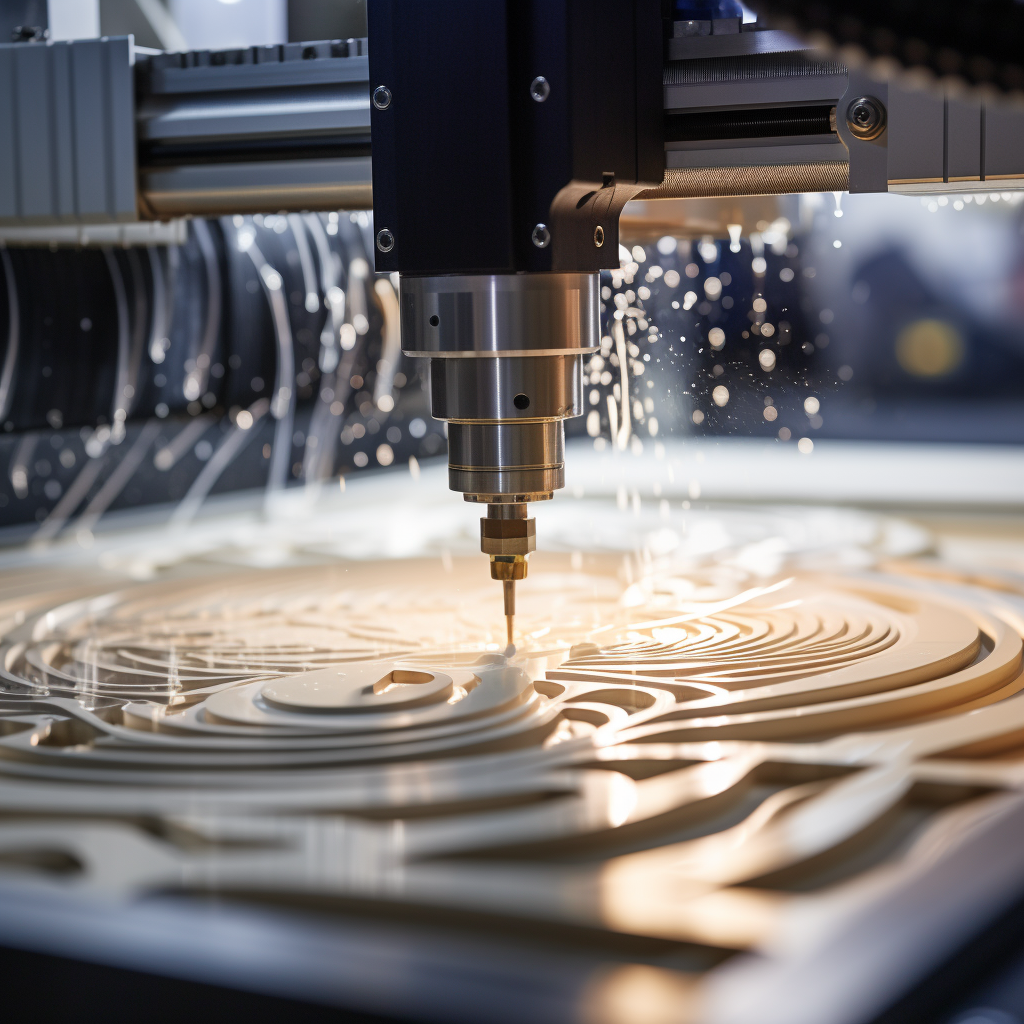
Engraving
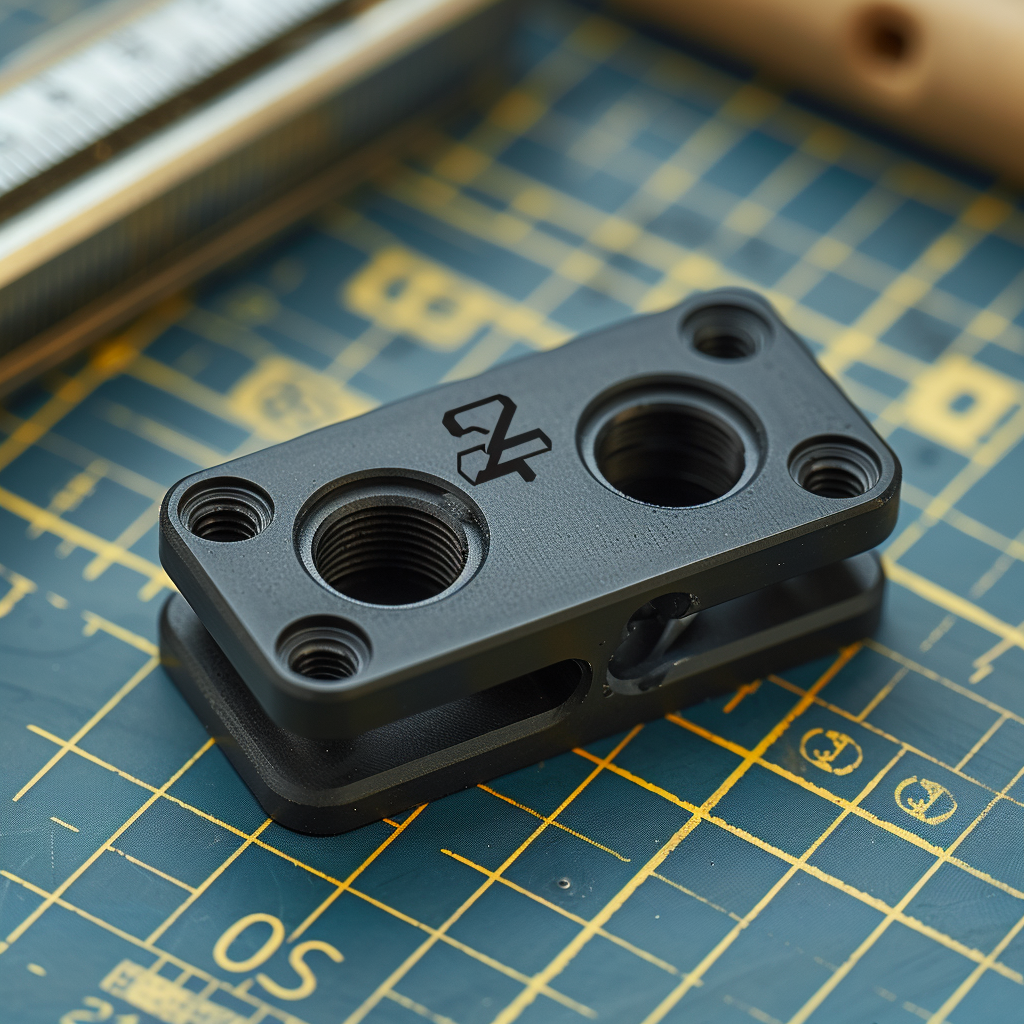
Drilling

Polishing
Materials you can choose
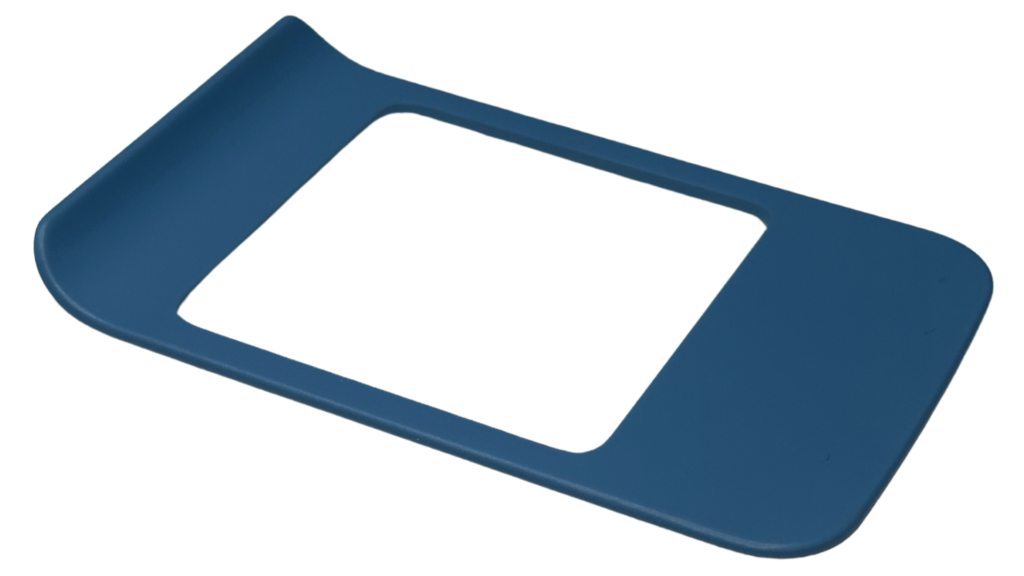
ABS
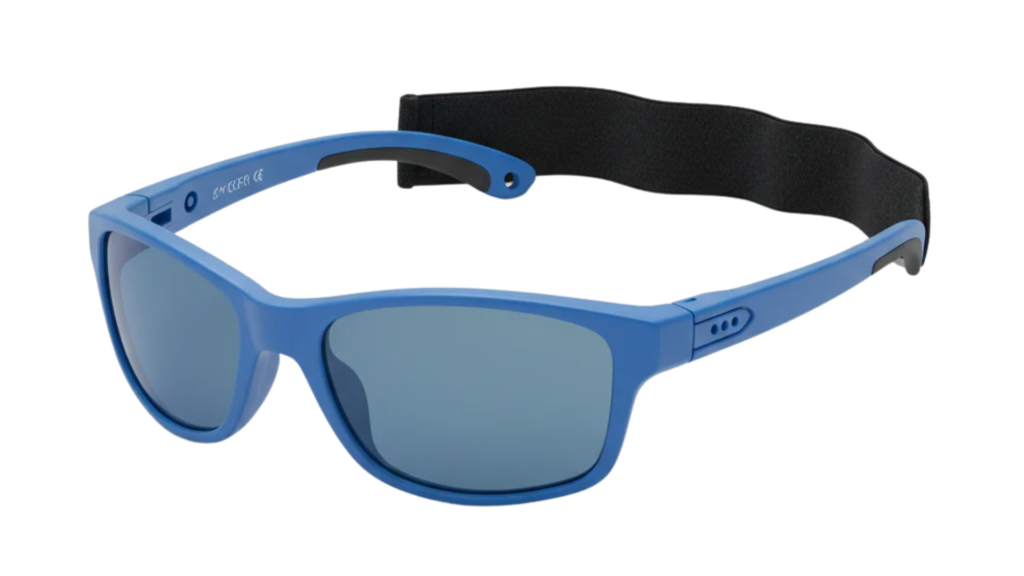
PP
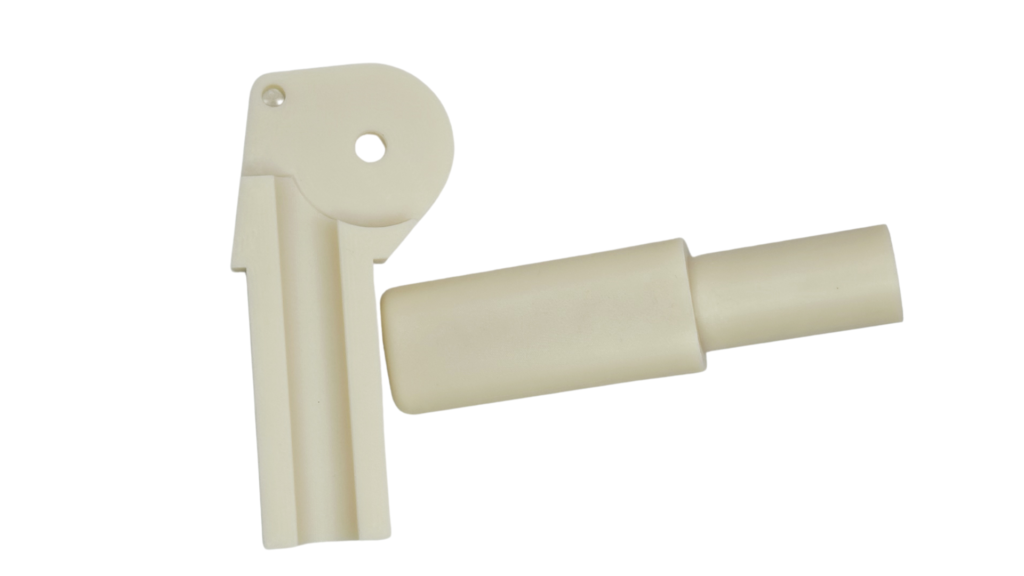
Nylon
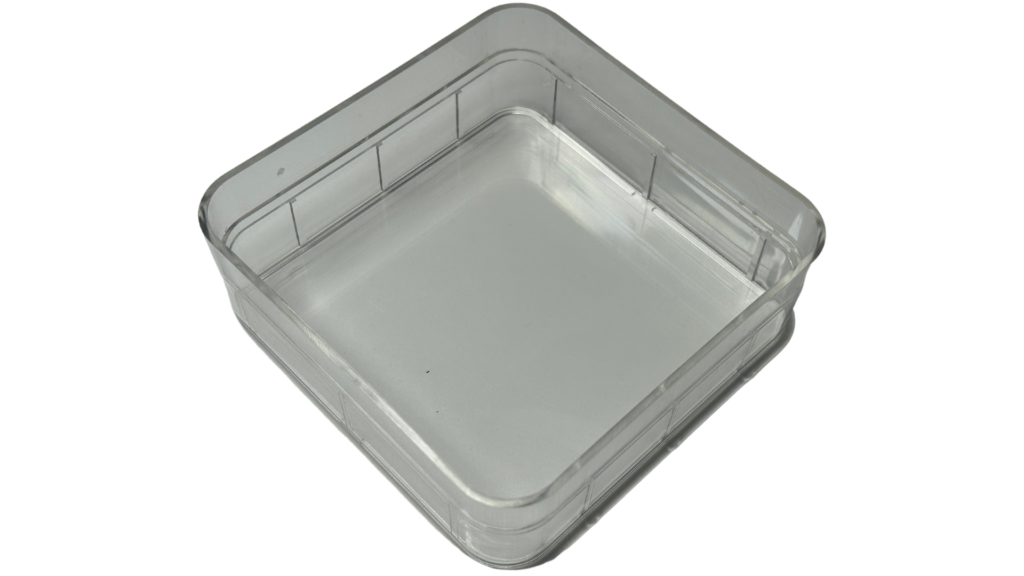
Acrylic
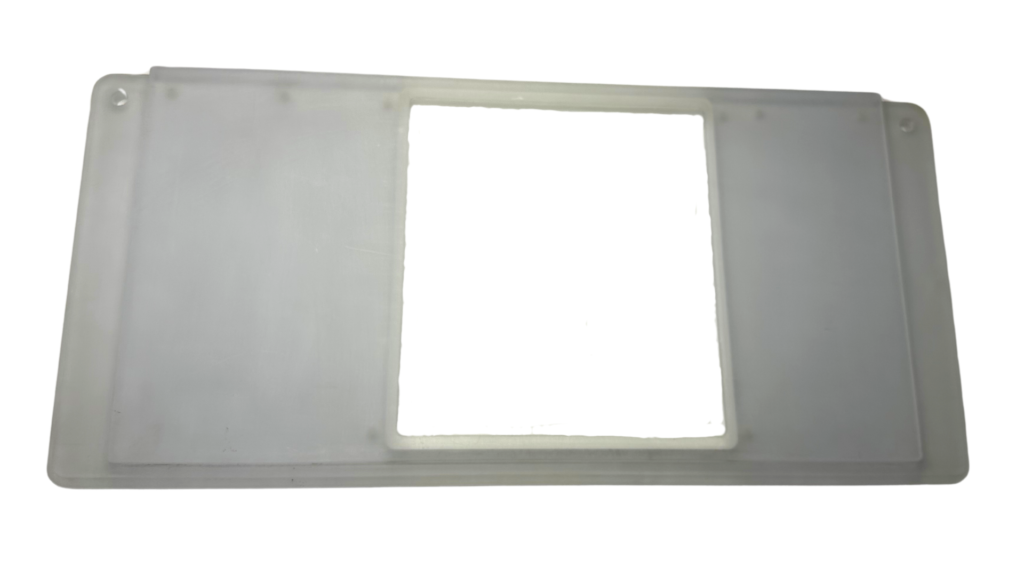
PC
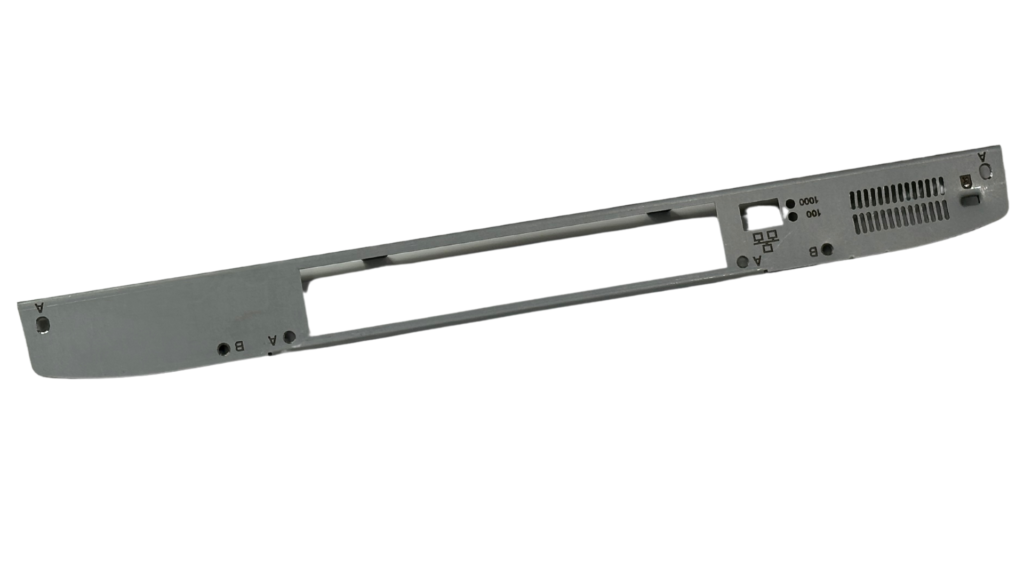
OTHER
| Basic size range | 精密级(Fine) | 中等级(Medium) | 粗糙级(Coarse) | 极粗糙级(Very coarse) |
|---|---|---|---|---|
| 0.5 to 3 | 0.05 | 0.1 | 0.2 | — |
| >3 to 6 | 0.05 | 0.1 | 0.3 | 0.5 |
| >6 to 30 | 0.1 | 0.2 | 0.5 | 1 |
| >30 to 120 | 0.15 | 0.3 | 0.8 | 1.5 |
| >120 to 400 | 0.2 | 0.5 | 1.2 | 2.5 |
| >400 to 1000 | 0.3 | 0.8 | 2 | 4 |
| >1000 to 2000 | 0.5 | 1.2 | 3 | 6 |
| >2000 to 4000 | — | 2 | 4 | 8 |
CNC Machining Tolerances
Our company’s standard tolerances comply with ISO 2768 (medium) for plastic machined parts and ISO 2768 (fine) for metal machined parts. Typically, we can maintain CNC machining tolerances ranging from ±0.005 inches (±0.125mm) to ±0.002 inches (±0.05mm). For tighter tolerance requirements, a 2D engineering drawing with complete information is necessary. Our engineering team will communicate with you regarding critical dimensional tolerances and provide the highest possible precision machining solutions.
With You Through Every Process Step
Step 1: Precision Programming Before Production
Before machining begins, we analyze your product and create optimized CNC programs to ensure precision and efficiency.
Step 2: High-Speed, High-Accuracy CNC Cutting
With advanced CNC machines, we transform digital designs into high-accuracy parts, ensuring quality in every cut.
Step 3: CNC Machining Finishes
Standard (As-Milled)
The finish option with the quickest turnaround. Machined parts are left with visible tool marks and potentially sharp edges and burrs, which can be removed upon request. CNC machining surface finish is comparable to 125 uin Ra finish.
Bead Blast
The part surface is left with a smooth, matte appearance.
Anodized
Type II (MIL-A-8625, Type II) creates a corrosion-resistant finish. Parts can be anodized in different colors—clear, black, red, and gold are most common—and are usually associated with aluminum. Type III (MIL-A-8625/MIL-PRF-8625, Type III, Class 1/2 "hardcoat") is thicker and creates a wear-resistant layer in addition to the corrosion resistance seen with Type II.
PTFE Impregnated Hard Anodize
A hard coat anodize process that embeds PTFE to create a self-lubricating, dry contact surface with Type 3 hard coat’s protective properties. This finish can be used on aluminum alloys or titanium and increases the service life of the product. This finish conforms to the AMS-2482 Type 1 Hard Coat Anodizing with Teflon (Non-Dyed).
Passivation
Improves corrosion resistance for 200 and 300 series and precipitation hardened corrosion-resistant steels. Thickness is negligible, about 0.0000001”. Conforms to ASTM A967, AMS-QQ-P-35, MIL-STD-171, ASTM A380, or AMS 2700.
Powder Coat
This process is where powdered paint is sprayed onto a part and baked in an oven. This creates a strong, wear- and corrosion-resistant, more durable layer than standard painting methods. A wide variety of colors are available to create the desired aesthetic.
Step 4: PRODCUTS INSPECTION
Does the Standard Inspection include a dimensional report?
No. A standard inspection is a simple dimensional check and no documentation will ship with your parts.
How can I receive a dimensional inspection report?
Upgrade to Formal Inspection with Dimensional Report, CMM Inspection with Dimensional Report, or First Article Inspection to receive a full dimensional inspection report that is correlated to your drawing.
What are your tolerances for CNC machined parts?
- +.005”/-.005” local tolerances across most geometries in metals, +/- 0.010″ for plastics. Will vary for large parts, specifically when holding flatness over large parts after heat treatment.
- Finish requirements for “As Milled” finish will have a minimum 125 surface finish for CNC parts.
- All fabricated parts have a 0.010” dimensional and 1° angular tolerance.
- Tapped holes not explicitly called out as Features on the quoted CAD model may be machined to the diameters specified in that model.
- No surface treatments (e.g. anodize, bead blast, iridite, powder coat, etc.) will be applied unless you have paid for them and we have specifically acknowledged them.
Can you verify GD&T geometric tolerances like position, flatness, surface profile, parallelism, etc..?
- Yes. lf your part has GD&T requirements, it must be inspected using a Coordinate Measuring Machine. Please included your requirements when you placing the order.
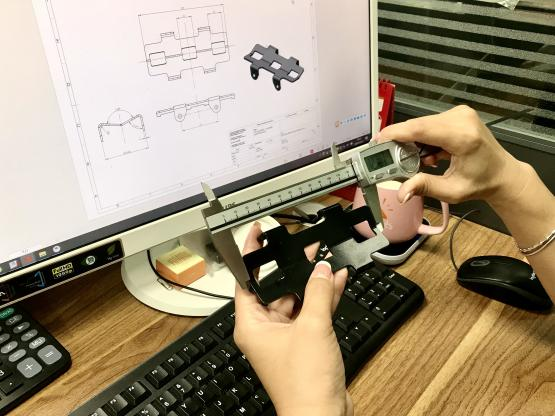
Step 5: Package
In the packaging phase, we ensure that all products are securely packaged to protect them during transit and storage. Each item is carefully wrapped using appropriate protective materials such as bubble wrap, foam inserts, and corrugated boxes. Our packaging process is designed to prevent damage, preserve product integrity, and ensure that all items reach their destination in perfect condition. Clear labeling and detailed documentation are also included to facilitate easy identification and handling. Our commitment to quality extends to every aspect of the process, including packaging, ensuring complete customer satisfaction.
A Quick Guide to Designing
CNC Machined Parts
Optimize designs to eliminate unnecessary machining features, simplify part structures, and effectively reduce CNC machining costs and time—achieving more efficient and rapid part manufacturing.
Optimize Internal Radii for Machining Efficiency
Internal features create fillets equal to half the tool diameter. Smaller tools increase machining time, so we recommend radii exceeding 1/3 of the cut depth. Eliminate sharp corners and use large, consistent radii on all internal edges to enable single-tool machining throughout the process.
Avoid Deep Cavities and Holes
Keep cavity depths within 4 times the tool diameter, and groove depths under 4 times their width. For holes (blind or through), limit depth to 4 times the diameter. Use standard drill sizes for faster, cheaper machining. Non-standard holes require special tools and cost more.
Avoid Thin Walls
Like tall walls, thin features cause more vibration during machining. Keep metal walls above 0.5-0.8 mm and plastic walls above 1.0-1.5 mm. For supporting or tall structures, increase thickness to prevent CNC vibration issues.
Avoid Tiny or Raised Text
You may need to mark part numbers or logos on components. While engraved text looks professional on CNC parts, it significantly increases machining time. For better efficiency, consider laser marking or electrochemical etching instead. If machining text is necessary, use recessed (engraved) text rather than raised lettering. Keep fonts simple and large, with a depth no greater than 0.3mm.
Follow Thread Standards
Always use standard thread sizes. Keep thread length under 3 times the hole diameter. For blind holes, add extra depth (at least half the diameter) at the bottom. Consider using inserts—threaded coils and brass nuts last longer than bare threads, especially in soft materials like aluminum or plastic, and are easy to install.
Case Applications of CNC Machined Parts
CNC machining is a versatile manufacturing process suitable for diverse applications. Our company’s CNC machining applications include components for aerospace, automotive, medical, robotics, and other precision industries.
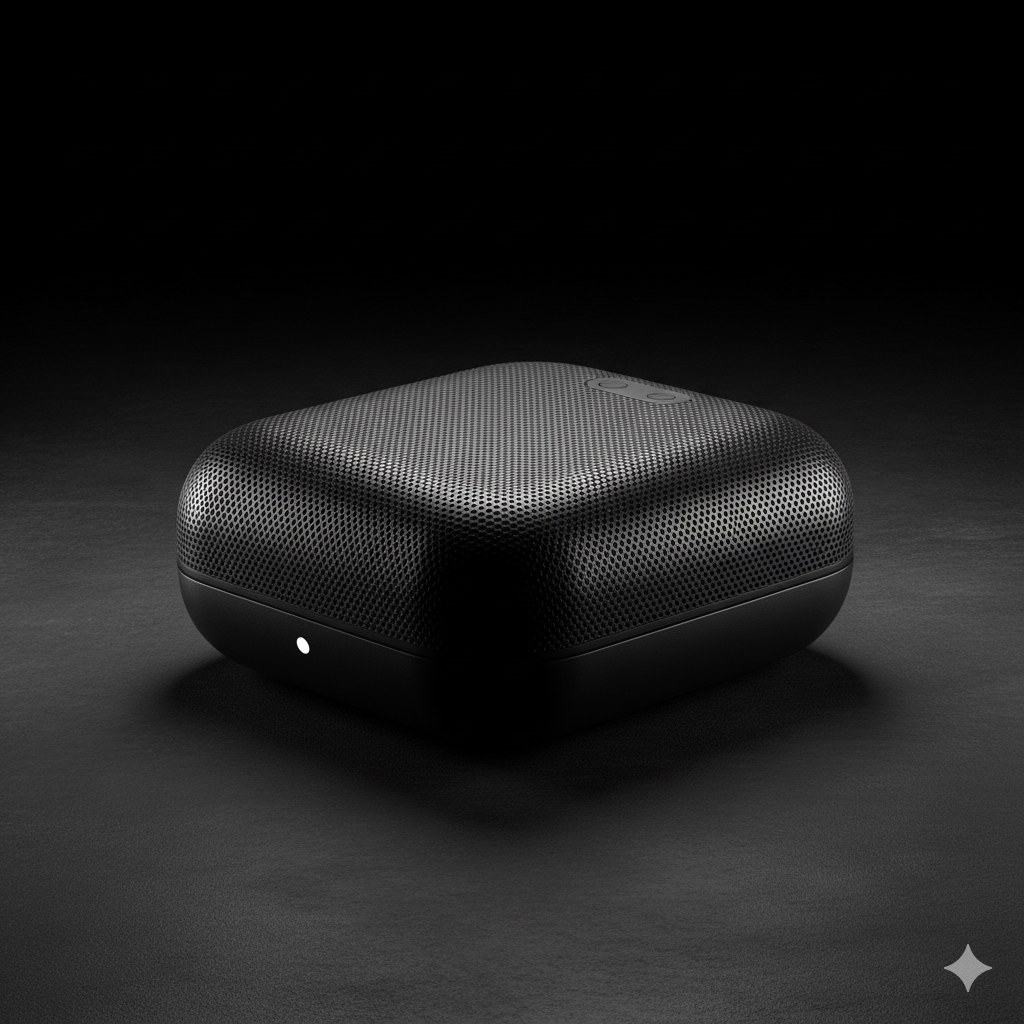
Prototype Design Verification
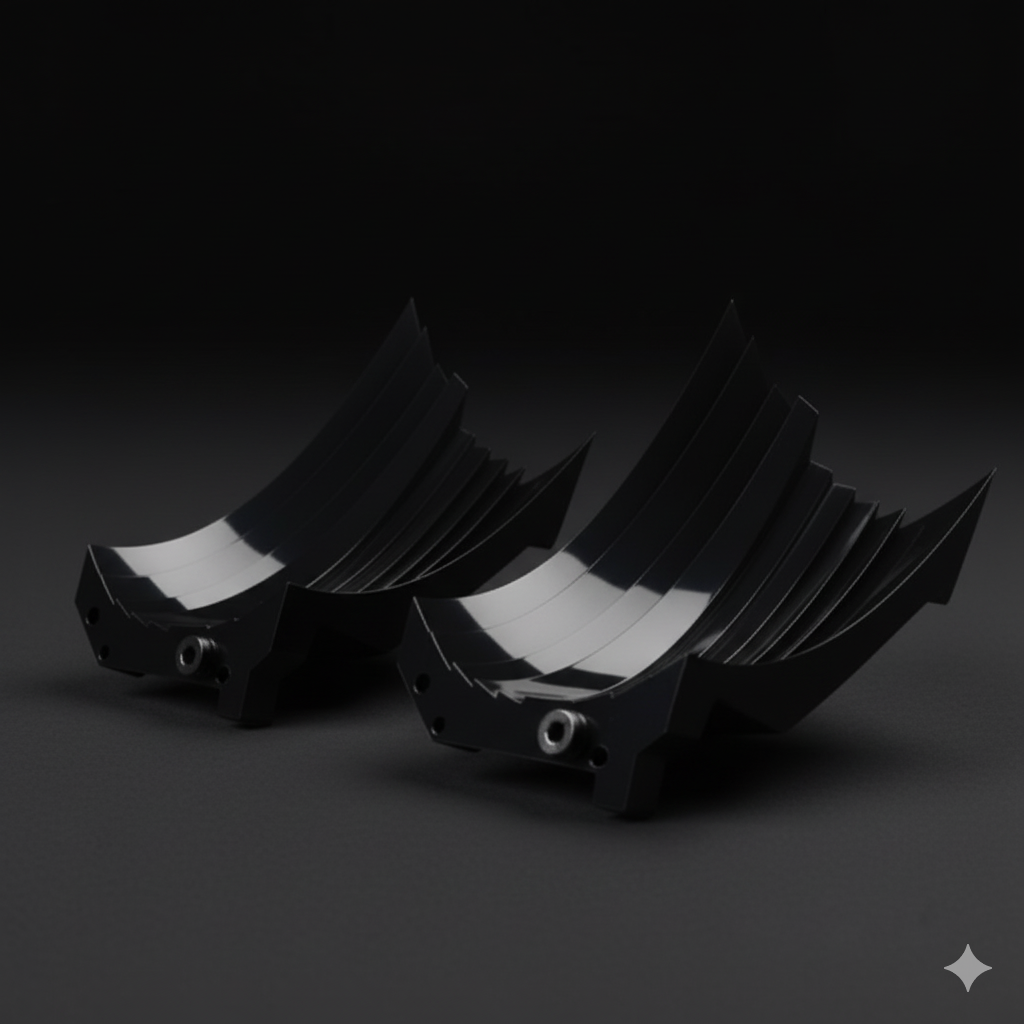
Functional Testing Complex Designs
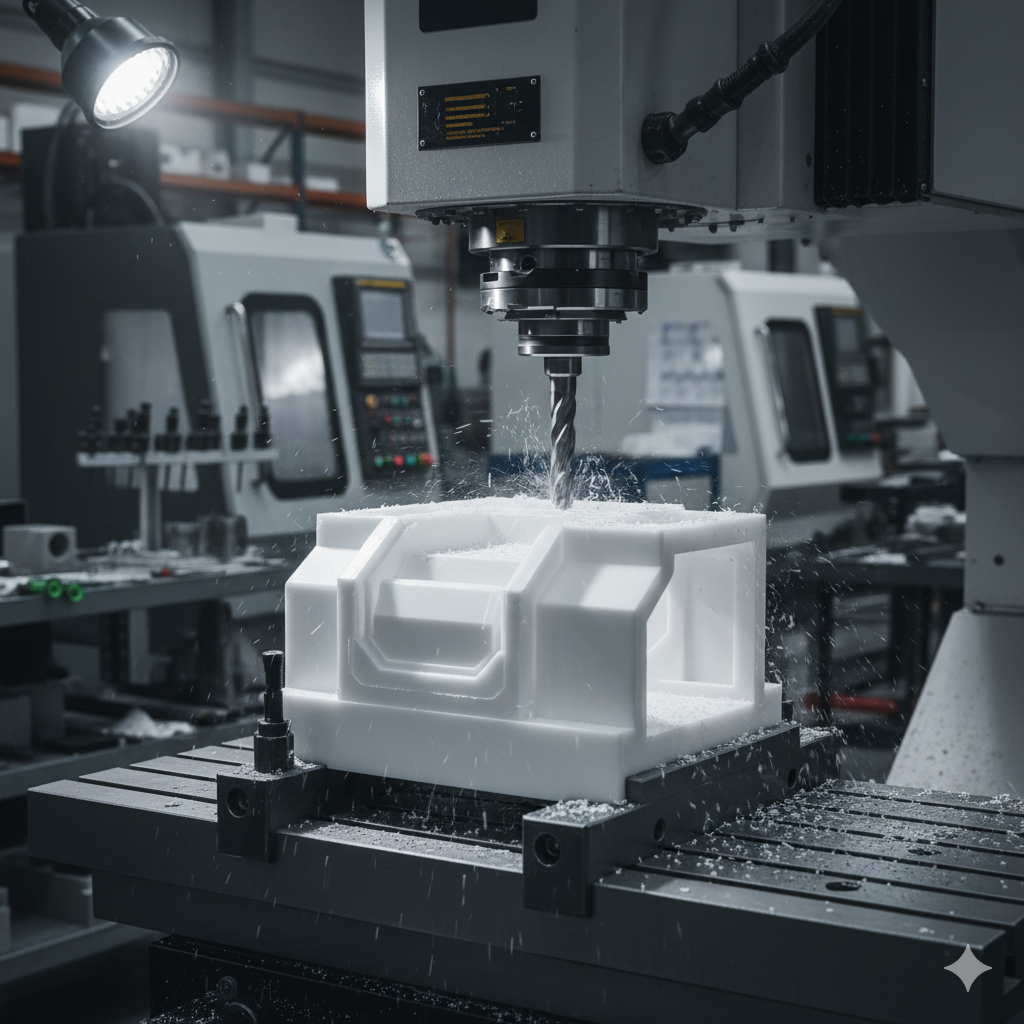
Create Metal Molds and Tooling
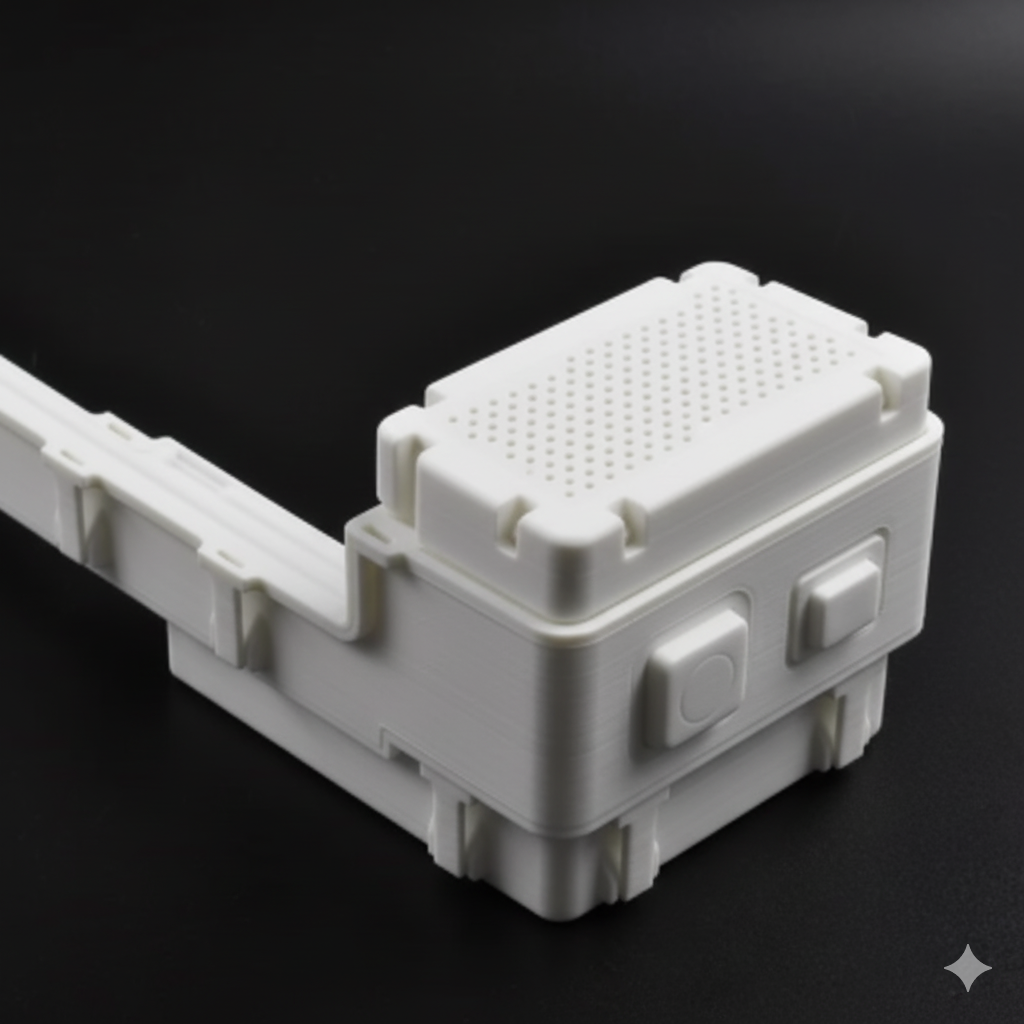
High Performance Machined Medical Components
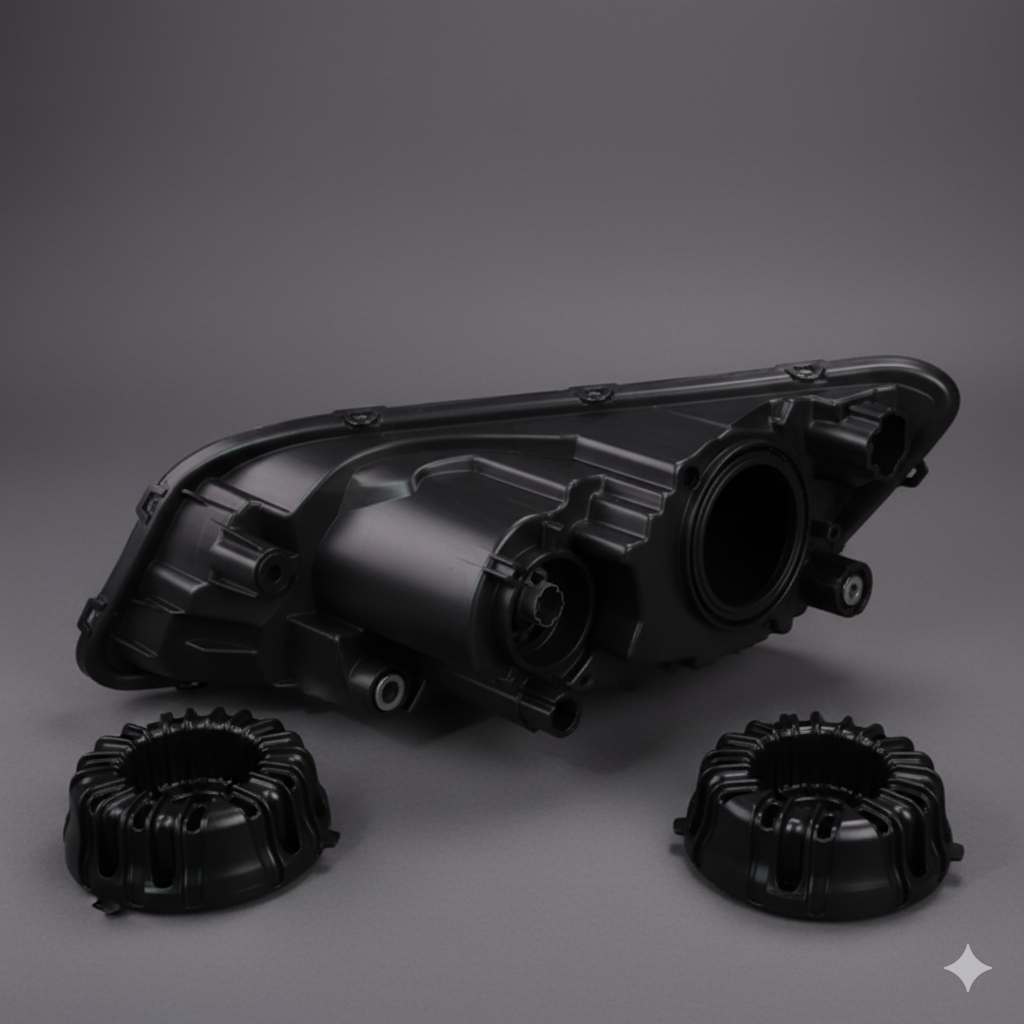
Machinable Custom Automotive Parts
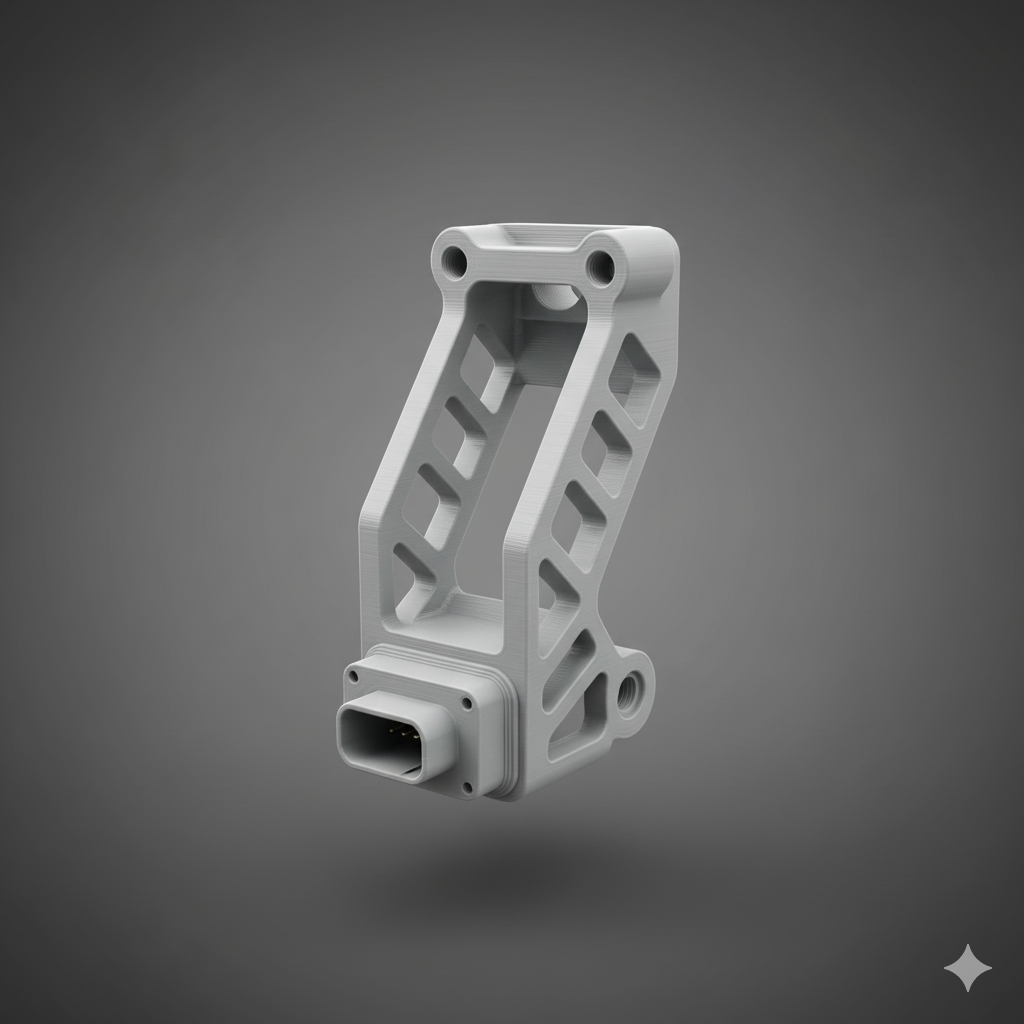
High Precision Machined Aerospace Components

Plastic Machining of Consumer Electronics
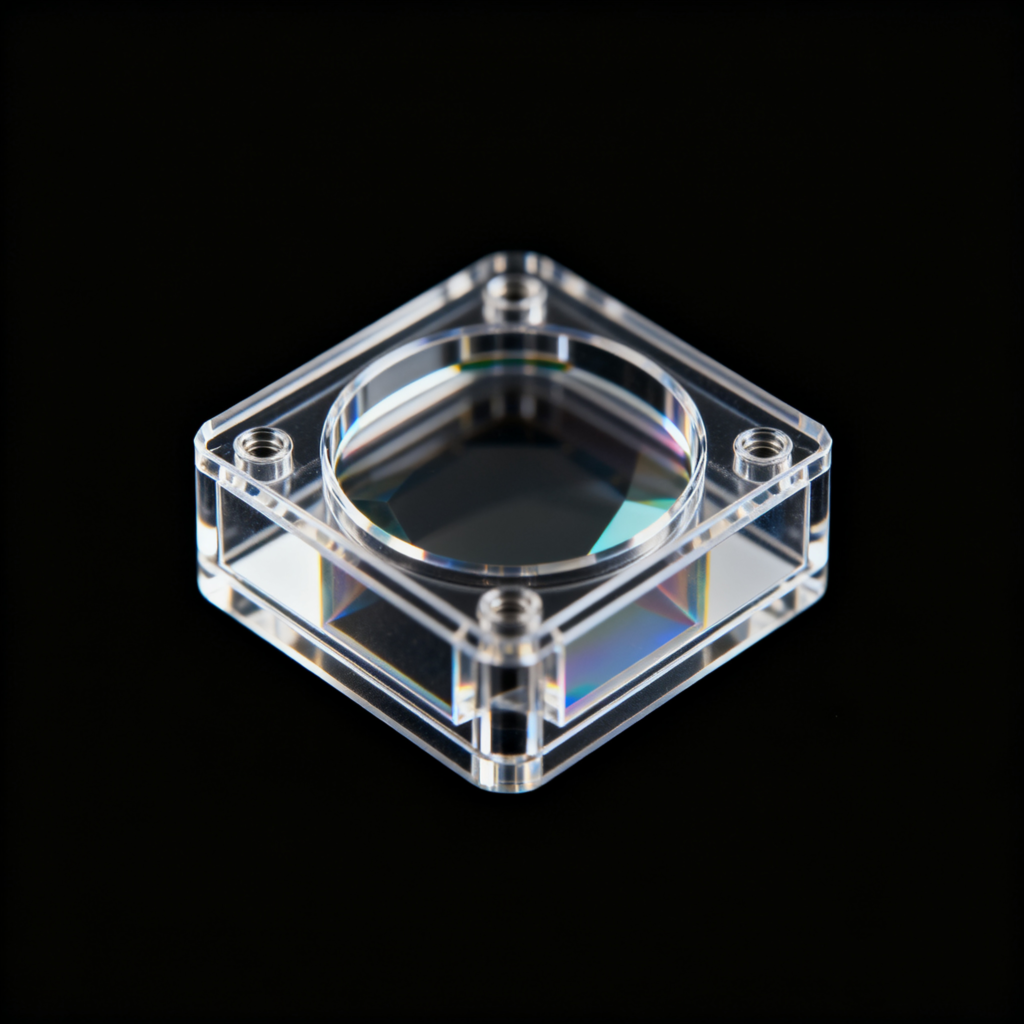
Clear Optical Prototypes With Precision CNC Machining
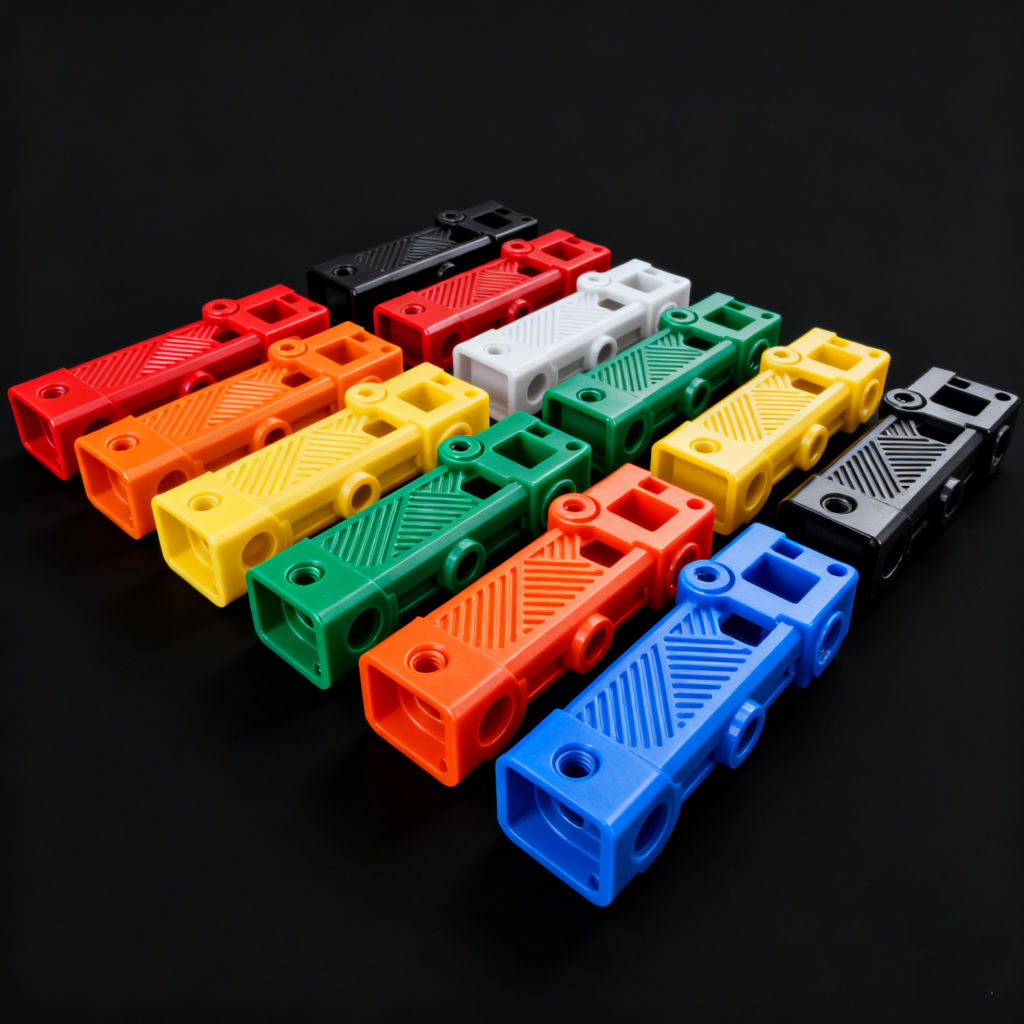
Low-Volume Machined Parts of End-Use
Common Questions
Most Popular Questions
This depends on the size of the part. Our team can confirm the estimated production time of the part to you on the day we receive the inquiry.
Drawings in IGS or STEP format, part materials and surface requirements
Plastics (ABS, PC, PMMA, PEEK, PP, PA, PA + 30% GF ect), brass, stainless steel, aluminum alloy, steel
The maximum size that can be processed is 1.8 meters long * 1.3 meters wide * 0.2 meters thick, without disassembling parts
Plastics: polishing, painting, silk screen, electroplating, silk screen, etc.
Metals: polishing, painting, powder coating, anodizing, electroplating, silk screen
Still have questions?